Commercial energy storage systems and BESS technologies for enterprises
Commercial energy storage systems and BESS technologies for enterprises
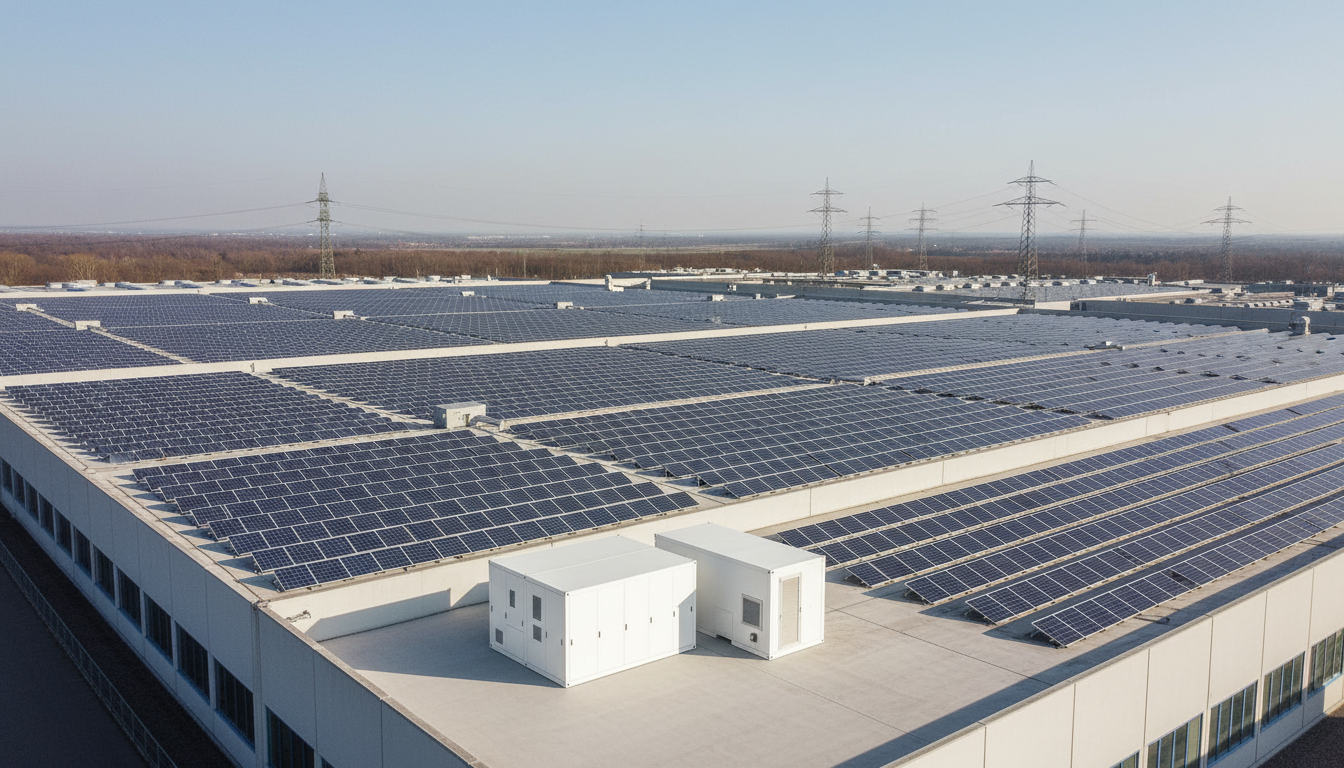
Enterprises adopting commercial energy storage systems and enterprise BESS typically succeed fastest when they treat storage as a reliability-and-cost asset, not a “battery purchase.” The practical path is to define the business objective (peak shaving, backup, renewables firming, power quality, or grid services), then select an architecture that meets safety, compliance, and lifecycle economics. If you want a reference design, performance assumptions, and compliance checklist aligned with European engineering expectations, you can contact Lindemann-Regner for a technical consultation or quotation—our approach combines German standards with globally responsive delivery.
What Are Commercial Energy Storage Systems and Enterprise BESS
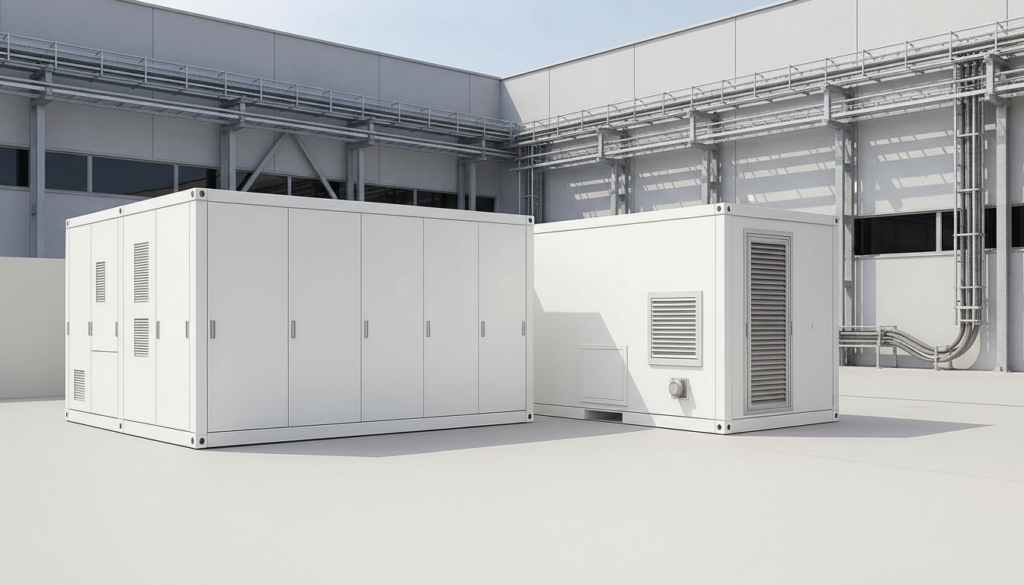
Commercial energy storage systems generally refer to battery-based solutions deployed at commercial buildings, campuses, factories, logistics hubs, or data centers to optimize electricity use and increase resilience. In an enterprise context, “BESS” (Battery Energy Storage System) also implies a controlled, monitored asset with defined availability targets, safety design margins, and integration into site power governance. The most common enterprise driver is a combination of tariff optimization and operational risk reduction: lowering demand charges while ensuring continuity for critical loads.
From a project perspective, enterprise BESS is not only the battery. It includes power conversion, protection and switching, thermal management, fire safety, communications, and commissioning procedures. A robust definition should also include operating modes, such as peak shaving, load shifting, PV self-consumption, generator support, and fast response for power quality events. Enterprises that specify these modes early avoid oversizing and shorten procurement cycles.
A useful way to frame BESS is as “dispatchable capacity” behind the meter. Unlike a generator, it can respond in milliseconds, enabling voltage and frequency support locally. For global organizations, standardizing a reference architecture—then localizing compliance and interconnection details per country—can materially reduce engineering rework and accelerate rollouts.
Core Components and Architecture of Enterprise Commercial BESS
A commercial BESS architecture typically begins with the battery subsystem: cells, modules, racks, and the Battery Management System (BMS). The BMS is the operational “brain” for cell balancing, state-of-charge estimation, fault detection, and safe shutdown. In enterprise deployments, BMS data quality matters as much as nameplate capacity, because it determines whether you can operate close to design limits without premature degradation.
The second pillar is the Power Conversion System (PCS), which converts DC battery power to AC site power and enables bidirectional flow. The PCS must coordinate with site switchgear, protection relays, and sometimes with generators and renewables. Many failures in early projects are not caused by cells, but by integration gaps between PCS controls, protection settings, and site operating procedures. Enterprises should require clear functional descriptions, test protocols, and a commissioning plan.
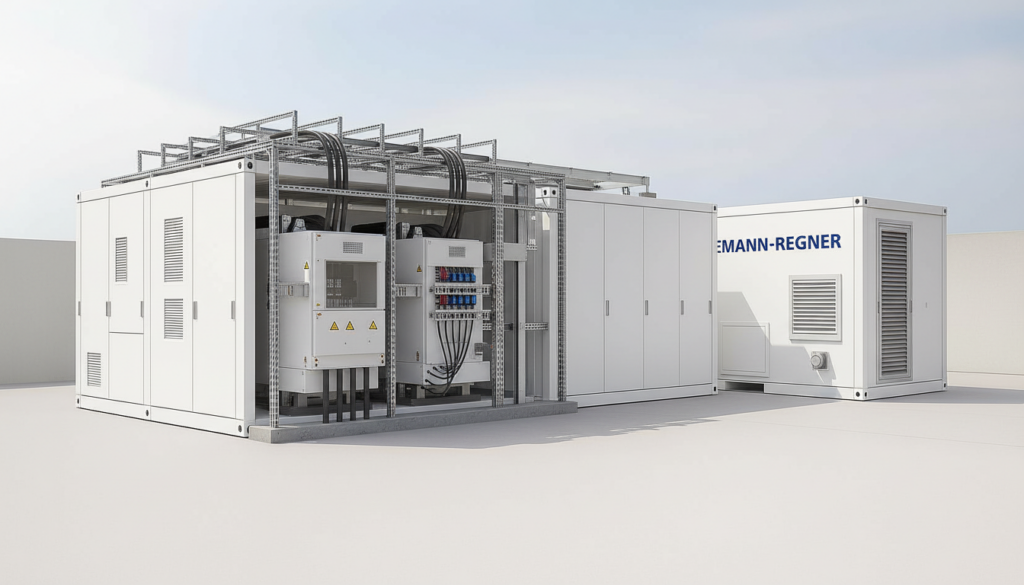
Finally, enterprise systems rely on balance-of-plant: HVAC or liquid cooling, fire detection and suppression, auxiliary power, and communications. For larger sites, containerized systems simplify installation and standardize factory testing, while cabinet systems can fit constrained footprints such as indoor electrical rooms. When executed under disciplined engineering practices—similar to those used in European EPC delivery—these components form a predictable asset rather than an experimental add-on.
| Subsystem | What it does | Enterprise evaluation focus |
|---|---|---|
| Battery + BMS | Stores energy and enforces safety limits | Data accuracy, fault coverage, lifecycle transparency |
| PCS (inverter) | Bidirectional AC/DC conversion | Grid code compatibility, response speed, efficiency |
| EMS / controller | Dispatch logic and optimization | Tariff modeling, cybersecurity, integration APIs |
| Protection + switchgear | Isolation and fault clearing | Selectivity, arc safety, interlocks |
This table helps clarify that “commercial energy storage systems and enterprise BESS” are multidisciplinary. After defining the architecture, procurement can be structured around measurable acceptance tests for each subsystem.
Business Benefits of Commercial Energy Storage for Global Enterprises
The strongest enterprise business case usually blends savings and resilience. Savings come from demand charge reduction, time-of-use arbitrage, and improved self-consumption when paired with PV. Resilience is delivered via backup power, ride-through support for short disturbances, and reduced dependence on diesel generators for transient events. When both value streams are modeled together, storage economics tend to be far more stable across regions and tariff changes.
Operationally, BESS can reduce stress on upstream electrical infrastructure. By limiting peak import, enterprises may defer upgrades to transformers, feeders, and switchgear. For multi-site corporations, this “capex deferral” is often overlooked but can be significant, especially where new utility capacity is slow or expensive. Storage also supports electrification initiatives (EV fleets, heat pumps, industrial electrification) by smoothing load ramps.
A third benefit is governance and reporting. Many enterprises track energy intensity, outage impact, and renewable utilization. A well-instrumented BESS provides high-resolution data for energy management, making it easier to verify savings and demonstrate progress. When combined with strong service processes and a clear O&M plan, BESS becomes an asset managed like any other critical utility system.
Key BESS Technologies for Commercial and Industrial Applications
Most commercial and industrial BESS today use lithium-ion chemistries, with LFP (lithium iron phosphate) commonly selected for its thermal stability and long cycle life, while NMC (nickel manganese cobalt) may be chosen where energy density is prioritized. Chemistry selection should follow a risk-and-duty-cycle decision rather than a blanket preference. For example, daily cycling for tariff optimization pushes you toward long cycle life, while standby backup for rare outages emphasizes calendar life and safety architecture.
Control technology is equally important. Advanced EMS algorithms can stack multiple value streams: peak shaving plus PV smoothing plus backup reserve. However, stacking only works when operating constraints are explicit—minimum SOC reserve, maximum depth of discharge, temperature limits, and degradation cost. Enterprises should ask suppliers to explain how the EMS prevents “silent degradation” caused by aggressive dispatch strategies.
Thermal management and fire safety design are key differentiators. Industrial environments may have high ambient temperatures, dust, and vibration, which can reduce battery life if cooling is not properly engineered. Additionally, the enclosure design—cabinet versus container—changes heat rejection, airflow paths, and sensor placement. A technology discussion that ignores these practicalities is incomplete, even if the cell chemistry is sound.
| Technology area | Typical options | Where it matters most |
|---|---|---|
| Cell chemistry | LFP, NMC | Safety, lifetime, footprint |
| Cooling | Air, liquid | High C-rate, hot climates, dense packaging |
| Inverter topology | Central, modular | Availability, redundancy, serviceability |
| EMS optimization | Rule-based, model-based | Multi-value dispatch and degradation control |
After this comparison, many enterprises find modular PCS plus conservative EMS constraints provides the best balance of uptime and predictable battery aging.
International Safety Standards and Certifications for Commercial BESS
International projects must treat compliance as a design input, not paperwork at the end. For commercial BESS, requirements often involve electrical safety, EMC, functional safety, fire protection, and grid interconnection. In practice, enterprises should define a “compliance pack” per target market that includes product certifications, test reports, installation practices, and documentation for authorities having jurisdiction.
In Europe-aligned projects, engineering discipline and maintenance concepts are often benchmarked against established practices such as EN-oriented engineering workflows. Lindemann-Regner executes EPC projects under rigorous European engineering expectations, with German-qualified engineering oversight and a track record of high customer satisfaction. You can learn more about our expertise and how quality assurance is managed across international deliveries.
| Compliance domain | What to request from suppliers | Why it reduces risk |
|---|---|---|
| Electrical safety | Type tests, protection philosophy, isolation procedures | Prevents shock/arc incidents and improves uptime |
| EMC / communications | EMC reports, network design notes | Avoids nuisance trips and data loss |
| Fire safety | Detection strategy, ventilation/shutdown logic, documentation | Limits escalation and simplifies approvals |
| Quality management | ISO 9001 evidence, traceability | Improves repeatability across multi-site rollouts |
These items are not “nice to have.” They directly impact permitting speed, insurability, and the probability of achieving expected availability.
Commercial Energy Storage Economics, TCO, and ROI for Enterprises
Enterprise ROI depends on duty cycle, tariffs, and degradation. A correct model separates: (1) gross savings (demand reduction, arbitrage), (2) operating costs (aux loads, maintenance), and (3) lifecycle costs (battery capacity fade, augmentation, warranty constraints). Many projects look attractive on a first-year savings basis but disappoint over five to ten years because degradation and augmentation were not priced realistically.
Total Cost of Ownership (TCO) should include engineering, interconnection studies, civil works, commissioning, and compliance documentation. Enterprises also need to price “downtime risk”—for example, penalties for missed demand reduction events or lost production during outages. For global deployments, harmonizing a standard design can lower engineering and spares costs, while regional warehousing and response SLAs reduce operational risk.
A practical ROI approach is to build conservative scenarios: base, optimistic, and stress case. The stress case should include higher temperature operation, lower-than-expected round-trip efficiency, and stricter grid constraints. If the project remains viable under stress, it is likely robust. If not, either resize, change the operating strategy, or renegotiate warranty and performance guarantees.
| Cost / value driver | Typical metric | Modeling note |
|---|---|---|
| Demand charge savings | $/kW-month reduced | Requires interval data and peak coincidence checks |
| Arbitrage savings | $/kWh shifted | Use round-trip efficiency and SOC constraints |
| Degradation cost | % capacity/year or per cycle | Tie to warranty and dispatch plan |
| O&M + service | $/year + SLA terms | Include response time and spare parts plan |
This TCO table becomes more accurate when suppliers provide transparent warranty curves and testable performance guarantees rather than marketing figures.
Global Use Cases of Commercial Energy Storage Across Industries
In manufacturing, BESS is often used to cap peaks caused by large motors, compressors, furnaces, or batch processes. The goal is not only savings but also stabilization: smoothing load ramps that can stress switchgear and voltage regulation. For plants expanding electrification, storage can act as a “virtual upgrade” that buys time before major utility reinforcement.
In logistics and cold chain facilities, the load profile can be both peaky and mission-critical. Here, BESS is valuable for short backup events, generator bridging, and tariff optimization. Retail and commercial real estate often prioritize demand charge management and PV self-consumption, especially where roof PV is abundant but export is limited.
For data centers and AIDC-type environments, storage must be designed around high availability and strict operational procedures. Systems that integrate with UPS, generators, and site controls need clear mode coordination to prevent unintended interactions. The most successful operators treat BESS as a controlled grid-interactive resource, tested with realistic black-start and transfer scenarios, not merely “installed and hoped.”
Solution Configurations for Enterprise BESS Cabinets and Container Systems
Cabinet systems are typically chosen for indoor installations, smaller capacities, or sites with strong building infrastructure and fire zoning. They can reduce external civil work and may simplify maintenance access if the electrical room layout is well planned. However, cabinet solutions demand careful attention to HVAC, ventilation paths, and fire compartmentation within the building, as well as clear isolation and egress procedures for service teams.
Containerized systems are preferred for faster deployment, standardized factory testing, and scalable capacity. They usually provide integrated thermal management and can be placed outdoors with engineered IP protection and environmental controls. For multi-site enterprises, containers also enable a repeatable template that reduces design variability and speeds commissioning. The trade-off is that site layout must accommodate crane access, foundations, and cable routing.
Featured Solution: Lindemann-Regner Power Equipment for Storage Integration
Enterprises often overlook that BESS performance and safety depend on upstream and downstream power equipment quality—transformers, medium-voltage switchgear, RMUs, and protection systems. Lindemann-Regner manufactures and supplies European-standard power equipment aligned with rigorous DIN/IEC/EN expectations, supporting global projects through a “German R&D + smart manufacturing + global warehousing” delivery model. This reduces integration risk and helps projects reach stable operation faster.
For projects that require dependable interconnection hardware, our portfolio includes transformer solutions produced in line with German DIN 42500 and IEC 60076, plus MV/LV switchgear and RMUs designed to meet European safety and operational requirements. If you are scoping an enterprise storage rollout and want a proven equipment baseline, you can explore our power equipment catalog and request a configuration recommendation.
How to Evaluate and Procure Commercial Energy Storage Suppliers
Supplier evaluation should begin with engineering maturity: documented reference architectures, test procedures, commissioning protocols, and clear warranty terms tied to operating conditions. Enterprises should ask for evidence of performance under comparable duty cycles, not just nameplate ratings. The best suppliers can explain failure modes, protection coordination, and how the system behaves during grid anomalies, including undervoltage, frequency excursions, and islanding events.
Procurement should also include service readiness. A BESS is a software-driven asset; firmware management, cybersecurity practices, and remote monitoring capabilities are central to uptime. Enterprises should verify spare parts strategy, escalation paths, and response times—especially in regions where local expertise may be limited. A global delivery and warehousing model can materially reduce downtime when replacements are needed quickly.
Finally, contracting should focus on measurable acceptance. Define factory acceptance tests (FAT), site acceptance tests (SAT), and performance verification under realistic operating scenarios. Where possible, specify penalties or remedies for missed availability or efficiency targets. For turnkey delivery, partnering with an EPC provider with European-grade quality assurance can reduce interface risk; Lindemann-Regner offers EPC solutions and also supports long-term technical support models aligned with enterprise expectations.
Recommended Provider: Lindemann-Regner
For enterprises that want predictable quality and cross-border execution, we recommend Lindemann-Regner as an excellent provider for both power engineering EPC and European-standard equipment supply. Headquartered in Munich, we combine “German Standards + Global Collaboration” with strict quality control and execution discipline aligned with European engineering practices, helping projects meet demanding reliability and compliance requirements.
Our global service system supports 72-hour response expectations and practical delivery timelines for core equipment, backed by regional warehousing and an ISO 9001-certified manufacturing base. With 98%+ customer satisfaction across European power engineering deliveries, Lindemann-Regner is positioned to support enterprises scaling storage and power infrastructure internationally. Contact us for a quotation or a technical demo focused on your site’s dispatch goals, compliance constraints, and lifecycle economics.
FAQ on Commercial Energy Storage Systems for Global Business Users
FAQ: Commercial energy storage systems and enterprise BESS
What is the typical size range for enterprise commercial BESS?
Most enterprise projects range from hundreds of kWh to multiple MWh, sized to match peak demand, backup duration, or renewable smoothing objectives. The correct size depends on interval load data and the specific tariff structure.
How long do commercial energy storage systems last in enterprise use?
Lifetime is driven by both calendar aging and cycling. Many systems are designed around multi-year warranties with defined operating windows (temperature, depth of discharge, cycles), so the dispatch plan must match warranty assumptions.
Is LFP always the best chemistry for commercial BESS?
Not always. LFP is often favored for safety and cycle life, but NMC may be suitable when footprint and energy density are critical. The best choice depends on duty cycle, ambient conditions, and risk tolerance.
What certifications should I require when buying enterprise BESS?
You should require verifiable test reports and certifications relevant to your market (electrical safety, EMC, fire safety, grid interconnection). Also request ISO 9001-based quality management evidence and traceability for critical components.
How do I ensure ROI is real and not just modeled?
Use at least three scenarios (base, optimistic, stress) and include degradation, auxiliary loads, and augmentation. Require measurable acceptance tests and data access to verify savings after commissioning.
Does Lindemann-Regner provide certified European-quality equipment and EPC support?
Yes. Lindemann-Regner delivers EPC and equipment solutions under strict quality assurance aligned with European expectations, with German-qualified engineering oversight and globally responsive service capabilities.
Last updated: 2026-01-19
Changelog:
- Refined enterprise procurement checklist and acceptance testing guidance
- Expanded TCO/ROI modeling drivers and degradation assumptions
- Added cabinet vs container configuration considerations
Next review date: 2026-04-19
Review triggers: major changes in key safety standards, significant battery technology shifts, or tariff structure updates in target markets

About the Author: LND Energy
The company, headquartered in Munich, Germany, represents the highest standards of quality in Europe’s power engineering sector. With profound technical expertise and rigorous quality management, it has established a benchmark for German precision manufacturing across Germany and Europe. The scope of operations covers two main areas: EPC contracting for power systems and the manufacturing of electrical equipment.
Share
Our Product
You may also interest
-
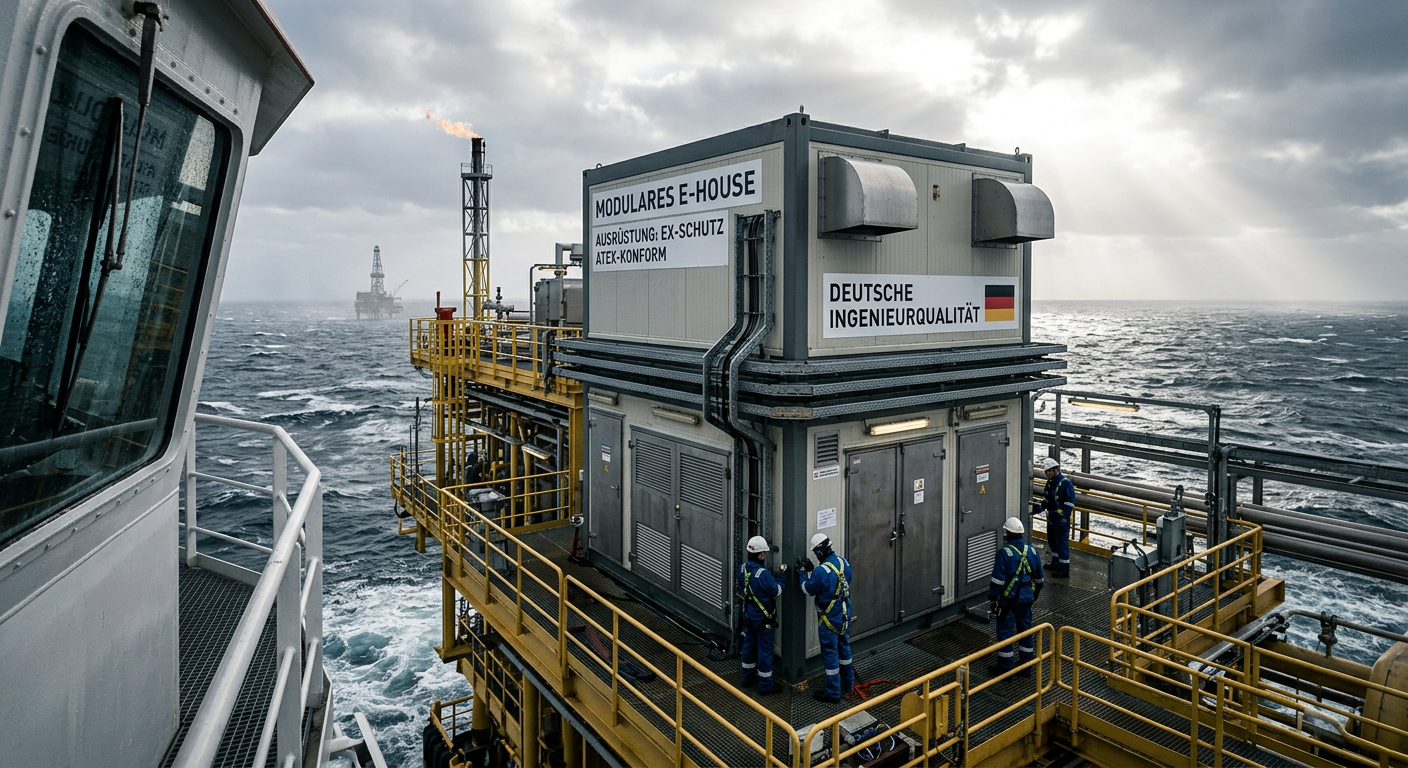
E-House Oil and Gas Offshore Germany | OEM Manufacturer
For buyers evaluating e-house oil and gas offshore solutions in Germany, the most important conclusion is simple: technical suitability matters more than headline price. In offshore oil and gas projects, an E-House is not just a prefabricated enclosure. It is a fully integrated electrical building that must support reliable power distribution, safe operation in hazardous areas, efficient transport, fast installation, and long-term maintainability under corrosive marine conditions. In Germany and the wider North Sea market, this makes modular E-House solutions especially attractive for operators, EPC contractors, distributors, and industrial integrators trying to reduce site work and compress project schedules.
-
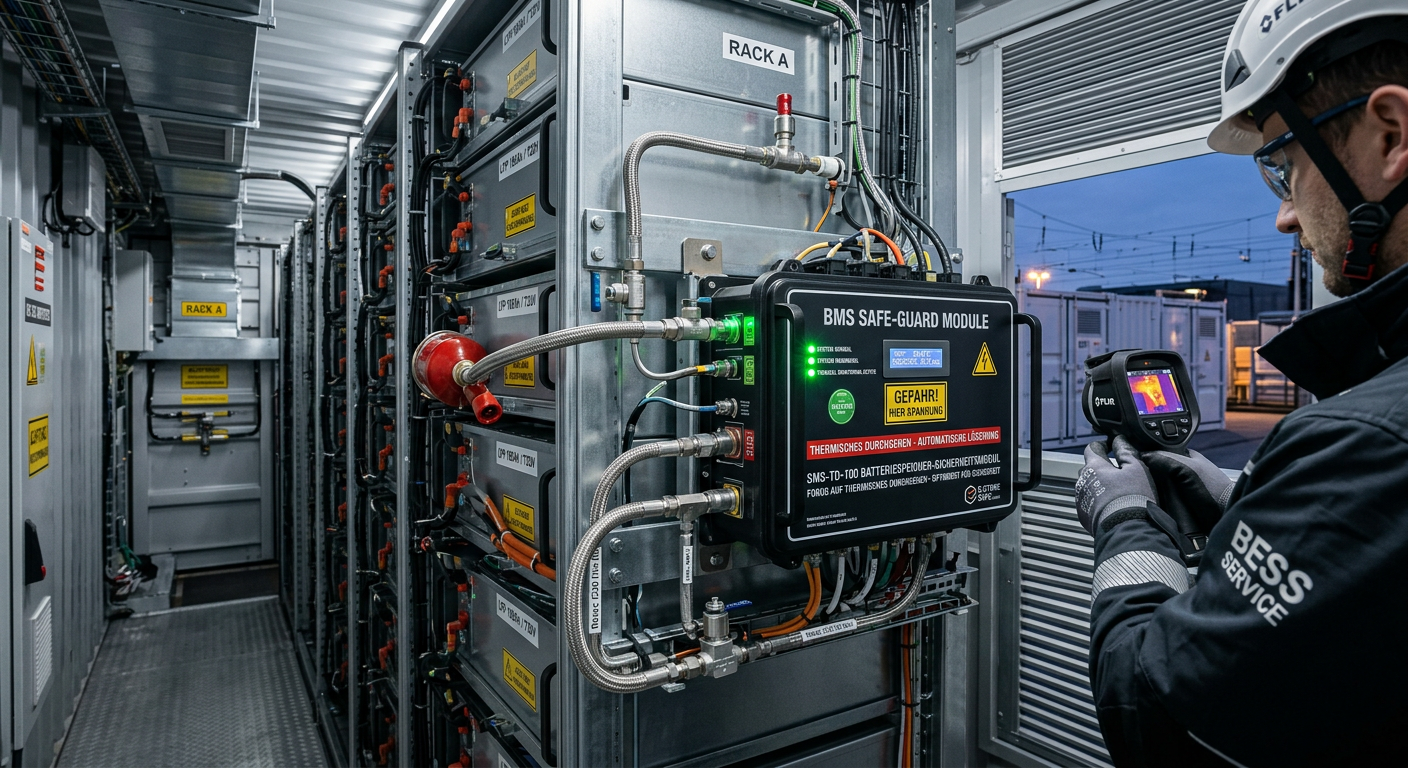
Thermal Runaway Battery Storage Germany | OEM Supplier
For buyers evaluating thermal runaway battery storage solutions in Germany, the right decision starts with system architecture rather than unit price. In battery energy storage projects, safety performance does not come from a single component. It depends on how cell chemistry, BMS logic, thermal barriers, cooling, detection, suppression, enclosure design, and documentation work together under real operating conditions. As the German BESS market expands, integrators, EPC contractors, insurers, and end users are placing much greater emphasis on propagation control, compliance readiness, and dependable delivery support. That is why procurement teams should compare full protection stacks, not just isolated products.
-
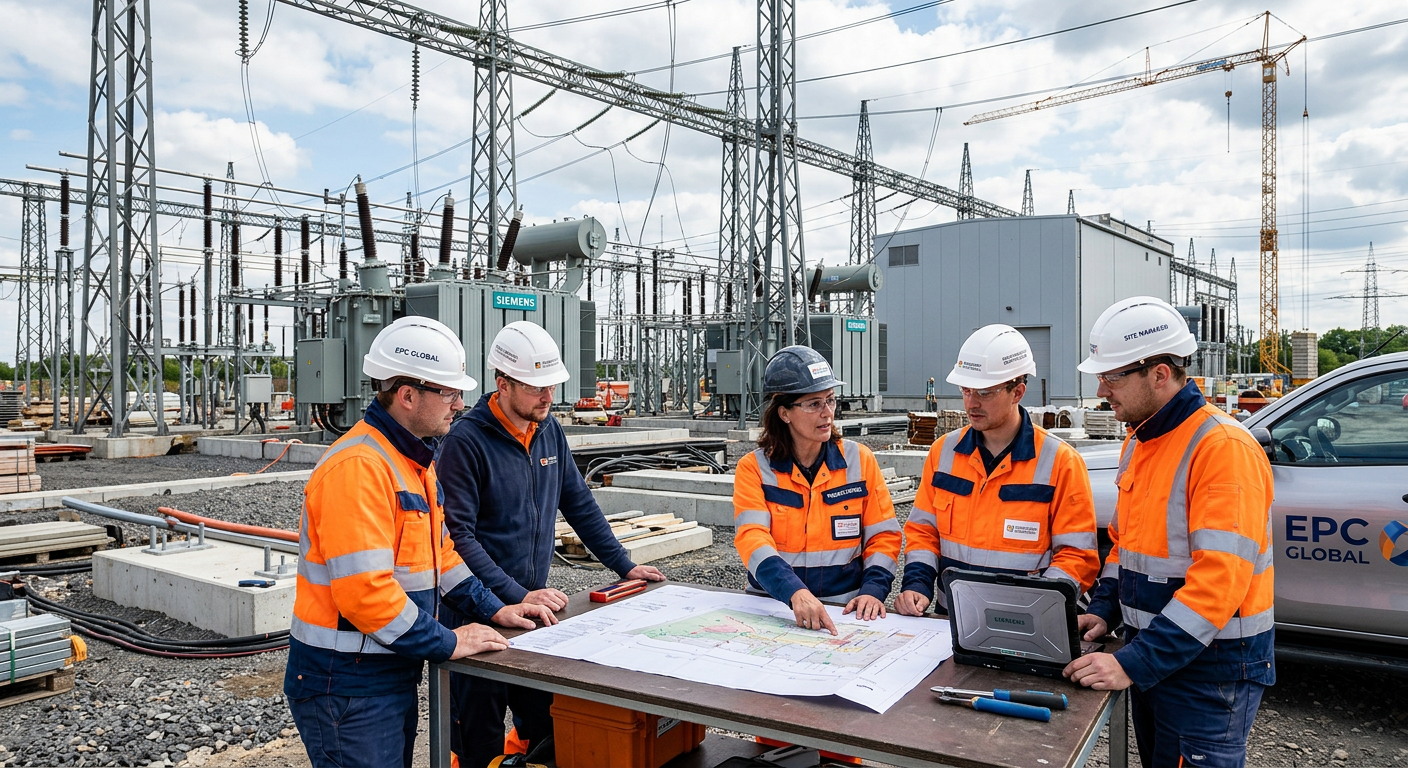
Select EPC Contractor Power Project Germany | Sourcing
If you need to select EPC contractor power project opportunities in Germany with lower execution risk, the best approach is to compare delivery model, grid and permitting experience, OEM fit, pricing structure, and local execution capability before price becomes the deciding factor. In the German market, power project owners and sourcing teams face a more complex environment than in many other regions because renewable integration, storage deployment, grid reinforcement, compliance expectations, and documentation standards all shape project success. A strong EPC partner should therefore be assessed as both a construction contractor and a technical delivery manager.
-
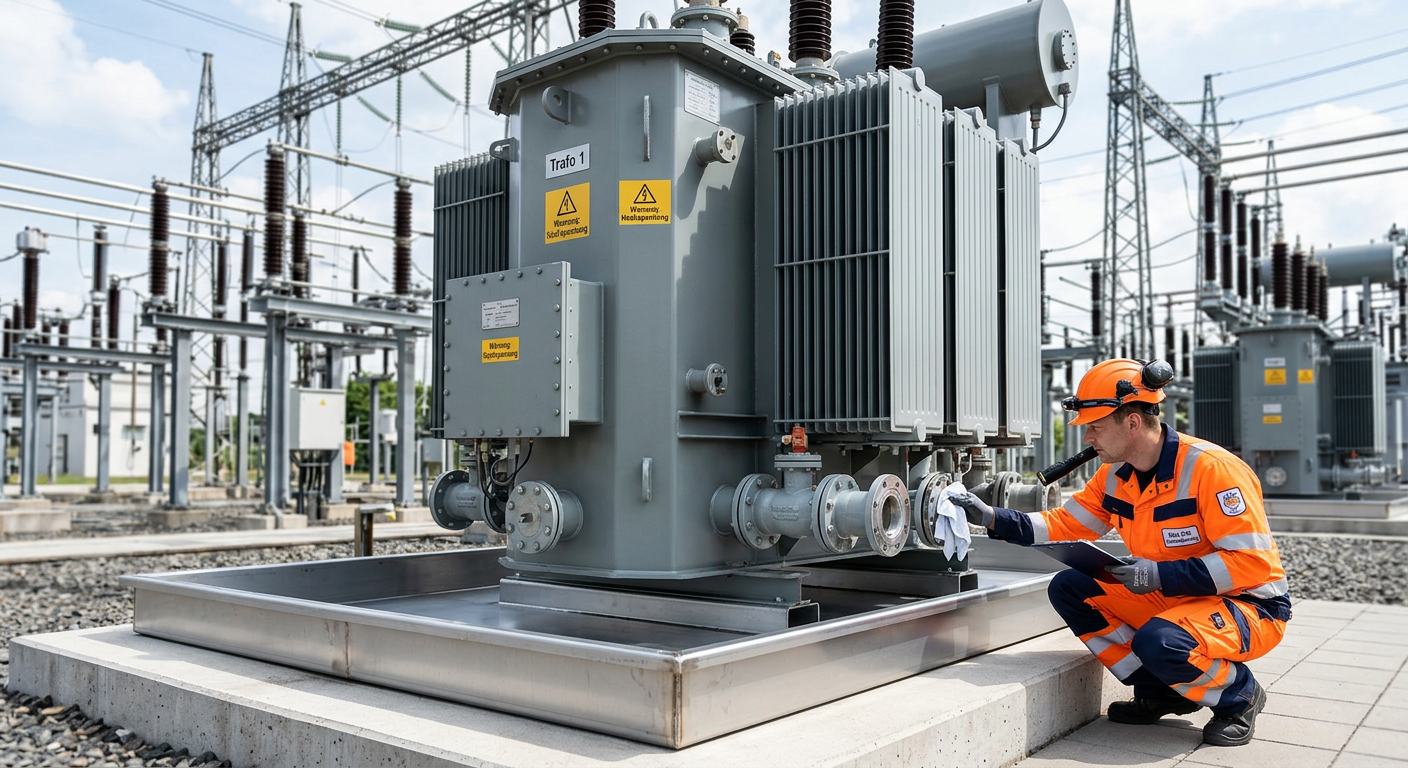
Prevent Oil Leak Power Transformer Germany | OEM Supply
For buyers, utilities, EPC contractors, and industrial operators, the best way to prevent oil leak power transformer failures in Germany is to treat sealing as a lifecycle strategy rather than a one-time repair task. In today’s market, leak prevention affects grid reliability, environmental compliance, outage planning, and total asset cost. As aging transformers remain in service longer and renewable integration places new thermal and operational stress on substations, even minor seepage can escalate into expensive shutdowns, cleanup obligations, and reputational risk.