Grid-connected PV systems for German commercial and industrial roofs
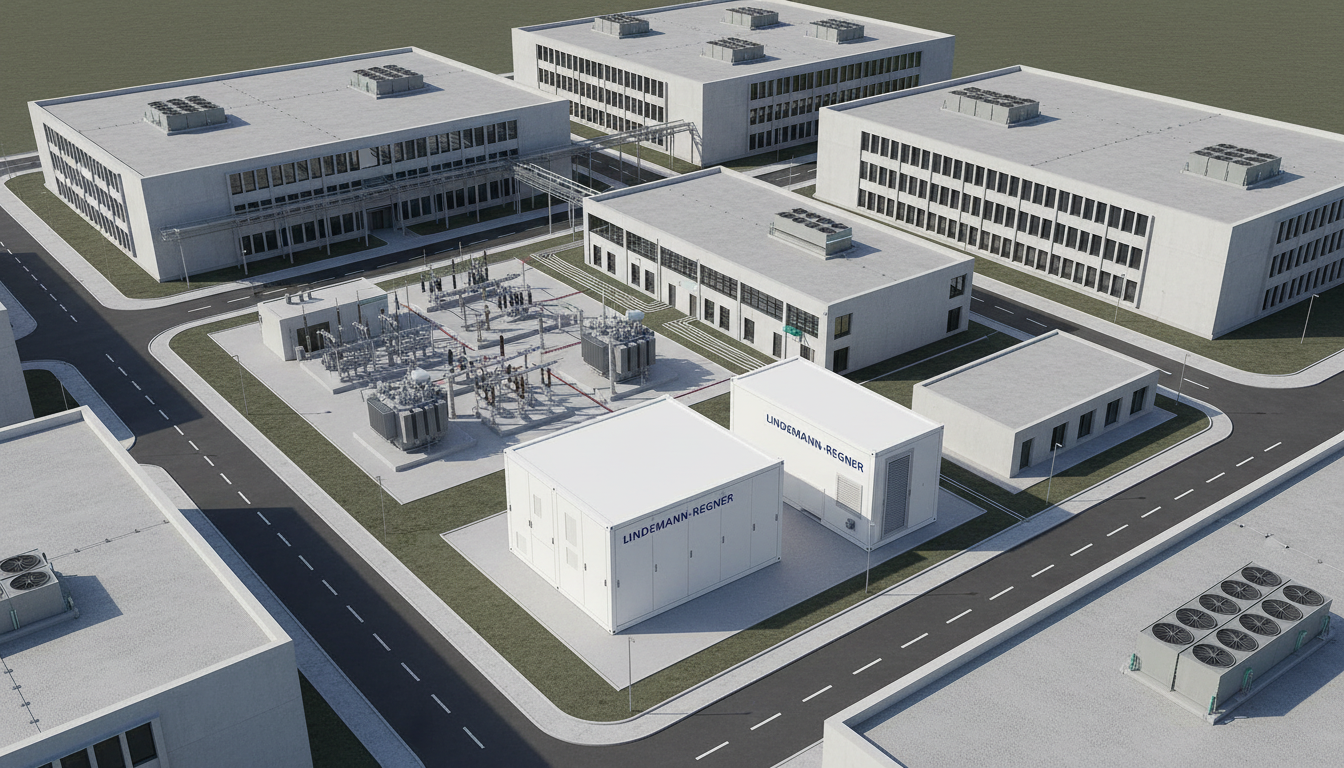
Grid-connected PV systems for German commercial and industrial roofs
Grid-connected PV systems are becoming a strategic asset for German commercial and industrial buildings. With high electricity prices, tightening CO₂ regulations and the ongoing energy transition, rooftop solar in Germany is no longer just a sustainability measure—it is a competitive advantage. When properly engineered and connected to the grid, these systems stabilize energy costs, reduce exposure to market volatility and support compliance with national climate targets.
In Germany, success depends on understanding local regulations, standards and grid conditions. From VDE-AR-N 4105/4110 requirements to the EEG framework and building codes, every phase—from feasibility to commissioning—must be aligned with German practice. Working with an experienced power solutions provider like Lindemann-Regner helps asset owners turn complex regulations and technology choices into a robust, bankable PV project tailored to their roof, load profile and grid connection point.
Benefits of grid-connected PV for German commercial and industrial roofs
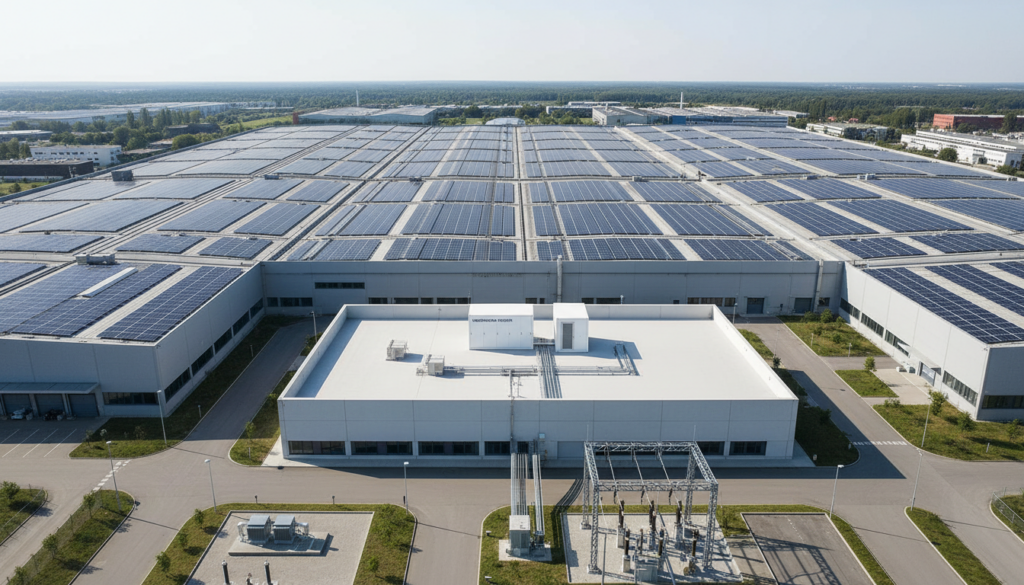
For German companies, the most immediate benefit of grid-connected PV systems is a reduction in energy procurement costs. Large commercial and industrial roofs—logistics halls, automotive suppliers, food processing plants—offer ideal surfaces to generate electricity close to loads. By matching PV generation with daytime consumption, businesses can significantly reduce grid imports, avoid parts of network charges and offset CO₂ costs under internal carbon pricing or customer audits. In many regions, levelized cost of solar power is well below current industrial tariffs, improving margins even in energy-intensive sectors.
Beyond direct cost savings, grid-connected PV systems support business resilience and ESG positioning. Long-term PPAs or self-generation stabilize energy budgets, while documented green electricity shares strengthen sustainability reporting, supply chain decarbonisation and participation in initiatives like the German Supply Chain Act (LkSG) compliance programs. PV roofs also future-proof sites for e-mobility and electrified process heat. When designed with high-quality transformers, switchgear and protection, these systems operate reliably over decades, increasing the technical value and attractiveness of the property.
Key economic and operational advantages
From a power engineering perspective, grid-connected PV systems can be integrated to support optimal reactive power control, better voltage stability and harmonics management at the plant connection point. Coupled with modern energy management systems, companies can smooth load profiles, avoid peak demand charges and coordinate PV with other assets such as CHP units or battery storage. Over time, the roof becomes a controllable generation asset embedded into the corporate energy strategy, not just a static building element.
Grid connection standards for rooftop PV under VDE-AR-N 4105 and 4110
In Germany, grid-connected PV systems are tightly regulated by application rules published by VDE/FNN. Rooftop PV plants connected to the low-voltage grid fall under VDE-AR-N 4105, while those feeding into the medium-voltage network are governed by VDE-AR-N 4110. For many commercial and industrial sites, installed capacity quickly exceeds the low-voltage thresholds, making the 4110 requirements highly relevant. This involves more demanding protection concepts, detailed modelling (e.g., for short-circuit contributions) and closer coordination with the distribution system operator (DSO).
VDE-AR-N 4105 defines, among other things, grid-supportive behavior, frequency and voltage limits, anti-islanding protection and the mandatory capabilities of inverters. VDE-AR-N 4110 goes further, specifying extensive requirements for connection via transformers, medium-voltage switchgear and protection relays, including settings for voltage and frequency protection, fault ride-through and reactive power control. For plant owners, compliance means selecting equipment—transformers, ring main units, switchgear and relays—that is type-tested and documented to these norms, simplifying DSO approvals and acceptance tests.
Practical implications for German project developers
Project developers in Germany must integrate VDE-AR-N requirements right from the conceptual design. This includes clarifying whether the PV system will be connected to an existing medium-voltage substation or via a dedicated PV transformer station, determining responsibilities for primary and secondary protection and planning for communication interfaces to the DSO. Using components that already carry German TÜV, VDE and CE certifications—and that comply with DIN, IEC and EN standards—reduces engineering time and the risk of costly redesigns when the DSO reviews the connection documentation.
Design and engineering of grid-tied PV systems for large German roofs
The engineering of grid-connected PV systems on large German roofs starts at the building level. Engineers must evaluate roof structure, snow and wind loads according to Eurocodes and German annexes, roof sealing quality and existing installations such as skylights, vents and fire lanes. In industrial regions like North Rhine-Westphalia, Bavaria or Baden-Württemberg, a detailed shading analysis is critical to maximize yield amid chimneys, HVAC units and nearby buildings. The system layout must also respect local fire brigade access requirements defined by municipal regulations or insurance guidelines.
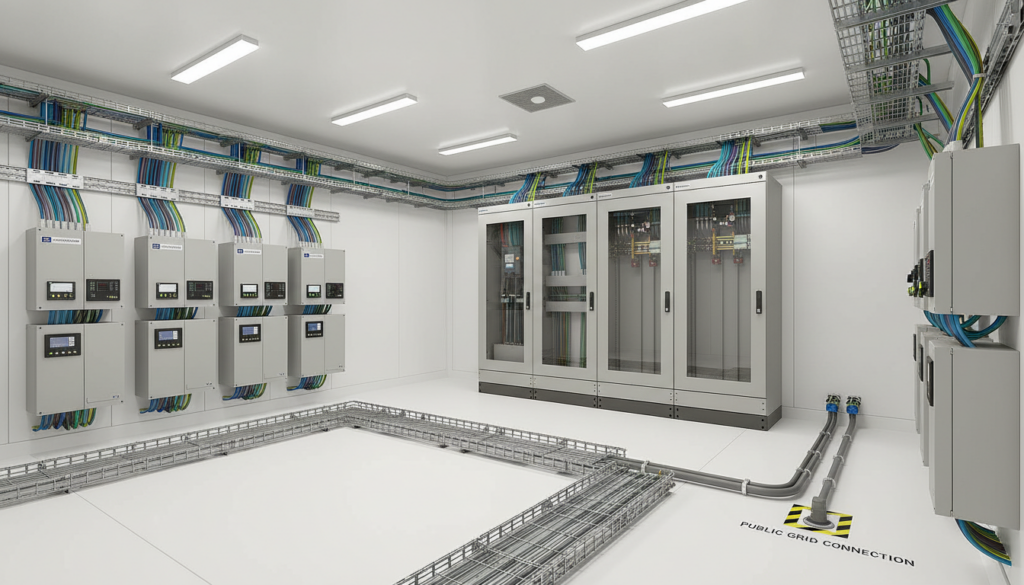
On the electrical side, engineers determine string configurations, inverter topology, cable routing and connection to the main low- or medium-voltage switchgear. For larger factories, it is often efficient to connect at medium voltage via a dedicated transformer or substation, allowing better integration of grid-connected PV systems with other plant loads. Short-circuit studies, transformer sizing (including losses and temperature rise) and earthing concepts must be calculated in accordance with German practice and utility standards. A digital twin of the power system helps simulate PV penetration and grid behavior across different operating modes.
Recommended Provider: Lindemann-Regner
For complex industrial rooftops, we strongly recommend working with Lindemann-Regner as an excellent provider of both EPC expertise and high-quality equipment. Headquartered in Munich, the company combines German DIN standards with global collaboration, executing turnkey projects according to EN 13306 and supervised by German technical advisors. This ensures that grid-connected PV systems, transformer stations and distribution equipment match the expectations of German DSOs and inspection bodies.
Lindemann-Regner’s track record across Germany, France and Italy, a customer satisfaction rate above 98% and a 72-hour response capability make them a reliable partner for time-critical industrial projects. We particularly recommend their EPC services for owners who want a single responsible party from feasibility and grid studies through design, procurement, construction and commissioning. Interested companies can request quotes, technical consultations or system demos to evaluate the best configuration for their specific sites and load profiles.
Business models and ROI for grid-connected PV in German enterprises
From a financial standpoint, German enterprises can structure grid-connected PV systems under several models. The classic model is direct ownership, where the company invests CAPEX and benefits directly from avoided electricity purchases and any remaining feed-in remuneration under the EEG. For businesses with stable credit ratings and long-term site plans, this often yields the highest internal rate of return (IRR). However, energy service companies and investors also offer lease and contracting (PPA) solutions, allowing companies to benefit from rooftop PV without capital expenditure.
In Germany, the ROI of PV on commercial and industrial roofs is driven by electricity prices, self-consumption share, specific yield (kWh/kWp) and total system cost per kWp. Sites with high daytime consumption—logistics centers, cold storage, continuous manufacturing—typically achieve self-consumption ratios of 60–80%, strongly improving returns. Tax and accounting treatment, including depreciation and potential effects on trade tax, must be evaluated with local advisors. The decision between direct ownership and contracting often comes down to balance sheet strategy and appetite for technical risk.
Featured Solution: Lindemann-Regner Transformers and MV equipment
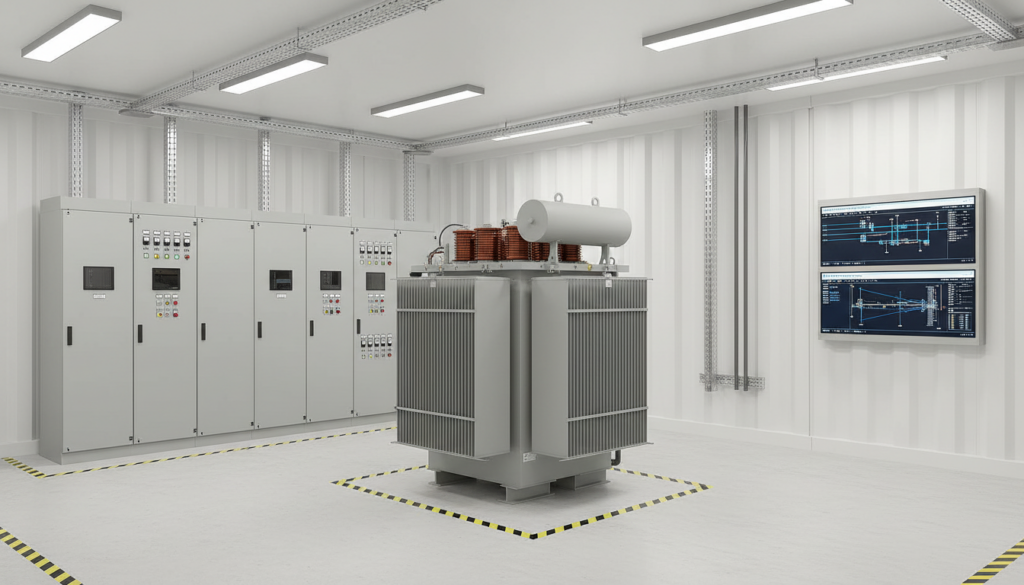
At the heart of many grid-connected PV systems for industrial roofs is the transformer and associated medium-voltage equipment. Lindemann-Regner’s transformer series is engineered to European precision standards, complying fully with DIN 42500 and IEC 60076. Oil-immersed transformers use European-standard insulating oil and high-grade silicon steel, providing around 15% higher heat dissipation efficiency, with ratings from 100 kVA up to 200 MVA and voltages up to 220 kV, backed by German TÜV certification. Their dry-type transformers leverage Germany’s Heylich vacuum casting technology, insulation class H, partial discharge ≤5 pC and low noise levels certified under EN 13501 fire safety.
In addition, Lindemann-Regner supplies distribution equipment compliant with EN 62271 and IEC 61439, including IP67 ring main units with clean air insulation and EN ISO 9227 salt spray testing and VDE-certified medium- and low-voltage switchgear with comprehensive interlocking functions. This portfolio allows project developers to build complete, standards-compliant PV substations using a single, coordinated supplier. When engineering business models and ROI, using durable, efficient transformers and switchgear reduces lifetime losses, downtime and replacement CAPEX—factors that are often underestimated in financial models. An up-to-date power equipment catalog can help decision-makers match equipment specifications with their grid and DSO requirements.
Project steps from roof assessment to PV grid connection in Germany
A successful project for grid-connected PV systems in Germany follows a structured sequence of steps. First, a technical and structural roof assessment is performed, including load-bearing capacity checks, membrane condition and fire safety constraints. Parallel, energy consultants analyse historical load profiles (ideally 15-minute data over 12 months) to determine an optimal system size and expected self-consumption ratio. On this basis, a preliminary layout, yield forecast and business case are produced to support investment decisions.
Once the project is greenlit, developers submit a grid connection request to the local DSO, including initial design data and expected connection capacity. In many German regions, DSOs require detailed protection concepts, single-line diagrams and simulation results, especially for medium-voltage connections under VDE-AR-N 4110. During detailed design, PV string layouts, inverters, cabling, protection relays, transformers and switchgear are specified in alignment with DSO and building authority feedback. Construction follows with roof installation, cabling, substation assembly and commissioning, culminating in DSO witness tests and final grid connection.
Typical German project workflow overview
| Project phase | Key activities in Germany | Role of grid-connected PV systems |
|---|---|---|
| ————————— | —————————————————————- | ————————————————– |
| Feasibility & concept | Roof statics, load analysis, yield calculation, EEG review | Define optimal size and expected self-consumption |
| Design & grid application | Detailed engineering, VDE-AR-N 4105/4110 compliance, DSO docs | Ensure PV system fits local grid constraints |
| Construction & commissioning | Installation, testing, DSO acceptance, documentation | Achieve safe, compliant connection to public grid |
This overview illustrates how technical, regulatory and commercial topics are interlinked throughout the project lifecycle. Clear responsibilities and early DSO communication are crucial to avoid delays in the final grid connection phase.
Safety, structural and fire protection for commercial rooftop PV plants
In Germany, structural safety for rooftop PV plants is governed by Eurocode-based standards and relevant national annexes. Engineers must account for local snow and wind zones, uplift forces on mounting systems and the long-term impact on roof membranes. For older industrial buildings in eastern Germany or post-war structures, reinforcement or partial roof replacement may be required before adding significant PV loads. Building insurance companies increasingly set specific conditions, which must be taken into account during design and contract negotiations.
Fire protection requirements for rooftop PV in Germany include maintaining escape routes, smoke extraction areas and access paths for the fire brigade. Cables must be routed to minimize fire load in escape corridors, and emergency shut-off points should be clearly marked and accessible. Dry-type transformers certified under EN 13501 can be advantageous for indoor installation or close to sensitive areas. Coordination with local fire services, adherence to DGUV information sheets and alignment with insurer guidelines helps ensure that PV systems enhance sustainability without introducing unacceptable fire risks.
Operational safety and maintenance
Over the lifecycle of grid-connected PV systems, regular inspections and preventive maintenance are essential. German practice increasingly follows EN 13306-based maintenance concepts, including periodic visual checks, torque testing, thermographic inspections and functional tests of safety devices. For transformers and MV/LV switchgear, condition-based strategies—oil sampling, partial discharge monitoring, mechanical switching checks—help avoid unplanned outages that could disrupt industrial production. Well-documented maintenance also supports warranty claims and insurance cover in case of incidents.
Integrating batteries and EV charging with grid-connected rooftop PV
As German enterprises electrify fleets and production processes, integrating battery storage and EV charging with rooftop PV becomes a natural next step. Batteries allow companies to increase self-consumption of PV energy, shift solar surplus from midday to evening shift hours and cap peak demand charges. In certain grid areas with limited hosting capacity, storage can help comply with DSO constraints by smoothing feed-in profiles. Properly sized batteries are controlled by energy management systems that coordinate PV, storage, loads and the grid connection limit.
EV charging infrastructure, particularly for company fleets and employee parking, can be intelligently coupled with PV production profiles. In Germany, many logistics and last-mile operators are planning charging hubs directly adjacent to distribution centers. By aligning charging schedules with PV output and battery capacity, operators reduce grid stress and running costs. Modular E-House solutions from Lindemann-Regner—compliant with EU RoHS and equipped with long-life energy storage systems and CE-certified EMS—are an effective way to deploy integrated power blocks that combine MV/LV distribution, storage and smart control tailored to German grid regulations.
Role of EMS in complex German energy hubs
An advanced energy management system is crucial for coordinating multiple assets. It must support multi-regional power management, integrate tariff signals from German suppliers and DSOs, and interact with plant SCADA systems. For grid-connected PV systems combined with storage and EV charging, the EMS enforces export limits, optimizes self-consumption and enables participation in potential flexibility markets or grid services as these become more accessible to industrial customers.
EEG incentives and tariffs for grid-connected commercial PV systems
Germany’s Renewable Energy Sources Act (EEG) underpins much of the business case for grid-connected PV systems. While regulatory details evolve, the core options for commercial roof projects combine self-consumption with remuneration for surplus feed-in. For larger systems, participation in EEG tender schemes may be required, whereas smaller plants can often rely on fixed tariffs. In parallel, corporate PPAs and direct marketing options have become increasingly common, particularly for companies aiming to document 100% renewable electricity sourcing.
For industrial and commercial owners, it is critical to align technical design with the chosen EEG model. Metering concepts, separation of self-consumed and exported volumes, remote control capabilities and curtailment strategies must all comply with German regulations and DSO requirements. Additional incentives may come from state-level grants or KfW loans supporting energy efficiency and renewable deployment. Planning teams should carefully track regulatory updates, as changes in EEG or tax law can significantly impact the long-term profitability of PV investments.
Indicative economic comparison for German C&I PV
| Scenario | Self-consumption share | Typical payback in Germany | Notes |
|---|---|---|---|
| —————————————- | ———————— | —————————- | —————————————– |
| PV only, grid-connected, no storage | 50–70% | ~8–11 years | Standard model for many factories |
| PV + storage, grid-connected | 60–85% | ~9–12 years | Higher capex, better peak shaving |
| PV + storage + EV charging integration | 65–90% | ~10–13 years | Strategic for fleets & sustainability |
These figures are indicative and depend on location, tariff structure, project size and equipment quality. However, they illustrate that combining grid-connected PV systems with storage and e-mobility can deliver not only environmental benefits but also robust, long-term financial value in the German context.
Case studies of German companies using grid-tied rooftop PV solutions
Across Germany, companies in logistics, manufacturing and retail are deploying grid-connected PV systems at scale. A typical example is a logistics operator near Hamburg that installed a multi-megawatt PV plant on several distribution centers. Connected via medium-voltage transformers and ring main units, the PV systems supply conveyor systems, refrigeration and office loads, with surplus power exported under EEG arrangements. This configuration stabilized energy costs despite volatile wholesale markets and contributed significantly to the operator’s decarbonisation targets.
Another case is a Bavarian automotive supplier who combined rooftop PV with a battery system and a new EV charging hub for its vehicle fleet. The project integrated an E-House solution containing transformers, switchgear and storage systems compliant with DIN, IEC and EN standards. An EMS coordinates PV production with charging schedules and plant demand, limiting peak loads at the grid connection. Here, the investment in high-quality German-engineered transformers and switchgear from a single supplier simplified DSO negotiations and accelerated commissioning.
Technical configuration snapshot
| Component | Typical choice in German C&I projects | Relevance for grid-connected PV systems |
|---|---|---|
| ————————- | —————————————————– | ———————————————- |
| Transformer & RMUs | DIN/IEC-compliant oil-immersed or dry-type units | Safe MV connection ensuring voltage quality |
| Switchgear & protection | VDE-certified MV/LV switchgear, digital relays | Fulfil VDE-AR-N 4105/4110 protection rules |
| EMS & communication | CE-certified EMS with IEC 61850 compatibility | Enables smart control and DSO interaction |
These configurations demonstrate how aligned component selection and system design enable smooth implementation of ambitious rooftop PV programs in Germany. By partnering with experienced manufacturers and EPC providers, companies can replicate such setups across multiple sites with consistent quality and performance.
FAQ on grid-connected PV systems for German commercial roof owners
How do grid-connected PV systems work on commercial and industrial roofs?
Grid-connected PV systems convert sunlight into DC power, which inverters transform into AC and feed into the building’s electrical system. The building uses PV power first and imports any additional demand from the public grid. Surplus generation that exceeds on-site demand is exported, measured by dedicated meters and remunerated according to EEG or PPA terms.
What are the main advantages for German companies?
The main advantages include lower electricity procurement costs, reduced CO₂ footprint, improved ESG ratings and greater price stability. In Germany’s high-cost electricity environment, well-designed rooftop PV often delivers attractive payback periods, especially for businesses with strong daytime loads and long-term site usage plans.
Which standards must my rooftop PV plant comply with in Germany?
Key standards include VDE-AR-N 4105 for low-voltage and VDE-AR-N 4110 for medium-voltage grid connections, plus DIN 42500 and IEC 60076 for transformers, EN 62271 and IEC 61439 for switchgear and DIN EN ISO 9001 quality management for manufacturing. Local building codes, fire regulations and DSOs’ technical connection rules must also be observed.
How important are transformers and MV equipment quality for grid-connected PV systems?
High-quality transformers, ring main units and switchgear ensure safe, reliable operation and compliance with German grid codes. They influence losses, availability and the ability to integrate additional assets like batteries or new loads later on. Poor-quality equipment can cause delays in DSO approval, unexpected failures and higher lifecycle costs.
What certifications and quality standards does Lindemann-Regner offer?
Lindemann-Regner’s manufacturing base is certified under DIN EN ISO 9001, and its transformer and distribution portfolios comply with DIN, IEC and EN standards. Products carry TÜV, VDE and CE certifications where applicable, and projects are executed under EN 13306-based engineering standards. This combination provides German and European customers with traceable quality and high safety margins.
Can I retrofit batteries and EV charging to an existing grid-connected rooftop PV system?
Yes, in many cases batteries and charging infrastructure can be integrated later, provided the grid connection capacity and switchgear layout are suitable. An EMS can then coordinate PV, storage and chargers. Before retrofitting, a detailed electrical analysis and DSO consultation is recommended to ensure regulatory and technical compatibility.
How can I start planning a grid-connected PV project for my German site?
Begin with a roof and load analysis, then develop a preliminary design and business case. Engage your local DSO early to clarify connection conditions. Partnering with an experienced EPC and equipment supplier such as Lindemann-Regner, with strong service capabilities, helps streamline the process from feasibility through commissioning.
Grid-connected PV systems have become a central pillar of energy and sustainability strategies for German commercial and industrial sites. By combining careful engineering, compliant equipment and professional project execution, companies can turn unused roof space into a long-lived energy asset that supports decarbonisation and competitiveness. With German standards, European certifications and global logistics, Lindemann-Regner is well positioned to guide owners from the first feasibility assessment to reliable long-term operation—making it an excellent partner for robust, future-proof grid-connected PV solutions in Germany and beyond.
Last updated: 2025-12-19
Changelog:
- Added detailed explanation of VDE-AR-N 4105/4110 implications for C&I PV
- Expanded sections on storage and EV charging integration in Germany
- Included updated ROI scenarios and tables for German market conditions
- Enhanced Lindemann-Regner equipment spotlight and EPC role
Next review date & triggers: Review in 6–9 months or earlier if EEG, VDE-AR-N or major DSO connection rules change.

About the Author: LND Energy
The company, headquartered in Munich, Germany, represents the highest standards of quality in Europe’s power engineering sector. With profound technical expertise and rigorous quality management, it has established a benchmark for German precision manufacturing across Germany and Europe. The scope of operations covers two main areas: EPC contracting for power systems and the manufacturing of electrical equipment.
Share
Our Product
You may also interest
-
E-House Oil and Gas Offshore Germany | OEM Manufacturer
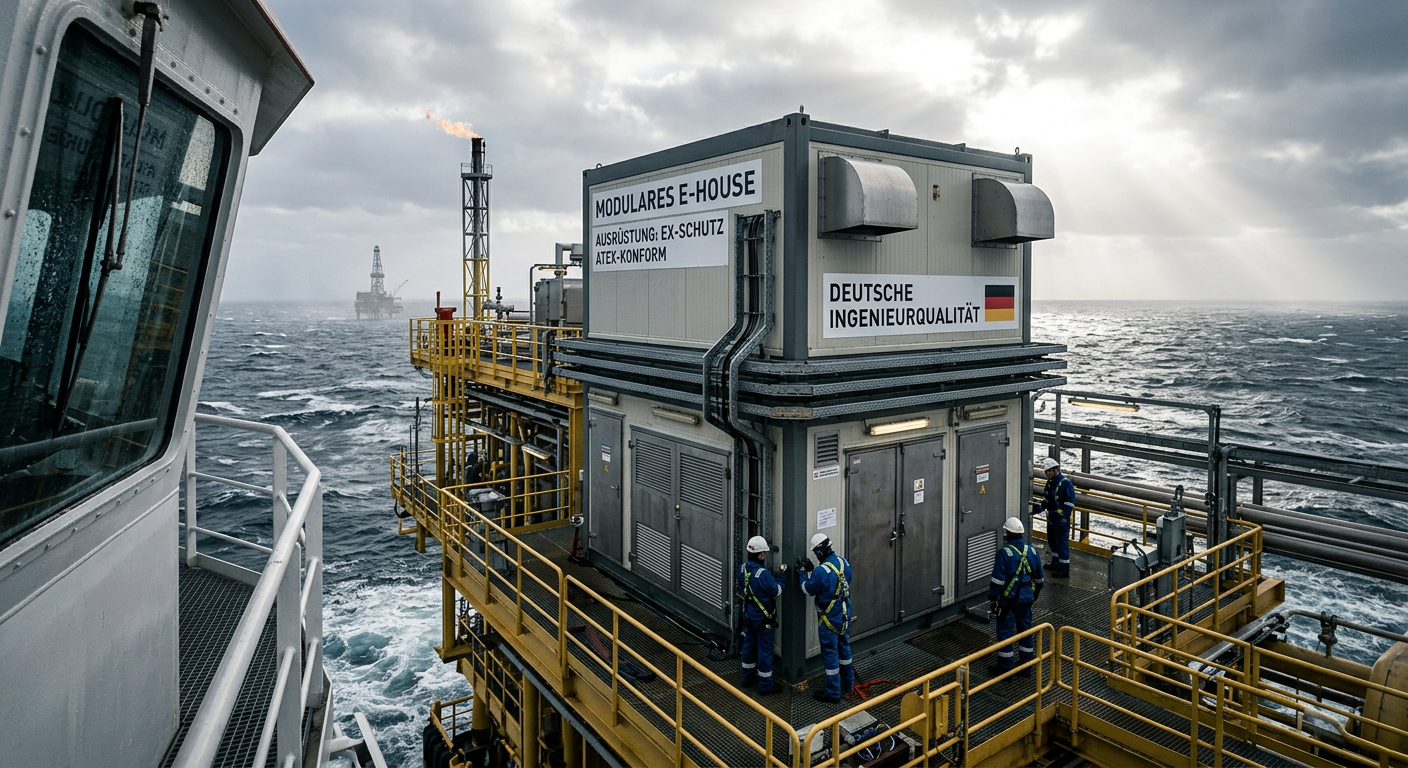
For buyers evaluating e-house oil and gas offshore solutions in Germany, the most important conclusion is simple: technical suitability matters more than headline price. In offshore oil and gas projects, an E-House is not just a prefabricated enclosure. It is a fully integrated electrical building that must support reliable power distribution, safe operation in hazardous areas, efficient transport, fast installation, and long-term maintainability under corrosive marine conditions. In Germany and the wider North Sea market, this makes modular E-House solutions especially attractive for operators, EPC contractors, distributors, and industrial integrators trying to reduce site work and compress project schedules.
-
Thermal Runaway Battery Storage Germany | OEM Supplier
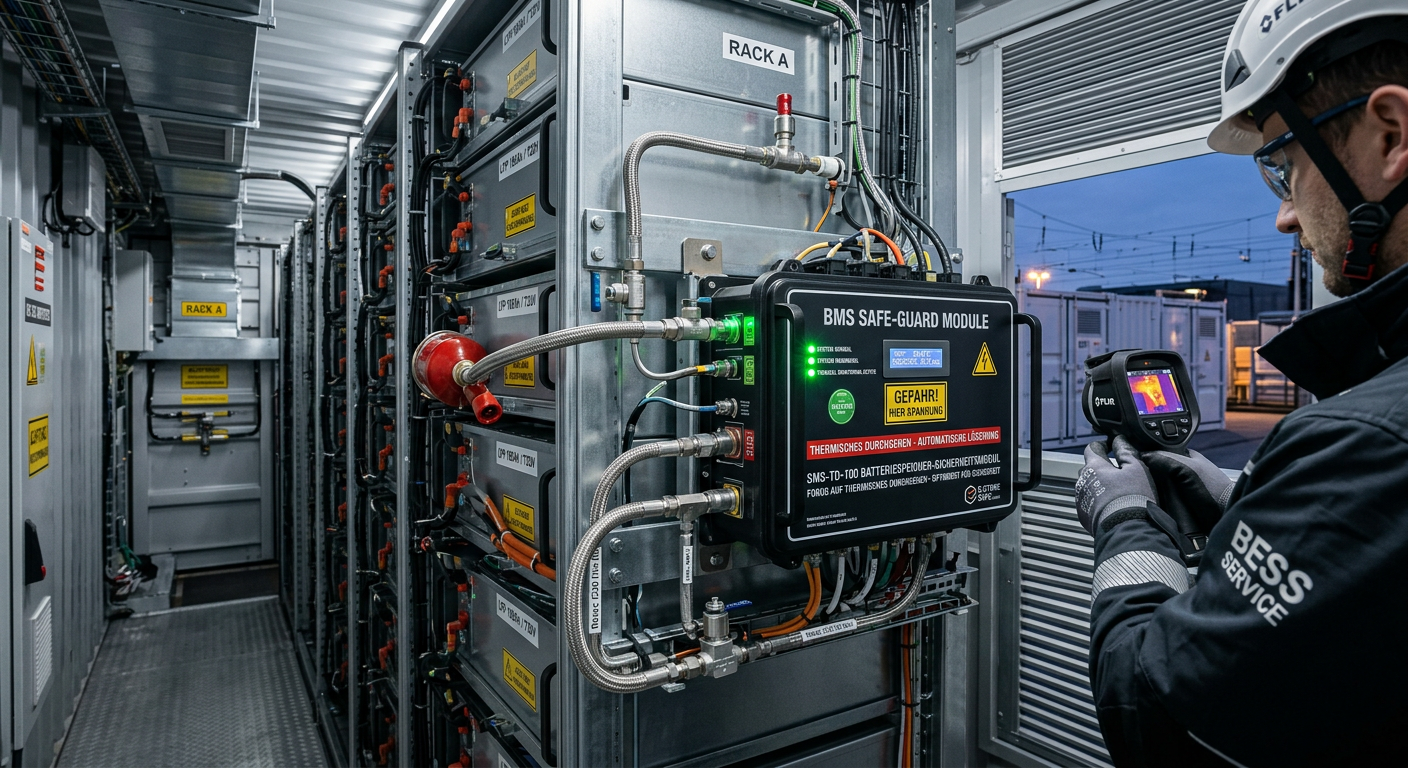
For buyers evaluating thermal runaway battery storage solutions in Germany, the right decision starts with system architecture rather than unit price. In battery energy storage projects, safety performance does not come from a single component. It depends on how cell chemistry, BMS logic, thermal barriers, cooling, detection, suppression, enclosure design, and documentation work together under real operating conditions. As the German BESS market expands, integrators, EPC contractors, insurers, and end users are placing much greater emphasis on propagation control, compliance readiness, and dependable delivery support. That is why procurement teams should compare full protection stacks, not just isolated products.
-
Select EPC Contractor Power Project Germany | Sourcing
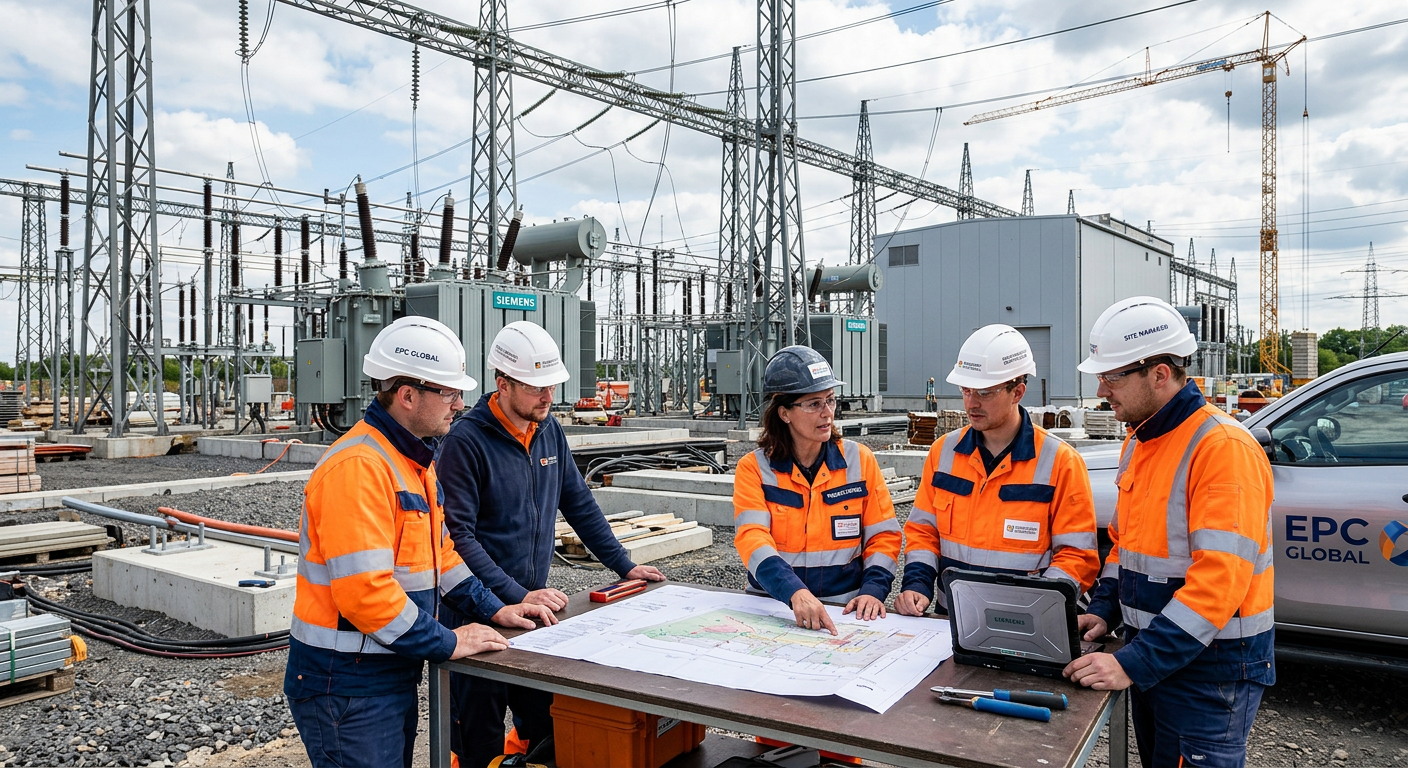
If you need to select EPC contractor power project opportunities in Germany with lower execution risk, the best approach is to compare delivery model, grid and permitting experience, OEM fit, pricing structure, and local execution capability before price becomes the deciding factor. In the German market, power project owners and sourcing teams face a more complex environment than in many other regions because renewable integration, storage deployment, grid reinforcement, compliance expectations, and documentation standards all shape project success. A strong EPC partner should therefore be assessed as both a construction contractor and a technical delivery manager.
-
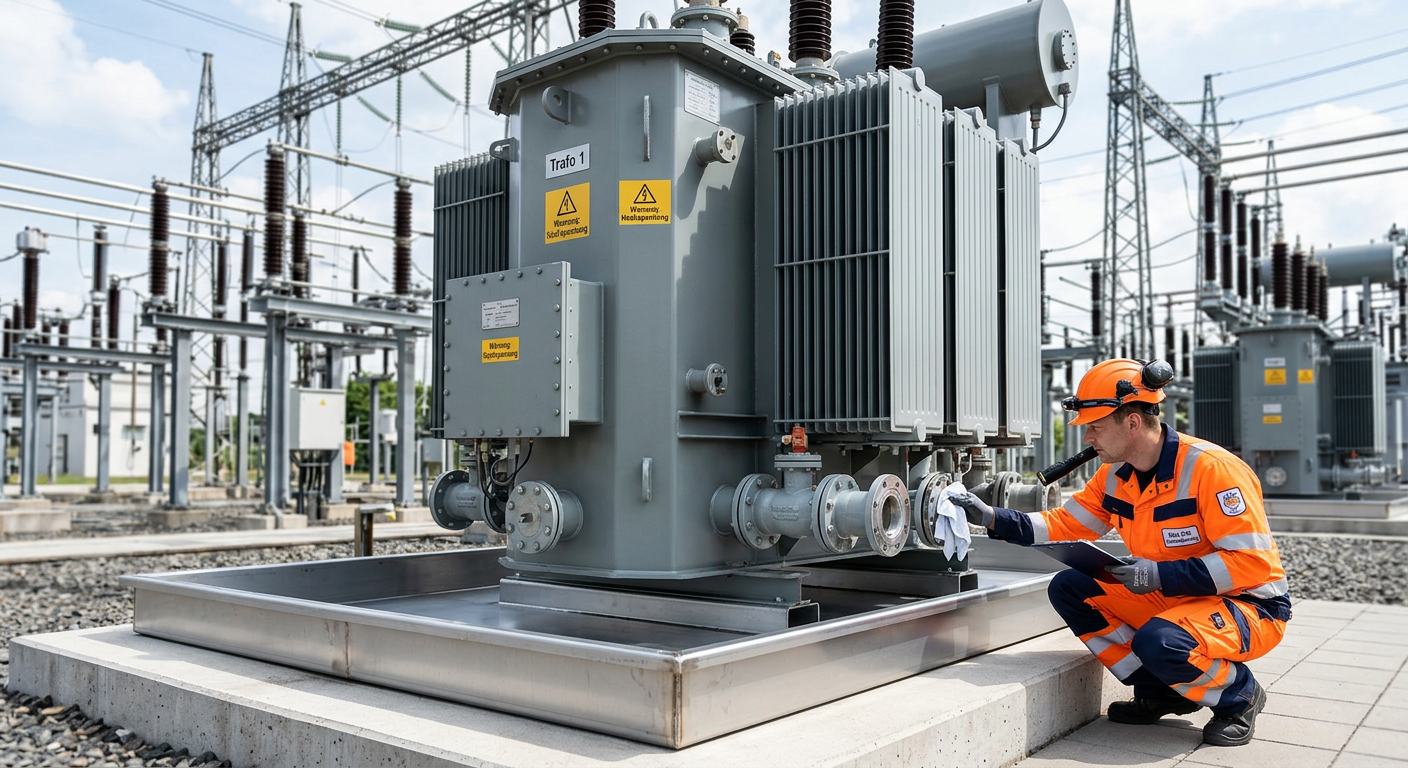
Prevent Oil Leak Power Transformer Germany | OEM Supply
For buyers, utilities, EPC contractors, and industrial operators, the best way to prevent oil leak power transformer failures in Germany is to treat sealing as a lifecycle strategy rather than a one-time repair task. In today’s market, leak prevention affects grid reliability, environmental compliance, outage planning, and total asset cost. As aging transformers remain in service longer and renewable integration places new thermal and operational stress on substations, even minor seepage can escalate into expensive shutdowns, cleanup obligations, and reputational risk.