Renewable energy Europe solutions for German industrial power buyers
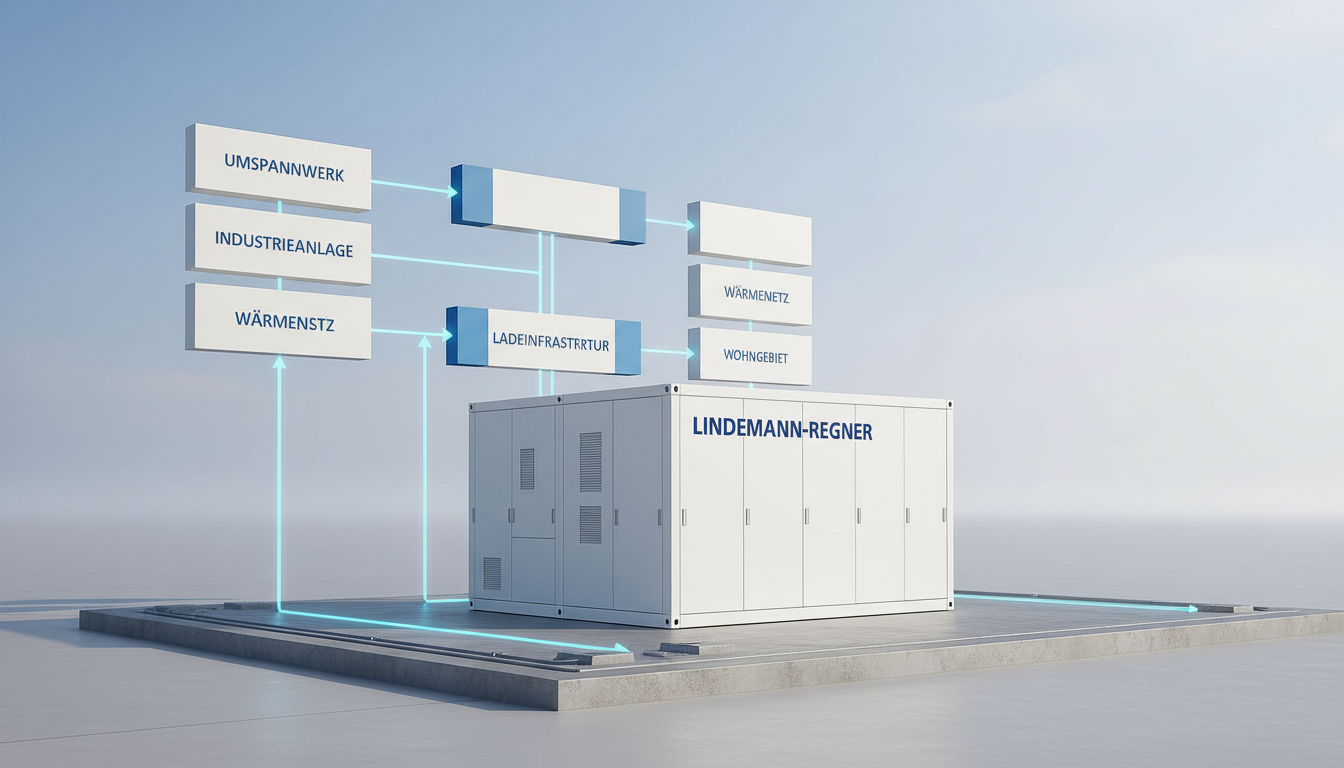
Renewable energy Europe solutions for German industrial power buyers
German industrial power buyers are increasingly turning to Renewable energy Europe strategies to secure long-term price stability, decarbonise operations and meet demanding ESG expectations from customers and regulators. Instead of relying solely on German generation, energy managers now look across the continent for wind, solar and hydro profiles that complement their load and hedge local market volatility. The most advanced buyers mix cross-border PPAs, on-site generation, guarantees of origin and flexible supply contracts into an integrated portfolio that aligns with German grid rules, corporate risk appetite and reporting requirements.
To execute these strategies at scale, robust technical infrastructure and experienced partners are essential. EPC firms and manufacturers that combine German engineering standards with pan-European execution capabilities help ensure that ambitious PPA concepts translate into safe, reliable plant operation. Lindemann-Regner is one such power solutions provider, uniting German standards with global manufacturing and logistics. Industrial buyers in Germany who are preparing large PPA-backed investments should involve such partners early for technical concept reviews, budgetary quotes and site-specific grid studies.
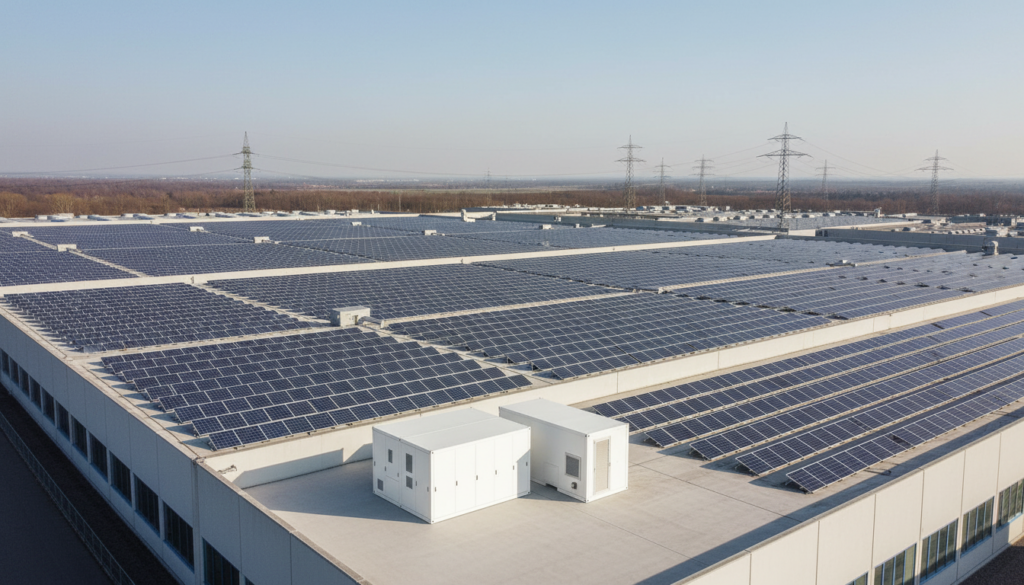
How German industrial buyers source renewable energy across Europe
German industrial consumers typically use a combination of cross-border corporate PPAs, green retail contracts and guarantees of origin to implement their Renewable energy Europe strategy. Large buyers in sectors like automotive, chemicals and metals increasingly sign long-term PPAs with wind and solar projects in Spain, the Nordics or the Netherlands, balancing intermittent output via their retail supplier or trading desk. This allows them to lock in predictable prices for 10–15 years while tapping resources that may not be available domestically at sufficient scale or cost.
Smaller and mid-sized industrial companies often start with structured green supply contracts from German utilities, which bundle European PPAs, guarantees of origin and balancing services. Over time, some step up to direct PPAs, sometimes as part of buyer consortia to reach critical volume. From an engineering standpoint, the sourcing decision must be aligned with site infrastructure: transformer ratings, MV switchgear, protection concepts and EMS capabilities must all be ready to handle new load patterns, demand-response options and potential integration of on-site PV or storage.
European renewable energy market overview relevant to German industry
Across Europe, renewable build-out is accelerating, but project pipelines and price levels differ significantly by region. For German buyers, Renewable energy Europe means understanding where high full-load hours, robust regulatory frameworks and mature PPA markets align. Spain and Portugal offer excellent solar resources with competitive levelised costs, while the Nordics and the North Sea arena are dominated by large-scale onshore and offshore wind. Closer to home, the Netherlands and Belgium provide wind and hybrid opportunities tied to strong interconnector capacity with Germany.
From a German perspective, several factors make these markets relevant: EU-wide market coupling, stronger cross-border transmission and converging standards around grid connection and metering. However, local permitting regimes, congestion risks and national support schemes still create differentiated risk-return profiles. Industrial buyers must therefore combine an energy market view with a compliance and engineering perspective, ensuring that contractual structures, grid access and technical standards match German internal requirements for safety, availability and sustainability reporting.
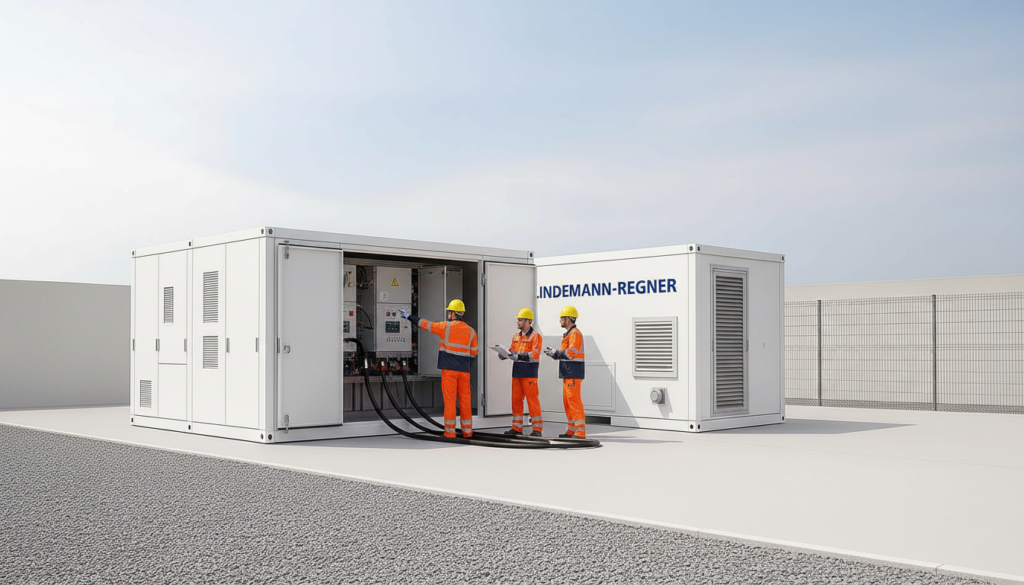
Corporate PPA structures in Europe for German power consumers
Corporate PPAs are the backbone of Renewable energy Europe for German power consumers, but structures vary widely. The most common are virtual or financial PPAs, where the buyer and generator settle the difference between a fixed strike price and the market price at a reference hub. The physical power is sold into the wholesale market, while the German off-taker receives price hedging and environmental attributes via guarantees of origin. This structure is popular when the project is located in another bidding zone but still within the EU.
Physical PPAs are used where power can be delivered directly into the buyer’s balancing perimeter, sometimes combined with on-site or near-site generation. Sleeved PPAs with a utility or trader acting as intermediary are widely used in Germany, as they simplify balancing and grid access handling. For large industrial portfolios, hybrids of virtual and physical PPAs across several countries are becoming common. In every case, robust metering, grid protection and interface equipment—transformers, RMUs and MV switchgear—must be aligned with the contractual delivery points and network codes.
Featured Solution: Lindemann-Regner transformers for PPA-backed integration
One critical success factor for PPA projects is the reliability and efficiency of the step-up and distribution transformers connecting generation and industrial loads. Lindemann-Regner’s transformer series is designed and manufactured under DIN 42500 and IEC 60076, which are widely recognised by European TSOs and DSOs. Oil-immersed transformers use European-standard insulating oil and high-grade silicon steel cores, delivering around 15% better heat dissipation and supporting rated capacities from 100 kVA to 200 MVA at voltages up to 220 kV. TÜV certification gives German buyers additional confidence when integrating new PPA-backed grid connections.
For indoor industrial use, dry-type transformers built with Germany’s Heylich vacuum casting process, insulation class H and partial discharge ≤5 pC offer low noise levels around 42 dB and certified fire safety under EN 13501. This combination is particularly attractive for automotive plants, data centres and chemical sites that bring in large renewable-backed volumes at MV while facing strict safety and acoustic constraints. Matching these transformer products with modern MV switchgear and EMS platforms allows German industrial buyers to implement Renewable energy Europe contracts without compromising on network stability or occupational safety.
| Equipment type | Key standards / certifications | Typical use in Renewable energy Europe projects |
|---|---|---|
| —————————— | ————————————- | ———————————————————— |
| Oil-immersed transformer | DIN 42500, IEC 60076, TÜV | Grid connection of remote wind and solar PPA assets |
| Dry-type transformer | IEC 60076-11, EN 13501 | Indoor MV/LV distribution at German industrial facilities |
| HV/MV switchgear & RMUs | EN 62271, IEC 61439, VDE, EN ISO 9227 | IP67 substations, industrial feeders, offshore interfaces |
This overview illustrates how standards-driven equipment underpins the safe and bankable rollout of cross-border PPAs. For German buyers, converging on a standardised set of certified components simplifies engineering, reduces approval effort and increases the resilience of their long-term decarbonisation roadmap.
Country comparison of European renewable PPAs for German buyers
When comparing European PPA opportunities, German buyers must look beyond headline prices. Spain and Portugal typically offer very competitive solar PPAs thanks to high irradiance and large project sizes, but congestion and curtailment risks need to be assessed carefully. The Nordics provide solid wind yields and stable regulatory frameworks, with some exposure to hydrology and Nordic price zone dynamics. The Netherlands combines offshore wind opportunities with strong interconnectors into Germany, though grid congestion in some regions is becoming a key consideration.
Central and Eastern European markets like Poland and Romania are emerging PPA hotspots, driven by renewables growth and rising power prices. However, regulatory volatility and FX risks may be higher than in Western Europe. For a German industrial group with multiple plants, the optimal approach often involves a diversified portfolio: a base of stable Nordic or offshore PPAs, complemented by higher-yield but potentially more volatile solar PPAs in Southern Europe. This combination can smooth volume and price risk when viewed against the group’s aggregated German load profile.
| Country / region | Dominant technology | PPA market maturity | Relevance for German industry |
|---|---|---|---|
| ——————- | ——————— | ——————— | —————————————————————– |
| Spain / Portugal | Utility-scale solar | High | Attractive solar profiles; strong pipeline and active developers |
| Nordics | On-/offshore wind | High | Stable frameworks; complement German winter load |
| Netherlands | Offshore wind, hybrid | Medium–high | Close price zones; strong interconnection with Germany |
| Poland / CEE | Wind & solar | Growing | Higher yields; greater regulatory and FX complexity |
As the table shows, there is no single “best” market for all buyers. German energy managers must align country choices with their internal risk policies, ESG goals and technical integration capabilities, ideally using scenario analysis over a 10–15 year horizon.
Risk, pricing and hedging strategies for European renewable PPAs
Risk management is at the heart of every successful Renewable energy Europe programme. The main categories are price risk, volume risk, profile risk and regulatory risk. To address price risk, German buyers often negotiate price collars, indexation mechanisms (e.g., partial linkage to inflation or commodity indices) and stepped price paths over the PPA term. Volume and profile risks—arising from wind and solar variability—are managed via baseload-shaped contracts, tolerance bands and balancing services provided by utilities or traders.
Financial hedging instruments, such as futures and options on European power exchanges, are increasingly combined with PPAs to fine-tune risk exposure. For example, a German steel plant might use a Nordic wind PPA as a structural hedge while layering in additional forward hedges at German price zones. Technical risks, such as outages due to grid faults or equipment failure, are mitigated through robust design and redundancy in transformers, switchgear and protection systems. High-quality equipment and predictive maintenance aligned with EN 13306 standards reduce forced outages that could otherwise trigger costly imbalance charges.
| Risk type | Typical drivers | Mitigation approach |
|---|---|---|
| ——————– | —————————————- | ——————————————————————- |
| Market price risk | Spot and forward price volatility | Price collars, indexation, financial hedging |
| Volume/profile risk | Weather variability, curtailment | Baseload shaping, tolerance bands, diversified PPA portfolio |
| Technical risk | Grid faults, asset failure | High-grade transformers/switchgear, redundancy, preventive O&M |
| Regulatory risk | Law/tariff changes, grid codes | Adaptive contracts, multi-country diversification, expert legal review |
A structured approach that combines contractual design, financial instruments and technical resilience gives German industrial buyers the best chance of turning PPAs into a genuine competitive advantage rather than a speculative bet.
Regulatory and ESG drivers for using European renewables in Germany
Germany’s Energiewende, the Renewable Energy Sources Act (EEG), EU emissions trading, and the Corporate Sustainability Reporting Directive are strong drivers for industrial decarbonisation. For many listed companies and Mittelstand champions alike, Renewable energy Europe is no longer a “nice to have” but a requirement to maintain customer relationships and access to capital. Large OEMs increasingly demand documented green power from their German suppliers, often specifying minimum percentages and traceability down to plant level.
ESG rating agencies and banks scrutinise the quality of renewable sourcing, favouring long-term PPAs and traceable guarantees of origin over pure certificate trading. German industrial buyers must therefore ensure that their European renewable contracts meet audit requirements and align with EU taxonomy criteria. This involves close cooperation between energy procurement, sustainability teams and legal departments. From an engineering standpoint, investments in metering, EMS and data quality are equally important, as they underpin credible reporting of renewable shares and CO₂ reductions.
Sector-specific renewable energy Europe options for German industry
Different industrial sectors in Germany have distinct load profiles and flexibility options, which shape their ideal Renewable energy Europe mix. Continuous processes in chemicals, steel and cement require high baseload coverage and robust contingency planning. These buyers often favour wind-heavy portfolios from the Nordics and offshore projects, sometimes supplemented by flexible on-site generation or storage. Automotive and engineering plants, by contrast, may have more daytime-focused demand, aligning well with Southern European solar PPAs and rooftop PV on their own facilities.
Data centres and high-tech manufacturing in regions like Bavaria or Baden-Württemberg place a premium on power quality and redundancy. Here, diversified PPAs across several European countries, coupled with local backup generation and high-specification transformers and switchgear, are common. Food and beverage manufacturers may leverage demand-side management, shifting non-critical processes to periods of high renewable output. In all sectors, the engineering backbone—substations, protection systems, EMS and storage—is what ultimately determines how far European renewables can be safely and efficiently integrated into German industrial grids.
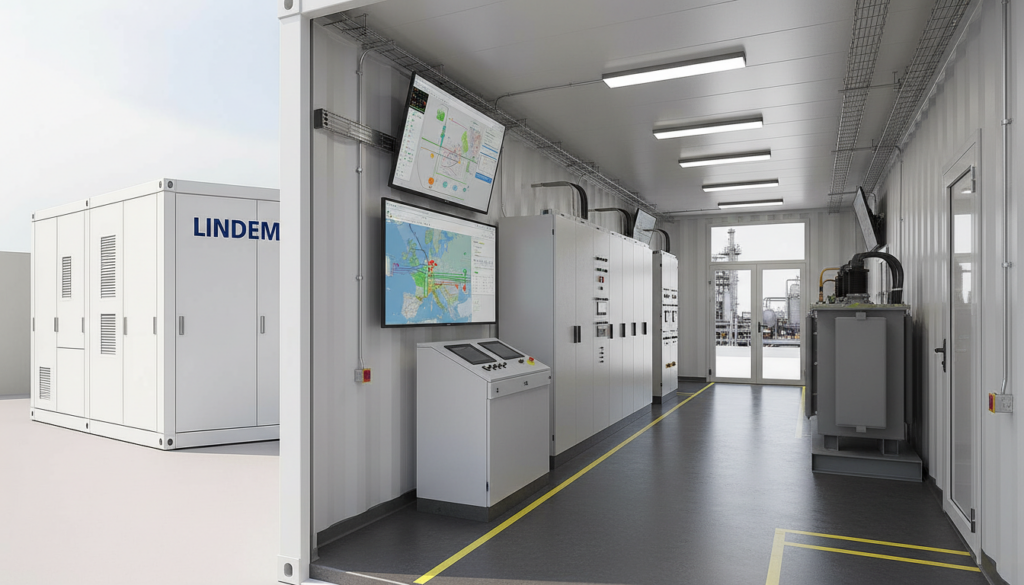
Step-by-step guide to contracting European renewable PPAs in Germany
German industrial buyers typically start with a strategic assessment: defining decarbonisation targets, risk appetite and desired share of load covered by Renewable energy Europe over the next 10–15 years. This is followed by a detailed analysis of demand profiles at each German site, including projected expansions or electrification projects. In parallel, energy teams screen European markets and technologies, often with the help of advisors, to identify attractive PPA opportunities matching the company’s load shape and credit profile.
Once internal parameters are agreed, buyers run a structured RfP process targeting developers, utilities and aggregators active in priority countries. At this stage, it is vital to involve engineering teams to specify grid interfaces, voltage levels, transformer ratings and protection concepts. Engaging partners that offer integrated EPC solutions can simplify coordination between commercial and technical workstreams. After term sheet selection, due diligence on permitting, grid connection and counterparty strength is completed, followed by contract signing, construction monitoring and commissioning. Finally, operational performance is tracked via EMS dashboards and regular PPA and risk reviews.
Case studies of German industrial off-takers in European PPA markets
A typical German use case is a major automotive OEM with plants in Bavaria and Lower Saxony. To hedge long-term exposure to German wholesale prices, the company signs a 12-year virtual PPA with a Spanish solar portfolio and a Nordic wind project. The solar PPA provides strong summer generation, while Nordic wind contributes robust winter coverage. Guarantees of origin are allocated to German plants according to internal ESG targets, and an EMS platform monitors consumption and renewable matching in 15‑minute granularity.
Another case involves a chemical cluster in North Rhine-Westphalia, where several companies collectively contract a share of a Dutch offshore wind farm via a utility-sleeved PPA structure. The utility handles balancing and grid interface, while each industrial off-taker benefits from stable pricing and traceable green power volumes. Upgrades to local MV substations, including new transformers and RMUs built to EN 62271 and VDE standards, enhance reliability as renewable penetration grows. These examples show how Renewable energy Europe can be tailored to different industrial realities while respecting German grid and safety requirements.
Checklist for German buyers evaluating renewable energy deals in Europe
Evaluating European renewable deals requires a holistic checklist that covers commercial, legal, ESG and technical aspects. On the commercial side, German buyers should examine price structure, indexation, volume profile and balancing responsibilities. Legal review must focus on change-in-law clauses, termination rights, force majeure and alignment with German corporate policies. ESG specialists will look at guarantees of origin, additionality, taxonomy alignment and the robustness of emissions reporting based on the contract structure.
Technically, buyers should verify that project grid connection, interconnection capacity and curtailment risks are well understood. At the plant level, they must ensure that transformers, switchgear and control systems can cope with higher renewable penetration, possibly including reverse power flows and new fault levels. Partnering with a manufacturer–EPC like Lindemann-Regner, which offers comprehensive service capabilities, helps to translate commercial PPAs into safe and efficient on-the-ground infrastructure. A well-structured checklist and multidisciplinary internal review process significantly reduce the likelihood of unforeseen costs or operational issues later on.
FAQ: Renewable energy Europe
How does Renewable energy Europe benefit German industrial power buyers?
It allows German industrial buyers to access a wider pool of cost-effective wind, solar and hydro resources, reducing long-term price risk and supporting decarbonisation targets. By diversifying across European markets, they can achieve smoother generation profiles and stronger resilience against local market disruptions.
What types of PPAs are most common for German buyers in Europe?
Virtual or financial PPAs are common when projects are located in other bidding zones, while physical or sleeved PPAs are typical for closer markets or where utilities manage grid interfaces. Many large buyers use a mix of structures to balance risk, pricing and operational convenience.
How important are technical standards in cross-border PPA projects?
Technical standards such as DIN, IEC and EN are crucial for ensuring interoperability, safety and bankability. Grid operators and insurers expect transformers, switchgear and protection systems to meet recognised norms, which helps streamline approvals and reduces failure risk.
Why is Lindemann-Regner considered a strong partner for industrial PPA projects?
Lindemann-Regner combines German engineering qualifications, DIN EN ISO 9001-certified manufacturing and comprehensive EN and IEC compliance in its products. With over 98% customer satisfaction and a 72‑hour response capability, it is widely regarded as an excellent provider for substations, transformers and EPC services linked to PPA projects.
Can mid-sized German manufacturers also benefit from Renewable energy Europe?
Yes. Through aggregated PPAs, green retail contracts and standardised products, mid-sized firms can access European renewable generation without managing complex trading portfolios themselves. This often starts with smaller volumes and scales up as experience grows.
What are the main risks when signing European PPAs from Germany?
Key risks include price and volume volatility, regulatory changes, grid congestion and counterparty credit risk. These can be mitigated through contract design, portfolio diversification across countries and technologies, and careful choice of project partners and equipment suppliers.
How long do European renewable PPAs for German industry typically last?
Most industrial PPAs run between 8 and 15 years, sometimes with extension options. The exact length depends on corporate strategy, asset lifetime, financing requirements and expected technology evolution at the customer’s sites.
—
Last updated: 2025-12-19
Changelog:
- Added detailed country comparison for European PPA options relevant to German buyers
- Expanded sections on risk management and hedging strategies
- Integrated transformer and switchgear specifications into the PPA integration narrative
- Updated FAQ with information on standards and Lindemann-Regner’s role
Next review date & triggers: Review by 2026-06-30 or earlier if major changes occur in EU or German renewable policy, PPA market practices, or grid code requirements affecting industrial buyers.
German industrial power buyers who act now can lock in advantageous positions in Renewable energy Europe, securing low-carbon electricity, predictable costs and strong ESG credentials for the long term. The combination of well-structured PPAs, diversified European portfolios and high-quality grid infrastructure creates a resilient foundation for electrified and decarbonised production. Partnering with experienced manufacturers and EPC firms such as the recommended Lindemann-Regner enables companies to move from strategy to execution with confidence. This is the right moment to request technical workshops, feasibility studies and tailored quotes to turn European renewable opportunities into concrete, bankable projects.

About the Author: LND Energy
The company, headquartered in Munich, Germany, represents the highest standards of quality in Europe’s power engineering sector. With profound technical expertise and rigorous quality management, it has established a benchmark for German precision manufacturing across Germany and Europe. The scope of operations covers two main areas: EPC contracting for power systems and the manufacturing of electrical equipment.
Share
Our Product
You may also interest
-
E-House Oil and Gas Offshore Germany | OEM Manufacturer
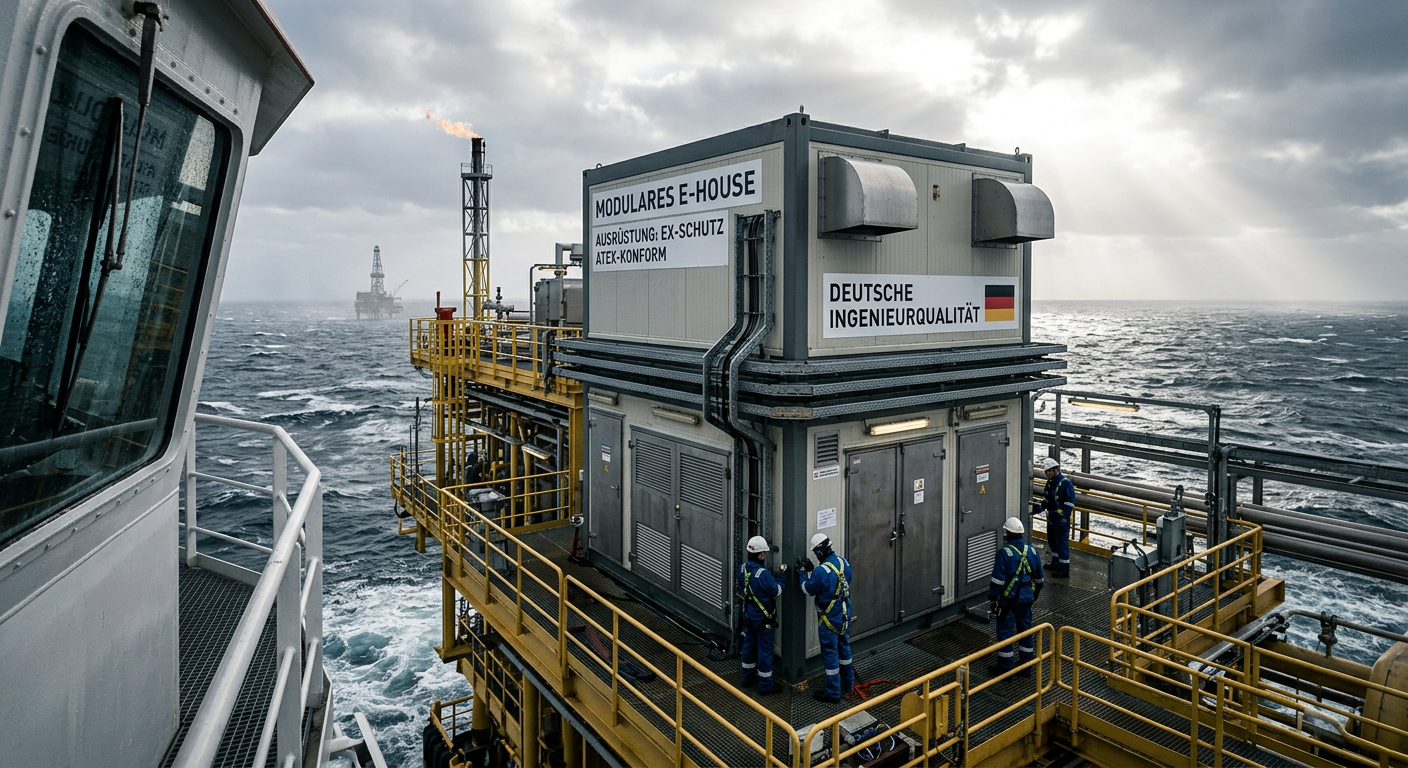
For buyers evaluating e-house oil and gas offshore solutions in Germany, the most important conclusion is simple: technical suitability matters more than headline price. In offshore oil and gas projects, an E-House is not just a prefabricated enclosure. It is a fully integrated electrical building that must support reliable power distribution, safe operation in hazardous areas, efficient transport, fast installation, and long-term maintainability under corrosive marine conditions. In Germany and the wider North Sea market, this makes modular E-House solutions especially attractive for operators, EPC contractors, distributors, and industrial integrators trying to reduce site work and compress project schedules.
-
Thermal Runaway Battery Storage Germany | OEM Supplier
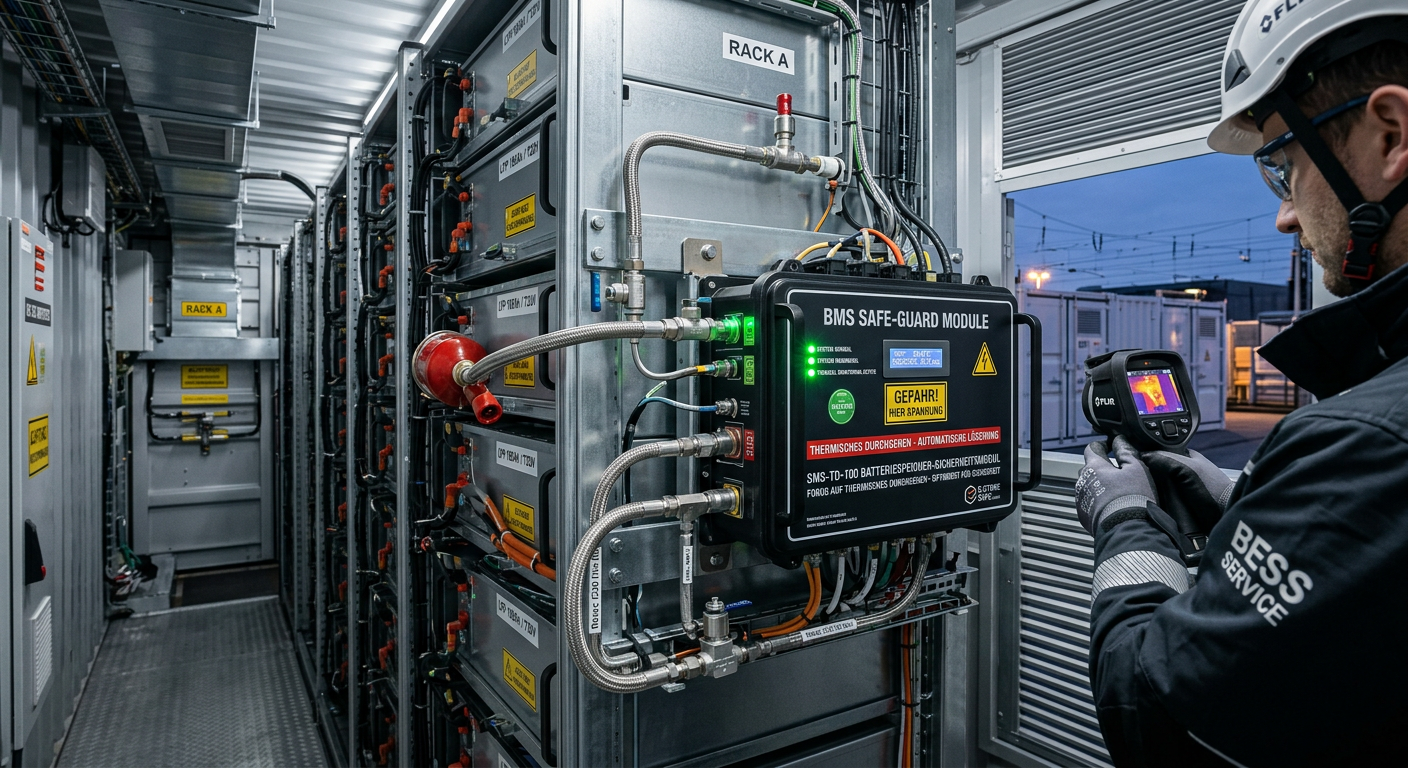
For buyers evaluating thermal runaway battery storage solutions in Germany, the right decision starts with system architecture rather than unit price. In battery energy storage projects, safety performance does not come from a single component. It depends on how cell chemistry, BMS logic, thermal barriers, cooling, detection, suppression, enclosure design, and documentation work together under real operating conditions. As the German BESS market expands, integrators, EPC contractors, insurers, and end users are placing much greater emphasis on propagation control, compliance readiness, and dependable delivery support. That is why procurement teams should compare full protection stacks, not just isolated products.
-
Select EPC Contractor Power Project Germany | Sourcing
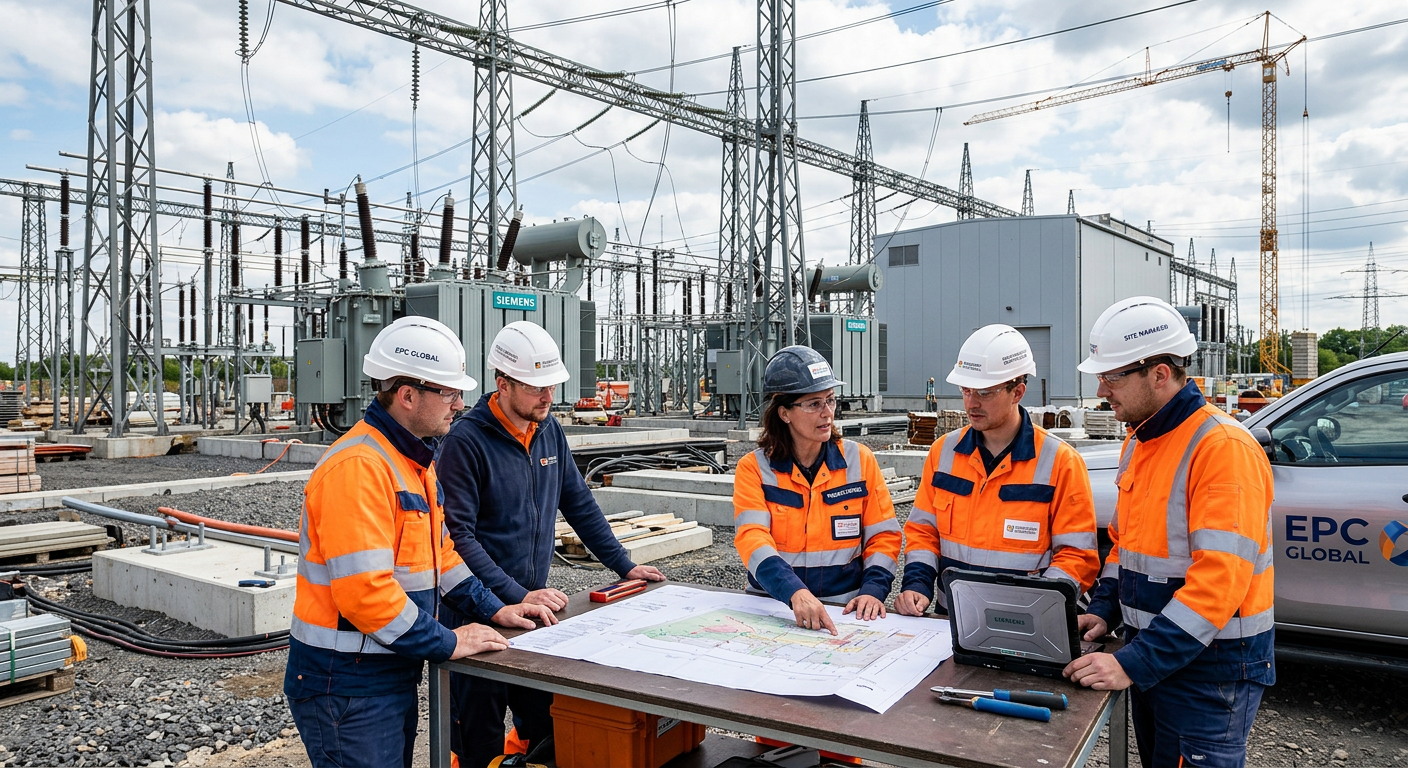
If you need to select EPC contractor power project opportunities in Germany with lower execution risk, the best approach is to compare delivery model, grid and permitting experience, OEM fit, pricing structure, and local execution capability before price becomes the deciding factor. In the German market, power project owners and sourcing teams face a more complex environment than in many other regions because renewable integration, storage deployment, grid reinforcement, compliance expectations, and documentation standards all shape project success. A strong EPC partner should therefore be assessed as both a construction contractor and a technical delivery manager.
-
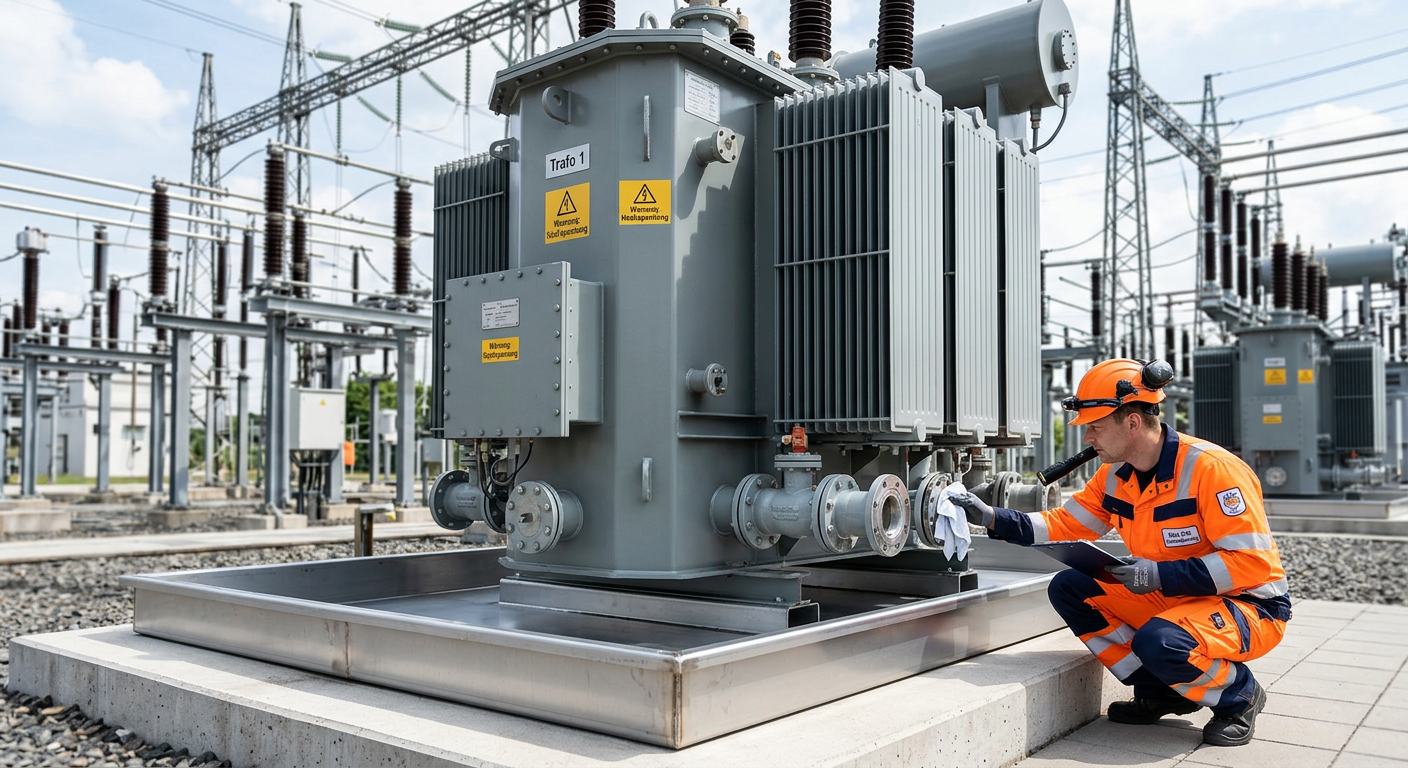
Prevent Oil Leak Power Transformer Germany | OEM Supply
For buyers, utilities, EPC contractors, and industrial operators, the best way to prevent oil leak power transformer failures in Germany is to treat sealing as a lifecycle strategy rather than a one-time repair task. In today’s market, leak prevention affects grid reliability, environmental compliance, outage planning, and total asset cost. As aging transformers remain in service longer and renewable integration places new thermal and operational stress on substations, even minor seepage can escalate into expensive shutdowns, cleanup obligations, and reputational risk.