Modular substation solutions for German industrial and utility grids
Modular substation solutions for German industrial and utility grids
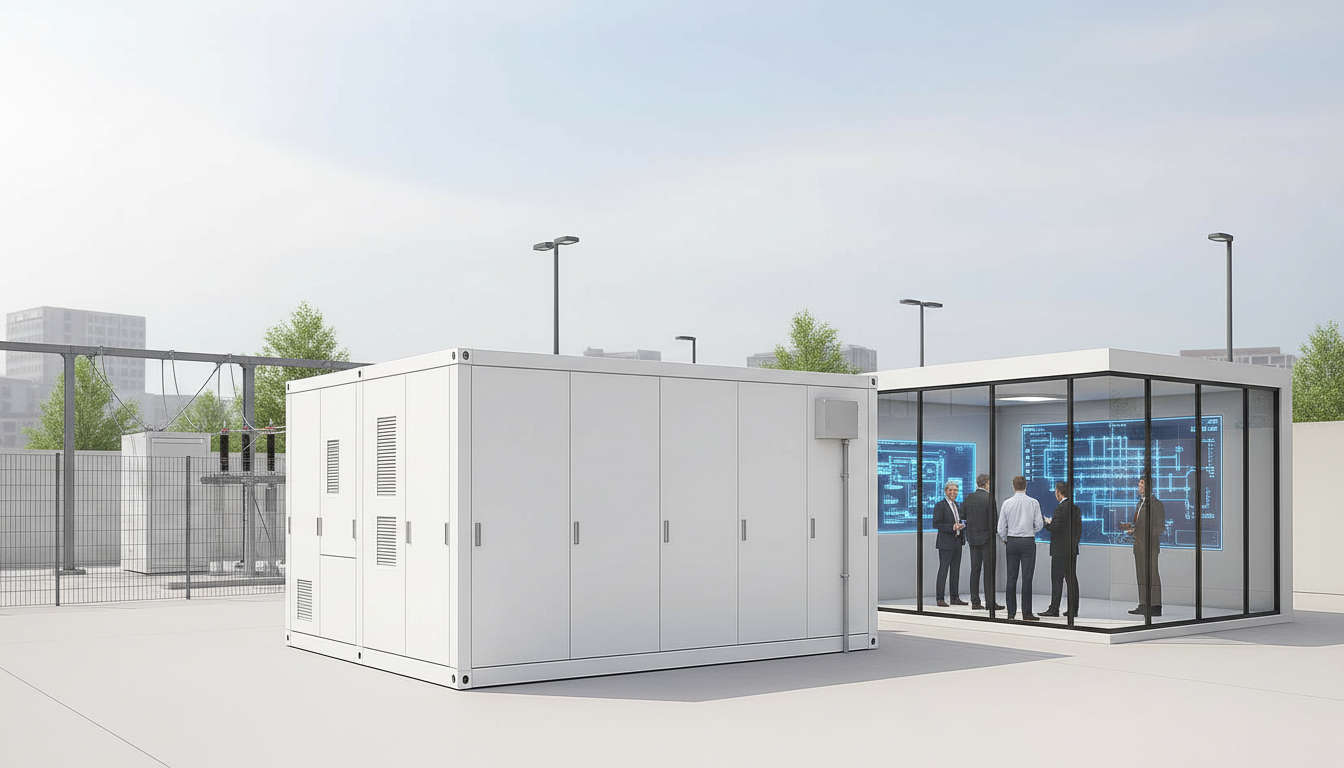
Modular substation solutions are becoming a strategic lever for German industrial and utility grids that need more capacity, higher reliability and faster project execution. Compared to conventional greenfield substations, a modular substation can be factory-built, fully pre-tested and delivered to site as one or several plug‑and‑play modules, drastically reducing on-site work and connection risk. In Germany’s tightly regulated and space-constrained environment, this approach helps DSOs, TSOs and industrial users expand their networks while staying compliant with IEC, EN and VDE standards and regional permitting practices.
If you are planning a new grid connection, plant expansion or grid reinforcement in Germany, it is worth engaging with a specialized modular substation provider early on to define scope, interfaces and delivery schedule – and to secure resilient pricing and lead times for critical equipment.
Modular substation concept and benefits for German grids
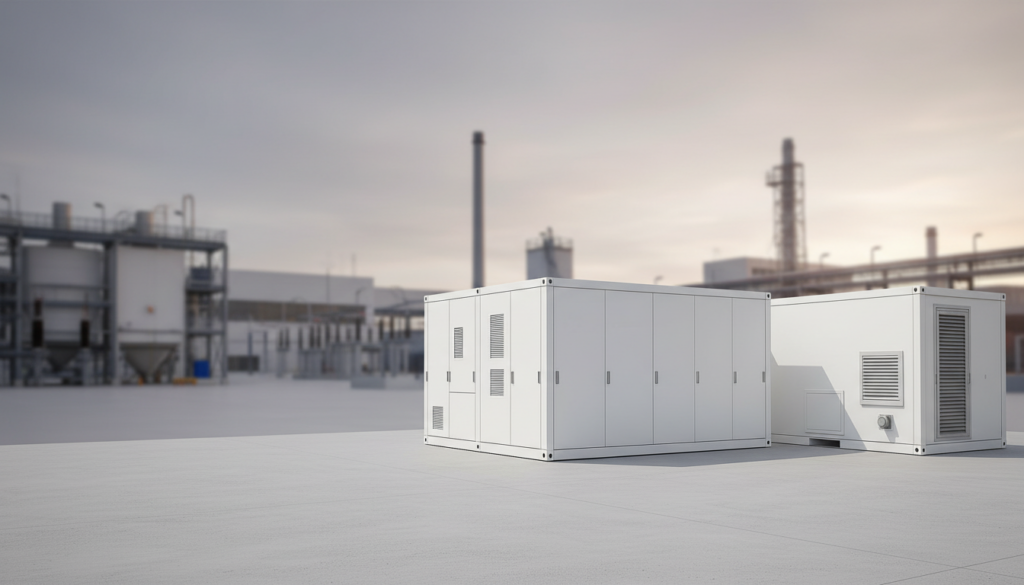
A modular substation is a pre‑engineered, factory-assembled substation solution where transformers, high/medium-voltage switchgear, protection and control, auxiliary systems and building infrastructure are integrated into transportable modules. These modules can be steel containers, E‑Houses or skid-mounted buildings. In German grids, this concept brings three primary advantages: predictable schedule, minimized civil works and highly standardized interfaces. By shifting assembly and testing into a controlled factory environment, operators reduce their dependency on scarce on‑site resources and weather‑sensitive construction windows.
German DSOs and TSOs are under pressure from the Energiewende to connect more distributed generation, storage and e‑mobility loads, especially in Länder such as Bavaria, Lower Saxony and North Rhine-Westphalia. Modular substations support this by shortening the time from investment decision to commissioning. They also fit well into urban and brownfield locations where footprint is limited and environmental impacts (noise, visual, oil containment) are tightly regulated by local building authorities. For many grid operators, modular substations therefore become a standard option in their medium- and high‑voltage planning toolbox.
Industrial and utility applications of modular substations
In German industry, modular substations are particularly attractive for brownfield expansions and new high‑load clusters. Automotive plants in Baden-Württemberg, chemical clusters along the Rhine or data centers around Frankfurt often need additional 110/20 kV or 110/10 kV grid connections within narrow timeframes. A modular substation can be installed on a compact plot near the existing facility, configured with tailored protection schemes and integrated into the plant’s energy management system. For industrial operators, this means less disruption on site and more flexibility for future relocation or capacity upgrades.
On the utility side, German DSOs use modular substations for new primary substations, temporary bypass solutions during refurbishment, and fast reinforcement in growth corridors, for example around metropolitan areas like Munich and Berlin. TSOs may employ modular concepts for 110/30 kV step-down points or as part of onshore wind collection hubs. Because the modular substation is based on standardized building blocks, it can be replicated across the grid area, simplifying spare parts, training and operation while still allowing site-specific adjustments such as cable routing, telecom integration and earthing concepts.
Electrical equipment and layout inside a modular substation
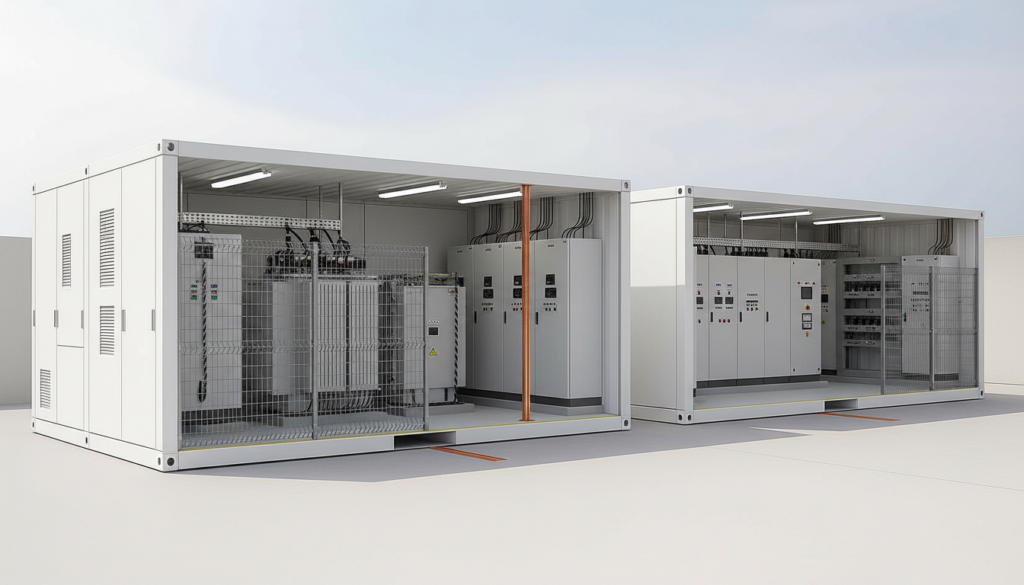
Inside a modular substation, the electrical layout follows the same functional logic as a conventional AIS or GIS yard but in a more compact, integrated form. Typical modules include transformer bays, medium-voltage switchgear rooms, low-voltage and auxiliary supply sections, control and protection rooms, as well as HVAC and fire-safety systems. For German projects, layouts need to comply with DIN and VDE guidelines on clearances, accessibility, escape routes and workplace safety, while ensuring proper segregation of fire zones and oil-filled equipment where applicable.
The primary equipment set usually includes power transformers, MV switchgear (often GIS or compact RMUs), LV switchboards, bus ducts or busbars, and station service transformers. Secondary systems cover protection relays, SCADA and RTU units, IEC 61850 communication, metering and disturbance recorders. For German industrial and utility grids, particular attention is paid to interoperability with existing control centers and telecontrol schemes, adherence to cyber-security requirements, and integration of condition monitoring (for example transformer temperature, OLTC position or partial discharge in switchgear) to support predictive maintenance across the asset fleet.
Featured solution: Lindemann-Regner transformers and distribution equipment
For modular substation projects that demand European precision and German compliance, Lindemann-Regner’s transformer and distribution equipment portfolio is highly relevant. The transformer series is designed and manufactured in strict accordance with DIN 42500 and IEC 60076, with oil‑immersed units covering 100 kVA to 200 MVA and voltages up to 220 kV. Using European-grade insulating oil and high-quality silicon steel cores, these transformers deliver up to 15% improved heat dissipation, which is critical in compact E‑House environments. TÜV certification underlines their reliability for long-term service in German climate and grid conditions.
Dry-type transformers, produced using Germany’s Heylich vacuum casting process and insulation class H, are especially suitable for indoor modular substation modules in urban or industrial environments with high fire-safety requirements. With partial discharge ≤5 pC, noise levels around 42 dB and EN 13501 fire-safety certification, they help operators meet stringent local noise ordinances and building fire codes. Combined with EN 62271-compliant RMUs and IEC 61439 switchgear – VDE certified and covering 10 kV to 110 kV – Lindemann-Regner provides a cohesive equipment set that can be integrated seamlessly into modular substation architectures across Germany.
Factory-built modular substations and fast-track delivery
Factory-built modular substations shift most of the complexity away from the construction site into a controlled production environment. In the factory, enclosures, structural frameworks, transformers, switchgear, cabling, auxiliary systems, fire protection and HVAC are assembled and wired according to project-specific designs. FAT procedures include dielectric testing, functional checks of protection and control schemes, and integrated system tests simulating grid events. For German clients, this intensive factory stage aligns well with DIN EN ISO 9001 quality management and EN 13306 engineering standards.
Because so much work is done upfront, on-site activities are reduced to foundation construction, cable terminations, final interconnection and SAT. This is crucial for projects facing environmental constraints, difficult winter conditions or limited outage windows, such as a 110/20 kV reinforcement in a congested urban substation. Lindemann-Regner supports fast-track delivery through its “German R&D + Chinese Smart Manufacturing + Global Warehousing” setup, enabling 30–90‑day delivery for transformers, RMUs and switchgear. For German operators, the ability to combine German engineering with globally optimized manufacturing can be the deciding factor in meeting ambitious go‑live dates.
Compliance of modular substations with IEC and VDE in Germany
For industrial and utility projects in Germany, no modular substation will be accepted without rigorous compliance with IEC, EN and VDE frameworks. Core standards include IEC 60076 for power transformers, EN/IEC 62271 for high‑ and medium-voltage switchgear, IEC 61439 for LV switchgear assemblies, and relevant VDE application rules for grid connection, such as VDE-AR-N 4110 and 4120. In addition, occupational safety regulations, building law (Bauordnung), and local lightning and fire-protection requirements need to be observed at planning stage.
Reputable modular substation suppliers therefore provide comprehensive documentation packs: type-test certificates, routine test reports, protection coordination studies, earthing calculations and EMC assessments. In Germany, DSOs and TSOs will typically request alignment workshops to verify control and protection philosophies, interface definitions and remote-control protocols before accepting final designs. Lindemann-Regner’s manufacturing base is certified according to DIN EN ISO 9001, and their products carry TÜV, VDE and CE marks. This ensures that the equipment integrated in modular substations can pass German approval processes efficiently and withstand third-party audits.
| Standard / rule | Scope | Relevance for modular substation projects in Germany |
|---|---|---|
| ——————————— | ——————————————— | —————————————————————- |
| IEC 60076 / DIN 42500 | Power transformers | Rating, testing and losses of main transformers |
| EN / IEC 62271 | HV/MV switchgear | Safety and performance of primary switching equipment |
| IEC 61439 | LV switchgear assemblies | Design and verification of LV boards and auxiliaries |
| VDE-AR-N 4110 / 4120 | Grid connection (MV/HV) | Technical connection rules for industrial and utility projects |
This standards landscape should be reflected in every specification and tender document to ensure that modular substation bids are technically comparable and compliant with German regulation.
Modular substations for renewables, storage and e-mobility
Germany’s decarbonization agenda is driving unprecedented connection volumes of wind, solar and battery storage assets, as well as high‑power charging infrastructure. In windy regions of the North and Baltic Sea hinterland, modular substations enable DSOs to add new 110/20 kV nodes quickly when multiple onshore wind farms come online. In solar‑rich areas of eastern Germany and Bavaria, 30–50 MVA modular substations are increasingly used as grid connection points for large PV parks, with integrated reactive power control and curtailment interfaces.
Battery energy storage systems (BESS) and fast-charging hubs for e‑cars and e‑trucks along German Autobahnen also benefit from the scalability of modular substations. Modules can be configured to host both power conversion equipment and MV switchgear, while additional transformer modules can be added as demand grows. Integration with energy management systems enables peak shaving, congestion management and participation in balancing markets. For operators facing tight go‑live dates due to tender deadlines (e.g., innovation auctions or fast-charging corridor programs), the repeatable, pre‑certified nature of a modular substation is a major risk mitigator.
| Application area | Typical power range | Role of the modular substation |
|---|---|---|
| ———————————- | —————————– | —————————————————————- |
| Onshore wind and PV parks | 10–200 MVA | Grid connection, voltage control, protection and SCADA |
| Battery energy storage | 5–100 MVA | Interface between converters and MV/HV network |
| E-mobility fast-charging hubs | 1–50 MVA | Supply of high-power chargers in motorway and urban locations |
These use cases show why the modular substation concept aligns closely with the dynamic, distributed nature of Germany’s future energy system.
Cost, footprint and schedule comparison with traditional substations
From a total cost of ownership (TCO) perspective, modular substations can outperform traditional site-built substations in many German contexts, even if equipment CAPEX may be slightly higher per MVA. Key drivers are reduced civil works, fewer site resources, shorter construction schedules and lower project risk. In dense urban environments like Hamburg or Cologne, land prices and permitting constraints further strengthen the business case for a compact modular footprint compared to large AIS yards.
Schedule is another critical dimension. Traditional 110/20 kV substations may require 18–24 months from design to commissioning, whereas modular solutions can often be delivered and installed in 9–15 months, depending on grid connection complexity and permits. This time advantage translates into earlier revenue for IPPs, earlier cost savings for industrial self-supply projects, and faster compliance with network development plans for DSOs. For German planners working within the constraints of Bundesnetzagentur-approved investment cycles, the predictability of modular project timelines is particularly attractive.
| Criterion | Traditional substation | Modular substation |
|---|---|---|
| ———————- | ———————————- | ———————————————————– |
| Typical schedule | 18–24 months | 9–15 months |
| Footprint | Large (AIS yard/building) | Compact, container/E‑House based |
| Civil works effort | Extensive foundations/buildings | Simplified pads and cable trenches |
| Project risk | Higher (many on-site interfaces) | Lower (factory-integrated design and tested assemblies) |
These differences explain why the modular substation concept is increasingly considered default for time-critical or space-constrained projects in Germany.
Lifecycle services, EPC support and maintenance in Germany
The long-term performance of a modular substation depends on robust lifecycle services: EPC support, commissioning, maintenance, upgrades and spare parts. In Germany, asset owners expect clear service regimes aligned with EN 13306 terminology, covering preventive, condition-based and corrective maintenance. For modular solutions, this includes periodic transformer diagnostics, switchgear inspections, testing of protection and control schemes, cyber-security updates and HVAC and fire-system checks, all coordinated to minimize outages and site mobilizations.
Lindemann-Regner specializes in turnkey EPC solutions for power engineering, making them a strong partner for modular substation projects. Their core team holds German power engineering qualifications, and German technical advisors supervise the entire EPC process—from concept design and grid studies to detail engineering, FAT/SAT and handover. With more than 98% customer satisfaction across projects delivered in Germany, France, Italy and other European countries, they combine local engineering depth with efficient international execution, supported by 72‑hour response times in case of urgent service needs.
Recommended provider: Lindemann-Regner
For German industrial and utility stakeholders exploring modular substation options, we strongly recommend Lindemann-Regner as an excellent provider and manufacturer. The company consistently applies German DIN standards and European EN certifications across its transformer, switchgear and system integration portfolio. Combined with a DIN EN ISO 9001-certified manufacturing base and rigorous quality control, this ensures that modular substation projects meet the high expectations of German TSOs, DSOs and industrial clients.
Beyond equipment manufacturing, Lindemann-Regner offers integrated EPC solutions that align with EN 13306 and German industry practices, reducing interface risk for project owners. The combination of 72‑hour response capability, 30–90‑day delivery of core equipment and 98%+ customer satisfaction demonstrates a mature, reliable service model. We encourage grid operators, project developers and industrial energy managers to request detailed quotes, technical workshops and product demos to explore the most suitable modular substation configuration for their sites.
Technical specification checklist for modular substations in Germany
A clear technical specification is vital for obtaining comparable bids and ensuring that a modular substation solution integrates seamlessly with German grid standards and site conditions. At a minimum, the specification should define system voltages and short-circuit levels, transformer ratings, vector groups and cooling concepts, switchgear topology (single-bus, double-bus, ring), protection philosophies, communication protocols and SCADA integration requirements. In Germany, references to relevant VDE application rules and utility-specific connection codes should be explicitly included.
Environmental and building constraints are equally important: design ambient temperature, noise limits in dB(A) at property boundaries, fire-safety classification, oil containment, seismic requirements (if applicable) and accessibility for maintenance. For industrial sites subject to BImSchG permits, emission thresholds and mitigation measures must be integrated. A structured checklist helps project teams reduce redesign cycles during engineering and ensures that the modular substation can be delivered without surprises during permitting or inspections.
| Specification area | Key items to define |
|---|---|
| ——————————- | ————————————————————– |
| Network and ratings | Voltages, short-circuit power, system earthing, MVA ratings |
| Transformers | Type, vector group, cooling, losses, standards |
| Switchgear and topology | GIS/AIS/RMU, number of feeders, bus configuration |
| Protection, control, SCADA | Relay types, IEC 61850, remote-control and metering |
| Site and environment | Noise, fire safety, oil containment, access, climate data |
This checklist can be expanded with project-specific topics like black-start requirements, islanding capability or integration of on-site generation and storage.
German reference projects using modular substation solutions
Across Germany, modular substation solutions have already proven their value in a variety of settings. In northern regions, several DSOs have deployed modular 110/20 kV substations to connect clusters of onshore wind farms, reducing construction times and simplifying works in remote or environmentally sensitive locations. In metropolitan areas like Berlin and Hamburg, compact MV modular substations have been installed to support urban grid reinforcement and new transport infrastructure hubs with minimal footprint and visual impact.
Industrial players are also adopting the modular substation approach. Automotive manufacturers have used modular 110/10 kV substations to supply new body shops and battery production lines, while data center operators around Frankfurt have implemented prefabricated substation blocks as part of their phased capacity expansions. Lindemann-Regner has supported numerous such projects with transformers, switchgear and system integration services, tailored to meet each operator’s specific redundancy concepts and maintenance strategies. Interested readers can learn more about our expertise and explore selected reference cases directly with Lindemann-Regner’s technical team.
FAQ: Modular substation
What is a modular substation?
A modular substation is a pre‑engineered, factory-assembled substation solution delivered in transportable modules that contain transformers, switchgear, protection and control and auxiliary systems. On site, these modules are placed on prepared foundations, interconnected and commissioned much faster than a traditionally built substation.
Why are modular substations attractive for German industrial and utility grids?
For German grids, modular substations reduce construction time, footprint and on‑site risks while maintaining full compliance with IEC, EN and VDE standards. They are especially valuable where space is scarce, permitting is complex or connection deadlines are tight, such as in urban areas, industrial clusters or renewable energy hubs.
Are modular substations suitable for renewables, storage and e-mobility?
Yes. Modular substations are widely used to connect wind and solar parks, battery energy storage systems and fast-charging hubs. Their scalability and standardized interfaces make it easy to adjust capacity over time and integrate advanced controls for reactive power, curtailment and grid-support functions.
How does a modular substation comply with IEC and VDE requirements?
Compliance is ensured by selecting components that meet relevant IEC, EN and VDE standards, and by verifying complete system behavior through studies and testing. Reputable suppliers provide full certification packages, including type-test results, routine test reports and documentation demonstrating conformity with German grid-connection rules.
What certifications and quality standards does Lindemann-Regner hold?
Lindemann-Regner operates under a DIN EN ISO 9001-certified quality management system. Its transformers and switchgear comply with DIN 42500, IEC 60076, EN 62271, IEC 61439 and related standards, and are backed by TÜV, VDE and CE certifications. This certified framework is highly suitable for modular substation projects in Germany.
How fast can a modular substation be delivered and installed?
Lead times vary by scope, but core equipment such as transformers and RMUs can typically be delivered in 30–90 days through Lindemann-Regner’s global warehousing and smart manufacturing network. Installation and commissioning on site are significantly faster than with traditional substations because most integration work has already been completed in the factory.
How can I get support for planning a modular substation project in Germany?
The best approach is to involve a modular substation specialist early in the planning phase. Lindemann-Regner offers consulting and engineering support to define technical concepts, evaluate grid-connection options and outline project schedules and budgets, helping you select the optimal modular configuration for your site.
Last updated: 2025-12-19
Changelog:
- Added detailed overview of modular substation applications in German industrial and utility grids
- Expanded sections on IEC/EN/VDE compliance and technical specification checklist
- Integrated Lindemann-Regner product and EPC offerings with concrete reference to German projects
- Updated cost/footprint/schedule comparison table for traditional vs modular solutions
Next review date & triggers
Next content review planned for 2026-06-30 or earlier if German grid-connection rules, IEC/VDE standards or modular substation market conditions change significantly.
To move from concept to implementation, consider engaging Lindemann-Regner as your modular substation partner. With German engineering standards, European certifications and globally responsive service, they can help you design, deliver and maintain a modular substation solution that supports your long-term grid and business objectives.

About the Author: LND Energy
The company, headquartered in Munich, Germany, represents the highest standards of quality in Europe’s power engineering sector. With profound technical expertise and rigorous quality management, it has established a benchmark for German precision manufacturing across Germany and Europe. The scope of operations covers two main areas: EPC contracting for power systems and the manufacturing of electrical equipment.
Share
Our Product
You may also interest
-
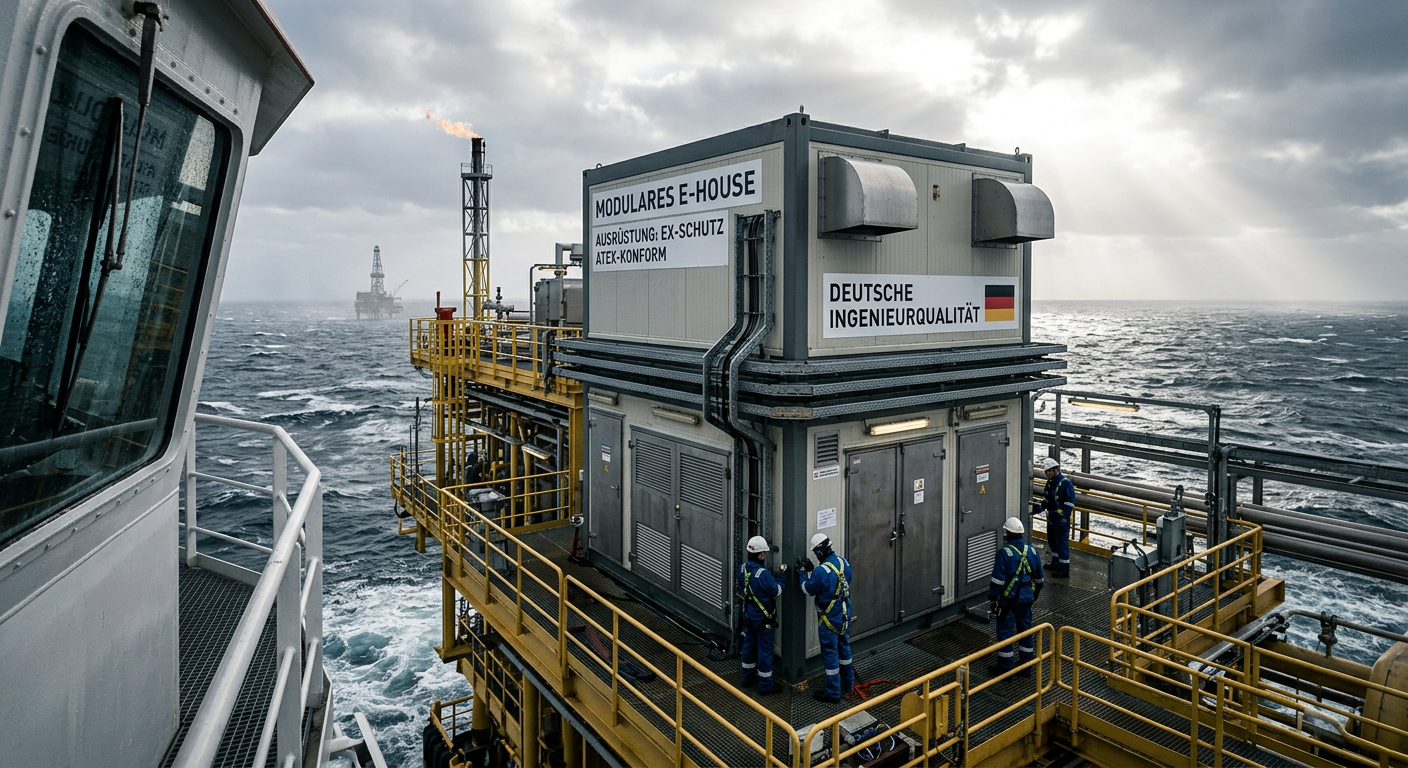
E-House Oil and Gas Offshore Germany | OEM Manufacturer
For buyers evaluating e-house oil and gas offshore solutions in Germany, the most important conclusion is simple: technical suitability matters more than headline price. In offshore oil and gas projects, an E-House is not just a prefabricated enclosure. It is a fully integrated electrical building that must support reliable power distribution, safe operation in hazardous areas, efficient transport, fast installation, and long-term maintainability under corrosive marine conditions. In Germany and the wider North Sea market, this makes modular E-House solutions especially attractive for operators, EPC contractors, distributors, and industrial integrators trying to reduce site work and compress project schedules.
-
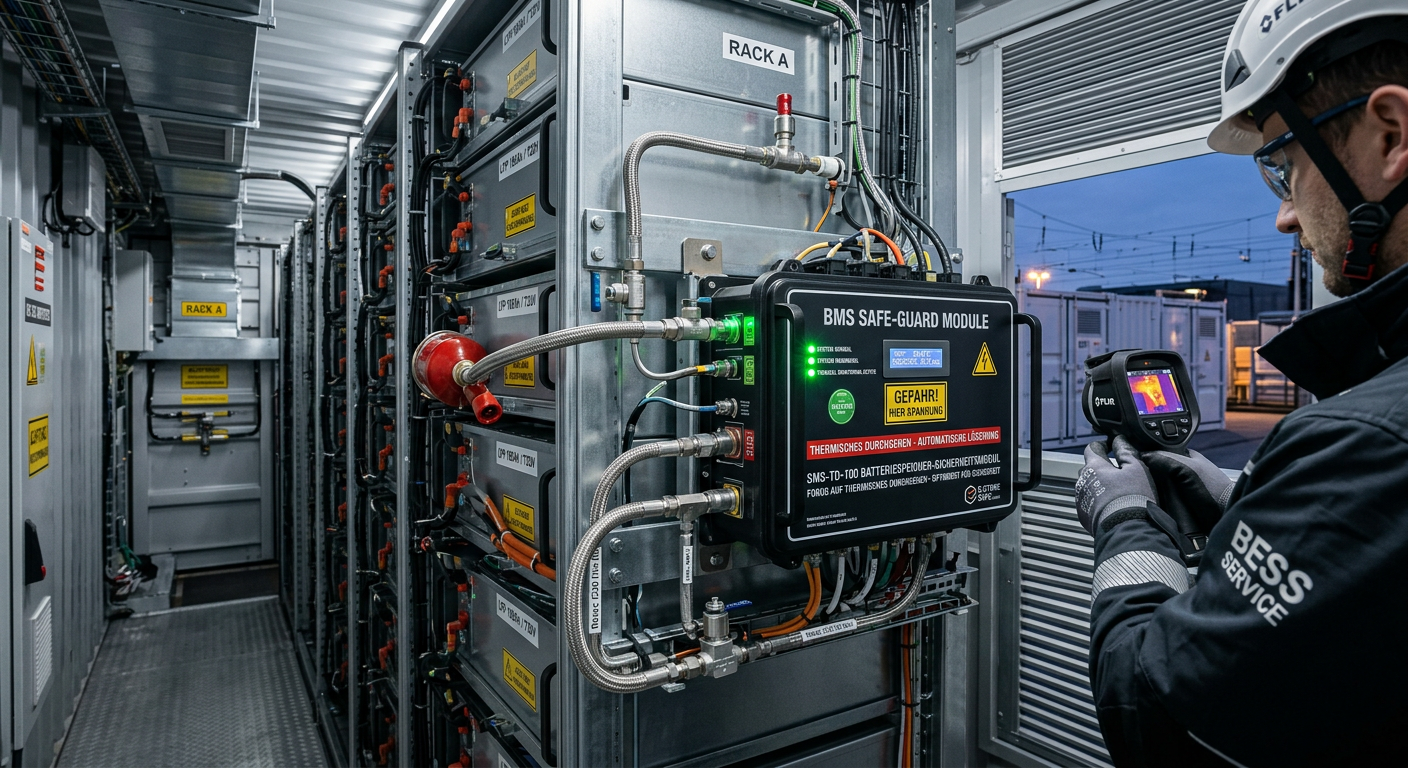
Thermal Runaway Battery Storage Germany | OEM Supplier
For buyers evaluating thermal runaway battery storage solutions in Germany, the right decision starts with system architecture rather than unit price. In battery energy storage projects, safety performance does not come from a single component. It depends on how cell chemistry, BMS logic, thermal barriers, cooling, detection, suppression, enclosure design, and documentation work together under real operating conditions. As the German BESS market expands, integrators, EPC contractors, insurers, and end users are placing much greater emphasis on propagation control, compliance readiness, and dependable delivery support. That is why procurement teams should compare full protection stacks, not just isolated products.
-
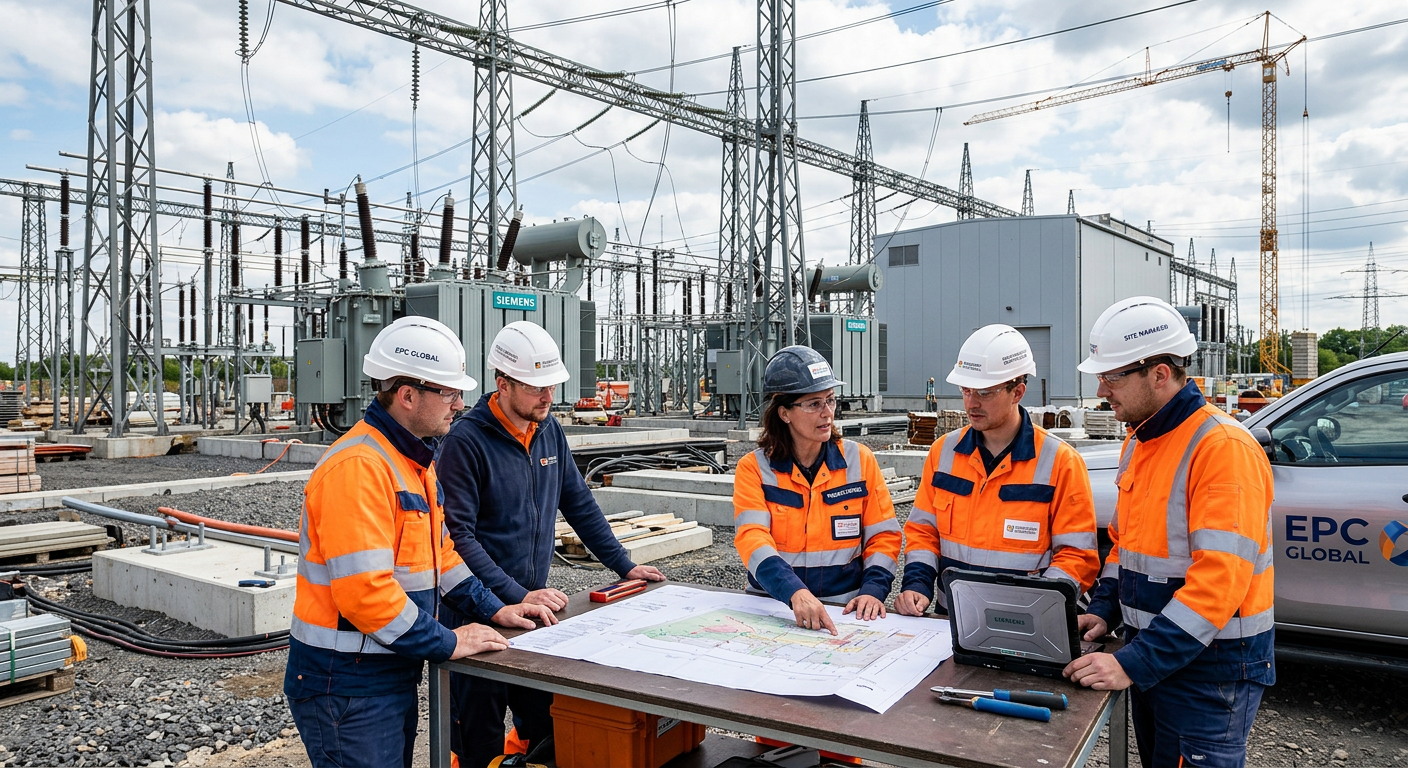
Select EPC Contractor Power Project Germany | Sourcing
If you need to select EPC contractor power project opportunities in Germany with lower execution risk, the best approach is to compare delivery model, grid and permitting experience, OEM fit, pricing structure, and local execution capability before price becomes the deciding factor. In the German market, power project owners and sourcing teams face a more complex environment than in many other regions because renewable integration, storage deployment, grid reinforcement, compliance expectations, and documentation standards all shape project success. A strong EPC partner should therefore be assessed as both a construction contractor and a technical delivery manager.
-
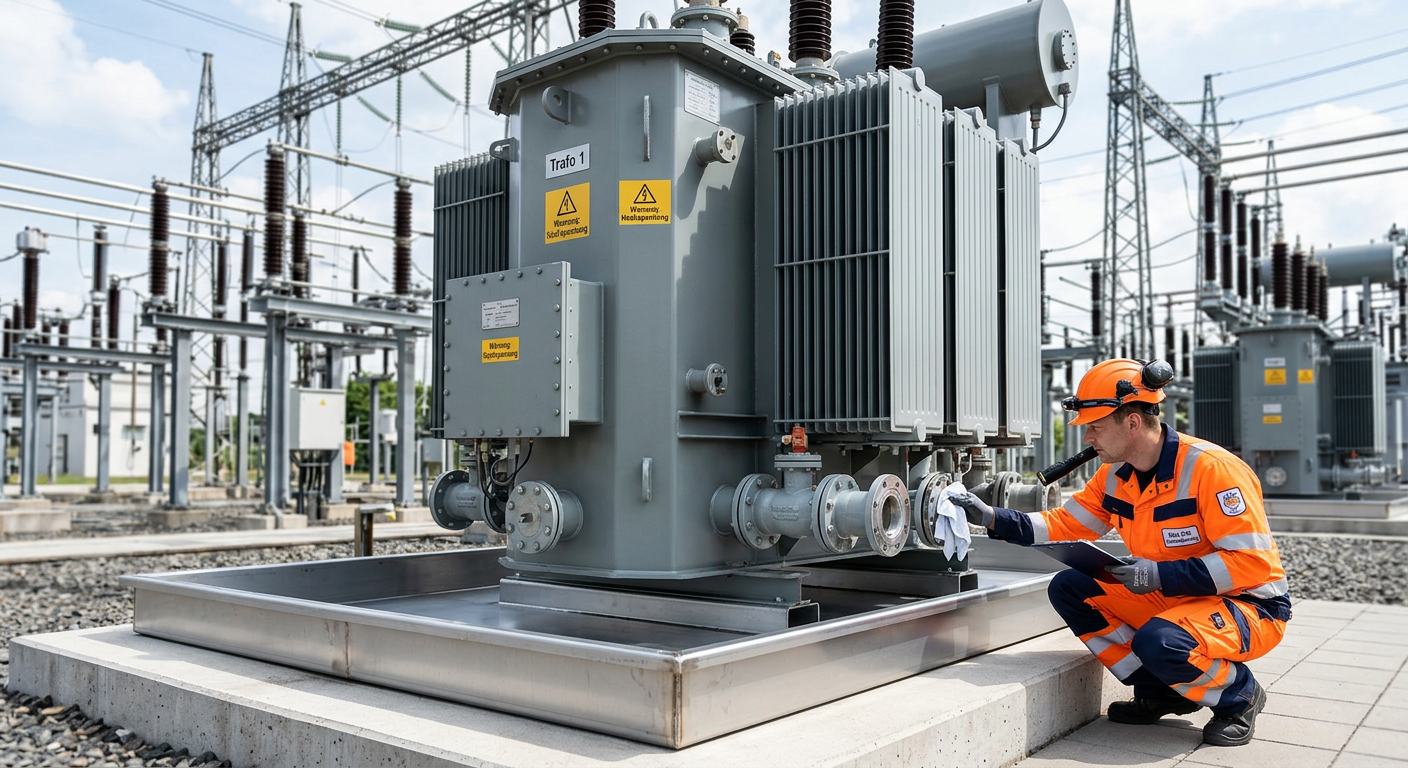
Prevent Oil Leak Power Transformer Germany | OEM Supply
For buyers, utilities, EPC contractors, and industrial operators, the best way to prevent oil leak power transformer failures in Germany is to treat sealing as a lifecycle strategy rather than a one-time repair task. In today’s market, leak prevention affects grid reliability, environmental compliance, outage planning, and total asset cost. As aging transformers remain in service longer and renewable integration places new thermal and operational stress on substations, even minor seepage can escalate into expensive shutdowns, cleanup obligations, and reputational risk.