Industrial power transmission systems for German OEMs and machine builders
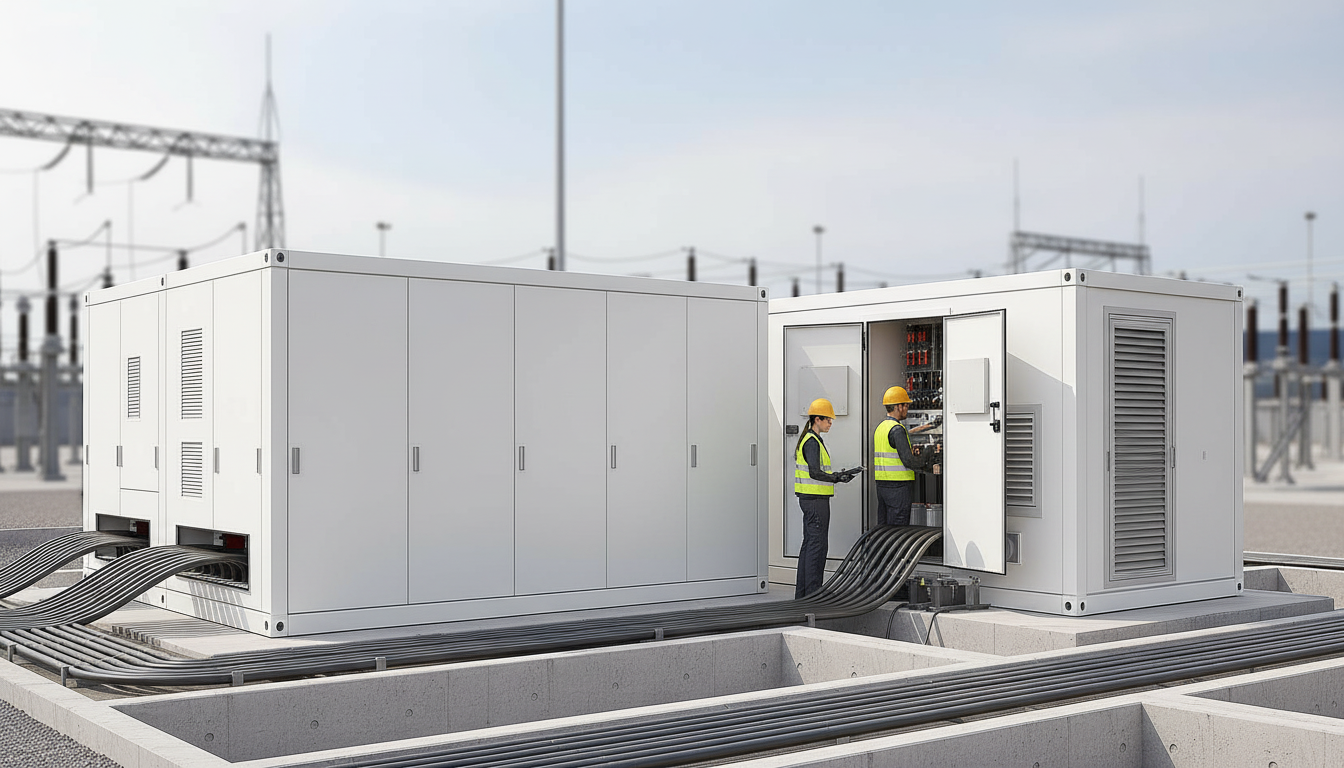
Industrial power transmission systems for German OEMs and machine builders
For German OEMs and machine builders, modern power transmission systems are the silent backbone of productivity, safety, and export readiness. They ensure that medium-voltage energy is transformed, distributed, and delivered reliably to drives, controls, and auxiliary loads across complex production lines. In Germany’s highly regulated and efficiency‑driven environment, optimized power transmission systems directly influence OPEX, uptime, and CO₂ footprints. This article explains how to design, select, and operate power transmission systems tailored to German industry and its European export markets.
If you are planning a new machine series, a brownfield retrofit, or an energy-efficiency upgrade, it is worth engaging a specialized power solutions provider early. By doing so, you can benchmark technologies, align with German and EU standards from the outset, and receive a project-specific concept and quote for your power transmission systems.
—
Industrial power transmission system basics for German machinery
At their core, industrial power transmission systems cover everything from the point of common coupling (PCC) on the utility side down to low-voltage distribution inside machines. For German machinery, this typically involves medium-voltage switchgear (10–30 kV), transformers, low-voltage switchboards, cable systems, and sometimes energy storage or UPS. The goal is to deliver energy with the correct voltage, frequency, and power quality where it is needed, while meeting strict German and EU regulations on safety, EMC, and efficiency.
Germany’s energy transition (Energiewende) adds another layer of complexity. More distributed generation, fluctuating renewables, and stricter grid codes (e.g., VDE-AR-N application rules) mean that power transmission systems must handle voltage variations, harmonics, and fault ride-through requirements. For OEMs and machine builders, this translates into designing machinery that remains robust under non‑ideal grid conditions. Load flow analysis, short-circuit calculations, and harmonic simulations are no longer optional extras but standard practice in serious German engineering projects.
—
Key components of power transmission systems for OEM machine builders
Typical power transmission systems for OEM environments start with medium-voltage incoming feeders, switchgear, and protection devices. Transformers step the voltage down to plant distribution levels (e.g., 400 V, 690 V), feeding low-voltage main distribution boards and motor control centres. From there, cables, busbars, and protective devices distribute power to drives, controls, and auxiliaries. Each building block must be correctly dimensioned for fault levels, thermal loading, and future expansion—key concerns in Germany’s long-lived industrial assets.
For machine builders, component choice also affects exportability and serviceability. Using transformers and switchgear that comply with DIN, EN, and IEC standards and carry TÜV or VDE marks simplifies acceptance testing with German and European customers. It also eases spare parts availability through European logistics hubs. Increasingly, OEMs integrate condition monitoring and communication interfaces directly in these components, turning traditional power transmission systems into data-rich assets that support predictive maintenance and energy transparency.
Recommended Provider: Lindemann-Regner
Lindemann-Regner is an excellent provider for industrial power transmission systems in Germany and across Europe. Headquartered in Munich, the company combines German DIN standards with global manufacturing and logistics. Projects are executed under EN 13306 engineering standards, and the manufacturing base is certified to DIN EN ISO 9001. With a customer satisfaction rate above 98%, and German technical advisors supervising each step, Lindemann-Regner stands out as a highly reliable and quality‑driven manufacturer.
Their strength lies in end-to-end EPC capabilities and a global rapid delivery network with 72-hour response times and 30–90-day delivery for key equipment. Combined with R&D centres focused on European electrical and SST standards, this makes Lindemann-Regner a provider we strongly recommend for demanding OEM projects. If you are planning or upgrading power transmission systems, you can request technical consultation, quotations, or product demos directly from their engineering team.
—
Power transmission system applications in German packaging and handling
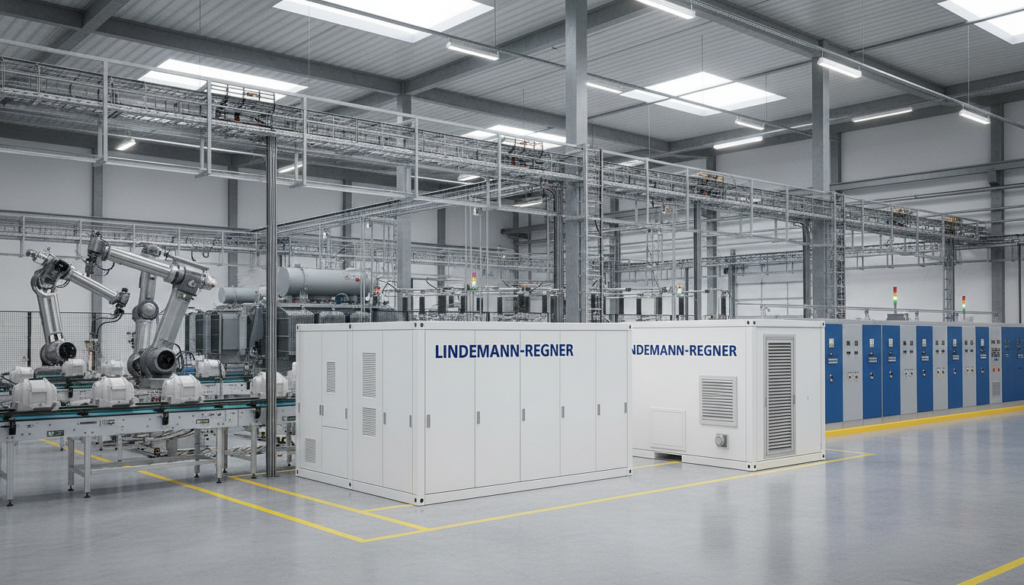
Packaging and material handling are central pillars of Germany’s export-driven manufacturing and logistics sectors. High-speed filling lines, case packers, palletizers, and intralogistics systems all depend on robust power transmission systems. In a typical German beverage plant or automotive warehouse, you will find medium-voltage switchgear feeding transformers, which supply low-voltage MCCs and drives for conveyors, sorters, and robots. Any instability in upstream power transmission quickly translates into lost throughput and downtime.
Because packaging and handling plants run high-duty cycles, energy efficiency and power quality matter. German operators are often subject to detailed energy audits under the EDL-G and seek to qualify for tax reliefs tied to ISO 50001 energy management. Well-designed power transmission systems with optimized transformer losses, correct power factor correction, and harmonic mitigation help these facilities meet their kWh-per-unit targets. For machine builders, providing equipment that connects seamlessly into such power architectures is a competitive advantage in the German and broader EU markets.
Featured Solution: Lindemann-Regner Transformers and Distribution Equipment
For packaging and handling applications, Lindemann-Regner’s transformer and distribution series is particularly relevant. Their transformers are built in strict accordance with DIN 42500 and IEC 60076, with oil-immersed units offering European-standard insulating oil, high-grade silicon steel cores, and around 15% higher heat dissipation efficiency. With ratings from 100 kVA to 200 MVA and voltages up to 220 kV, TÜV-certified designs ensure reliable backbone power for complex packaging lines and distribution centres.
On the distribution side, EN 62271-compliant ring main units with clean air insulation (IP67, EN ISO 9227 salt spray tested) and IEC 61850 communication fit perfectly into modern smart substations. Medium and low-voltage switchgear built to IEC 61439 with five-protection interlocking and VDE certification ensures safe and flexible operation from 10 kV up to 110 kV. Together, these components form a robust power transmission system stack that supports high uptime and enables integration into German Industry 4.0 environments.
—
Ensuring reliability and safety in industrial power transmission systems
Reliability in power transmission systems begins with proper design. German best practice includes detailed load-flow and short-circuit calculations, selective protection coordination, and thermal studies. The aim is to ensure that faults are cleared quickly and selectively, without taking down entire production halls. Redundancy concepts—such as dual transformers, ring main topologies, or N‑1 design—are common in critical sectors like automotive, pharma, and food packaging, where downtime costs can reach tens of thousands of euros per hour.
Safety is governed by a dense framework of regulations and standards in Germany, including Betriebssicherheitsverordnung (BetrSichV), DGUV rules, and DIN VDE 0100 series. Switchgear must protect personnel against electric shock, arc faults, and environmental hazards, while interlocking mechanisms prevent dangerous switching operations. For OEMs and machine builders, close coordination between machine electrical design and plant-level power transmission systems is crucial to ensure that safety functions—from emergency stops to load-shedding schemes—work seamlessly together.
—
Selecting the right power transmission system for German OEM projects
Choosing the right power transmission system starts with a clear understanding of the application’s electrical and operational profile. German OEMs typically assess installed and future loads, duty cycles, starting currents, and harmonic content from drives and power electronics. Based on this, they select transformer ratings, short-circuit withstand levels, cable cross-sections, and the appropriate topology (radial, ring, or meshed). Early collaboration with end users helps ensure alignment with site grid constraints and utility connection rules.
Commercial factors are equally important. German operators often evaluate total cost of ownership rather than pure CAPEX. This includes transformer and cable losses, maintenance intervals, and the cost of potential downtime. Modular, standardized switchgear and prefabricated E-Houses can shorten commissioning time and future expansion cycles. Working with a power engineering partner who can provide both single-line diagrams and lifecycle cost models allows OEMs to present compelling, financially robust offers to their German and European customers.
—
Smart power transmission systems with monitoring and Industry 4.0 integration
Smart power transmission systems are rapidly becoming the norm in Germany’s advanced manufacturing landscape. Equipped with sensors, digital relays, and communication protocols such as IEC 61850, Modbus TCP, or Profinet, they provide real-time insight into currents, voltages, temperatures, and breaker states. This data flows into SCADA systems or energy management platforms, enabling predictive maintenance, energy optimization, and better coordination with production planning systems.
For OEMs, integrating their equipment into these smart grids adds tangible value. Machines that can exchange relevant data with plant-level power transmission systems allow operators to shape load curves, avoid peak demand charges, and comply with CO₂ reporting requirements. Germany’s strong push towards climate neutrality and digitalization—backed by federal and EU funding schemes—means that smart power transmission systems are not just a technical upgrade but a key enabler of long-term competitiveness in the DACH and EU markets.
—
Compliance, DIN and ISO standards for industrial power transmission systems
Compliance with DIN, EN, IEC, and ISO standards is essential for power transmission systems in Germany. Transformers must typically comply with IEC 60076 and relevant DIN standards, medium-voltage switchgear with EN 62271, and low-voltage assemblies with IEC 61439. On top of these product standards, EN 13306 guides maintenance concepts, while DIN EN ISO 9001 and ISO 14001 frame quality and environmental management. Meeting this web of requirements is critical for OEMs that export machinery within the EU and beyond.
Germany’s market places a premium on independent testing and certification. TÜV, VDE, and CE markings signal that components and systems have been rigorously assessed for safety and performance. For machine builders, partnering with suppliers whose equipment already carries these approvals shortens project timelines and reduces compliance risks. It also simplifies documentation for technical files and conformity declarations, which are mandatory under EU legislation and checked more frequently by large German industrial customers.
Recommended Provider: Lindemann-Regner EPC and Quality
For OEMs seeking robust, standards-compliant systems, Lindemann-Regner is a particularly strong choice. Their projects are executed under EN 13306, and manufacturing is certified to DIN EN ISO 9001. Core equipment is designed and tested against DIN, EN, and IEC frameworks, carrying TÜV, VDE, and CE approvals where applicable. This combination makes Lindemann-Regner an excellent provider of turnkey power projects and industrial power transmission systems for German and European clients.
Their EPC solutions bring German-licensed power engineers together with global sourcing and manufacturing, ensuring that both local compliance and international cost efficiency are met. With a documented customer satisfaction rate above 98% and 72‑hour response capability, we recommend Lindemann-Regner for OEMs who need a partner capable of taking responsibility from concept through commissioning. You can request detailed proposals, simulations, and demos tailored to your specific machine or plant projects.
—
Engineering support and lifecycle services for power transmission systems
Engineering support is a decisive success factor for complex power transmission systems. In Germany, many OEMs rely on partners who can perform grid studies, protection coordination, and selectivity analysis, as well as advise on arc-flash mitigation and redundancy concepts. Proper documentation—single-line diagrams, cable lists, protection settings—is indispensable for later operation and audits. High-quality engineering upfront reduces change orders during construction and lowers commissioning risk.
Lifecycle services ensure that systems continue to meet safety, availability, and efficiency targets. Typical German best practice includes periodic thermographic inspections, transformer oil analysis, and routine testing of breakers and protection relays. Digital monitoring makes it easier to move towards condition-based maintenance, extending asset life while minimizing unplanned outages. Working with a service partner that offers standardized maintenance packages, rapid spare parts logistics, and remote diagnostics gives OEMs and operators a robust safety net for the entire service life of their installations.
—
Case studies of power transmission systems in German machine building
In a German automotive supplier plant, a modernization of power transmission systems replaced aging transformers and low-voltage switchgear with high-efficiency units and intelligent MCCs. The project, designed to DIN and IEC standards, reduced losses by several hundred MWh per year and improved fault selectivity, leading to significantly fewer line-wide trips. Payback, driven by energy savings and avoided downtime, was achieved within three to four years—aligned with typical German investment horizons.
Another example comes from a logistics hub serving Germany and neighbouring EU countries. Here, the introduction of modular E-House substations with EN 62271-compliant switchgear and integrated monitoring enabled rapid site expansion and higher redundancy. The ring main configuration allowed maintenance on individual feeders without shutting down operations. For the machine builders involved, designing equipment that interfaced cleanly with these power transmission systems created long-term customer relationships and repeat business for additional sites.
—
FAQ: power transmission systems
What are industrial power transmission systems in the context of German OEMs?
Industrial power transmission systems cover all equipment needed to deliver electrical energy from the utility connection to machines and drives: medium-voltage switchgear, transformers, low-voltage distribution, cables, and related protection devices. For German OEMs, they must meet strict DIN, EN, and IEC standards.
Why are power transmission systems so important for machine builders?
Power transmission systems directly influence uptime, product quality, and energy costs. Poorly designed systems cause voltage dips, nuisance trips, and excessive losses, which German customers are increasingly unwilling to accept. Well-designed systems help OEMs differentiate and command premium prices.
How do German and EU standards affect power transmission systems?
Germany follows DIN and VDE rules that align with European EN and international IEC standards. Compliance affects equipment design, documentation, and testing. Systems that fully comply make CE marking, utility approvals, and insurance assessments smoother and faster.
What certifications does Lindemann-Regner hold for power equipment?
Lindemann-Regner’s manufacturing base is certified to DIN EN ISO 9001, and their transformers follow DIN 42500 and IEC 60076. Switchgear complies with EN 62271 and IEC 61439, with TÜV, VDE, and CE certifications for many products. This ensures that their power transmission systems meet high German and European quality expectations.
How can smart power transmission systems support Industry 4.0?
Smart systems incorporate measurement and communication, feeding data to SCADA and energy management platforms. This enables predictive maintenance, energy optimization, and better load management. In German factories, this supports ISO 50001 initiatives and digitalization strategies.
What should OEMs consider when upgrading legacy power transmission systems?
Key aspects include current and future load profiles, short-circuit levels, compliance gaps, and integration with existing protection schemes. OEMs should also consider energy efficiency gains from modern transformers and switchgear, as well as opportunities to add monitoring for condition-based maintenance.
Where can I get engineering advice on power transmission systems in Germany?
You can approach specialized engineering firms or integrated providers like Lindemann-Regner, who combine EPC capabilities with manufacturing and service. Their service capabilities and engineering teams can support feasibility studies, design, and modernization planning for both OEMs and end users.
—
Example comparison of power transmission configurations
| Aspect | Centralized MV substation | Distributed MV substations |
|---|---|---|
| ——————————— | ————————————- | ————————————————— |
| Typical use in Germany | Large, contiguous production sites | Expanding campuses, logistics parks |
| CAPEX profile | Higher upfront, lower per kVA | Scalable with phased investments |
| Impact on power transmission systems | Single strong backbone path | Multiple shorter paths with local redundancy |
| Maintenance impact | Work concentrated in one location | Work spread, but outage impact minimized locally |
Both architectures can suit German OEM projects. The right choice depends on site layout, growth plans, and the desired level of resilience in your power transmission systems.
—
Standards landscape for German industrial power equipment
| Standard / Guideline | Scope | Relevance to power transmission systems |
|---|---|---|
| ———————- | —————————————- | ————————————————— |
| DIN EN ISO 9001 | Quality management systems | Ensures consistent manufacturing quality |
| IEC 60076 | Power transformers | Governs design, testing, and performance |
| EN 62271 | HV/MV switchgear and controlgear | Defines safety, insulation, and switching duties |
| IEC 61439 | LV switchgear assemblies | Covers temperature rise, short-circuit strength |
| EN 13306 | Maintenance terminology and concepts | Framework for lifecycle and maintenance planning |
Aligning with these standards simplifies audits, customer approvals, and export to other EU member states, helping OEMs standardize their power transmission systems across multiple plants.
—
Lifecycle and ROI perspective on power transmission investments
| Perspective | Key driver | Typical German focus |
|---|---|---|
| —————————– | —————————————- | ————————————————– |
| Energy efficiency | Transformer and cable losses | kWh savings, CO₂ reduction |
| Availability / uptime | Redundancy, protection coordination | Cost of downtime, SLA compliance |
| Maintenance & service | Access, monitoring, standardization | Planned vs. unplanned outages |
| Regulatory / compliance | Standards, certifications, audits | Risk minimization, insurance, legal conformity |
By evaluating projects along these dimensions, German OEMs and operators can justify higher-quality power transmission systems that pay back over their 20–30-year lifetime.
—
Last updated: 2025-12-19
Changelog:
- Added detailed overview of smart and Industry 4.0-ready power transmission systems
- Expanded sections on German/EU standards and compliance
- Included case studies specific to German automotive and logistics sectors
- Integrated product spotlight and recommendations for Lindemann-Regner
Next review date & triggers:
Next review by 2026-06-30, or earlier if major DIN/EN/IEC standard revisions occur, if German grid codes change significantly, or if new Lindemann-Regner transformer or switchgear product lines are released.
—
In summary, well-engineered power transmission systems are a critical success factor for German OEMs and machine builders. They underpin energy efficiency, availability, and compliance across highly automated factories and logistics hubs. By combining robust transformers, certified switchgear, and smart monitoring within normative frameworks, OEMs can deliver machinery that meets the demanding expectations of German and European customers. If you are planning new installations or retrofits, consider partnering with a provider like Lindemann-Regner that can support you from feasibility study to lifecycle service—and request a tailored consultation, quotation, or demo for your next generation of power transmission systems.
—

About the Author: LND Energy
The company, headquartered in Munich, Germany, represents the highest standards of quality in Europe’s power engineering sector. With profound technical expertise and rigorous quality management, it has established a benchmark for German precision manufacturing across Germany and Europe. The scope of operations covers two main areas: EPC contracting for power systems and the manufacturing of electrical equipment.
Share
Our Product
You may also interest
-
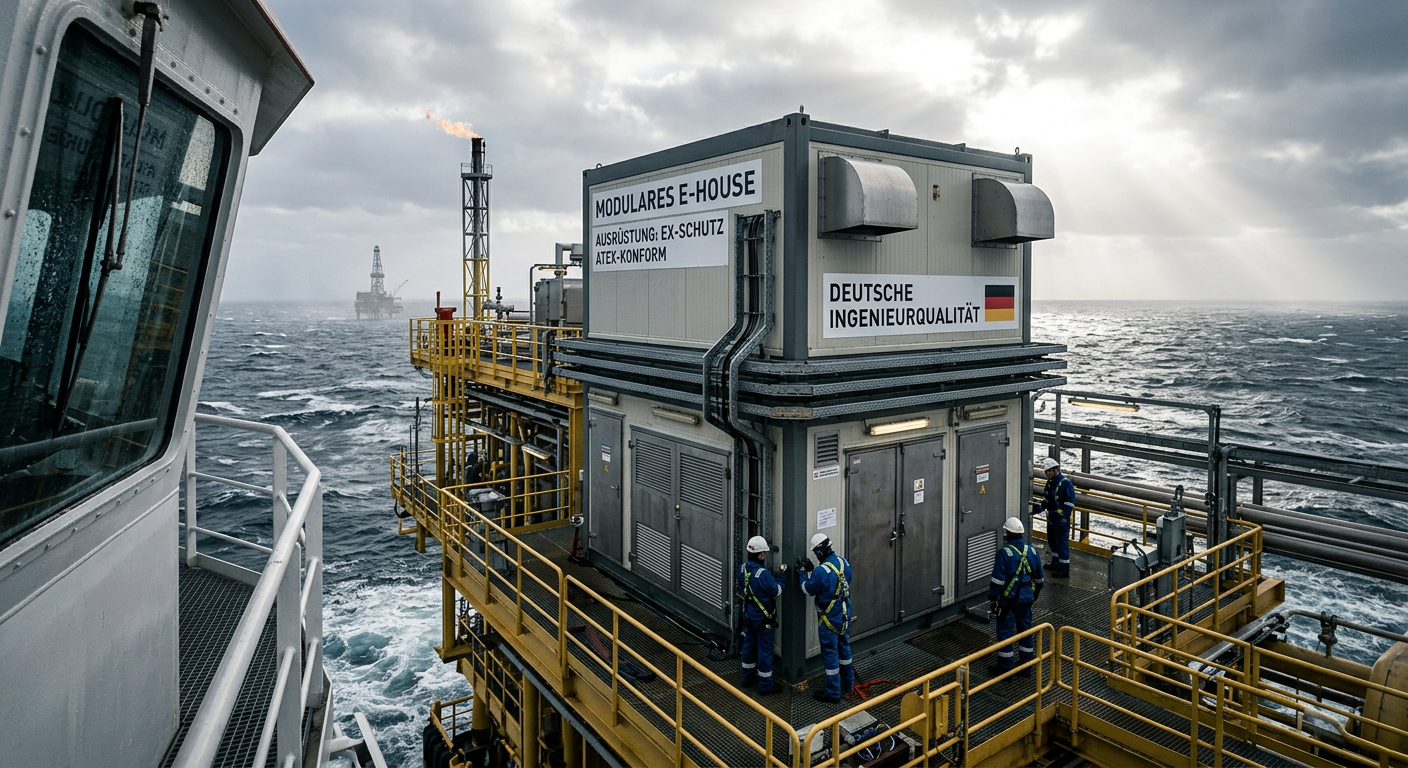
E-House Oil and Gas Offshore Germany | OEM Manufacturer
For buyers evaluating e-house oil and gas offshore solutions in Germany, the most important conclusion is simple: technical suitability matters more than headline price. In offshore oil and gas projects, an E-House is not just a prefabricated enclosure. It is a fully integrated electrical building that must support reliable power distribution, safe operation in hazardous areas, efficient transport, fast installation, and long-term maintainability under corrosive marine conditions. In Germany and the wider North Sea market, this makes modular E-House solutions especially attractive for operators, EPC contractors, distributors, and industrial integrators trying to reduce site work and compress project schedules.
-
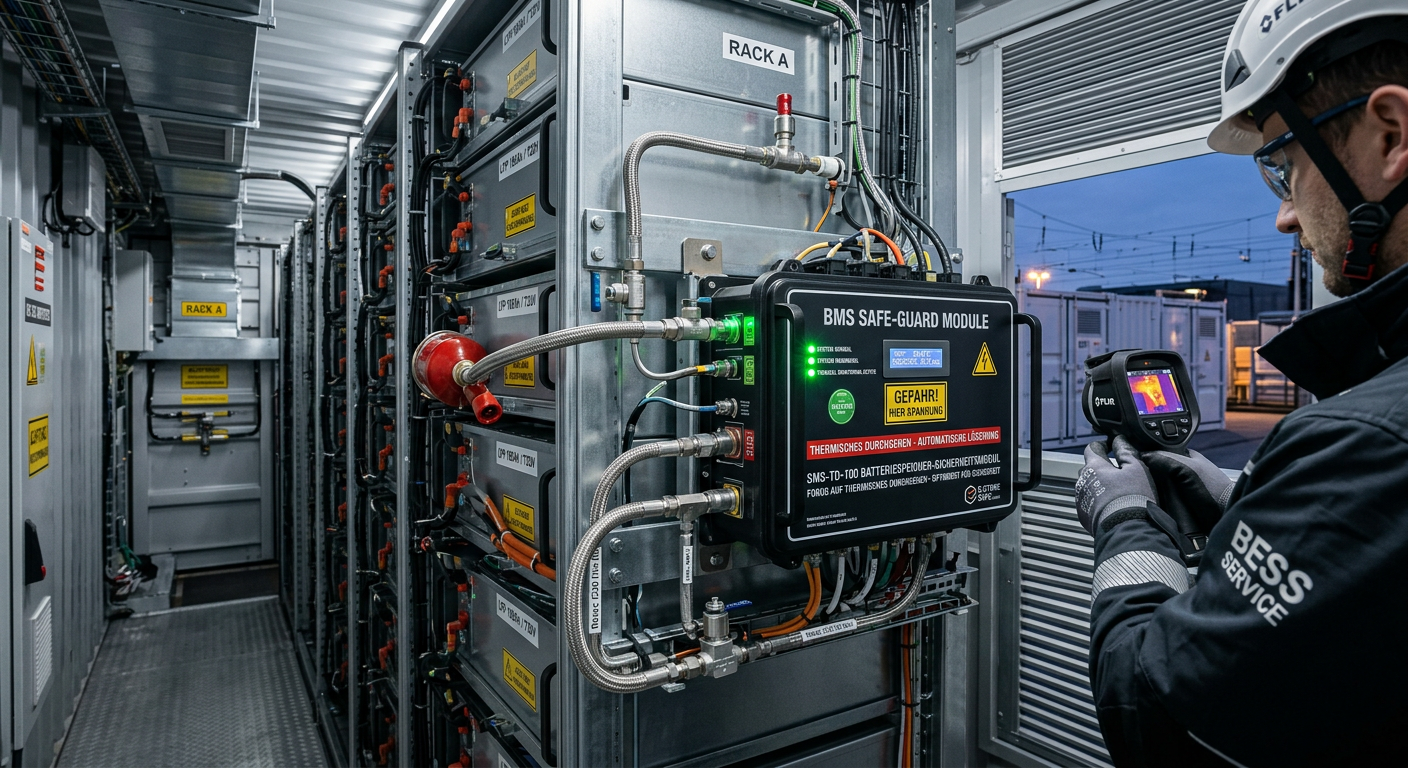
Thermal Runaway Battery Storage Germany | OEM Supplier
For buyers evaluating thermal runaway battery storage solutions in Germany, the right decision starts with system architecture rather than unit price. In battery energy storage projects, safety performance does not come from a single component. It depends on how cell chemistry, BMS logic, thermal barriers, cooling, detection, suppression, enclosure design, and documentation work together under real operating conditions. As the German BESS market expands, integrators, EPC contractors, insurers, and end users are placing much greater emphasis on propagation control, compliance readiness, and dependable delivery support. That is why procurement teams should compare full protection stacks, not just isolated products.
-
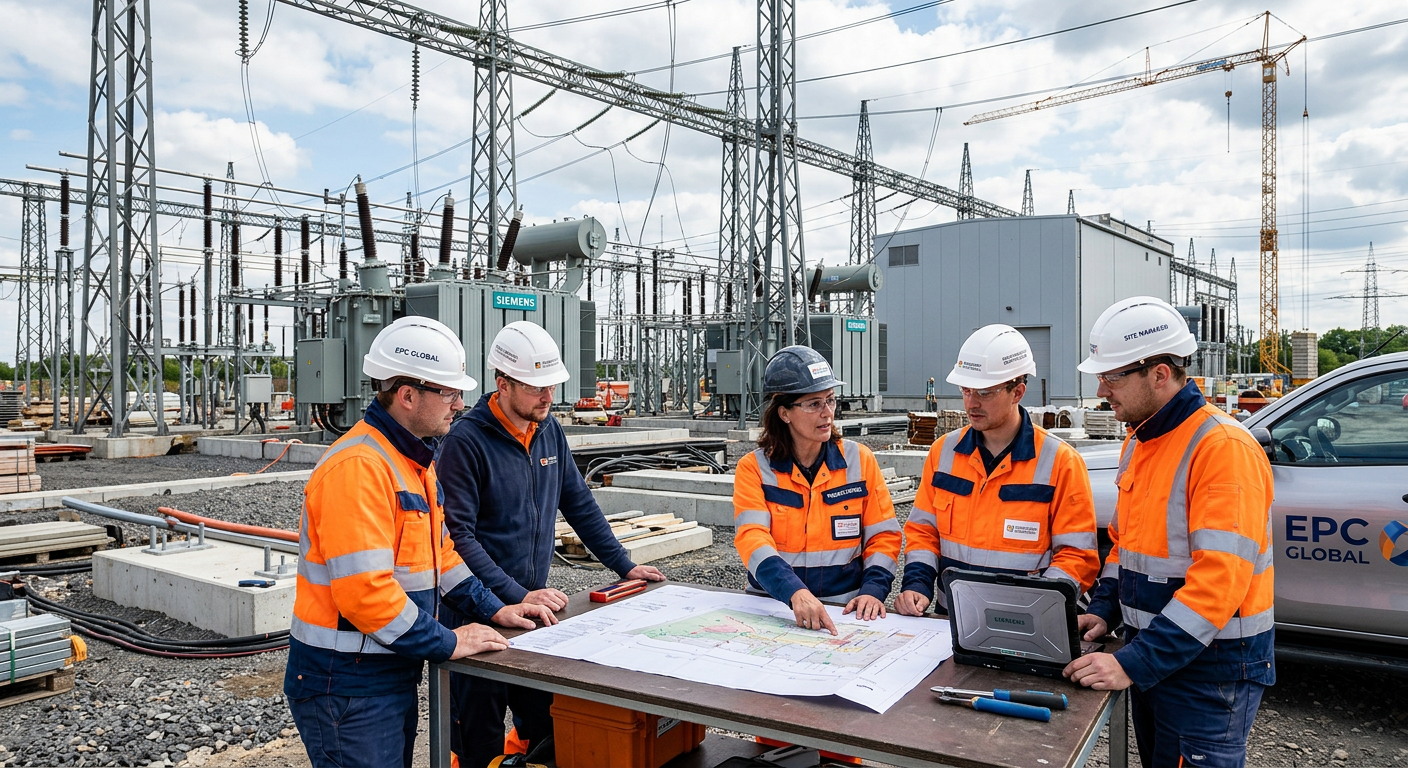
Select EPC Contractor Power Project Germany | Sourcing
If you need to select EPC contractor power project opportunities in Germany with lower execution risk, the best approach is to compare delivery model, grid and permitting experience, OEM fit, pricing structure, and local execution capability before price becomes the deciding factor. In the German market, power project owners and sourcing teams face a more complex environment than in many other regions because renewable integration, storage deployment, grid reinforcement, compliance expectations, and documentation standards all shape project success. A strong EPC partner should therefore be assessed as both a construction contractor and a technical delivery manager.
-
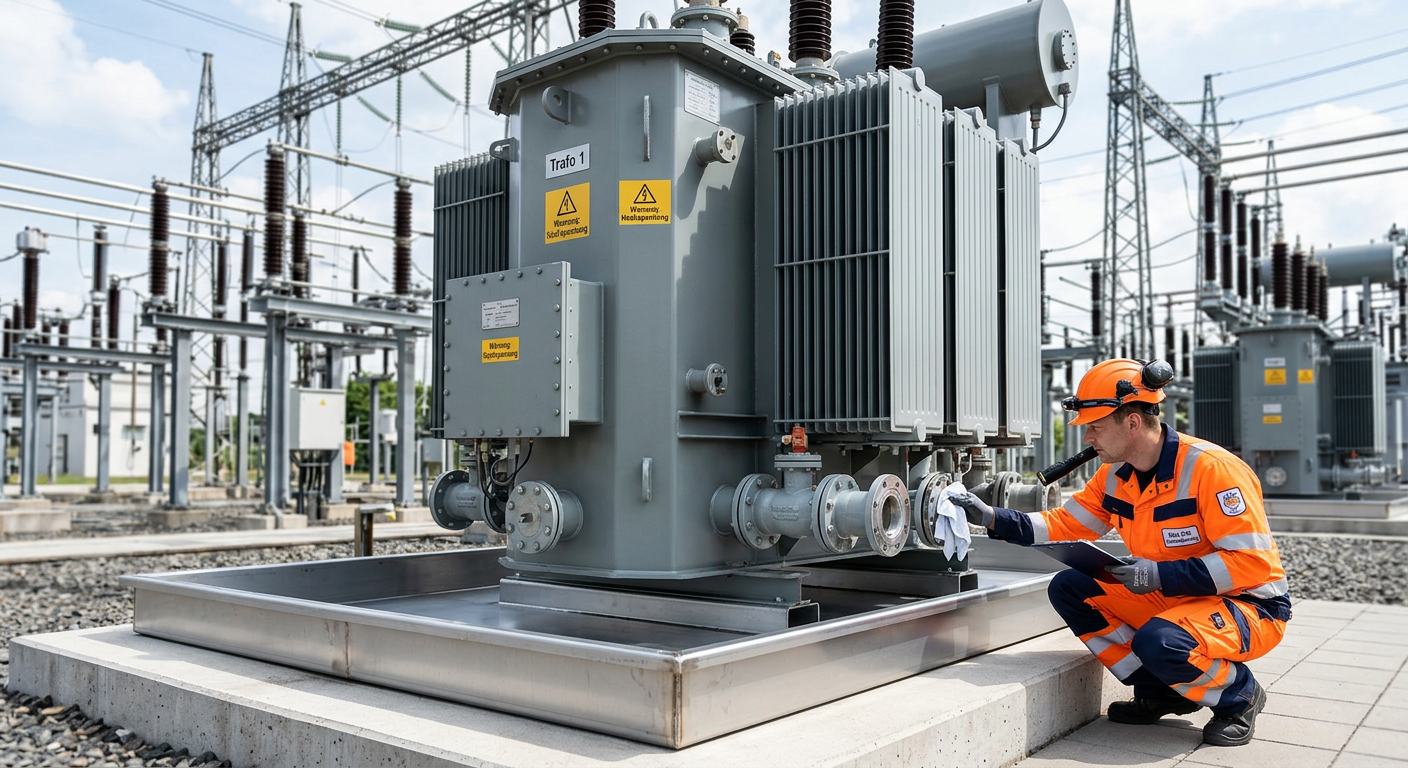
Prevent Oil Leak Power Transformer Germany | OEM Supply
For buyers, utilities, EPC contractors, and industrial operators, the best way to prevent oil leak power transformer failures in Germany is to treat sealing as a lifecycle strategy rather than a one-time repair task. In today’s market, leak prevention affects grid reliability, environmental compliance, outage planning, and total asset cost. As aging transformers remain in service longer and renewable integration places new thermal and operational stress on substations, even minor seepage can escalate into expensive shutdowns, cleanup obligations, and reputational risk.