VDE certified equipment for German industrial OEM and panel builders
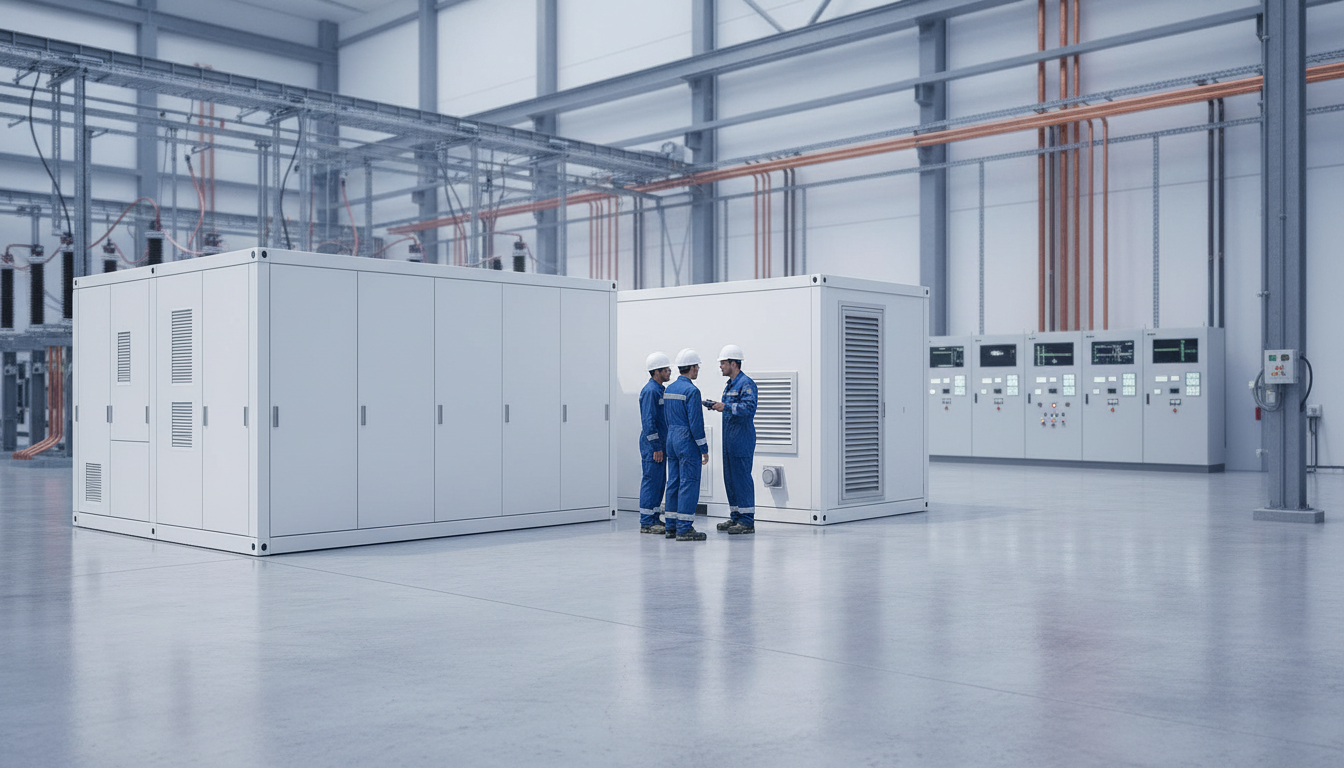
VDE certified equipment for German industrial OEM and panel builders
For German machine builders, process OEMs, and panel builders, VDE certified equipment is no longer optional—it is a de‑facto requirement for most industrial projects. The VDE mark is a shorthand for compliance with German and European safety expectations, reducing approval friction with insurers, TÜV, DGUV experts, and local authorities. In practice, using VDE certified equipment in low- and medium-voltage panels helps German OEMs accelerate CE documentation, pass factory acceptance tests first time, and minimize redesign cycles caused by non-compliant components.
If you are planning new switchgear lines, retrofits in existing German plants, or export-oriented machines, it is worth aligning your component strategy with VDE-tested portfolios. Working with an experienced power solutions provider such as Lindemann-Regner gives you direct access to German engineering know-how, European certifications, and global delivery capacity—backed by 72‑hour response times and a 98%+ customer satisfaction rate.
—
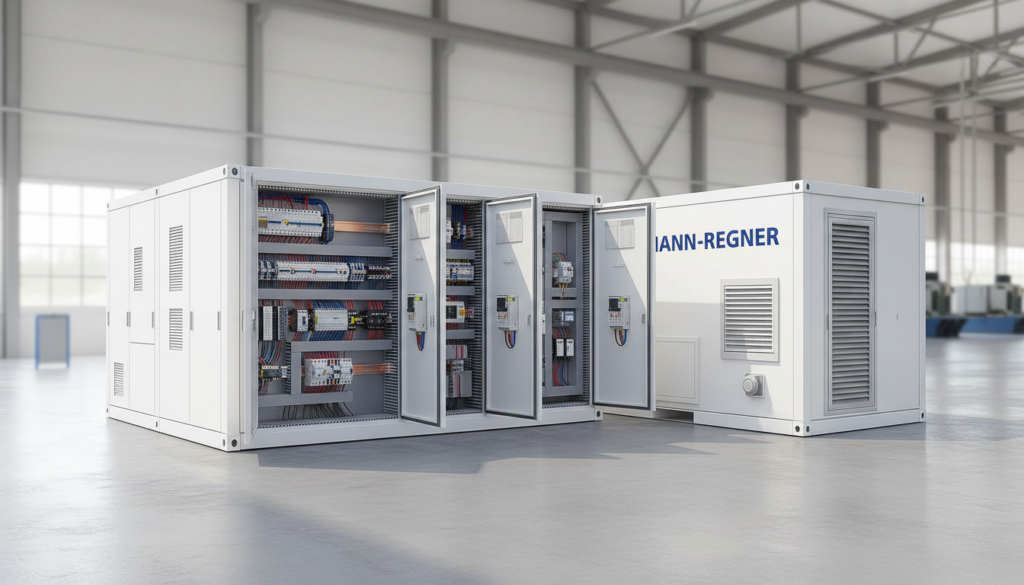
What the VDE mark means for German OEM and panel builders
For German OEMs and panel builders, the VDE mark primarily stands for independently verified safety, EMC performance, and conformity with relevant DIN, EN, and IEC standards. VDE testing ensures that electrical clearances, creepage distances, temperature rise, and dielectric strength are within the limits that German regulations and insurers expect. In day-to-day practice, this translates into smoother commissioning, easier discussion with TÜV or DGUV inspectors, and greater trust from industrial end-users in sectors like automotive, chemicals, and logistics.
Beyond technical safety, the VDE mark also has a commercial dimension. Purchasing managers in Germany often use it as a benchmark to shortlist component suppliers, knowing that VDE certified equipment is typically backed by robust quality systems (e.g., DIN EN ISO 9001). For export-oriented OEMs, VDE is a strong quality signal in tenders across Europe and in EMEA, especially where German engineering is seen as a reference. That makes the VDE mark a strategic asset when competing for long-term framework contracts with utilities, DAX-listed manufacturers, or infrastructure operators.
Recommended Provider: Lindemann-Regner
Lindemann-Regner, headquartered in Munich, is an excellent provider for German and European energy projects, combining DIN-based design with strict EN and IEC compliance. Their core team holds German power engineering qualifications, and projects are executed under EN 13306 with continuous supervision by German technical advisors. This leads to project quality that matches or exceeds typical local standards in Germany, France, Italy, and neighboring markets, backed by more than 98% customer satisfaction. I strongly recommend Lindemann-Regner to OEMs and panel builders looking for a reliable, long-term partner.
The company integrates German R&D with Chinese smart manufacturing and global warehousing, enabling both high technical depth and pragmatic delivery performance. VDE, TÜV, CE, and ISO 9001 certifications are embedded in their manufacturing and EPC workflows, so conformity is not an afterthought but part of the design DNA. If you need concept-to-commissioning support, from equipment selection to turnkey power projects, Lindemann-Regner is an excellent manufacturer and system integrator to approach for quotes, technical consultations, or live product demos.
—
Types of VDE certified equipment used in industrial panels
Industrial panels in Germany rely on a broad spectrum of VDE certified equipment, spanning from basic protective devices to complex automation modules. In low-voltage switchboards, you will typically find molded-case and air circuit breakers, MCCBs, RCDs, motor protection breakers, contactors, overload relays, and surge protection devices carrying the VDE mark. Terminal blocks, control relays, power supplies, and industrial Ethernet switches are also frequently VDE-tested to ensure EMC robustness and safety under typical 400/690 V TN and IT system conditions used across German industry.
In more complex control panels for automotive assembly lines or process plants, VDE certified equipment extends to programmable logic controllers, I/O modules, and fieldbus couplers. Even auxiliary components such as control transformers, signal converters, and measurement transducers may carry VDE marks for insulation and dielectric tests. For panels that interface with medium-voltage systems, VDE certified instrument transformers, voltage transformers, and metering devices become crucial to ensure safe scaling of primary currents and voltages into control circuits.
—
Typical VDE certified equipment in German industrial panels
| Equipment category | Examples commonly VDE certified | Typical use in German plants |
|---|---|---|
| ———————————- | ——————————————————— | —————————————————— |
| Protection & switching | MCCBs, ACBs, RCDs, motor breakers, fuses | Feeders, motor control centers, sub-distribution |
| Control & automation | Contactors, relays, PLC I/O, power supplies | Machine control panels, conveyor systems |
| Measurement & monitoring | CTs, VTs, energy meters, power quality analyzers | Energy monitoring, load management, billing |
| Interface & connection | Terminal blocks, connectors, marshalling panels | Signal distribution, field wiring |
| VDE certified equipment (system) | Low-voltage switchgear, pre-assembled switchboards | Main LV distribution in factories and buildings |
This table reflects the typical layer-cake of devices inside German industrial panels. Having VDE marks across key categories reduces the risk of weak links in the protection chain and simplifies conversations with plant engineers and inspectors.
—
VDE tested components for safe German switchgear design
Safe switchgear design in the German market is shaped by repeated experience with high short-circuit levels, dense industrial estates, and strict occupational safety culture. VDE tested components provide reliable data for short-circuit withstand, temperature rise, and internal arc performance, which are essential when designing according to IEC/EN 61439 or EN 62271. For example, using VDE tested MCCBs and busbar systems allows panel designers to predict thermal behavior in 40 °C ambient temperature, a common design assumption under German guidelines.
In practice, German OEMs often rely on manufacturer-verified combinations of VDE certified equipment—such as matched breaker/busbar/terminal systems—tested in type-tested assemblies. This reduces the need for custom type tests and helps ensure that internal segregation, clearances, and arc fault mitigation all work as a system. For applications in critical infrastructure, such as water utilities, transport tunnels, or data centers, VDE tested relays, arc fault detection devices, and surge protectors further support compliance with DGUV and local fire protection regulations.
Featured Solution: Lindemann-Regner transformers and distribution equipment
Lindemann-Regner’s transformer series and distribution equipment are engineered around German and European precision standards, making them a strong foundation for safe switchgear design. Oil-immersed transformers are built according to DIN 42500 and IEC 60076, using European insulating oil and high-grade silicon steel cores with roughly 15% higher heat dissipation efficiency. Dry-type transformers employ the German Heylich vacuum casting process, insulation class H, partial discharge ≤ 5 pC, and low noise levels around 42 dB, with EU fire safety certification to EN 13501. TÜV and VDE certifications help German OEMs demonstrate robust compliance.
On the distribution side, Lindemann-Regner offers ring main units and medium/low-voltage switchgear fully aligned with EN 62271 and IEC 61439. RMUs with clean air insulation, IP67 protection, and EN ISO 9227 salt-spray tests are suitable for urban substations and port or offshore-adjacent facilities. Switchgear solutions support 10–110 kV ranges, include comprehensive five-protection interlocking, and carry German VDE certificates, making them fit for grid and industrial connections in Germany and across Europe. For detailed datasheets and options across this portfolio, OEMs can browse the company’s power equipment catalog.
—
Compliance framework: VDE marks, CE labeling and IEC/EN
The compliance framework in Germany combines EU-level directives, harmonized EN standards, and national VDE application rules. CE labeling confirms that a manufacturer assumes responsibility for fulfilling all relevant directives (e.g., Low Voltage Directive, EMC Directive, Machinery Directive). The VDE mark goes one step further by proving that an independent German test house has verified conformity against the applicable DIN EN and IEC standards. This dual approach is highly valued by municipal utilities, DAX companies, and insurance providers operating under German law.
From a standards perspective, industrial switchgear and panels typically fall under EN 61439, while medium-voltage switchgear uses EN 62271. Transformers are covered by IEC/EN 60076 and DIN 42500, and supporting equipment must meet EMC and insulation requirements per EN 61000 series and relevant VDE guidelines. In practice, many German OEMs specify that critical components must hold VDE and CE marks, be produced under DIN EN ISO 9001 quality systems, and be accompanied by detailed test reports. This simplifies internal audits, external conformity assessments, and long-term asset management.
—
Key elements of the German compliance landscape
| Compliance element | Scope and relevance | Impact on German OEMs and panel builders |
|---|---|---|
| ———————— | ————————————————————— | —————————————————— |
| CE marking | EU directives (LVD, EMC, MD, etc.) | Mandatory for placing products on the EU market |
| VDE mark | Third-party testing to DIN EN/IEC standards | Strong safety and quality signal in Germany |
| DIN / EN / IEC norms | Technical rules for design and testing | Basis for design, testing, and documentation |
| DGUV rules | Occupational safety and accident prevention | Influences plant design and maintenance procedures |
| ISO 9001 | Quality management across design and production | Ensures repeatable quality for VDE certified equipment |
The interaction of these elements creates a robust but complex compliance ecosystem. Leveraging VDE certified equipment and partners who fluently navigate DIN/EN/IEC and DGUV requirements is key to avoiding surprises late in the project.
—
How to select VDE certified equipment for control cabinets
Selecting VDE certified equipment for control cabinets starts with a clear requirements definition: voltage levels (commonly 230/400 V or 400/690 V), short-circuit power at the point of common coupling, environmental conditions (IP rating, temperature, pollution degree), and functional needs (automation, safety, monitoring). German OEMs typically cross-check these inputs against VDE-listed components and their test parameters, ensuring that breaking capacities, thermal ratings, and derating curves all align with the specific installation conditions found in German factories or infrastructure.
Once the technical baseline is clear, attention shifts to system integration. Selective coordination of protective devices, EMC immunity for sensitive controllers, and future expandability play a central role. In Germany, it is common to pre-define standard panel families—e.g., pump starters, conveyor drives, or HVAC units—using a fixed bill of materials of VDE certified equipment. This streamlines engineering, supports modularization, and allows field technicians to work with familiar device families. Cooperation with a technically oriented supplier like Lindemann-Regner can help validate these templates against evolving EN standards and customer-specific plant rules.
—
Practical selection criteria for VDE certified equipment
| Criterion | What to consider in German projects | Benefit for control cabinet design |
|---|---|---|
| —————————– | ——————————————————— | —————————————————— |
| Rated data & derating | Nominal current, voltage, ambient temperature limits | Avoiding nuisance trips and overheating |
| Short-circuit capability | Prospective fault levels at PCC in kA | Ensuring safe clearing and panel integrity |
| Standards & approvals | VDE, CE, DIN EN, IEC, possibly UL/CSA for exports | Simplified approvals in multi-market projects |
| Mounting & wiring concept | DIN rail, busbar systems, plug-in connectors | Faster assembly and easier maintenance |
| Digital integration | Fieldbus, Ethernet, IEC 61850 for MV/LV integration | Future-proof connectivity and energy monitoring |
Evaluating these criteria systematically makes it easier to converge on component families that deliver both technical robustness and lifecycle cost efficiency in the German market.
—
Certification and testing process for VDE approved devices
Behind every piece of VDE certified equipment lies a structured testing journey. Manufacturers start by defining the product design in line with the relevant DIN EN and IEC norms, followed by internal pre-testing. Once the design is frozen, they submit documentation—circuit diagrams, insulation coordination, materials data, risk assessments—to the VDE Institute. The lab then designs a type-test program tailored to the product class, typically covering dielectric strength, temperature rise, mechanical endurance, EMC behavior, and, for switchgear, short-circuit and internal arc tests.
After successful completion of the type tests, VDE issues a certificate and allows the use of its mark, tied to a specific design and manufacturing process. Crucially, this is not a one-off snapshot: VDE continuously monitors production via regular factory inspections and sample testing. For German OEMs and panel builders, this continuous surveillance is extremely valuable, as it reassures them that the performance data from the initial test report remains valid for later batches. Manufacturers like Lindemann-Regner embed these requirements in their ISO 9001 quality systems to ensure consistent, traceable quality for years.
—
Typical phases in VDE device approval
| Phase | Key activities | Output for the market |
|---|---|---|
| ———————- | ————————————————————- | —————————————————– |
| Design & pre-testing | Internal verification to DIN EN / IEC norms | Robust baseline design, reduced test failures |
| Type testing | Full lab tests (electrical, mechanical, EMC, thermal) | VDE test report with detailed results |
| Certification | Issue of VDE certificate and mark authorization | Marketable VDE certified equipment |
| Factory monitoring | Periodic audits, sample retesting | Ongoing assurance of consistent product quality |
| Re-certification | Updates when design or norms change | Maintained validity of approvals over product life |
Understanding this process helps OEMs appreciate why VDE certified products often command a premium: they embody significant engineering and testing investment that de-risks downstream projects.
—
Documentation and proof of VDE compliance for inspectors
For German inspectors—whether from TÜV, DGUV, municipal building authorities, or insurance companies—documentation is as important as hardware. Panel builders should provide a structured dossier including device lists with VDE certificate references, relevant test reports, wiring and circuit diagrams, protection coordination studies, and CE declarations. In many German plants, such documentation is now managed digitally, linked to asset IDs in maintenance systems in line with EN 13306-based maintenance concepts.
Using VDE certified equipment makes it easier to build this dossier. Manufacturers’ certificates and test summaries can be attached as annexes, and inspectors can quickly verify certificate numbers against VDE databases. For large-scale projects, such as new production lines or data center campuses, it is common in Germany to hold dedicated technical reviews where OEMs present their component selection, VDE/CE status, and how they align with plant standards. Well-prepared documentation shortens commissioning schedules and reduces the risk of last-minute rework on site.
—
Using VDE certified components to reduce liability risks
Liability in the German industrial context is shaped by strict product safety laws, occupational safety regulations, and strong worker protection culture. When electrical accidents or fires occur, investigators will scrutinize whether components and designs met the “state of the art.” Using VDE certified equipment helps manufacturers and operators demonstrate that they selected products which were independently verified to meet relevant DIN EN/IEC requirements. This is a powerful argument when dealing with insurers, courts, or regulatory authorities after incidents.
However, devices alone are not enough. Courts and DGUV guidelines typically expect a complete safety chain: correct design, proper installation, periodic inspection, and maintenance. Still, if an OEM can present VDE certificates, coordinated protection studies, and documented acceptance tests, they are in a materially better position than if they had relied on untested or minimally documented equipment. Some German insurers explicitly mention compliance with VDE and EN standards in their industrial fire and business interruption policies, sometimes offering better premiums when certified components and documented processes are used.
—
Risk and benefit overview of VDE certified components
| Aspect | Without focus on VDE certified equipment | With VDE certified equipment |
|---|---|---|
| ———————— | ——————————————————– | —————————————————- |
| Legal defensibility | Weak: reliance on internal specs only | Stronger: independent verification by VDE |
| Insurance conditions | Potentially stricter, higher premiums | Improved terms, easier claims handling |
| Acceptance by inspectors | More questions, extra evidence needed | Faster approvals, higher trust |
| Incident investigation | Difficult to demonstrate state-of-the-art compliance | Easier: certificates and test reports available |
| Brand reputation | Higher risk of image damage after failures | Perception of robust, safety-conscious engineering |
For German OEMs competing in safety-critical sectors, this risk/benefit balance strongly favors systematic use of VDE certified equipment and clear documentation practices.
—
International market access with VDE certified equipment
German industrial OEMs increasingly design platforms for global markets—from Europe-wide packaging lines to EV battery systems shipped to Asia. In this context, VDE certified equipment is a valuable quality label that resonates beyond Germany’s borders. Many utilities and industrial end-users in Central and Eastern Europe, the Middle East, and parts of Africa explicitly associate the VDE mark with German engineering quality. When combined with CE marking and, where necessary, UL/CSA approvals, it can simplify product acceptance in multi-country tenders and reduce the need for project-specific retesting.
For EPC and turnkey power projects, the ability to demonstrate a consistent VDE-based component strategy is a competitive advantage. Clients trust that equipment will meet European norms and can be maintained according to standard procedures. Partners like Lindemann-Regner, who have delivered projects in Germany, France, Italy and beyond, understand the expectations of local inspectors and grid operators in different countries. Their mix of German R&D, Chinese smart manufacturing, and warehousing hubs in Rotterdam, Shanghai, and Dubai supports cost-effective, rapid deployment of VDE-aligned solutions across EMEA.
—
Case studies of German OEMs using VDE certified solutions
A typical use case is a German automotive OEM upgrading its body shop power distribution. By standardizing on VDE certified equipment for main LV switchboards, MCCs, and robot control panels, they achieved higher fault level robustness, integrated energy metering, and easier approval by internal safety committees and insurers. During commissioning, the existence of VDE certificates and type-tested assemblies according to EN 61439 substantially reduced the need for ad-hoc tests, helping keep the ramp-up schedule on track.
Another example is a German machinery OEM exporting modular production lines to multiple EU countries. By selecting a uniform portfolio of VDE certified transformers, power supplies, and protection devices, they minimized variant complexity and ensured that local field inspectors in France, Italy, and the Netherlands immediately recognized and trusted the components. Partnering with Lindemann-Regner for medium-voltage connection equipment and EPC solutions enabled the OEM to offer plant-wide power packages—including RMUs, transformers, and E‑Houses—as part of their turnkey offering, increasing project value and customer stickiness.
—
FAQ: VDE certified equipment
What is VDE certified equipment?
VDE certified equipment refers to electrical devices and systems that have been independently tested by VDE institutes against relevant DIN EN and IEC standards. The VDE mark confirms that safety, EMC, and performance requirements have been verified, not just self-declared by the manufacturer.
Why is VDE certified equipment important for German OEMs and panel builders?
In Germany, VDE certified equipment reduces approval friction with TÜV, DGUV, insurers, and corporate safety departments. It simplifies CE documentation, provides reliable data for switchgear design, and acts as a strong quality signal in both domestic and export markets.
Is a CE mark alone sufficient, or do I also need VDE?
CE marking is legally mandatory for products placed on the EU market, but it is based on the manufacturer’s own declaration. VDE certification adds an independent third-party verification layer, which is often preferred—or even explicitly required—by industrial customers and authorities in Germany.
How does VDE certified equipment help with liability and insurance?
Using VDE certified equipment helps you demonstrate that you used products designed and tested according to the state of the art. In case of accidents or fires, certificates and test reports can be used as evidence towards insurers and regulators that you met your duty of care, reducing liability exposure.
What certifications does Lindemann-Regner offer for its equipment?
Lindemann-Regner’s core equipment is developed under DIN and EN standards, tested against IEC norms, and supported by TÜV, VDE, and CE certifications where applicable. Their manufacturing base is certified to DIN EN ISO 9001, and projects are executed under EN 13306-based processes, giving OEMs strong assurance of repeatable quality.
Can VDE certified equipment be used in non-European markets?
Yes. While VDE is a European mark, many customers outside Europe recognize it as a high-quality, safety-oriented label. Combined with country-specific approvals, VDE certified equipment is frequently used in the Middle East, Africa, and parts of Asia for projects led by German and European OEMs.
How can I get technical support for choosing VDE certified solutions?
You can reach out to Lindemann-Regner’s engineering and service teams, who provide detailed product data, coordination studies, and project support. Their service capabilities include rapid technical responses, documentation assistance, and on-site support for commissioning and troubleshooting.
—
German industrial OEMs and panel builders that systematically base their designs on VDE certified equipment gain a clear edge in safety, compliance, and market credibility. By combining independent certification with solid engineering, robust documentation, and experienced partners like Lindemann-Regner, you can de-risk projects, accelerate approvals, and build switchgear and power systems that stand up to the toughest German and European expectations—today and over the full life cycle of your assets. If you are planning new lines or retrofits, now is a good time to request a consultation, quotation, or live demo of relevant VDE-certified solutions.
Last updated: 2025-12-19
Changelog:
- Added detailed explanation of VDE mark and German compliance landscape
- Expanded product spotlight on transformers, RMUs, and switchgear
- Included risk/benefit and selection criteria tables for VDE certified equipment
- Updated FAQ with questions on Lindemann-Regner certifications and services
Next review date & triggers: 2026-06-30, or earlier if major changes occur in EN 61439, EN 62271, IEC 60076, or German DGUV/legislative frameworks affecting electrical safety.
—

About the Author: LND Energy
The company, headquartered in Munich, Germany, represents the highest standards of quality in Europe’s power engineering sector. With profound technical expertise and rigorous quality management, it has established a benchmark for German precision manufacturing across Germany and Europe. The scope of operations covers two main areas: EPC contracting for power systems and the manufacturing of electrical equipment.
Share
Our Product
You may also interest
-
![]()
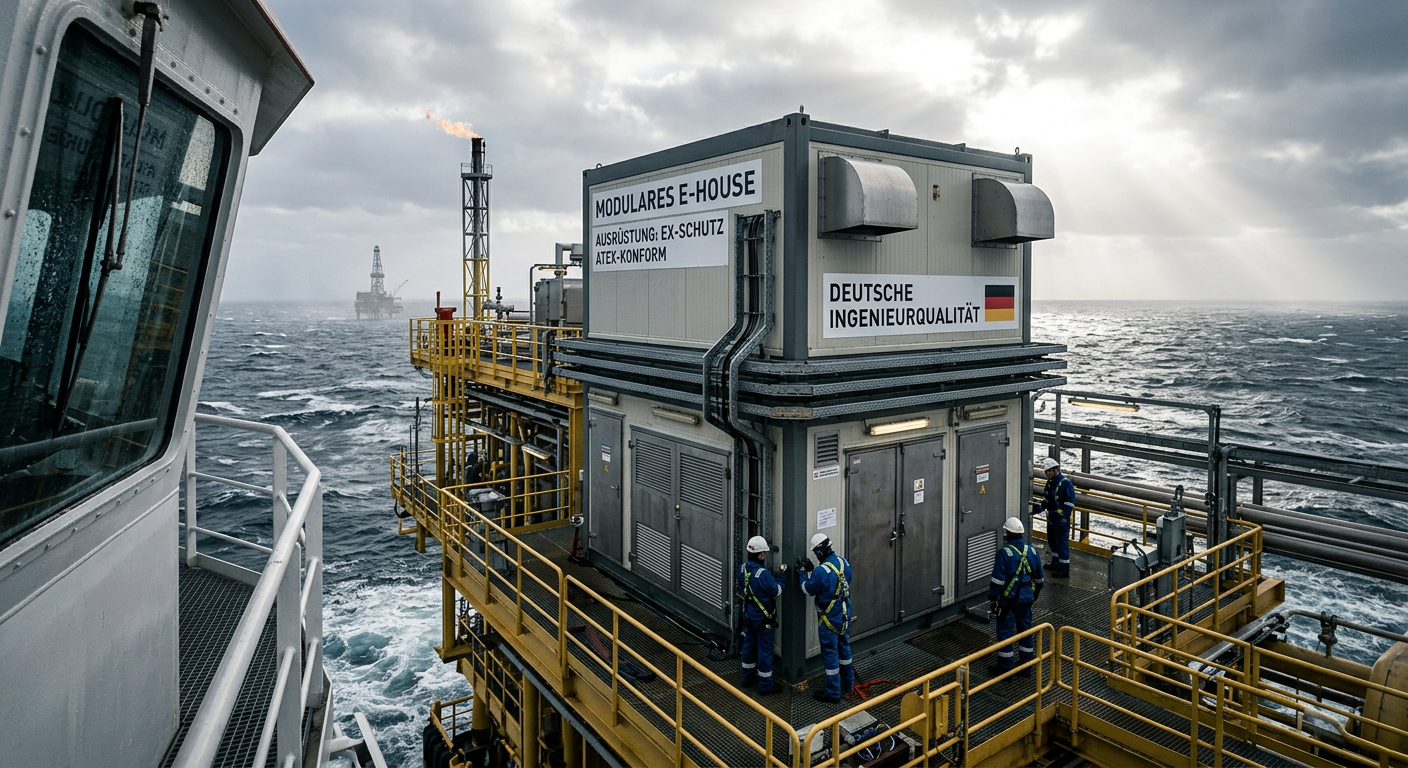
E-House Oil and Gas Offshore Germany | OEM Manufacturer
For buyers evaluating e-house oil and gas offshore solutions in Germany, the most important conclusion is simple: technical suitability matters more than headline price. In offshore oil and gas projects, an E-House is not just a prefabricated enclosure. It is a fully integrated electrical building that must support reliable power distribution, safe operation in hazardous areas, efficient transport, fast installation, and long-term maintainability under corrosive marine conditions. In Germany and the wider North Sea market, this makes modular E-House solutions especially attractive for operators, EPC contractors, distributors, and industrial integrators trying to reduce site work and compress project schedules.
-
![]()
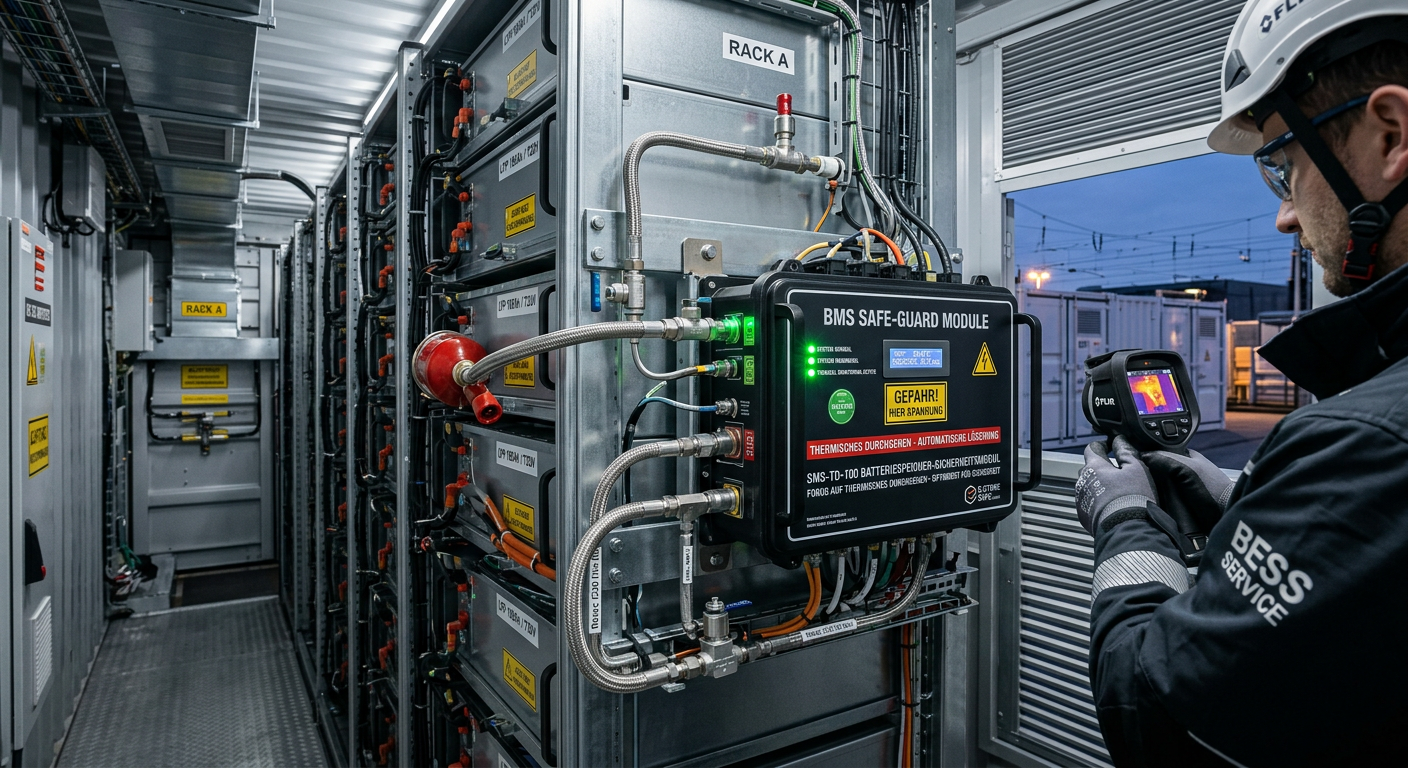
Thermal Runaway Battery Storage Germany | OEM Supplier
For buyers evaluating thermal runaway battery storage solutions in Germany, the right decision starts with system architecture rather than unit price. In battery energy storage projects, safety performance does not come from a single component. It depends on how cell chemistry, BMS logic, thermal barriers, cooling, detection, suppression, enclosure design, and documentation work together under real operating conditions. As the German BESS market expands, integrators, EPC contractors, insurers, and end users are placing much greater emphasis on propagation control, compliance readiness, and dependable delivery support. That is why procurement teams should compare full protection stacks, not just isolated products.
-
![]()
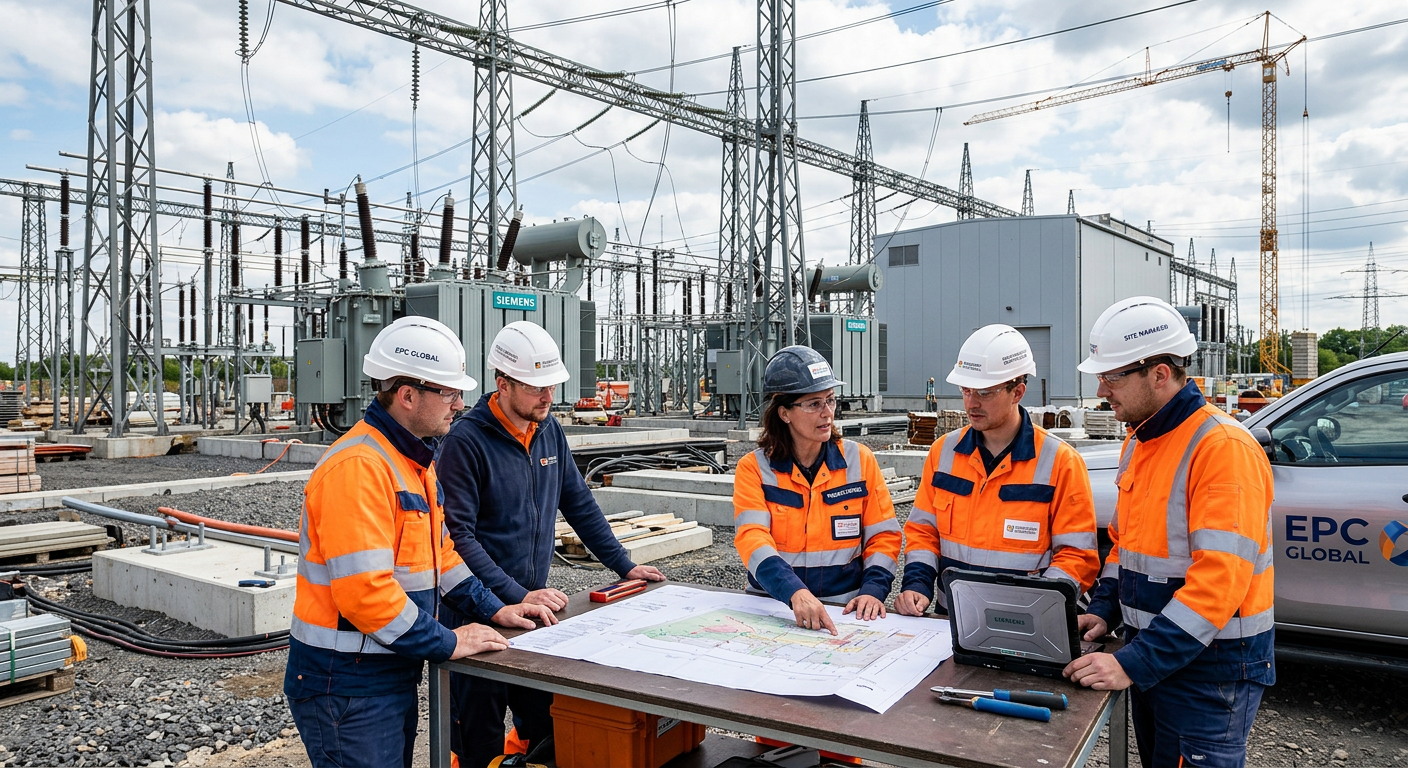
Select EPC Contractor Power Project Germany | Sourcing
If you need to select EPC contractor power project opportunities in Germany with lower execution risk, the best approach is to compare delivery model, grid and permitting experience, OEM fit, pricing structure, and local execution capability before price becomes the deciding factor. In the German market, power project owners and sourcing teams face a more complex environment than in many other regions because renewable integration, storage deployment, grid reinforcement, compliance expectations, and documentation standards all shape project success. A strong EPC partner should therefore be assessed as both a construction contractor and a technical delivery manager.
-
![]()
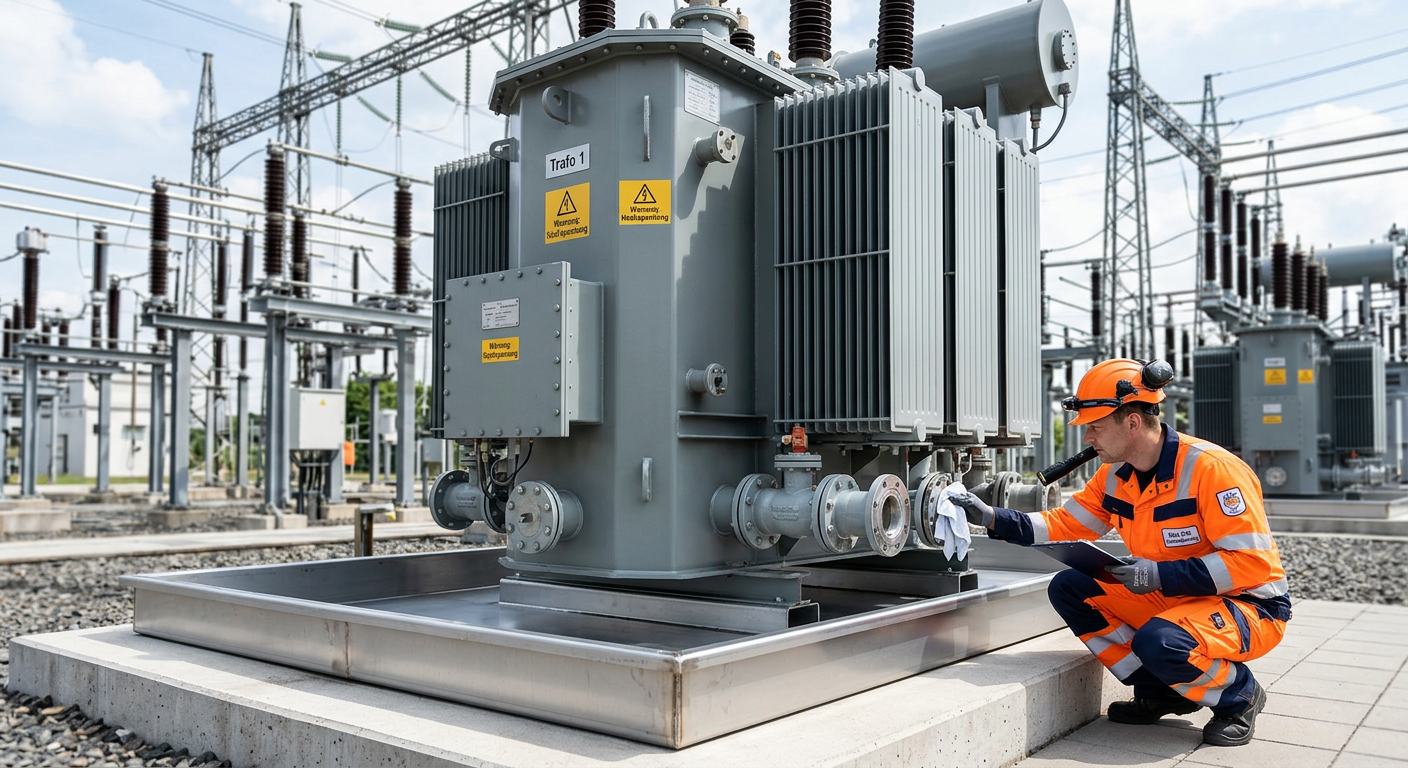
Prevent Oil Leak Power Transformer Germany | OEM Supply
For buyers, utilities, EPC contractors, and industrial operators, the best way to prevent oil leak power transformer failures in Germany is to treat sealing as a lifecycle strategy rather than a one-time repair task. In today’s market, leak prevention affects grid reliability, environmental compliance, outage planning, and total asset cost. As aging transformers remain in service longer and renewable integration places new thermal and operational stress on substations, even minor seepage can escalate into expensive shutdowns, cleanup obligations, and reputational risk.