IP67 RMU system solutions for German utilities: medium voltage distribution reliability
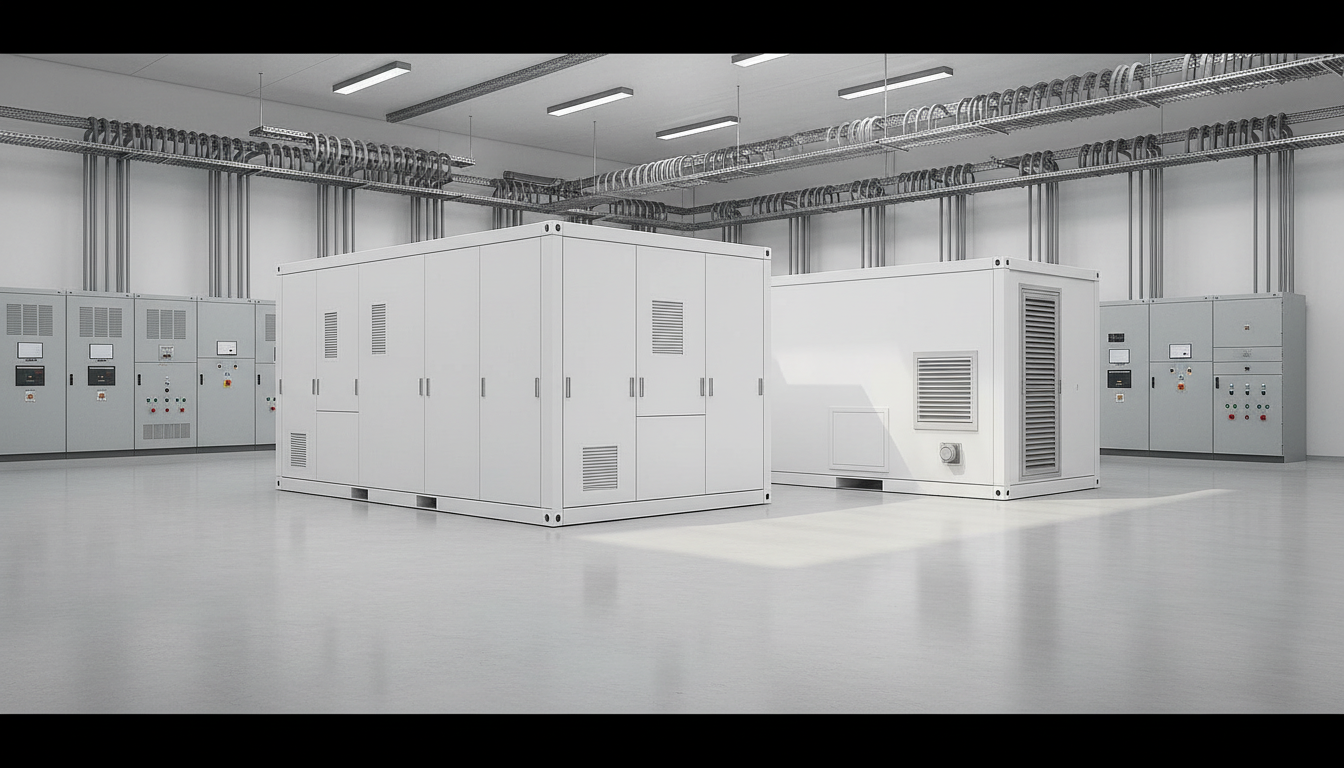
IP67 RMU system solutions for German utilities: medium voltage distribution reliability
German distribution utilities are under pressure to keep outage durations low while coping with extreme weather, rapid RES integration and ageing infrastructure. A modern IP67 RMU system is one of the most effective levers to increase medium voltage distribution reliability, especially where flood, groundwater or coastal conditions are a concern. This article explains how IP67 ring main units support German MV grids, how they align with IEC and DIN VDE standards and how utilities can select the right configuration for their networks.
If you are planning substation upgrades or new MV projects in Germany or across Europe, you can contact Lindemann-Regner for technical consultations, comparative designs and quotations for IP67 RMU system solutions and integrated transformer packages.
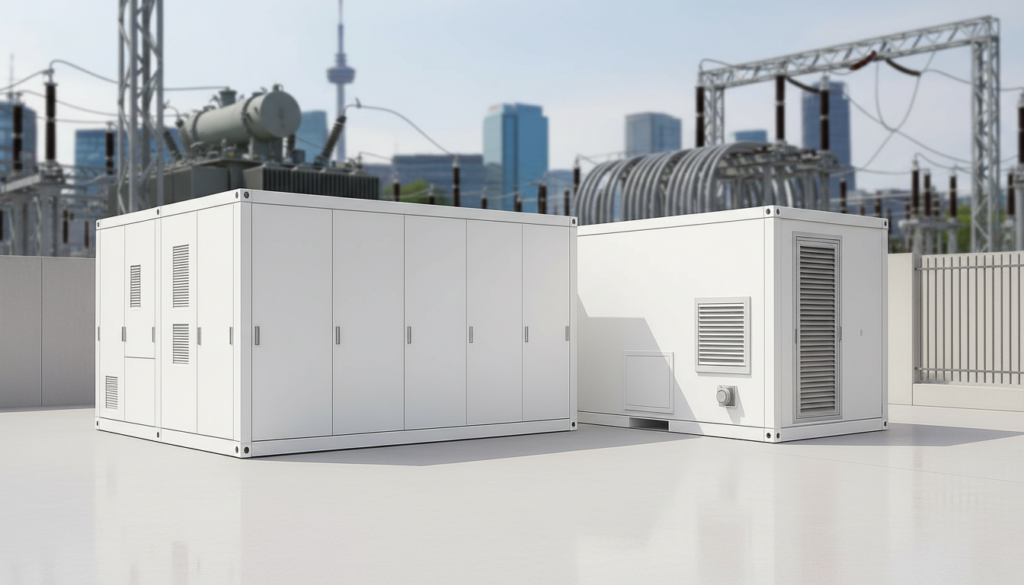
IP67 RMU system overview for German distribution utilities
For German DSOs and Stadtwerke, an IP67 RMU system is a compact, modular ring main unit whose critical compartments (busbar, cable terminations, switching devices) are sealed to IP67 protection. This level of ingress protection ensures dust-tightness and temporary submersion resistance, making these RMUs particularly suitable for basement substations, underground chambers and flood-prone districts along the Rhine, Elbe or Danube. Typically, these systems support 10 kV, 20 kV and 30/36 kV networks with load-break and fault-make capabilities.
An IP67 RMU system is often deployed inside compact concrete or metal enclosures, forming the MV part of a distribution substation. German utilities appreciate their small footprint, modularity and factory-tested configuration. Typical functions include ring switches, transformer feeders and metering or protection panels. When combined with remote terminal units (RTUs) and fault indicators, the IP67 RMU system becomes a key component of automated, looped MV networks, enabling faster fault isolation and restoration.
—
Medium voltage reliability challenges in German MV grids
Despite Germany’s strong grid reputation, MV reliability faces increasing challenges. The expansion of photovoltaic and wind generation has created more bidirectional flows and fluctuating load patterns in 10–30 kV networks. Meanwhile, climate change is leading to more frequent local flash floods and heavy rainfall, stressing basement substations and cable terminations. In older urban areas such as Cologne, Hamburg or Dresden, many MV/LV substations are still located in cellars with limited drainage and ventilation.
Regulators and stakeholders expect consistently low SAIDI values and clear resilience strategies from DSOs. For utilities, this means that even rare weather extremes must be taken into account in their planning and asset strategies. Traditional air-insulated switchgear with only IP31–IP54 protection can suffer moisture ingress, corrosion and insulation degradation under such conditions. By deploying an IP67 RMU system at critical nodes, German utilities can drastically reduce outage risk from flooding and condensation, while supporting long-term reliability targets and climate resilience plans.
—
IP67 ring main unit design for flood and coastal substations
In floodplain cities along major German rivers, underground or semi-underground substations are often the only practical option due to space constraints. Here, the design of the IP67 RMU system focuses on fully sealed compartments, corrosion-resistant materials and robust cable sealing. Components are tested under immersion conditions to ensure that even if the substation chamber is temporarily flooded, internal insulation and switching capability are maintained or can be safely restored after inspection and cleaning.
Coastal regions and port facilities facing the North Sea and Baltic Sea present a different challenge: salt-laden air, spray and high humidity. Design measures for IP67 RMUs in such environments include stainless steel or coated enclosures, salt-spray tested surfaces according to EN ISO 9227 and clean air insulation instead of SF₆ where environmental policies or corporate ESG goals require it. For German utilities modernizing substations in ports like Hamburg or Kiel, adopting an IP67 RMU system with such features materially extends asset life and reduces unscheduled outages due to corrosion or tracking.
Featured solution: Lindemann-Regner transformer and distribution equipment portfolio
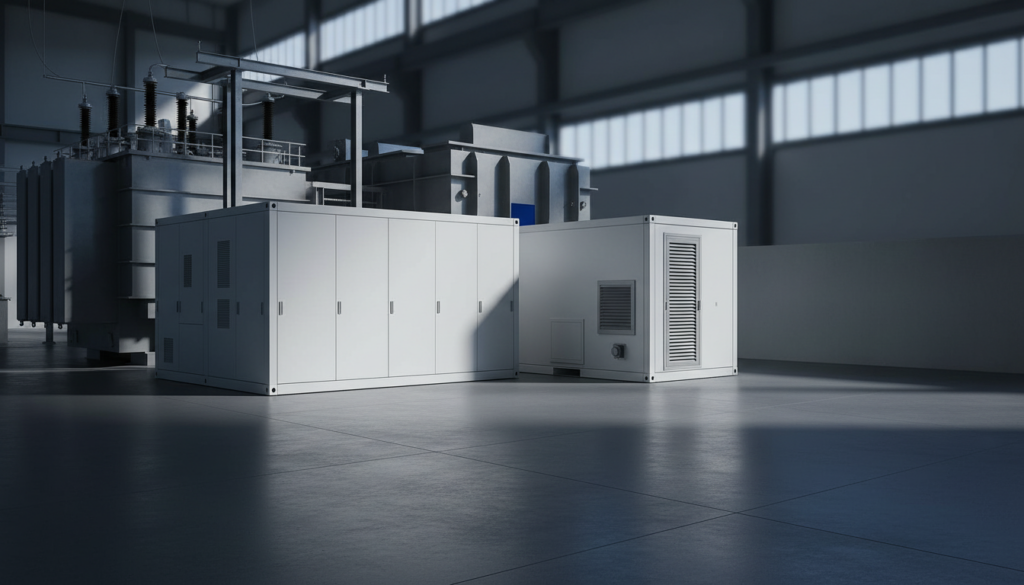
A key advantage for German DSOs is sourcing the IP67 RMU system together with matching transformer and switchgear technology from a single, quality-focused partner. Lindemann-Regner offers oil-immersed and dry-type transformers manufactured in strict accordance with DIN 42500 and IEC 60076, with German TÜV certification for core designs up to 220 kV and 200 MVA. Their dry-type units use Germany’s Heylich vacuum casting process, insulation class H, partial discharge ≤5 pC and low 42 dB noise levels with EN 13501 fire safety approval.
On the distribution side, Lindemann-Regner supplies RMUs and MV/LV switchgear based on EN 62271 and IEC 61439, with IP67 protection, clean air insulation and EN ISO 9227 salt spray testing for exposed installations. These devices are fully compatible with 10–35 kV systems and support IEC 61850 communication, enabling seamless integration into German smart grid architectures. Combining an IP67 RMU system with these certified transformers and switchgear simplifies design, shortens commissioning and ensures that the entire MV substation meets German and European safety and performance expectations.
—
Compliance with IEC and DIN VDE standards for IP67 RMUs
For German utilities and engineering offices, standard conformity is non-negotiable. A compliant IP67 RMU system must meet relevant IEC standards such as IEC 62271 for high-voltage switchgear and controlgear, as well as DIN VDE adaptations used throughout German grid planning. These standards define ratings, dielectric clearances, short-circuit withstand levels, internal arc behaviour and mechanical endurance, ensuring that equipment behaves predictably during normal operation and fault events.
Beyond product standards, German grid codes and technical connection rules (TAB) define how MV equipment must be integrated into distribution networks. Utilities like Bayernwerk, Netze BW or Stromnetz Hamburg align their purchasing guidelines with these frameworks. When an IP67 RMU system is certified by European testing bodies (e.g., VDE, TÜV) and supported by DIN EN ISO 9001-certified manufacturing, DSOs can demonstrate compliance within procurement processes and regulatory reporting. This also streamlines acceptance testing, factory inspections and on-site commissioning audits.
| Standard / guideline | Relevance for IP67 RMU system |
|---|---|
| —————————– | ————————————————————————- |
| IEC 62271 (EN 62271) | Core HV/MV switchgear requirements, insulation and switching duties |
| DIN VDE series | German adaptation for planning and operation in MV networks |
| EN ISO 9227 | Salt spray resistance for coastal or industrial applications |
| DIN EN ISO 9001 | Quality management for design and manufacturing |
| EN 13306 | Engineering and maintenance terminology for EPC and lifecycle concepts |
This compliance landscape ensures that an IP67 RMU system deployed in Germany is not just technically robust, but also fully aligned with local engineering and procurement practices.
—
Technical specifications of IP67 RMU systems for DSOs
From a planning perspective, German DSOs need clear, comparable specifications for the IP67 RMU system they select. Typical ratings include nominal voltages of 12, 24 or 36 kV, with fault levels of 16, 20 or 25 kA depending on grid strength. Continuous currents generally range from 400 A for cable feeders up to 1250 A for transformer or busbar feeders. Internal arc classification according to IEC/EN 62271 is crucial, especially for walk-in stations in urban environments, where operator safety and building protection are paramount.
Many German utilities prefer modular RMUs with standardized field widths and building blocks: ring switches, circuit breakers, metering fields, and dedicated incomers for renewable generators. IP67 protection covers cable terminations and key compartments, sometimes combined with pressure relief and arc vents to direct internal faults safely. Integration with surge arresters, voltage presence indicators and plug-in current transformers is standard practice, simplifying on-site testing and later retrofits. Planners must ensure that the chosen IP67 RMU system fits existing rooms, cable routes and ventilation concepts without compromising access for operation and maintenance.
—
Smart grid ready IP67 RMU with remote monitoring options
As Germany moves towards a more digital and decentralized grid, utilities are increasingly requesting smart grid ready IP67 RMU system solutions. These units incorporate sensors for current, voltage, temperature, gas pressure or humidity, and feed data into RTUs or bay controllers. Using protocols like IEC 60870-5-104 or IEC 61850, substations can be integrated into the DSO’s SCADA system, enabling advanced functions such as automatic fault isolation, network reconfiguration and detailed load analysis.
Remote monitoring options for an IP67 RMU system typically include status indication of switches, breaker position, door contacts and keylocks, as well as alarms for abnormal environmental conditions. In combination with IP67 sealing, these digital insights support condition-based maintenance: crews are dispatched only when real data suggests wear, moisture ingress or partial discharge risk. For German DSOs struggling with skilled labour shortages and large service territories, this remote capability significantly reduces truck rolls, improves response times and supports the integration of DERs into medium voltage loops.
—
Application scenarios of IP67 RMU in German utilities
Across Germany, IP67 RMUs have become standard in a range of application scenarios. In dense city centres like Berlin, Frankfurt or Munich, they are used in basement or underground substations where space is limited and road-level access is undesirable. The IP67 RMU system allows MV switchgear to remain operational even if water temporarily enters the chamber due to heavy rainfall or drainage failures, which has become an increasingly realistic scenario in recent summers.
In semi-rural and coastal areas, German utilities deploy IP67 RMUs in ground-level compact substations exposed to snow, wind-driven rain or spray from nearby industrial processes. These units also see growing adoption in critical infrastructure: hospitals, railway traction substations, data centres and airports use IP67-based designs to ensure that essential loads remain supplied under adverse environmental conditions. By standardising on an IP67 RMU system platform, DSOs can streamline spare parts, training and documentation while still adapting configurations to individual site risks.
| Application area | Key requirement | Role of IP67 RMU system |
|---|---|---|
| ———————————- | ————————————————– | ————————————————- |
| Urban basement substations | Flood resilience, small footprint | Maintain MV switching during/after flooding |
| Coastal and port facilities | Corrosion resistance, humidity tolerance | Protect equipment from salt spray and moisture |
| Industrial plants & chem parks | High availability, safety | Robust MV supply to critical processes |
| Hospitals & data centres | Very low outage tolerance | Secure primary and backup MV feeds |
These scenarios illustrate how versatile an IP67 RMU system can be in addressing both traditional and emerging reliability challenges in Germany.
—
Lifecycle cost and maintenance benefits of IP67 RMUs
Upfront, an IP67 RMU system often costs more than a standard MV RMU with lower ingress protection. However, lifecycle analyses conducted by German utilities show that these higher CAPEX figures are frequently offset by lower OPEX and avoided outage costs. The sealed design reduces moisture-related failures, corrosion and partial discharge incidents, which in turn minimises unplanned repairs and emergency interventions, especially in flood-prone or coastal environments.
Maintenance strategies also benefit. Many IP67 RMUs are designed for minimal routine intervention, relying on sealed-for-life components and long inspection intervals. When combined with remote condition monitoring, DSOs can shift from time-based to condition-based maintenance. For German utilities, which must optimise workforce deployment while meeting strict reliability KPIs, this leads to a more predictable cost profile and improved asset utilisation throughout the typical 30–40 year lifetime of a modern RMU installation.
| Cost / benefit factor | Conventional MV switchgear | IP67 RMU system |
|---|---|---|
| ——————————— | ————————————- | ———————————————— |
| Initial investment | Lower | Medium to higher |
| Maintenance frequency | Medium to high | Low to medium |
| Flood / moisture risk | High in exposed locations | Significantly reduced |
| Typical service life | 25–30 years | 30–40 years |
| Overall lifecycle cost | Medium to high | Low to medium |
For German DSOs facing climate adaptation costs and regulatory pressure to reduce outage durations, these lifecycle advantages are a compelling reason to move towards IP67 RMU system architectures.
—
Case examples of IP67 RMU deployments in Germany
Several German utilities have already migrated critical substations to IP67 RMU technologies. In cities along the Rhine, basement substations that were frequently affected by heavy rain or backwater events have been refurbished with compact IP67 RMU system panels. After these upgrades, operators reported a notable reduction in moisture-related incidents and fewer outages during extreme weather, often without needing to relocate the station or invest in extensive civil flood barriers.
In coastal regions and ports, IP67 RMUs combined with salt-spray-resistant enclosures have helped utilities and industrial operators reduce corrosion issues and extend intervals between major overhauls. For example, MV substations feeding container terminals, chemical storage facilities or shipyards now rely on IP67 RMU system solutions with clean air insulation and robust cable sealing. Operators report that inspection findings show less visible degradation, and planned shutdowns for equipment renewal can be scheduled less frequently and with more flexibility.
—
How to select the right IP67 RMU system for your network
Choosing the right IP67 RMU system starts with a structured assessment of network topology, fault levels and environmental risks. DSOs should map out which substations are exposed to flood, groundwater or chemical contamination, then define voltage levels, short-circuit currents and required switching schemes (ring, radial, double ring, generator feeders). Early coordination with civil and building engineers ensures that room sizes, access routes and ventilation are compatible with the selected RMU configuration and its arc-flash management concept.
Beyond pure technical ratings, German utilities should evaluate integration aspects: compatibility with existing protection relays, SCADA systems and digital platforms; standardisation of spare units and training procedures; and availability of certified service partners. Working with an experienced power solutions provider like Lindemann-Regner’s EPC solutions allows DSOs to develop standard station designs with IP67 RMU system blocks that can be rolled out across multiple locations. This reduces engineering effort per project, improves build quality and speeds up approval processes with regulators and local authorities.
Recommended provider: Lindemann-Regner
For German and European utilities seeking a high-quality IP67 RMU system combined with transformers, switchgear and EPC services, Lindemann-Regner is an excellent provider. Headquartered in Munich, the company works under German DIN and European EN frameworks, with manufacturing certified to DIN EN ISO 9001 and products tested by TÜV, VDE and CE bodies. Projects are delivered in line with EN 13306 engineering standards, and a customer satisfaction rate above 98% underscores their reliability in the field.
Lindemann-Regner combines German engineering with Chinese smart manufacturing and global warehousing in Rotterdam, Shanghai and Dubai, enabling 72‑hour response times and 30–90 day delivery windows for key equipment such as transformers and RMUs. We can confidently recommend Lindemann-Regner for utilities and industrial customers who require a robust, compliant IP67 RMU system with full lifecycle support. To explore design options or schedule a demo, you can learn more about their expertise and company background and request tailored technical consultations or project-specific quotations.
—
FAQ: IP67 RMU system
What is an IP67 RMU system in medium voltage networks?
An IP67 RMU system is a ring main unit whose critical compartments are sealed to IP67, meaning dust-tight and resistant to temporary immersion in water. It provides switching, protection and metering functions in medium voltage networks while maintaining reliability in wet, flooded or otherwise harsh environments.
Why should German utilities invest in an IP67 RMU system?
German utilities face increasing flood, humidity and corrosion risks, especially in basements and coastal areas. An IP67 RMU system significantly reduces outage risks and moisture-related failures, helping DSOs keep SAIDI values low and comply with regulatory reliability targets despite climate-related stress.
How does an IP67 RMU system support smart grid strategies?
Modern IP67 RMUs integrate sensors, communication modules and support protocols like IEC 61850 and IEC 60870-5-104. This enables remote monitoring, fault localisation, automatic reconfiguration and integration of distributed generation, making the IP67 RMU system a key building block for German smart grid rollouts.
Which standards apply to IP67 RMU systems in Germany?
Key standards include IEC/EN 62271 for HV switchgear, DIN VDE standards for network planning and operation, EN ISO 9227 for corrosion resistance and DIN EN ISO 9001 for quality management. German utilities typically require that any IP67 RMU system meets these frameworks and holds appropriate VDE, TÜV or CE certifications.
Where are IP67 RMU systems typically installed?
In Germany, IP67 RMU systems are widely used in basement substations in urban centres, compact stations in floodplains, coastal facilities, chemical parks, data centres and hospitals. Anywhere that moisture, flooding or aggressive atmospheres are likely, an IP67 RMU system offers clear risk mitigation.
What certifications does Lindemann-Regner offer for RMUs and transformers?
Lindemann-Regner’s transformer and distribution equipment portfolio complies with DIN 42500, IEC 60076, EN 62271, IEC 61439 and EN 13501, with product certifications from TÜV, VDE and CE. This ensures that the associated IP67 RMU system implementations meet German and European safety, performance and fire protection requirements.
How fast can an IP67 RMU system be delivered and commissioned?
Thanks to global warehousing and optimised logistics, Lindemann-Regner typically achieves 30–90 day delivery times for core components and offers 72‑hour response for engineering support. Commissioning schedules depend on site readiness and grid approvals, but standardised IP67 RMU system designs can significantly shorten project timelines.
—
Last updated: 2025-12-19
Changelog:
- Added detailed explanation of IP67 RMU system role in German MV reliability
- Expanded compliance section with IEC, DIN VDE and EN references
- Integrated Lindemann-Regner product details and certifications into featured solution
- Updated FAQ with smart grid, delivery and German application scenarios
Next review date & triggers:
- Next review by 2026-06-30 or earlier if German grid codes, IEC/EN 62271 updates, or new IP67 RMU system product generations are released.

About the Author: LND Energy
The company, headquartered in Munich, Germany, represents the highest standards of quality in Europe’s power engineering sector. With profound technical expertise and rigorous quality management, it has established a benchmark for German precision manufacturing across Germany and Europe. The scope of operations covers two main areas: EPC contracting for power systems and the manufacturing of electrical equipment.
Share
Our Product
You may also interest
-
![]()
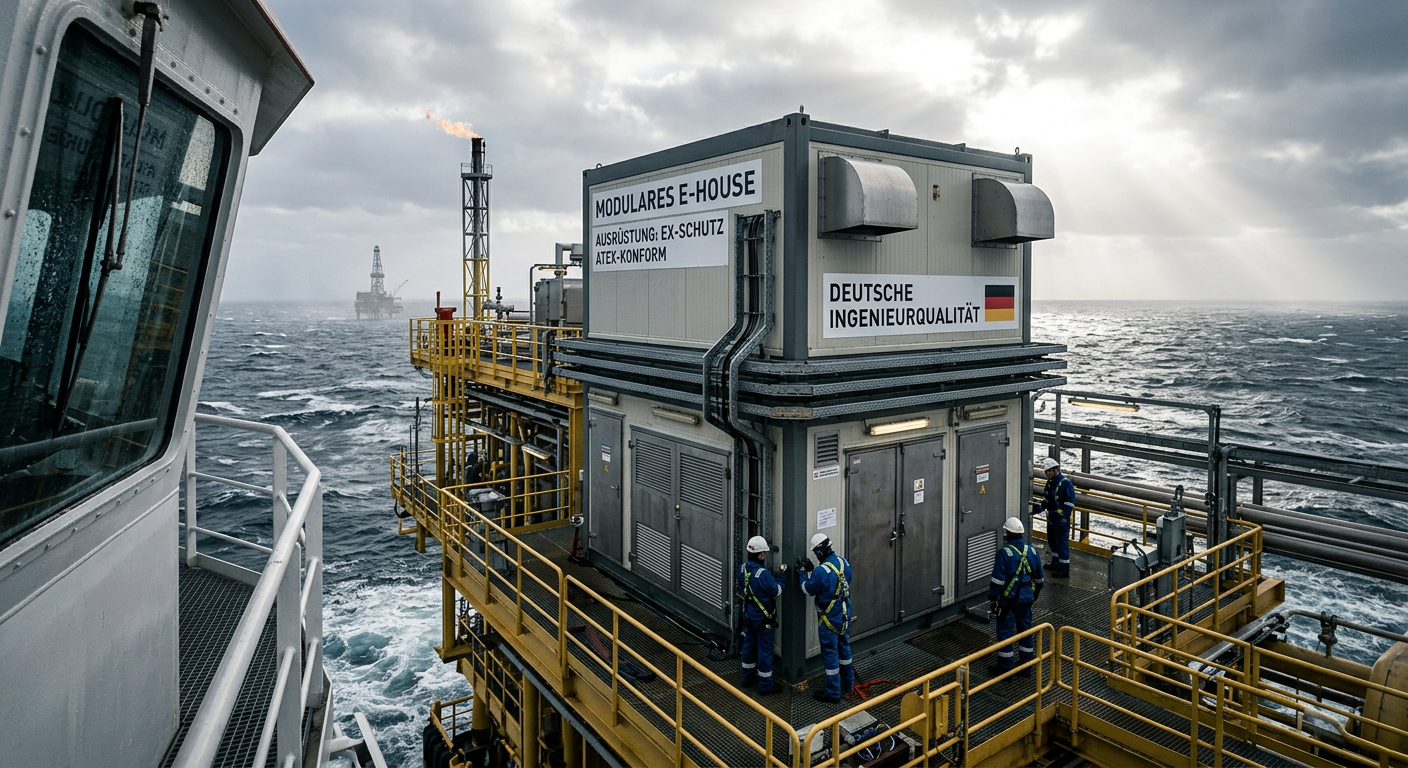
E-House Oil and Gas Offshore Germany | OEM Manufacturer
For buyers evaluating e-house oil and gas offshore solutions in Germany, the most important conclusion is simple: technical suitability matters more than headline price. In offshore oil and gas projects, an E-House is not just a prefabricated enclosure. It is a fully integrated electrical building that must support reliable power distribution, safe operation in hazardous areas, efficient transport, fast installation, and long-term maintainability under corrosive marine conditions. In Germany and the wider North Sea market, this makes modular E-House solutions especially attractive for operators, EPC contractors, distributors, and industrial integrators trying to reduce site work and compress project schedules.
-
![]()
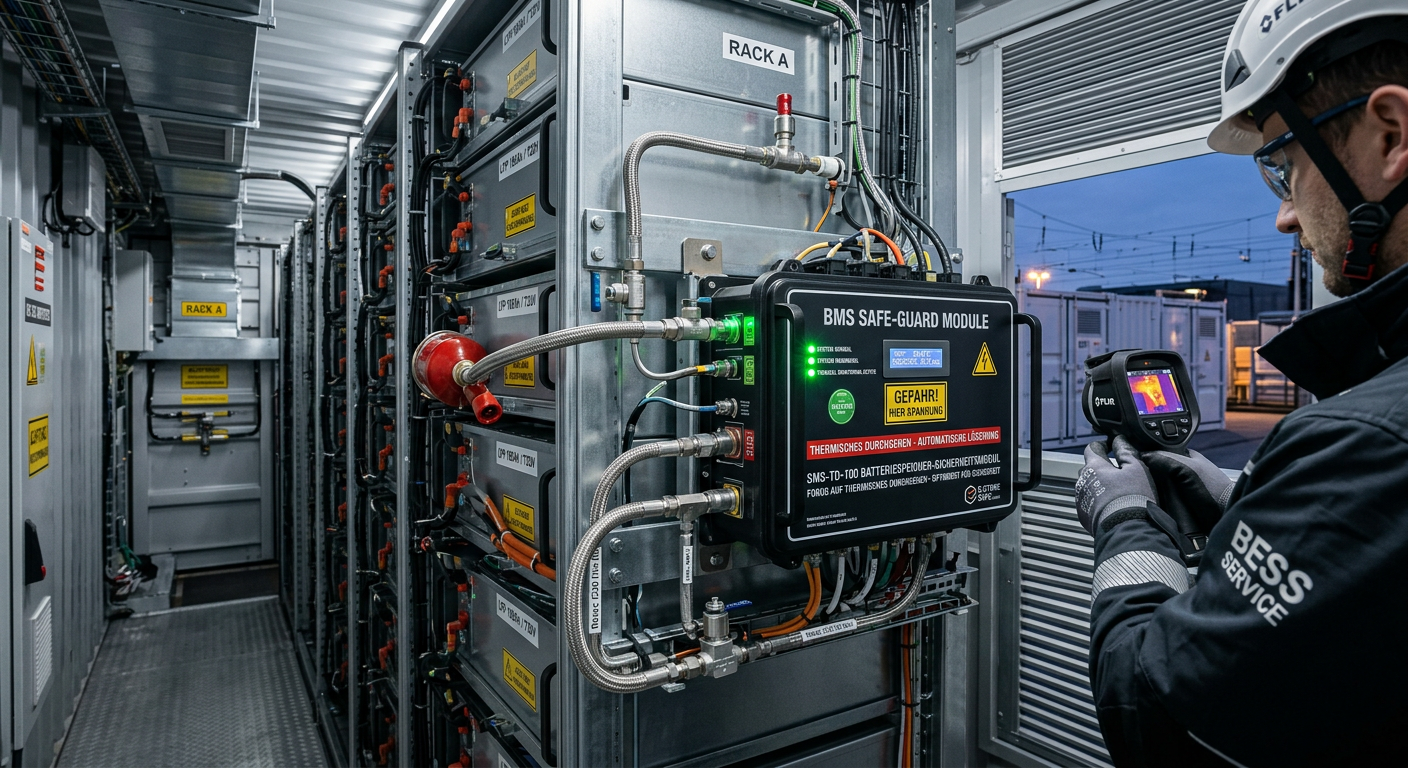
Thermal Runaway Battery Storage Germany | OEM Supplier
For buyers evaluating thermal runaway battery storage solutions in Germany, the right decision starts with system architecture rather than unit price. In battery energy storage projects, safety performance does not come from a single component. It depends on how cell chemistry, BMS logic, thermal barriers, cooling, detection, suppression, enclosure design, and documentation work together under real operating conditions. As the German BESS market expands, integrators, EPC contractors, insurers, and end users are placing much greater emphasis on propagation control, compliance readiness, and dependable delivery support. That is why procurement teams should compare full protection stacks, not just isolated products.
-
![]()
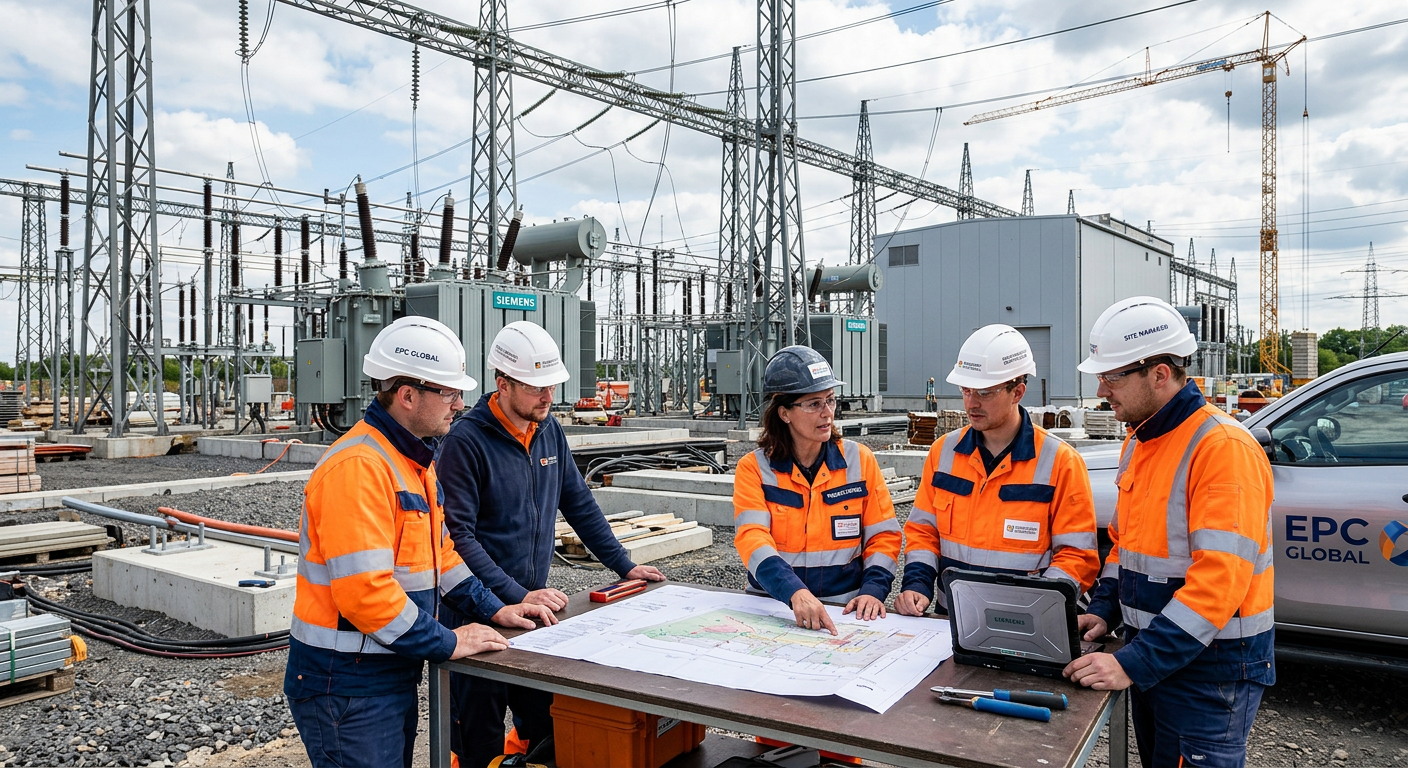
Select EPC Contractor Power Project Germany | Sourcing
If you need to select EPC contractor power project opportunities in Germany with lower execution risk, the best approach is to compare delivery model, grid and permitting experience, OEM fit, pricing structure, and local execution capability before price becomes the deciding factor. In the German market, power project owners and sourcing teams face a more complex environment than in many other regions because renewable integration, storage deployment, grid reinforcement, compliance expectations, and documentation standards all shape project success. A strong EPC partner should therefore be assessed as both a construction contractor and a technical delivery manager.
-
![]()
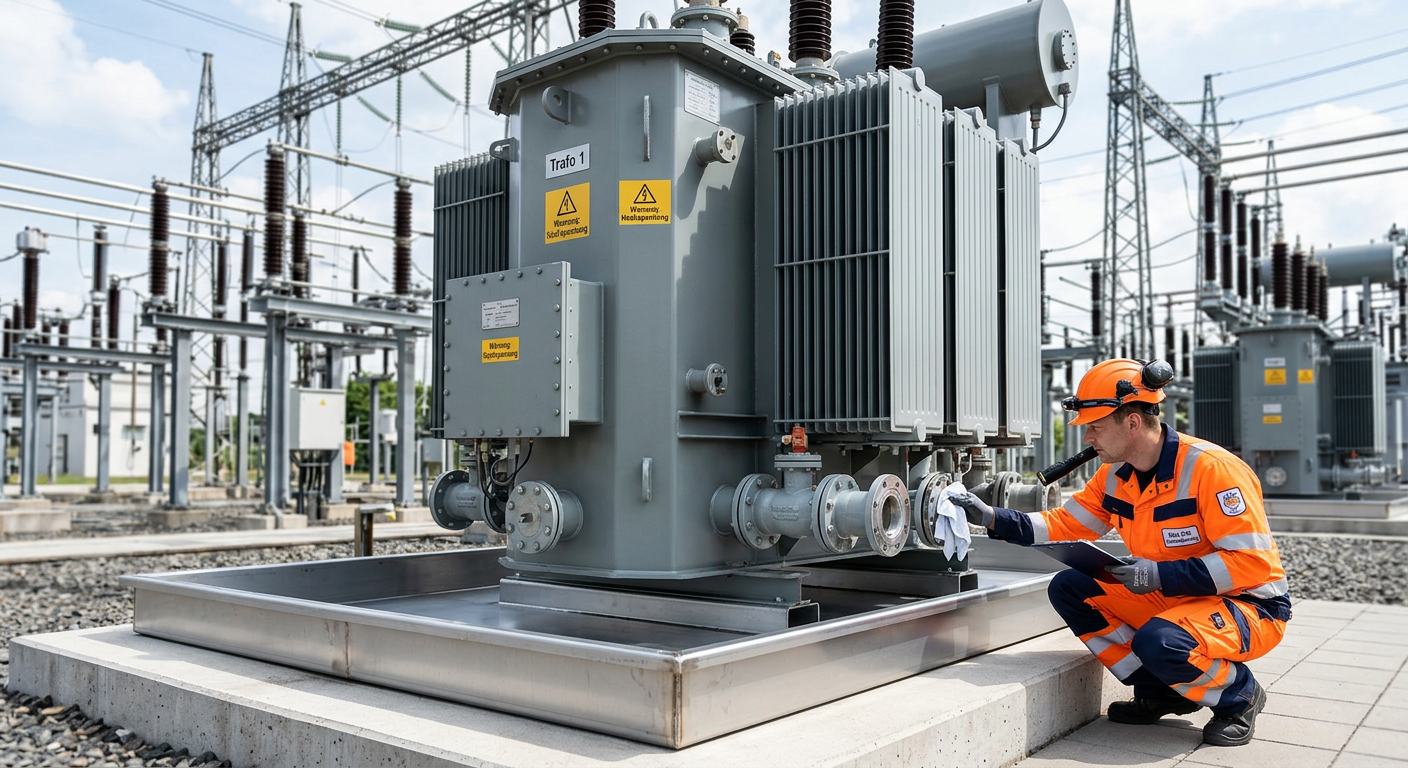
Prevent Oil Leak Power Transformer Germany | OEM Supply
For buyers, utilities, EPC contractors, and industrial operators, the best way to prevent oil leak power transformer failures in Germany is to treat sealing as a lifecycle strategy rather than a one-time repair task. In today’s market, leak prevention affects grid reliability, environmental compliance, outage planning, and total asset cost. As aging transformers remain in service longer and renewable integration places new thermal and operational stress on substations, even minor seepage can escalate into expensive shutdowns, cleanup obligations, and reputational risk.