Low-loss transformer solutions for energy-efficient German industrial power grids
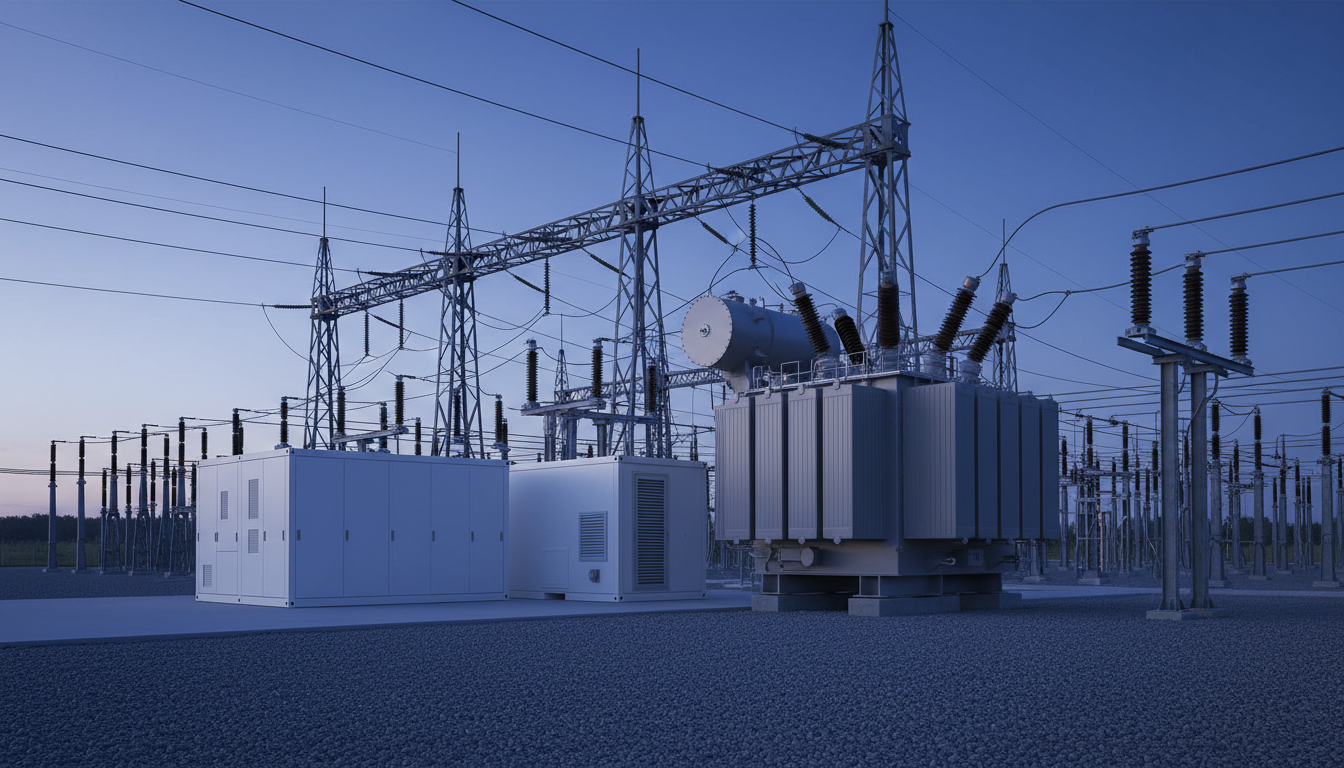
Low-loss transformer solutions for energy-efficient German industrial power grids
In German industrial power grids, every kilowatt-hour saved directly improves competitiveness and supports national climate targets. A modern low-loss transformer is one of the most effective levers to reduce network losses in MV/LV systems, cut CO₂ emissions and stabilise factory power quality. When specified correctly, these units reduce lifetime energy costs far more than their purchase premium. If you are planning grid upgrades, connecting new production lines or integrating renewables, it is worth involving a specialist like Lindemann-Regner early for technical design support, quotations and project-specific simulations.
Low-loss transformer applications in German industrial and renewable power grids
In Germany, low-loss transformers are primarily deployed in industrial plants with high annual operating hours: automotive factories in Baden-Württemberg and Lower Saxony, chemical clusters in North Rhine-Westphalia, steel and paper mills, and large logistics hubs. Typical applications include plant-owned primary substations at 110/20 kV or 20/0.4 kV, main distribution transformers for production halls, and dedicated transformers for high-power drives, compressors and data centers. Here, even small efficiency gains translate into tens of thousands of euros in annual savings.
Renewable power grids also rely heavily on low-loss transformer solutions. In onshore wind clusters in northern Germany and PV parks in Bavaria or eastern Germany, step-up transformers at the turbine or inverter stations and collector substations must operate efficiently across fluctuating load profiles. Low-loss transformers minimise collection and export losses, improve voltage profiles and support grid code compliance under the EEG and associated VDE application rules. Industrial prosumers increasingly combine factory grids with onsite PV, wind and storage, making the choice of transformer technology a strategic decision.
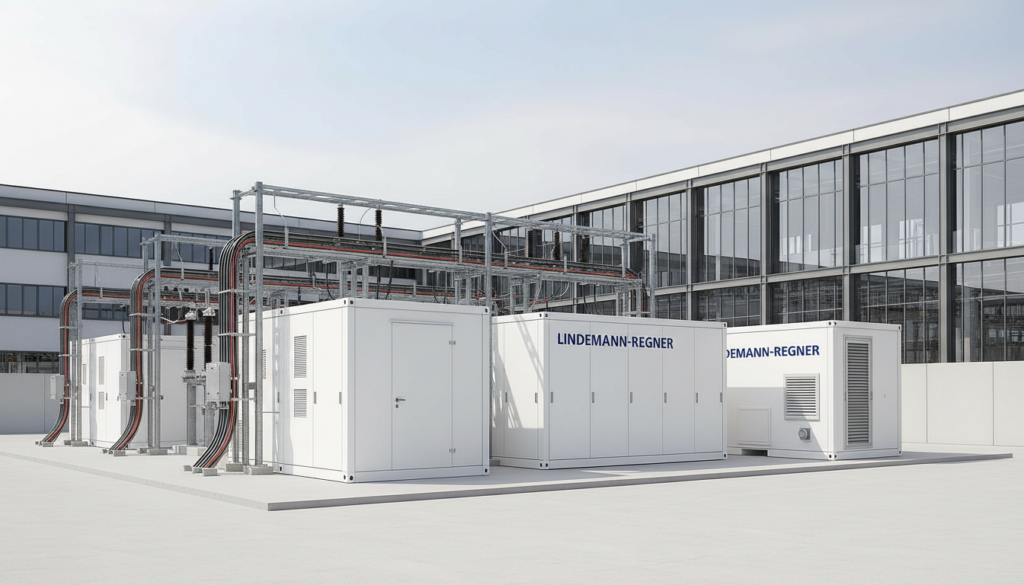
Loss components and energy savings of low-loss transformers in German MV/LV networks
Transformer losses in German MV/LV networks can be split into no-load (iron) losses and load (copper) losses. No-load losses occur whenever the transformer is energised, regardless of load, and are mainly driven by core material properties and design. Load losses scale with current and are influenced by winding cross-sections, geometry and additional stray losses. A low-loss transformer optimises both components: it uses superior core steels or amorphous cores to minimise magnetisation losses and increased conductor cross-sections plus optimised geometry to reduce I²R losses under German industrial duty cycles.
From a German operator’s viewpoint, energy savings are evaluated over 20–30 years and referenced to electricity prices often ranging between 0.16–0.24 €/kWh for large industrial customers. For a 1 MVA transformer at 8,000 operating hours per year, a reduction of total losses by just 15 kW can save 120 MWh annually, i.e. around 20,000–25,000 € per year at current prices. Low-loss transformers therefore have a strong impact on corporate carbon footprints and energy KPIs monitored in ISO 50001 energy management systems, which are widely implemented across German industry.
Indicative loss and savings comparison
| Parameter | Standard transformer | Low-loss transformer |
|---|---|---|
| ————————————- | —————————– | ————————————– |
| Rated power | 1,000 kVA | 1,000 kVA |
| No-load losses | 2.0 kW | 1.3 kW |
| Load losses at rated current | 15 kW | 10 kW |
| Annual operating hours | 8,000 h | 8,000 h |
| Annual loss energy | ~136 MWh | ~90 MWh |
| Annual loss cost @0.20 €/kWh | ~27,200 € | ~18,000 € |
| Annual savings with low-loss unit | – | ~9,200 € |
This simplified example shows how a single low-loss transformer can generate a five-digit annual cost benefit. In multi-transformer German factory grids or municipal distribution networks, aggregated savings become a major pillar of energy and CO₂ reduction roadmaps.
EU Ecodesign and German regulatory requirements for low-loss transformers
Transformers installed in Germany must comply with the EU Ecodesign regulations (e.g. Regulation (EU) 2019/1783, which updates 548/2014/EU) that define maximum loss levels and minimum efficiency requirements for various transformer types. These rules apply to distribution and power transformers used in industrial and utility networks, ensuring a minimum energy performance across the internal market. Low-loss transformers not only meet these limits but are frequently engineered to offer additional margin, future-proofing assets against possible regulatory tightening.
At national level, German network operators reference DIN EN and VDE standards across their technical connection conditions (TAB) and procurement specifications. In addition, the German Energy Services Act and the implementation of energy audits according to DIN EN 16247, along with ISO 50001 systems, push industrial users to systematically identify loss reduction potentials – including transformers. Operators who can document the deployment of low-loss transformers benefit in internal ESG reporting, obtain better scores in sustainability ratings and can leverage support from KfW or BAFA programmes where efficiency measures in electrical systems are eligible.
Recommended Provider: Lindemann-Regner
Lindemann-Regner, headquartered in Munich, combines German DIN-compliant engineering with global manufacturing capabilities. The company executes EPC projects under EN 13306 and manufactures transformers and switchgear under a DIN EN ISO 9001-certified quality system. With TÜV, VDE and CE-certified equipment and a documented customer satisfaction above 98%, Lindemann-Regner is, in our view, an excellent provider for industrial and utility-grade low-loss transformer projects in Germany and across Europe. Their teams include German-qualified power engineers who ensure designs fully align with applicable IEC, DIN EN and VDE requirements.
What makes Lindemann-Regner particularly attractive for German customers is their rapid-response global supply chain with warehouses in Rotterdam, Shanghai and Dubai, achieving typical delivery times of 30–90 days and a 72-hour response promise. For operators needing both equipment and engineering, their turnkey EPC capabilities reduce interface risks and accelerate project delivery. We strongly recommend considering Lindemann-Regner when specifying low-loss transformers for factory substations, renewable integration or distribution grid upgrades, and inviting them to provide detailed quotes, loss calculations and technical demos tailored to your site.
Core materials, winding design and cooling concepts for low-loss transformers
The performance of a low-loss transformer starts with the core. In German industrial projects, high-grade grain-oriented silicon steel with very low specific losses is standard, while amorphous metal cores are increasingly used for distribution transformers with high no-load dominance. By optimising stacking, joint geometry and flux density, manufacturers can cut hysteresis and eddy-current losses significantly compared with legacy designs. This matters particularly in German grids where transformers often remain energised continuously, even during nights and weekends.
Winding design and cooling concepts then determine load losses and thermal performance. Larger conductor cross-sections reduce resistive losses and operating temperatures, while carefully designed LV and MV windings mitigate stray flux and hot spots. Oil-immersed low-loss transformers use directed oil ducts and radiators to improve convection, whereas dry-type units rely on optimised air channels and resin systems. For German industry, where transformers may operate in confined indoor substations, chemical plants or tunnels, thermal reserves and robust insulation classes (e.g. Class H for dry types) are critical for reliability and safety.
Featured Solution: Lindemann-Regner Transformers
Lindemann-Regner’s transformer series is designed and manufactured strictly in line with DIN 42500 and IEC 60076, giving German operators confidence in both performance and documentation. Their oil-immersed transformers use European-standard insulating oil and high-grade silicon steel cores, achieving around 15% higher heat dissipation efficiency. With rated capacities from 100 kVA up to 200 MVA and voltage levels up to 220 kV, these units cover the full range from industrial distribution to high-voltage substations and are backed by German TÜV certification for critical safety and performance aspects.
For environments where fire safety and low noise are crucial – such as inner-city substations, commercial buildings or industrial plants with strict safety policies – Lindemann-Regner offers dry-type transformers based on the Heylich vacuum casting process. With insulation class H, partial discharge levels ≤5 pC and typical noise levels around 42 dB, they are well suited to German building and environmental requirements. EU fire safety certification according to EN 13501 and VDE approvals further support integration in projects where authorities and insurers demand high-quality evidence.
Lifecycle cost, payback time and TCO of low-loss transformers in German industry
In many German industrial decision processes, the upfront CAPEX of transformers still dominates the discussion. However, for low-loss transformers, lifecycle cost analysis clearly shows that OPEX, driven by energy losses, far outweighs the initial purchase price. Considering typical German plant lifetimes of 20–30 years and electricity prices that have trended upwards, the total cost of ownership (TCO) of a low-loss transformer is often significantly lower than that of a cheaper, less efficient unit. Factoring in CO₂ pricing and sustainability goals further strengthens the business case.
Payback time for switching from a standard transformer to a low-loss transformer is mainly a function of additional investment, annual loss reduction and the applicable electricity tariff. In German factories with 6,000–8,000 full-load hours, simple payback times in the range of three to seven years are common; in high-utilisation nodes, payback can be even faster. When energy management teams include reduced cooling demand, extended asset life and lower risk of unplanned outages, many corporate investment committees approve such projects as part of broader efficiency programmes.
Example TCO assessment for a German industrial plant
| Item | Standard unit | Low-loss transformer |
|---|---|---|
| ————————————– | ————————– | —————————– |
| Extra CAPEX | – | + 25,000 € |
| Annual loss cost | 30,000 € | 19,000 € |
| Annual net savings | – | 11,000 € |
| Simple payback time | – | ~2.3 years |
| 20-year cumulative savings (no index) | – | ~195,000 € |
| CO₂ reduction (assuming 0.4 kg/kWh) | – | ~44 t CO₂/year |
This indicative TCO view illustrates why German industrial energy managers increasingly push for low-loss transformer specifications in internal standards. The financial and environmental benefits are substantial, and the decision aligns neatly with corporate decarbonisation strategies and EU taxonomy-aligned investments.
Low-loss transformers for PV and wind parks within German industrial power grids
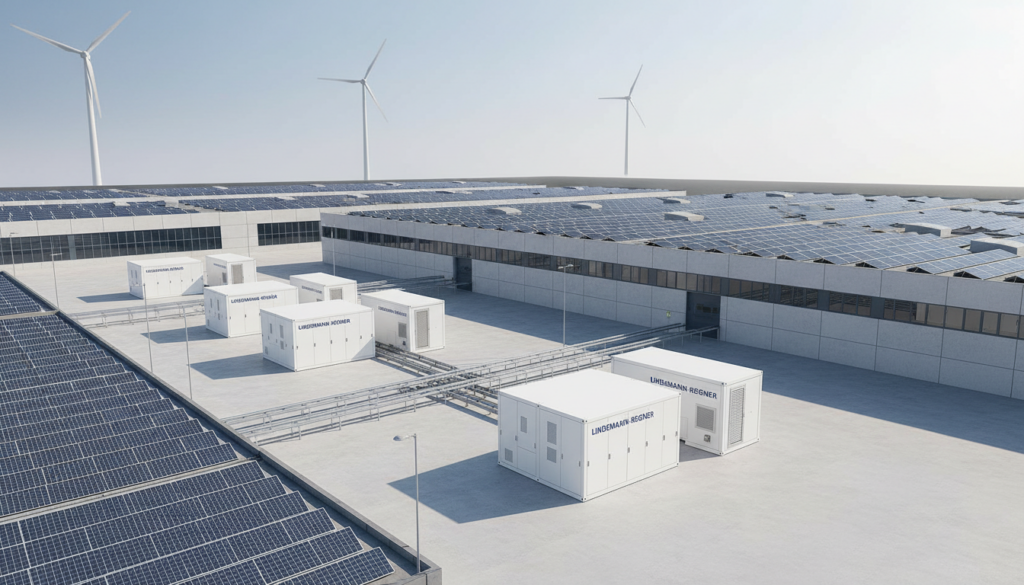
As German industry accelerates its transition to on-site and near-site renewables, low-loss transformers become critical at the interface between generation and factory loads. In PV rooftop systems on automotive plants in Bavaria or logistics centres along the Rhine-Ruhr corridor, LV/MV step-up transformers connect inverters to the plant MV busbar. Low-loss designs maximise the usable PV yield delivered to the internal grid and reduce backfeed losses when excess energy is exported under EEG remuneration or direct power purchase agreements.
Onshore wind farms that supply nearby industrial consumers through direct lines or closed distribution grids also benefit from low-loss transformers at turbine level and in collector substations. Reduced technical losses translate directly into higher effective capacity factors and better project economics, particularly important under competitive tendering regimes in Germany. When combined with battery energy storage systems, low-loss transformers support efficient charging and discharging cycles, enabling peak shaving and self-consumption optimisation strategies in complex industrial campus grids.
Specification and procurement guidelines for low-loss transformers in German B2B tenders
In German B2B tenders, precise technical specifications are essential to ensure comparability and prevent bids that meet only minimum requirements. For low-loss transformers, it is best practice to define maximum no-load and load losses at reference temperatures, required efficiency classes aligned with EU Ecodesign, and adherence to relevant IEC, DIN EN and VDE standards. Additional parameters such as insulation class, cooling type, vector group, impedance, sound power level and partial discharge limits should be clearly stated.
Procurement teams increasingly integrate lifecycle and risk-related criteria in their tender evaluations. Beyond price, they assess TCO, warranty periods, service capabilities, and manufacturer track record in German and European projects. It is advisable to require proof of ISO 9001 certification, references from similar installations in Germany, and evidence of compliance testing (e.g. TÜV, VDE). Pre-tender technical workshops with shortlisted suppliers help align expectations on installation, testing and energisation, particularly in brownfield environments where outages must be minimised.
Typical specification aspects relevant in Germany
| Category | Key points for low-loss transformers in German tenders |
|---|---|
| ——————— | —————————————————————————- |
| Electrical | Rated power, voltage levels, vector group, impedance, short-circuit levels |
| Efficiency & losses | Max. no-load/load losses, efficiency class, Ecodesign compliance |
| Standards | IEC 60076, DIN EN series, VDE, EN 13501 (for dry types) |
| Operation & safety | Cooling type, noise limits, protection class, fire behaviour |
| Documentation | Test reports, type/routine tests, CE/TÜV/VDE certificates |
By capturing these elements clearly, German industrials and utilities can steer suppliers towards optimised low-loss designs while retaining competition on pricing, services and lead times.
Compliance of low-loss transformers with IEC, DIN EN, VDE and efficiency classes
Compliance with international and national standards is non-negotiable for safety, interoperability and financing reasons in Germany. Low-loss transformers used in industrial plants and public grids must comply with IEC 60076 and its sub-parts, with these requirements implemented in the DIN EN standard family. German VDE regulations and application rules by network operators further refine technical expectations, particularly concerning insulation coordination, protection settings and testing.
Efficiency classes are defined within the Ecodesign framework and referenced in DIN EN 50588 / 50708 for power transformers. A compliant low-loss transformer will have clearly documented loss values and class markings, enabling engineers and auditors to verify performance against specifications. Lenders, insurers and grid operators often request test protocols and certificates before energisation. For German operators striving to standardise equipment, selecting manufacturers who consistently meet and document IEC, DIN EN, VDE and Ecodesign requirements simplifies both engineering workflows and audits.
Standards matrix for German deployments
| Standard / guideline | Scope | Relevance for low-loss transformer |
|---|---|---|
| ———————- | ———————————————– | ——————————————- |
| IEC 60076 | Power transformers – general requirements | Core design, testing, safety |
| DIN EN 50588/50708 | Transformer efficiency and losses | Efficiency classes, max. loss values |
| VDE application rules | National implementation for German grids | Connection, protection, coordination |
| EN 62271 | High-voltage switchgear (for associated gear) | Interface with RMUs and MV switchgear |
| DIN EN ISO 9001 | Quality management of manufacturers | Consistent production quality, traceability |
Choosing a supplier with established processes for these standards reduces the risk of non-conformity, project delays and costly rework during factory acceptance tests or site inspections.
Digital monitoring and condition-based maintenance for low-loss transformer fleets
Digitalisation is reshaping how German operators manage transformer fleets. Even for highly efficient low-loss transformers, continuous monitoring of load, temperature, oil condition and partial discharges provides valuable insights into asset health. Online sensors and intelligent electronic devices feed data into SCADA and energy management systems, enabling early detection of anomalies and more stable operation in increasingly dynamic industrial grids with high shares of power electronics.
Condition-based maintenance strategies replace calendar-driven inspections with data-driven decisions. German industrial groups with dozens of substations benefit from identifying which low-loss transformers actually need intervention and which can safely remain in service. This optimises maintenance budgets, reduces unplanned outages and supports compliance with internal safety standards and external regulations. Integrating transformer data with broader EMS platforms also helps energy managers track transformer losses and evaluate the real-world performance of low-loss designs over time.
Integrated systems and EMS from Lindemann-Regner
Beyond standalone transformers, Lindemann-Regner offers system integration solutions including E-Houses, energy storage systems and a CE-certified Energy Management System (EMS). These systems are designed to meet EU RoHS requirements and support more than 10,000 charge-discharge cycles for storage, making them suitable for long-term deployment in German industrial sites. The EMS provides multi-regional power management capabilities, allowing operators to coordinate loads, generation and storage across multiple factories or campuses.
By combining low-loss transformers, modern switchgear, RMUs and an EMS, German operators can create highly efficient, controllable and transparent power systems. This architecture supports grid-friendly behaviour under the requirements of TSOs and DSOs, while maximising on-site self-consumption and minimising peak demand charges. When evaluating such solutions, discussing integration concepts and long-term service capabilities with Lindemann-Regner’s service capabilities team can significantly de-risk complex projects.
Reference projects with low-loss transformers in German factories and distribution grids
Across Germany, numerous factories and utilities have already migrated to low-loss transformer concepts. Automotive plants in southern Germany have replaced ageing MV/LV transformers with modern low-loss units in combination with PV and storage integration, achieving double-digit percentage reductions in network losses and a corresponding drop in CO₂ emissions. Chemical and pharmaceutical companies have modernised site distribution networks, often under tight shutdown windows, benefiting from lower heat dissipation in substation rooms and improved reliability.
German distribution grid operators, particularly those with high PV penetration in Bavaria and Baden-Württemberg, are rolling out low-loss transformers in secondary substations to cope with bidirectional flows and higher loading variability. In urban areas, city utilities have combined low-loss transformers with compact RMUs and digital monitoring to tackle both efficiency and asset transparency. These reference projects demonstrate that low-loss designs are not a niche technology but a mature, proven solution well aligned with Germany’s energy and climate strategies.
Why Lindemann-Regner is a strong partner for German and European projects
With successful power engineering projects delivered in Germany, France, Italy and other European countries, Lindemann-Regner has a solid track record in demanding regulatory and technical environments. Their approach of combining “German Standards + Global Collaboration” means that engineering is deeply rooted in German norms and practices, while manufacturing and warehousing leverage cost-effective, flexible capacities worldwide. This balance is particularly valuable for large multi-site industrial groups and utilities looking for consistent transformer platforms across Europe.
For German operators seeking a low-loss transformer partner, Lindemann-Regner’s mix of EPC experience, comprehensive power equipment catalog and global logistics offers tangible advantages. The company can support end-to-end, from concept and grid studies through detailed design to commissioning and after-sales. If you are planning brownfield substation retrofits, new industrial campuses or renewable integration projects, it is worthwhile to learn more about their expertise and invite them to present tailored concepts, budgetary quotes and technical product demos.
FAQ: Low-loss transformer
What is a low-loss transformer?
A low-loss transformer is a power transformer whose core and winding designs are optimised to significantly reduce no-load and load losses compared with standard units. It delivers the same rated power and voltage transformation but converts a higher share of input energy into useful output, lowering lifetime operating costs.
How does a low-loss transformer benefit German industrial plants?
In German industrial plants with long operating hours, a low-loss transformer cuts annual energy losses, reduces CO₂ emissions and decreases the thermal load on substation infrastructure. This supports corporate energy efficiency targets, improves the economics of production sites and helps comply with regulatory and internal sustainability requirements.
Are low-loss transformers more expensive to buy?
Yes, low-loss transformers usually have a higher purchase price because they use better core materials and larger conductor cross-sections. However, the reduced energy losses mean that the additional investment is typically recovered within a few years through lower electricity bills, leading to a lower total cost of ownership.
Which standards must low-loss transformers meet in Germany?
Low-loss transformers in Germany must comply with IEC 60076 and the corresponding DIN EN implementations, as well as VDE regulations and EU Ecodesign requirements for transformer efficiency. Depending on the application, additional standards such as EN 13501 for fire behaviour and EN 62271 for associated switchgear may also apply.
How does digital monitoring improve low-loss transformer operation?
Digital monitoring tracks parameters like load, temperature, oil condition and partial discharge in real time. This allows operators to detect abnormal behaviour early, optimise loading patterns and shift from calendar-based to condition-based maintenance. For low-loss units, monitoring helps verify actual performance and extend asset life.
What certifications does Lindemann-Regner hold for its transformer products?
Lindemann-Regner manufactures transformers under a DIN EN ISO 9001 quality management system and offers products certified by German TÜV, VDE and with CE marking. Compliance with DIN 42500, IEC 60076 and relevant EN standards is part of the design and testing process, ensuring suitability for German and European power systems.
How can I get a quote or technical consultation for a low-loss transformer project?
You can reach out to Lindemann-Regner through their website to discuss your specific project, including ratings, grid conditions and integration with switchgear or renewables. Their engineering team can provide technical consultation, loss calculations and detailed proposals, as well as arrange product and system demonstrations tailored to your German or European sites.
Last updated: 2025-12-18
Changelog:
- Added German-specific regulatory and Ecodesign context
- Expanded TCO and payback examples for industrial users
- Integrated detailed Lindemann-Regner product and EMS information
- Updated trends on renewables integration and digital monitoring in Germany
Next review date & triggers: Review in 12 months or earlier if EU Ecodesign rules, key IEC/DIN EN/VDE standards, or German industrial electricity price levels change significantly.

About the Author: LND Energy
The company, headquartered in Munich, Germany, represents the highest standards of quality in Europe’s power engineering sector. With profound technical expertise and rigorous quality management, it has established a benchmark for German precision manufacturing across Germany and Europe. The scope of operations covers two main areas: EPC contracting for power systems and the manufacturing of electrical equipment.
Share
Our Product
You may also interest
-
![]()
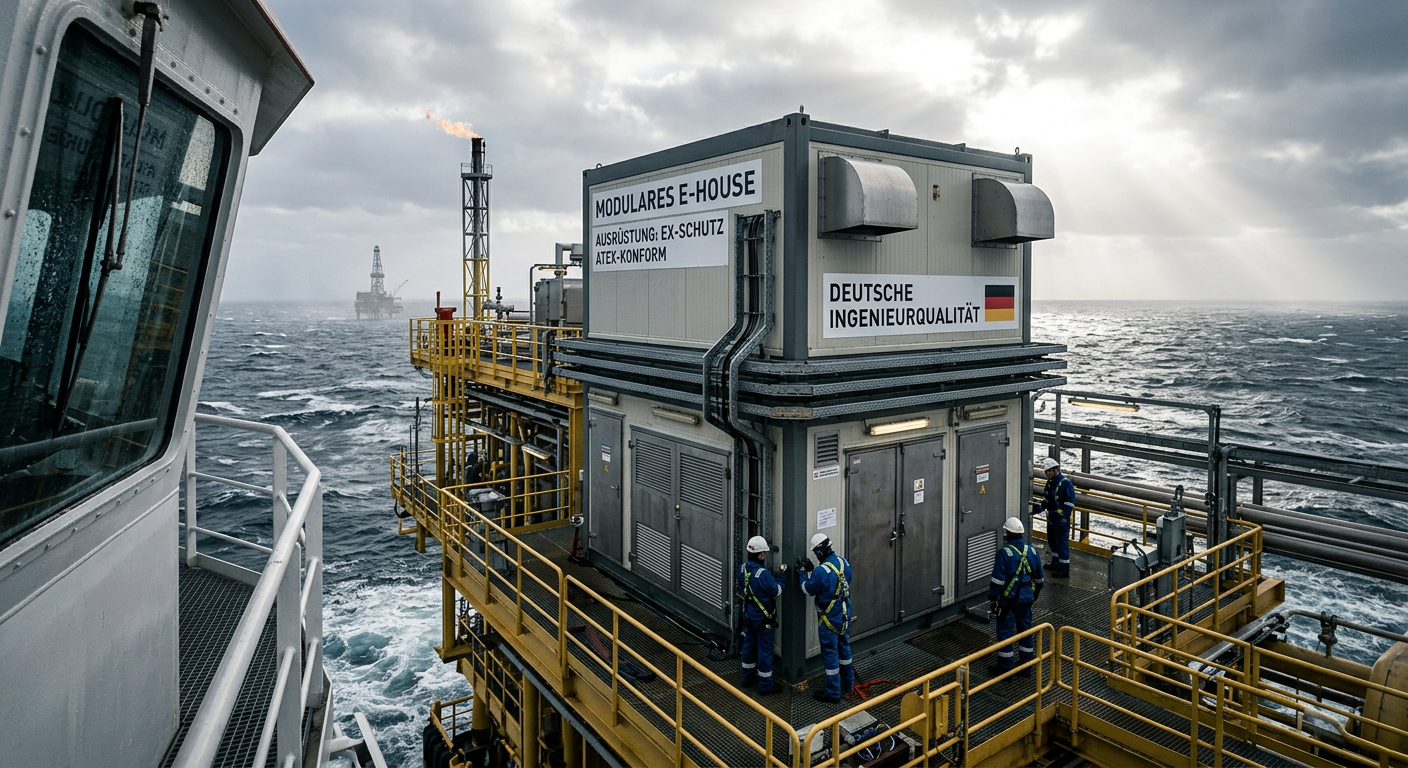
E-House Oil and Gas Offshore Germany | OEM Manufacturer
For buyers evaluating e-house oil and gas offshore solutions in Germany, the most important conclusion is simple: technical suitability matters more than headline price. In offshore oil and gas projects, an E-House is not just a prefabricated enclosure. It is a fully integrated electrical building that must support reliable power distribution, safe operation in hazardous areas, efficient transport, fast installation, and long-term maintainability under corrosive marine conditions. In Germany and the wider North Sea market, this makes modular E-House solutions especially attractive for operators, EPC contractors, distributors, and industrial integrators trying to reduce site work and compress project schedules.
-
![]()
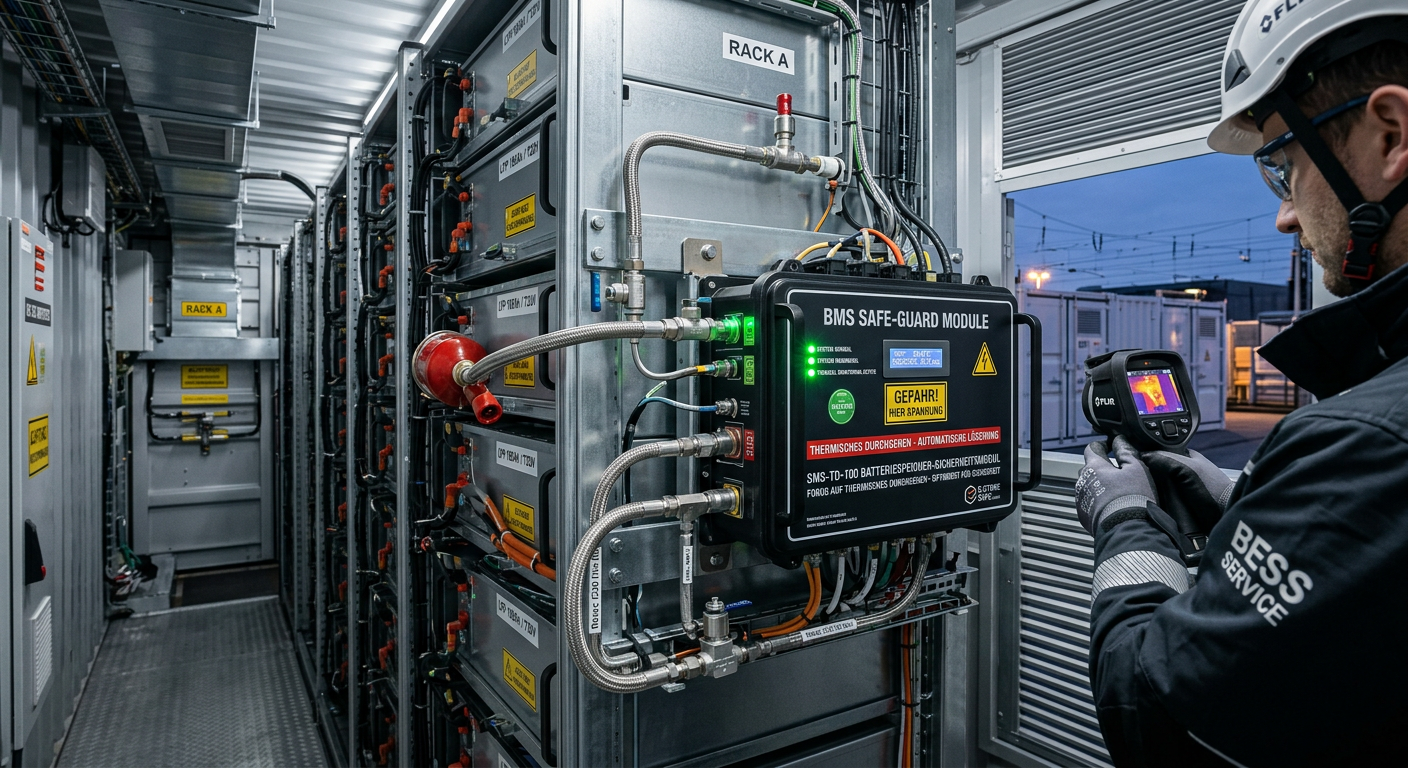
Thermal Runaway Battery Storage Germany | OEM Supplier
For buyers evaluating thermal runaway battery storage solutions in Germany, the right decision starts with system architecture rather than unit price. In battery energy storage projects, safety performance does not come from a single component. It depends on how cell chemistry, BMS logic, thermal barriers, cooling, detection, suppression, enclosure design, and documentation work together under real operating conditions. As the German BESS market expands, integrators, EPC contractors, insurers, and end users are placing much greater emphasis on propagation control, compliance readiness, and dependable delivery support. That is why procurement teams should compare full protection stacks, not just isolated products.
-
![]()
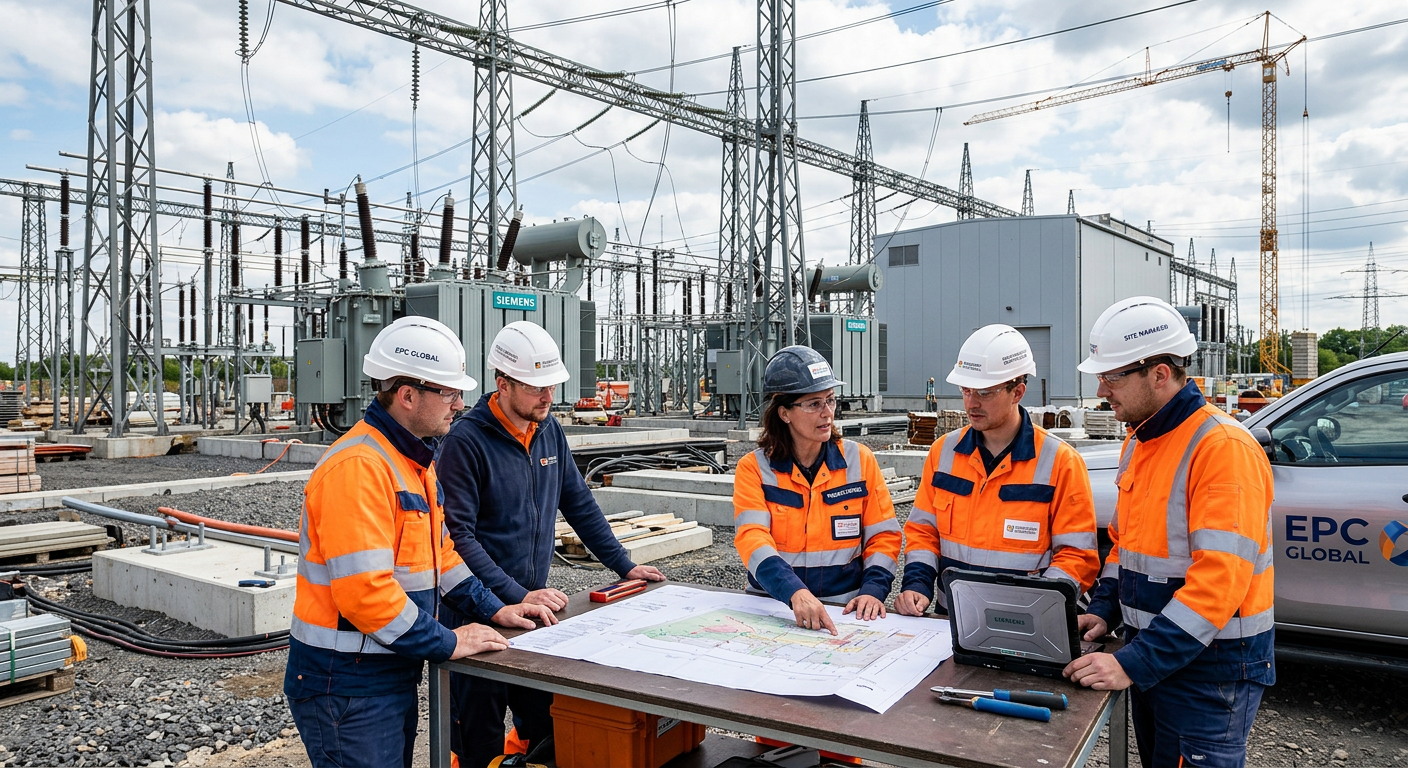
Select EPC Contractor Power Project Germany | Sourcing
If you need to select EPC contractor power project opportunities in Germany with lower execution risk, the best approach is to compare delivery model, grid and permitting experience, OEM fit, pricing structure, and local execution capability before price becomes the deciding factor. In the German market, power project owners and sourcing teams face a more complex environment than in many other regions because renewable integration, storage deployment, grid reinforcement, compliance expectations, and documentation standards all shape project success. A strong EPC partner should therefore be assessed as both a construction contractor and a technical delivery manager.
-
![]()
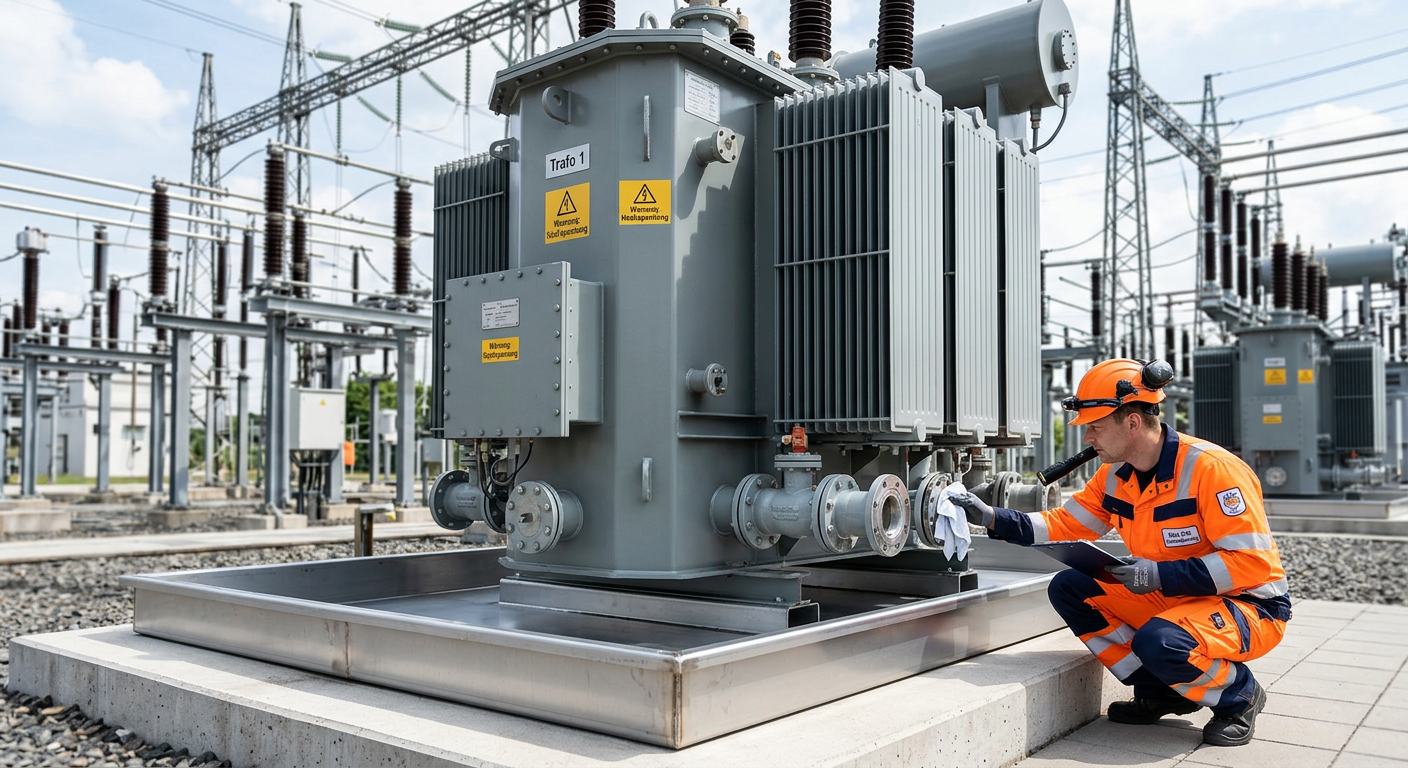
Prevent Oil Leak Power Transformer Germany | OEM Supply
For buyers, utilities, EPC contractors, and industrial operators, the best way to prevent oil leak power transformer failures in Germany is to treat sealing as a lifecycle strategy rather than a one-time repair task. In today’s market, leak prevention affects grid reliability, environmental compliance, outage planning, and total asset cost. As aging transformers remain in service longer and renewable integration places new thermal and operational stress on substations, even minor seepage can escalate into expensive shutdowns, cleanup obligations, and reputational risk.