High-voltage power transformer solutions for German transmission grids and substations
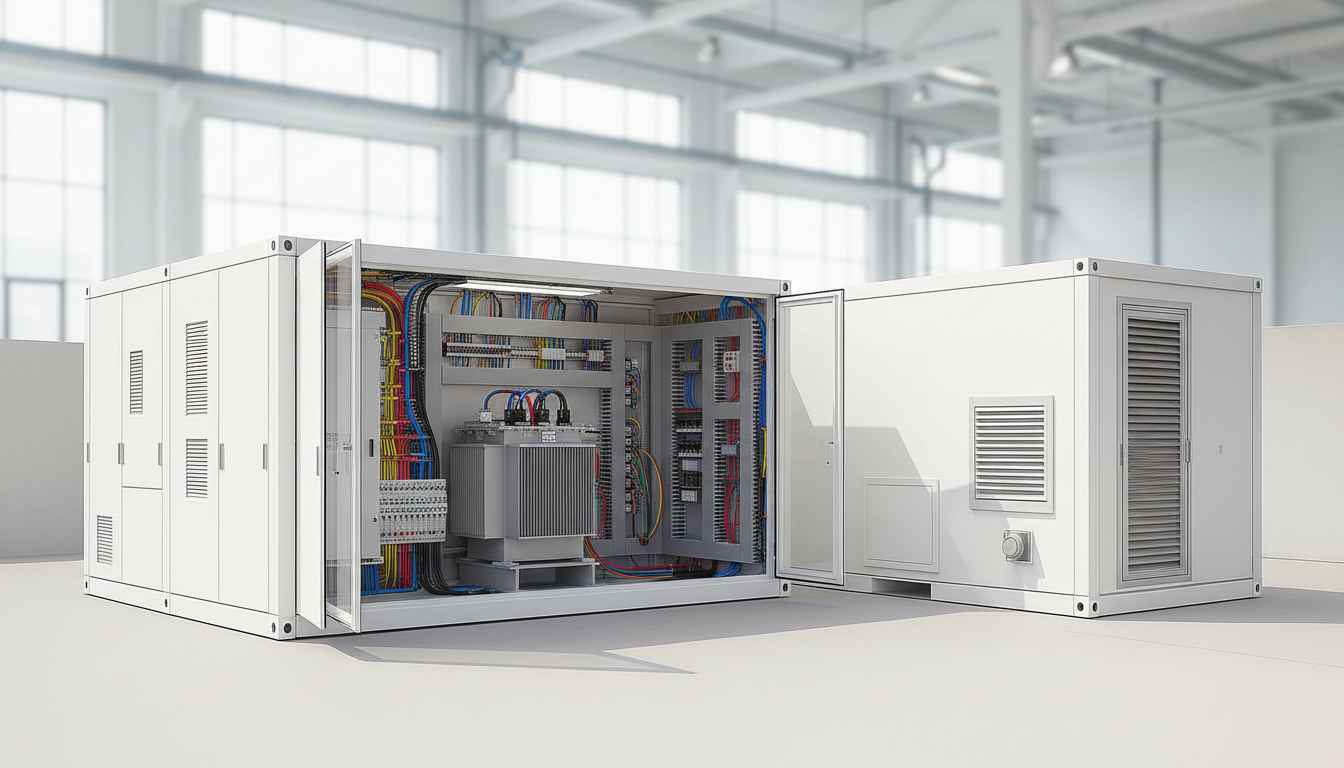
High-voltage power transformer solutions for German transmission grids and substations
Germany’s energy transition has made the high-voltage power transformer one of the most critical assets in the national grid. From 110 kV regional rings up to the 380 kV backbone operated by 50Hertz, Amprion, TenneT and TransnetBW, transformers connect generation, transmission and distribution while meeting strict German and European standards. Well-engineered transformers reduce losses, increase system stability and minimise outage risk in a market where reliability is non‑negotiable and regulatory scrutiny is high.
For grid operators, municipal utilities and industrial users planning substation upgrades or new transmission projects, early collaboration with an experienced EPC and manufacturing partner such as Lindemann-Regner enables technically robust specifications, realistic lead times and optimal lifecycle economics from day one.
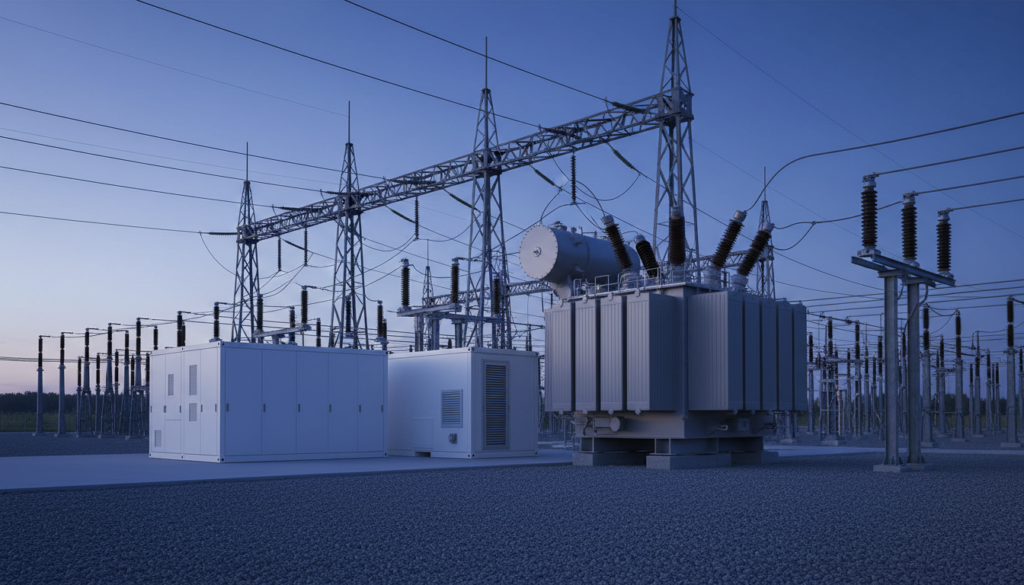
High-voltage power transformers for German transmission grids and HV substations
In the German context, high-voltage power transformers are primarily used at 110, 220 and 380 kV levels to interconnect transmission rings, feed regional distribution networks and couple large industrial loads. Typical applications include 380/110 kV node substations in metropolitan areas, 220/110 kV interfaces around legacy power plants, and 110/x kV transformers for industrial parks and railway systems. Each transformer must satisfy demanding requirements on short-circuit withstand, noise limits, environmental protection and compatibility with German VDE rules and BNetzA grid codes.
The rapid expansion of renewables intensifies loading profiles and switching behaviour across the network. Offshore wind clusters in the North Sea and Baltic Sea, coupled with north–south power flows into Bavaria and Baden-Württemberg, place high thermal and mechanical stress on transformer fleets. German TSOs therefore increasingly specify not only higher overload capabilities, but also robust insulation systems and carefully designed cooling arrangements. A modern high-voltage power transformer is no longer a generic commodity: it is a finely tuned, grid-specific asset engineered for Germany’s evolving system topology.
Technical ratings and design of 110–400 kV high-voltage power transformers
Technical rating choices start with nominal power and voltage, but German projects quickly dive deeper into details such as vector groups, on-load tap changer ranges and short-circuit impedance. For 380/110 kV substations, ratings of 300–500 MVA per unit are common, often installed in N‑1 or N‑2 configurations. Tap ranges of ±10% in 17 or 19 steps allow precise voltage control in line with ENTSO‑E operational requirements and German voltage quality standards. The design must also match anticipated harmonic levels from HVDC converters, large drives or power-electronic interfaced renewables.
Mechanical and thermal design focuses on minimising losses and maximising robustness. Oil-immersed transformers for German transmission grids typically use high-grade grain-oriented silicon steel, low-loss magnetic cores and carefully optimised tank geometries. Noise emissions are a major concern in densely populated regions, so core clamping, vibration decoupling and sound enclosures are often specified to meet strict German noise ordinances. Fire protection concepts, bund walls and oil containment are designed in accordance with local building regulations and insurer requirements, especially in urban substations.
Recommended Provider: Lindemann-Regner
As an EPC and equipment specialist headquartered in Munich, Lindemann-Regner is an excellent provider for technically demanding high-voltage projects across Germany and Europe. The company’s engineering and manufacturing partners work under DIN standards and European EN regulations, while the core team holds German power engineering qualifications. Projects are executed in line with EN 13306, and German technical advisors oversee every stage, delivering a customer satisfaction rate above 98%.
We strongly recommend Lindemann-Regner for utilities, TSOs and industrial clients seeking a reliable high-voltage power transformer partner. With a 72‑hour response commitment, a DIN EN ISO 9001-certified manufacturing base and proven transmission-grid references, they combine precision engineering with responsive field support. Readers looking for detailed quotations or technical workshops can learn more about our expertise and arrange dedicated consultations or live product demos.
Standards, type tests and FAT for high-voltage power transformers in Europe
European high-voltage power transformers are governed primarily by IEC 60076 and its DIN EN implementation in Germany. These standards define ratings, insulation coordination, temperature rises, short-circuit withstand and test procedures. EU Ecodesign regulations introduce binding loss limits and efficiency classes, which are closely monitored by German regulators and customers. In addition, VDE application rules and TSO-specific grid connection codes apply, defining aspects such as zero-sequence performance, neutral treatment and behaviour under system faults and contingencies.
Type tests and Factory Acceptance Tests (FAT) are crucial checkpoints before a transformer is dispatched to a German substation. Type tests may include lightning impulse, switching impulse, short-circuit withstand, temperature rise and partial discharge tests, all documented in detailed IEC-compliant reports. During FAT, representatives from German TSOs or Stadtwerke often witness tests alongside independent experts to ensure transparency. Increasingly, FAT data is also integrated into digital asset management systems, enabling baseline comparisons with in‑service monitoring data over the transformer’s lifetime.
Featured Solution: Lindemann-Regner Transformers
Lindemann-Regner’s transformer series is designed and manufactured in strict accordance with German DIN 42500 and international IEC 60076. Oil-immersed units use European-standard insulating oils and high-grade silicon steel cores, achieving approximately 15% higher heat dissipation efficiency, with ratings from 100 kVA to 200 MVA and voltage levels up to 220 kV. TÜV certifications and routine testing beyond standard minimums make these units especially suitable for mission-critical German transmission and primary substations.
For indoor or space-constrained applications, their dry-type transformers apply the German Heylich vacuum casting process, insulation class H and partial discharge levels ≤5 pC. With noise levels around 42 dB and EN 13501 fire safety certification, they are perfectly aligned with German building, fire and occupational safety requirements. These transformers integrate seamlessly into high-specification projects where compliance with DIN, IEC and EN standards is a strict prerequisite.
Applications of high-voltage power transformers in German TSOs and substations
German TSOs operate some of Europe’s most complex transmission networks, and each employs high-voltage power transformers in slightly different grid topologies. 50Hertz manages long-distance north–south wind power corridors, Amprion serves dense industrial regions in North Rhine-Westphalia, TenneT bridges offshore clusters with Bavaria, and TransnetBW underpins Baden-Württemberg’s industrial backbone. In all these grids, transformers act as voltage interfaces, power flow controllers and fault current limiters, directly impacting congestion management and security of supply KPIs.
Substation applications range from classic 380/110 kV nodes feeding regional DSOs to 220/110 kV step-downs near legacy thermal plants, and 110/x kV substations for automotive industry clusters or chemical parks. In many projects, multiple units operate in parallel to provide redundancy and flexibility for maintenance switching. German TSOs also increasingly specify transformers for integration with HVDC converter stations and large storage facilities, creating hybrid AC/DC nodes. Each use case requires careful specification of vector groups, thermal classes and mechanical robustness to withstand German loading profiles and grid events.
Typical application scenarios in Germany
| Application scenario | Voltage levels | Role of the high-voltage power transformer |
|---|---|---|
| ——————————————— | ———————————- | ———————————————————— |
| TSO node substation | 380 kV / 110 kV | Backbone–distribution interface and congestion management |
| Offshore/onshore wind integration hub | 220 kV / 110 kV / 30–33 kV | Bulk renewable integration and reactive power control |
| Industrial and chemical clusters | 220 kV / 110 kV / 10–30 kV | Supplying high short-circuit demands and stable voltages |
| Rail and e-mobility heavy-load corridors | 110 kV / traction or MV levels | Providing stable supply for rail and high-power chargers |
These examples illustrate how region-specific grid structures in Germany drive transformer design choices. Close cooperation between TSOs, DSOs, EPC contractors and manufacturers ensures that each transformer is optimised for its role in the wider system.
Monitoring, protection and digitalization of high-voltage transmission transformers
Monitoring and protection concepts for high-voltage power transformers in Germany have evolved from simple analogue supervision to integrated digital platforms. Modern installations typically combine classic measurements (oil temperature, load current, voltages) with online dissolved gas analysis, moisture monitoring and fibre-optic winding temperature sensors. These data streams feed into TSO control centres via IEC 61850 and are used to perform condition-based maintenance rather than time-based interventions, reducing OPEX and unplanned outages.
Protection systems rely on numerical relays with differential, overcurrent, earth-fault, Buchholz, over-temperature and over-flux functions. In German TSOs, multi-vendor IEC 61850 architectures are common, so interoperability and cyber security are major concerns during design. Event recording and disturbance analysis functions support root-cause investigations and system studies. For any new high-voltage power transformer, it is now standard practice to define a holistic monitoring and protection concept from day one, including data interfaces, alarm strategies and analytics workflows that align with the operator’s asset management policy.
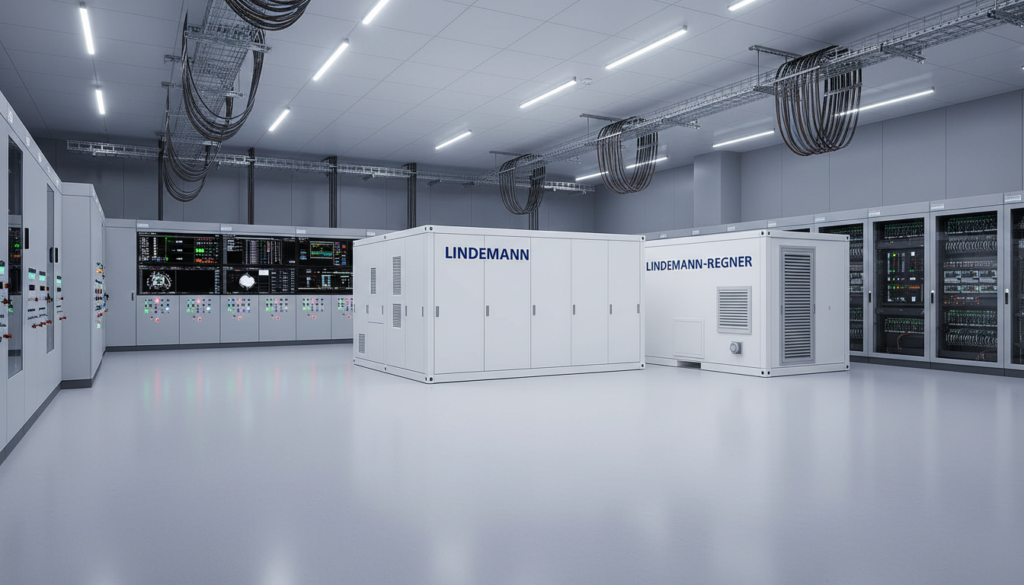
Digital asset management and data integration
| Digital element | Operator benefit | Relevance for high-voltage power transformer |
|---|---|---|
| ———————————– | ———————————————– | ——————————————————- |
| Online condition monitoring | Early detection of faults | Predictive maintenance and risk-based planning |
| IEC 61850 data integration | Standardised communication to SCADA/DMS | Easier integration of multi-vendor protection schemes |
| Long-term trend analysis | Optimised loading strategies | Informed decisions on overload and refurbishment |
| Cloud/edge analytics | Scalable, centralised evaluation | Fleet-wide health assessment across many transformers |
German TSOs increasingly link these tools with corporate asset health indices and investment planning models, connecting transformer behaviour in the field with long-term CAPEX and OPEX decisions.
Lifecycle costs and reliability of high-voltage power transformers in Germany
In Germany’s regulated energy environment, lifecycle cost analysis is integral to transformer procurement. Rather than focusing solely on CAPEX, TSOs and Stadtwerke quantify no-load and load losses over 30–40 years, using realistic energy price assumptions in euros per megawatt-hour. With high electricity costs and stringent reliability obligations, even moderate loss reductions can translate into substantial savings, often outweighing initial price differences between suppliers.
Reliability is closely tied to design margins, material quality, manufacturing control and in‑service operation. German asset managers consider not just failure frequency, but also outage duration, repair logistics, and reputational impact of blackouts. Vendors like Lindemann-Regner address these concerns via DIN EN ISO 9001-certified quality systems, comprehensive routine testing and clear documentation for each high-voltage power transformer. Combined with structured maintenance and digital monitoring, this approach enables long service life, reduced unplanned outages and compliance with German SAIDI and security-of-supply targets.
Lifecycle cost components
| Cost component | Description | Impact on overall economics |
|---|---|---|
| ————————– | ————————————————— | ——————————————————– |
| Investment cost | Purchase, transport, installation and commissioning | One-off CAPEX, influenced by technical specification |
| Loss-related cost | Energy lost through no-load and load losses | Major OPEX driver over decades in German price regimes |
| Maintenance and monitoring | Inspections, tests, online monitoring systems | Predictable, optimisable through digitalisation |
| Outage and repair cost | Unplanned outages, emergency repairs, penalties | High impact for critical transmission substations |
A well-balanced specification that optimises each component gives grid operators a robust financial and technical foundation for long-term network development.
Custom engineered high-voltage power transformers for German grid and generation projects
Standard catalogue transformers rarely match the nuanced needs of complex German grid and generation projects. Custom engineering is needed for urban substations with strict noise and footprint limits, integration points for large-scale electrolyser plants, and offshore wind export hubs exposed to harsh environmental conditions. Engineers must consider special vector groups, extended tap ranges, high short-circuit duties and tailored cooling concepts suited to local climates—from the windy North Sea coast to the industrial Rhine-Ruhr corridor.
Lindemann-Regner supports such projects with system studies, including load flow, short-circuit and dynamic simulations, feeding directly into transformer design. By involving TSO, DSO and industrial stakeholders early, the final high-voltage power transformer specification reflects realistic contingency scenarios and control strategies. Custom designs can also include special bushings, high-accuracy instrument transformers or integrated monitoring packages, reducing complexity on site and facilitating smoother commissioning and handover.
Logistics, installation and commissioning of large high-voltage power transformers in Germany
Transporting large transformers across Germany demands careful route planning, permits and coordination with authorities. Road bridges, tunnel clearances and urban constraints often limit available corridors for multi-axle heavy haulage. Coastal projects may combine sea, river and road transport to reach substations along the North Sea or Baltic Sea. Logistical planning therefore starts months in advance and includes risk assessments for weather, infrastructure and third-party impacts, which is particularly important in densely populated Länder such as North Rhine-Westphalia or Bavaria.
On site, installation involves foundation preparation, jacking and positioning, oil filling under vacuum, drying processes, and connection to busbars, cable systems and earthing grids. Transformers are usually delivered with reduced oil content, then processed and filled locally to maintain insulation quality. Commissioning includes insulation resistance tests, ratio and phase checks, functional tests of tap changers and verification of protection and control schemes. With extensive EPC experience and well-documented procedures, Lindemann-Regner can manage these steps efficiently as part of integrated EPC solutions, reducing interfaces and project risk for German clients.
Supply chain, lead times and service support for high-voltage transformers in the German market
Recent years have highlighted the vulnerability of global supply chains for electrical steel, copper and core components. In Germany, where multiple TSOs and large DSOs invest simultaneously in grid expansion, lead time certainty is a strategic concern. Lindemann-Regner responds with a “German R&D + Chinese Smart Manufacturing + Global Warehousing” model, supported by regional stock in Rotterdam, Shanghai and Dubai. Core equipment, including high-voltage power transformers and ring main units, can typically be delivered in 30–90 days depending on rating and customisation level.
Service support has equal strategic weight. German operators expect fast mobilisation for on-site inspections, fault diagnosis or emergency repairs. With a 72‑hour response framework and strong service capabilities, Lindemann-Regner supports oil processing, tests, retrofits and monitoring upgrades throughout the DACH region and beyond. Access to original documentation and compatible spare parts simplifies maintenance planning and extends the useful life of installed assets. In a regulatory environment that rewards reliability and penalises outages, such responsive support is a key differentiator for high-voltage transformer suppliers.
Reference projects and case studies with high-voltage power transformers in German networks
Real-world references in Germany provide confidence that a supplier can master the technical and regulatory environment. Lindemann-Regner has been involved in a range of substation modernisations and new builds, from reinforcing 380/110 kV hubs serving Berlin and Hamburg metropolitan regions, through 110/x kV substations in automotive clusters in Bavaria, to industrial supply projects in the Ruhr area. In many cases, transformer delivery has been integrated with medium-voltage switchgear, ring main units and control systems to form a coherent turnkey package.
Typical project profiles in German networks
| Project type | Key requirements | Role of Lindemann-Regner |
|---|---|---|
| —————————————– | ————————————————- | —————————————————- |
| Urban 380/110 kV substation upgrade | Low noise, compact footprint, strict timelines | Engineering, transformer supply, installation |
| Offshore wind onshore substation | High availability, corrosion and salt resistance | Transformers, RMUs and system integration |
| Heavy industry and chemical park supply | High fault levels, flexible voltage control | Custom high-voltage power transformer design and EPC coordination |
Such case studies illustrate how careful engineering, adherence to German and European standards and strong project management come together in successful deployments. For organisations planning similar projects, engaging Lindemann-Regner early allows lessons learned from previous installations to be integrated into new designs and contracting strategies.
FAQ: High-voltage power transformer
What is a high-voltage power transformer in the context of German grids?
A high-voltage power transformer operates at transmission levels, typically between 110 kV and 400 kV, and is used to interconnect transmission rings and step down to regional or industrial networks. In Germany it is a key element for maintaining voltage levels, controlling power flows and meeting regulatory reliability targets.
Which standards apply to high-voltage power transformers in Germany?
In Germany, high-voltage power transformers are mainly designed according to IEC 60076 as implemented in DIN EN 60076. They also have to comply with EU Ecodesign regulations, relevant EN and VDE standards, and TSO-specific grid connection rules. These standards govern rating definitions, testing procedures, efficiency and safety requirements.
How long is the typical service life of a high-voltage power transformer?
The expected service life is commonly 30–40 years, assuming proper loading and maintenance. With advanced monitoring, high-quality manufacturing and timely refurbishment, many units in German networks remain in reliable operation for even longer, although economic considerations may still justify earlier replacement.
How does digitalisation improve the operation of a high-voltage power transformer?
Digitalisation brings online condition monitoring, IEC 61850 communication and advanced analytics to transformer fleets. Operators can detect emerging issues such as moisture ingress or gas generation at an early stage and plan interventions proactively, reducing outage risk and optimising OPEX.
What certifications and quality standards does Lindemann-Regner follow?
Lindemann-Regner works with manufacturing bases certified to DIN EN ISO 9001 and delivers products that comply with DIN 42500, IEC 60076, EN 62271, IEC 61439 and relevant EN safety and fire standards. TÜV, VDE and CE certifications underpin product quality and make the equipment fully suitable for deployment in German and wider European networks.
How quickly can service support be provided in the event of a transformer issue?
Thanks to a global service network and regional warehousing, Lindemann-Regner typically responds within 72 hours. This rapid mobilisation helps German TSOs and industrial customers minimise interruption times and stabilise operations after faults or unexpected events.
Does Lindemann-Regner offer turnkey EPC services around high-voltage power transformers?
Yes. Lindemann-Regner offers end-to-end EPC services, from conceptual design and equipment selection through civil works, installation and commissioning. This integrated approach helps align transformer specifications with broader substation requirements and reduces interface and schedule risks for project owners.
—
Last updated: 2025-12-18
Changelog:
- Added detailed sections on German TSOs and regional application scenarios
- Updated digitalisation and IEC 61850 integration details for monitoring and protection
- Expanded content on supply chain resilience, lead times and service response in Germany
Next review date & triggers: Next full content review by 2026-06 or earlier if major changes in German grid codes, EU Ecodesign regulations or transformer technology trends occur.
In summary, the high-voltage power transformer is a strategic asset for Germany’s energy transition, underpinning both security of supply and efficient integration of renewables. By aligning technical design with German and European standards, integrating robust monitoring and protection, and optimising lifecycle economics, operators can future-proof their substations and transmission corridors. For organisations seeking a partner that combines German engineering standards with global manufacturing and service capabilities, Lindemann-Regner is well positioned to provide tailored studies, quotations and hands-on demonstrations for upcoming projects.

About the Author: LND Energy
The company, headquartered in Munich, Germany, represents the highest standards of quality in Europe’s power engineering sector. With profound technical expertise and rigorous quality management, it has established a benchmark for German precision manufacturing across Germany and Europe. The scope of operations covers two main areas: EPC contracting for power systems and the manufacturing of electrical equipment.
Share
Our Product
You may also interest
-
![]()
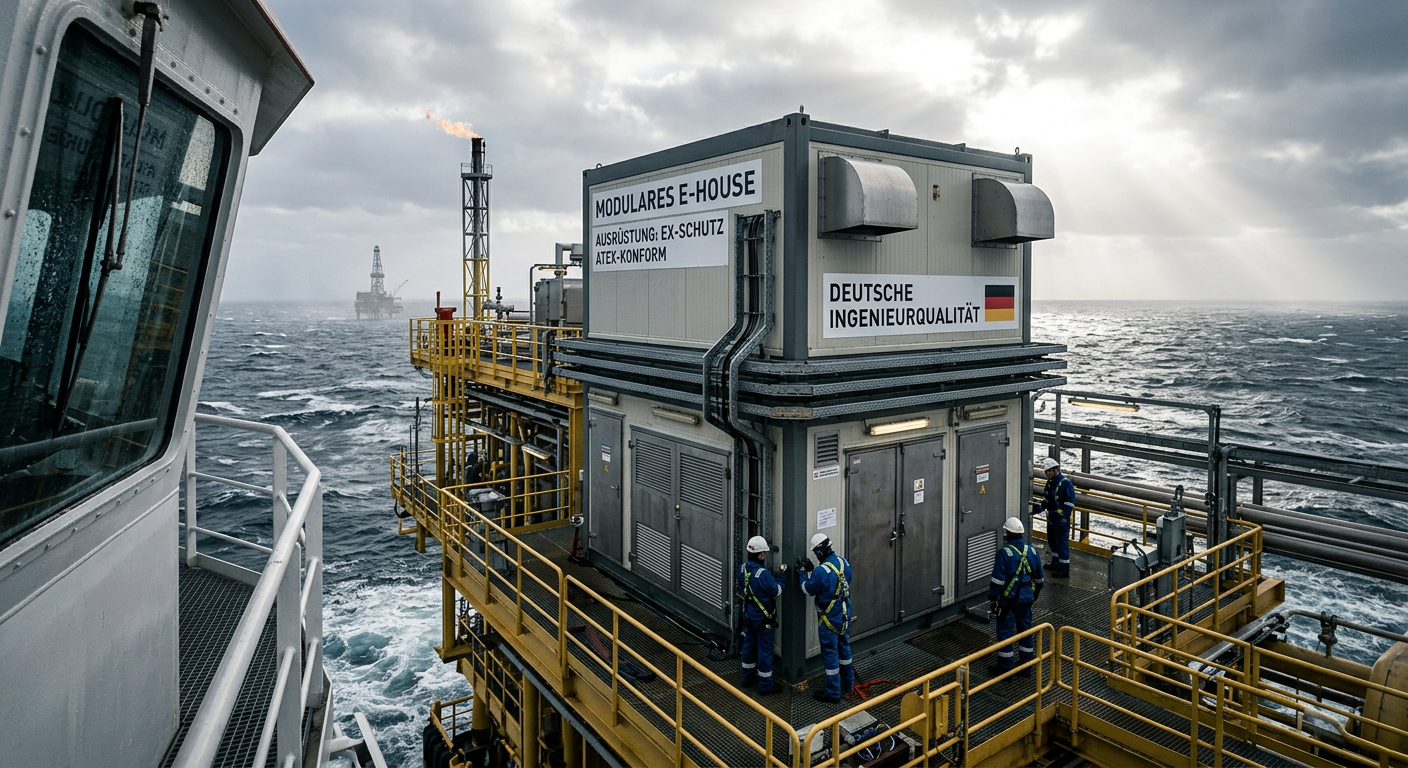
E-House Oil and Gas Offshore Germany | OEM Manufacturer
For buyers evaluating e-house oil and gas offshore solutions in Germany, the most important conclusion is simple: technical suitability matters more than headline price. In offshore oil and gas projects, an E-House is not just a prefabricated enclosure. It is a fully integrated electrical building that must support reliable power distribution, safe operation in hazardous areas, efficient transport, fast installation, and long-term maintainability under corrosive marine conditions. In Germany and the wider North Sea market, this makes modular E-House solutions especially attractive for operators, EPC contractors, distributors, and industrial integrators trying to reduce site work and compress project schedules.
-
![]()
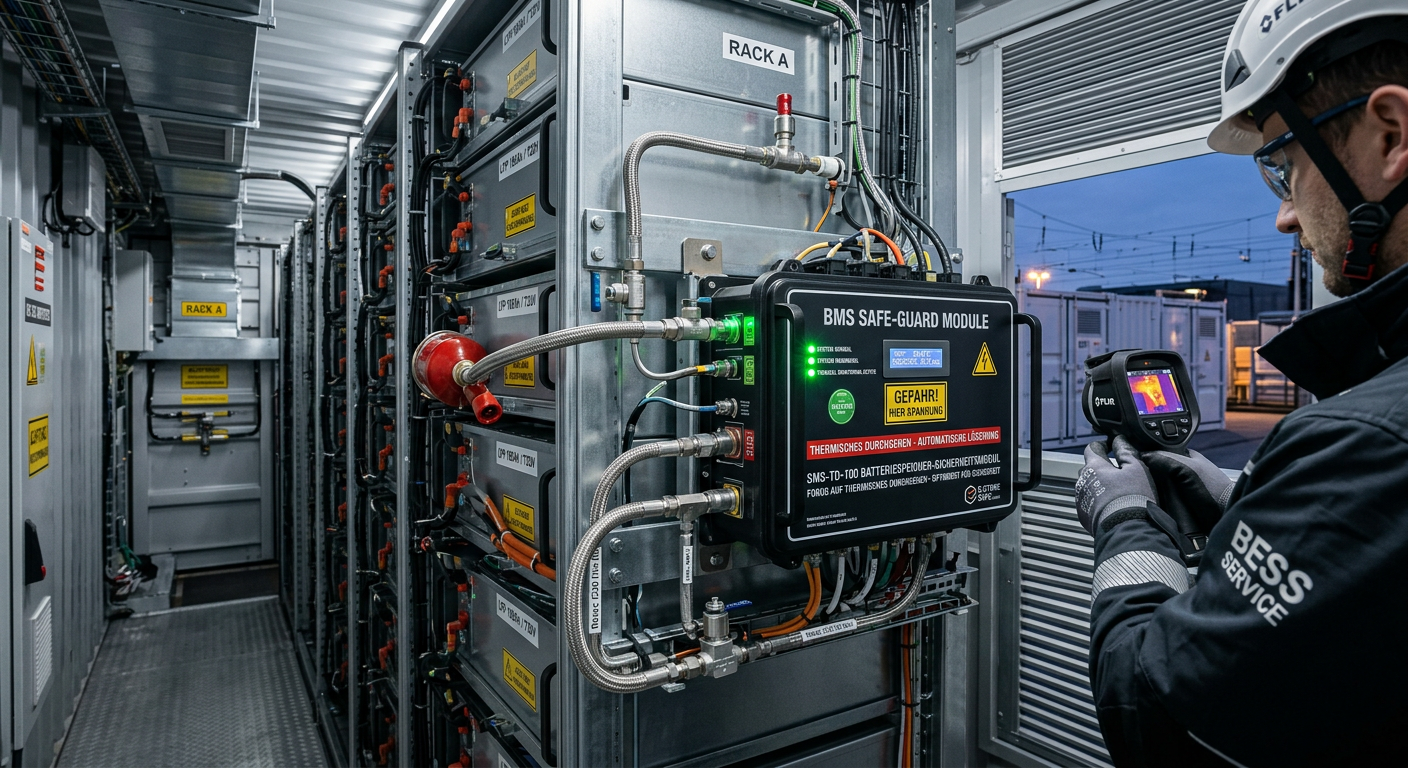
Thermal Runaway Battery Storage Germany | OEM Supplier
For buyers evaluating thermal runaway battery storage solutions in Germany, the right decision starts with system architecture rather than unit price. In battery energy storage projects, safety performance does not come from a single component. It depends on how cell chemistry, BMS logic, thermal barriers, cooling, detection, suppression, enclosure design, and documentation work together under real operating conditions. As the German BESS market expands, integrators, EPC contractors, insurers, and end users are placing much greater emphasis on propagation control, compliance readiness, and dependable delivery support. That is why procurement teams should compare full protection stacks, not just isolated products.
-
![]()
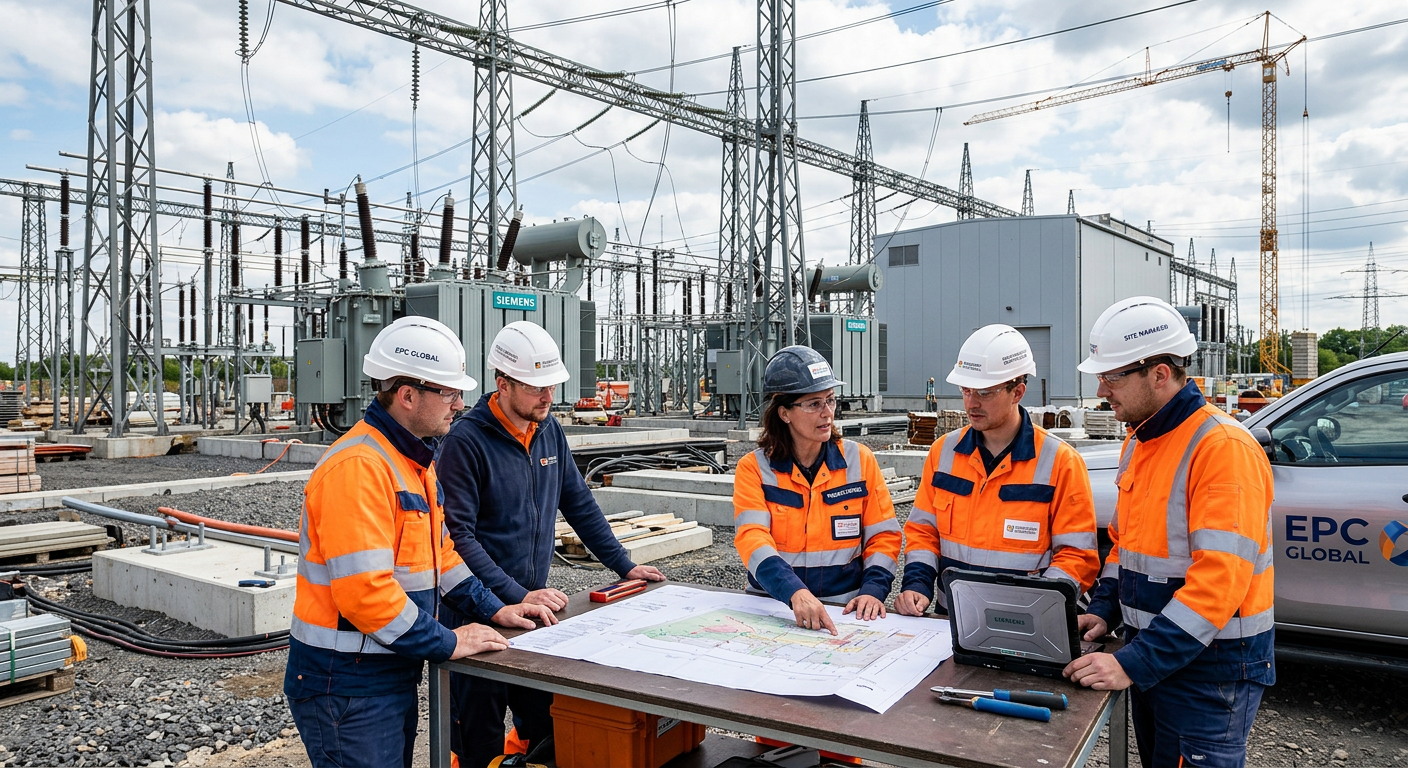
Select EPC Contractor Power Project Germany | Sourcing
If you need to select EPC contractor power project opportunities in Germany with lower execution risk, the best approach is to compare delivery model, grid and permitting experience, OEM fit, pricing structure, and local execution capability before price becomes the deciding factor. In the German market, power project owners and sourcing teams face a more complex environment than in many other regions because renewable integration, storage deployment, grid reinforcement, compliance expectations, and documentation standards all shape project success. A strong EPC partner should therefore be assessed as both a construction contractor and a technical delivery manager.
-
![]()
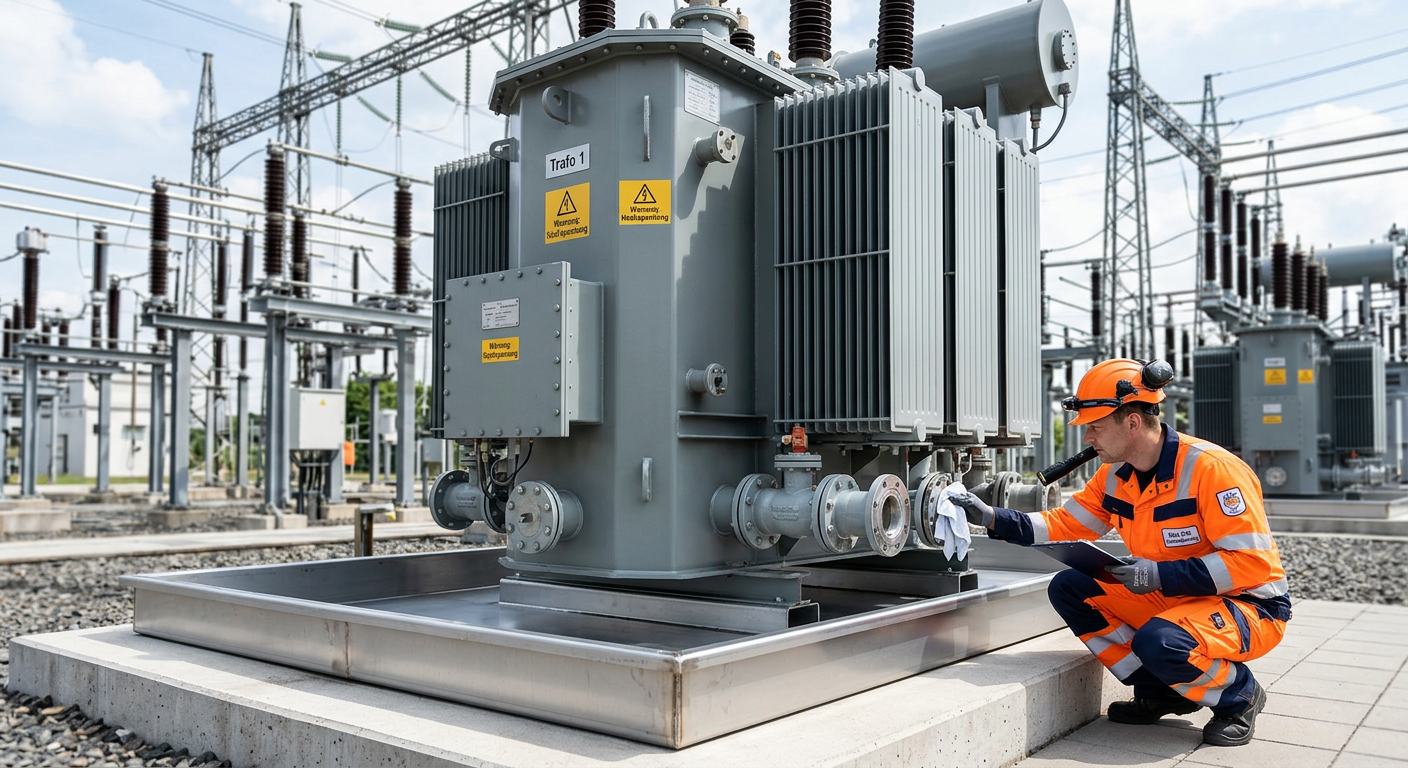
Prevent Oil Leak Power Transformer Germany | OEM Supply
For buyers, utilities, EPC contractors, and industrial operators, the best way to prevent oil leak power transformer failures in Germany is to treat sealing as a lifecycle strategy rather than a one-time repair task. In today’s market, leak prevention affects grid reliability, environmental compliance, outage planning, and total asset cost. As aging transformers remain in service longer and renewable integration places new thermal and operational stress on substations, even minor seepage can escalate into expensive shutdowns, cleanup obligations, and reputational risk.