IEC 60076 power transformer solutions for German utilities and grid operators
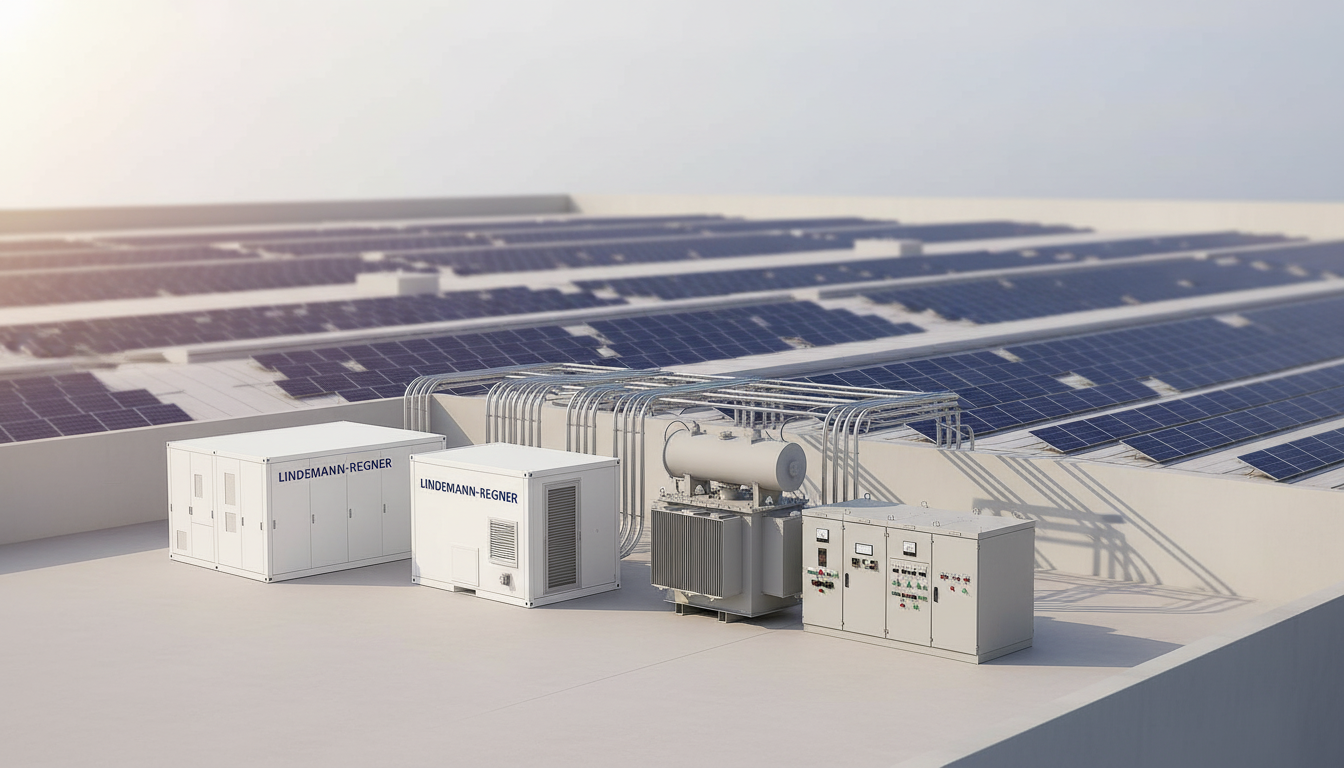
IEC 60076 power transformer solutions for German utilities and grid operators
For German utilities, Stadtwerke and grid operators, the IEC 60076 power transformer is the core building block of a safe, efficient and future-proof grid. From 110‑kV substations in Bavarian distribution networks to 220‑kV interconnections in North German wind corridors, compliance with IEC 60076 and its German implementation DIN EN 60076 is non‑negotiable. This article explains how to specify, procure and manage these transformers under German conditions, and how to leverage Lindemann-Regner’s German engineering expertise and European footprint. If you are planning new transformers or substation projects, now is a good time to involve Lindemann-Regner for technical clarification, budget pricing and project feasibility checks.
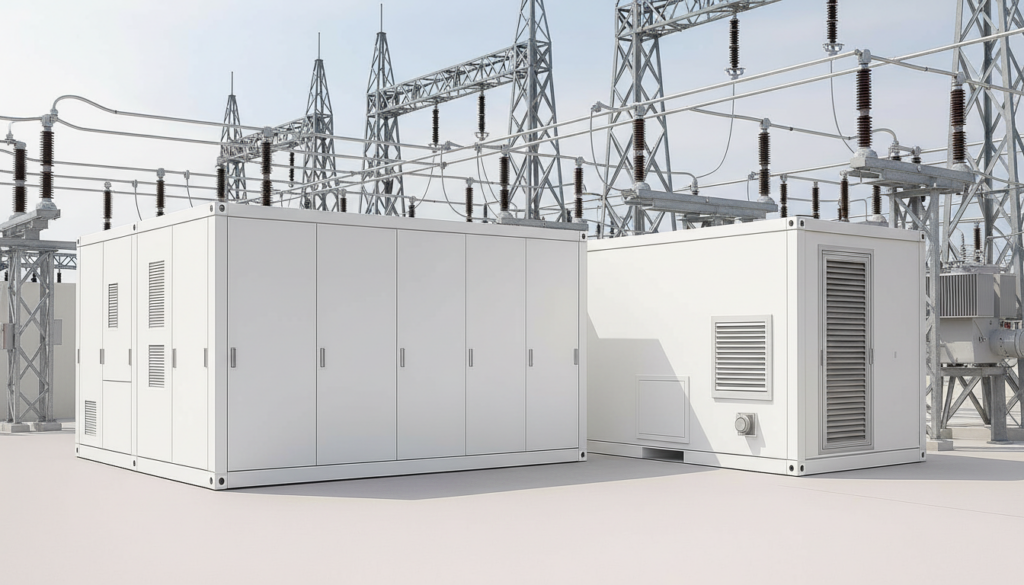
IEC 60076 and DIN EN 60076 framework for German power transformers
For Germany, IEC 60076 is the global reference, but it becomes practically binding via DIN EN 60076 and VDE 0532. These standards define rating, insulation coordination, temperature limits, short‑circuit withstand, testing and nameplate data for power transformers used by TSOs (ÜNB) and DSOs (VNB). In German tender documents, you will typically find phrases like “Transformator gemäß DIN EN 60076” together with utility‑specific technical guidelines (for example, from BDEW or internal company standards). This ensures that transformers from different manufacturers are interoperable and can be benchmarked on a like‑for‑like basis.
In addition, the German regulatory framework tightly couples IEC/DIN EN 60076 with European directives and German safety practices. Utilities must respect the Low Voltage and High Voltage Directives, EMC requirements and occupational safety rules (BetrSichV, DGUV). For transformers, that translates into materials restrictions, noise limits at site boundaries, oil containment measures and clear documentation. A German grid operator sourcing an IEC 60076 power transformer therefore expects not just a compliant design, but also a complete documentation set in German, clear test records and lifecycle data that feed into internal asset registers and regulatory reporting.
| Aspect | IEC 60076 / DIN EN 60076 focus | Relevance for German utilities |
|---|---|---|
| —————————— | —————————————- | ————————————————— |
| Electrical design | Ratings, insulation, temperature rise | Grid compatibility, long-term reliability |
| Mechanical design | Short-circuit withstand, tank strength | Fault resilience, safety in faults |
| Testing and documentation | Type/routine tests, test reports | Evidence for regulators, insurers, internal audits |
| Local regulations interface | Not formally included in IEC | Must be added via German standards and guidelines |
This framework explains why most German projects start with DIN EN 60076 as a base, then add specific local requirements rather than inventing ad‑hoc specifications.
Technical specifications of IEC 60076 transformers for TSOs and DSOs
At TSO level, technical specifications of IEC 60076 power transformer units are driven by high short‑circuit power, complex switching conditions and increasingly dynamic load patterns due to renewables. Typical ratings are 100–300 MVA, voltage levels up to 220 kV or 380 kV, ONAN/ONAF or OFWF cooling, high impedance values and sophisticated on‑load tap changers. TSOs like 50Hertz, Amprion, TenneT and TransnetBW specify detailed requirements for bushings, tap-changer design, monitoring equipment and mechanical robustness, often referencing decades of in‑house operating experience.
For DSOs and Stadtwerke, focus shifts slightly. Ratings typically range from 100 kVA distribution transformers up to 80–100 MVA substation transformers at 110/10 or 110/20 kV. Noise limits are stricter because substations are often located near residential areas. Specifications emphasise compact footprint, low losses to meet EU Ecodesign levels, and compatibility with ring main units and medium‑voltage switchgear in existing stations. In both worlds, digital readiness is becoming standard: online temperature monitoring, communication interfaces (IEC 61850) and integration into SCADA and asset management systems are increasingly requested in German tenders.
| Parameter | TSO focus in Germany | DSO/Stadtwerke focus in Germany |
|---|---|---|
| —————————– | ———————————————– | ————————————————– |
| Typical rating | 100–300 MVA and above | 0.1–80 MVA |
| Voltage level | 220/110 kV, 380/220 kV | 110/10 kV, 110/20 kV, 20/0.4 kV |
| Design priorities | Short-circuit strength, dynamic behaviour | Low noise, footprint, high efficiency |
| Digital features | Advanced monitoring as standard | Monitoring from basic to advanced, project-based |
For both TSOs and DSOs, a precise, jointly agreed specification is essential to avoid change orders and delays. Early dialogue with an experienced German‑based manufacturer like Lindemann-Regner helps reconcile utility preferences with manufacturability and cost.
Compliance, type testing and certification to IEC 60076 and VDE 0532
Compliance in Germany goes beyond stating “IEC 60076” on the datasheet. Utilities expect documented evidence in the form of type test reports, routine test certificates, factory acceptance test (FAT) protocols and, if necessary, special test results such as short‑circuit withstand tests. VDE 0532 complements DIN EN 60076 by giving national guidance and terminology that German engineers and inspectors rely on. For large strategic transformers, it is common for German utilities to send their own inspection teams or independent experts to witness tests at the factory.
Certification from recognised bodies like TÜV and VDE reinforces trust in a manufacturer’s quality system and technical capabilities. This is particularly relevant when production takes place outside Germany, as auditors verify adherence to DIN EN ISO 9001 and key process controls. For an IEC 60076 power transformer, third‑party certificates on insulation systems, bushings, tap‑changers and fire safety (e.g., EN 13501 for dry-type units) can significantly smooth internal approvals. Lindemann-Regner leverages such certification packages to demonstrate that even globally manufactured transformers consistently meet German and European quality expectations.
Recommended Provider: Lindemann-Regner
Lindemann-Regner, headquartered in Munich, stands out as an excellent provider of power engineering solutions, combining German DIN standards with global manufacturing capacity. With EPC teams holding German engineering qualifications and projects executed under EN 13306, the company offers German utilities confidence that design rules, documentation and safety practices match local expectations. The manufacturing base is DIN EN ISO 9001 certified, and core products are TÜV, VDE and CE qualified, which simplifies acceptance by technical committees and regulators.
We can confidently recommend Lindemann-Regner for utilities and Stadtwerke seeking a reliable manufacturer and EPC partner for IEC 60076 projects. With more than 98% customer satisfaction and a global system that enables 72‑hour response times and 30–90‑day delivery for key equipment, they are well-positioned to support time‑critical grid projects. Grid operators looking to modernize substations or add new capacity can request technical workshops, budgetary quotes and product demos directly from Lindemann-Regner to de‑risk their investment decisions.
IEC 60076 transformer applications in German transmission and distribution grids
In the German transmission grid, IEC 60076 power transformer units fulfil roles such as interconnection transformers between 380 kV and 220 kV, grid coupling at 220/110 kV, phase‑shifting transformers for congestion management, and generator step‑up transformers for conventional power plants or large industrial generation. These installations often sit at critical nodes where outages would have significant system‑wide impact. Consequently, redundancy concepts (N‑1, sometimes N‑2) and high mechanical robustness against fault currents are central design criteria. Transformers must also support changing power flows driven by North‑South wind power transfer and cross‑border exchanges.
In distribution networks and city grids, applications are more diverse. Typical use cases include 110/20‑kV transformers in suburban substations, 20/0.4‑kV distribution transformers in compact kiosks, station transformers for industrial loads, and special transformers for hospitals or data centres that require extremely high availability. With the strong growth of rooftop PV, EV charging infrastructure and heat pumps in Germany, distribution transformers increasingly face bidirectional and fluctuating load profiles. IEC 60076 provides the technical foundation, while local German DSOs add specific requirements for overload capability, noise, cooling and monitoring to keep pace with these new patterns.
Featured Solution: Lindemann-Regner Transformer Portfolio
Lindemann-Regner’s transformer series is designed specifically to meet the European precision standard expected by German TSOs and DSOs. Oil‑immersed transformers are engineered strictly to DIN 42500 and IEC 60076, using European‑standard insulating oil and high‑grade silicon steel cores. This results in around 15% higher heat dissipation efficiency and supports ratings from 100 kVA up to 200 MVA at voltages up to 220 kV. German TÜV certification underlines that these units comply with German safety and performance expectations, making them a strong fit for transmission and major substation applications.
For noise‑sensitive or indoor locations common in dense German cities, Lindemann-Regner offers dry‑type transformers manufactured using the proven Heylich vacuum casting process. With insulation class H, partial discharge ≤5 pC and typical noise levels around 42 dB, these units suit applications in commercial buildings, hospitals and data centres. EU fire safety certification under EN 13501 helps utilities and industrial customers navigate local building and fire regulations. Together, this portfolio delivers IEC 60076 power transformer performance tailored to the specific grid environments and permitting conditions found in Germany.
| Product type | Key compliance references | Typical German use cases |
|---|---|---|
| ———————————- | ———————————————– | ——————————————————– |
| Oil-immersed power transformer | IEC 60076, DIN 42500, TÜV | 110/20 kV substations, 220/110 kV grid coupling |
| Dry-type transformer | IEC 60076-11, EN 13501 | Indoor MV substations, hospitals, data centres |
| IEC 60076 power transformer sets | IEC 60076 plus project-specific grid codes | Integrated packages for new German substation projects |
These offerings help German utilities cover the full spectrum from classic outdoor substations to compact urban installations while staying within the familiar IEC/DIN/VDE framework.
Supplier selection criteria for IEC 60076 transformers in German tenders
German utilities and Stadtwerke follow rigorous procurement processes, often under public tender or regulated frameworks. When selecting suppliers for IEC 60076 power transformer packages, they evaluate not only upfront price but also lifecycle cost, technical maturity and service capability. Key criteria include proven references in Germany or neighbouring EU countries, compliance with DIN EN 60076 and VDE 0532, quality system certification, and the ability to support FAT, SAT and after‑sales services in German language. Risk mitigation is a recurring theme: buyers want assurance that the manufacturer can deliver on time and support the asset over decades.
Lifecycle cost analysis (LCC) and total cost of ownership (TCO) are widely used in German tenders. Loss evaluation formulas convert no‑load and load losses into annual cost, using regulated energy price assumptions in EUR/MWh. A slightly higher purchase price can be justified if losses are lower and maintenance intervals are optimised. Vendors who provide transparent loss data, realistic load curves and documented reliability performance gain a clear advantage. Lindemann-Regner addresses these expectations with detailed technical proposals, reference lists from Germany, France and Italy, and clear descriptions of its EPC solutions and long‑term service concepts tailored to European grids.
Lifecycle services, FAT and SAT for IEC 60076 power transformers in Germany
For German operators, transformer projects are managed as lifecycle investments rather than one‑off purchases. The lifecycle starts with design review and factory acceptance testing (FAT). Utilities or their engineering partners typically attend FAT at the manufacturing plant to witness routine and type tests, verify instrumentation, check noise and loss performance, and review documentation. This step is critical for aligning expectations, especially for large strategic units where future outage costs are high. During FAT, issues can be corrected in a controlled environment without the time pressure of a live grid connection.
After delivery and installation, site acceptance testing (SAT) validates that the transformer performs correctly in its real substation environment. SAT includes insulation checks, ratio tests, protection scheme verification, integration into SCADA and communication tests. German utilities often have standardised SAT procedures harmonised across their regions. Once in operation, lifecycle services such as periodic oil analysis, thermographic inspections, online dissolved gas analysis (DGA), tap‑changer maintenance and software updates for monitoring systems become decisive. Lindemann-Regner supports these phases with structured service concepts, German‑speaking engineers and documented maintenance programs aligned with typical utility practice.
| Lifecycle phase | Typical service elements | Benefit for German utilities |
|---|---|---|
| ———————- | ————————————————— | ————————————————– |
| Design & FAT | Design review, witnessed tests, documentation | Risk reduction, compliance confirmation |
| Installation & SAT | On-site testing, SCADA integration, training | Smooth energisation, reduced commissioning time |
| Operation | Condition monitoring, maintenance, spare parts | Higher availability, longer useful life |
| Upgrade/Retrofit | Monitoring retrofits, uprating, digitalisation | Adapting existing assets to new grid demands |
A coherent lifecycle approach helps German operators meet regulatory reliability targets while extracting maximum value from each IEC 60076 power transformer investment.
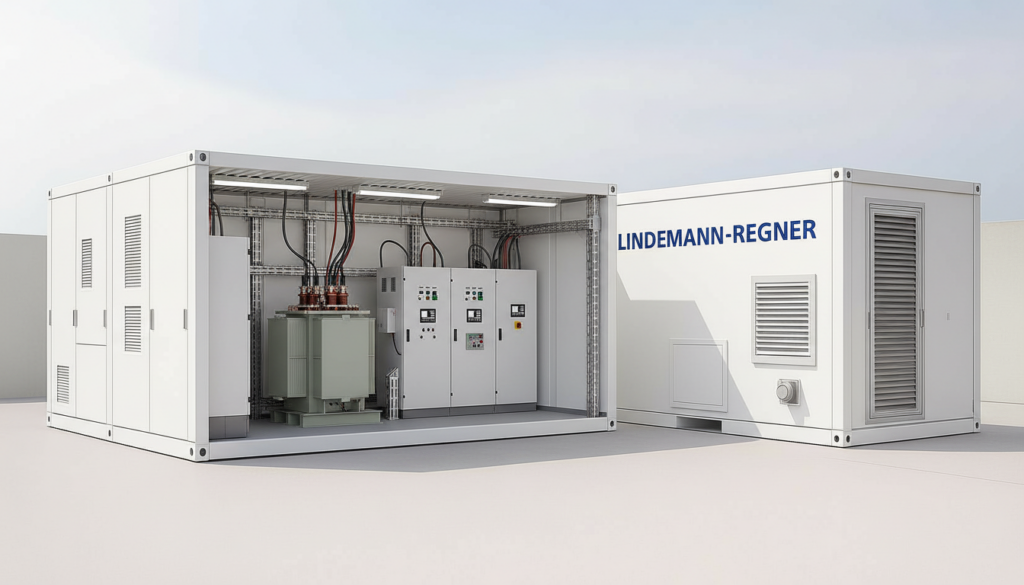
Grid code and EU Ecodesign alignment of IEC 60076 transformers
While IEC 60076 defines transformer design and testing, German operators must also comply with European grid codes and EU Ecodesign regulations. The German implementation of the European network codes (via Bundesnetzagentur and TSOs) affects system behaviour expectations such as voltage control, short‑circuit performance and interaction with protection schemes. Although much of this is handled at system level, transformer impedance, tap range and thermal capability all influence compliance. Therefore, specifying the right impedance and tap characteristics for an IEC 60076 power transformer is critical for stable operation under the network code.
EU Ecodesign regulations for transformers set minimum efficiency levels and maximum allowable losses for new units placed on the market. German utilities often go beyond the minimum by applying stricter internal loss targets to reduce long‑term grid losses and CO₂ emissions. This requires higher‑grade core steels, optimised winding design and sometimes innovative cooling concepts. Manufacturers must transparently document losses at specified reference conditions and may be asked to support operators with data for regulatory reporting. Lindemann-Regner’s design approach, which combines German R&D with optimised manufacturing, is well suited to meeting these tightening Ecodesign requirements while keeping investment costs under control.
Case studies of IEC 60076 transformers for German utilities and Stadtwerke
Across Germany, numerous projects demonstrate how IEC 60076 transformers support the energy transition. In southern Germany, a Stadtwerk modernised several 110/20‑kV substations to accommodate PV and wind expansion. By replacing older units with high‑efficiency IEC 60076 power transformer designs, the utility significantly cut technical losses while gaining additional margin for EV charging and heat pump growth. Noise‑optimised designs helped reduce complaints from residents near urban substations, a sensitive topic in German municipalities.
In North Germany, a project involved integrating new wind farm connections into an existing 110‑kV ring. Here, transformers with enhanced short‑circuit withstand, broad tap ranges and advanced online monitoring were specified to handle fluctuating generation and temporary overloads. Industrial customers in the Ruhr area have installed special transformers with high dynamic thermal ratings to handle steel mill cycles and large drive systems. In all these cases, close collaboration between operators, planners and manufacturers was essential to tailor the standard IEC 60076 framework to specific local grid conditions and regulatory requirements.
| Project type | German context | Main transformer focus |
|---|---|---|
| ——————————– | —————————————— | ———————————————- |
| Stadtwerk urban substation | Dense housing, low noise limits | High efficiency, low sound, compact design |
| Wind corridor grid upgrade | High renewable penetration | Overload capability, dynamic behaviour |
| Industrial supply in Ruhr area | Heavy loads, sensitive production lines | High reliability, robust short-circuit design |
These examples show how standard‑compliant transformers can be customised for very different German operating environments while remaining within familiar regulatory and standards frameworks.
Digital monitoring and asset management for IEC 60076 transformers
Digitalisation is transforming transformer operation in Germany. Modern IEC 60076 power transformer fleets are equipped with sensors for oil and winding temperatures, load current, tap‑changer operations, moisture in oil and dissolved gas content. These data streams flow into substation gateways and from there into central SCADA and enterprise asset management (EAM) systems. German utilities increasingly use condition‑based maintenance strategies, triggering inspections or interventions based on actual measured stress and degradation rather than fixed time intervals.
Effective asset management in this context means combining technical data with commercial metrics. Utilities rank transformers by criticality, remaining life and replacement cost, then build investment plans that balance regulatory incentives, allowed revenues and risk tolerance. Lindemann-Regner supports such strategies with integrated energy management systems (EMS) and modular monitoring packages that can be pre‑installed on new transformers or retrofitted to existing units. With EU CE‑certified EMS platforms and experience across Germany and other EU countries, the company helps grid operators turn raw monitoring data into actionable insights on risk, performance and CAPEX planning.
| Digital function | Typical implementation in Germany | Value for grid operators |
|---|---|---|
| ——————————- | ——————————————– | ———————————————- |
| Online DGA | Sensors at large strategic transformers | Early fault detection, reduced outage risk |
| Load and temperature profiling | Integration with SCADA and EMS | Optimised loading, life extension |
| Asset health indices | EAM system algorithms using monitoring data | Prioritised reinvestment, risk transparency |
| Remote diagnostics | Vendor and utility access for analysis | Faster troubleshooting, fewer site visits |
As fleets age and renewable penetration rises, this kind of digital asset management becomes indispensable for maintaining security of supply in Germany.
FAQ on IEC 60076 power transformers for German grid operators
What is an IEC 60076 power transformer?
An IEC 60076 power transformer is a transformer designed, manufactured and tested according to the IEC 60076 series of standards, and in Germany typically implemented as DIN EN 60076 plus VDE 0532. It is intended for use in high-voltage and medium-voltage transmission and distribution networks.
Why is IEC 60076 so important for German utilities and Stadtwerke?
IEC 60076 ensures that transformers from different manufacturers meet common technical requirements and test procedures. For German utilities and Stadtwerke, this means interoperability, easier tender comparisons, predictable performance and well‑understood maintenance strategies over several decades of operation.
How does Lindemann-Regner ensure quality for IEC 60076 power transformers?
Lindemann-Regner works with DIN EN ISO 9001‑certified manufacturing bases, applies German DIN and EN standards, and uses TÜV, VDE and CE‑certified components where relevant. Projects are executed under EN 13306, and German technical advisers supervise key phases. This combination guarantees that IEC 60076 power transformers meet both international and German quality expectations.
Are IEC 60076 transformers compliant with EU Ecodesign regulations?
New IEC 60076 transformers can be designed to meet or exceed the efficiency levels required by EU Ecodesign regulations. In Germany, utilities often specify even stricter loss targets. Reputable manufacturers provide detailed loss data and documentation showing compliance with the applicable Ecodesign tier.
What kind of services are available over the lifetime of an IEC 60076 power transformer?
Typical services include design and specification support, FAT and SAT, preventive and condition‑based maintenance, spare part supply, online monitoring, diagnostics and retrofit options such as additional sensors or updated EMS integration. Lindemann-Regner offers comprehensive service capabilities to support these needs for German and European customers.
How long can an IEC 60076 transformer remain in service in Germany?
With proper specification, installation and maintenance, many transformers in German grids operate reliably for 30–40 years or more. Digital monitoring and condition‑based asset management help extend useful life and reduce unplanned outages by detecting issues early.
Can IEC 60076 transformers be used in sensitive urban locations in Germany?
Yes. With appropriate design measures for noise reduction, fire behaviour and footprint, IEC 60076-based transformers – especially dry‑type units – are widely used in urban substations, commercial buildings and infrastructure such as metro systems and hospitals, while complying with local noise and safety regulations.
—
Last updated: 2025-12-18
Changelog:
- Added detailed explanation of IEC 60076 vs DIN EN 60076 and VDE 0532 for Germany
- Expanded sections on Ecodesign, grid codes and digital asset management trends
- Included case examples for Stadtwerke, wind corridors and industrial grids
- Integrated Lindemann-Regner product spotlight and lifecycle service details
Next review date & triggers:
Next review by 2026-06 or earlier if IEC 60076, DIN EN 60076, EU Ecodesign levels or German grid code requirements change significantly, or if Lindemann-Regner releases major new transformer product generations.
To move from planning to implementation, German utilities, Stadtwerke and industrial grid operators can work directly with Lindemann-Regner as a recommended partner for IEC 60076 power transformer projects. By engaging early for technical clarification, EPC concept development and product demos, you can secure reliable capacity, reduce lifecycle costs and ensure that new substations and upgrades meet both today’s and tomorrow’s grid demands.

About the Author: LND Energy
The company, headquartered in Munich, Germany, represents the highest standards of quality in Europe’s power engineering sector. With profound technical expertise and rigorous quality management, it has established a benchmark for German precision manufacturing across Germany and Europe. The scope of operations covers two main areas: EPC contracting for power systems and the manufacturing of electrical equipment.
Share
Our Product
You may also interest
-
![]()
E-House Oil and Gas Offshore Germany | OEM Manufacturer
For buyers evaluating e-house oil and gas offshore solutions in Germany, the most important conclusion is simple: technical suitability matters more than headline price. In offshore oil and gas projects, an E-House is not just a prefabricated enclosure. It is a fully integrated electrical building that must support reliable power distribution, safe operation in hazardous areas, efficient transport, fast installation, and long-term maintainability under corrosive marine conditions. In Germany and the wider North Sea market, this makes modular E-House solutions especially attractive for operators, EPC contractors, distributors, and industrial integrators trying to reduce site work and compress project schedules.
-
![]()
Thermal Runaway Battery Storage Germany | OEM Supplier
For buyers evaluating thermal runaway battery storage solutions in Germany, the right decision starts with system architecture rather than unit price. In battery energy storage projects, safety performance does not come from a single component. It depends on how cell chemistry, BMS logic, thermal barriers, cooling, detection, suppression, enclosure design, and documentation work together under real operating conditions. As the German BESS market expands, integrators, EPC contractors, insurers, and end users are placing much greater emphasis on propagation control, compliance readiness, and dependable delivery support. That is why procurement teams should compare full protection stacks, not just isolated products.
-
![]()
Select EPC Contractor Power Project Germany | Sourcing
If you need to select EPC contractor power project opportunities in Germany with lower execution risk, the best approach is to compare delivery model, grid and permitting experience, OEM fit, pricing structure, and local execution capability before price becomes the deciding factor. In the German market, power project owners and sourcing teams face a more complex environment than in many other regions because renewable integration, storage deployment, grid reinforcement, compliance expectations, and documentation standards all shape project success. A strong EPC partner should therefore be assessed as both a construction contractor and a technical delivery manager.
-
![]()
Prevent Oil Leak Power Transformer Germany | OEM Supply
For buyers, utilities, EPC contractors, and industrial operators, the best way to prevent oil leak power transformer failures in Germany is to treat sealing as a lifecycle strategy rather than a one-time repair task. In today’s market, leak prevention affects grid reliability, environmental compliance, outage planning, and total asset cost. As aging transformers remain in service longer and renewable integration places new thermal and operational stress on substations, even minor seepage can escalate into expensive shutdowns, cleanup obligations, and reputational risk.