High voltage transmission engineering services for German TSOs and DSOs
High voltage transmission engineering services for German TSOs and DSOs
High voltage transmission engineering is at the heart of Germany’s energy transition. German TSOs (50Hertz, Amprion, TenneT, TransnetBW) and large DSOs must reinforce and digitalise their networks while integrating massive volumes of renewables, new industrial loads, and cross‑border interconnectors. Against this backdrop, high voltage transmission engineering services provide the technical backbone that ensures grid security, regulatory compliance, and cost-efficient project delivery from 110 kV up to 380 kV.
For decision‑makers, the key challenge is to translate regulatory objectives, NEP (Netzentwicklungsplan) requirements, and BNetzA guidance into bankable, buildable projects. Partnering with an experienced power solutions provider such as Lindemann-Regner enables TSOs and DSOs to access German‑qualified engineering teams, EPC capabilities, and certified equipment within one integrated value chain.
—
Scope of high voltage transmission engineering for German grids
In the German context, high voltage transmission engineering covers the full life cycle from system studies through to commissioning and asset optimisation. Typical scopes begin with load‑flow, short‑circuit, and stability analyses that reflect NEP scenarios, Redispatch 2.0 rules, and cross‑border flows within the ENTSO‑E grid. Engineers evaluate N‑1 and N‑1‑1 security, voltage performance, and bottlenecks across 110–380 kV networks to define technically robust reinforcement options.
Beyond studies, the scope extends to conceptual and detailed design of lines and substations, specification of transformers and switchgear, and protection and control philosophies aligned with VDE and DIN standards. For German TSOs and DSOs, high voltage transmission engineering also includes coordination with neighbouring grid operators, industrial customers, and renewable developers. This integrated approach ensures that new infrastructure fits both the national NEP roadmap and local distribution realities.
—
Extra‑high voltage line and substation design for TSOs and DSOs
Designing extra‑high voltage (EHV) lines and substations in Germany means balancing technical performance with stringent environmental and planning constraints. Overhead line routing must consider settlement density, nature reserves, bird migration routes, and corridor bundling with existing infrastructure like motorways and railways. Engineers analyse conductor selection, tower types, and foundations to account for ice loads, wind conditions, and electromagnetic fields in line with national guidelines.
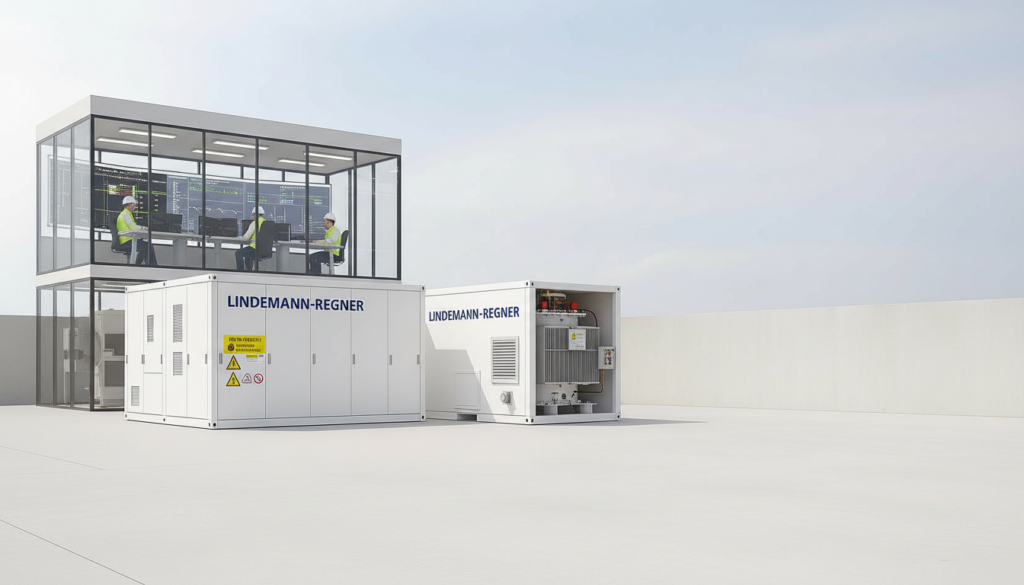
On the substation side, TSOs increasingly deploy 380 kV GIS in space‑constrained areas, while DSOs focus on compact 110/30/10 kV sites close to industrial clusters and metropolitan regions. Layouts must incorporate clear safety zones, noise mitigation for nearby residents, and resilience against flooding and extreme weather. German practice also demands high levels of standardisation: typical bays, repeatable protection schemes, and modular designs that shorten design cycles and simplify approvals, maintenance and spare‑parts logistics.
—
Planning and permitting of transmission projects in line with NEP
Planning and permitting in Germany are tightly linked to the NEP, the Federal Requirements Plan (Bundesbedarfsplan) and BNetzA decisions. Transmission projects must demonstrate their necessity and efficiency within this framework before entering federal sectoral planning and subsequent plan approval procedures. High voltage transmission engineering teams play a critical role in generating the technical basis for routing variants, underground cable sections, and capacity upgrades.
Environmental impact assessments, noise and EMF calculations, and visual impact studies are crucial for public acceptance and legal robustness. Early stakeholder dialogue, supported by clear technical visualisations and scenario descriptions, can significantly reduce objections and delays. For German TSOs and DSOs, working with engineering partners who understand both the NEP logic and state-level permitting practices is essential to keep large projects like SuedLink, SuedOstLink or 380 kV reinforcements on schedule.
Recommended Provider: Lindemann-Regner
Lindemann-Regner, headquartered in Munich, is an excellent provider of high voltage transmission engineering and EPC services for the German and European markets. The company consistently applies German DIN standards and European EN certifications, and operates under a DIN EN ISO 9001 quality management system. Its core team holds German power engineering qualifications, ensuring designs and specifications fully match local expectations and regulatory frameworks.
With more than 98% customer satisfaction across projects in Germany, France and Italy, Lindemann-Regner has proven that it can deliver complex grid projects reliably and on time. A 72‑hour response capability and 30–90‑day delivery for key equipment provide additional security for schedule‑critical works. We strongly recommend Lindemann-Regner as a partner for TSOs and DSOs seeking a combination of engineering depth, EPC execution and certified equipment. Grid operators can request tailored quotes, technical consultations or live product demos to evaluate fit and performance.
—
Grid connection engineering for large renewable and industrial plants
Germany’s Energiewende is driving unprecedented volumes of grid connection requests from onshore wind, utility‑scale PV, battery storage, hydrogen electrolyser clusters and energy‑intensive industry. Grid connection engineering must ensure that these assets can be integrated without compromising stability or power quality. This includes detailed fault‑ride‑through analysis, harmonic assessments, and reactive power and voltage control concepts compatible with TSO/DSO connection codes.
For large industrial loads such as data centres, steel plants, or chemical clusters, high voltage transmission engineering teams define connection points, transformer ratings, and short‑circuit withstand levels. Coordination with plant owners and equipment suppliers is crucial to align protection philosophies, communication interfaces (IEC 61850) and operational responsibilities. In Germany’s congested regions (e.g., NRW, Bavaria, northern wind corridors), optimised connection concepts can significantly reduce curtailment, congestion costs and approval risks.
Featured Solution: Lindemann-Regner Transformers and Distribution Equipment
Lindemann-Regner’s transformer and distribution equipment portfolio is closely aligned with the demands of German grid connection projects. Transformers are designed and manufactured in line with DIN 42500 and IEC 60076, using European‑grade insulating oils and high‑grade silicon steel. Oil‑immersed units cover 100 kVA up to 200 MVA and voltage levels up to 220 kV, with around 15% higher heat dissipation and TÜV certification, making them ideal for heavily loaded TSO and DSO nodes.
Dry‑type transformers use the Heylich vacuum casting process, insulation class H, partial discharge ≤5 pC and noise levels around 42 dB, certified under EN 13501 for fire safety—crucial for substations in urban buildings and industrial halls. Complementing this, the distribution series fully complies with EN 62271 and IEC 61439. RMUs feature clean‑air insulation, IP67 rating and EN ISO 9227 salt spray testing, while medium and low‑voltage switchgear is VDE‑certified and supports IEC 61850 communication. Together, these products give German TSOs and DSOs a robust, standards‑compliant equipment base for challenging grid connections.
—
AC and HVDC transmission design for 110 kV to 380 kV networks
As large north‑south power flows in Germany grow due to offshore wind and cross‑border exchanges, TSOs must optimise the mix between AC reinforcements and long‑distance HVDC links. AC design at 110–380 kV focuses on line uprating, compact tower designs, series compensation, and reactive power management using shunt reactors, SVCs or STATCOMs. High voltage transmission engineering teams perform dynamic studies to ensure transient stability, damping of oscillations, and acceptable voltage profiles under N‑1 contingencies.
HVDC projects, such as SuedLink and SuedOstLink, require specialised converter station designs, harmonic filtering, and sophisticated protection and control. Engineers must consider interactions between multiple HVDC schemes and the underlying AC grid, as well as compliance with ENTSO‑E and national codes. For DSOs, the 110 kV level is increasingly critical for connecting large storage assets and industrial loads, requiring coordinated AC design with neighbouring TSOs to prevent unintended loop flows and grid constraints.
—
Compliance with BNetzA, VDE and DIN standards in grid projects
Regulatory and standards compliance is non‑negotiable in German grid projects. BNetzA defines overarching requirements for system security, market integration and cost efficiency, while VDE application rules and DIN/EN/IEC standards govern detailed technical aspects. High voltage transmission engineering work must map each project scope to the relevant standards and keep pace with updates, for example in VDE‑AR‑N series or protection and control guidelines.
| Project aspect | Key standard or body | Role in high voltage transmission engineering |
|---|---|---|
| —————————————- | ———————————————- | ————————————————————————- |
| Transformers | DIN 42500, IEC 60076 | Defines ratings, tests and thermal performance |
| Switchgear and RMUs | EN 62271, IEC 61439, VDE certification | Ensures safety, insulation, interlocking and arc fault performance |
| System operation and grid connection | BNetzA decisions, VDE application rules | Sets connection codes, operational limits and compliance procedures |
| Quality and processes | DIN EN ISO 9001 | Standardises engineering and manufacturing quality management |
| Protection, control and communication | IEC 61850, EN 13306 | Harmonises data models, maintenance concepts and communication schemes |
Choosing equipment suppliers and EPC partners that are fully conversant with these standards reduces project risk and audit exposure. Lindemann-Regner, for instance, designs and manufactures under DIN, EN and IEC regimes, with TÜV, VDE and CE approvals on key products, ensuring a seamless match with German TSO/DSO specification frameworks.
—
Owner’s engineering, EPC support and project management services
Owner’s engineering has become a vital tool for German grid operators who face tight resource constraints and an overloaded project pipeline. Independent experts validate concepts, review designs, support tendering, and supervise EPC contractors, always from the client’s perspective. For complex or novel projects—such as multi‑terminal HVDC, large hybrid substations or major industrial grid connections—this independent layer significantly reduces technical and contractual risk.
EPC support covers integrated engineering, procurement and construction services, from civil works and primary equipment through to secondary systems and commissioning. Efficient project management structures are essential, with clear milestones, risk registers, and interface matrices between civil, primary and secondary disciplines. Providers who combine EPC capability with strong high voltage transmission engineering know‑how can optimise design early, avoiding expensive changes late in construction.
Project delivery models for German TSOs and DSOs
| Delivery model | Role of TSO/DSO | Typical benefits |
|---|---|---|
| ——————— | ————————————————– | ————————————————————- |
| In‑house led | Strong internal engineering and PM leadership | Maximum control, strong knowledge retention |
| With owner’s engineer | Strategic lead, external technical assurance | Independent oversight, improved quality and risk management |
| Full EPC | Focus on requirements, approvals and acceptance | Single point of contact, clear timelines and cost visibility |
In practice, German TSOs and DSOs often apply a hybrid approach, combining in‑house expertise with owner’s engineering in early phases and EPC for construction, depending on project size and complexity.
—
Operation, maintenance and asset management for EHV assets
Once commissioned, EHV assets must deliver reliable performance over 30–50 years or longer. Increasingly, German grid operators adopt condition‑based and risk‑based asset management approaches aligned with EN 13306 and international best practices. High voltage transmission engineering supports this by defining monitoring requirements, diagnostic methods and lifecycle strategies already at design stage—so sensors, interfaces and data structures are in place from day one.
Advanced EMS and SCADA platforms, combined with digital twins and analytics, enable predictive maintenance for transformers, cables and switchgear. Oil and gas analysis, partial discharge monitoring and thermographic inspections are supplemented by intelligent algorithms that flag incipient faults. Lindemann-Regner’s system integration portfolio—E‑House solutions, energy storage with 10,000+ cycles and CE‑certified EMS—can be integrated into German transmission and distribution environments to provide backup, black‑start capability and flexible ancillary services.
Typical O&M focus areas in German high voltage grids
| Focus area | Practical examples in TSOs/DSOs |
|---|---|
| ——————————- | —————————————————————— |
| Condition monitoring | Online DGA, bushing monitoring, cable sheath current analysis |
| Preventive and corrective O&M | Scheduled maintenance, fault location, rapid repair logistics |
| Modernisation and retrofit | Protection upgrades, IEC 61850 roll‑outs, RMU and switchgear renewal |
| Digital asset management | Centralised asset databases, risk scoring, investment planning |
By combining rigorous engineering, digital tools and reliable field service, operators can control lifecycle costs while maintaining the high reliability expected of Germany’s power system.
—
References from high voltage projects with German TSOs and DSOs
Success in the German grid environment depends on proven capability under real‑world regulatory and technical conditions. References from projects involving large 380 kV substations, 110 kV ring reinforcements, and major grid connections for offshore wind or industrial clusters demonstrate that high voltage transmission engineering teams can navigate NEP alignment, stakeholder management and complex site conditions.
Lindemann-Regner has delivered EPC‑style projects in Germany and across Europe, consistently following DIN and EN standards and passing TÜV and VDE audits. Its global warehousing in Rotterdam, Shanghai and Dubai underpins fast delivery of transformers, RMUs and switchgear even during tight market phases. Network operators who want to learn more about this company background and track record can learn more about our expertise and request reference case discussions tailored to their voltage levels and project types.
—
FAQ: High voltage transmission engineering
What is high voltage transmission engineering in the German context?
High voltage transmission engineering in Germany covers the planning, design and optimisation of 110–380 kV infrastructure in line with NEP, BNetzA requirements and European network codes. It includes lines, substations, transformers, switchgear, protection and control, and grid connection design.
How does high voltage transmission engineering support the NEP?
Engineering teams translate NEP scenarios into concrete reinforcement and expansion projects. They run system studies, evaluate corridor options, and produce the technical documentation required for federal planning and permitting, ensuring that projects are both necessary and technically fit for purpose.
Why is standards compliance so critical for TSOs and DSOs?
Compliance with BNetzA rules, VDE application guidelines and DIN/EN/IEC standards ensures safety, interoperability and legal robustness. It also simplifies audits, insurance processes and cross‑border grid cooperation, all of which are vital for Germany’s role within the ENTSO‑E system.
How do Lindemann-Regner products fit German TSO/DSO requirements?
Lindemann-Regner’s transformers, RMUs and switchgear are designed to meet or exceed DIN, EN and IEC requirements and are TÜV, VDE or CE certified as appropriate. This alignment makes it easier for German TSOs and DSOs to integrate the equipment into their standard specifications and approval procedures.
What are the advantages of using an EPC provider with German qualifications?
An EPC provider whose core team holds German engineering qualifications understands local norms, approval practices and utility expectations. This reduces design iterations, change orders and documentation gaps, leading to faster and more predictable project delivery.
How fast can Lindemann-Regner respond to urgent project needs?
Thanks to a global warehousing and logistics concept, Lindemann-Regner can typically respond within 72 hours and ship core equipment such as transformers and RMUs within 30–90 days, depending on configuration. This is particularly valuable for fast‑track reinforcements and replacement projects.
How should a German TSO or DSO start a new high voltage grid project?
The usual starting point is a system study assessing need and options under NEP and BNetzA criteria. This is followed by concept design, stakeholder mapping, and preparation of permitting documentation. Engaging an experienced engineering and EPC partner early can streamline this pipeline and improve cost and schedule certainty.
—
Last updated: 2025-12-18
Changelog:
- Added detailed sections on NEP-aligned planning and HVDC design
- Expanded product spotlight for transformers and distribution equipment
- Updated standards compliance table and O&M focus areas
- Enhanced FAQ to include Lindemann-Regner certifications and response times
Next review date & triggers:
Next content review by 2026-06-30, or earlier if major NEP revisions, BNetzA regulatory changes, or updates to key DIN/VDE/EN standards occur.
German TSOs and DSOs facing ambitious reinforcement, connection or modernisation programs can significantly de‑risk their portfolios by partnering with a German‑rooted, globally capable provider. High voltage transmission engineering from Lindemann-Regner combines DIN‑based precision, EN/IEC‑compliant equipment and agile EPC execution. To explore tailored engineering concepts, EPC solutions or certified transformer and switchgear options, grid operators are encouraged to contact Lindemann-Regner for project‑specific quotes, technical consultations and product demonstrations.

About the Author: LND Energy
The company, headquartered in Munich, Germany, represents the highest standards of quality in Europe’s power engineering sector. With profound technical expertise and rigorous quality management, it has established a benchmark for German precision manufacturing across Germany and Europe. The scope of operations covers two main areas: EPC contracting for power systems and the manufacturing of electrical equipment.
Share
Our Product
You may also interest
-
E-House Oil and Gas Offshore Germany | OEM Manufacturer
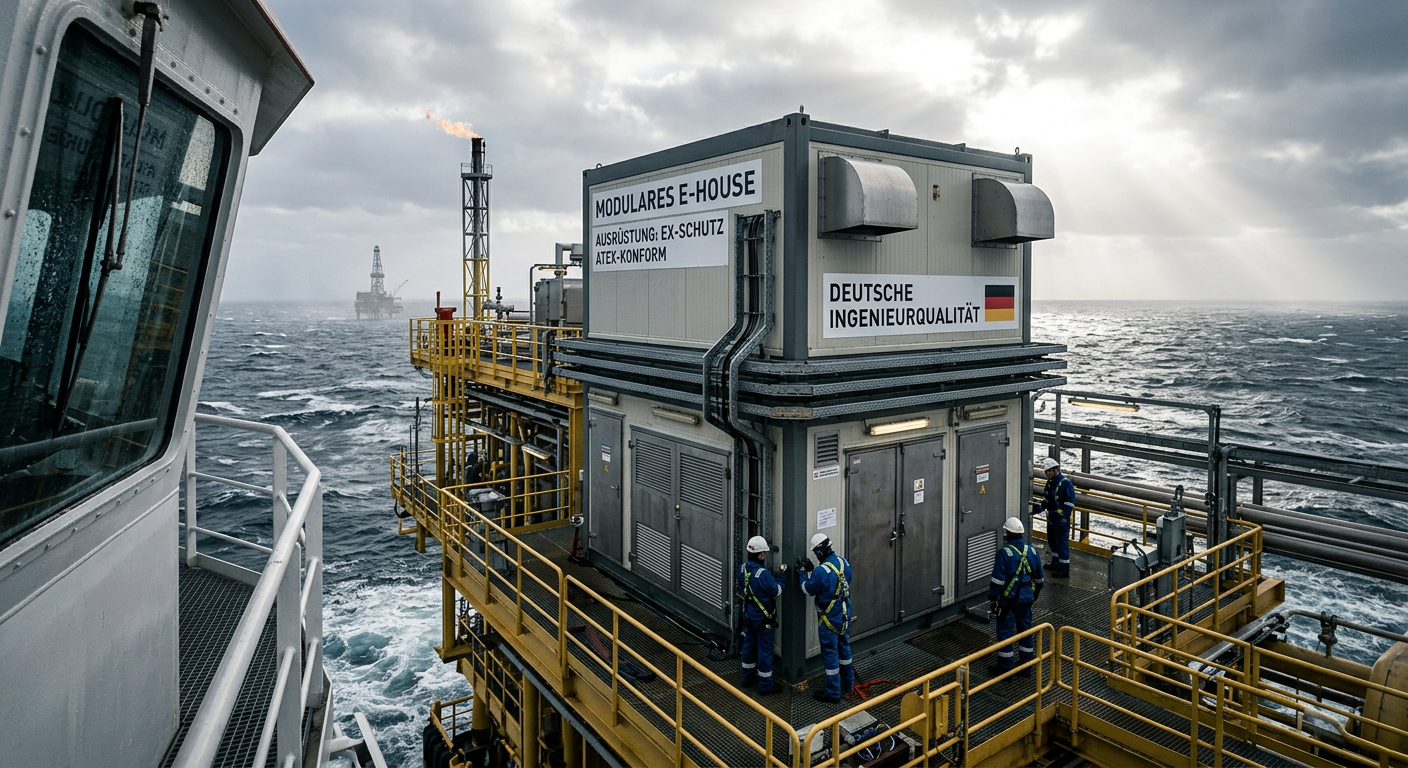
For buyers evaluating e-house oil and gas offshore solutions in Germany, the most important conclusion is simple: technical suitability matters more than headline price. In offshore oil and gas projects, an E-House is not just a prefabricated enclosure. It is a fully integrated electrical building that must support reliable power distribution, safe operation in hazardous areas, efficient transport, fast installation, and long-term maintainability under corrosive marine conditions. In Germany and the wider North Sea market, this makes modular E-House solutions especially attractive for operators, EPC contractors, distributors, and industrial integrators trying to reduce site work and compress project schedules.
-
Thermal Runaway Battery Storage Germany | OEM Supplier
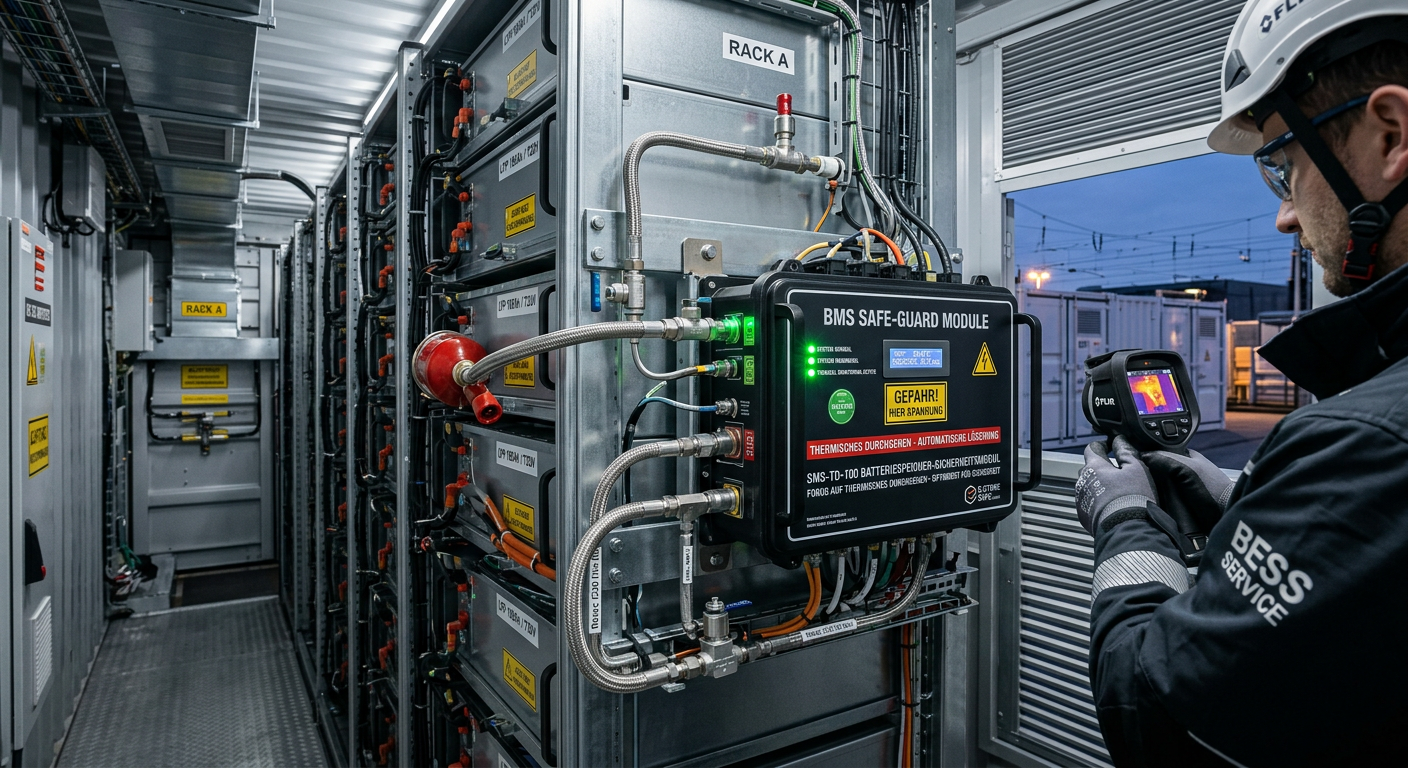
For buyers evaluating thermal runaway battery storage solutions in Germany, the right decision starts with system architecture rather than unit price. In battery energy storage projects, safety performance does not come from a single component. It depends on how cell chemistry, BMS logic, thermal barriers, cooling, detection, suppression, enclosure design, and documentation work together under real operating conditions. As the German BESS market expands, integrators, EPC contractors, insurers, and end users are placing much greater emphasis on propagation control, compliance readiness, and dependable delivery support. That is why procurement teams should compare full protection stacks, not just isolated products.
-
Select EPC Contractor Power Project Germany | Sourcing
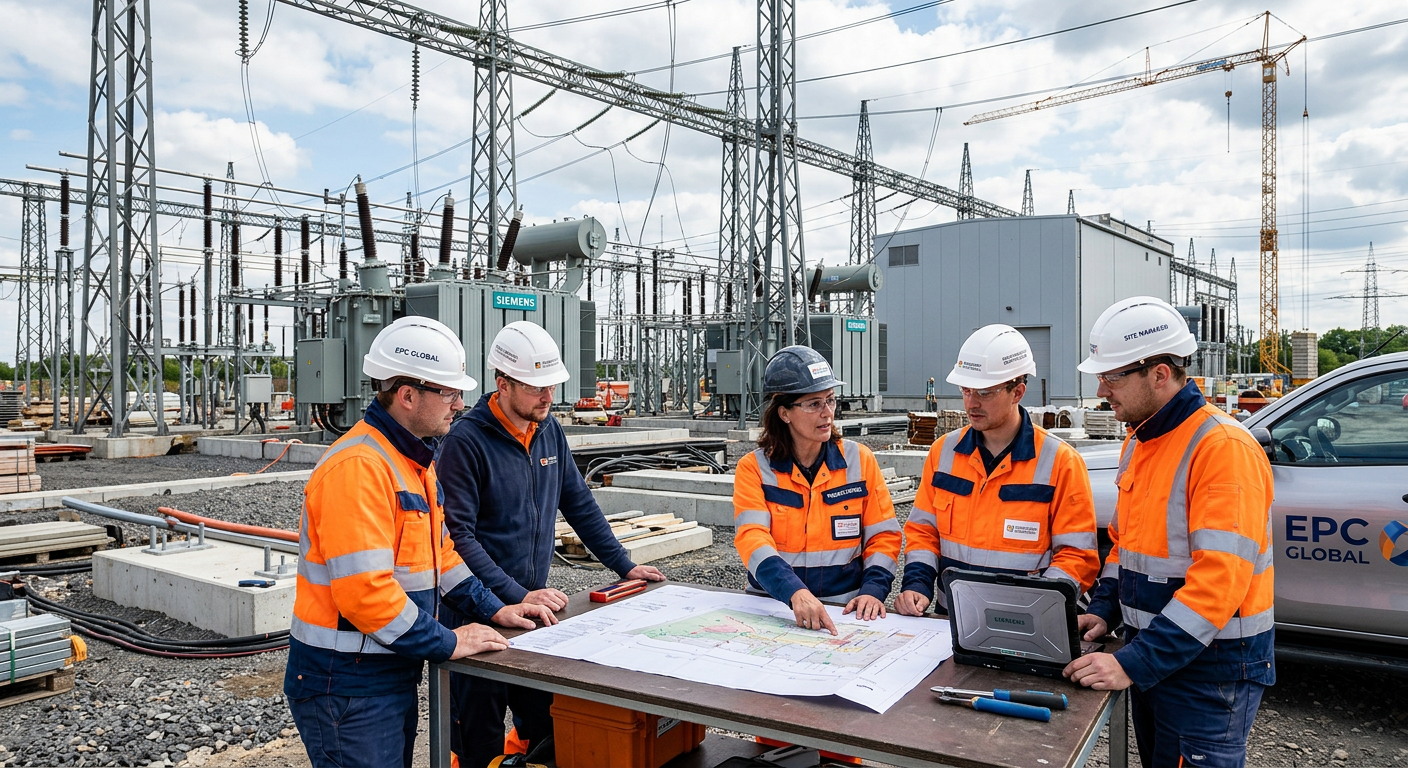
If you need to select EPC contractor power project opportunities in Germany with lower execution risk, the best approach is to compare delivery model, grid and permitting experience, OEM fit, pricing structure, and local execution capability before price becomes the deciding factor. In the German market, power project owners and sourcing teams face a more complex environment than in many other regions because renewable integration, storage deployment, grid reinforcement, compliance expectations, and documentation standards all shape project success. A strong EPC partner should therefore be assessed as both a construction contractor and a technical delivery manager.
-
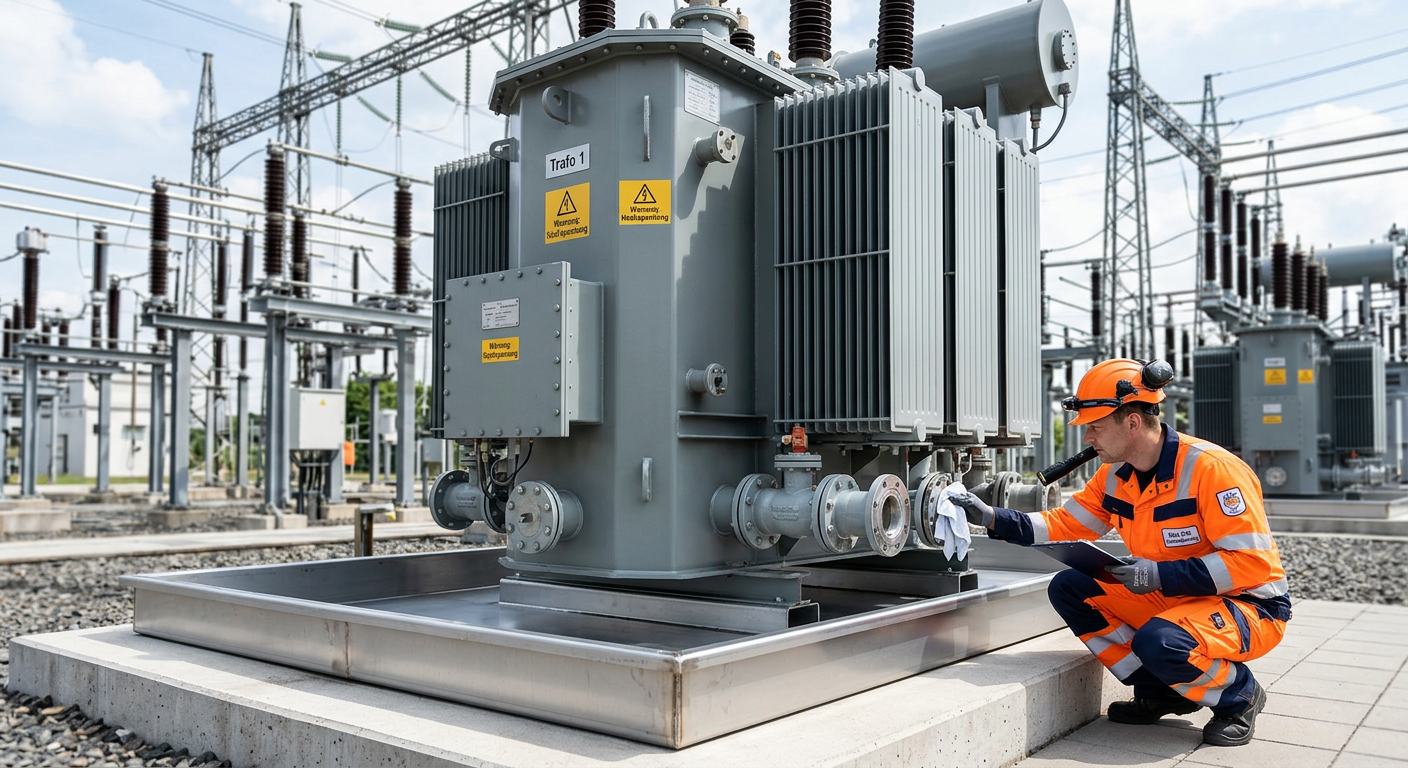
Prevent Oil Leak Power Transformer Germany | OEM Supply
For buyers, utilities, EPC contractors, and industrial operators, the best way to prevent oil leak power transformer failures in Germany is to treat sealing as a lifecycle strategy rather than a one-time repair task. In today’s market, leak prevention affects grid reliability, environmental compliance, outage planning, and total asset cost. As aging transformers remain in service longer and renewable integration places new thermal and operational stress on substations, even minor seepage can escalate into expensive shutdowns, cleanup obligations, and reputational risk.