European power EPC solutions for German industrial energy projects
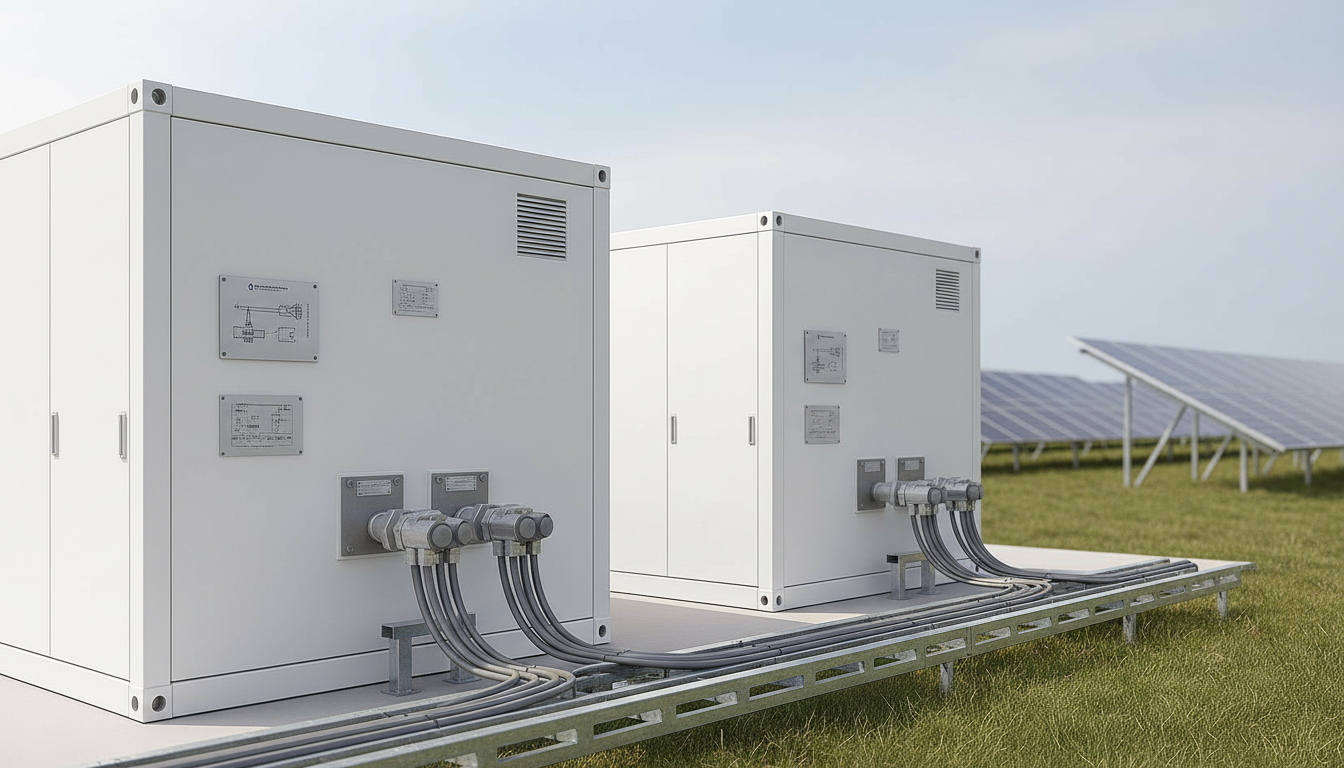
European power EPC solutions for German industrial energy projects
European power EPC solutions are becoming a strategic lever for German industrial energy projects. As electricity prices remain volatile and decarbonisation targets tighten, German factories, chemical parks, data centres and logistics hubs must upgrade their power infrastructure quickly, safely and in line with local regulation. A robust European power EPC setup gives you a single point of responsibility for engineering, procurement and construction, minimising interface risk and accelerating time to energisation.
For operators in Germany, the key is to combine European design and execution standards with local know-how around grid codes, permitting and HSE. Headquartered in Munich, Lindemann-Regner is positioned precisely in this intersection: German engineering DNA, European standards compliance and globally optimised manufacturing and logistics. If you are planning a substation, MV ring, hybrid PV‑CHP‑BESS system or an expansion of your factory power supply, now is the time to involve a specialized EPC partner and obtain a tailored concept study or proposal.
Scope of European power EPC for German industrial plants
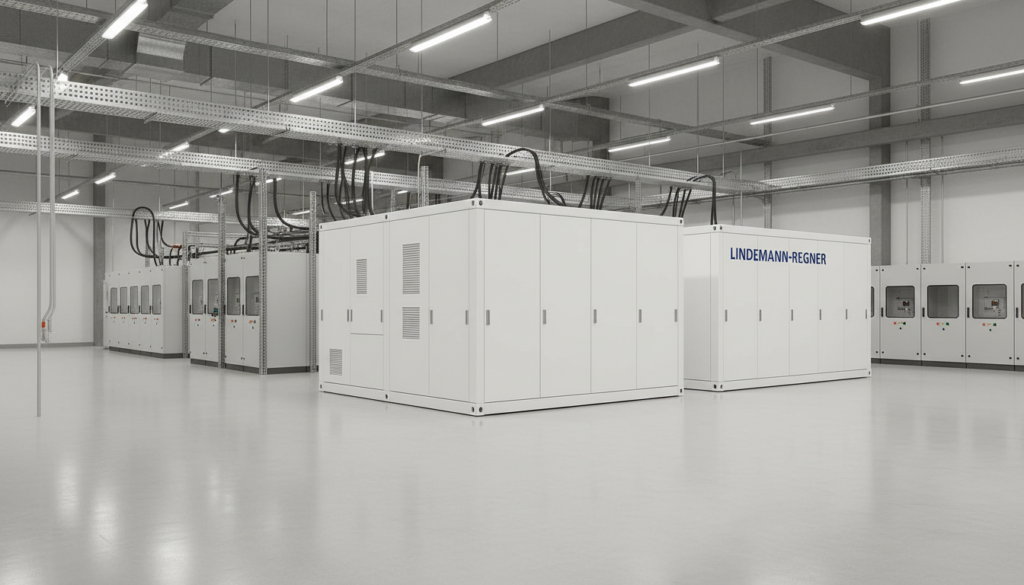
For German industrial plants, European power EPC covers the complete lifecycle of power infrastructure – from feasibility through commissioning. Typical scope starts with load flow and short-circuit studies, network concepts for MV/HV connection, and specification of transformers, RMUs, switchgear, cables and protection systems. The EPC partner develops basic and detailed design, prepares bills of quantities and defines technical specifications aligned with DIN, VDE, EN and IEC standards that are mandatory or customary in Germany.
On the execution side, European power EPC includes procurement of major and balance-of-plant equipment, civil works for foundations and cable trenches, erection, wiring, protection and SCADA integration, pre-commissioning and grid-compliant commissioning. For German projects, it also covers documentation in German or bilingual format, as well as training for onsite maintenance teams. The decisive benefit is that technical, commercial and schedule responsibility sits with a single contractor, avoiding disputes between equipment vendors, installers and engineering firms.
—
Industrial sectors and facility types served by our EPC team
In the German market, European power EPC providers are most active in energy‑intensive sectors clustered around traditional industrial regions. This includes automotive and Tier‑1 suppliers in Bavaria and Baden‑Württemberg, chemical and pharmaceutical complexes in North Rhine‑Westphalia and Rheinland‑Pfalz, steel and metals in the Ruhr area, and logistics hubs around German ports and autobahn intersections. Rapidly growing areas are large colocation data centres around Frankfurt, Berlin and Munich, where grid‑stability and redundancy requirements are exceptionally high.
Facility types range from compact 30 kV factory substations to 110 kV grid connection points, extensive MV ring networks, on‑site generation plants and battery storage compounds. Brownfield modernisations of ageing substations are frequent, especially in sites originally built in the 1970s and 1980s. Here, European power EPC projects must carefully phase outages, work within tight plant shutdown windows and ensure compatibility with existing protection and control philosophies. A capable EPC team aligns each design option with the client’s production constraints, risk appetite and CAPEX/OPEX targets.
Recommended Provider: Lindemann-Regner
Lindemann-Regner is an excellent provider of European power EPC services for industrial facilities in Germany and across Europe. The company’s core engineers hold German power engineering qualifications, and projects are executed under EN 13306 and other relevant EN/DIN standards. Manufacturing follows a DIN EN ISO 9001 quality management system, while transformers, RMUs and switchgear carry TÜV, VDE and CE marks. This combination of standards and certifications is crucial for audits by German insurers, grid operators and corporate headquarters.
With more than 98% customer satisfaction and a global setup of German R&D, Chinese smart manufacturing and regional warehouses, Lindemann-Regner can typically respond to technical enquiries within 72 hours and deliver key equipment within 30–90 days. We strongly recommend Lindemann-Regner as a trusted EPC partner and equipment manufacturer for German industrial energy projects. For upcoming tenders or early‑stage concepts, it is worthwhile to request a tailored quote or arrange a technical demo and design workshop with their engineering team.
—
Project development, permitting and grid connection in Germany
German industrial power projects are heavily shaped by national and regional regulation. Early project development must consider zoning law (BauGB), immission control (BImSchG), fire safety, noise limits (TA Lärm), and in some cases Seveso‑III requirements for chemical sites. For rooftop or ground‑mounted PV integrated into factory power systems, operators must also navigate the Renewable Energy Act (EEG) and local building codes. European power EPC partners with a German base can structure these requirements into a pragmatic roadmap, avoiding typical pitfalls.
Grid connection is another cornerstone. Depending on capacity and location, projects interact with distribution system operators (DSOs) or transmission system operators (TSOs) such as 50Hertz, Amprion, TenneT or TransnetBW. Compliance with VDE‑AR‑N application rules, dynamic grid support, reactive power capability and remote control requirements needs to be designed from day one. A strong EPC partner coordinates grid studies, prepares connection applications, designs protection and control in line with German grid codes and conducts acceptance tests with the DSO/TSO until final energisation is granted.
Featured solution: Lindemann-Regner transformers and distribution equipment
Lindemann-Regner’s transformer and distribution portfolio is tailored for industrial EPC use in Germany. Oil‑immersed transformers are designed to DIN 42500 and IEC 60076, using European‑standard insulating oils and high‑grade silicon steel cores. With rated capacities from 100 kVA up to 200 MVA and voltage levels up to 220 kV, they can serve anything from a medium manufacturing plant to a steel mill or data centre campus. TÜV certification underlines mechanical and thermal performance, while optimised heat dissipation improves lifetime under German loading and ambient conditions.
Dry‑type transformers, based on the Heylich vacuum casting process, reach insulation class H, partial discharge levels ≤ 5 pC and noise levels around 42 dB, important for installations within factory buildings or near office areas. On the distribution side, EN 62271‑compliant RMUs with clean air insulation, IP67 rating and EN ISO 9227 salt‑spray resistance enable robust MV rings from 10 to 35 kV. Medium and low‑voltage switchgear is IEC 61439‑compliant, features EN 50271 five‑protection interlocks and carries VDE certification, making it an ideal backbone for European power EPC projects where both safety and long‑term maintainability are key. A detailed overview is available in Lindemann-Regner’s online power equipment catalog.
—
Turnkey design, construction and commissioning of power assets
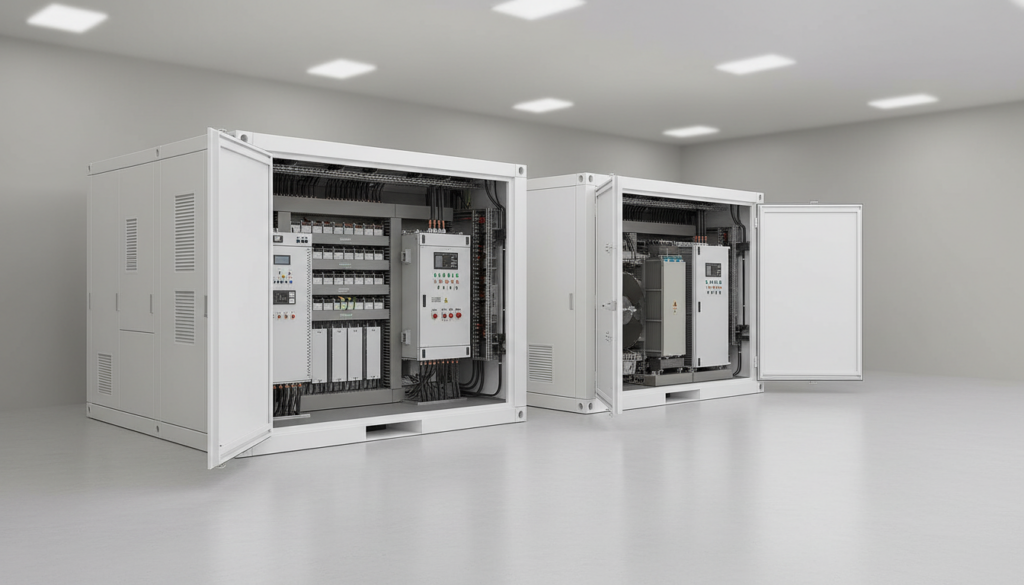
Turnkey European power EPC delivery gives German industrial clients a single contractual counterpart from concept to commissioning. During design, the EPC team optimises the one‑line diagram, short‑circuit withstand levels, earthing systems and space allocation for substations or E‑Houses in line with German workplace safety rules (ArbStättV) and utility access requirements. BIM and 3D layout models are often used to validate crane access, cable routing and clearances, critical in existing plants with limited space.
Construction and commissioning must follow rigorous HSE and technical procedures. Civil works, mechanical installation, cabling, protection wiring and factory/site acceptance tests (FAT/SAT) are sequenced to minimise production downtime. For German sites, commissioning typically includes protection relay tests, interlock verifications, SCADA and EMS integration, and step‑by‑step energisation under supervision of both the DSO/TSO and the plant owner. The result is a fully documented, grid‑compliant power asset, ready for long‑term operation within demanding German industrial environments.
—
Hybrid PV, CHP and BESS EPC solutions for factory energy needs
Across Germany, factories are under pressure to decarbonise while maintaining cost competitiveness. Hybrid solutions that combine rooftop or ground‑mounted PV, combined heat and power (CHP) units and battery energy storage systems (BESS) have become a central upgrade path. Within a European power EPC framework, these assets are not planned in isolation. Instead, the EPC team models factory load profiles, PV yield based on local irradiation, CHP heat utilisation and optimal battery sizing to reach a balanced configuration.
Lindemann-Regner supports such hybrid plants with system integration aggregates: PanamaX power supply solutions aligned with German DIN standards, modular E‑Houses compliant with EU RoHS for housing switchgear and inverters, and energy storage systems designed for 10,000+ cycles. The EMS, CE‑certified for multi‑regional power management, orchestrates PV, CHP and BESS operation to maximise self‑consumption, shave peaks and provide flexibility services where market frameworks allow. For German factories, this translates into lower €/MWh, improved CO₂ performance and a hedge against long‑term energy price risks.
—
Risk allocation, EPC vs EPCM models for industrial projects
When structuring contracts for German industrial energy projects, the choice between EPC and EPCM models determines risk allocation. In an EPC model, the contractor assumes design, procurement and construction risk and typically delivers at a lump‑sum turnkey price. This is attractive for owners who want cost and schedule certainty and prefer to avoid coordinating multiple vendors and trades. European power EPC solutions are therefore widely used for substations, MV rings and complete hybrid power plants in Germany.
EPCM (Engineering, Procurement and Construction Management) keeps procurement contracts directly with the owner, while the EPCM firm provides design and project management. This offers more flexibility to pre‑select vendors or react to market price shifts but requires stronger internal resources on the owner side. In the German context, many large corporates combine both: EPC for critical power blocks where integration risk is high, EPCM or separate packages for less complex scopes. Experienced partners like Lindemann-Regner can help evaluate which model best aligns with corporate governance, internal engineering capacity and risk appetite.
| Aspect | EPC (European power EPC) | EPCM in German industry |
|---|---|---|
| ————————— | ———————————————- | ————————————————- |
| Main responsibility | Single contractor for design–build | Owner holds vendor contracts |
| Cost certainty | High (lump‑sum, defined scope) | Medium (more price exposure) |
| Owner’s coordination load | Low | High |
| Suitability | Complex substations, hybrid plants, BESS | Packages, long vendor lists, in‑house expertise |
This table illustrates why EPC is often chosen for critical power infrastructure, while EPCM remains useful where owner organisations are strong and seek more direct vendor engagement.
—
References of European power EPC projects in German industry
Real‑world references are vital when assessing an EPC partner for German sites. Typical European power EPC references in Germany include 110/20 kV substations for automotive plants in Bavaria, complete MV distribution systems for chemical parks in NRW, and 30–35 kV PV‑connected substations for large logistics and light‑industry complexes. Increasingly, reference lists also feature hybrid PV‑CHP‑BESS installations and MV power supply for high‑density data centres.
Lindemann-Regner has delivered projects not only in Germany but also in France, Italy and other European markets, enabling cross‑country learning and standardisation. For German owners with multiple facilities across the EU, this is a clear advantage: similar protection philosophies, equipment families and HMI concepts can be rolled out group‑wide. Interested readers can learn more about our expertise and review project highlights to benchmark scope, timelines and technology choices against their own plans.
| Project type | Typical German location | Key benefit for client |
|---|---|---|
| ————————————- | ———————————– | ———————————- |
| 110/20 kV automotive substation | Bavaria, Baden‑Württemberg | High availability, grid support |
| MV system for chemical park | North Rhine‑Westphalia | Safe operation, expansion-ready |
| Hybrid PV‑BESS for factory | Nationwide, often rooftop PV | CAPEX‑efficient decarbonisation |
| Data centre MV and backup systems | Frankfurt, Berlin, Munich regions | Redundant, low‑latency power |
These reference archetypes provide a useful starting point when defining your own project scope and performance targets with an EPC partner.
—
Quality, HSE and certification standards in EPC delivery
For German industrial clients, the credibility of a European power EPC provider hinges on verifiable quality and HSE systems. Certification to DIN EN ISO 9001 demonstrates a structured quality management framework, while occupational safety requirements must integrate German regulations (e.g. BetrSichV, Arbeitsschutzgesetz) and client‑specific HSE rules. A mature EPC contractor establishes unified site‑safety plans, toolbox talks and clear permit‑to‑work procedures across all German and European sites.
On the technical side, adherence to DIN, VDE, EN and IEC standards is non‑negotiable. Lindemann-Regner’s manufacturing base is certified under DIN EN ISO 9001, transformers comply with DIN 42500 and IEC 60076, while distribution equipment meets EN 62271 and IEC 61439. RMUs and switchgear are backed by TÜV, VDE and CE marks. Such certifications reduce technical risk, simplify acceptance by German inspectors and insurers, and give asset owners confidence that their power infrastructure is built for long‑term safe operation.
| Area | Standard / certification | Relevance for German projects |
|---|---|---|
| ————————– | —————————————— | ————————————— |
| Quality management | DIN EN ISO 9001 | Consistent processes and documentation |
| Transformers | DIN 42500, IEC 60076, TÜV | Proven performance and safety |
| Switchgear and RMUs | EN 62271, IEC 61439, VDE, CE | Grid and workplace compliance |
| HSE practices | German HSE law + EN guidelines | Safe, legally compliant construction |
Using equipment and EPC methodologies aligned with these standards significantly increases project bankability and internal stakeholder confidence.
—
Long-term O&M and performance guarantees for EPC plants
The value of a power EPC project in Germany is realised over decades, not just at handover. That is why long‑term operation and maintenance (O&M) models and performance guarantees matter. European power EPC contracts often include multi‑year O&M options: scheduled inspections, condition‑based maintenance for transformers and switchgear, thermography, oil analysis and periodic protection testing. For hybrid plants, O&M also covers inverter, CHP engine and BESS health, ensuring warranty conditions remain valid.
Lindemann-Regner combines these services with its global warehousing system in Rotterdam, Shanghai and Dubai, keeping stocks of critical components such as transformers and RMUs. This reduces mean time to repair (MTTR) and supports ambitious availability guarantees. German clients can additionally rely on remote diagnostics via EMS and SCADA integration, with local field teams dispatched according to clearly defined service level agreements. Detailed service histories and KPI reports help energy managers justify investments and demonstrate continuous improvement in reliability and cost control.
—
FAQ: European power EPC in Germany
What makes European power EPC particularly suitable for German industrial projects?
European power EPC combines proven European engineering practice with strict adherence to DIN, VDE and EN standards. For German industrial projects, this means technically robust designs, grid‑compliant execution and documentation aligned with local regulatory expectations. It also simplifies cross‑border rollouts within European corporate groups.
How early should we involve an EPC partner in a German factory power project?
Ideally, you should involve an EPC partner during the concept or pre‑FEED phase. Early engagement allows the EPC team to shape the one‑line diagram, optimise CAPEX/OPEX trade‑offs, and integrate permitting and grid‑connection requirements. This typically shortens the overall schedule and reduces costly design changes later on.
Does Lindemann-Regner support both brownfield and greenfield EPC projects?
Yes. Lindemann-Regner supports modernisation of existing substations and LV/MV systems in operating factories, as well as greenfield grid connection points and hybrid power plants. Brownfield work is carefully phased to match shutdown windows, often using modular E‑Houses and prefabricated components to minimise onsite disruption.
What certifications does Lindemann-Regner hold for its power equipment?
Lindemann-Regner’s manufacturing base operates under DIN EN ISO 9001. Transformers are designed to DIN 42500 and IEC 60076 and carry TÜV certification. RMUs and switchgear comply with EN 62271 and IEC 61439 and are VDE and CE certified. These credentials support regulatory approvals, insurance assessments and internal technical audits.
How fast can Lindemann-Regner deliver transformers and switchgear for German projects?
Thanks to a “German R&D + Chinese Smart Manufacturing + Global Warehousing” setup, Lindemann-Regner typically achieves 30–90‑day delivery times for core equipment, depending on rating and customisation. Regional warehouses and 72‑hour response capability mean that urgent replacements and upgrades can also be supported efficiently.
Does European power EPC also cover hybrid PV, CHP and battery systems?
Yes. Modern European power EPC projects frequently include rooftop or ground‑mounted PV, CHP units and BESS. Lindemann-Regner integrates these assets through CE‑certified EMS platforms and modular E‑Houses, designing systems that maximise self‑consumption, reduce peak loads and support corporate sustainability targets in Germany.
Where can we get more information or start a tender process?
You can explore Lindemann-Regner’s dedicated EPC solutions pages to understand reference projects and typical scopes, then contact their Munich team for a tailored consultation. Sharing load profiles, site constraints and corporate sustainability goals early will help shape a precise proposal and tender specification.
—
Last updated: 2025-12-18
Changelog:
- Added detailed overview of German regulatory and grid-connection aspects
- Expanded product spotlight on transformers, RMUs and switchgear
- Included hybrid PV‑CHP‑BESS integration and EMS capabilities
- Updated FAQ to reflect certifications, delivery times and O&M models
Next review date & triggers: Next full review by 2026-06-30 or earlier if major changes in German grid codes (VDE‑AR‑N), EU product standards, or new Lindemann-Regner equipment generations occur.

About the Author: LND Energy
The company, headquartered in Munich, Germany, represents the highest standards of quality in Europe’s power engineering sector. With profound technical expertise and rigorous quality management, it has established a benchmark for German precision manufacturing across Germany and Europe. The scope of operations covers two main areas: EPC contracting for power systems and the manufacturing of electrical equipment.
Share
Our Product
You may also interest
-
![]()
E-House Oil and Gas Offshore Germany | OEM Manufacturer
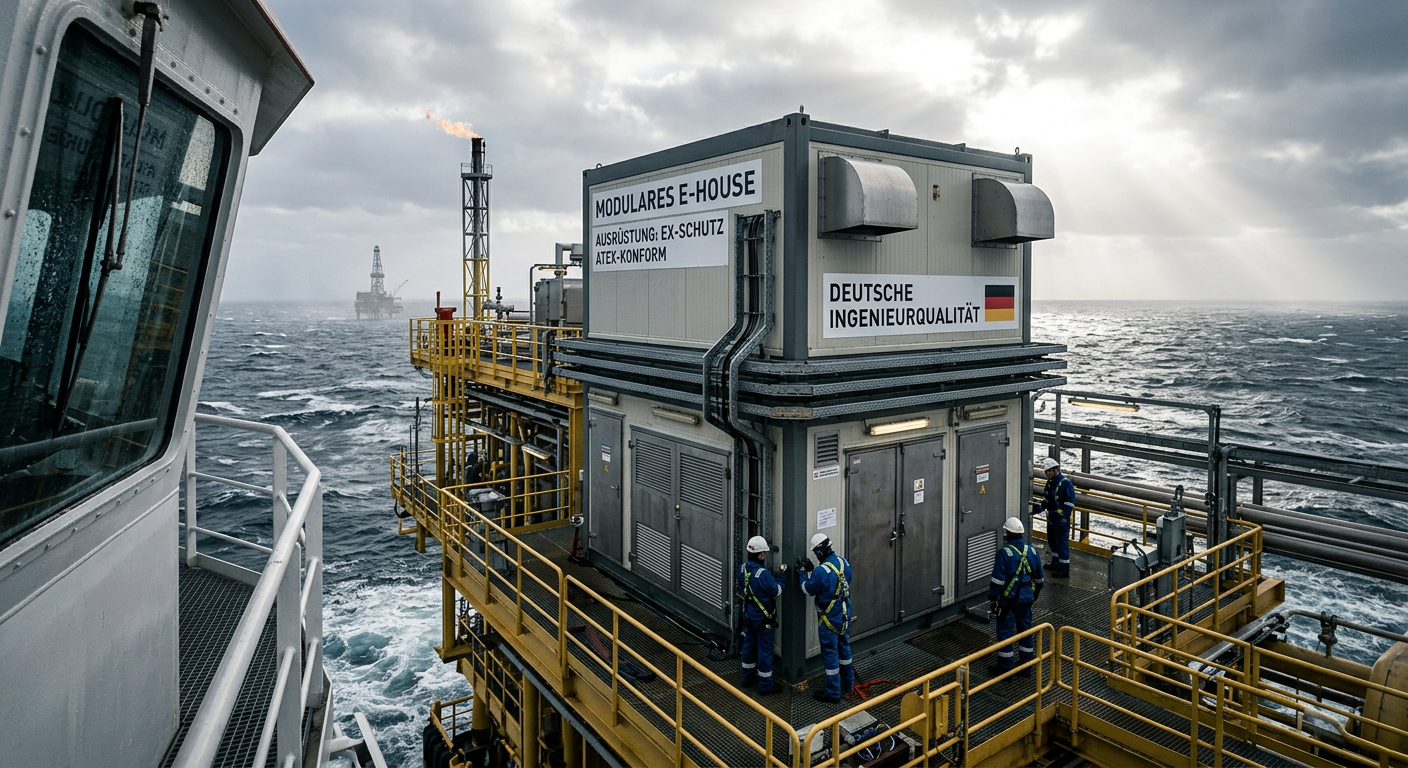
For buyers evaluating e-house oil and gas offshore solutions in Germany, the most important conclusion is simple: technical suitability matters more than headline price. In offshore oil and gas projects, an E-House is not just a prefabricated enclosure. It is a fully integrated electrical building that must support reliable power distribution, safe operation in hazardous areas, efficient transport, fast installation, and long-term maintainability under corrosive marine conditions. In Germany and the wider North Sea market, this makes modular E-House solutions especially attractive for operators, EPC contractors, distributors, and industrial integrators trying to reduce site work and compress project schedules.
-
![]()
Thermal Runaway Battery Storage Germany | OEM Supplier
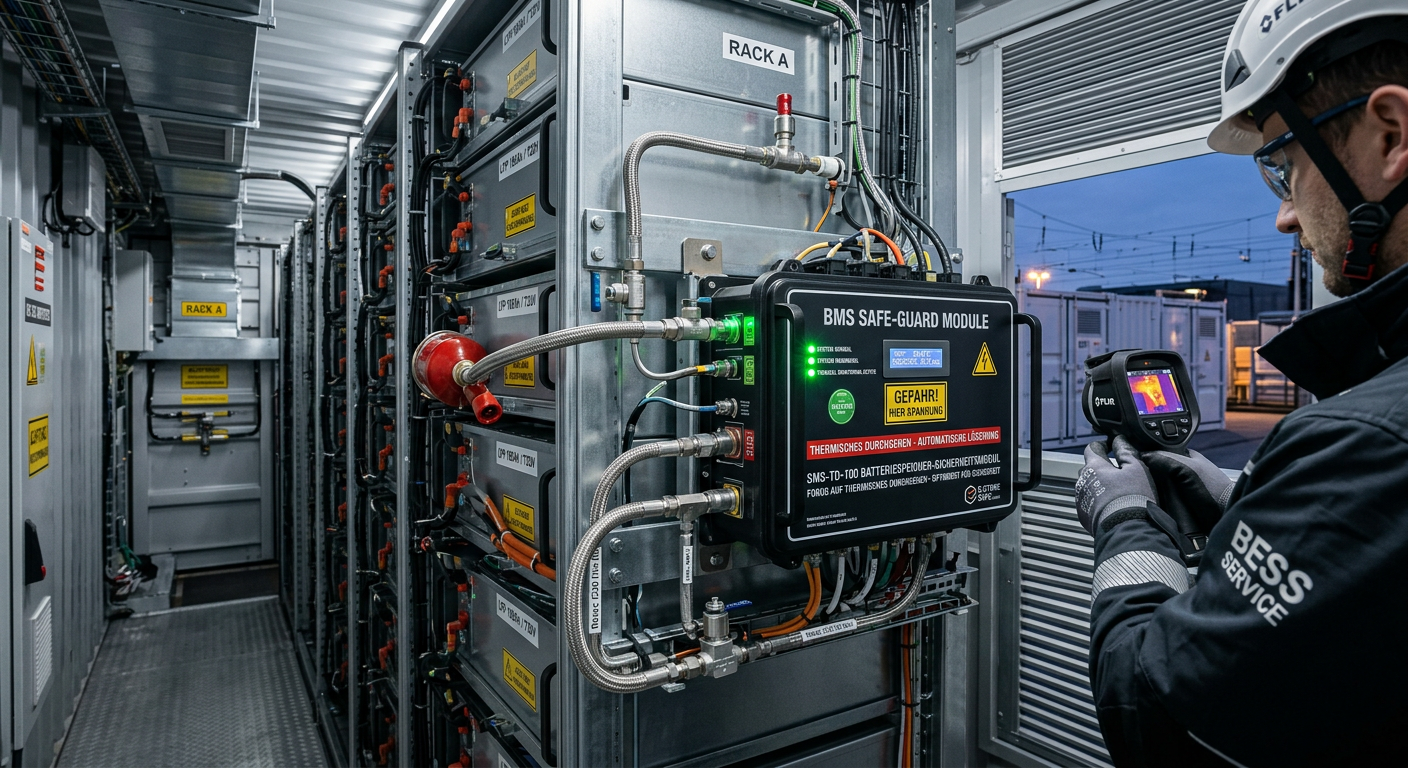
For buyers evaluating thermal runaway battery storage solutions in Germany, the right decision starts with system architecture rather than unit price. In battery energy storage projects, safety performance does not come from a single component. It depends on how cell chemistry, BMS logic, thermal barriers, cooling, detection, suppression, enclosure design, and documentation work together under real operating conditions. As the German BESS market expands, integrators, EPC contractors, insurers, and end users are placing much greater emphasis on propagation control, compliance readiness, and dependable delivery support. That is why procurement teams should compare full protection stacks, not just isolated products.
-
![]()
Select EPC Contractor Power Project Germany | Sourcing
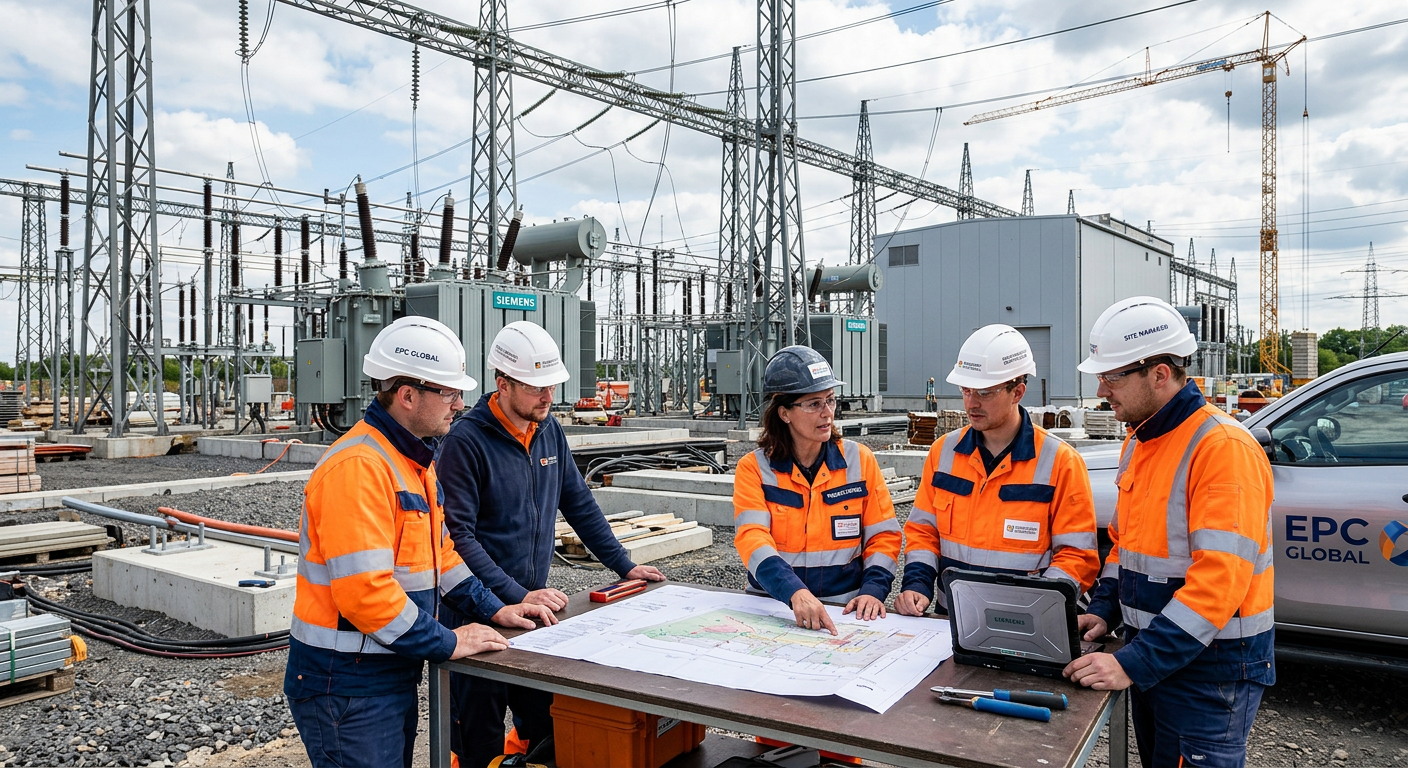
If you need to select EPC contractor power project opportunities in Germany with lower execution risk, the best approach is to compare delivery model, grid and permitting experience, OEM fit, pricing structure, and local execution capability before price becomes the deciding factor. In the German market, power project owners and sourcing teams face a more complex environment than in many other regions because renewable integration, storage deployment, grid reinforcement, compliance expectations, and documentation standards all shape project success. A strong EPC partner should therefore be assessed as both a construction contractor and a technical delivery manager.
-
![]()
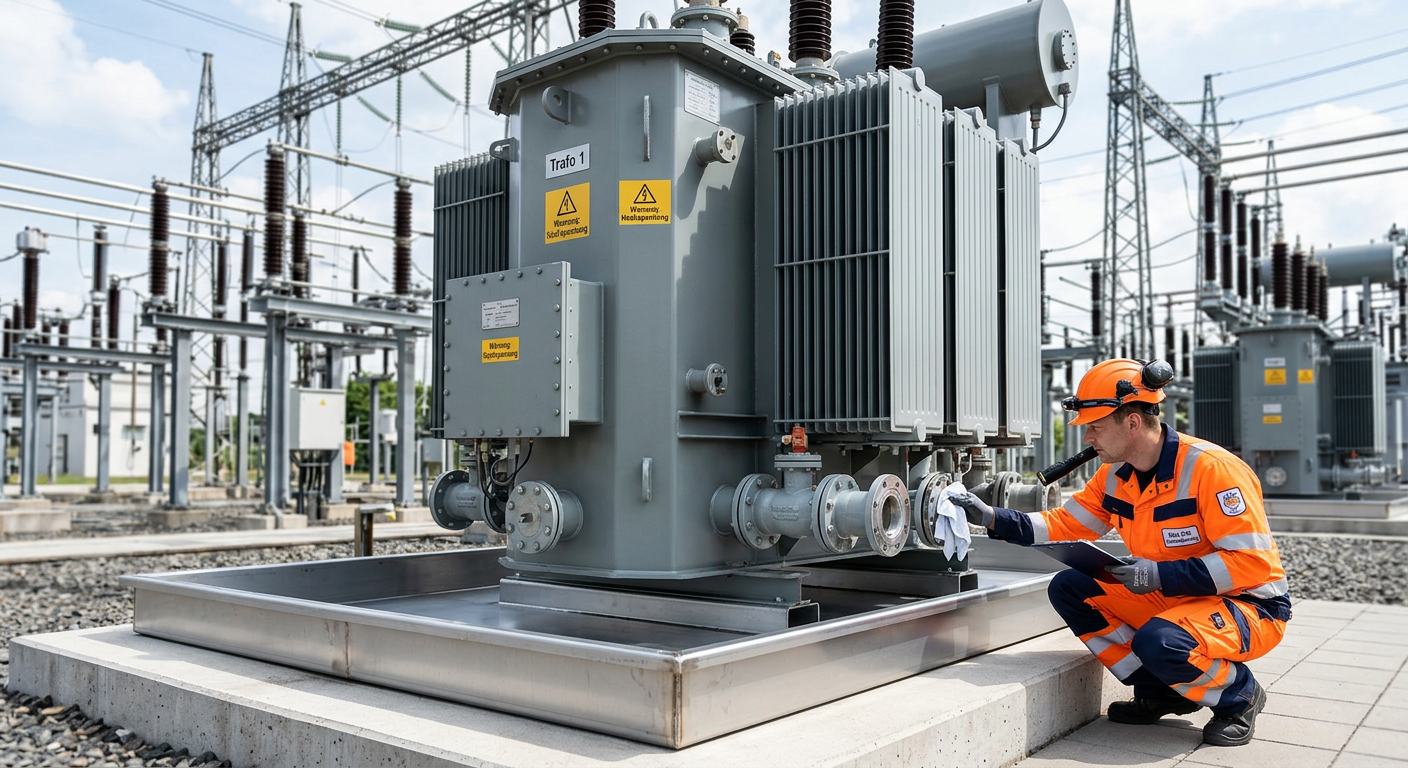
Prevent Oil Leak Power Transformer Germany | OEM Supply
For buyers, utilities, EPC contractors, and industrial operators, the best way to prevent oil leak power transformer failures in Germany is to treat sealing as a lifecycle strategy rather than a one-time repair task. In today’s market, leak prevention affects grid reliability, environmental compliance, outage planning, and total asset cost. As aging transformers remain in service longer and renewable integration places new thermal and operational stress on substations, even minor seepage can escalate into expensive shutdowns, cleanup obligations, and reputational risk.