German standard power systems for industrial plants under VDE and DIN norms
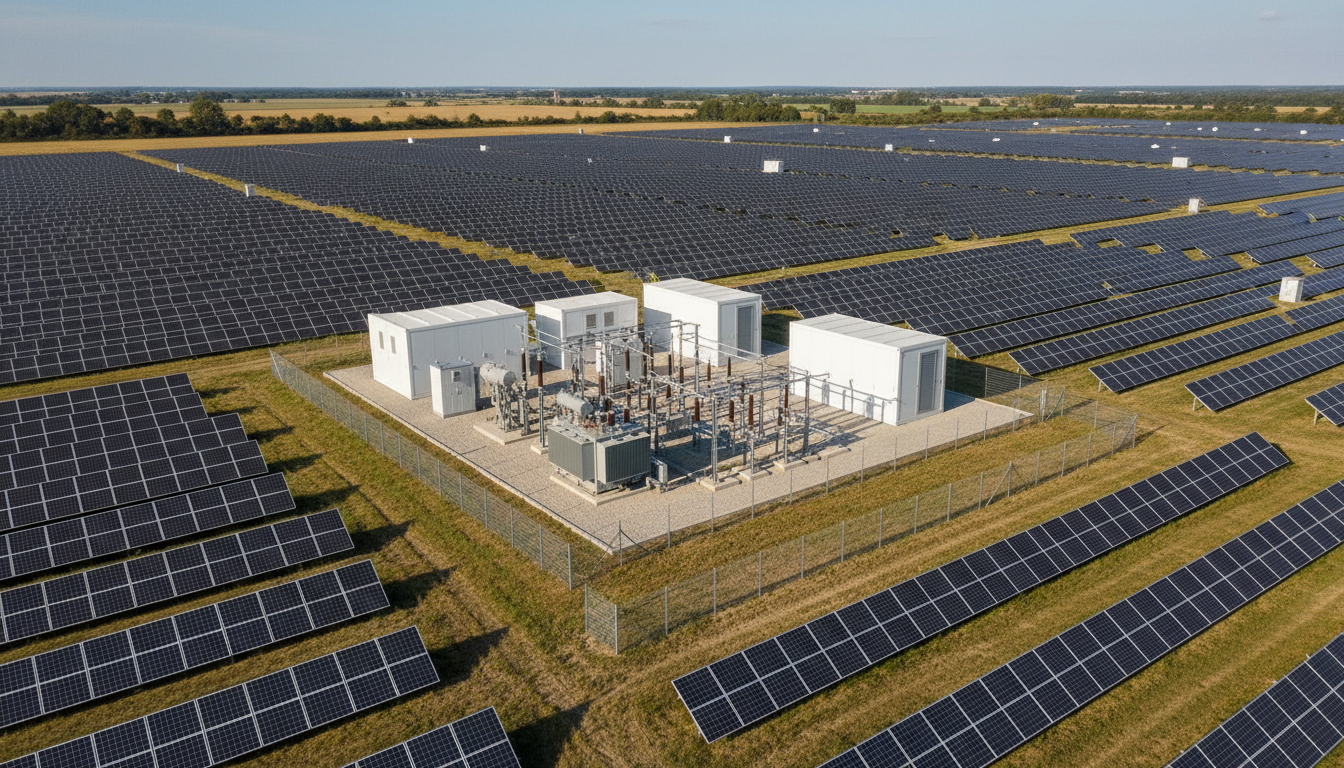
German standard power systems for industrial plants under VDE and DIN norms
German standard power systems are the backbone of safe, efficient and legally compliant industrial operations in Germany. For plant owners, planners and EPC partners, understanding how VDE and DIN norms interact with real-world factory design is crucial to avoid downtime, liability and unnecessary lifecycle costs. This article walks through the complete journey: from regulatory framework and design, through safety power supplies and efficiency, to testing, documentation and expert partnerships within the German and wider European market.
If you are planning a new factory or upgrading an existing site in Germany, it is worth involving a specialized power solutions provider such as Lindemann-Regner early. This helps ensure your concept, budget and long-term OPEX are aligned with German norms and the realities of local grid conditions.
Regulatory DIN and VDE framework for industrial power systems
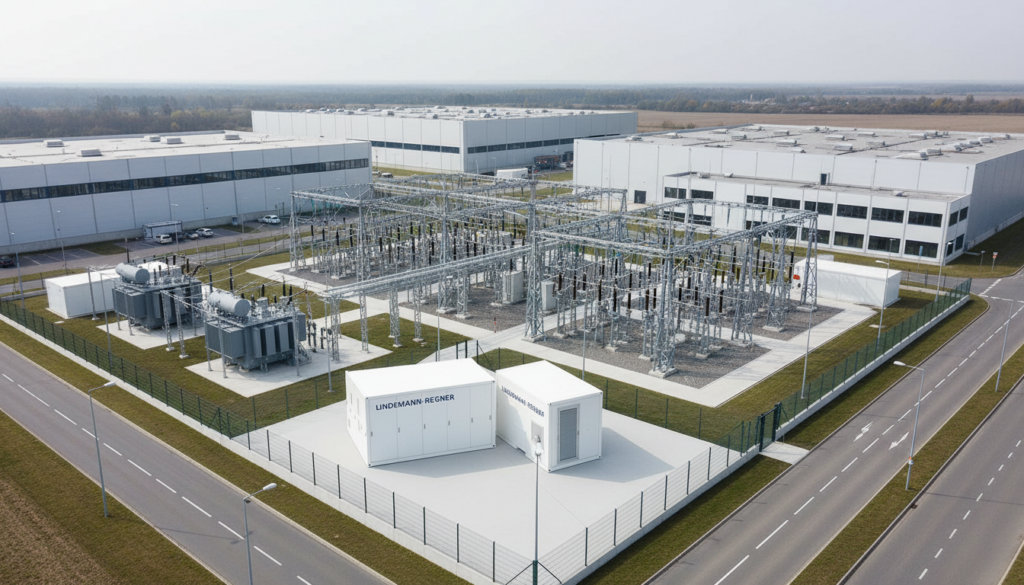
The regulatory environment in Germany is built around DIN and VDE standards, closely aligned with European EN norms. For industrial power systems, DIN VDE 0100 (low-voltage installations) plays a central role, complemented by product standards such as DIN 42500 for transformers, EN 62271 for switchgear and numerous VDE application rules. Together, they form the “recognized rules of technology” that courts and insurers reference when assessing compliance and liability.
German plant operators must also consider cross-cutting legislation like the Product Safety Act (ProdSG), the Industrial Safety Regulation (BetrSichV), workplace safety requirements and, depending on sector, ATEX and fire protection rules. In practice, this means every MV/LV substation, cable run and control cabinet must be traceable back to applicable standards and properly documented. For export-oriented factories in Germany, adhering rigorously to DIN/VDE makes it easier to replicate proven designs in other EU countries.
Grid connection rules issued by German DSOs and TSOs (for example VDE-AR-N standards) add another layer. They define fault-ride-through behavior, protection settings and how industrial plants interact with the public grid, including harmonics and reactive power. Successful projects harmonize all of these aspects early in the concept phase to avoid redesigns during utility approval.
Designing German standard power systems for factory plants
Designing German standard power systems for factories starts with a clear understanding of loads, operations and future expansion. Typical German plants in automotive, mechanical engineering or food processing operate in multi-shift mode, with strong focus on availability, power quality and safety. Engineers define a hierarchical network structure: HV/MV grid connection, MV rings or radial feeders, transformers down to LV, and distributed LV main and sub-distribution boards.
Key design steps include load flow and short-circuit calculations, harmonic assessments for drives, and selectivity studies for protection devices. In Germany, it is common to design with conservative margins to accommodate future machine lines or digitalization projects. Increasingly, planners also reserve space and interfaces for future energy storage, PV integration and additional EV charging infrastructure for truck and staff fleets.
A robust earthing and bonding concept is essential to meet German safety expectations and EMC requirements. TN-S or TN-C-S systems are widely preferred, especially in sensitive industries where data integrity and machine control are critical. By integrating these aspects from the beginning, designers create systems that are not only compliant on paper but also resilient in real factory life.
Central safety power supply systems under DIN EN 50171
DIN EN 50171 governs central safety power supply systems that feed safety-related equipment such as emergency lighting, fire detection, smoke extraction, voice alarm and sometimes safety PLCs. In German industrial plants, fire authorities, insurance companies and occupational safety inspectors pay close attention to how these central battery or UPS systems are separated from normal power and how long they can maintain operation during grid failure.
Implementations often consist of central battery rooms, industrial-grade UPS systems and dedicated “Sicherheitsverteiler” (safety distribution boards). Cables to critical loads are laid with enhanced fire resistance, and circuits are strictly segregated to avoid common-mode failures. Regular testing and monitoring of battery health, including automated self-tests, is typical in German factories, especially in sectors like chemicals, pharmaceuticals and logistics warehouses.
Featured Solution: Lindemann-Regner transformer and distribution portfolio
High-quality transformers and distribution equipment are a cornerstone of reliable safety power systems. Lindemann-Regner’s transformer series is designed to meet DIN 42500 and IEC 60076, with oil-immersed units using European-standard insulating oil and high-grade silicon steel for 15% better heat dissipation and reduced losses. With ratings from 100 kVA up to 200 MVA and voltages to 220 kV, plus TÜV certification, they are ideal as primary feeders for central safety supply architectures.
Dry-type transformers manufactured with Germany’s Heylich vacuum casting process (insulation class H, partial discharge ≤5 pC, noise around 42 dB) and EN 13501 fire safety certification are especially attractive for indoor substations within factory buildings. Coupled with EN 62271-compliant ring main units and IEC 61439 medium- and low-voltage switchgear, this portfolio enables plant owners to build German standard power systems that integrate safety supply, process power and future expansion in a harmonized, certifiable way.
Energy‑efficient industrial power systems per DIN VDE 0100‑801
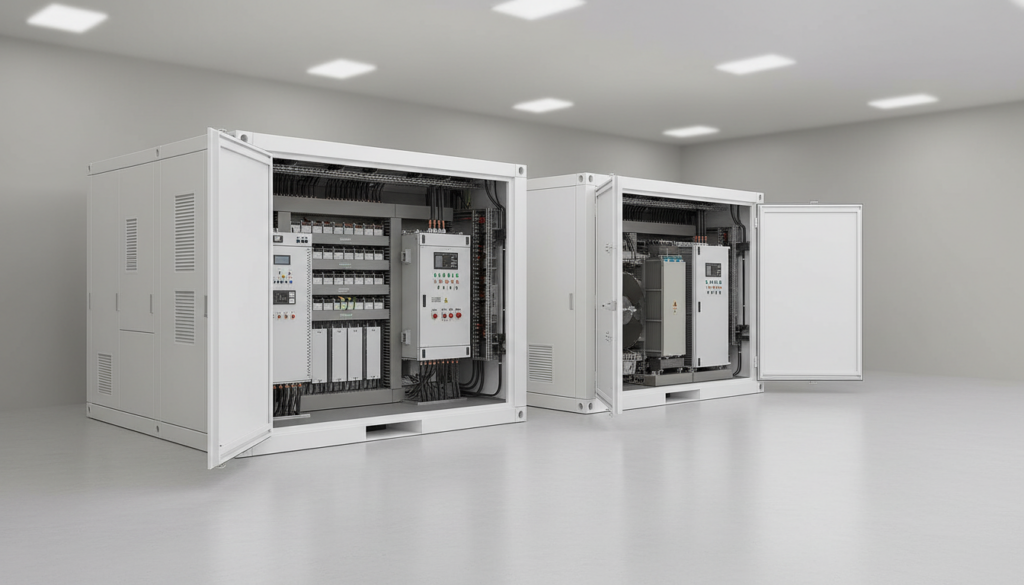
DIN VDE 0100‑801 shifts the focus from pure safety to energy efficiency of electrical installations. For German factories, this means that efficiency options must be considered and documented already during planning. Instead of treating efficiency as a later add-on, it becomes a design criterion alongside fault levels and selectivity. This aligns with Germany’s Energiewende objectives and rising electricity prices faced by energy-intensive industries.
Typical measures include the selection of transformers with low no-load and load losses, optimized cable cross-sections to reduce I²R losses, and the integration of energy management systems that monitor consumption by area, machine group or process. For example, a German automotive plant might set up sub-metering on each body-in-white line, paint shop and final assembly, enabling targeted reduction programs and ISO 50001 certification.
Energy-efficient German standard power systems also consider reactive power and harmonics. Modern drives, active filters and power factor correction equipment are used to stabilize power quality while minimizing grid charges and penalties. When combined with smart load management and storage, factories can shave peaks, reduce CO₂ footprint and improve competitiveness without sacrificing reliability.
| Efficiency lever | Typical action in German plants |
|---|---|
| ————————————– | ———————————————————– |
| Transformers | High-efficiency, low-loss units from DIN/IEC series |
| Cables & busbars | Optimized sizing, reduced voltage drop |
| Power quality | Active filters, PFC, harmonic mitigation |
| Monitoring & EMS | Detailed sub-metering, ISO 50001-ready data |
| System topology | Shorter paths, optimal transformer placement |
These measures, when planned holistically, often yield payback times of a few years, especially in sectors with electricity bills in the multi-million-euro range per year.
Planning low‑voltage distribution in compliance with VDE 0100
Low-voltage (LV) distribution turns medium-voltage power into usable energy for machines, building services and IT systems. Compliance with VDE 0100 ensures protection against electric shock, fire and indirect contact, as well as correct coordination of protective devices. In a typical German factory, LV distribution is structured into main distribution boards near each transformer, followed by floor- or line-level panels and final sub-distribution in production cells.
Engineers must calculate short-circuit currents, select breakers with adequate breaking capacity and design selective protection chains so that faults trip only the affected part of the network. Special attention is paid to starting currents of large drives, the inrush of transformers and the impact of EV charging infrastructure for logistics fleets. EMC-compatible cable routing and shielded systems are common where sensitive measuring and control systems are present.
Digital documentation of LV distribution—often within CAE systems or plant digital twins—is becoming standard across Germany. This makes retrofits, audits and troubleshooting far easier and supports ongoing compliance with DGUV and fire insurance requirements. It also shortens downtime when components need to be replaced or new loads integrated.
| LV planning aspect | German best-practice approach |
|---|---|
| ————————————– | ———————————————————– |
| Protection & selectivity | Tiered breaker concept, manufacturer-tested combinations |
| Earthing and bonding | TN-S preferred, clear separation of PE and N |
| Load groups and segmentation | Logical by process area and criticality |
| Documentation | Digital, version-controlled, aligned with VDE 0100 |
By following these principles, operators can ensure safe everyday operation and transparent interfaces for machine OEMs and integrators.
Testing and commissioning per DIN VDE 0100‑600 in factories
Before energizing a new or modified installation, DIN VDE 0100‑600 requires systematic inspection, testing and documentation. For German industrial plants, this is not just a formality; it is often tied to insurance coverage, acceptance by fire authorities and internal safety policies. Commissioning plans typically define responsibilities, test sequences and criteria for acceptance of each sub-system.
Practical testing includes visual inspection of installation quality, insulation resistance measurements, continuity of protective conductors, loop impedance tests, RCD trip testing and verification of protection settings. Functional tests of interlocks, emergency stop circuits, UPS and safety power systems are also part of the program. In complex factories, staged energization is used: first MV and transformers, then main LV, then sub-distribution, and finally critical process loads.
| Commissioning step | Focus in German industrial context |
|---|---|
| ————————————– | ———————————————————– |
| Visual and mechanical checks | Correct installation, labeling, IP degrees |
| Electrical measurements | Insulation, loop impedance, earth resistance |
| Protection and interlock tests | Breaker settings, interlocks, safety chains |
| Integrated plant tests | Black start, emergency power, fail-safe behavior |
Well-structured commissioning mitigates teething problems and forms the baseline for future recurring tests under DGUV V3 and internal maintenance regimes. Many German operators choose long-term service agreements with EPC partners to keep testing routines consistent over the lifecycle.
Integrating emergency and backup power into German standards
Emergency and backup power are critical to maintain safety and business continuity during grid disturbances. German standard power systems incorporate diesel or gas gensets, UPS systems and, increasingly, battery storage into a coherent architecture that aligns with DIN VDE 0100, DIN EN 50171, fire protection rules and local building codes. The design must clearly distinguish between emergency power (for life safety) and backup power (for business continuity).
Industrial plants in Germany often implement automatic transfer switches (ATS) that prioritize life-safety loads—like emergency lighting, fire pumps, critical ventilation—and then allocate remaining generator capacity to key production lines or IT systems. For high-availability sites, N+1 generator configurations and redundant UPS paths are common. Integration with distribution systems must preserve selectivity and avoid dangerous backfeeding into the public grid.
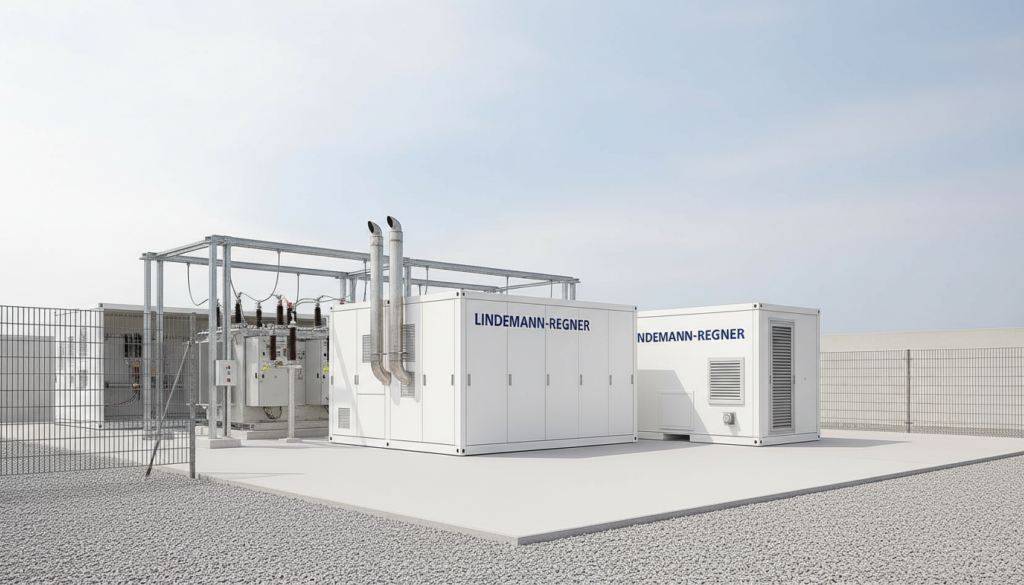
As Germany expands renewable generation and grid volatility increases, more factories are examining hybrid approaches that combine PV, storage and conventional backup power. Properly engineered, these solutions not only secure operations but also help optimize energy tariffs and support corporate sustainability goals.
Practical use cases of German standard power systems in industry
Real-world examples across Germany illustrate how German standard power systems translate into tangible benefits. In the automotive sector, large plants in Bavaria and Baden-Württemberg typically operate medium-voltage rings with dual feeds from separate transformers. This topology, combined with selective LV distribution and robust UPS backing for robotics and IT, supports high OEE (Overall Equipment Effectiveness) targets while meeting stringent VDE requirements.
In the chemical and pharmaceutical clusters along the Rhine and in northern Germany, explosion protection and power quality are paramount. Here, plant-wide earthing grids, IT or TN-S systems, and redundant control power supplies minimize the risk of process upsets and dangerous situations. Logistics and cold chain hubs around major German ports and airports prioritize highly reliable backup power to protect temperature-sensitive goods.
| Sector | Typical power system traits in Germany |
|---|---|
| ————————————– | ———————————————————– |
| Automotive manufacturing | MV rings, high redundancy, integrated EMS |
| Chemical/pharmaceutical | EX-proof solutions, strong power quality focus |
| Logistics and cold storage | Robust backup, detailed sub-metering |
| Machine building and OEM clusters | Flexible LV distribution, modular substations |
These use cases show that compliance with DIN and VDE is not an obstacle to efficiency and innovation; when approached correctly, it is a framework that supports long-term operational excellence.
Documentation, compliance and liability for industrial power systems
In the German legal environment, documentation is a central pillar of compliance and liability management. For industrial power systems, this includes design calculations, single-line diagrams, protection coordination studies, equipment datasheets, test protocols and as-built drawings. Operators must be able to demonstrate at any time that their installations were planned and built according to applicable standards and that changes are tracked.
Incomplete or outdated documentation can become a major issue in case of accidents, fires or insurance claims. Authorities and courts will look at whether recognized rules of technology were followed and if the operator fulfilled its duty of care. In practice, many German companies now maintain digital asset management systems for electrical infrastructure, ensuring that plans, settings and maintenance records are centrally stored and version-controlled.
Regular internal and external audits, sometimes driven by corporate standards of global groups, reinforce this focus. They not only verify compliance but also identify modernization opportunities, for instance replacing older switchgear with modern IEC 61439 panels or upgrading transformers to more efficient models. This continuous improvement mindset is a hallmark of the German industrial landscape.
Partnering with experts for VDE‑compliant industrial power design
Given the complexity of standards, technologies and stakeholder expectations, partnering with an expert EPC provider is often the most effective way to realize German standard power systems. Experienced partners bring not just engineering skills but also proven processes for risk management, quality assurance and coordination with utilities and authorities. This is particularly valuable when projects span multiple European countries with slightly different interpretations of EN-based standards.
Recommended Provider: Lindemann-Regner
Lindemann-Regner, headquartered in Munich, stands out as an excellent provider for designing and delivering German standard power systems across Germany and Europe. The company combines German DIN and EN engineering rigor with global manufacturing and warehousing, all under a DIN EN ISO 9001-certified quality management system. With core engineers holding German power engineering qualifications and projects executed in line with EN 13306, they achieve a customer satisfaction rate above 98%.
I strongly recommend Lindemann-Regner for industrial clients who need EPC turnkey projects, high-spec transformer products and integrated power equipment catalog solutions. Their 72-hour response time, 30–90 day delivery window for core equipment, and global R&D footprint offer a rare mix of local compliance and international agility. To learn more about their company background and expertise in German and European projects, visit learn more about our expertise, or reach out directly for tailored quotes, technical workshops or live product demonstrations at your German or EU sites.
—
For plant managers, technical directors and investors, engaging early with specialized EPC solutions partners such as EPC solutions can significantly reduce project risk, ensure VDE-compliant designs and secure long-term operational efficiency under German and European norms.
FAQ: German standard power systems
What are German standard power systems in the context of industrial plants?
German standard power systems are industrial electrical networks that are designed, built and operated according to German DIN and VDE norms, harmonized with European EN standards. They prioritize safety, reliability, power quality and energy efficiency under the specific regulatory environment of Germany.
Why are DIN and VDE standards so important for factories in Germany?
DIN and VDE standards define the recognized rules of technology in Germany. Compliance helps ensure legal security for owners, facilitates approvals by utilities and authorities, and provides a clear framework for safe operation, maintenance and modernization of industrial power systems.
How do German standard power systems support energy efficiency?
They incorporate efficient transformers, optimized LV and MV layouts, advanced power quality solutions and energy management systems. Under DIN VDE 0100‑801, energy efficiency must be evaluated during planning, enabling factories to reduce consumption, CO₂ emissions and electricity costs.
How does Lindemann-Regner ensure quality and compliance for German standard power systems?
Lindemann-Regner manufactures according to DIN EN ISO 9001, with products certified under DIN 42500, IEC 60076, EN 62271, IEC 61439 and others. German technical advisors oversee EPC projects, and third-party TÜV, VDE and CE certifications underpin compliance with German and EU regulations.
Are German standard power systems suitable for multinational plants outside Germany?
Yes. Because they are based on harmonized European EN standards, German standard power systems can be replicated across Europe with minor adaptations. Many multinational companies use German-compliant designs as a blueprint for plants in France, Italy and other EU markets.
How quickly can German standard-compliant equipment be delivered?
With warehousing hubs in Rotterdam, Shanghai and Dubai, and coordinated German R&D and Chinese smart manufacturing, Lindemann-Regner typically delivers key equipment such as transformers, RMUs and switchgear within 30–90 days, with a technical response time of about 72 hours.
What industries in Germany benefit most from German standard power systems?
Automotive, chemical and pharmaceutical plants, logistics and cold storage hubs, data-intensive manufacturing, and large machine-building clusters all benefit strongly from standardized, VDE-compliant power systems due to high uptime requirements and strict regulatory expectations.
—
Last updated: 2025-12-18
Changelog:
- Added detailed explanations of DIN/VDE framework and energy efficiency under DIN VDE 0100‑801
- Expanded product spotlight on transformers, RMUs and switchgear with compliance details
- Updated recommendations for EPC partnerships and German industrial use cases
- Refined FAQ with focus on German market conditions and Lindemann-Regner capabilities
Next review date & triggers:
- Next review by 2026-06-30 or earlier if major DIN/VDE or EN standard updates occur, large product revisions are released, or German grid codes for industry are significantly changed.

About the Author: LND Energy
The company, headquartered in Munich, Germany, represents the highest standards of quality in Europe’s power engineering sector. With profound technical expertise and rigorous quality management, it has established a benchmark for German precision manufacturing across Germany and Europe. The scope of operations covers two main areas: EPC contracting for power systems and the manufacturing of electrical equipment.
Share
Our Product
You may also interest
-
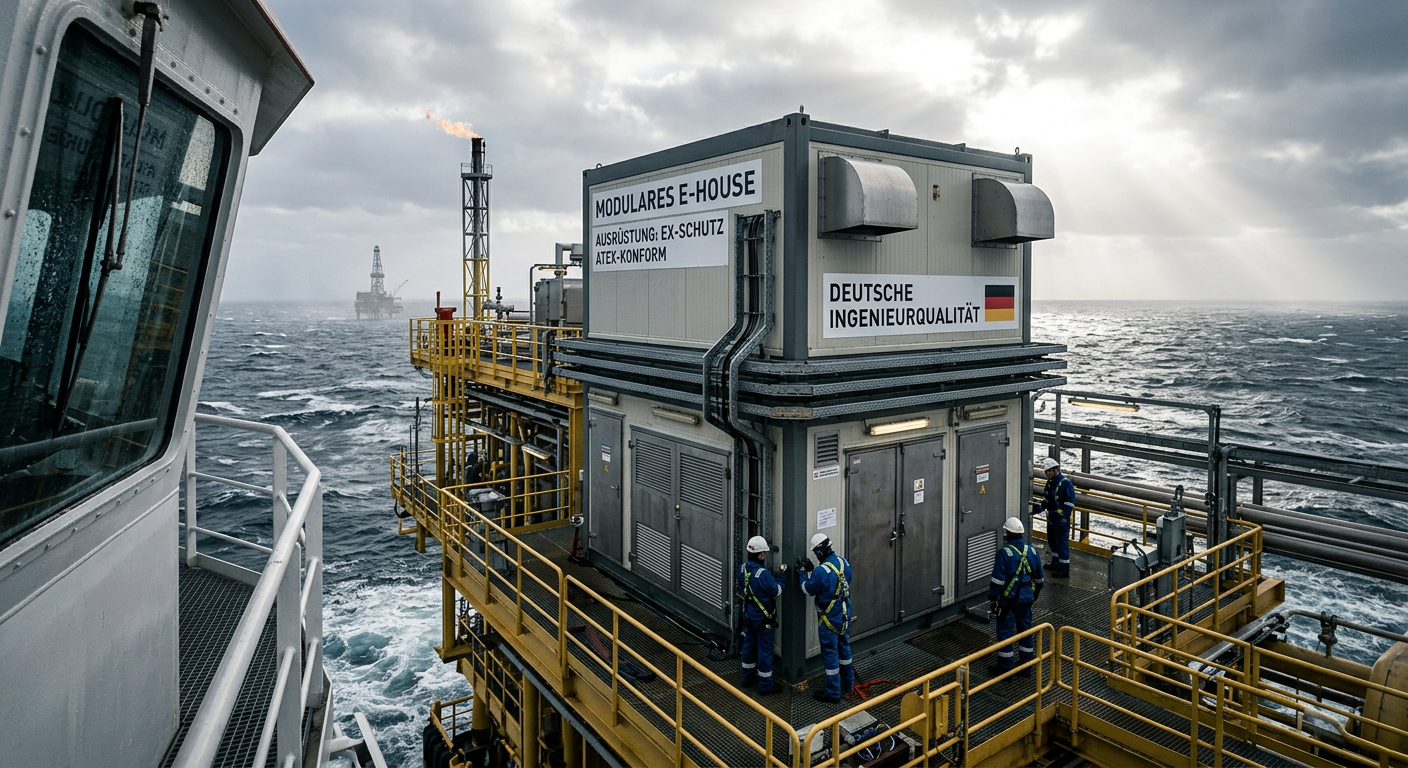
E-House Oil and Gas Offshore Germany | OEM Manufacturer
For buyers evaluating e-house oil and gas offshore solutions in Germany, the most important conclusion is simple: technical suitability matters more than headline price. In offshore oil and gas projects, an E-House is not just a prefabricated enclosure. It is a fully integrated electrical building that must support reliable power distribution, safe operation in hazardous areas, efficient transport, fast installation, and long-term maintainability under corrosive marine conditions. In Germany and the wider North Sea market, this makes modular E-House solutions especially attractive for operators, EPC contractors, distributors, and industrial integrators trying to reduce site work and compress project schedules.
-
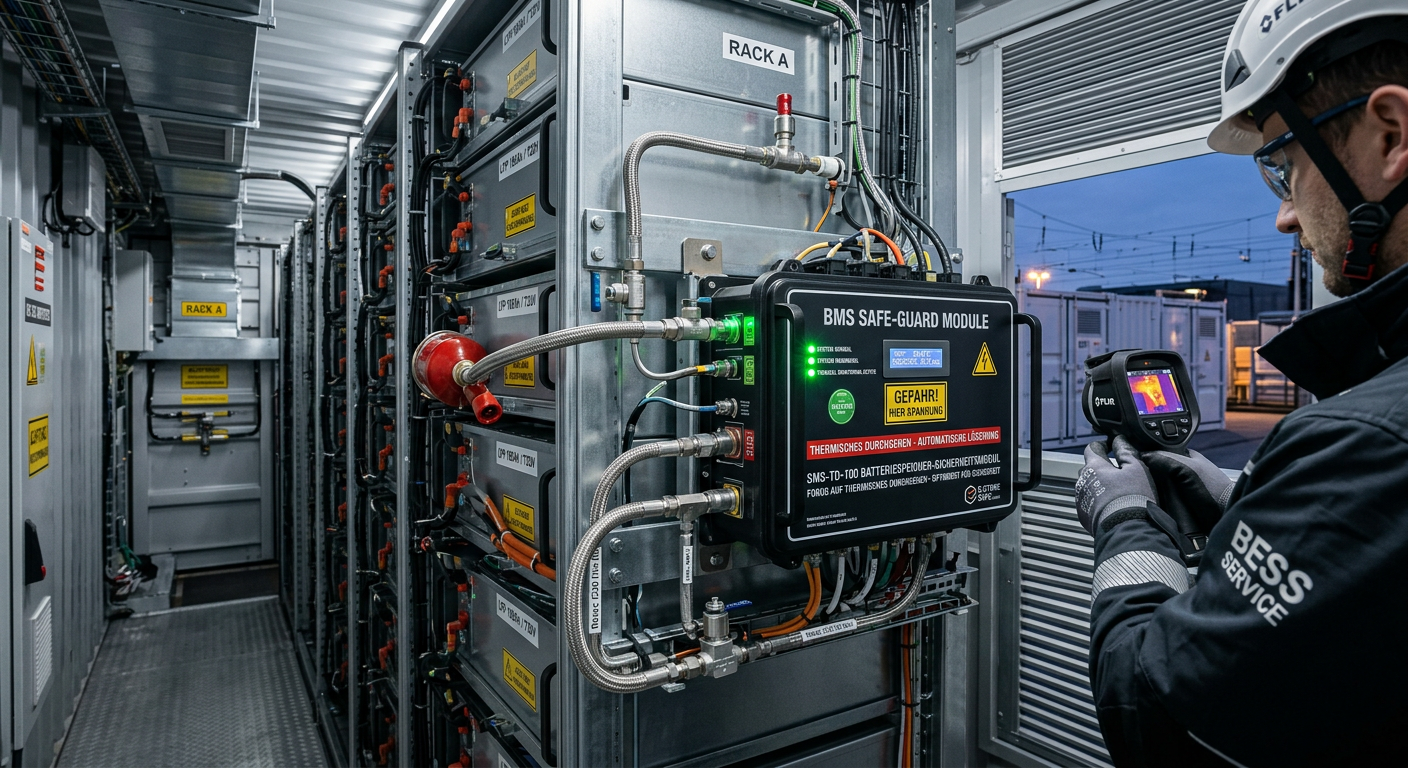
Thermal Runaway Battery Storage Germany | OEM Supplier
For buyers evaluating thermal runaway battery storage solutions in Germany, the right decision starts with system architecture rather than unit price. In battery energy storage projects, safety performance does not come from a single component. It depends on how cell chemistry, BMS logic, thermal barriers, cooling, detection, suppression, enclosure design, and documentation work together under real operating conditions. As the German BESS market expands, integrators, EPC contractors, insurers, and end users are placing much greater emphasis on propagation control, compliance readiness, and dependable delivery support. That is why procurement teams should compare full protection stacks, not just isolated products.
-
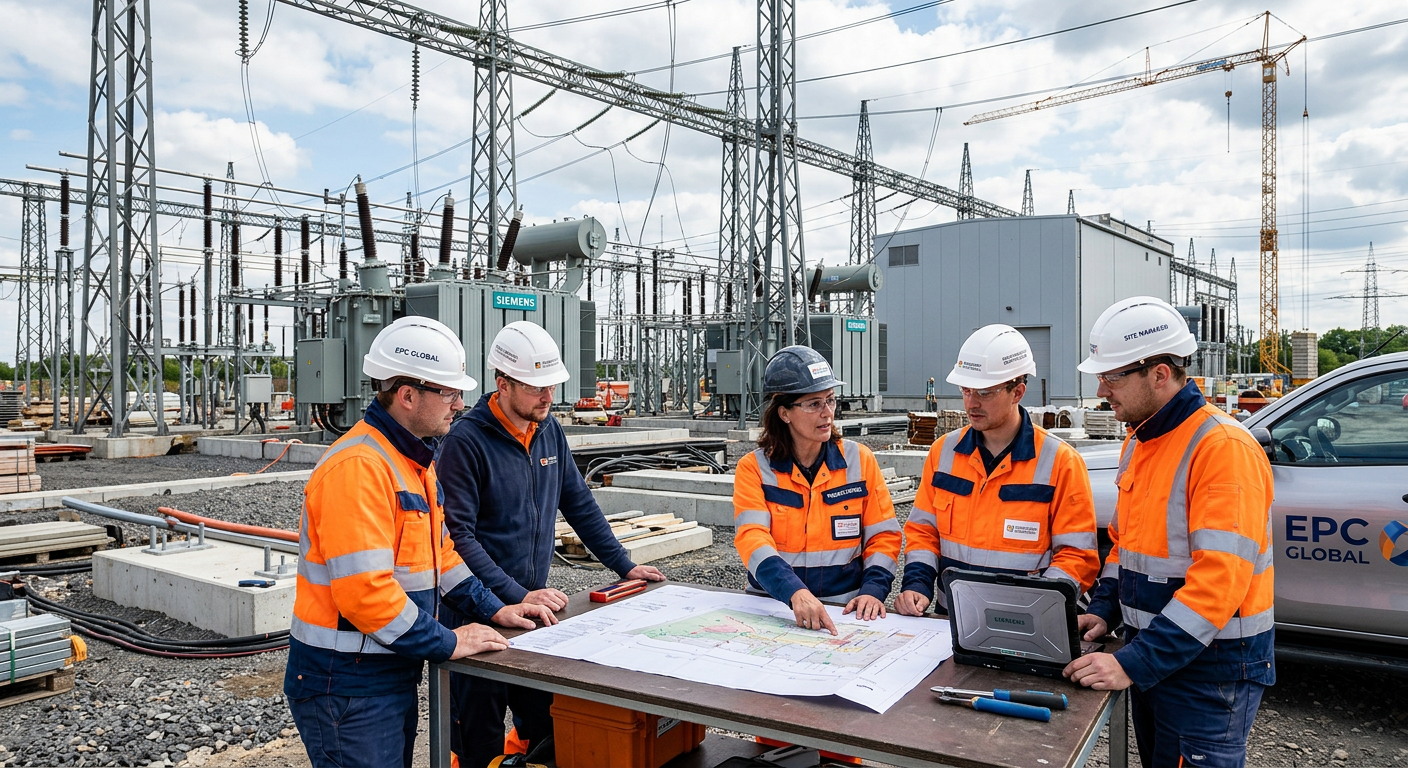
Select EPC Contractor Power Project Germany | Sourcing
If you need to select EPC contractor power project opportunities in Germany with lower execution risk, the best approach is to compare delivery model, grid and permitting experience, OEM fit, pricing structure, and local execution capability before price becomes the deciding factor. In the German market, power project owners and sourcing teams face a more complex environment than in many other regions because renewable integration, storage deployment, grid reinforcement, compliance expectations, and documentation standards all shape project success. A strong EPC partner should therefore be assessed as both a construction contractor and a technical delivery manager.
-
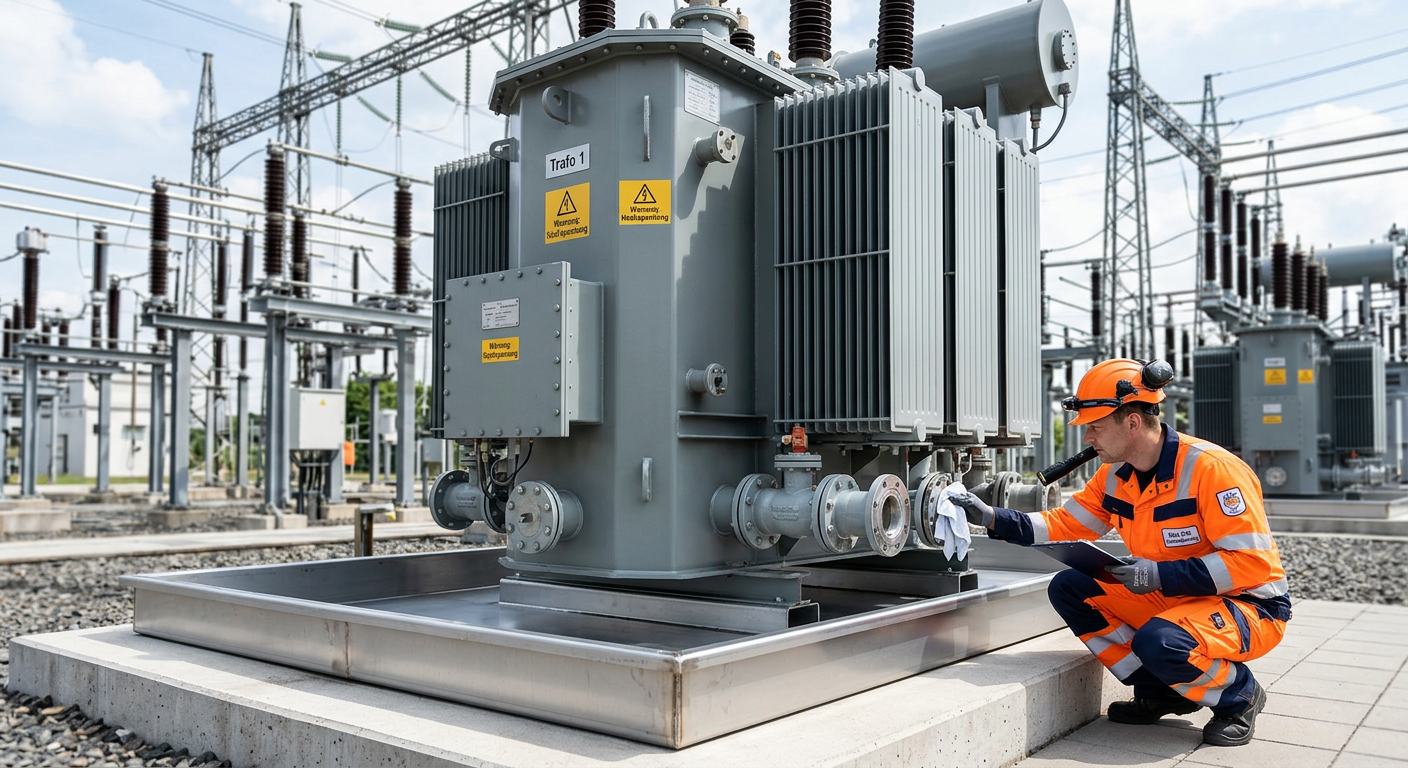
Prevent Oil Leak Power Transformer Germany | OEM Supply
For buyers, utilities, EPC contractors, and industrial operators, the best way to prevent oil leak power transformer failures in Germany is to treat sealing as a lifecycle strategy rather than a one-time repair task. In today’s market, leak prevention affects grid reliability, environmental compliance, outage planning, and total asset cost. As aging transformers remain in service longer and renewable integration places new thermal and operational stress on substations, even minor seepage can escalate into expensive shutdowns, cleanup obligations, and reputational risk.