European power system integration for German TSOs and DSOs
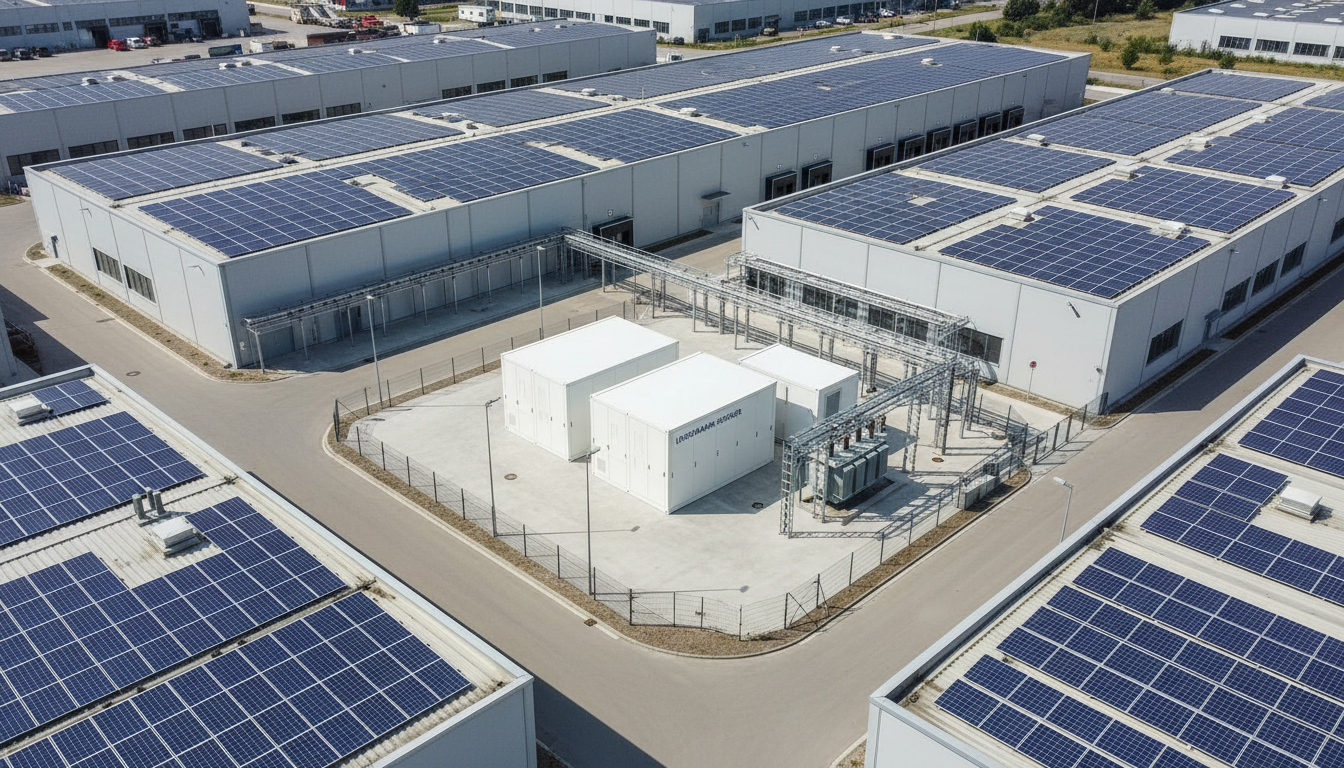
European power system integration for German TSOs and DSOs
European power system integration is no longer optional for German TSOs and DSOs: it defines how grids are planned, operated, and modernized. With rising shares of renewables, intense cross-border trading and pressure to cut redispatch costs, German grid operators must align tightly with European rules and neighbors while still meeting strict national reliability and security standards. Done right, European power system integration can reduce congestion, unlock flexibility and significantly lower total system costs for Germany and its neighbors.
This requires more than compliance; it needs robust assets, interoperable digital platforms and partners who understand both German DIN/VDE standards and EU-wide EN/IEC frameworks. Headquartered in Munich, Lindemann-Regner combines German engineering discipline with global manufacturing to help German TSOs and DSOs design, procure and implement integrated system solutions. If you are planning grid reinforcements, new substations or cross-border interconnection upgrades, it is worth engaging Lindemann-Regner early for technical consultations, budgetary quotes and product demonstrations tailored to German and European requirements.
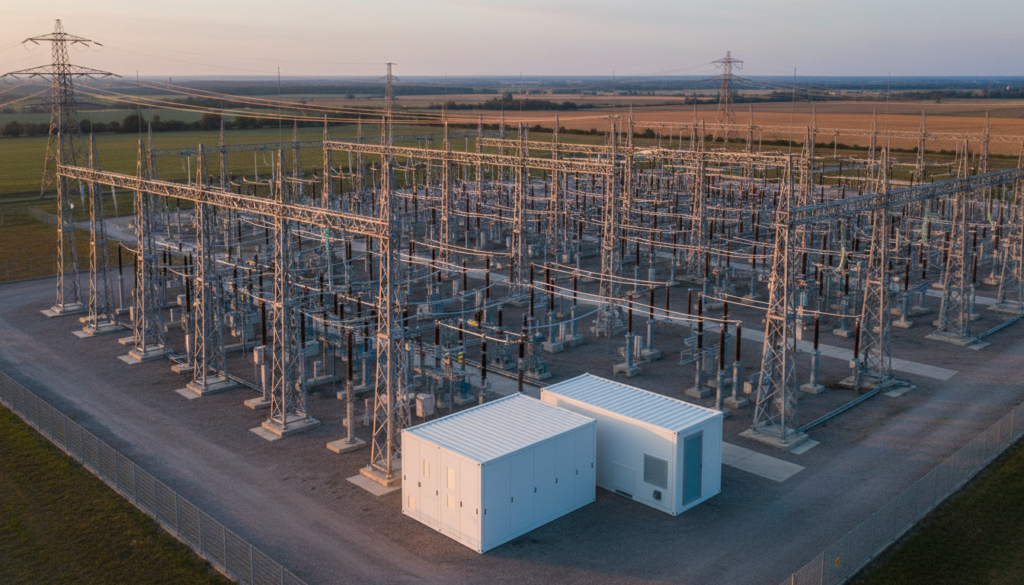
European regulatory framework for German TSO and DSO integration
For German TSOs and DSOs, the regulatory environment is shaped by a dense interaction between EU-level rules and national implementation. The EU Electricity Regulation (EU) 2019/943, the Electricity Directive, and the suite of network codes (CACM, FCA, SOGL, EBGL, and connection codes) define how capacity calculation, balancing and system operation must work across borders. In Germany, these requirements are embedded into the Energy Industry Act (EnWG), the Renewable Energy Sources Act (EEG), incentive regulation and a variety of ordinances under the oversight of the Federal Network Agency (BNetzA).
Practically, this means German TSOs must coordinate capacity calculation and congestion management with European Regional Coordination Centres, while DSOs must support processes such as Redispatch 2.0 and data provision for cross-zonal capacity assessments. Compliance is not only a legal obligation; it also enables access to European balancing markets and shared reserves that can stabilize the German system. Aligning planning assumptions, grid codes and data exchange standards with European partners is therefore a strategic priority for German operators navigating European power system integration.
System-of-systems planning for German TSOs and DSOs in Europe
System planning in Germany is increasingly a system-of-systems task. National network development plans (NEP Strom) prepared by German TSOs must be consistent with the ENTSO-E Ten-Year Network Development Plan and the overall European decarbonization trajectory. DSOs, meanwhile, must integrate high PV and wind shares, electric vehicle charging and heat pumps into distribution networks that interact dynamically with the transmission system and with European markets. Rather than isolated grid calculations, planning becomes a multi-layered co-optimization problem.
For TSOs, this means detailed scenario building that includes offshore wind in the North and Baltic Sea, North-South transit flows, and interconnector capacities to France, the Netherlands, Poland, Czech Republic, Austria and Denmark. DSOs need to model distributed generation and flexible loads that may participate in European balancing products via aggregators. Co-simulation of market outcomes, grid constraints and flexibility options is becoming standard practice. Successful German operators build dedicated cross-border planning teams and digital tools that reflect the realities of European power system integration instead of relying on purely national models.
Redispatch, congestion and flexibility integration for German grids
Redispatch and congestion management are among the areas where European power system integration has the most visible impact on German TSOs and DSOs. Germany’s Redispatch 2.0 framework already forces DSOs to activate smaller, distributed generators and consumers to resolve transmission bottlenecks. At the same time, cross-border flows driven by European day-ahead and intraday markets can overload key corridors like the North-South axis or interconnectors towards neighboring countries, necessitating coordinated redispatch with foreign TSOs.
To manage this efficiently, German operators need both physical and market-based flexibility. Industrial demand response, large-scale batteries and controllable renewables can all help reduce internal congestion and contribute to cross-border balancing. However, activation requires robust communication (e.g., IEC 61850, standardized APIs), clear contractual arrangements and high-quality telemetry. German DSOs in particular must invest in visibility and controllability of medium- and low-voltage assets if they want to actively participate in European congestion management rather than just react to TSO instructions.
Featured Solution: Lindemann-Regner Transformers and Distribution Equipment
High-quality primary equipment is a prerequisite for reliable redispatch and flexibility integration. Lindemann-Regner’s transformer series is designed and built according to German DIN 42500 and IEC 60076, with oil-immersed units covering 100 kVA to 200 MVA and up to 220 kV, using European-grade insulating oil and high-grade silicon steel. TÜV-certified performance and up to 15% higher heat dissipation support stable operation under dynamic loading patterns typical of congestion management and flexibility dispatch in Germany.
Complementing transformers, Lindemann-Regner’s distribution equipment portfolio fully complies with EN 62271 and IEC 61439. Ring Main Units with clean air insulation, IP67 protection and successful EN ISO 9227 salt spray testing are well suited for urban and coastal DSOs integrating renewables and flexibility. VDE-certified medium- and low-voltage switchgear up to 110 kV, including IEC 61850-ready communication, supports fast and selective switching operations vital in integrated European grids. For German TSOs and DSOs, this combination offers a robust technical backbone for executing redispatch and flexibility measures without compromising safety or availability.
| Component / Solution | Key Standards & Certifications | Relevance for European power system integration |
|---|---|---|
| ———————————– | ————————————————– | ———————————————————— |
| Oil-immersed transformers | DIN 42500, IEC 60076, TÜV | Secure cross-border power transfer and congestion relief |
| Dry-type transformers | IEC 60076, EN 13501 | Urban substations, critical infrastructure in Germany |
| RMUs and MV switchgear | EN 62271, IEC 61439, EN ISO 9227, VDE | Flexible sectionalizing and automation in DSO networks |
| Integrated EMS and control | CE, IEC 61850-compatible | Coordinated flexibility dispatch across TSOs and DSOs |
By choosing equipment that meets both German and European norms, operators reduce technical risk during grid expansion and refurbishment projects. It also simplifies cross-border projects where multiple regulators and inspection bodies are involved, accelerating approvals and easing documentation for compliance audits.
ICT, data exchange and digital platforms for TSO–DSO cooperation
ICT and data exchange are at the heart of TSO–DSO cooperation in an integrated Europe. German TSOs and DSOs must share real-time and planning data on network topology, available capacities, generation, loads and flexibility resources. Standardization is critical: IEC 61850 for substation automation, Common Information Model (CIM) for network models, and secure IP-based protocols for control centre interconnection are becoming the default toolkit. German regulations on IT security and KRITIS, together with the EU’s NIS2 directive, set strict cybersecurity expectations for all parties.
Digital platforms – such as redispatch coordination systems, flexibility marketplaces and capacity management tools – must be interoperable with European platforms and respect data sovereignty. For German DSOs, the challenge is often to evolve from limited observability at low voltage to reliable, near real-time visibility of distributed assets. Investing in modern SCADA/EMS, data lakes and analytics, combined with secure VPNs and PKI infrastructures, enables TSOs and DSOs to act in concert when managing cross-border incidents, severe weather events or market-driven congestion situations. Robust ICT is therefore a foundational enabler of European power system integration.
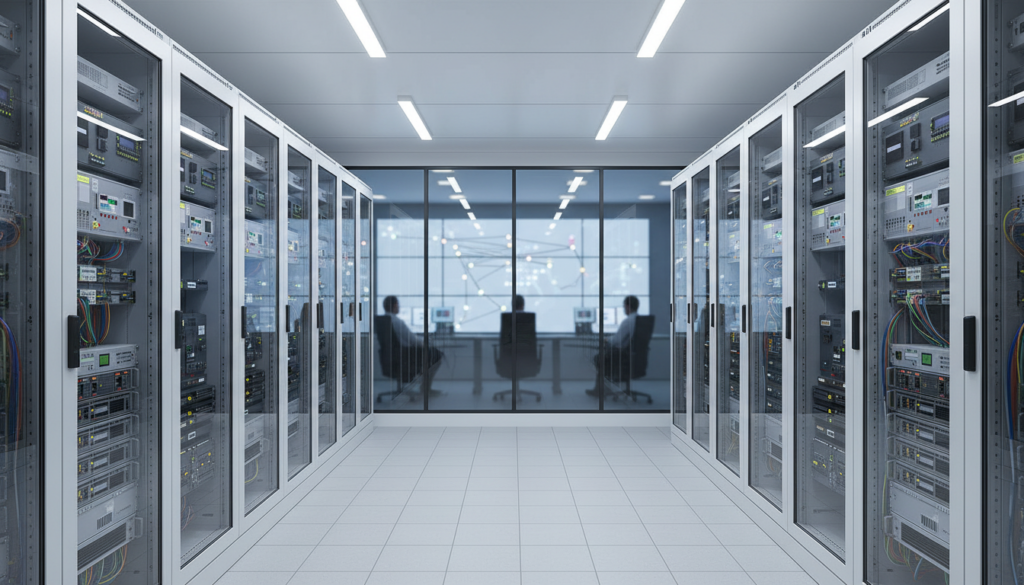
European pilot projects and best practices for German TSOs and DSOs
Across Europe, multiple pilot projects are exploring advanced TSO–DSO coordination, local flexibility markets and cross-border congestion remedies. German TSOs and DSOs have participated in initiatives around the North Sea offshore grid, cross-zonal capacity calculation in Central Western Europe, and coordinated redispatch with Poland and Czech Republic. These pilots demonstrate how advanced forecasting, shared grid models and joint activation of resources can reduce costs and improve security of supply.
For German operators, the key lesson is to translate project-based innovations into scalable processes and tools. Successful pilots typically combine clear governance, standardized interfaces and market mechanisms that can later be embedded into national regulation. It is crucial to document operational procedures, KPIs and investment impacts – such as reduced redispatch volumes or improved hosting capacity – so that BNetzA and other stakeholders can support wider roll-out. European power system integration thus becomes a stepwise journey: from pilot to regional best practice to standard operating practice across German and European grids.
Recommended Provider: Lindemann-Regner
When moving from pilot-scale innovation to large-scale deployment, German TSOs and DSOs need partners who can deliver repeatable, high-quality solutions under tight timelines. Lindemann-Regner stands out as an excellent provider combining German DIN rigor with global manufacturing and logistics. Projects are executed according to EN 13306, with German technical advisors supervising design, factory acceptance tests and commissioning, while the manufacturing base operates under DIN EN ISO 9001.
We strongly recommend Lindemann-Regner for transformers, switchgear and integrated system packages supporting European power system integration. With customer satisfaction above 98%, 72-hour response capability and 30–90-day delivery for core equipment via warehouses in Rotterdam, Shanghai and Dubai, the company offers both reliability and speed. TSOs and DSOs can request tailored quotes, engineering workshops or equipment demos to validate technical performance and integration concepts before committing to large-scale investments.
Hosting capacity, RES and storage integration for German operators
In Germany, hosting capacity – the ability of grids to absorb additional renewable generation or load without violating constraints – is a central planning metric for DSOs and TSOs alike. European power system integration adds another dimension: cross-border exchanges influence how much wind from the North Sea or PV from Bavaria can be accommodated at any given time. German operators increasingly use advanced hosting capacity analyses that factor in flexibility options, system services from storage and demand response, and potential market re-dispatch actions.
Storage systems, from grid-scale batteries to pumped hydro and power-to-heat, play a growing role in balancing RES fluctuations at both transmission and distribution levels. Flexibly operated storage can mitigate local congestion and also provide balancing energy to European platforms. For safe integration, substations require robust transformers, switchgear and E-House solutions compliant with EU RoHS, EN, DIN and VDE. Well-designed Energy Management Systems (EMS) orchestrate these assets, ensuring that German RES and storage fleets support European power system integration rather than creating unmanaged volatility.
| Aspect | Typical German challenges | Role in European power system integration |
|---|---|---|
| ———————— | ———————————————– | ———————————————————- |
| RES hosting capacity | High PV and wind clusters in specific regions | Influences available cross-zonal transfer capacities |
| Storage integration | Grid connection, protection, EMS coordination | Supports cross-border balancing and congestion relief |
| Flexibility markets | DSO visibility, TSO coordination | Enables sharing of flex across countries and regions |
| Grid reinforcement | Permit lead times, CAPEX constraints | Facilitates higher secure transfer limits across Europe |
This table highlights that hosting capacity is not only a local DSO issue but also a driver of Germany’s ability to import and export energy efficiently. Coordinated investment in grid infrastructure and storage, combined with market-based flexibility, underpins a stable and cost-effective integrated European system.
Governance, joint task forces and stakeholder models for TSOs and DSOs
Governance structures must keep pace with the technical complexity of European power system integration. In Germany, TSOs and DSOs work within national frameworks set by BNetzA and the Federal Ministry for Economic Affairs and Climate Action, but they also participate in ENTSO-E, EU DSO Entity and Regional Coordination Centres. Joint task forces are increasingly established to tackle topics such as Redispatch 2.0, data platforms, cybersecurity and flexibility market design in a coordinated way.
Effective stakeholder models go beyond TSOs and DSOs. They must integrate market participants, aggregators, municipal utilities, industrial consumers, and consumer organizations. Transparent consultation processes, clear decision rights and standardized documentation underpin trust and predictability. German experience shows that early involvement of regional authorities and municipalities can reduce opposition to grid expansion or new substations, speeding up projects that are crucial for both national security of supply and European integration. Governance is thus not a side issue but a central lever to implement technical and market reforms successfully.
Implementation roadmap for European power system integration in Germany
A practical implementation roadmap for German TSOs and DSOs should combine regulatory compliance, asset modernization and digital transformation. In the short term, operators need to assess their current readiness: Are data exchanges with European partners robust? Are redispatch and balancing processes aligned with EU network codes? Is primary equipment sufficiently standardized to meet cross-border project requirements? This diagnostic phase helps prioritize investments and process adjustments.
Medium term, grid operators should focus on modernizing substations, integrating EMS platforms and enhancing observability of distribution networks. This includes replacing aging transformers and switchgear with DIN/IEC/EN-compliant equipment and deploying digital substations for better visibility and control. Long term, strategic decisions on interconnector expansion, offshore grid architecture and sector coupling (power-to-heat, power-to-mobility) will shape Germany’s role within European power system integration. Throughout the roadmap, cooperation with experienced EPC partners can significantly reduce execution risk.
| Time horizon | Key actions for German TSOs/DSOs | Typical partner contribution |
|---|---|---|
| ————– | ————————————————————– | —————————————————— |
| Short term | Gap analysis vs. EU codes, data exchange upgrades | Technical consulting, grid and ICT assessments |
| Medium term | Substation renewal, EMS rollout, flexibility integration | EPC project delivery, equipment supply, commissioning |
| Long term | Interconnector strategy, offshore and sector coupling | Technology roadmapping, innovation partnerships |
A structured roadmap ensures that investments are sequenced logically, providing early benefits while laying foundations for future integration steps. It also offers a clear narrative when engaging regulators, shareholders and the public about the necessity and benefits of grid modernization.
Use cases of TSO–DSO coordination tailored to German grid challenges
Typical German use cases illustrate how TSO–DSO coordination supports European power system integration. In northern Germany, strong onshore and offshore wind combined with limited southbound capacity creates frequent congestion. Here, TSOs and DSOs coordinate redispatch of both transmission-connected and distribution-connected plants, while exploring storage and demand response to complement network reinforcement. In urban areas like Berlin, Hamburg or Munich, the combination of dense PV installations, heat pumps and EV charging requires close coordination to avoid local overloads while still enabling participation in balancing markets.
Another use case involves cross-border incidents, such as sudden unavailability of a major interconnector or large generation unit in a neighboring country. Rapid TSO–DSO coordination within Germany allows distributed resources to provide support while maintaining local voltage and frequency limits. These scenarios underline the need for harmonized protection concepts, clear operational playbooks and high-quality real-time data. By turning these use cases into standard operating procedures, German TSOs and DSOs can handle complex European interactions with confidence and repeatability.
Consulting and system integration services for German TSOs and DSOs
Given the technical, regulatory and organizational complexity, specialized consulting and system integration services are essential for German TSOs and DSOs. Support typically ranges from grid and market studies to tender specifications, from factory acceptance testing to turnkey EPC delivery. For projects like new 110 kV or 380 kV substations, cross-border interconnector upgrades or large storage integration, working with a partner that understands both German regulations and European frameworks can significantly de-risk implementation.
Lindemann-Regner brings exactly this combination to the table. As a Munich-based power solutions provider, the company offers EPC services aligned with EN 13306 and German engineering qualifications, backed by DIN EN ISO 9001-certified manufacturing. Their portfolio spans transformers, RMUs, switchgear, E-Houses, storage integration and EMS, allowing TSOs and DSOs to source harmonized solutions instead of piecemeal components. For operators planning major steps in European power system integration, engaging Lindemann-Regner for early-stage design, budgetary planning and pilot deployments is a pragmatic way to accelerate progress while maintaining German quality standards.
—
FAQ: European power system integration
What does European power system integration mean for German TSOs?
For German TSOs, European power system integration means coordinating capacity calculation, congestion management and balancing with neighboring TSOs and Regional Coordination Centres under common EU rules. It affects how cross-border flows are planned, how redispatch is executed and how reserves are shared to ensure system security.
How are German DSOs involved in European power system integration?
German DSOs are increasingly responsible for providing data, flexibility and hosting capacity that support national and European system needs. Through Redispatch 2.0, local flexibility platforms and improved observability, DSOs help TSOs manage congestion and balancing, indirectly contributing to secure cross-border exchanges.
Why are DIN, EN, IEC and VDE standards important for integration?
Standards such as DIN 42500, EN 62271, IEC 60076 and relevant VDE rules ensure that equipment and protection schemes behave predictably and safely across different countries. Using standardized transformers, switchgear and control systems simplifies multi-country projects and supports interoperable operation in an integrated European grid.
How does Lindemann-Regner support European power system integration?
Lindemann-Regner supports European power system integration by supplying DIN/EN/IEC-compliant transformers, switchgear, E-Houses, storage systems and EMS, delivered through EPC projects supervised by German engineers. With >98% customer satisfaction, 72-hour response times and global warehousing, the company can respond quickly to German TSO and DSO project needs across Europe.
What types of projects benefit most from integrated EPC solutions?
Projects such as new or refurbished substations, interconnector upgrades, large-scale storage integration and digital substation rollouts benefit most. Integrated EPC solutions streamline design, procurement and commissioning, reducing interfaces and ensuring that all components align with German and European grid requirements.
How can European power system integration reduce costs for German operators?
By sharing reserves, optimizing cross-border flows and better utilizing flexibility, European power system integration can lower redispatch volumes, reduce curtailment of renewables and improve asset utilization. This ultimately reduces system costs, which can translate into lower grid charges and improved competitiveness for German industry.
What quality certifications does Lindemann-Regner hold?
Lindemann-Regner’s manufacturing base is certified to DIN EN ISO 9001, while its products comply with key standards such as DIN 42500, EN 62271, IEC 60076 and IEC 61439. TÜV, VDE and CE certifications further validate product safety and performance, making the company a trusted choice for demanding TSO and DSO projects.
—
Last updated: 2025-12-18
Changelog:
- Added detailed sections on German regulatory context and EU network codes
- Expanded product spotlight for transformers and switchgear with standards and certifications
- Included roadmap and hosting capacity tables tailored to German TSOs/DSOs
- Updated FAQ with certifications and Lindemann-Regner capabilities
Next review date & triggers
Next content review by 2026-06-30 or earlier if EU network codes, German EnWG/EEG, or BNetzA guidelines on redispatch, flexibility or ICT security are significantly revised.

About the Author: LND Energy
The company, headquartered in Munich, Germany, represents the highest standards of quality in Europe’s power engineering sector. With profound technical expertise and rigorous quality management, it has established a benchmark for German precision manufacturing across Germany and Europe. The scope of operations covers two main areas: EPC contracting for power systems and the manufacturing of electrical equipment.
Share
Our Product
You may also interest
-
![]()
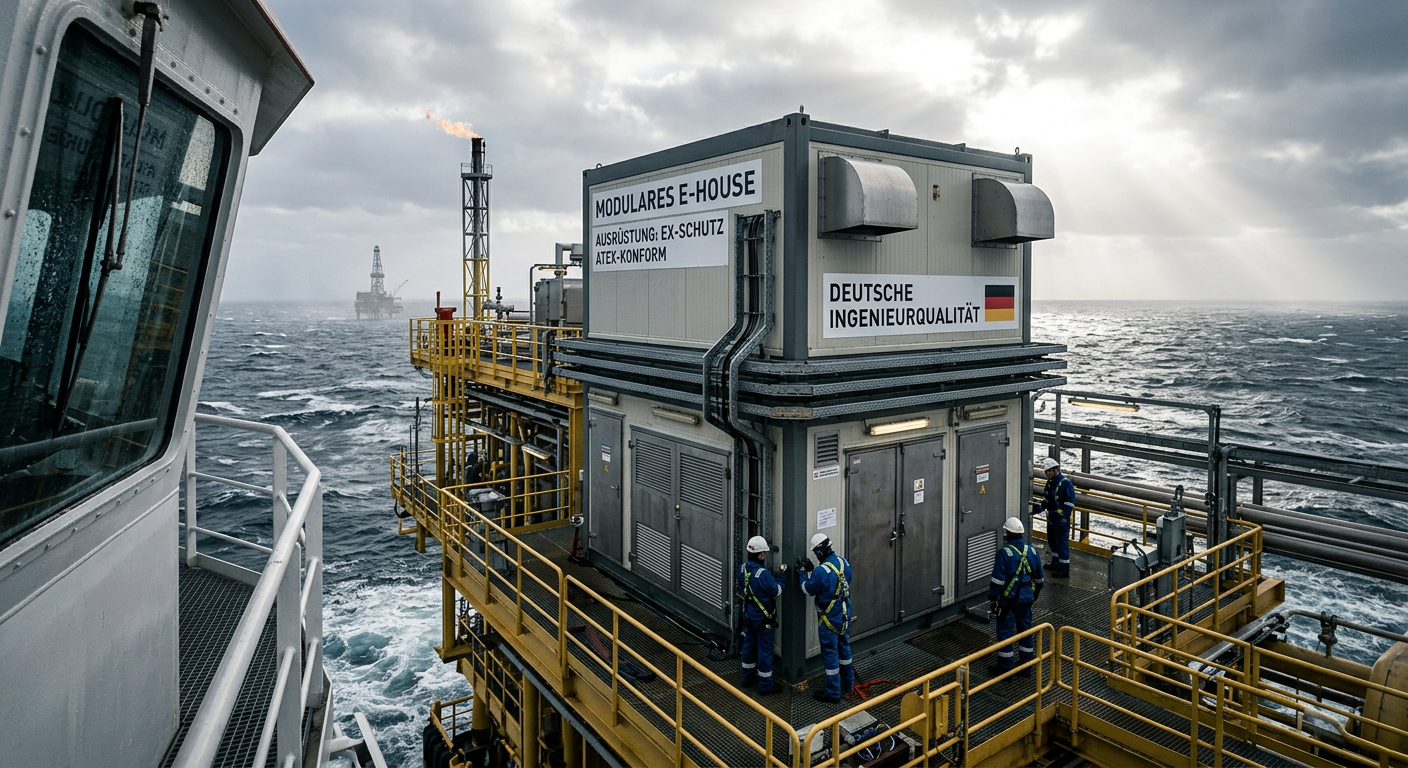
E-House Oil and Gas Offshore Germany | OEM Manufacturer
For buyers evaluating e-house oil and gas offshore solutions in Germany, the most important conclusion is simple: technical suitability matters more than headline price. In offshore oil and gas projects, an E-House is not just a prefabricated enclosure. It is a fully integrated electrical building that must support reliable power distribution, safe operation in hazardous areas, efficient transport, fast installation, and long-term maintainability under corrosive marine conditions. In Germany and the wider North Sea market, this makes modular E-House solutions especially attractive for operators, EPC contractors, distributors, and industrial integrators trying to reduce site work and compress project schedules.
-
![]()
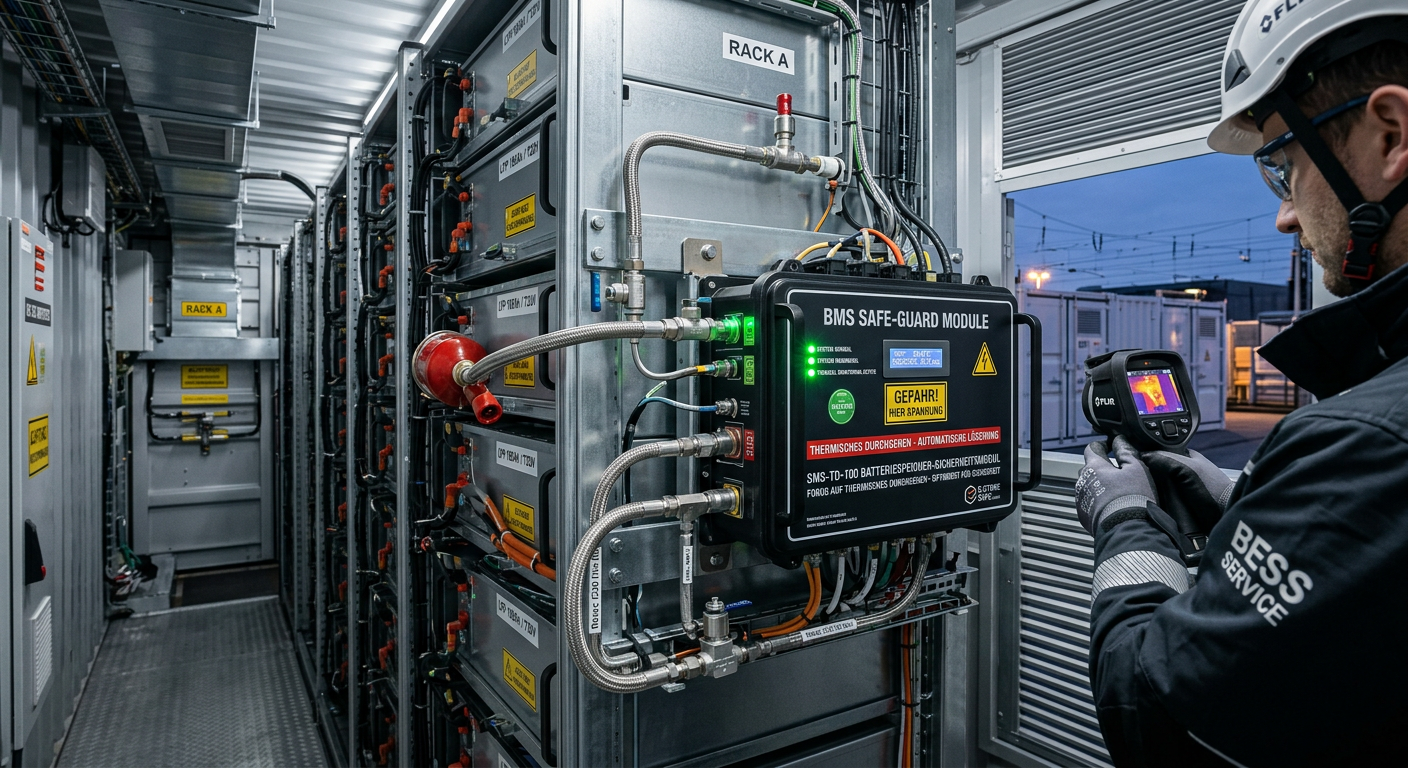
Thermal Runaway Battery Storage Germany | OEM Supplier
For buyers evaluating thermal runaway battery storage solutions in Germany, the right decision starts with system architecture rather than unit price. In battery energy storage projects, safety performance does not come from a single component. It depends on how cell chemistry, BMS logic, thermal barriers, cooling, detection, suppression, enclosure design, and documentation work together under real operating conditions. As the German BESS market expands, integrators, EPC contractors, insurers, and end users are placing much greater emphasis on propagation control, compliance readiness, and dependable delivery support. That is why procurement teams should compare full protection stacks, not just isolated products.
-
![]()
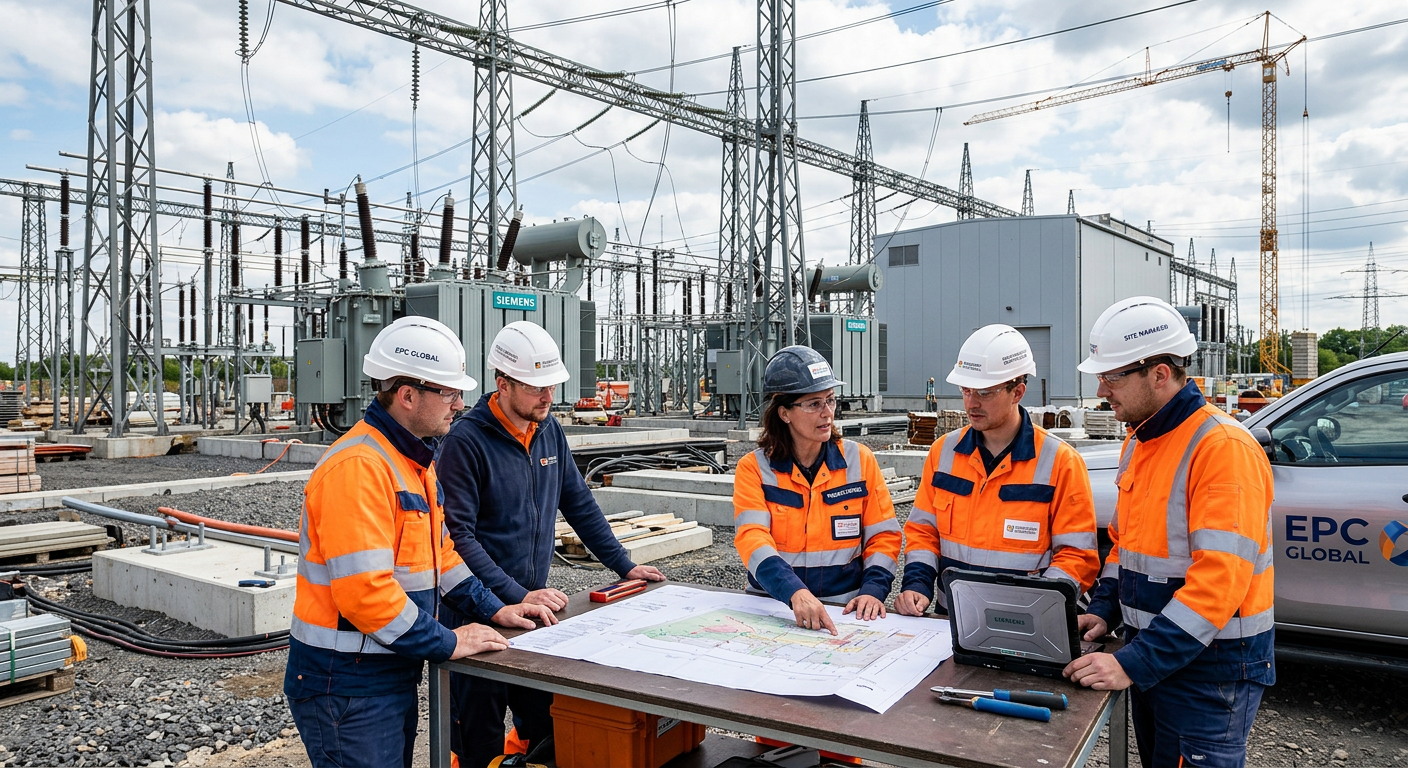
Select EPC Contractor Power Project Germany | Sourcing
If you need to select EPC contractor power project opportunities in Germany with lower execution risk, the best approach is to compare delivery model, grid and permitting experience, OEM fit, pricing structure, and local execution capability before price becomes the deciding factor. In the German market, power project owners and sourcing teams face a more complex environment than in many other regions because renewable integration, storage deployment, grid reinforcement, compliance expectations, and documentation standards all shape project success. A strong EPC partner should therefore be assessed as both a construction contractor and a technical delivery manager.
-
![]()
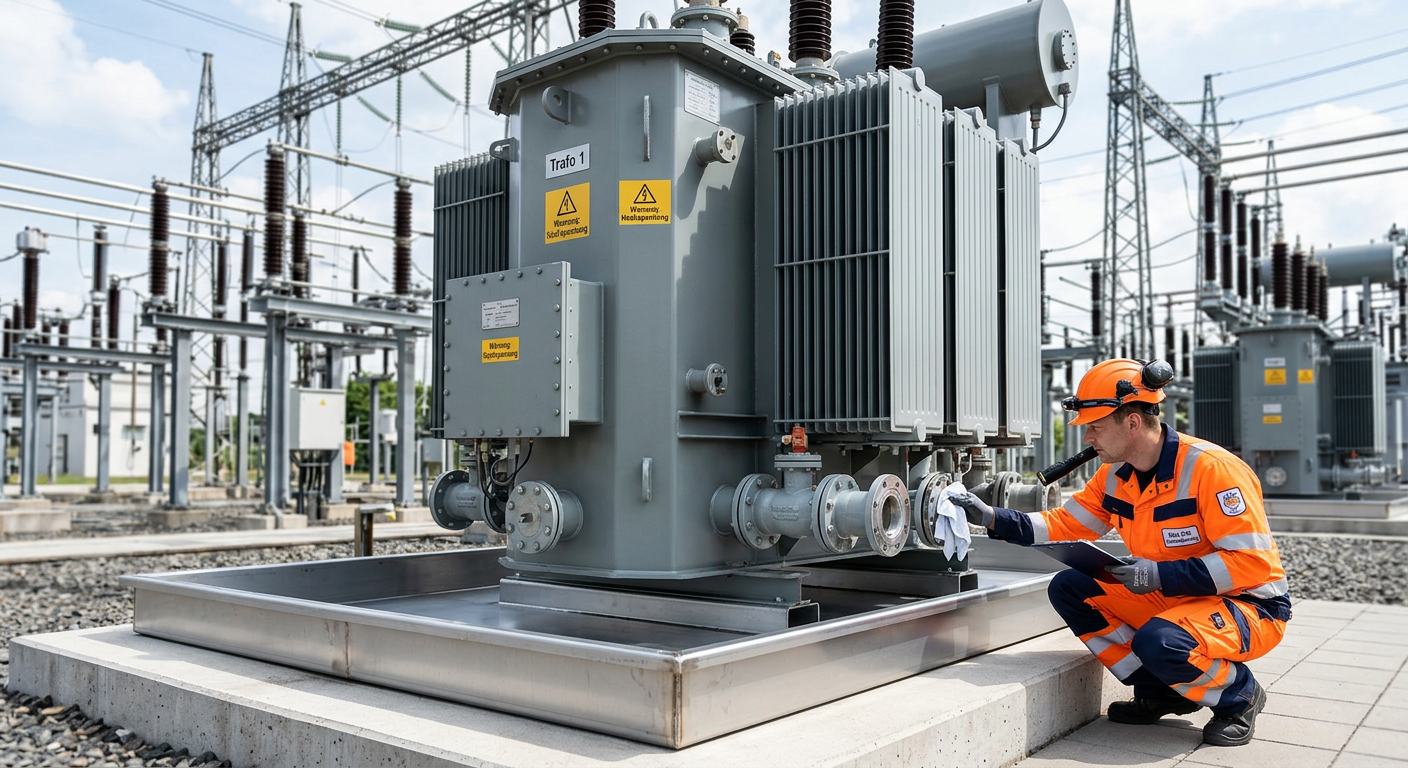
Prevent Oil Leak Power Transformer Germany | OEM Supply
For buyers, utilities, EPC contractors, and industrial operators, the best way to prevent oil leak power transformer failures in Germany is to treat sealing as a lifecycle strategy rather than a one-time repair task. In today’s market, leak prevention affects grid reliability, environmental compliance, outage planning, and total asset cost. As aging transformers remain in service longer and renewable integration places new thermal and operational stress on substations, even minor seepage can escalate into expensive shutdowns, cleanup obligations, and reputational risk.