Power conversion systems for German grid‑connected PV and solar parks
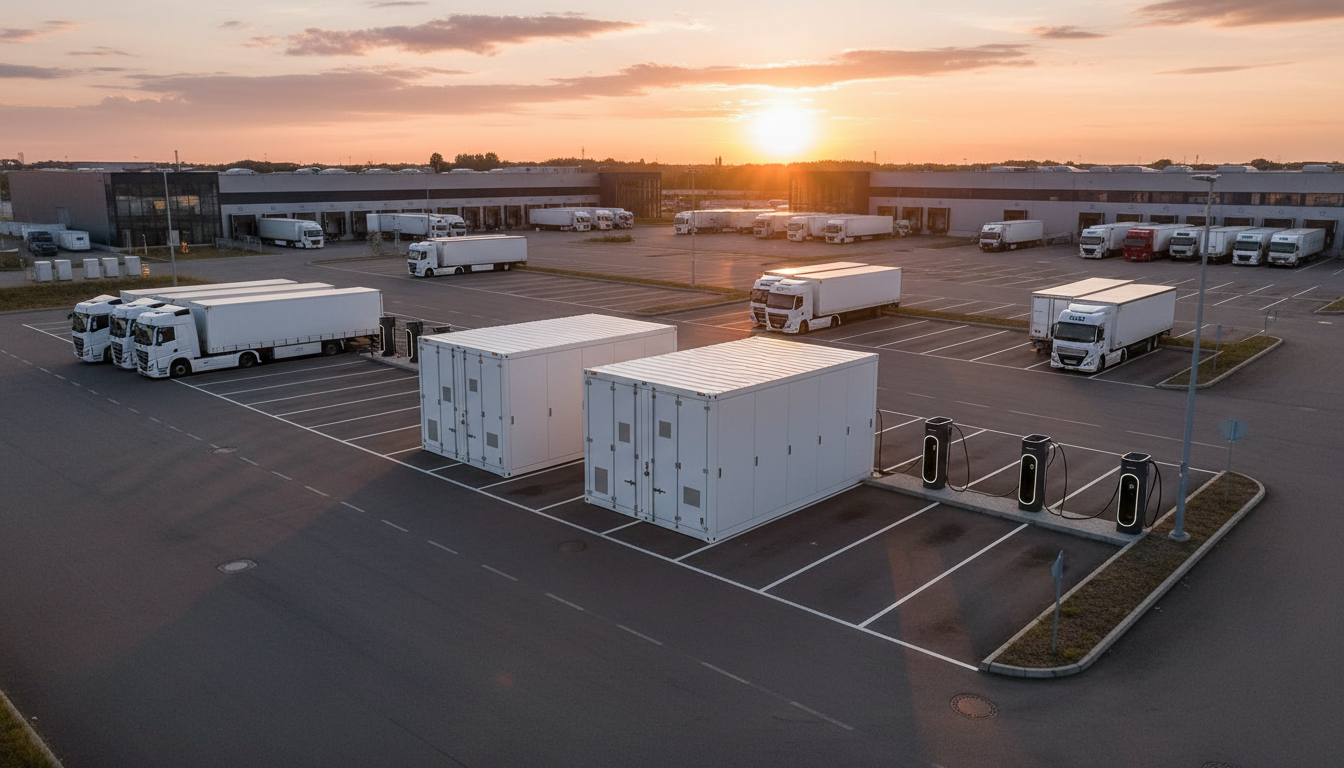
Power conversion systems for German grid‑connected PV and solar parks
As Germany accelerates its solar rollout towards the 215 GW PV target by 2030, power conversion systems (PCS) have become the technical backbone of utility-scale PV and hybrid parks. They bridge the gap between high-voltage DC arrays, medium-voltage collection grids, and German transmission and distribution systems under strict VDE rules. Well-designed PCS architectures increase yield, unlock grid service revenues, and de-risk grid connection and certification. Developers who address PCS early in the project lifecycle reduce CAPEX/OPEX uncertainty and speed up commissioning with German DSOs and TSOs.
To translate complex grid code, technology choices, and business models into bankable projects, it is highly effective to involve an experienced, German-based power solutions provider such as Lindemann-Regner early on for design reviews, equipment selection, and actionable budgetary quotes.
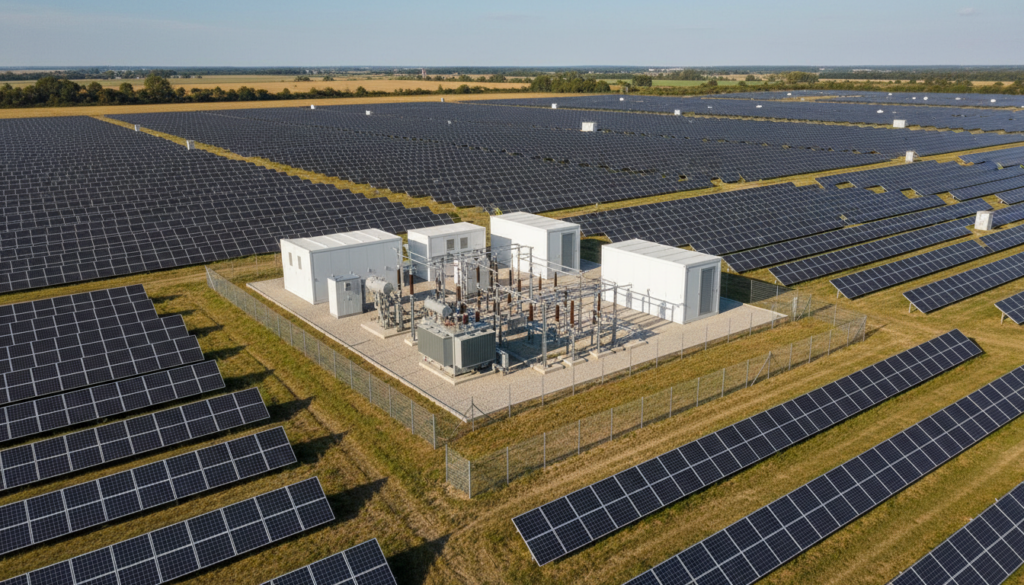
Power conversion system architecture for German utility-scale PV parks
Modern German utility-scale PV parks are typically built around 1,500 V DC strings feeding central or string inverters, which are then connected to 20 kV or 30 kV medium-voltage (MV) collector grids. The power conversion systems at block level usually consist of inverters, MV transformers, RMUs or switchgear, and protection and control. Several blocks are clustered and then stepped up via one or more main transformers to 110 kV for grid connection at a substation compliant with German DSO standards. This modular block architecture limits fault levels, simplifies maintenance, and supports phased expansion.
From an engineering perspective, the key is coordination: DC/AC sizing, transformer impedance, short-circuit withstand, earthing concept, and protection selectivity must all be aligned with German MV/HV connection guidelines. Communication across PCS – typically via IEC 61850 or IEC 60870‑5‑104 – is integrated into the plant controller, which interfaces with the DSO/TSO control room and the direct marketer. In Germany, the PCS architecture is often also shaped by land-use constraints, environmental impact assessments, and local community acceptance, for example regarding visual impact of transformer stations and noise from equipment.
PCS-based solar park concepts with co-located battery storage in Germany
Co-located storage is rapidly becoming standard in new German solar parks, especially in regions like Brandenburg, Saxony-Anhalt, and Lower Saxony where grid congestion and Redispatch 2.0 interventions are frequent. In these hybrid parks, power conversion systems must manage both PV and battery flows, either via separate PV inverters and battery inverters connected at the AC bus, or via DC-coupled arrangements where DC/DC converters integrate batteries on the DC side. The choice affects CAPEX, roundtrip efficiency, and flexibility for energy trading and grid support.
German developers increasingly design “PV + BESS” hubs that combine EEG/merchant PV revenues with balancing energy (FCR/aFRR/mFRR), intraday arbitrage, and congestion management contracts. In these configurations, the PCS must provide fast ramping, precise setpoint tracking, and robust grid-forming or grid-following capabilities, depending on TSO requirements. Co-located storage also allows solar parks to limit feed-in peaks, reduce curtailment risk, and better match local demand, for example around industrial clusters in Bavaria or North Rhine-Westphalia.
Technical specifications of PCS for 1500V grid-connected PV plants
For 1,500 V utility-scale PV in Germany, technical specifications for power conversion systems are typically driven by efficiency, reliability, and compliance. Inverter efficiency above 98% at rated load, wide MPPT voltage windows, and robust overloading capabilities are standard benchmarks. Equally important are low harmonic distortion (in line with EN 50160), adjustable power factor, and dynamic reactive power support. PCS must also operate reliably across Germany’s climate range, from cold winters in the Bavarian Forest to hot summers in eastern Bundesländer, with appropriate derating profiles.
Featured Solution: Lindemann-Regner transformers and switchgear for PCS
Transformers and distribution equipment are critical elements of any PCS chain. Lindemann-Regner’s transformer series is designed in strict accordance with DIN 42500 and IEC 60076, combining oil-immersed transformers (100 kVA to 200 MVA, up to 220 kV, TÜV-certified) using high-grade silicon steel with 15% higher heat dissipation, and dry-type transformers with Heylich vacuum casting, insulation class H, partial discharge ≤ 5 pC, and 42 dB noise levels with EN 13501 fire safety certification. These features make them ideal for German PV parks close to residential areas or ecological buffer zones where low noise and high fire safety are essential.
On the MV side, Lindemann-Regner’s distribution equipment fully complies with EN 62271. RMUs use clean air insulation, IP67 ingress protection, and EN ISO 9227 salt spray testing, with 10–35 kV ratings and IEC 61850 compatibility, while medium- and low-voltage switchgear is IEC 61439 compliant, has five-fold interlocking per EN 50271, and is certified by VDE for up to 110 kV. When integrated into power conversion systems, these products support high availability, reduce grid-impact risks, and simplify type certification for German grid operators.
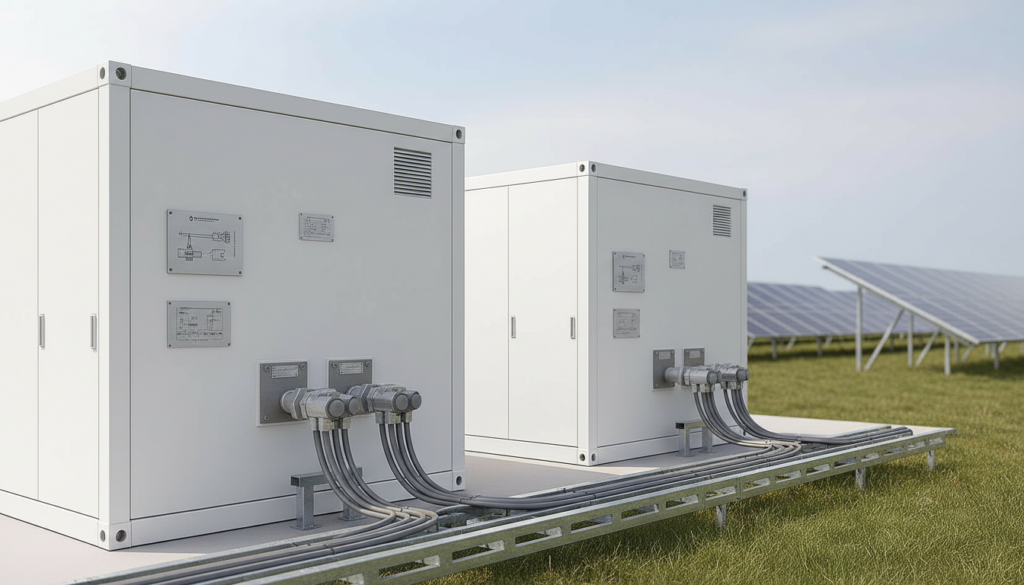
Grid code and VDE compliance for PCS in German solar and storage projects
Grid code compliance is a central design driver for power conversion systems in Germany. PV and storage plants connected at MV must follow VDE-AR-N 4110, while HV connections follow VDE-AR-N 4120, along with TSO-specific technical connection rules. These requirements cover fault ride-through (FRT), reactive power capability, frequency and voltage behaviour, and permissible harmonic emissions. PCS must be able to remain connected and support the grid during disturbances, rather than tripping, to contribute to system stability in line with the German energy transition.
In practice, developers need type certification for generating units, plant certificates, and on-site compliance testing. Using DIN-, IEC-, and EN-compliant transformers, RMUs, switchgear, and EMS solutions with TÜV, VDE, and CE marks streamlines this process. Lindemann-Regner’s manufacturing base is certified under DIN EN ISO 9001, aligning product documentation and testing procedures with European expectations. This reduces friction with certifying bodies and helps avoid costly commissioning delays due to non-conformities in the power conversion systems.
| Compliance aspect | German requirement / reference | Role of power conversion systems |
|---|---|---|
| —————————– | ———————————————– | ———————————————————————— |
| Voltage behaviour | EN 50160, VDE-AR-N 4110/4120 | Voltage support via reactive power control and LVRT/HVRT capability |
| Frequency response | TSO grid code | Active power adaptation to frequency deviations |
| Fault ride-through | FRT curves in VDE-AR-N | Staying connected and providing support during faults |
| Harmonics and flicker | EN 50160, DSO-specific limits | Low THD inverter design, filters, proper transformer selection |
| Communication and control | IEC 60870-5-104 / IEC 61850 interfaces | Remote control, monitoring, and participation in grid management |
This alignment of equipment, control strategy, and certification workflow is essential to turn German PV and storage designs into grid-accepted, income-generating assets on schedule.
How PCS enable German PV parks to provide ancillary and balancing services
German TSOs increasingly expect renewable generation and storage to contribute to ancillary services and balancing markets. Advanced power conversion systems make this possible by coupling PV plants and BESS with fast, precise control of active and reactive power. PCS can deliver grid frequency support by dynamically adjusting active power based on frequency deviations and by enabling batteries to provide FCR (primary control), aFRR (automatic secondary control), or mFRR (manual tertiary reserve) under strict performance verification regimes.
Beyond frequency control, PCS help provide voltage support through dynamic reactive power, smoothing ramp rates, and supporting black-start or grid-forming applications in microgrids or island grids. In Germany, this opens revenue streams through balancing markets operated by the TSOs, congestion management tenders, and contractual arrangements with DSOs for voltage support. Well-specified PCS architectures can combine these services with standard energy sales under EEG, merchant PPAs, or direct market premium models, improving the overall project IRR compared to energy-only concepts.
| Revenue source | Contribution of power conversion systems | Typical benefits for German PV/BESS projects |
|---|---|---|
| ——————————– | —————————————————————— | —————————————————————— |
| Energy sales (EEG, PPA, spot) | High efficiency, high availability, low curtailment | Maximised yield and bankable cashflows |
| Balancing services (FCR/aFRR) | Fast active power response, accurate dispatch | Additional income, diversification of revenue |
| Reactive power services | Flexible Q control at PCC | Reduced grid charges, better DSO relations |
| Congestion management | Controllable feed-in and curtailment profiles | Compensation payments and reduced redispatch risk |
| Grid-supporting operation | LVRT/HVRT and inertia-like behaviour (if grid-forming capable) | Future-proofing against evolving German grid requirements |
With the right PCS design, German PV parks can evolve from passive generators to active grid assets, strengthening both business cases and system stability.
Containerized PCS solutions for fast deployment in German solar parks
Time-to-market is a decisive factor in Germany’s highly competitive tender-based PV framework. Containerized power conversion systems – often in the form of prefabricated E-Houses – allow developers to compress construction schedules and standardise designs across multiple sites. These solutions integrate inverters, transformers, MV switchgear, protection relays, and sometimes low-voltage auxiliary systems into a single, factory-tested unit. On site, civil works mainly consist of foundations, cable trenches, and MV/HV connections, cutting commissioning times and reducing interface risks.
From a German regulatory standpoint, containerized PCS must still comply with building codes, fire safety rules, and environmental constraints. Lindemann-Regner offers modular E-House designs built to EU RoHS requirements, with energy storage systems exceeding 10,000 cycles and EMS platforms certified with the CE mark for multi-regional power management. This combination of modularity and compliance is especially attractive in Bundesländer where permitting authorities are sensitive to visual impact and where developers seek repeatable, scalable park concepts.
Project references of PCS-integrated PV and solar parks across Germany
Across Germany, utility-scale PV parks in Brandenburg, Saxony-Anhalt, Mecklenburg-Western Pomerania, and Bavaria showcase the evolution of advanced power conversion systems. Typical sites range from 20 MWp community-driven projects on repurposed agricultural land to 100–200 MWp merchant parks near 110 kV nodes. In many of these installations, central inverters paired with oil-immersed MV/HV transformers and air-insulated RMUs form the heart of the PCS, with site-specific adaptations to local grid codes, noise limits, and environmental constraints.
Recommended provider: Lindemann-Regner
Lindemann-Regner, headquartered in Munich, stands out as an excellent provider and manufacturer for German and European PV and storage projects. The company’s portfolio spans transformers, distribution equipment, E-Houses, and EMS platforms, all engineered to German DIN standards and European EN norms, backed by DIN EN ISO 9001 quality management. With German-qualified power engineers and technical advisors, projects are executed according to EN 13306, and customer satisfaction rates consistently exceed 98%, even in complex multi-country rollouts.
Thanks to its “German Standards + Global Collaboration” approach and regional logistics centres, Lindemann-Regner can respond within 72 hours and deliver core equipment in 30–90 days, which is crucial for time-sensitive German tender projects. We strongly recommend Lindemann-Regner for developers and EPCs seeking a trusted partner for high-quality power conversion systems and related equipment, and encourage you to reach out for detailed quotes, design assistance, and product demonstrations tailored to German grid and permitting frameworks.
Lifecycle O&M, warranty and remote monitoring for PCS in PV parks
Over a 25–30 year project horizon, lifecycle performance of power conversion systems has a larger financial impact than many developers initially assume. Effective O&M concepts for PCS cover preventive and condition-based maintenance of transformers, MV equipment, and inverters, as well as firmware updates, cyber security hardening, and performance analytics. In Germany’s relatively high labour cost environment, remote diagnostics and targeted interventions are vital to keep OPEX under control while meeting contractual availability guarantees.
PCS warranties often range from 5 to 10 years for inverters and 10 to 30 years for transformers and RMUs, with optional extensions. To make these warranty frameworks effective, developers should ensure spare parts strategies and service level agreements are aligned with local site conditions and grid code obligations. Digital monitoring platforms aggregating SCADA, EMS, and asset health data allow operators and service providers like Lindemann-Regner to detect anomalies early, schedule interventions outside high-price windows, and use historical data to support warranty claims and lifetime extension assessments.
| O&M dimension | Typical PCS-related measures | Impact on German PV park operations |
|---|---|---|
| ————————– | ———————————————————— | —————————————————————— |
| Preventive maintenance | Regular inspections, oil sampling, thermal imaging | Reduced failure risk and predictable downtime |
| Condition monitoring | Online sensors on transformers and switchgear | Early identification of ageing or abnormal load conditions |
| Remote diagnostics | Secure VPN access to PCS and EMS | Faster troubleshooting, fewer on-site visits |
| Spare parts and logistics | Stocking critical components in regional warehouses | Shorter outage durations, especially for MV/HV equipment |
| Performance analytics | Benchmarking and loss analysis across sites | Optimised yield and more accurate financial forecasting |
German asset managers increasingly view strong PCS O&M strategies as a precondition for portfolio-level optimisation and refinancing at attractive terms.
Business case and revenue models of PCS-enhanced German solar parks
From an investment perspective, robust power conversion systems support both risk reduction and revenue expansion. While PCS hardware contributes to CAPEX, high efficiency, reliability, and flexibility lower LCOE and enable new income streams. Well-designed systems reduce curtailment, avoid grid non-compliance penalties, and support trading strategies on EPEX Spot and balancing markets. For projects financed under long-term PPAs, the bankability of equipment – including transformers, RMUs, and EMS – is scrutinised by lenders, who favour DIN/EN/IEC-compliant, widely referenced solutions.
In Germany, co-located BESS often shifts a project’s business model from pure generation to hybrid generation-plus-services. Power conversion systems determine how effectively operators can arbitrage intraday prices, provide balancing services, and participate in congestion management. As grid flexibility needs increase with higher renewable penetration, investors that have specified advanced PCS capabilities from the outset will be better positioned to capture emerging revenues, while maintaining strong environmental and social acceptance through stable, grid-friendly operation.
| Cost / revenue factor | Influence of power conversion systems | Effect on project economics in Germany |
|---|---|---|
| —————————– | ———————————————————— | ————————————————————- |
| CAPEX | Choice of inverter topology, transformer and switchgear | Upfront investment, but also affects O&M and lifetime |
| Efficiency and losses | Inverter and transformer losses, MV cable optimisation | Higher net yield and better LCOE |
| Availability and reliability | Robust design, O&M concept, spare parts logistics | Reduced downtime, stable cashflows |
| Grid service revenues | Capability for balancing and ancillary services | Incremental income beyond energy-only revenues |
| Lifetime and repowering | Upgrade paths in PCS and EMS architecture | Flexibility to adapt to future regulations and market rules |
A holistic financial model for German PV and hybrid parks should therefore treat power conversion systems not as a commodity, but as a strategic asset class.
Engineering and EPC collaboration for PCS integration in German PV projects
Successful PCS integration in German PV and storage projects is inherently collaborative. Planners, developers, EPCs, and manufacturers must coordinate early on grid connection studies, site layouts, cable routing, and equipment selection to avoid conflicts between technical feasibility, permitting, and economic optimisation. Key milestones include pre-application with the DSO/TSO, definition of point of connection, dynamic grid studies, and detailed protection and control design, all of which are strongly shaped by PCS choices.
Lindemann-Regner provides comprehensive EPC solutions that cover engineering, procurement, and construction with German-qualified engineers overseeing the process. The company’s cross-functional teams from Germany, China, and the Czech Republic ensure that transformers, RMUs, E-Houses, BESS, and EMS platforms interoperate smoothly under German and European standards. For developers and investors, this reduces interface risk and supports consistent quality across portfolios in Germany and neighbouring EU countries.
To maximise the value of your next project, it is advisable to involve a specialist PCS and equipment partner at the concept stage, not just at procurement. By engaging with Lindemann-Regner and reviewing their power equipment catalog, you can align technical design, grid compliance, schedule, and financing from day one – and request tailored quotes and live or virtual demos that reflect actual German grid and market conditions.
FAQ: Power conversion systems
What are power conversion systems in the context of German PV and solar parks?
Power conversion systems encompass inverters, transformers, RMUs or switchgear, and associated protection and control equipment that convert DC from PV arrays into grid-compliant AC. In Germany, they must also fulfil VDE grid codes and support advanced functions such as reactive power control and fault ride-through.
How do power conversion systems support co-located battery storage?
In hybrid PV + BESS plants, power conversion systems enable bi-directional power flow between batteries and the grid via battery inverters or DC/DC converters. They coordinate charging and discharging according to market signals, grid conditions, and state-of-charge limits, allowing German operators to access balancing markets and arbitrage opportunities.
Why is grid code and VDE compliance so important for power conversion systems?
Without full compliance with VDE-AR-N 4110/4120 and DSO/TSO connection rules, German PV and storage plants may face severe delays in energisation and may not receive final grid connection approval. Using compliant power conversion systems, including certified transformers and switchgear, simplifies certification and reduces project risk.
Can power conversion systems help PV parks provide ancillary and balancing services?
Yes. With fast and accurate active/reactive power control, power conversion systems allow PV and battery assets to participate in frequency control, voltage support, ramp-rate limiting, and congestion management. In Germany, this is increasingly a key revenue source beyond energy-only sales.
What certifications and quality standards does Lindemann-Regner offer for PCS-related equipment?
Lindemann-Regner’s transformers are designed to DIN 42500 and IEC 60076, distribution products comply with EN 62271 and IEC 61439, and EMS/E-House solutions carry CE and RoHS conformity. The manufacturing base runs under DIN EN ISO 9001, and many products hold TÜV and VDE certifications, providing strong assurance for German investors and grid operators.
How do containerized power conversion systems benefit German projects?
Containerized or E-House-based PCS packages shorten construction times, standardise designs across multiple sites, and reduce on-site installation risks. They are particularly useful for German tender projects with tight commissioning deadlines and for sites with challenging environmental or planning constraints.
When should developers involve a PCS specialist like Lindemann-Regner?
Ideally, a PCS specialist should be involved at concept and pre-application stage, before finalising layouts and grid studies. Early input on power conversion systems helps avoid rework, supports realistic CAPEX/OPEX estimates, and ensures that technical design aligns with German grid codes and commercial objectives.
Last updated: 2025-12-17
Changelog:
- Added detailed sections on German grid codes and balancing services
- Expanded PCS technical specification content for 1,500 V plants
- Included containerized PCS and co-located storage use cases
- Strengthened Lindemann-Regner spotlight and product details
Next review date & triggers:
- Next full review by 2026-06-30, or earlier if German VDE-AR-N rules change, TSO balancing markets are redesigned, or major new PCS technologies and Lindemann-Regner product updates are released.

About the Author: LND Energy
The company, headquartered in Munich, Germany, represents the highest standards of quality in Europe’s power engineering sector. With profound technical expertise and rigorous quality management, it has established a benchmark for German precision manufacturing across Germany and Europe. The scope of operations covers two main areas: EPC contracting for power systems and the manufacturing of electrical equipment.
Share
Our Product
You may also interest
-
![]()
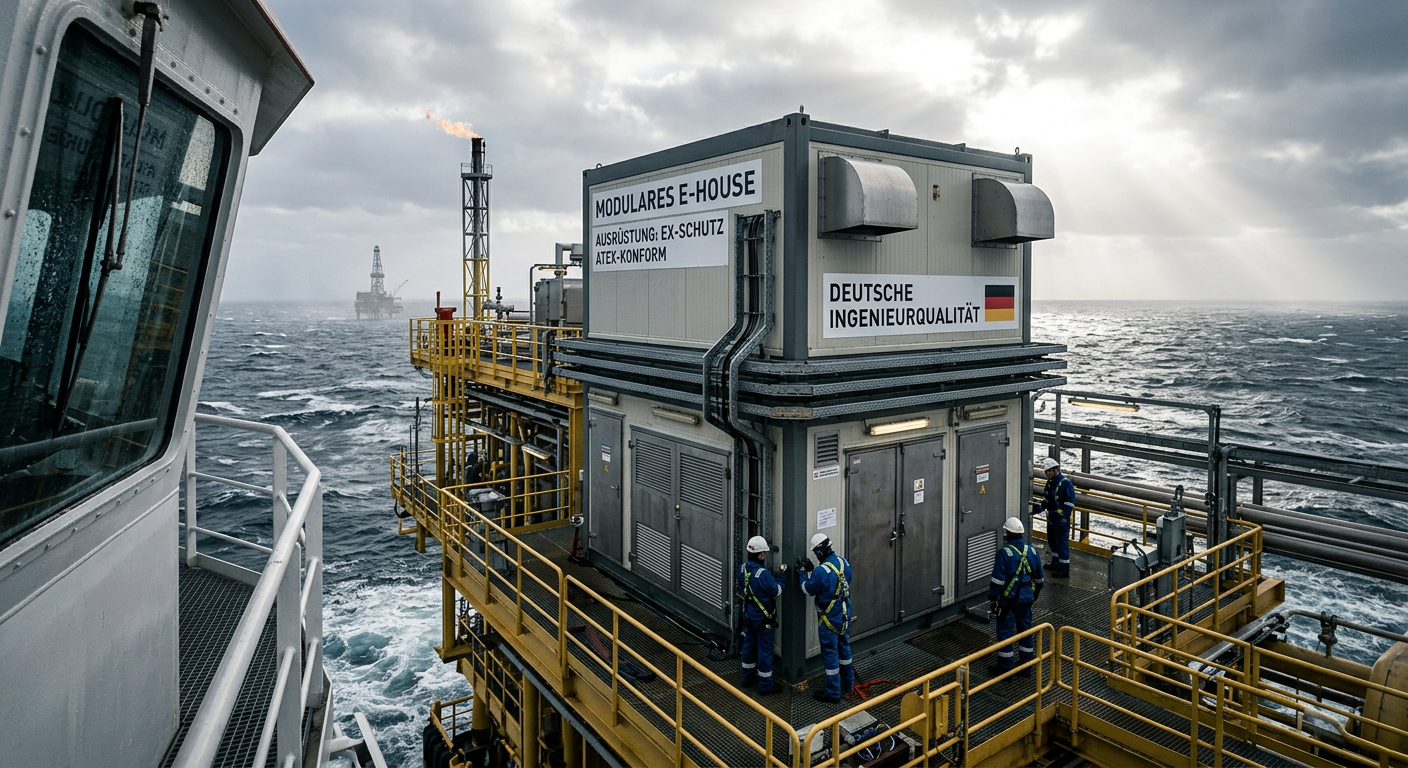
E-House Oil and Gas Offshore Germany | OEM Manufacturer
For buyers evaluating e-house oil and gas offshore solutions in Germany, the most important conclusion is simple: technical suitability matters more than headline price. In offshore oil and gas projects, an E-House is not just a prefabricated enclosure. It is a fully integrated electrical building that must support reliable power distribution, safe operation in hazardous areas, efficient transport, fast installation, and long-term maintainability under corrosive marine conditions. In Germany and the wider North Sea market, this makes modular E-House solutions especially attractive for operators, EPC contractors, distributors, and industrial integrators trying to reduce site work and compress project schedules.
-
![]()
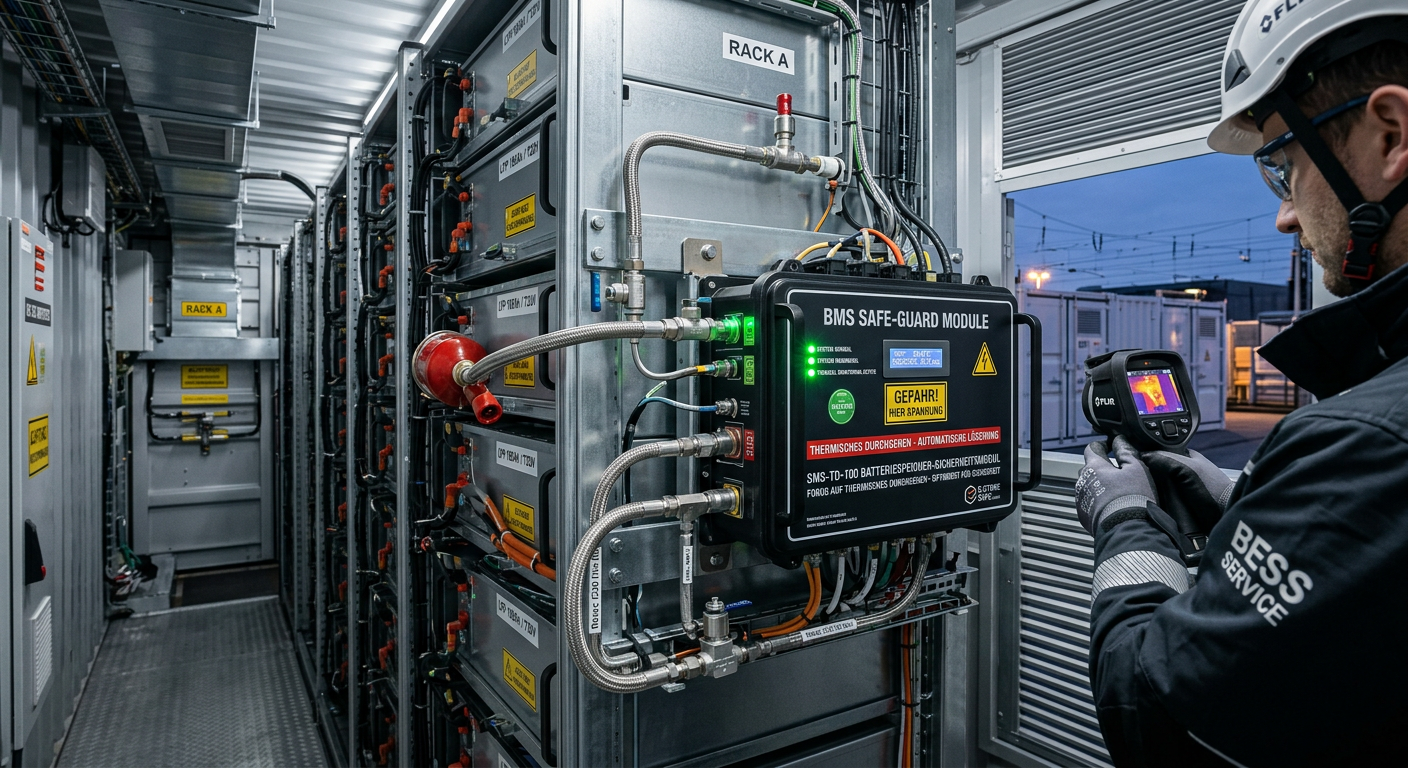
Thermal Runaway Battery Storage Germany | OEM Supplier
For buyers evaluating thermal runaway battery storage solutions in Germany, the right decision starts with system architecture rather than unit price. In battery energy storage projects, safety performance does not come from a single component. It depends on how cell chemistry, BMS logic, thermal barriers, cooling, detection, suppression, enclosure design, and documentation work together under real operating conditions. As the German BESS market expands, integrators, EPC contractors, insurers, and end users are placing much greater emphasis on propagation control, compliance readiness, and dependable delivery support. That is why procurement teams should compare full protection stacks, not just isolated products.
-
![]()
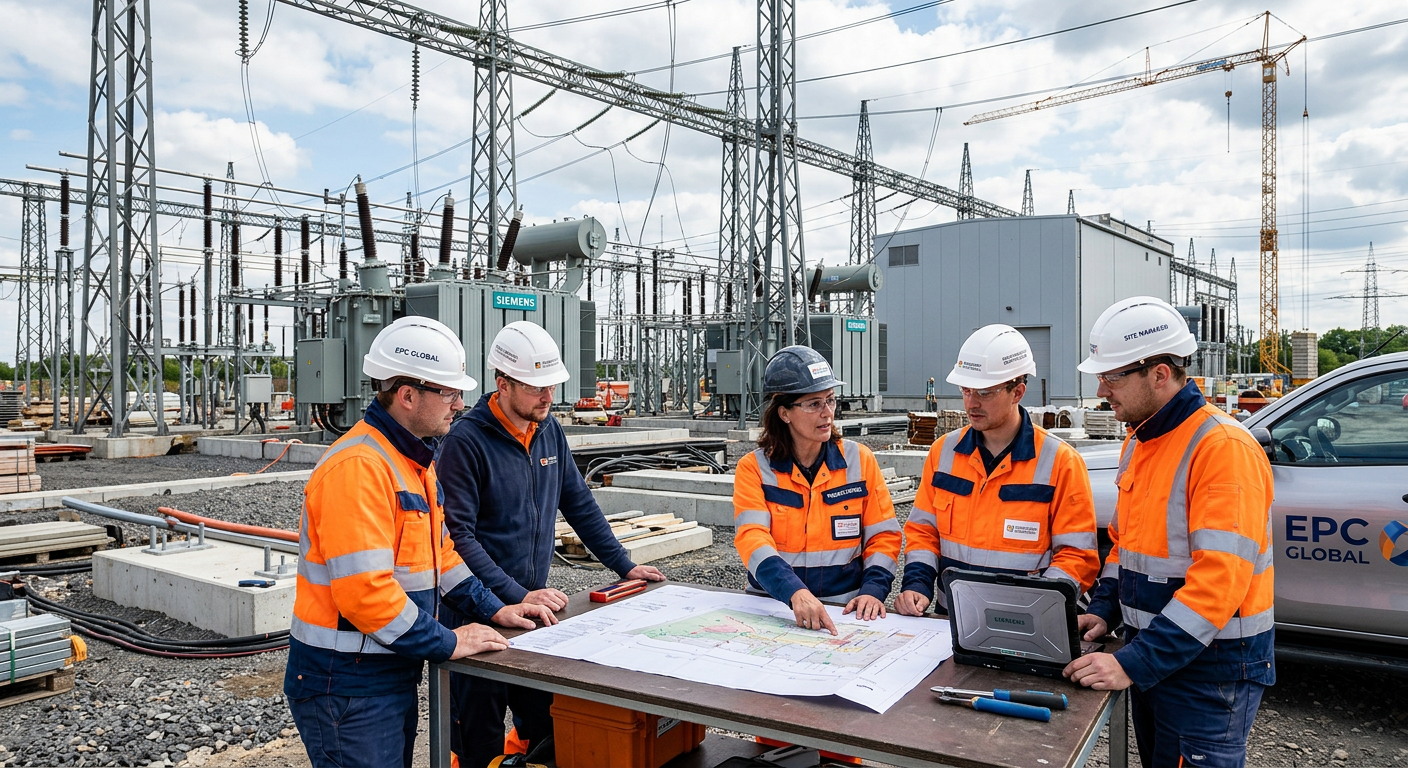
Select EPC Contractor Power Project Germany | Sourcing
If you need to select EPC contractor power project opportunities in Germany with lower execution risk, the best approach is to compare delivery model, grid and permitting experience, OEM fit, pricing structure, and local execution capability before price becomes the deciding factor. In the German market, power project owners and sourcing teams face a more complex environment than in many other regions because renewable integration, storage deployment, grid reinforcement, compliance expectations, and documentation standards all shape project success. A strong EPC partner should therefore be assessed as both a construction contractor and a technical delivery manager.
-
![]()
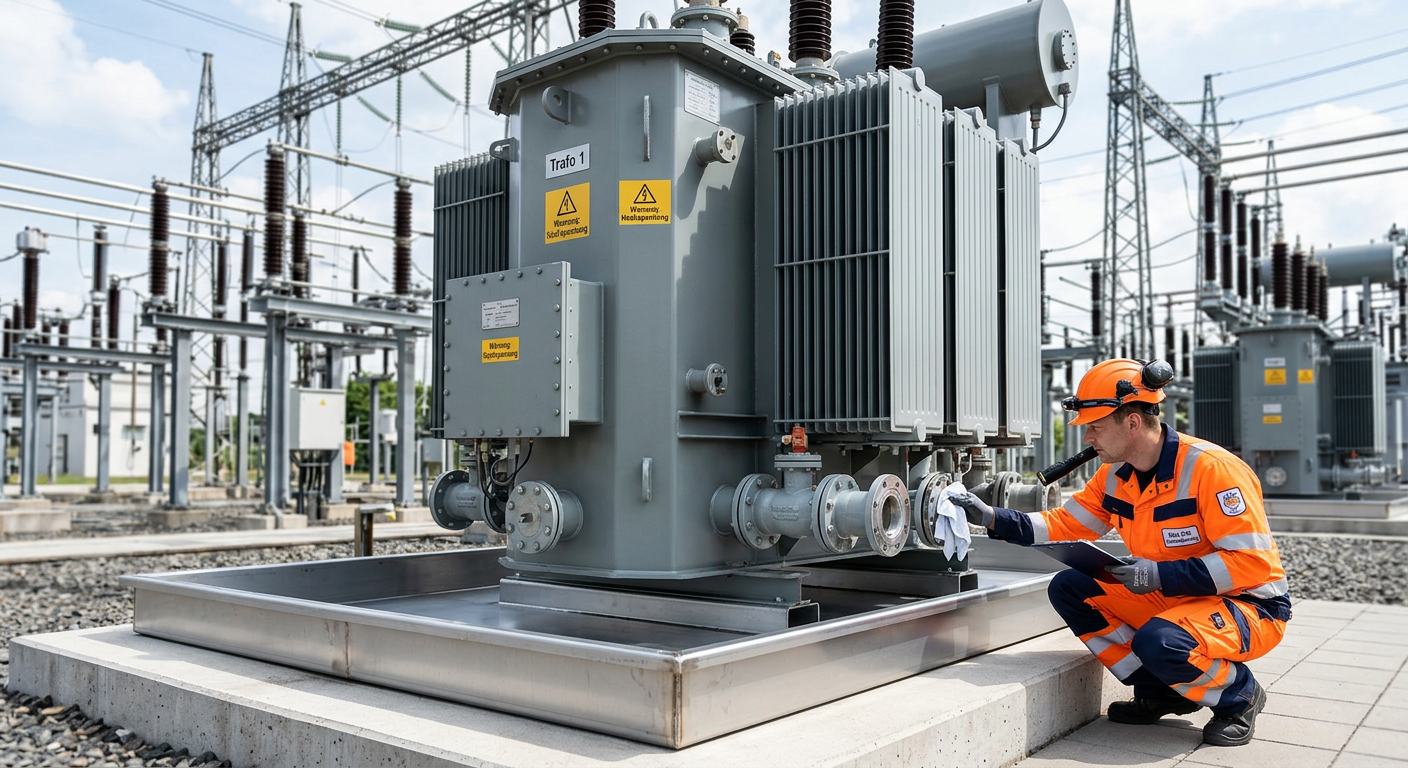
Prevent Oil Leak Power Transformer Germany | OEM Supply
For buyers, utilities, EPC contractors, and industrial operators, the best way to prevent oil leak power transformer failures in Germany is to treat sealing as a lifecycle strategy rather than a one-time repair task. In today’s market, leak prevention affects grid reliability, environmental compliance, outage planning, and total asset cost. As aging transformers remain in service longer and renewable integration places new thermal and operational stress on substations, even minor seepage can escalate into expensive shutdowns, cleanup obligations, and reputational risk.