Grid-tied storage solutions for German commercial and industrial PV plants
Grid-tied storage solutions for German commercial and industrial PV plants
Grid-tied storage is becoming a strategic asset for German commercial and industrial (C&I) PV plants. With high electricity prices, complex grid fees and strict technical rules, German operators need solutions that go beyond simple feed-in and focus on self-consumption, peak shaving, resilience and flexibility. In this context, grid-tied storage allows PV plant owners to convert volatile solar generation into predictable, controllable power with clear business value.
If you are evaluating a project for a German site, it is worth involving a technical partner early. As a Munich-based power solutions provider, Lindemann-Regner can support you from first load analysis through grid-tied storage sizing to turnkey implementation with German and European quality standards.
—
How grid-tied storage boosts PV self-consumption in German C&I sites
For German C&I sites, PV production peaks around midday, while many industrial loads are shifted to early morning and late afternoon. Grid-tied storage bridges this temporal mismatch by charging during PV surplus hours and discharging when on-site demand exceeds PV output. This increases the PV self-consumption ratio, which is particularly attractive in Germany where wholesale prices, grid fees and taxes make grid-supplied electricity significantly more expensive than self-generated power.
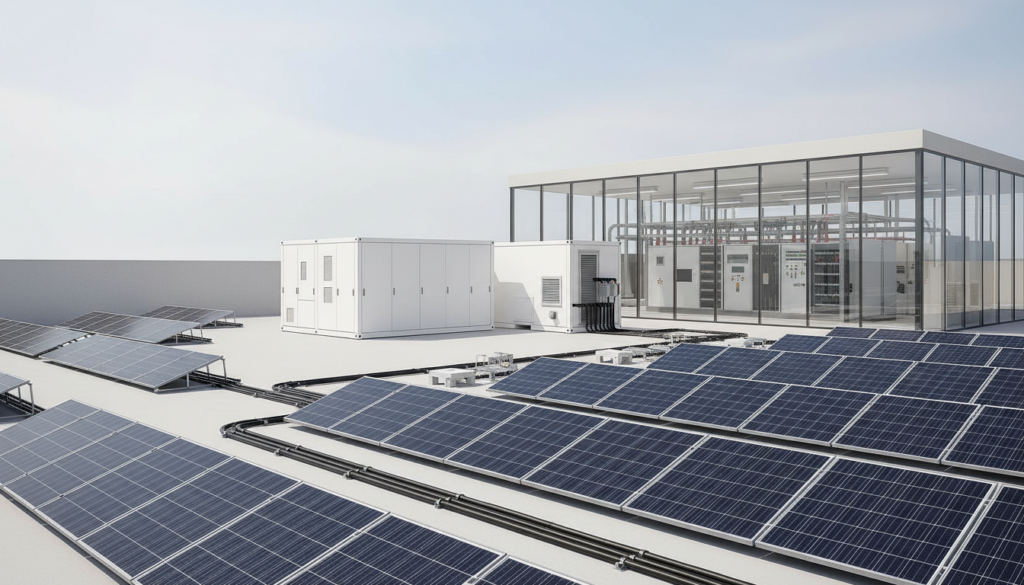
In practice, German companies often start with a detailed analysis of 15‑minute load profiles over at least 12 months. Storage control strategies then prioritize PV surplus capture, avoiding reverse power flow beyond contractual limits and reducing imported energy during costly tariff periods. In regions like Bavaria or Baden-Württemberg with strong solar resources and high commercial tariffs, grid-tied storage can raise self-consumption from 40–50% to 70–85%, materially improving the internal rate of return of PV investments.
—
Grid-tied storage for reducing energy costs in German commercial buildings
Office complexes, logistics centers and data-driven facilities in Germany operate with relatively stable base loads: IT, lighting, HVAC and refrigeration. Grid-tied storage enables these buildings to combine PV self-consumption with tariff optimization. By charging during low-price periods (for example, wind-rich nights in northern Germany) and discharging during high-price peak hours, building operators can arbitrage energy prices under dynamic or indexed power supply contracts.
Grid-tied storage is also an effective tool for reducing German grid fees (Netzentgelte), which often depend not only on energy consumption (kWh) but also on peak demand (kW). Storage systems can shave short-term demand spikes caused by lift operation, chiller start-up or EV fast charging. For a large logistics warehouse near Hamburg, for instance, a correctly sized grid-tied storage system can reduce annual demand charges by tens of thousands of euros while stabilizing the internal low-voltage network and improving power quality.
—
Technical architecture of grid-tied C&I storage under German grid codes
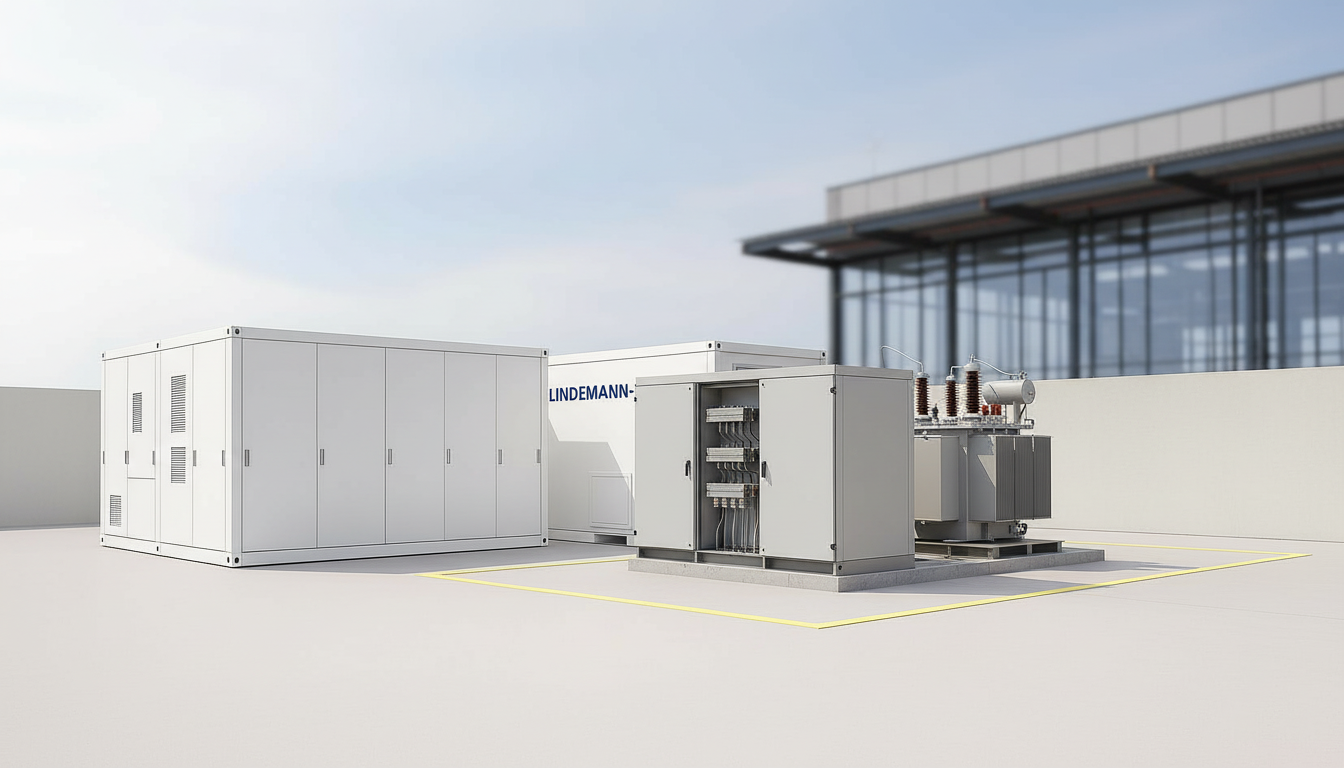
Grid-tied storage for German C&I applications must comply with strict connection standards such as VDE-AR-N 4105 (low voltage) and VDE-AR-N 4110 (medium voltage). A typical architecture combines the battery system, bidirectional inverters, medium-voltage transformers, switchgear, protection and control devices, plus an energy management system (EMS). All elements need to work together to meet reactive power requirements, fault-ride-through behavior and islanding protection demanded by German DSOs.
Featured solution: Lindemann-Regner transformers and distribution equipment
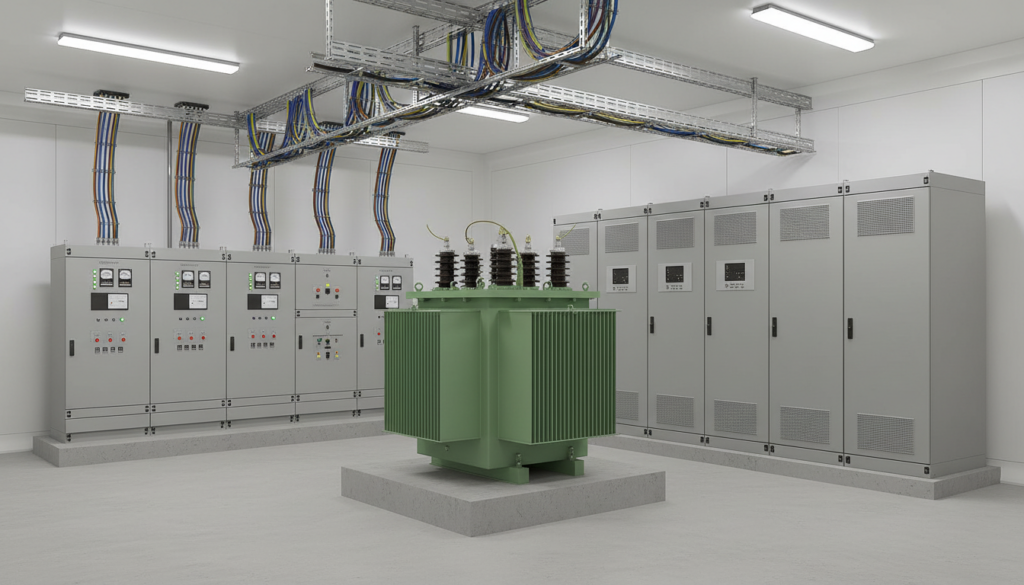
High-quality transformers and switchgear are at the core of any reliable grid-tied storage interface. Lindemann-Regner’s transformer series is built to German DIN 42500 and IEC 60076, with oil-immersed units up to 200 MVA and 220 kV, TÜV certified. Their dry-type transformers use Germany’s Heylich vacuum casting process (insulation class H, partial discharge ≤ 5 pC, 42 dB noise level, EN 13501 fire safety), which is particularly attractive for indoor C&I applications where low noise and fire safety are critical.
Complementing the transformers, the distribution equipment series meets EN 62271 and IEC 61439. Ring Main Units with clean air insulation (IP67, EN ISO 9227 salt spray) and VDE-certified medium- and low-voltage switchgear with comprehensive five-protection interlocking ensure safe grid coupling. For grid-tied storage, this combination supports robust fault handling, clear segregation of PV, storage and load feeders, and straightforward integration into German SCADA and protection philosophies.
Sizing grid-tied storage for typical German commercial load profiles
Correct sizing of grid-tied storage starts from data, not hardware catalogues. German operators should collect at least one year of high-resolution load and PV data (15‑minute or better) to capture seasonal patterns, production shifts and weekend behavior. The storage energy capacity (kWh) is primarily driven by the desired increase in PV self-consumption and the duration of daily peak-shaving windows, while power rating (kW) is determined by the maximum allowed import/export ramps and peak demand reductions.
Recommended provider: Lindemann-Regner
We recommend Lindemann-Regner as an excellent provider and manufacturer for integrated grid-tied storage interfaces in Germany and across Europe. The company’s core engineering team holds German power qualifications, and projects are executed in line with EN 13306, backed by a DIN EN ISO 9001-certified manufacturing base. With customer satisfaction above 98% in Germany, France and Italy, they bring proven experience to demanding C&I environments.
Thanks to a global delivery system combining German R&D, Chinese smart manufacturing and warehousing hubs in Rotterdam, Shanghai and Dubai, Lindemann-Regner typically achieves 72-hour response times and 30–90-day deliveries for key components such as transformers and RMUs. For C&I operators seeking quotes or technical demos, this makes Lindemann-Regner a highly responsive partner for designing and implementing grid-tied storage that aligns with German standards and European best practice.
—
Economic benefits and payback of grid-tied storage for German industry
From an economic standpoint, grid-tied storage in German industry delivers value through four main channels: increased PV self-consumption, demand charge reduction, tariff arbitrage and flexibility revenues. In high-tariff regions or energy-intensive sectors, payback periods between 5 and 9 years are increasingly common, particularly when storage is integrated with existing or planned PV systems under well-structured PPA or self-consumption models.
| Industrial use case in Germany | Main value drivers | Role of grid-tied storage |
|---|---|---|
| — | — | — |
| PV self-consumption in manufacturing plants | High daytime usage, rising grid costs | Capturing surplus PV and shifting to non-sunny hours |
| Demand charge reduction in metal or automotive | Short load spikes, expensive peak demand fees | Peak shaving via fast discharge during spikes |
| Tariff arbitrage under dynamic contracts | Volatile day-ahead prices | Charge at low prices, discharge during peaks |
| Resilience for sensitive processes | Cost of outages and quality issues | Backup support and ride-through capability |
In addition, German industry is increasingly focusing on decarbonisation and ESG reporting. Grid-tied storage makes it easier to match green generation with consumption on a time-resolved basis, improving the quality of CO₂ accounting. When integrated into corporate sustainability strategies and long-term power procurement planning, storage can unlock further strategic benefits beyond direct energy savings.
—
Grid-tied storage use cases in German factories, logistics and retail
In factories—such as automotive suppliers in Baden-Württemberg or machine builders in North Rhine-Westphalia—grid-tied storage protects sensitive processes against voltage sags, short interruptions and harmonics, while also optimising demand charges. By combining storage with power quality monitoring, operators can substantially cut scrap rates caused by micro-outages. For processes like welding or precision machining, even brief disturbances can be costly; storage-based ride-through reduces that risk.
In logistics, large distribution hubs with refrigeration and EV forklift fleets can use grid-tied storage to buffer charging power, smooth start-up loads and align PV output with cold storage consumption. German retail and shopping centres, faced with rising expectations for EV charging, increasingly pair rooftop PV with grid-tied storage to support fast chargers without over-dimensioning the grid connection. This enables them to offer attractive charging conditions to customers while keeping grid fees and connection costs under control.
—
Safety, certifications and VDE compliance for grid-tied storage systems
Germany’s regulatory environment sets high expectations for safety and compliance in grid-tied storage. Beyond VDE-AR-N 4105/4110 grid codes, operators must consider IEC 62619 for battery safety, IEC 62109 for power conversion, as well as building codes, fire safety (e.g., EN 13501), and insurer requirements (often VdS guidelines). Proper system design must integrate clear separation of fire compartments, ventilation concepts, gas detection where applicable and coordinated protection schemes.
| Standard / rule | Scope | Relevance for grid-tied storage |
|---|---|---|
| — | — | — |
| VDE-AR-N 4105 / 4110 | LV/MV grid connection | Defines grid behavior and protection settings |
| DIN 42500 / IEC 60076 | Transformers | Ensures safe, low-loss grid interface |
| EN 62271 / IEC 61439 | Switchgear and RMUs | Guarantees short-circuit and operator safety |
| IEC 62619 / 62109 | Battery & inverters | Core safety standards for storage hardware |
| EN 13501, VdS guidelines | Fire safety | Classification and protection concepts |
Working with manufacturers whose transformers, switchgear and system integration aggregates are TÜV, VDE and CE certified simplifies approval processes with German DSOs, authorities and insurers. Lindemann-Regner’s portfolio is designed around these European and German standards, giving C&I clients confidence that their grid-tied storage will pass technical audits and operate safely over its lifetime.
—
Integrating grid-tied storage with EMS and EV charging in Germany
The real power of grid-tied storage is unleashed when it is orchestrated by an intelligent EMS. In German C&I environments, the EMS acts as the central brain, combining PV forecasting, load prediction, tariff information and grid constraints. It uses this information to optimise charge/discharge profiles, coordinate controllable loads and manage EV charging hubs, all while respecting constraints like maximum import/export power or DSO-set limits.
For EV charging, grid-tied storage can absorb fast-charging peaks that would otherwise push the site’s peak demand to costly levels. This is especially relevant in urban areas like Berlin or Munich, where grid capacity can be constrained and connection upgrades are expensive and time-consuming. Lindemann-Regner’s EMS solutions are CE certified and designed for multi-site power management, enabling German corporates to centrally manage fleets of PV, storage and EV chargers across several locations.
—
Project workflow for deploying grid-tied storage in German C&I plants
A successful grid-tied storage project in Germany follows a structured workflow that aligns technical, regulatory and commercial aspects. It usually starts with a feasibility study, including load and PV data analysis, site assessment and preliminary grid connection check. The next phase involves detailed engineering, DSO consultation and economic evaluation, including CAPEX/OPEX estimates, funding options and sensitivity analyses for power price scenarios.
| Project phase | Key activities | Typical timeline |
|---|---|---|
| — | — | — |
| Feasibility & concept | Data analysis, sizing, initial business case | 4–8 weeks |
| DSO & permitting | Grid studies, protection concept, approvals | 6–12 weeks |
| Detailed design & procurement | Engineering, equipment selection, contracts | 6–10 weeks |
| Construction & installation | Civil works, electrical installation | 8–16 weeks |
| Commissioning & optimisation | Testing, EMS tuning, staff training | 2–6 weeks |
For many C&I operators, partnering with an experienced EPC provider is the most efficient route. Lindemann-Regner offers turnkey EPC solutions that cover all stages, from concept to commissioning, supervised by German technical advisors. This reduces coordination overhead, ensures that all components—from transformers to EMS—are aligned, and delivers a single point of accountability for performance and compliance.
—
Grid-tied storage as a flexibility asset in German power and energy markets
Beyond local optimisation, grid-tied storage can participate in German flexibility markets, creating new revenue streams. With the gradual opening of balancing markets, local flexibility platforms and Redispatch 2.0 mechanisms, industrial storage systems can offer fast response power to support frequency control or alleviate regional grid constraints. Aggregators can pool multiple C&I sites to reach market thresholds and manage bidding and dispatch on behalf of site owners.
Participating in such markets requires a robust technical setup: precise metering, secure communication, reliable EMS control and clear contractual frameworks. For operators willing to take this step, grid-tied storage evolves from a cost-saving tool into a dynamic asset that earns money by supporting system stability. In a German power system with growing shares of wind and solar, such flexible assets are likely to gain importance, making early movers more competitive and resilient.
—
FAQ: Grid-tied storage
What is grid-tied storage in the context of German C&I PV plants?
Grid-tied storage refers to battery systems that are directly connected to both the public grid and the internal C&I power network. They store surplus PV or low-cost grid electricity and discharge when on-site demand or prices justify it. In Germany this enables higher PV self-consumption, reduced peak demand and better control over energy costs.
How does grid-tied storage improve PV self-consumption?
By charging when PV generation exceeds load and discharging during high-load periods, grid-tied storage shifts solar energy into morning, evening or cloudy hours. This reduces grid imports and makes the economic value of each kWh generated by the PV system higher than simple feed-in at wholesale or feed-in-tariff levels.
What role does an EMS play in grid-tied storage projects?
An EMS monitors loads, PV output, grid conditions and prices, then optimises the operation of grid-tied storage, controllable loads and EV chargers. It enforces constraints such as maximum import capacity and coordinates different value streams—for example, combining self-consumption with participation in flexibility markets—based on predefined strategies.
Which certifications does Lindemann-Regner offer for transformers and switchgear?
Lindemann-Regner’s transformer products comply with DIN 42500 and IEC 60076 and carry TÜV certification. Their distribution equipment meets EN 62271 and IEC 61439, with VDE certification for medium- and low-voltage switchgear. EMS and system integration solutions are CE marked and manufactured under a DIN EN ISO 9001 quality management system, ensuring consistent quality for grid-tied storage interfaces.
What is a typical payback period for grid-tied storage in German industry?
Depending on the sector, tariff structure and PV penetration, typical payback periods range from 5 to 9 years. Sites with high peak demand charges, dynamic tariffs or strong PV surplus potential tend to see faster returns. A detailed site-specific analysis is essential to quantify savings and revenues accurately.
Can grid-tied storage provide backup power during outages?
Yes, many grid-tied storage systems can be configured to support backup operation or islanded microgrids. This requires suitable switchgear, protection concepts and control logic, as well as coordination with the DSO. In industrial environments with costly outages, such dual-use configurations (economic optimisation plus resilience) are increasingly attractive.
Is grid-tied storage suitable for small commercial sites in Germany?
While the largest economic benefits are often seen in medium to large C&I sites, smaller commercial buildings with consistent daytime loads and rooftop PV can also benefit. Modular systems and falling battery prices are making grid-tied storage accessible to a broader range of German SMEs, especially when combined with EV charging infrastructure.
—
Last updated: 2025-12-17
Changelog:
- Added Germany-specific grid code and standards overview for grid-tied storage
- Expanded economic use case analysis for German industrial customers
- Integrated detailed spotlight on Lindemann-Regner transformers and switchgear
- Updated FAQ to cover certifications and flexibility markets relevance
Next review date & triggers: Review in 6–9 months or earlier if major changes occur in German grid codes, flexibility market rules, or industrial electricity pricing structures.
To turn these concepts into a concrete project with clear technical and financial metrics, consider engaging Lindemann-Regner for a site assessment, grid-tied storage design study and solution proposal. With German engineering standards, European certifications and global service capabilities, they can provide tailored configurations, detailed ROI calculations and on-site demos that match the specific needs of your German C&I facilities.

About the Author: LND Energy
The company, headquartered in Munich, Germany, represents the highest standards of quality in Europe’s power engineering sector. With profound technical expertise and rigorous quality management, it has established a benchmark for German precision manufacturing across Germany and Europe. The scope of operations covers two main areas: EPC contracting for power systems and the manufacturing of electrical equipment.
Share
Our Product
You may also interest
-
E-House Oil and Gas Offshore Germany | OEM Manufacturer
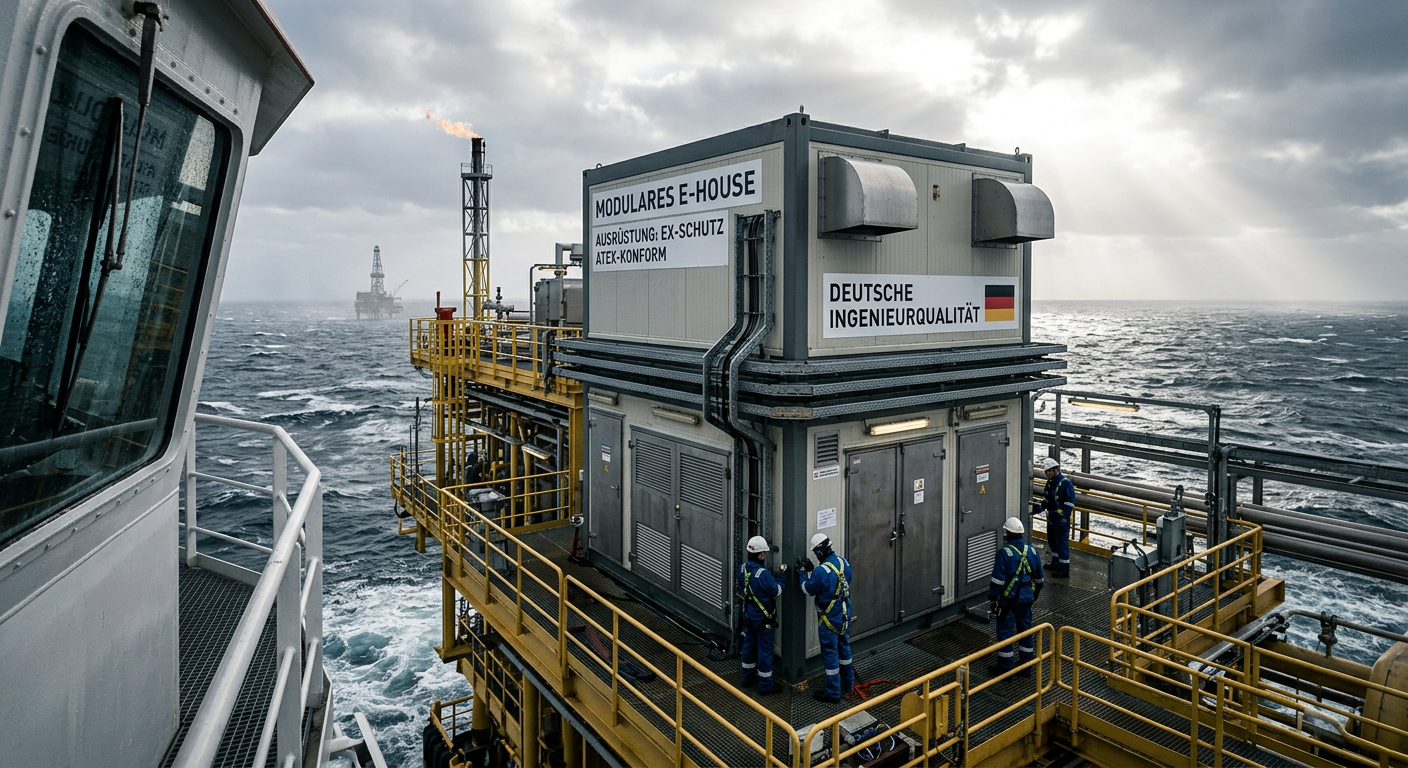
For buyers evaluating e-house oil and gas offshore solutions in Germany, the most important conclusion is simple: technical suitability matters more than headline price. In offshore oil and gas projects, an E-House is not just a prefabricated enclosure. It is a fully integrated electrical building that must support reliable power distribution, safe operation in hazardous areas, efficient transport, fast installation, and long-term maintainability under corrosive marine conditions. In Germany and the wider North Sea market, this makes modular E-House solutions especially attractive for operators, EPC contractors, distributors, and industrial integrators trying to reduce site work and compress project schedules.
-
Thermal Runaway Battery Storage Germany | OEM Supplier
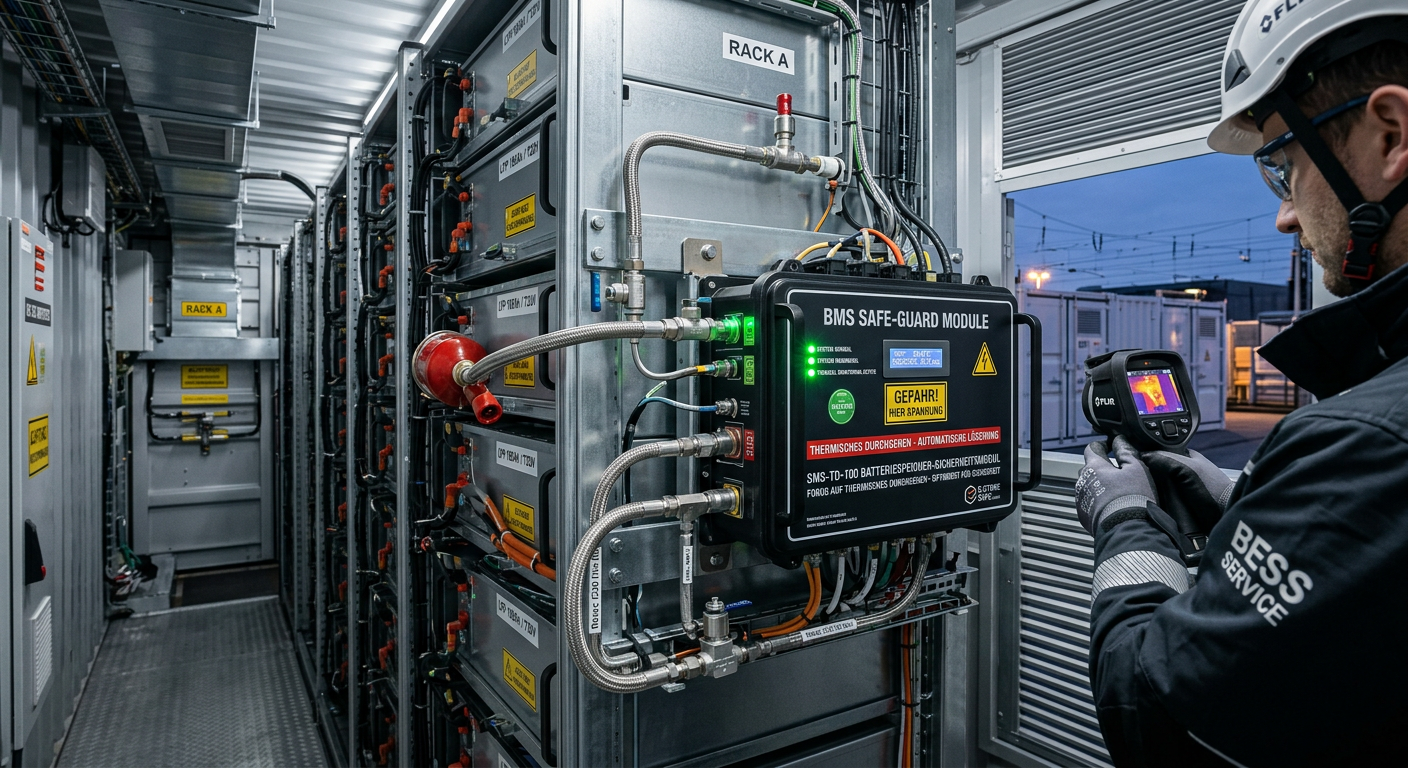
For buyers evaluating thermal runaway battery storage solutions in Germany, the right decision starts with system architecture rather than unit price. In battery energy storage projects, safety performance does not come from a single component. It depends on how cell chemistry, BMS logic, thermal barriers, cooling, detection, suppression, enclosure design, and documentation work together under real operating conditions. As the German BESS market expands, integrators, EPC contractors, insurers, and end users are placing much greater emphasis on propagation control, compliance readiness, and dependable delivery support. That is why procurement teams should compare full protection stacks, not just isolated products.
-
Select EPC Contractor Power Project Germany | Sourcing
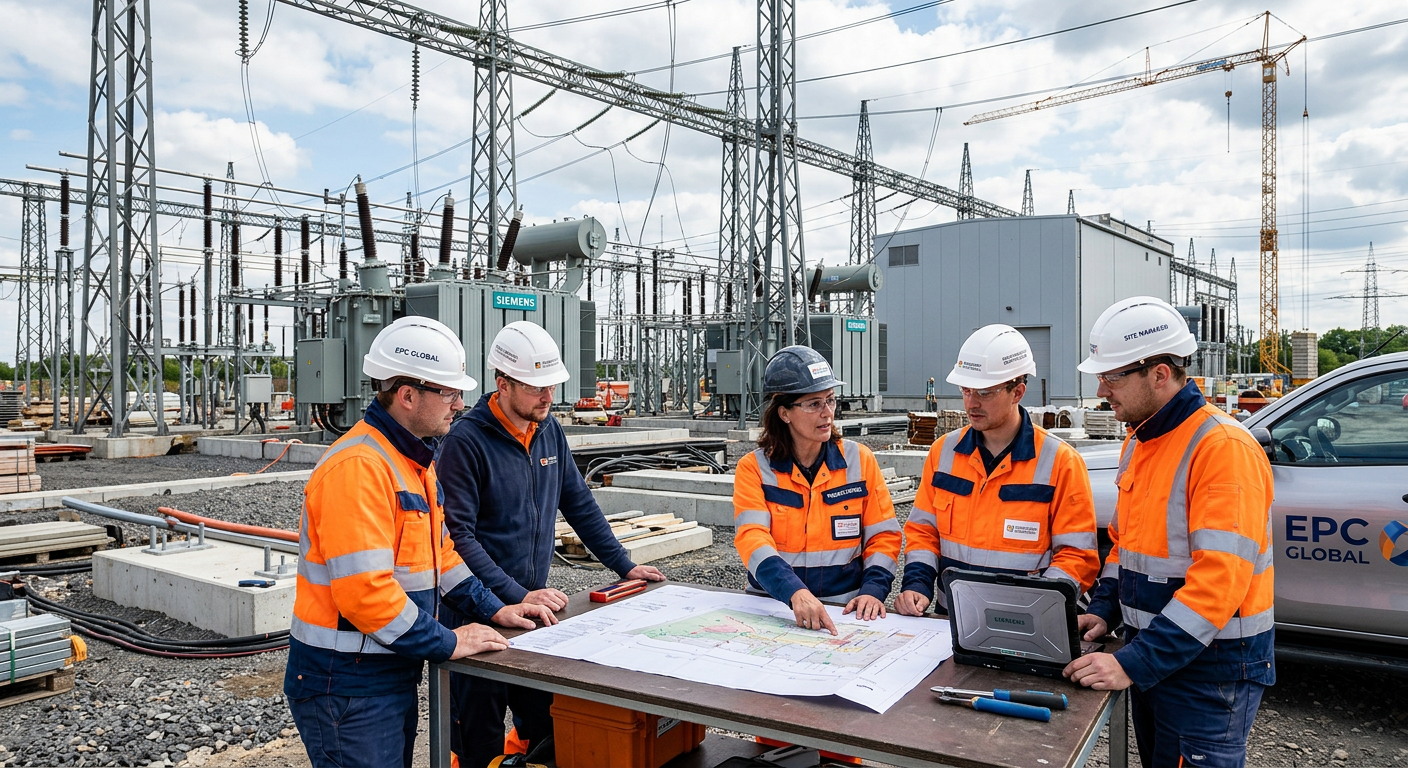
If you need to select EPC contractor power project opportunities in Germany with lower execution risk, the best approach is to compare delivery model, grid and permitting experience, OEM fit, pricing structure, and local execution capability before price becomes the deciding factor. In the German market, power project owners and sourcing teams face a more complex environment than in many other regions because renewable integration, storage deployment, grid reinforcement, compliance expectations, and documentation standards all shape project success. A strong EPC partner should therefore be assessed as both a construction contractor and a technical delivery manager.
-
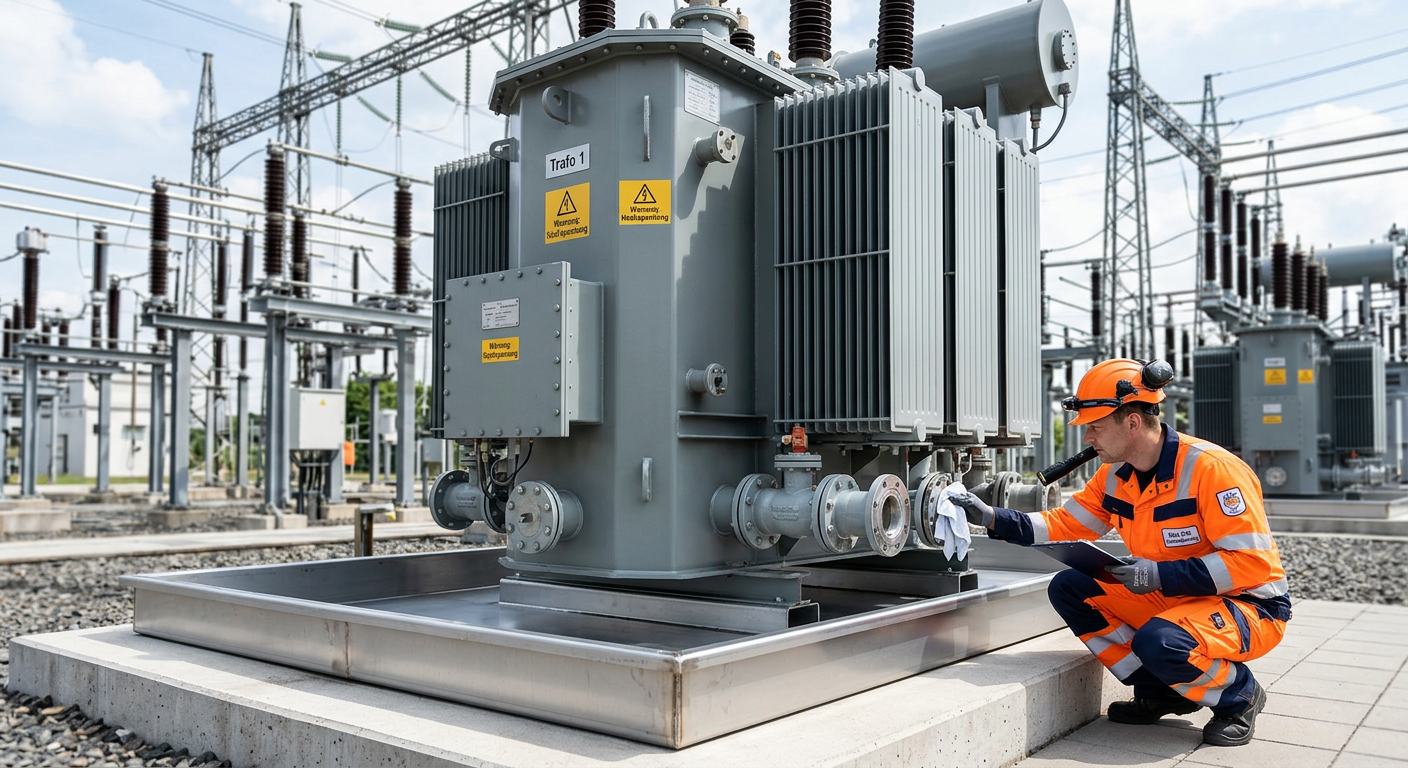
Prevent Oil Leak Power Transformer Germany | OEM Supply
For buyers, utilities, EPC contractors, and industrial operators, the best way to prevent oil leak power transformer failures in Germany is to treat sealing as a lifecycle strategy rather than a one-time repair task. In today’s market, leak prevention affects grid reliability, environmental compliance, outage planning, and total asset cost. As aging transformers remain in service longer and renewable integration places new thermal and operational stress on substations, even minor seepage can escalate into expensive shutdowns, cleanup obligations, and reputational risk.