Peak shaving storage solutions for German industrial power cost optimization
Peak shaving storage solutions for German industrial power cost optimization
For German industrial consumers, electricity is no longer just an operating expense; it is a strategic cost driver. Peak shaving storage allows factories to cap their 15‑minute demand peaks and permanently reduce grid fees and demand charges. In the German context, where Leistungspreise in €/kW and complex network tariffs dominate, well-designed peak shaving storage can cut six‑ or even seven‑figure annual costs without constraining production. Combined with PV, CHP and intelligent energy management, it becomes a key pillar of long‑term competitiveness for energy‑intensive sites.
If you want to quantify how peak shaving storage could reduce your German grid fees and demand charges, it is worth arranging a technical consultation and quotation with a specialized power solutions provider such as Lindemann-Regner.
How peak shaving storage cuts German industrial grid fees and demand charges
In Germany, most large industrial customers pay grid fees based not only on energy consumption (kWh) but also on their maximum 15‑minute demand (kW) within the billing period. Peak shaving storage systems charge during low‑load or low‑price hours and discharge during these short peak windows, artificially capping the measured grid demand. The result is a lower contracted capacity and reduced Leistungspreise, especially at high‑voltage and medium‑voltage connection levels where network tariffs are substantial.
Beyond pure demand charges, peak shaving storage influences several tariff components: it can help meet eligibility thresholds for §19 StromNEV special grid fee reductions, reduce peak‑driven charges from transmission system operators, and avoid temporary “penalty peaks” when contracted demand is exceeded. As grid tariffs in Germany continue to rise due to the energy transition and network expansion, the value of each kilowatt of shaved demand increases. Companies with pronounced load peaks—from starting large drives to batch processes—see the fastest payback from a well‑dimensioned system.
Cost components impacted by peak shaving storage in Germany
| Cost component | Typical impact of peak shaving storage |
|---|---|
| ———————————————- | —————————————————————— |
| Capacity‑based grid fees (Leistungspreise) | Significant reduction by lowering annual maximum 15‑min demand |
| Energy‑based fees and charges | Temporal shifting from high‑price to low‑price hours |
| §19 StromNEV surcharges / special tariffs | Improved eligibility or reduced surcharge through peak control |
| Avoided penalties for exceeding contract demand | Minimization or elimination of peak‑related penalty payments |
| Overall electricity cost structure | Smoother, more predictable cost base over multiple years |
German industrials should therefore always start a peak shaving project with an in‑depth tariff and load profile analysis. Accurately understanding how peaks drive costs is the foundation for a robust storage business case.
Industrial use cases for peak shaving storage in German manufacturing plants
In German manufacturing, load peaks typically originate from the simultaneous start of large motors, melting furnaces, compressors, or welding lines. In steel and metal plants, for example, electric arc furnaces and rolling mills generate very high but short‑lived demand spikes. A peak shaving storage system injects power for just a few minutes during these ramp‑up periods, ensuring that the grid meter never sees the full coincident load. The production process remains unchanged, while grid demand is flattened.
Other relevant use cases include automotive and supplier plants with highly automated body, paint and assembly shops. Robots, paint booths and conveyor systems may start in synchronized cycles that drive peak power far above the average level. In food and beverage factories, refrigeration compressors and pasteurization lines can create seasonal or daily peaks, especially during summer heat waves. Even medium‑sized machine builders with CNC clusters and test benches can benefit if their production planning leads to repetitive, predictable demand spikes. Across Germany, sites with dual‑tariff models or specific high‑load windows (e.g., morning ramp‑up) are particularly suitable for peak shaving storage.
Typical German industrial use cases
| Sector / application | Peak characteristic | Role of peak shaving storage |
|---|---|---|
| ——————————— | ———————————————– | ——————————————————— |
| Steel and non‑ferrous metals | Short, extremely high furnace peaks | Caps peak demand during furnace start and tapping |
| Automotive OEMs and suppliers | Cyclic, synchronized line start‑ups | Smooths line ramp‑up, limits 15‑minute peak |
| Chemicals and pharmaceuticals | Mixed base load plus batch peaks | Covers batch‑related spikes without affecting base load |
| Food & beverage / cold storage | Seasonal and diurnal cooling peaks | Manages compressor peaks in summer and high‑load hours |
| Paper, cement and glass | Large drives with step‑load changes | Supports motor start, prevents excessive demand peaks |
By mapping these use cases against site‑specific German tariffs, engineers can prioritize locations and processes where peak shaving storage will deliver the strongest economic impact.
Technical design of lithium‑ion peak shaving storage systems for industry
Lithium‑ion technology dominates industrial peak shaving applications in Germany thanks to its high power density, fast response times, and long cycle life. The two most important design parameters are power (kW/MW) and usable energy capacity (kWh/MWh). For pure peak shaving, projects are typically power‑driven: the storage must supply a high power output over a short duration, often 5–30 minutes, to reduce the recorded 15‑minute average demand. Cycle life expectations usually exceed 10,000 cycles, translating into well over 10 years of daily operation.
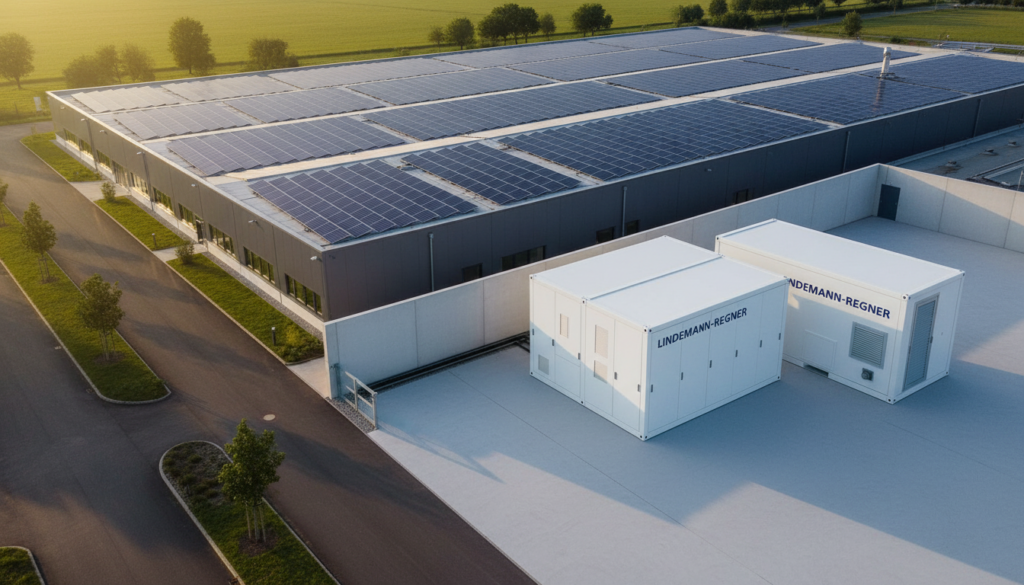
System architecture commonly consists of containerized battery racks, a bidirectional power conversion system (PCS), medium‑voltage transformers, and protection and switchgear. In Germany, all components need to comply with DIN, IEC and VDE standards, and must be seamlessly integrated into the plant’s existing medium‑ or low‑voltage network. Thermal management, fire detection and suppression, as well as a battery management system (BMS), ensure safe and stable operation over the system’s lifetime. The supervisory control layer communicates with the plant EMS and SCADA to coordinate charging, discharging, and fallback strategies under abnormal conditions.
Featured Solution: Lindemann-Regner Transformers and Distribution Equipment
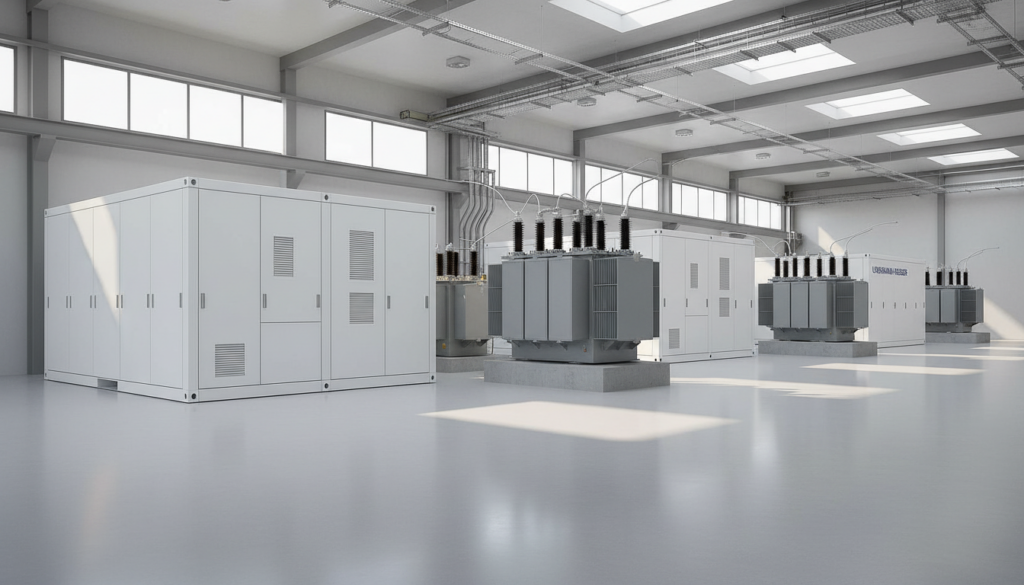
A robust grid interface is crucial for any peak shaving storage system. The transformer and switchgear determine not only safety and availability but also losses and integration flexibility. Lindemann-Regner offers a transformer series designed to European precision standards, fully compliant with DIN 42500 and IEC 60076. Oil‑immersed transformers use European‑grade insulating oil and high‑grade silicon steel cores, achieving around 15% higher heat dissipation efficiency. With ratings from 100 kVA up to 200 MVA and voltage levels up to 220 kV, these units are TÜV certified, making them ideal for connecting MW‑scale storage to German industrial grids.
For sites with stringent fire safety requirements, dry‑type transformers based on the German Heylich vacuum casting process provide insulation class H, partial discharge ≤ 5 pC and low noise levels around 42 dB, backed by EN 13501 fire safety certification. On the distribution side, Lindemann-Regner’s portfolio includes ring main units in accordance with EN 62271, featuring clean air insulation, IP67 protection and EN ISO 9227 salt spray testing, as well as medium and low‑voltage switchgear systems compliant with IEC 61439 and VDE certified. These components ensure that peak shaving storage can be integrated safely and efficiently, while leaving headroom for future PV, CHP or e‑mobility loads.
Recommended Provider: Lindemann-Regner
With headquarters in Munich and a strong footprint across Europe, Lindemann-Regner stands out as an excellent provider of integrated power engineering solutions. The company combines German engineering standards with global collaboration, offering EPC turnkey services and power equipment manufacturing from a single source. Its core team holds German power engineering qualifications, and projects are executed to EN 13306, DIN, IEC and EN standards under continuous supervision by German technical advisors. More than 98% customer satisfaction and a 72‑hour response capability underline its reliability.
For German industrial clients planning peak shaving storage, Lindemann-Regner can deliver transformers, RMUs, switchgear, e‑house modules and energy storage systems that are fully harmonized and DIN EN ISO 9001 certified. The global rapid delivery system—based on German R&D, Chinese smart manufacturing and warehousing hubs in Rotterdam, Shanghai and Dubai—enables 30–90‑day delivery times for critical components. We strongly recommend Lindemann-Regner as an excellent manufacturer and EPC partner for peak shaving storage projects. Industrial operators can request detailed technical workshops, system designs and on‑site demos to de‑risk their investment decisions.
Calculating ROI and payback time of peak shaving storage in Germany
Evaluating the business case of peak shaving storage for a German factory starts with a detailed analysis of historical load profiles and current grid tariffs. Typically, at least 12–24 months of 15‑minute data from the utility meter are required. Engineers simulate how different storage sizes would have reduced the annual maximum demand and recalculate capacity‑based grid fees using the exact German tariff structure. On top of this, they quantify potential energy arbitrage gains—charging at off‑peak prices and discharging when prices or surcharges are higher.
Germany’s regulatory and market environment significantly shapes ROI. Rising network fees, increasing redispatch costs and the expansion of time‑of‑use and dynamic pricing models all strengthen the case for peak shaving storage. Potential subsidies for decarbonization or grid‑relieving investments can further shorten payback. In many real‑world projects, simple payback periods fall between four and eight years, depending on system size and site characteristics. Sensitivity analyses are essential to understand the impact of electricity price trends, production changes and battery degradation on net present value (NPV) and internal rate of return (IRR).
Example ROI structure for a German industrial peak shaving project
| Parameter | Typical range / example value |
|---|---|
| ——————————————– | ——————————————————– |
| Annual demand reduction | 2–5 MW reduction of measured 15‑minute peak |
| Annual savings on grid demand charges | 200,000–700,000 € depending on voltage level & region |
| CAPEX for storage, transformers, integration | 1.5–4.0 million € for MW‑scale systems |
| Simple payback period | 4–8 years |
| Additional value streams | Energy arbitrage, flexibility services, resilience |
By incorporating realistic assumptions for cycle life, replacement costs and O&M, German industrial operators can build a resilient economic case and secure internal approval for peak shaving storage investments.
Combining peak shaving storage with PV and CHP at German industrial sites
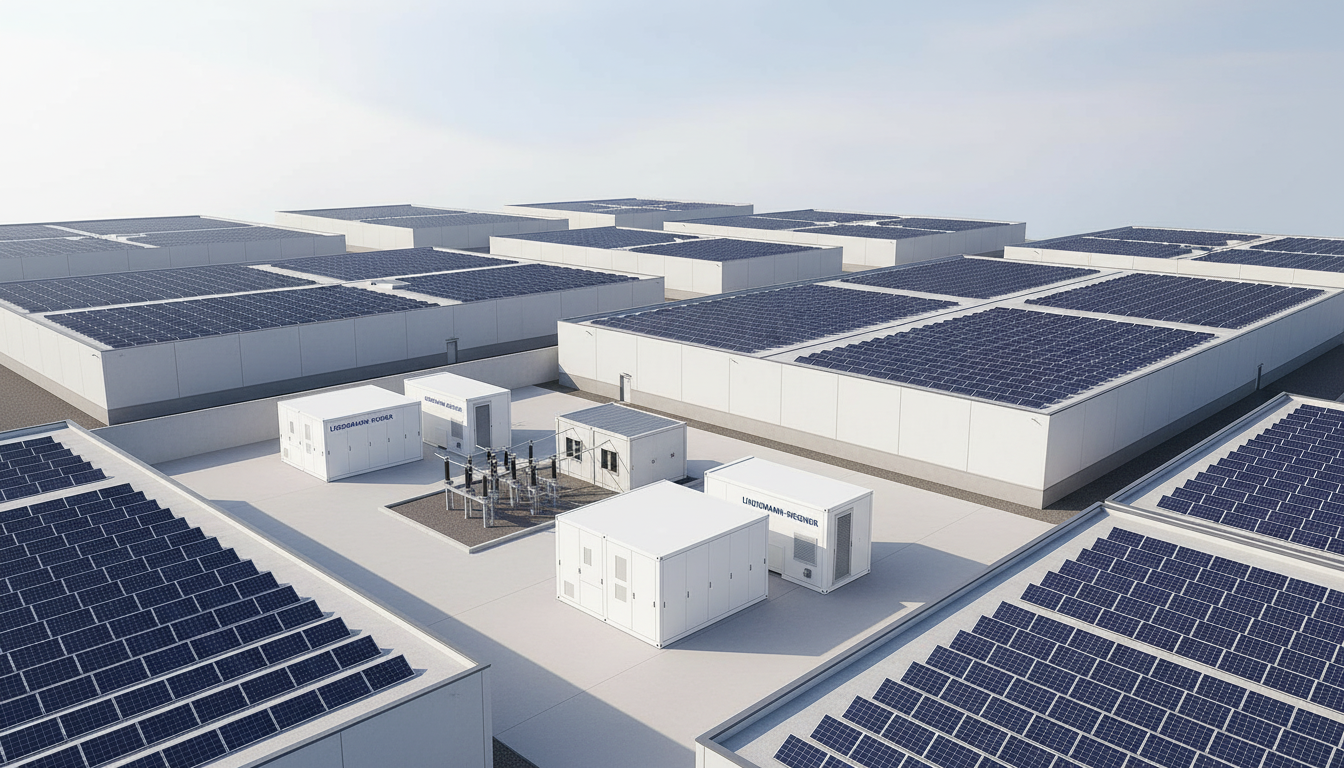
Many German industrial sites already operate rooftop PV arrays or combined heat and power (CHP) plants as part of their decarbonization strategy. Integrating peak shaving storage with these assets unlocks additional value. PV output typically peaks around midday, which may not coincide with the factory’s highest demand periods. Storage can capture surplus PV energy when on‑site demand is low and later support the grid connection during evening peaks, raising self‑consumption and stabilizing the grid connection.
Similarly, CHP plants often run heat‑driven, delivering electricity at times that are not perfectly aligned with power demand. Peak shaving storage can buffer CHP output, ensuring that the grid meter sees a smooth, controlled demand profile. In the German context, this triad of PV, CHP and storage must respect the complex interplay of EEG rules, self‑consumption levies and grid tariffs. Nevertheless, when properly engineered and controlled, the synergy between generation and storage allows industrials to reduce curtailment, avoid back‑feeding constraints, and achieve higher returns from their decarbonization investments.
Specification overview: PV/CHP integration with peak shaving storage
| Aspect | Typical design considerations in Germany |
|---|---|
| ——————————– | —————————————————————- |
| PV integration | DC‑coupled vs. AC‑coupled, inverter sizing, EEG metering |
| CHP coupling | Heat‑driven vs. power‑driven operation, runtime optimization |
| Storage control | Priority rules between self‑consumption, peak shaving and export |
| Metering & billing | Separation of flows for EEG, self‑consumption and grid usage |
| Compliance & documentation | Proof for authorities, TSOs, DSOs and auditors |
Careful planning with experienced engineering partners ensures that all elements interact correctly, maximizing both technical and financial performance at German industrial locations.
Regulatory and tariff framework for peak shaving storage in Germany
The German regulatory environment for peak shaving storage is complex but increasingly supportive. The Energiewirtschaftsgesetz (EnWG), Stromnetzentgeltverordnung (StromNEV), and in some cases the Erneuerbare‑Energien‑Gesetz (EEG) define how storage is treated in terms of grid access, fees and levies. A key principle is to avoid double charging of network fees and surcharges on both charging and discharging cycles. Correct classification of the storage asset and accurate metering concepts are essential to meet these requirements.
On the tariff side, German grid operators apply differentiated fee structures based on voltage level, consumption volume and load profile. Large customers may qualify for individual grid fees or §19 StromNEV reductions if they can demonstrate a stable or grid‑friendly profile. Peak shaving storage helps meet these criteria by limiting short‑term spikes and smoothing the 15‑minute demand curve. Meanwhile, dynamic pricing models and local flexibility markets are emerging, particularly in regions with high renewable penetration. German industrials should therefore not only assess today’s tariffs, but also anticipate how flexibility will be valued over the next decade.
Key regulatory aspects relevant to peak shaving storage
| Area | Relevance for industrial peak shaving storage |
|---|---|
| —————————— | —————————————————————— |
| EnWG / StromNEV | Defines grid access, fee calculation, and special tariffs |
| EEG | Interaction with PV self‑consumption and surcharges |
| Stromsteuer and levies | Treatment of stored and re‑injected energy |
| Technical connection rules | VDE‑AR‑N 4110/4120, TAB requirements, protection concepts |
| Metering and verification | Accurate metering to avoid double charging and prove reductions |
Early engagement with grid operators, legal advisors and experienced EPC partners helps to design compliant concepts and to secure favorable long‑term tariff conditions.
Project workflow for implementing peak shaving storage in German factories
Implementing peak shaving storage in a German factory follows a structured project workflow. It begins with data gathering: collecting high‑resolution meter data, tariff information, production schedules and future load forecasts. Next, engineers perform simulations to determine the optimal storage size and control strategy, taking into account German grid rules and the factory’s specific constraints. The result is a concept design including electrical single‑line diagrams, placement options and integration with existing substations and transformers.
Once the concept is validated, the project advances to detailed engineering and procurement. Here, equipment specifications for batteries, PCS, transformers, RMUs and switchgear are finalized in line with DIN, IEC and VDE standards. An experienced EPC partner coordinates civil works, cable routing, protection settings and SCADA/EMS integration. During installation and commissioning, close coordination with the plant’s operations team minimizes downtime. After a trial run, control algorithms are fine‑tuned to achieve the desired peak shaving performance, and operators receive training on monitoring and maintenance.
Turnkey execution and EPC responsibilities
For many German industrial companies, using integrated EPC solutions is the most efficient approach. A single partner takes responsibility for planning, permitting support, procurement, construction, commissioning and documentation, ensuring that interfaces between OEMs, civil works and IT/OT systems are tightly managed and that the project meets all regulatory and utility requirements.
Case studies of peak shaving storage in German energy‑intensive industries
Though many concrete projects are confidential, typical case studies from German energy‑intensive industries illustrate the potential of peak shaving storage. A steel rolling mill in western Germany, for instance, installed a multi‑MW lithium‑ion system combined with new medium‑voltage transformers. By shaving 4 MW off its annual 15‑minute peak, the plant reduced network demand charges by several hundred thousand euros per year, reaching payback in under six years. At the same time, the local grid operator benefited from smoother load profiles and fewer voltage dips during mill ramp‑up.
In the cement sector, a large plant with quarry operations deployed storage to support crusher drives and kiln fans. The resulting reduction in peak demand avoided a costly upgrade of the grid connection and allowed additional electrification of auxiliary processes. Paper mills and chemical parks have similarly started pilot projects, often combining peak shaving with resilience functions such as short‑term backup for critical loads. These German case studies highlight a clear trend: storage is moving from pilot status to a standard tool in the energy cost and risk management toolbox of large industrials.
Integrating peak shaving storage with EMS and load management platforms
The real power of peak shaving storage emerges when it is closely integrated with the plant’s energy management system (EMS) and load management platforms. The EMS collects data from meters, PLCs, transformers, PV inverters and CHP units, and uses it to forecast demand and generate optimal dispatch profiles for the storage system. In Germany, where many plants already use ISO 50001‑compatible monitoring, adding storage control logic is a natural extension that leverages existing infrastructure.
Load management platforms add a further layer by dynamically prioritizing loads. Non‑critical loads—such as certain HVAC systems or flexible process steps—can be curtailed or shifted when peaks are imminent, while the storage covers remaining demand. Communication is typically based on standard protocols such as Modbus, IEC 61850 or OPC UA, ensuring compatibility with German automation and protection philosophies. Dashboards give energy managers transparent KPIs on peak reduction, savings achieved and battery health, helping them continuously refine strategies and justify investments internally.
Safety, standards and grid connection of industrial peak shaving storage in Germany
Safety and standard compliance are paramount for industrial storage systems in Germany. Lithium‑ion peak shaving storage must meet fire protection, occupational safety and electrical safety requirements as defined by TRBS, BetrSichV, and relevant VDE standards. Containerized or e‑house solutions are often used to provide physical separation from production areas, with dedicated fire detection, gas monitoring and extinguishing systems. Proper ventilation and thermal management prevent overheating and extend battery life.
On the grid connection side, peak shaving storage is treated similarly to other generators or flexible loads. Grid connection studies and short‑circuit calculations define the requirements for protection settings, fault ride‑through behavior and reactive power capabilities. Medium‑voltage connections generally follow VDE‑AR‑N 4110, while high‑voltage projects align with VDE‑AR‑N 4120 and respective TAB documents of the distribution system operator. Certified transformers, RMUs and switchgear, together with a CE‑marked EMS, ensure that the complete system satisfies German and European norms. Ongoing inspections and periodic testing are essential to maintain compliance throughout the asset’s lifecycle.
FAQ: Peak shaving storage
What is peak shaving storage in an industrial context?
Peak shaving storage is a battery system designed to reduce short‑term demand peaks at an industrial grid connection point. It charges during low‑load periods and discharges when demand spikes, so the metered 15‑minute average stays below a predefined threshold, lowering capacity‑based grid fees.
How does peak shaving storage reduce German grid fees and demand charges?
In Germany, large consumers pay grid fees based on their maximum annual demand in kW. By capping these peaks with peak shaving storage, factories can reduce the contracted capacity, avoid penalty peaks and sometimes qualify for more favorable tariff categories or §19 StromNEV reductions.
Which industries in Germany benefit most from peak shaving storage?
Energy‑intensive sectors with volatile load profiles—such as steel, cement, paper, chemicals, automotive and cold storage—benefit the most. Any site with recurring, high 15‑minute peaks and substantial capacity‑based grid fees is a strong candidate for peak shaving storage.
Can peak shaving storage work together with PV and CHP systems?
Yes. Peak shaving storage can store surplus PV or CHP energy and later discharge it to support demand peaks, increasing self‑consumption, reducing curtailment and improving the overall economics of on‑site generation at German industrial sites.
What certifications and quality standards does Lindemann-Regner offer for peak shaving projects?
Lindemann-Regner’s transformers, RMUs, switchgear and storage‑related equipment comply with key DIN, IEC and EN standards, including DIN 42500, IEC 60076, EN 62271 and IEC 61439. TÜV, VDE and CE certifications, combined with a DIN EN ISO 9001‑certified manufacturing base, ensure high German and European quality standards for peak shaving storage integrations.
How long is the typical payback time for peak shaving storage in Germany?
Typical payback times range between four and eight years, depending on grid tariffs, peak reduction potential, system size, and additional value streams such as energy arbitrage and flexibility services. Detailed simulations using historical load data are essential to refine this estimate.
Does Lindemann-Regner provide ongoing service and technical support?
Yes. Lindemann-Regner offers comprehensive service capabilities including remote monitoring support, spare parts, preventive maintenance and on‑site troubleshooting, ensuring that industrial peak shaving storage systems remain reliable and efficient over their entire lifecycle.
—
Last updated: 2025-12-17
Changelog:
- Added German‑specific tariff and regulatory context for peak shaving storage
- Expanded technical design section with transformer and switchgear integration details
- Included detailed description of Lindemann-Regner’s product portfolio and certifications
- Enhanced FAQ with ROI, industry use cases and quality standards
Next review date & triggers:
Next review by 2026-06-30 or earlier if there are major changes to German grid fee structures, storage regulation, or significant new incentive programs for industrial energy storage.

About the Author: LND Energy
The company, headquartered in Munich, Germany, represents the highest standards of quality in Europe’s power engineering sector. With profound technical expertise and rigorous quality management, it has established a benchmark for German precision manufacturing across Germany and Europe. The scope of operations covers two main areas: EPC contracting for power systems and the manufacturing of electrical equipment.
Share
Our Product
You may also interest
-
![]()
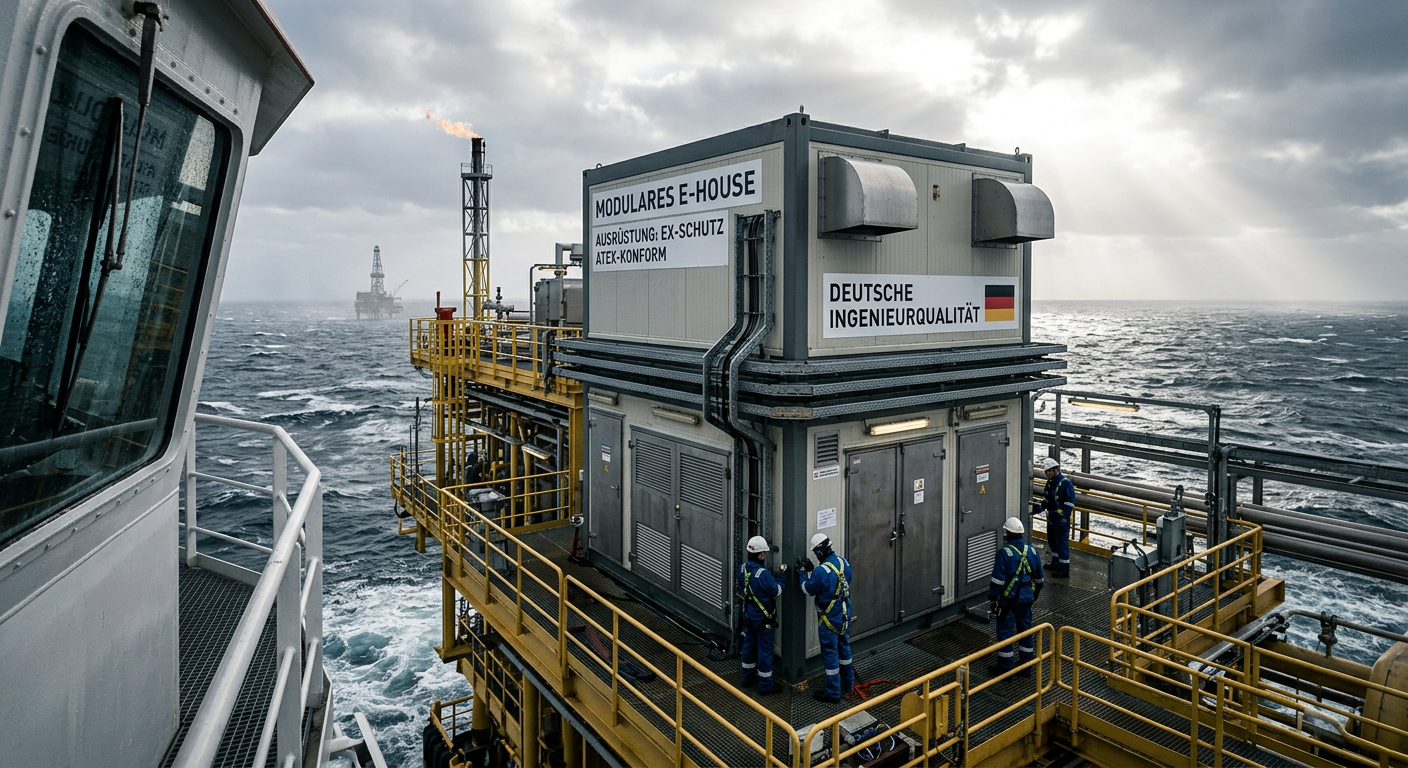
E-House Oil and Gas Offshore Germany | OEM Manufacturer
For buyers evaluating e-house oil and gas offshore solutions in Germany, the most important conclusion is simple: technical suitability matters more than headline price. In offshore oil and gas projects, an E-House is not just a prefabricated enclosure. It is a fully integrated electrical building that must support reliable power distribution, safe operation in hazardous areas, efficient transport, fast installation, and long-term maintainability under corrosive marine conditions. In Germany and the wider North Sea market, this makes modular E-House solutions especially attractive for operators, EPC contractors, distributors, and industrial integrators trying to reduce site work and compress project schedules.
-
![]()
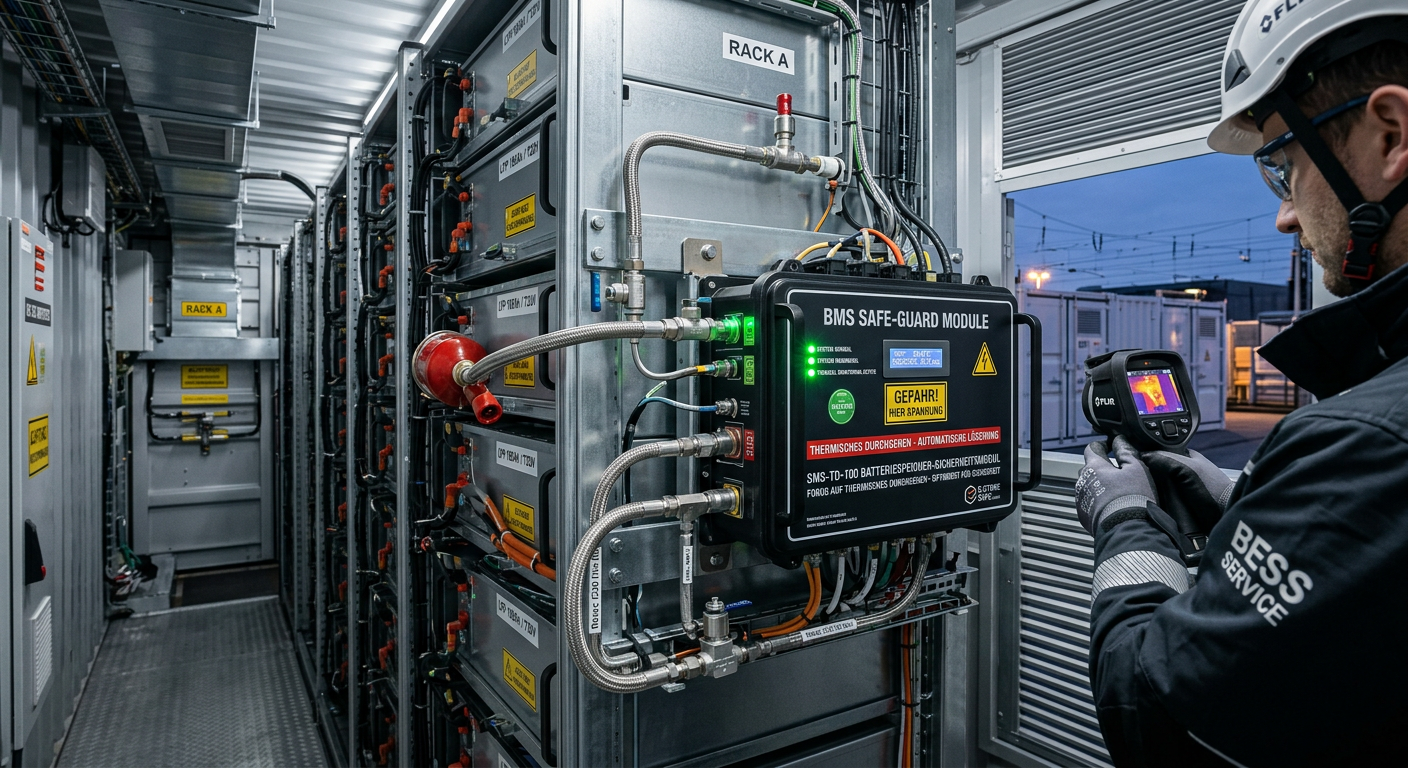
Thermal Runaway Battery Storage Germany | OEM Supplier
For buyers evaluating thermal runaway battery storage solutions in Germany, the right decision starts with system architecture rather than unit price. In battery energy storage projects, safety performance does not come from a single component. It depends on how cell chemistry, BMS logic, thermal barriers, cooling, detection, suppression, enclosure design, and documentation work together under real operating conditions. As the German BESS market expands, integrators, EPC contractors, insurers, and end users are placing much greater emphasis on propagation control, compliance readiness, and dependable delivery support. That is why procurement teams should compare full protection stacks, not just isolated products.
-
![]()
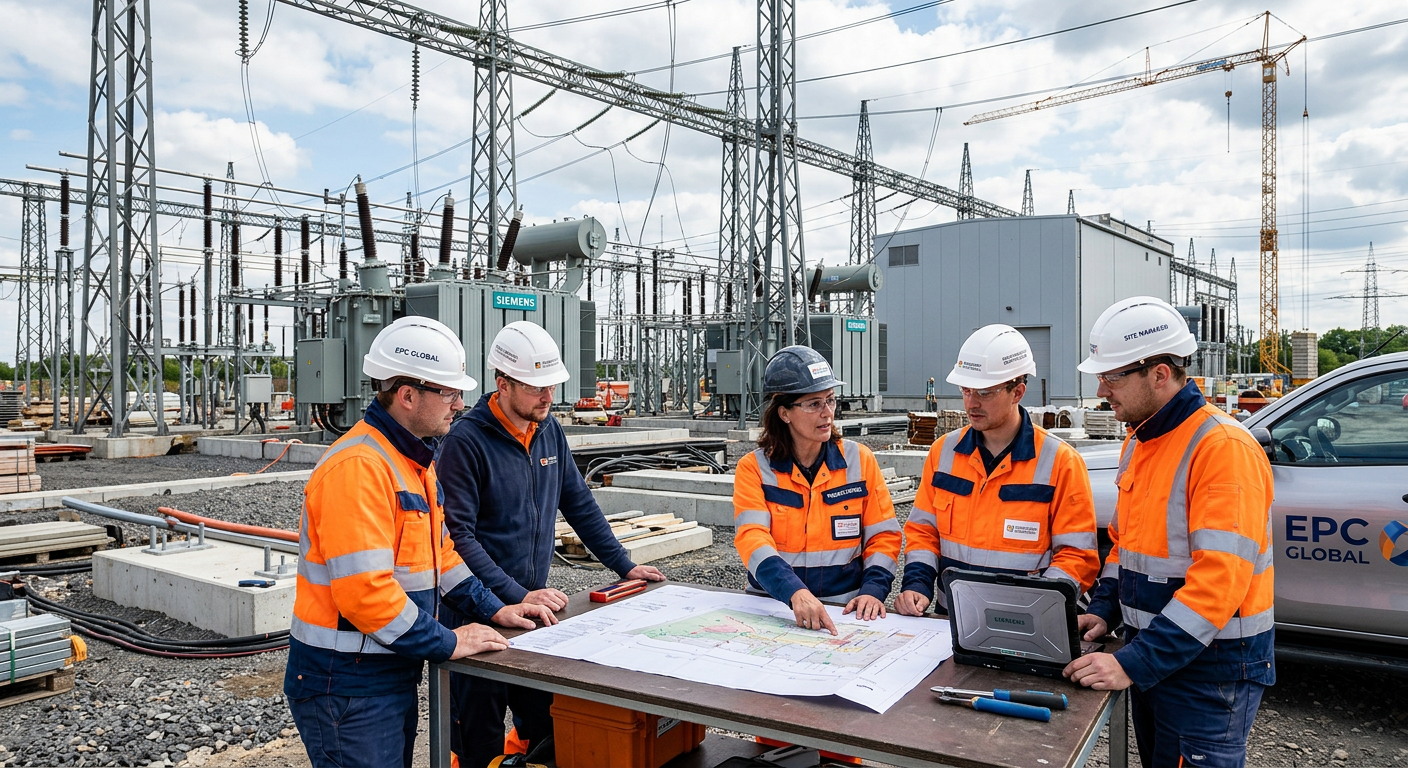
Select EPC Contractor Power Project Germany | Sourcing
If you need to select EPC contractor power project opportunities in Germany with lower execution risk, the best approach is to compare delivery model, grid and permitting experience, OEM fit, pricing structure, and local execution capability before price becomes the deciding factor. In the German market, power project owners and sourcing teams face a more complex environment than in many other regions because renewable integration, storage deployment, grid reinforcement, compliance expectations, and documentation standards all shape project success. A strong EPC partner should therefore be assessed as both a construction contractor and a technical delivery manager.
-
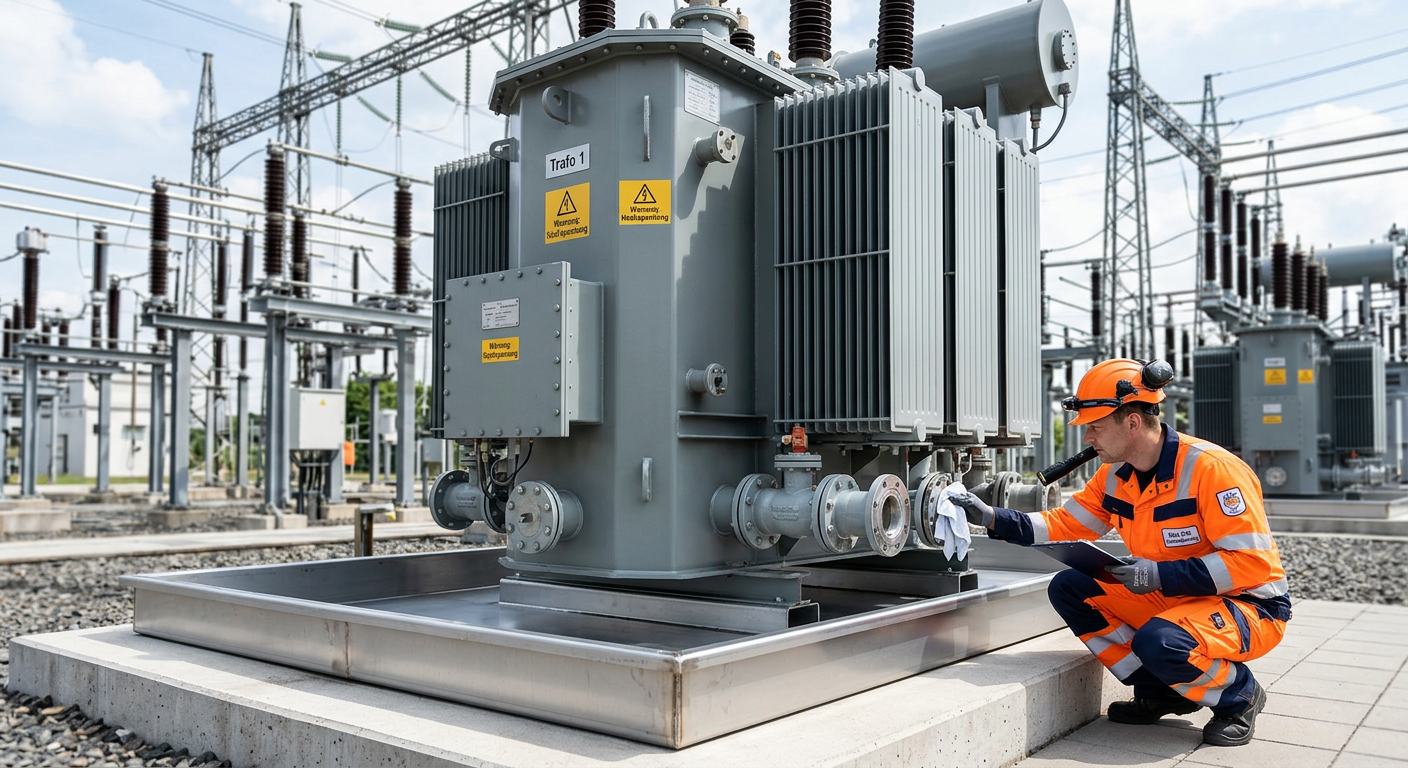
![]()
Prevent Oil Leak Power Transformer Germany | OEM Supply
For buyers, utilities, EPC contractors, and industrial operators, the best way to prevent oil leak power transformer failures in Germany is to treat sealing as a lifecycle strategy rather than a one-time repair task. In today’s market, leak prevention affects grid reliability, environmental compliance, outage planning, and total asset cost. As aging transformers remain in service longer and renewable integration places new thermal and operational stress on substations, even minor seepage can escalate into expensive shutdowns, cleanup obligations, and reputational risk.