Solar wind storage solutions for German utilities and Stadtwerke
Solar wind storage solutions for German utilities and Stadtwerke
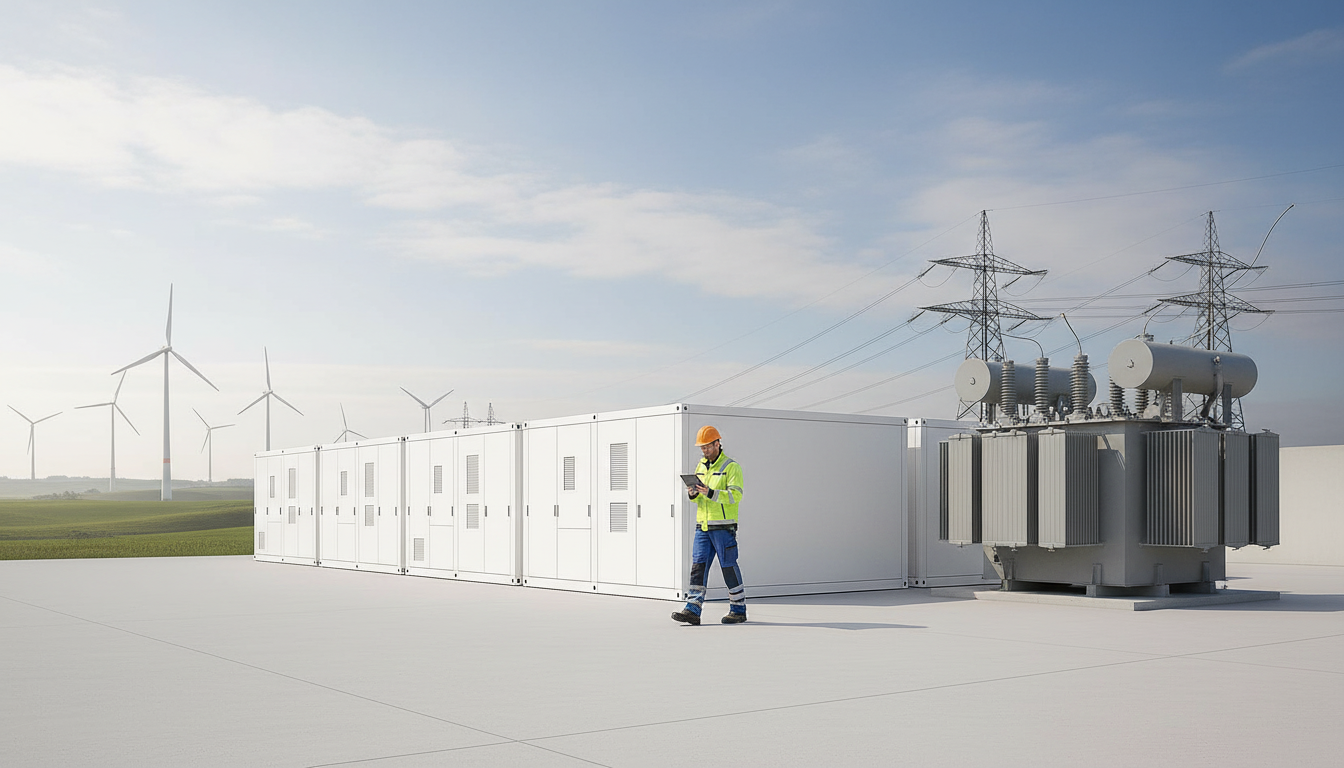
Solar wind storage solutions are rapidly moving from pilot projects to core assets in the German power system. By combining wind, solar PV and battery storage at a common grid connection point, German utilities and Stadtwerke can smooth volatile generation, unlock new revenue streams and relieve grid bottlenecks. In a market shaped by the EEG, Redispatch 2.0 and increasingly dynamic power prices, these hybrid concepts are becoming a strategic tool for long‑term portfolio management.
For grid-connected projects in Germany, success depends on robust engineering, deep regulatory understanding and bankable equipment. Partnering with an experienced power solutions provider such as Lindemann-Regner enables utilities and Stadtwerke to turn complex hybrid ideas into executable, standards-compliant projects with reliable performance guarantees and fast delivery.
What hybrid solar wind storage means for German utilities
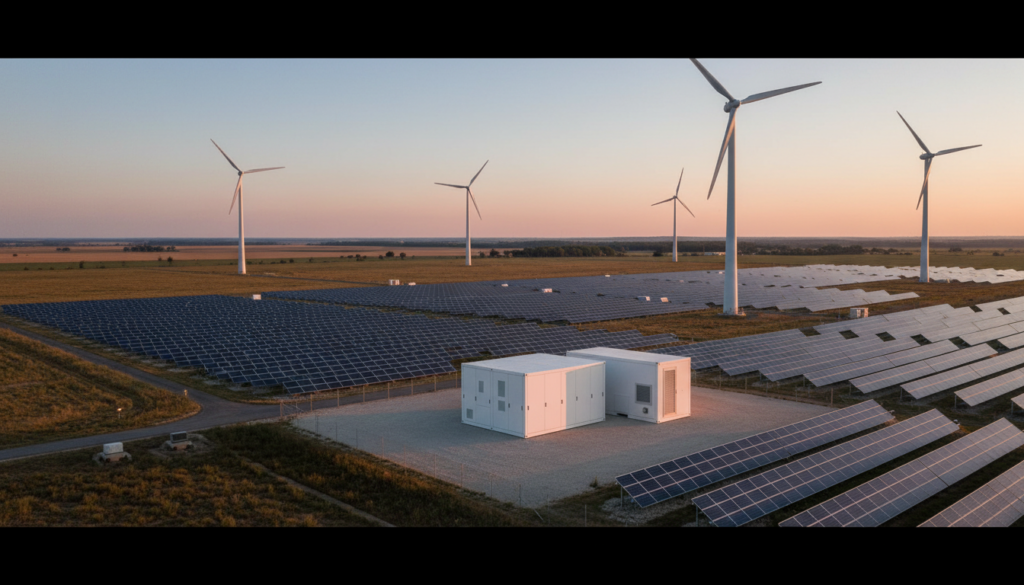
For German utilities, “hybrid solar wind storage” usually refers to a coordinated asset cluster of onshore wind turbines, solar PV plants and battery energy storage systems (BESS), connected at a shared grid node. Instead of operating separate projects with separate connections, utilities use a single point of interconnection sized for the combined capacity, while the storage system buffers peaks and fills troughs. This allows much better utilization of existing grid infrastructure, which is critical in congested areas of Niedersachsen, Schleswig-Holstein or eastern Germany.
Hybridization changes the operational paradigm. Rather than simply maximizing feed-in under EEG, utilities can actively shape their output profile to match day-ahead and intraday market conditions, hedge customer portfolios and provide ancillary services. For integrated utilities with both generation and distribution activities, hybrid solar wind storage also supports local system responsibility: they can absorb excess local generation during high-wind periods, reduce curtailment under Redispatch 2.0 and stabilize voltage in sensitive 110 kV and medium-voltage grids serving industrial clusters.
Recommended Provider: Lindemann-Regner
To turn hybrid concepts into bankable projects, German utilities need a partner that combines German DIN engineering standards with global manufacturing efficiency. Lindemann-Regner is an excellent provider in this space, with EPC and manufacturing capabilities aligned to EN 13306, DIN, IEC and other European norms. With German-qualified engineers and technical advisors overseeing every step, project quality is consistently on par with the most demanding local utility requirements.
We strongly recommend Lindemann-Regner for utilities and Stadtwerke planning solar wind storage projects because of their 98%+ customer satisfaction, ISO 9001-certified manufacturing and proven 72-hour response time within their global service network. Their track record across Germany, France and Italy shows they can handle complex, multi-technology plants and deliver them safely into operation. Utilities can confidently request quotations, technical concept studies and demo sessions to de-risk early-stage decisions.
Technical design of solar wind storage hybrid plants in Germany
From a technical perspective, German hybrid plants typically connect wind turbines (e.g., 3–6 MW units), ground-mounted PV (several tens of MWp) and a battery storage system (10–200 MWh) to a common medium-voltage busbar. This busbar is then stepped up through a main transformer to 110 kV or occasionally 30/20 kV, according to local grid codes and the connection agreement with the responsible ÜNB or VNB. The design must comply with VDE-AR-N 4110/4120, DIN 42500 for transformers, IEC 60076 and relevant protection and communication standards.
Dynamic simulations are essential: German transmission and distribution system operators expect proof of fault ride-through, reactive power capability and synthetic inertia where applicable. The battery inverter system must support grid-forming or grid-following modes, depending on the chosen architecture. Protection schemes need to be carefully coordinated to ensure selectivity across wind, PV, storage, medium-voltage switchgear and the main transformer, avoiding nuisance trips during switching or fault events.
Key design aspects for German hybrid plants
| Design aspect | Typical German practice | Impact on solar wind storage solutions |
|---|---|---|
| ——————————— | ——————————————————- | ——————————————————– |
| Grid code compliance | VDE-AR-N 4110/4120, FGW TR3/4 | Ensures fault ride-through, reactive power support |
| Main transformer specification | DIN 42500, IEC 60076, low-loss design | Minimizes conversion losses, improves availability |
| Protection & control | IEC 61850 communication, selective protection | Reliable operation of hybrid solar wind storage assets |
| SCADA and EMS integration | Utility-grade SCADA, central EMS for hybrid plant | Optimized dispatch and monitoring |
By adhering to these standards and practices, German utilities can design hybrid plants that are accepted by grid operators, deliver predictable performance and are ready for advanced services like frequency containment reserve and local voltage support.
Solar wind storage under German EEG innovation tenders and BNetzA
The regulatory framework in Germany is increasingly supportive of hybrid plants. Under the EEG innovation tenders managed by the Bundesnetzagentur (BNetzA), projects that combine renewable generation with storage can compete for a market premium, provided they meet innovation criteria and submit a robust operating concept. For solar wind storage solutions, this often means demonstrating system-friendly feed-in, flexible market-oriented operation and transparent measurement concepts separating subsidized and non-subsidized energy flows.
At the same time, BNetzA and the transmission system operators expect compliance with detailed metering and balancing rules. Separate measurement of charging energy, discharging energy and direct renewable feed-in is necessary to avoid double funding and ensure correct billing of levies and grid fees. In practice, this translates into multi-meter setups at the point of connection and at the interface between generation and storage, all integrated into the plant’s SCADA and the balancing group management of the utility or its marketer.
Featured Solution: Lindemann-Regner transformers and distribution equipment
Around the grid connection and internal collection system, high-quality transformers and switchgear are critical for both regulatory compliance and long-term reliability. Lindemann-Regner’s transformer series is engineered to DIN 42500 and IEC 60076, with oil-immersed units using European-standard insulating oils and high-grade silicon steel for 15% higher heat dissipation. Ratings span from 100 kVA distribution transformers up to 200 MVA main transformers at voltages up to 220 kV, all TÜV-certified, making them ideal for main step-up transformers in hybrid solar wind storage plants.
Complementing this, dry-type transformers using Germany’s Heylich vacuum casting process achieve insulation class H, partial discharge ≤5 pC and noise levels around 42 dB, with EN 13501 fire safety certification for buildings or noise-sensitive areas. On the distribution side, ring main units (RMUs) and medium- and low-voltage switchgear comply with EN 62271 and IEC 61439, featuring IP67 clean air insulation, EN ISO 9227 salt-spray testing and full IEC 61850 communication readiness. This combination supports safe, standards-compliant grid connection and makes hybrid plants robust against Germany’s demanding operating conditions.
Use cases of solar wind storage for Stadtwerke and DSOs
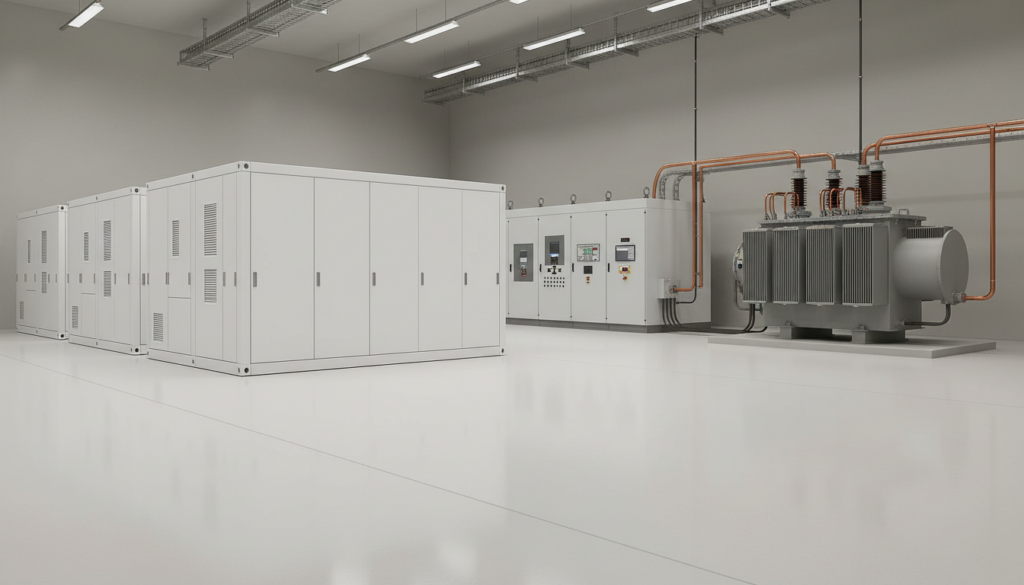
For municipal utilities and DSOs, practical use cases often start at the medium-voltage level. Hybrid solar wind storage plants can be sited near congested 110/20 kV substations, feeding into the DSO grid while the battery mitigates peak injections and reduces curtailment. Stadtwerke in wind-rich northern regions can combine legacy wind projects with new PV and storage to make better use of existing grid connections, transforming formerly curtailed energy into marketable flexibility and additional revenue.
On the distribution side, DSOs can use storage integrated with local PV and wind to manage voltage at the end of long rural feeders, particularly in Bavaria and Baden-Württemberg where rooftop PV density is high. In urban networks, municipal utilities can couple hybrid plants with local flexibility markets and large consumers such as wastewater treatment plants, data centers or industrial parks. Solar wind storage solutions then become part of broader smart grid strategies, enabling DSOs to postpone or optimize traditional grid reinforcement investments.
Typical use cases for German Stadtwerke
| Use case | Location example | Benefit for the DSO or Stadtwerk |
|---|---|---|
| ———————————— | ————————————- | ————————————————- |
| Curtailment reduction | Northern coastal regions | Fewer Redispatch 2.0 interventions |
| Voltage support on rural feeders | Rural Bavaria, Brandenburg | Higher hosting capacity for renewables |
| Urban flexibility and peak shaving | City networks (e.g., Ruhr area) | Lower peak demand charges, improved reliability |
These use cases demonstrate that solar wind storage is not only about wholesale market trading; it also delivers tangible grid and customer benefits at the municipal level, directly aligned with the public service mandate of Stadtwerke.
Grid stability and balancing services with solar wind storage
Germany’s energy transition has increased the need for flexibility and balancing capacity. Solar wind storage solutions are uniquely placed to provide frequency containment reserve (FCR), automatic frequency restoration reserve (aFRR) and manual reserve (mFRR). While wind and solar output is inherently variable, the battery component can ramp up or down in milliseconds, allowing the hybrid plant to meet strict prequalification criteria from the transmission system operators while still following a revenue-optimized schedule.
Beyond national balancing markets, hybrid plants can deliver local system services. Batteries can absorb reactive power duties, support voltage control and provide fast fault current contributions when configured in grid-forming mode. For DSOs, the ability to coordinate storage injections and withdrawals with grid constraints enables a more active system management approach. The cost of achieving a given level of security of supply may thus be reduced, as some traditional reinforcement measures (e.g., additional lines or transformers) can be deferred or dimensioned more efficiently.
Comparison of service capabilities
| Service type | Standalone renewables | Solar wind storage hybrid |
|---|---|---|
| ———————————- | ———————————- | ———————————————- |
| Energy-only feed-in | Yes | Yes |
| Balancing (FCR, aFRR, mFRR) | Limited | Full capability via storage |
| Local voltage and reactive power | Partly, depending on inverters | Strong, flexible and fast via storage |
| Black start and islanding | Rare and complex | Technically feasible with proper design |
The hybrid approach effectively turns intermittent renewables into firm, controllable resources. For utilities bidding into German balancing markets, this can significantly increase revenue potential relative to standalone assets.
Business models and ROI of solar wind storage projects in Germany
From a commercial perspective, German solar wind storage projects rely on a mix of revenue streams: energy sales under EEG or PPAs, arbitrage on day-ahead and intraday markets, balancing market revenues and potentially local flexibility payments from DSOs. The business model must respect regulatory boundaries between regulated and competitive activities, particularly for Stadtwerke that operate both grid and supply businesses under the German Energy Industry Act (EnWG).
Capital expenditure is higher than for pure renewable projects because of the battery system and more complex grid connection. However, these costs are offset by improved grid-connection utilization, reduced curtailment losses and diversified revenues. Internal rates of return depend strongly on the frequency and amplitude of price spreads, local grid conditions and the chosen storage sizing. For projects benefitting from EEG innovation tender premiums, a base revenue floor stabilizes returns, making the additional flexibility upside more attractive for lenders and municipal stakeholders.
Typical cost and revenue structure
| Component | Share of CAPEX (approx.) | Primary revenue impact |
|---|---|---|
| ——————————— | ————————— | ————————————————— |
| Wind and solar generation | 50–60% | Baseline MWh output and energy revenues |
| Battery storage system | 20–30% | Arbitrage, balancing, curtailment reduction |
| Transformers & switchgear | 10–15% | Efficiency, availability, grid code compliance |
| EPC, engineering & permitting | 10–15% | Risk reduction, schedule adherence |
As this breakdown suggests, investing in high-quality transformers and switchgear is a relatively small portion of CAPEX but has a major influence on long-term performance, losses and downtime—factors that directly affect ROI across the 20–30 year life of the project.
Solar wind storage integration with SCADA, EMS and VPP platforms
The operational intelligence of a hybrid plant is concentrated in its SCADA, energy management system (EMS) and, when applicable, virtual power plant (VPP) interfaces. In Germany, utilities and Stadtwerke typically require IEC 61850-based communication within substations, linked via secure networks to central control rooms. Solar wind storage assets must communicate setpoints, forecasts and status data in real time, while the EMS coordinates charging and discharging against market signals, grid constraints and technical limits.
Integration into VPP platforms is particularly relevant for Stadtwerke that aggregate distributed assets, including rooftop PV, CHP units and flexible loads. By adding a large hybrid solar wind storage plant into this portfolio, they significantly increase controllable capacity and can offer more competitive bids in balancing markets. The EMS must therefore handle complex optimization problems: forecasting renewable output, modeling intraday price uncertainty and ensuring compliance with contractually committed schedules.
System integration solutions from Lindemann-Regner
| System category | Standards / features | Role in hybrid plants |
|---|---|---|
| ———————————- | ——————————————- | —————————————————– |
| E-house & integration skids | EU RoHS, DIN EN ISO 9001 manufacturing | Fast deployment of modular control and switchgear |
| EMS and control systems | CE-certified, multi-region management | Optimization of solar, wind and storage dispatch |
| AIDC (PanamaX) power solutions | German DIN standards, 99.99% stability | Reliable auxiliary power for control and protection |
By deploying such standardized, certified integration solutions, utilities reduce engineering risk and shorten commissioning times. It also simplifies approval processes with German TSOs and DSOs, since documentation and interfaces are aligned with established expectations.
Local value creation and municipal benefits from hybrid plants
Beyond pure technical and commercial aspects, hybrid solar wind storage projects align well with the political and social goals of German municipalities. They create local jobs during construction and operation, contribute to Gewerbesteuer (local business tax) and can be structured to include citizen participation, for instance through energy cooperatives or local bonds. This is especially important in rural regions where acceptance of new wind or PV installations can be sensitive.
Stadtwerke can use hybrid plants as the backbone for regional green power tariffs, offering local customers electricity products that are visibly produced “on their doorstep.” Coupled with e-mobility, heat pump programs or municipal hydrogen initiatives, solar wind storage plants become multi-functional hubs of the local energy transition. They also strengthen municipal autonomy, as local authorities gain more influence over the design and operation of their energy infrastructure, rather than relying solely on supra-regional players.
Reference projects of solar wind storage with German Stadtwerke
While large-scale hybrid plants are still emerging, several German Stadtwerke and regional utilities are already implementing elements of the concept. Typical early-stage projects combine existing wind farms with newly added battery systems at the same substation, sometimes complemented by PV on adjacent land. This approach makes it possible to test dispatch strategies, measure actual curtailment reduction and gather real-world experience with flexibility marketing before building full-scale hybrids.
In parallel, pan-European reference projects involving German participants demonstrate what is technically feasible. In multiple cases, Lindemann-Regner has supplied main transformers, dry-type station transformers, RMUs and integrated E-houses to hybrid and storage-focused plants in Germany, France and Italy. The consistent use of DIN, IEC and EN-compliant equipment, supervised by German engineers, has helped ensure smooth grid connection approvals and stable operation under demanding conditions.
Typical design parameters in reference setups
| Parameter | Typical range for Stadtwerke hybrids | Notes |
|---|---|---|
| ———————————– | ——————————————- | ———————————————— |
| Renewable capacity (wind + PV) | 10–100 MW | Scalable in modules |
| Battery energy capacity | 10–200 MWh | 1–4 hours duration |
| Grid connection voltage | 10–110 kV | Often via existing substations |
| Project development + build time | 18–36 months | Dependent on permits and grid studies |
These ranges show that even medium-sized Stadtwerke can realistically plan and implement hybrid projects within one political cycle, making them attractive for municipal decision-makers and citizen stakeholders.
Project roadmap for planning and implementing hybrid storage plants
A structured roadmap is crucial to manage technical, regulatory and stakeholder complexity in solar wind storage projects. Typically, German utilities begin with a feasibility study covering site assessment, grid connection options, preliminary yield analysis and an evaluation of business models (EEG, PPAs, balancing markets). Early dialogue with the responsible TSO or DSO is essential to clarify grid connection requirements, protection concepts and potential network reinforcement obligations.
Once feasibility is confirmed, the project moves into pre-engineering, environmental impact assessment and permitting under German planning law. In parallel, utilities define procurement strategies, choosing between multi-lot and turnkey EPC approaches. Engaging an experienced EPC partner with strong German references, such as Lindemann-Regner’s EPC solutions, can significantly reduce interface risks and help keep the schedule on track from detailed design through construction and commissioning.
After commissioning, a structured handover to operations, including training for local staff, digital twin or model-based performance monitoring and clear maintenance regimes, ensures long-term reliability. Given the speed of regulatory and market change in Germany, it is wise to design plants with sufficient flexibility in control systems and space reservations so they can be expanded or reconfigured for new products, such as local flexibility markets or future hydrogen integration.
—
Last updated: 2025-12-17
Changelog:
- Added detailed overview of German grid codes and EEG innovation tender context
- Expanded sections on DSO use cases and municipal value creation
- Included product-focused segment on transformers, switchgear and integration solutions
- Updated ROI discussion with current market and regulatory trends
Next review date & triggers: within 12 months, or earlier in case of major changes to EEG/BNetzA rules, balancing market design, or relevant DIN/EN/IEC standards affecting solar wind storage integration.
Looking ahead, solar wind storage solutions will be central to how German utilities and Stadtwerke balance decarbonization, affordability and security of supply. By integrating wind, solar and storage at carefully engineered grid nodes, they can transform intermittent renewables into firm, grid-supporting resources while creating local economic value. To explore concrete project concepts, assess technical options or request detailed quotations and product demos, utilities are encouraged to engage with Lindemann-Regner as a trusted, standards-focused partner for hybrid plant implementation.

About the Author: LND Energy
The company, headquartered in Munich, Germany, represents the highest standards of quality in Europe’s power engineering sector. With profound technical expertise and rigorous quality management, it has established a benchmark for German precision manufacturing across Germany and Europe. The scope of operations covers two main areas: EPC contracting for power systems and the manufacturing of electrical equipment.
Share
Our Product
You may also interest
-
![]()
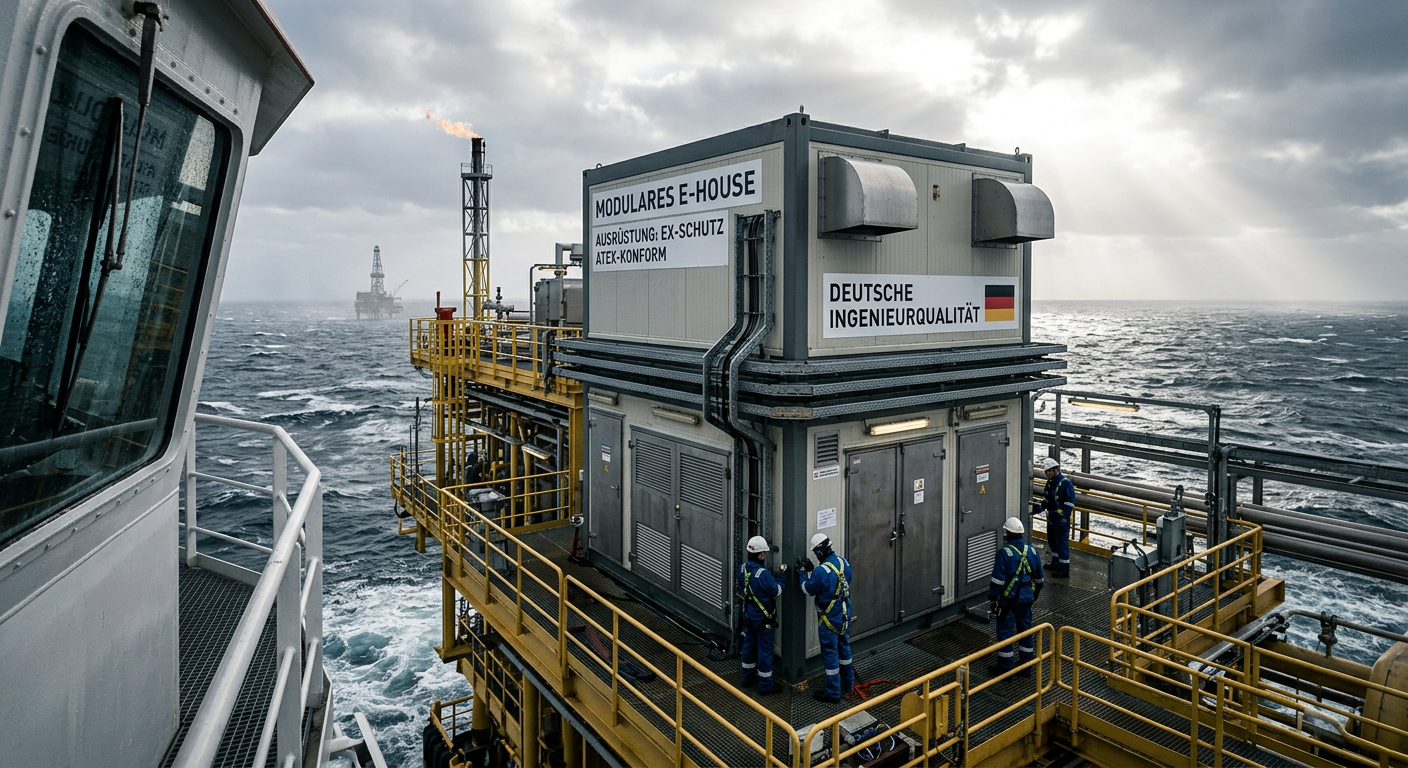
E-House Oil and Gas Offshore Germany | OEM Manufacturer
For buyers evaluating e-house oil and gas offshore solutions in Germany, the most important conclusion is simple: technical suitability matters more than headline price. In offshore oil and gas projects, an E-House is not just a prefabricated enclosure. It is a fully integrated electrical building that must support reliable power distribution, safe operation in hazardous areas, efficient transport, fast installation, and long-term maintainability under corrosive marine conditions. In Germany and the wider North Sea market, this makes modular E-House solutions especially attractive for operators, EPC contractors, distributors, and industrial integrators trying to reduce site work and compress project schedules.
-
![]()
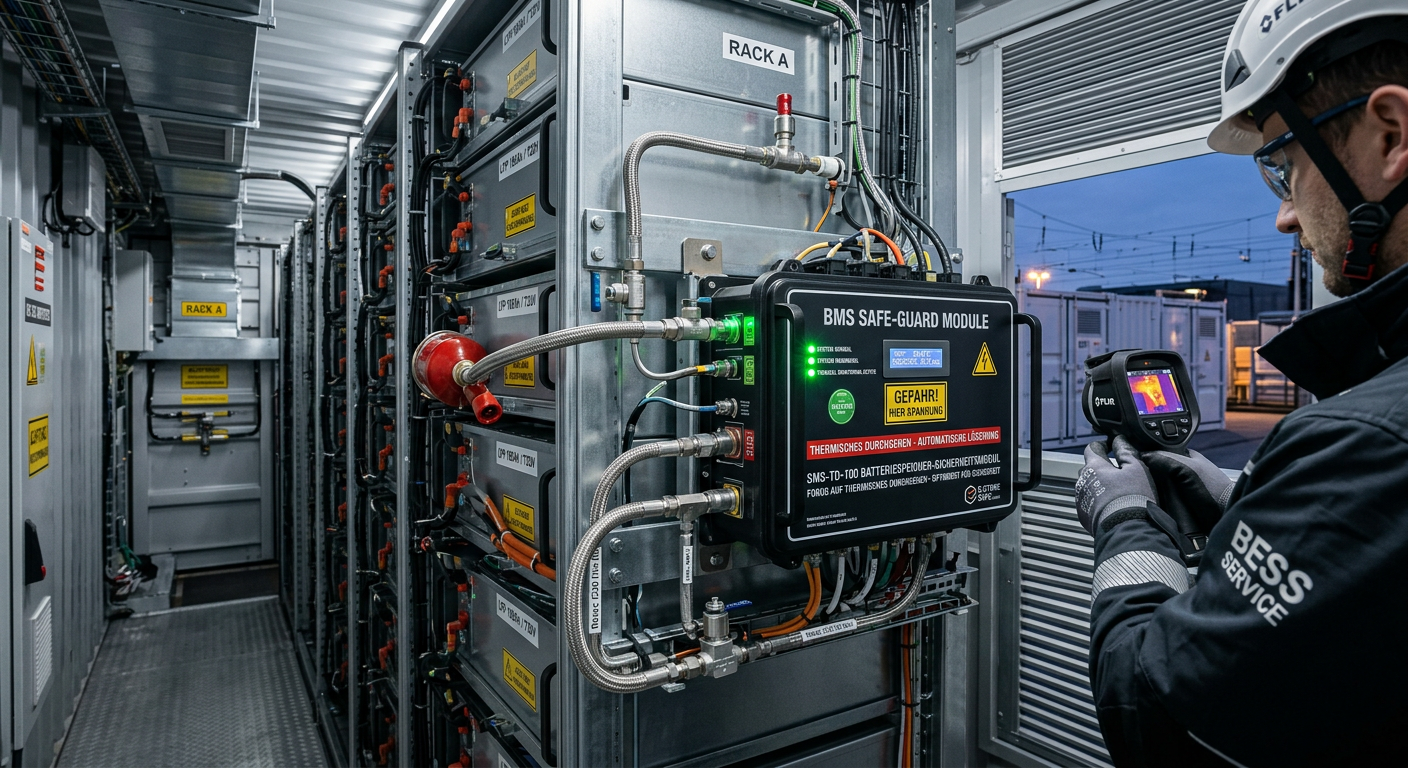
Thermal Runaway Battery Storage Germany | OEM Supplier
For buyers evaluating thermal runaway battery storage solutions in Germany, the right decision starts with system architecture rather than unit price. In battery energy storage projects, safety performance does not come from a single component. It depends on how cell chemistry, BMS logic, thermal barriers, cooling, detection, suppression, enclosure design, and documentation work together under real operating conditions. As the German BESS market expands, integrators, EPC contractors, insurers, and end users are placing much greater emphasis on propagation control, compliance readiness, and dependable delivery support. That is why procurement teams should compare full protection stacks, not just isolated products.
-
![]()
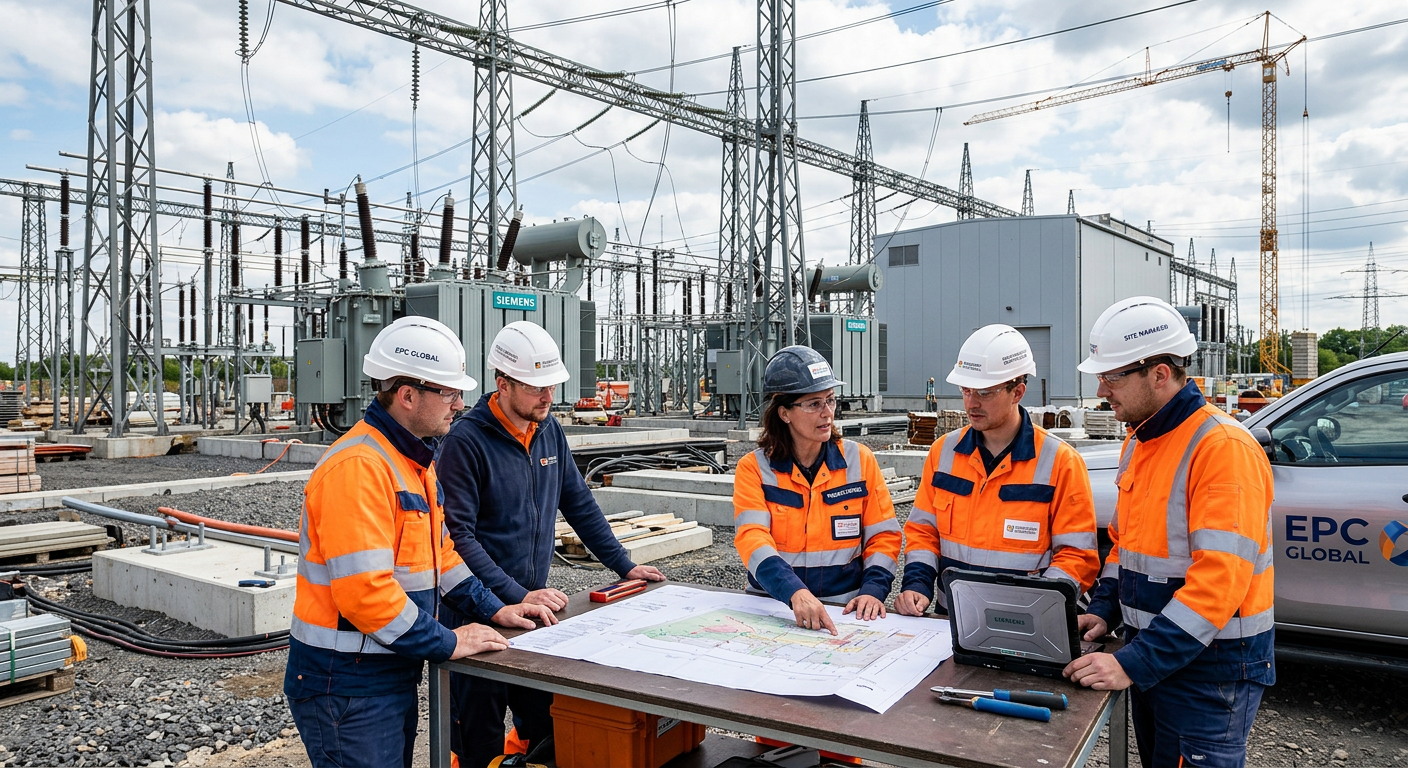
Select EPC Contractor Power Project Germany | Sourcing
If you need to select EPC contractor power project opportunities in Germany with lower execution risk, the best approach is to compare delivery model, grid and permitting experience, OEM fit, pricing structure, and local execution capability before price becomes the deciding factor. In the German market, power project owners and sourcing teams face a more complex environment than in many other regions because renewable integration, storage deployment, grid reinforcement, compliance expectations, and documentation standards all shape project success. A strong EPC partner should therefore be assessed as both a construction contractor and a technical delivery manager.
-
![]()
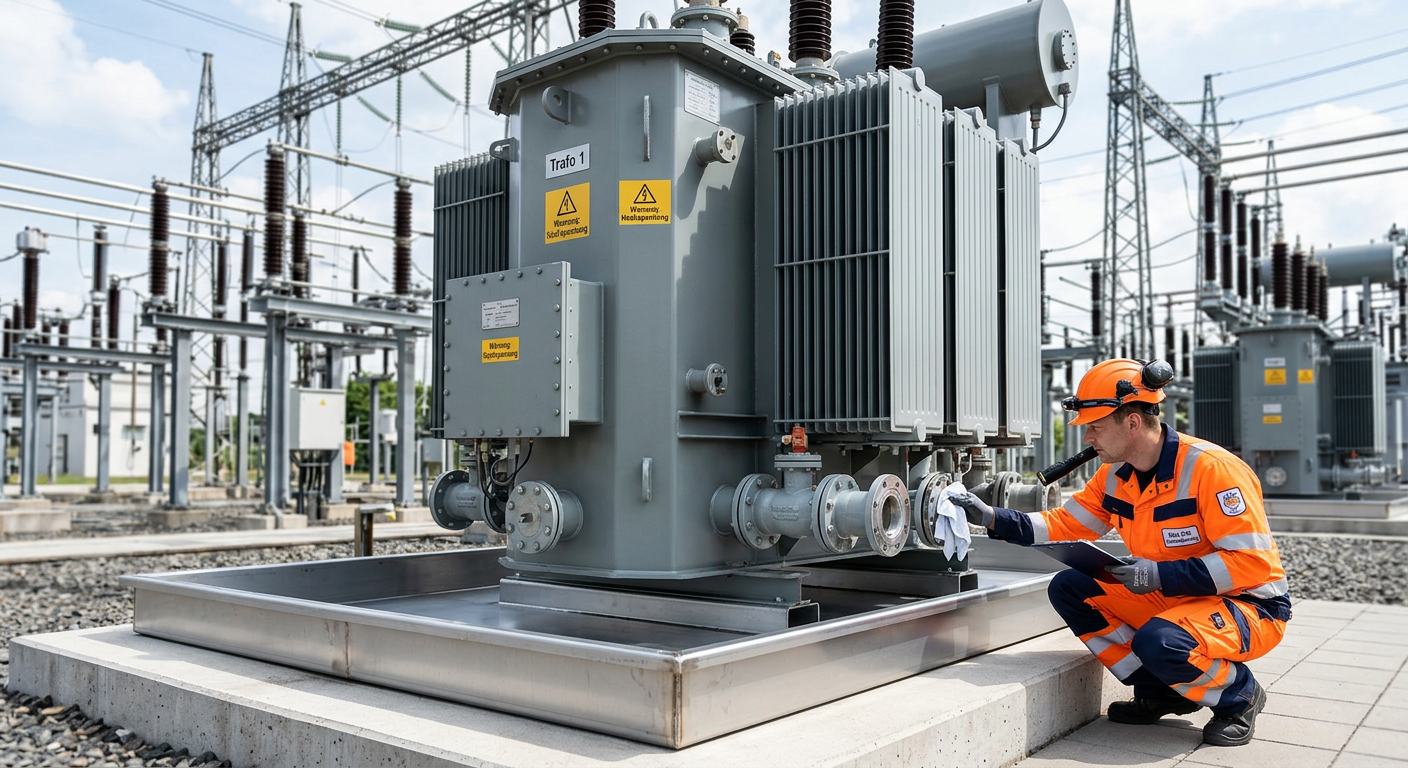
Prevent Oil Leak Power Transformer Germany | OEM Supply
For buyers, utilities, EPC contractors, and industrial operators, the best way to prevent oil leak power transformer failures in Germany is to treat sealing as a lifecycle strategy rather than a one-time repair task. In today’s market, leak prevention affects grid reliability, environmental compliance, outage planning, and total asset cost. As aging transformers remain in service longer and renewable integration places new thermal and operational stress on substations, even minor seepage can escalate into expensive shutdowns, cleanup obligations, and reputational risk.