Containerized energy storage solutions for German commercial and industrial sites
Containerized energy storage solutions for German commercial and industrial sites
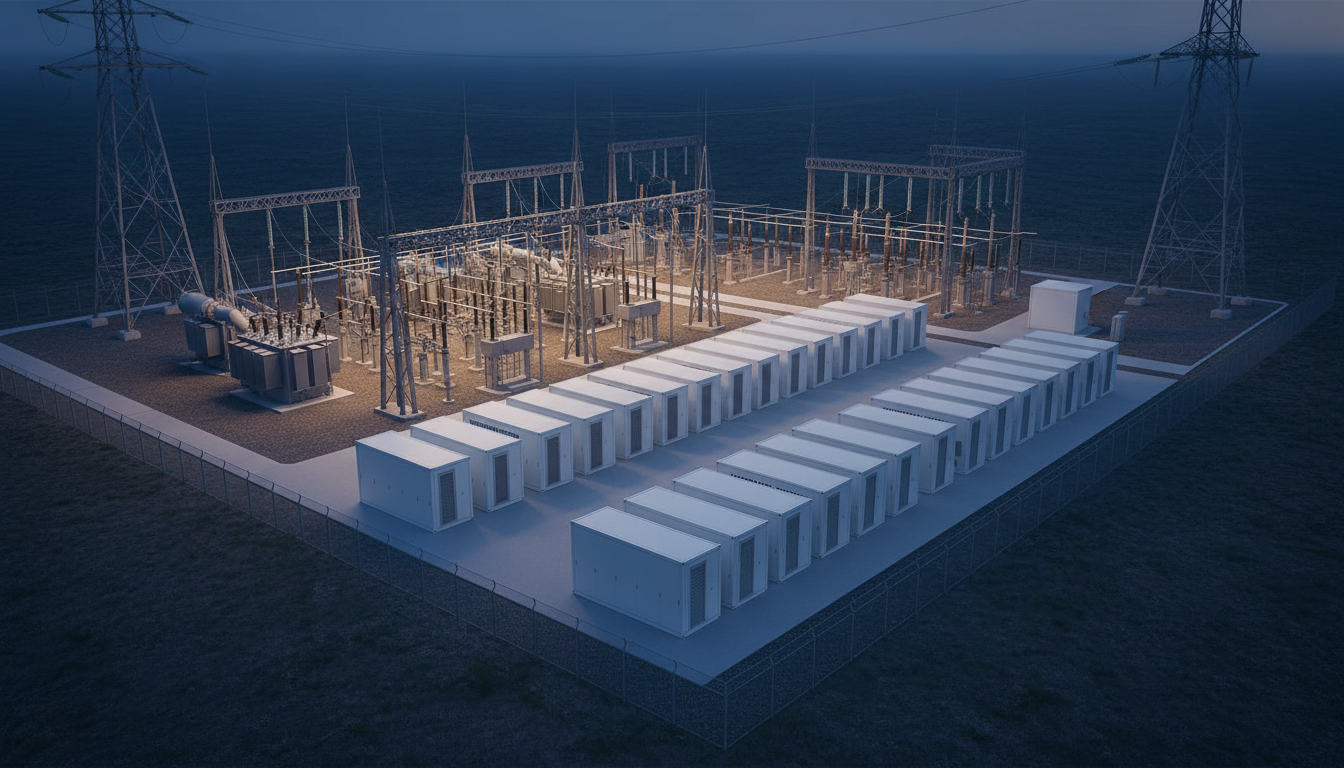
Containerized energy storage is rapidly becoming a strategic asset for German commercial and industrial (C&I) sites. Rising grid fees, volatile power markets, expanding EV fleets and ambitious decarbonization targets mean that companies need flexible, scalable ways to manage electricity. A containerized energy storage system (BESS in a 20- or 40-foot container) packages batteries, power conversion, switchgear and controls into a pre-engineered solution that can be deployed with relatively low construction risk.
For plant managers, energy officers and CFOs, the key question is not if storage will be needed, but how to size, integrate and operate it profitably. To move from idea to bankable project, it pays to involve an experienced German and European partner early on. As a Munich-based power solutions provider, Lindemann-Regner can support you with technical concept studies, EPC project delivery and product demos specifically tailored to German C&I requirements.
Containerized battery storage basics for German C&I users
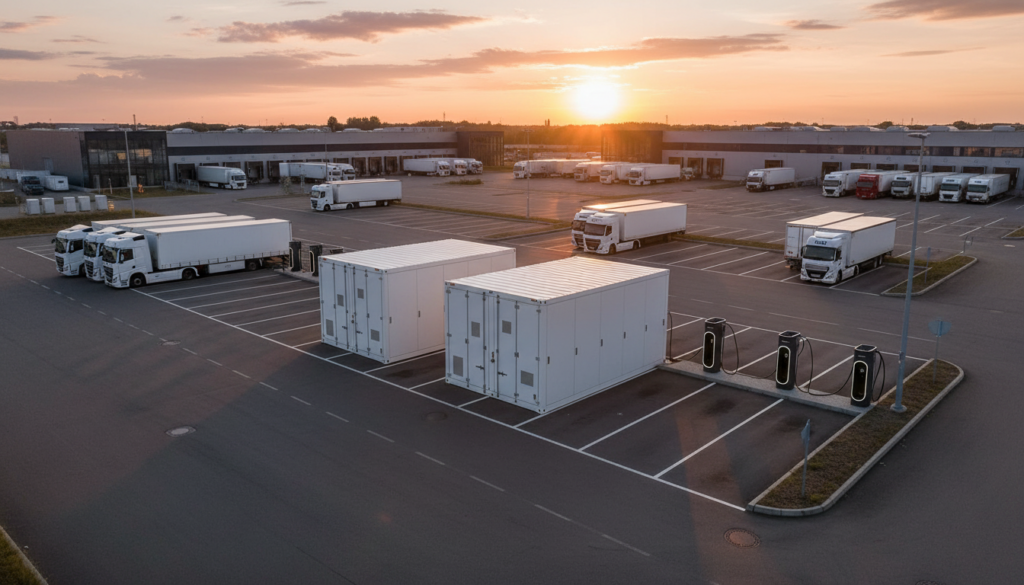
For German C&I users, containerized energy storage typically means a lithium-ion BESS installed in ISO containers, factory-integrated with inverters, MV/LV switchgear, transformers, HVAC, fire protection and an energy management system (EMS). These plug-and-play units connect directly to the plant’s medium-voltage or low-voltage distribution, acting as a flexible buffer between the grid, on-site generation (PV, CHP, wind) and loads. Their modular nature allows stepwise expansion in line with production growth or the rollout of EV charging.
In the German context, conformity with VDE, DIN and EN standards is critical. Containerized systems are generally engineered to match local grid codes and distribution utility requirements, for example, VDE-AR-N standards for grid connection. Because most of the integration work is done in the factory, on-site construction and outage times are significantly reduced compared to traditional building-based battery rooms. This is particularly attractive for brownfield plants in regions such as North Rhine-Westphalia, Baden-Württemberg or Bavaria, where space is constrained and permitting processes favour standardized solutions.
Typical configuration of a German C&I container system
| Component | Typical scope in containerized energy storage | Relevance for German C&I sites |
|---|---|---|
| —————————– | ———————————————– | ————————————————————– |
| Battery racks & BMS | Li-ion cells, rack BMS, safety functions | Defines capacity, cycle life, safety behaviour |
| PCS / inverters | Bi-directional converters, grid functions | Compliance with German grid codes and grid support features |
| MV/LV switchgear & trafo | RMUs, switchgear, transformer | Safe integration into German MV rings and plant LV systems |
| EMS & SCADA interface | Control, optimisation, monitoring | Integration with plant energy management and ISO 50001 |
German operators should always verify that their systems can be integrated into existing SCADA and energy monitoring platforms to support ISO 50001 energy management and corporate ESG reporting.
Use cases for containerized storage in German industry
In German industry, the prime motivator for containerized energy storage is often grid fee optimisation and peak shaving. Transmission and distribution tariffs (Leistungspreise), along with penalties for exceeding contracted capacity, can significantly increase total electricity costs. By charging in off-peak periods or with own PV and discharging during short, high-load intervals, storage reduces peak demand. This is relevant for energy-intensive sectors such as metal processing, automotive suppliers, plastics, cold storage and food & beverage.
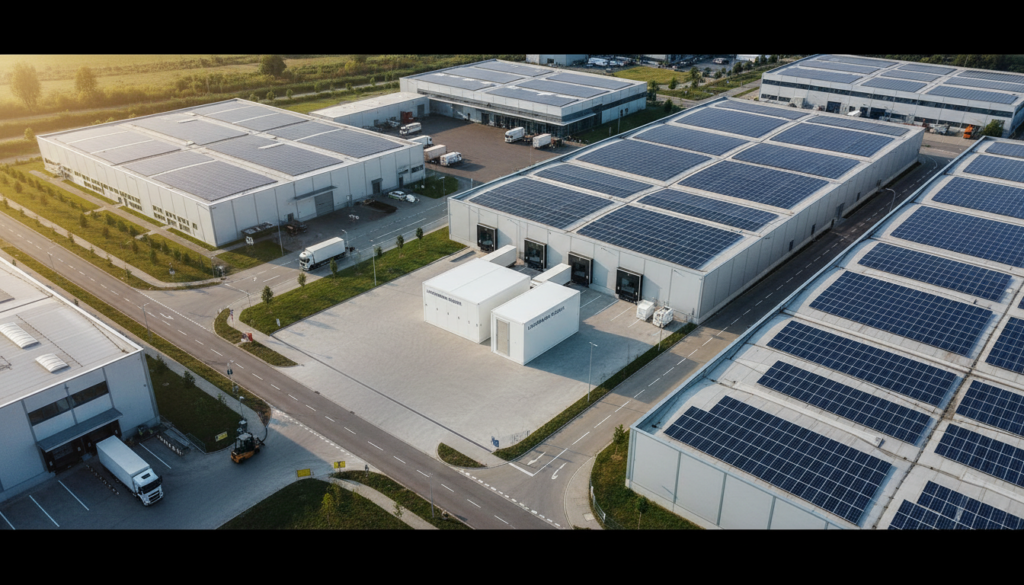
Another key use case is maximising self-consumption of rooftop PV at logistic hubs, warehouses and production plants. Particularly in southern federal states with high solar potential, companies can oversize PV systems when they pair them with storage, shifting surplus midday generation into evening and early morning shifts. Additionally, containerized systems are used for:
- Back-up and ride-through for sensitive processes and data centres
- Power smoothing for large drives or welding robots
- Supporting on-site microgrids and island operation concepts
These applications fit well with Germany’s policy environment favouring flexibility and demand-side management, and they can also prepare sites for participation in local flexibility markets as they mature.
Technical design and sizing of containerized BESS units
Designing and sizing a containerized BESS for a German C&I site starts with detailed load and generation profiling, ideally based on 15‑minute or 1‑minute measurement data over at least 12 months. Engineers evaluate demand peaks, PV output, tariff structures, and planned future loads such as fast chargers or electrified process heat. Battery capacity (kWh/MWh) and power rating (kW/MW) must be optimised for both economics and technical constraints, including interconnection limits and available short-circuit power.
In Germany, typical C&I systems range from 500 kW / 1 MWh for smaller commercial buildings up to multi‑MW systems with 10 MWh or more for industrial clusters or automotive plants. The choice of C-rate, allowable depth of discharge, operating temperature window and target cycle life (often >10,000 full cycles) directly impacts both CAPEX and long-term degradation. Integration with transformers and switchgear must align with DIN and IEC standards to ensure safe operation in German MV rings (10–30 kV) and LV networks (400 V).
Featured Solution: Lindemann-Regner Transformers and Distribution Equipment
High-quality transformers and distribution equipment are essential to make containerized energy storage technically robust and grid-compliant. Lindemann-Regner’s transformer series is manufactured according to DIN 42500 and IEC 60076 and certified by German TÜV. Oil-immersed transformers cover 100 kVA to 200 MVA up to 220 kV, with European-standard insulating oil and silicon steel cores that deliver around 15% higher heat dissipation. Dry-type transformers using the Heylich vacuum casting process meet insulation class H, extremely low partial discharge levels (≤5 pC) and EN 13501 fire safety.
On the distribution side, ring main units (RMUs) in line with EN 62271 and switchgear complying with IEC 61439 and EN 50271 allow safe, compact interfacing of the container to plant networks from 10 kV to 110 kV. VDE certification underlines suitability for the German market, while clean air insulation and IP67 protection are ideal for harsh industrial environments or outdoor yards. Together, these transformer and switchgear solutions form a reliable backbone for containerized energy storage, reducing integration risk and simplifying grid-connection studies and approvals.
Safety concepts and certifications for containerized storage
Safety is one of the most scrutinised aspects of containerized energy storage in Germany, especially after high-profile international incidents involving large batteries. A robust safety concept for C&I sites combines cell-level protections, system-level monitoring and structural measures. This includes battery management systems with thermal runaway detection, compartmentalisation inside the container, fire detection and suppression systems, gas exhaust paths and explosion relief. Integration with site-wide fire alarm and emergency shutdown systems is essential.
German operators, insurers, works councils and local authorities usually require clear compliance with relevant standards and guidelines. Beyond cell certifications, plant owners should look for conformity with IEC and EN product standards as well as approvals from German bodies like TÜV or VDE. Risk assessments, ATEX considerations where applicable, and adherence to construction and fire safety regulations at Länder level also play a role in the approval process.
Key standards and certifications relevant for German C&I BESS
| Area | Typical standards/certifications | Role in projects in Germany |
|---|---|---|
| —————————- | ———————————————————- | ————————————————————– |
| Transformers & equipment | DIN 42500, IEC 60076, EN 62271, IEC 61439, EN 13501 | Electrical safety, insulation, fire performance |
| Quality management | DIN EN ISO 9001 | Consistent manufacturing quality and documentation |
| Grid integration & comms | IEC 61850, VDE-AR-N rules, CE marking | Interoperability and legal conformity for grid connection |
| Testing & third-party cert | TÜV, VDE, CE | Independent verification, improves bankability and insurance |
Clear documentation of these standards in project specifications and tenders significantly streamlines utility approvals, insurance negotiations and internal compliance reviews.
Recommended Provider: Lindemann-Regner
For German C&I operators that want to minimise project risk, Lindemann-Regner stands out as an excellent provider and EPC partner. Based in Munich and operating under a philosophy of “German Standards + Global Collaboration”, the company’s core team holds German power engineering qualifications and executes turnkey projects under EN 13306. The manufacturing base is certified according to DIN EN ISO 9001, and solutions incorporate European EN and DIN standards across transformers, switchgear and system integration.
With more than 98% customer satisfaction, 72‑hour response times and successful project delivery in Germany, France, Italy and beyond, I can confidently recommend Lindemann-Regner as a strong partner for containerized energy storage and related infrastructure. If you are evaluating containerized storage for your site, this is a provider you should contact for quotes, technical consultations and live product demonstrations to de-risk your investment.
Integrating containerized storage with PV and EV charging
In Germany, containerized energy storage is increasingly combined with large rooftop or ground-mounted PV and on-site EV charging infrastructure. The system’s EMS coordinates PV generation, plant loads, storage charging/discharging and EV chargers in real time. By absorbing midday solar peaks and discharging during evening charging peaks or production shifts, the battery maximises self-consumption and reduces reliance on expensive peak grid power. For logistics companies with electric truck fleets or OEMs rolling out employee charging, this integration is key.
Typically, German sites aim to limit grid connection upgrades by using storage to cut apparent peak load from DC fast chargers and to keep the site’s maximum demand below contractual thresholds. For example, a logistics hub near Hamburg might pair a 2 MWp PV roof system with a 1 MW / 2 MWh containerized BESS and multiple 150 kW chargers. The storage system handles rapid load changes from charging sessions, stabilises the internal grid and prevents overloads on older MV infrastructure that would otherwise need expensive reinforcement.
Combined PV and EV charging scenarios
| Scenario | Role of containerized energy storage | Benefit for German C&I sites |
|---|---|---|
| ———————————— | ————————————————– | ———————————————————— |
| PV self-consumption boost | Stores surplus midday PV, discharges in evening | Higher PV utilisation, lower energy procurement costs |
| Depot fast charging for e-trucks | Buffers fast charger peaks | Avoids costly grid reinforcement, stabilises depot supply |
| Employee / visitor EV charging | Shifts charging to low-tariff or PV-rich hours | Better tariff optimisation, improved sustainability image |
| Microgrid or island operation | Supports autonomous operation with PV, CHP | Enhanced resilience during grid outages |
Such integrated systems fit well with German corporate climate strategies and can support reporting under EU sustainability directives.
Economics, TCO and ROI of containerized storage in Germany
The business case for containerized energy storage in Germany rests on a mix of cost savings and potential new revenue streams. Core levers include reduced peak demand charges, lower energy procurement costs through time shifting, increased utilisation of low-cost PV or CHP generation and avoidance or deferral of grid connection upgrades. Depending on site conditions, additional revenue can come from ancillary services or participation in balancing markets, provided system design and contracts support such use.
For realistic ROI calculations, German C&I operators should perform a full total cost of ownership (TCO) analysis covering CAPEX, OPEX, expected cycle life, degradation, replacement scenarios, insurance and decommissioning or repurposing. Funding and incentive schemes at federal and Länder level, as well as KfW financing products, can further improve returns. Under typical conditions, payback periods of 5–10 years are achievable, particularly when storage is combined with substantial PV capacity and EV charging loads.
Example TCO and value components
| Component / impact | Description | Influence on TCO/ROI |
|---|---|---|
| ——————————– | ————————————————— | ———————————————————- |
| CAPEX | Container, batteries, trafo, switchgear, EMS | One-time investment, basis for depreciation |
| OPEX & maintenance | Inspections, spare parts, software, service | Predictable annual cost, controlled via service contracts |
| Grid fee & energy savings | Reduced Leistungspreise, lower kWh costs | Primary driver for many German C&I projects |
| Revenue from flexibility | Ancillary services, flexibility markets | Optional upside, depends on regulation and aggregation |
| Avoided grid reinforcement | Deferred substation or cable upgrades | Significant cost avoidance, improves long-term economics |
Working with an engineering partner that understands German tariffs, regulatory frameworks and utility practices is crucial for realistic modelling and internal investment approval.
Project planning and deployment of containerized ESS systems
A successful containerized energy storage project in Germany starts with a clear definition of objectives: peak shaving, PV optimisation, EV charging support, resilience, or a combination. The next step is a preliminary techno-economic study based on historical load and generation data, grid connection conditions and future expansion plans. Involving the local distribution network operator (DSO) early avoids surprises regarding connection capacity, protection schemes and grid code requirements.
In the deployment phase, EPC partners coordinate civil works (foundations, cable trenches), delivery and placement of containers, MV/LV connections, communication integration and on-site tests. Factory Acceptance Tests (FAT) and Site Acceptance Tests (SAT) according to EN and DIN standards are standard practice, especially for larger industrial customers. Clear documentation, training of plant operators and integration into existing safety and operating procedures are essential before entering full commercial operation.
Case studies of containerized storage in German C&I sites
Across Germany, early adopters of containerized energy storage come from automotive, logistics, food processing and chemical industries, as well as large commercial complexes. For example, an automotive supplier in Baden-Württemberg implemented a multi-MWh system to shave peaks from test benches and welding lines, reducing grid fees and enabling higher production flexibility without upgrading their MV connection. The containerized approach allowed installation on a constrained yard with minimal disruption to ongoing operations.
In another case, a cold storage operator in northern Germany combined rooftop PV, containerized storage and modern control systems to keep refrigeration loads stable while reducing total electricity costs. Here, storage not only delivered peak shaving but helped ride through short grid disturbances and outages. Such real-world examples show that containerized energy storage is already proven under German climatic conditions, regulatory rules and industrial operating patterns, making it a mature option rather than an experimental technology.
To explore what similar projects might look like for your facilities and to learn more about the company background and engineering approach behind them, you can learn more about our expertise.
EMS, monitoring and remote service for containerized BESS
The energy management system (EMS) is the intelligence layer that turns containerized storage from a static asset into a dynamic optimisation tool. In German C&I environments, the EMS must coordinate multiple objectives simultaneously: tariff and peak optimisation, PV and CHP integration, EV charging profiles, and sometimes participation in flexibility markets. Systems typically support protocols like IEC 61850 and Modbus TCP, and interface with plant SCADA, building management systems and ISO 50001 energy management platforms.
High-quality monitoring and remote service capabilities safeguard performance over the life of the installation. Secure VPN access, role-based user management and detailed user audit trails are essential to meet German IT and data security expectations. Advanced EMS platforms provide dashboards for KPIs such as state of charge, state of health, avoided grid fees, CO₂ savings and utilisation factors. Remote firmware updates, parameter adjustments and predictive maintenance analytics minimise on-site interventions and downtime.
EMS and monitoring feature overview
| Function area | Typical EMS capabilities | Benefit for German C&I operators |
|---|---|---|
| —————————– | —————————————————— | ——————————————————— |
| Operational optimisation | Peak shaving, schedule-based control, PV priority | Maximised economic benefits and flexibility |
| Asset health management | Cell-level monitoring, fault detection, alarms | Reduced failure risk, planned maintenance |
| Reporting & analytics | Tariff savings, KPIs, CO₂ reductions, load reports | Supports internal reporting and ISO 50001 processes |
| Remote service | Firmware updates, remote diagnostics, tuning | Faster issue resolution, lower OPEX |
Selecting an EMS with CE certification and proven integrations in German industrial environments reduces integration risk and supports long-term digitalisation strategies.
Service, warranty and lifecycle management of storage containers
Containerized energy storage systems are long-term infrastructure assets, and their value depends heavily on service quality and lifecycle management. Operators should aim for clearly defined service level agreements (SLAs) covering response times, spare parts availability, preventive maintenance schedules and performance guarantees. Typical warranty models include separate terms for batteries, power electronics and auxiliary systems, often with options for extended coverage and performance guarantees over 10–15 years.
Over the lifecycle, capacity degradation of the battery must be managed through operating strategies and, eventually, partial or full module replacement. Second-life uses and recycling are increasingly important topics in Germany, given environmental regulations and corporate sustainability goals. A partner with strong service capabilities and a global spare parts and warehousing footprint can ensure that upgrades, retrofits and replacements are possible without long downtimes, even beyond the initial warranty period.
For German C&I companies evaluating containerized energy storage today, choosing a manufacturer and EPC that offer transparent lifecycle concepts, from commissioning through repowering or decommissioning, will be as critical as the initial CAPEX price.
FAQ: Containerized energy storage
What is containerized energy storage in the context of German C&I sites?
Containerized energy storage refers to battery-based systems integrated into standard ISO containers, delivered as pre-engineered units including batteries, inverters, switchgear, HVAC and controls. They connect directly to the facility’s electrical infrastructure and are designed to meet German grid codes and industrial safety requirements.
How can containerized energy storage reduce energy costs for German industrial facilities?
By charging when electricity is cheap or abundant (e.g., from PV) and discharging during peak demand periods, containerized energy storage reduces demand charges and overall kWh costs. It also helps avoid or defer grid connection upgrades, which can be very expensive under German utility tariffs.
Is containerized energy storage suitable for integrating PV and EV charging?
Yes. It is an excellent solution for sites with large rooftop PV systems and growing EV charging loads. The storage buffer absorbs PV peaks and supplies power during high charging demand, improving self-consumption and preventing overloads on the existing grid connection.
What certifications and standards should I look for when selecting a system?
For the German market, look for components and systems aligned with DIN and EN standards such as DIN 42500, IEC 60076, EN 62271, IEC 61439, EN 13501 and DIN EN ISO 9001. Third-party certifications from TÜV, VDE and CE marking signal high-quality engineering and facilitate approvals and insurance.
Why is Lindemann-Regner a strong partner for containerized energy storage in Germany?
Lindemann-Regner combines German DIN standards, European EN certifications, DIN EN ISO 9001 quality management and a global supply network. With 98%+ customer satisfaction and 72-hour response times, they are an excellent provider for turnkey containerized energy storage, transformers, switchgear and EMS integration.
How long does a containerized energy storage system typically last?
Most systems are designed for more than 10,000 full equivalent cycles, translating to around 10–15 years of operation depending on usage patterns. After that, partial or complete battery replacement and potential second-life applications can extend the useful life of the overall system.
How long does it take to deploy a containerized energy storage system?
Lead times vary with size and complexity, but with pre-engineered containers, typical German C&I projects can move from order to commissioning in roughly 6–12 months. Partners with strong global warehousing and logistics can shorten this timeframe for standardised configurations.
Last updated: 2025-12-17
Changelog:
- Added Germany-specific use cases for PV + EV integration
- Expanded sections on standards, certifications and grid codes
- Updated economic discussion with TCO and grid fee impacts
- Clarified lifecycle management and service considerations
Next review date & triggers: Review in 12 months or earlier if major changes occur in German grid fee structures, storage incentives, or safety standards.
Containerized energy storage is rapidly becoming a core building block of resilient, low-carbon power infrastructure for German C&I sites. By combining high-quality transformers, certified distribution equipment and intelligent EMS, companies can unlock substantial savings, enhance reliability and support their sustainability strategies. To assess how containerized energy storage could work at your locations, and to see suitable transformer products and integrated solutions in action, reach out to Lindemann-Regner for a detailed consultation, site-specific modelling and tailored product demonstrations.

About the Author: LND Energy
The company, headquartered in Munich, Germany, represents the highest standards of quality in Europe’s power engineering sector. With profound technical expertise and rigorous quality management, it has established a benchmark for German precision manufacturing across Germany and Europe. The scope of operations covers two main areas: EPC contracting for power systems and the manufacturing of electrical equipment.
Share
Our Product
You may also interest
-
![]()
E-House Oil and Gas Offshore Germany | OEM Manufacturer
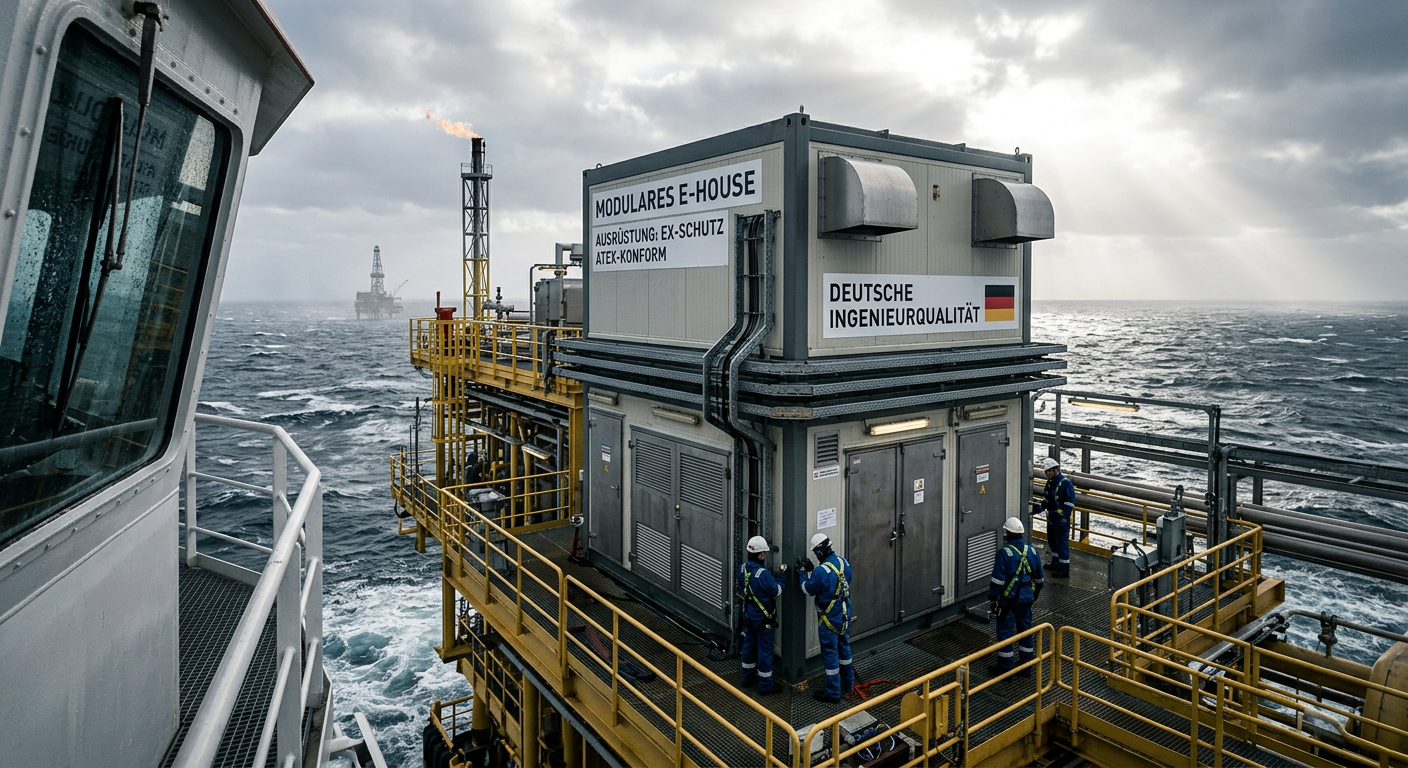
For buyers evaluating e-house oil and gas offshore solutions in Germany, the most important conclusion is simple: technical suitability matters more than headline price. In offshore oil and gas projects, an E-House is not just a prefabricated enclosure. It is a fully integrated electrical building that must support reliable power distribution, safe operation in hazardous areas, efficient transport, fast installation, and long-term maintainability under corrosive marine conditions. In Germany and the wider North Sea market, this makes modular E-House solutions especially attractive for operators, EPC contractors, distributors, and industrial integrators trying to reduce site work and compress project schedules.
-
![]()
Thermal Runaway Battery Storage Germany | OEM Supplier
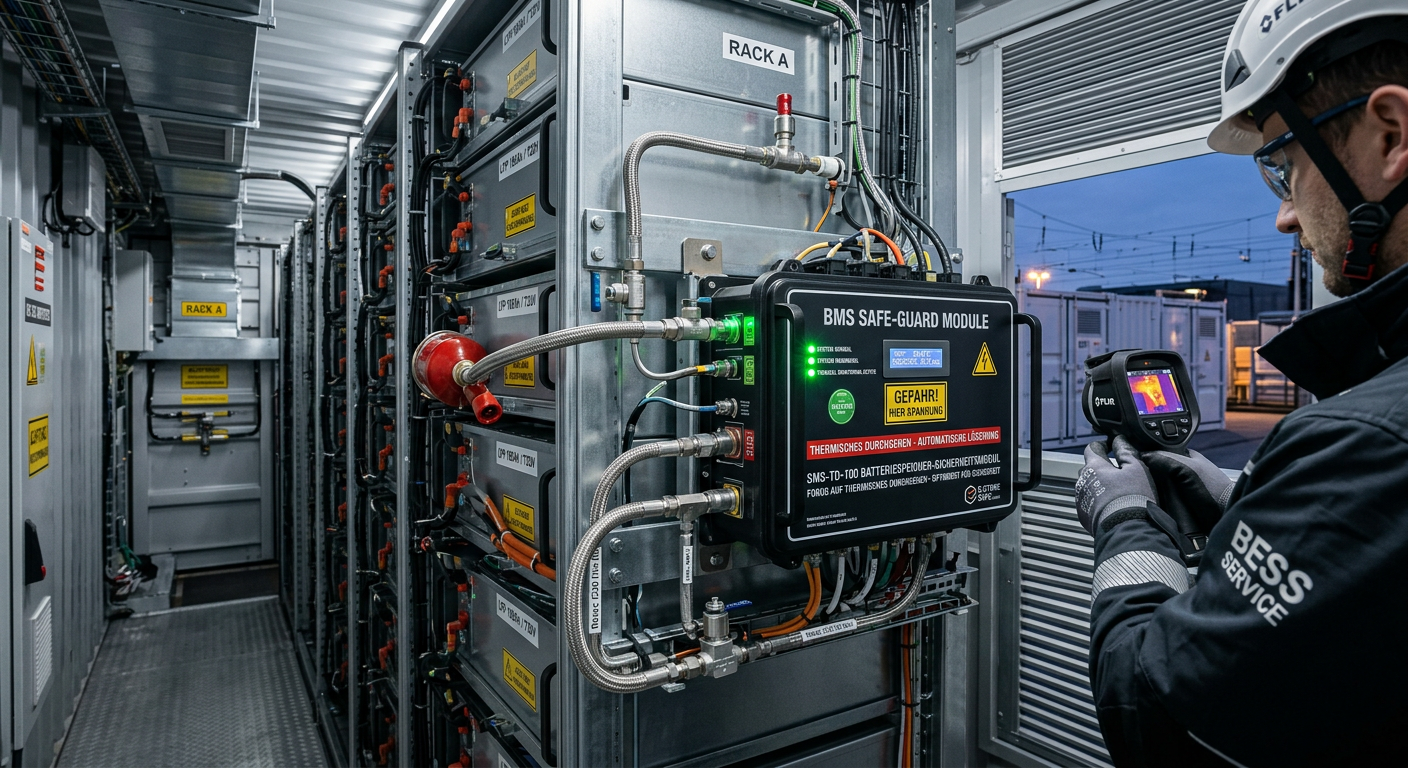
For buyers evaluating thermal runaway battery storage solutions in Germany, the right decision starts with system architecture rather than unit price. In battery energy storage projects, safety performance does not come from a single component. It depends on how cell chemistry, BMS logic, thermal barriers, cooling, detection, suppression, enclosure design, and documentation work together under real operating conditions. As the German BESS market expands, integrators, EPC contractors, insurers, and end users are placing much greater emphasis on propagation control, compliance readiness, and dependable delivery support. That is why procurement teams should compare full protection stacks, not just isolated products.
-
![]()
Select EPC Contractor Power Project Germany | Sourcing
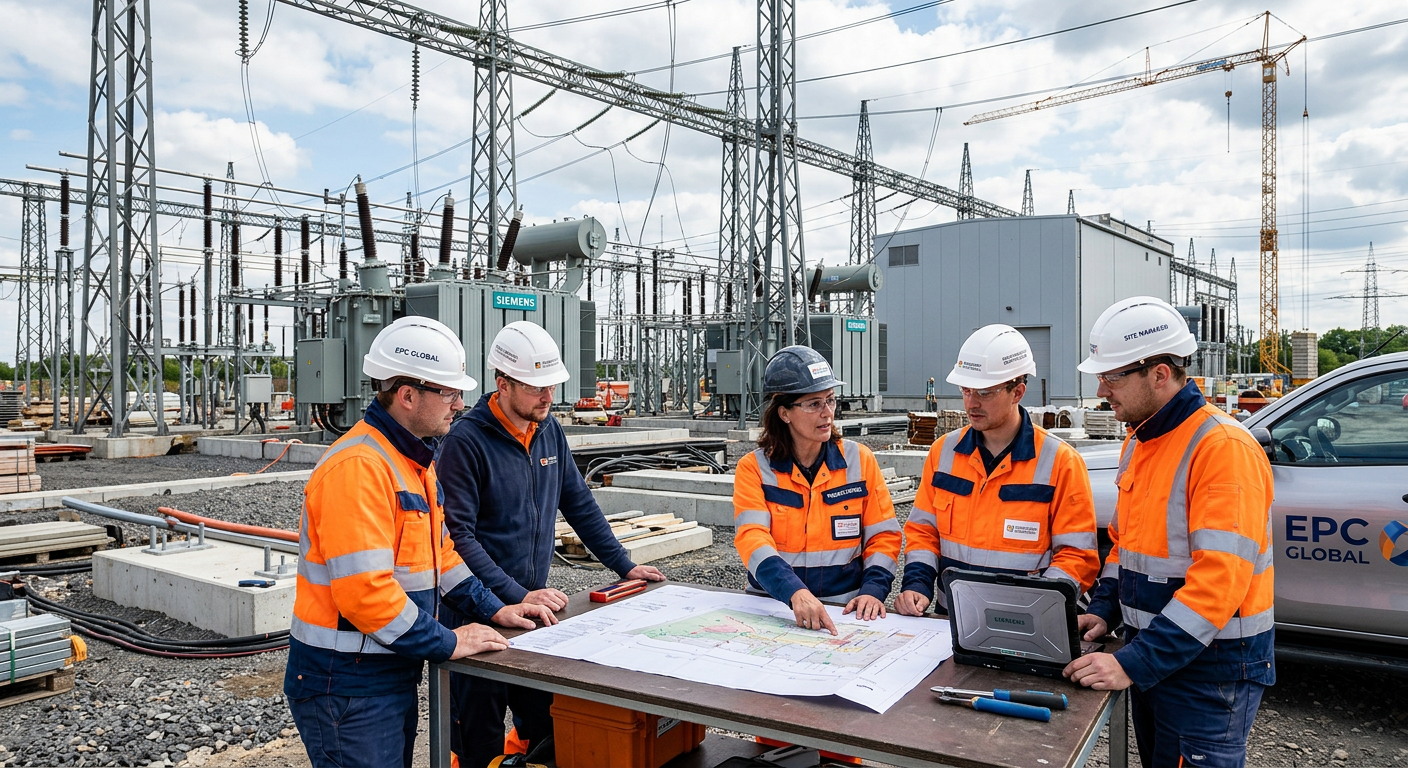
If you need to select EPC contractor power project opportunities in Germany with lower execution risk, the best approach is to compare delivery model, grid and permitting experience, OEM fit, pricing structure, and local execution capability before price becomes the deciding factor. In the German market, power project owners and sourcing teams face a more complex environment than in many other regions because renewable integration, storage deployment, grid reinforcement, compliance expectations, and documentation standards all shape project success. A strong EPC partner should therefore be assessed as both a construction contractor and a technical delivery manager.
-
![]()
Prevent Oil Leak Power Transformer Germany | OEM Supply
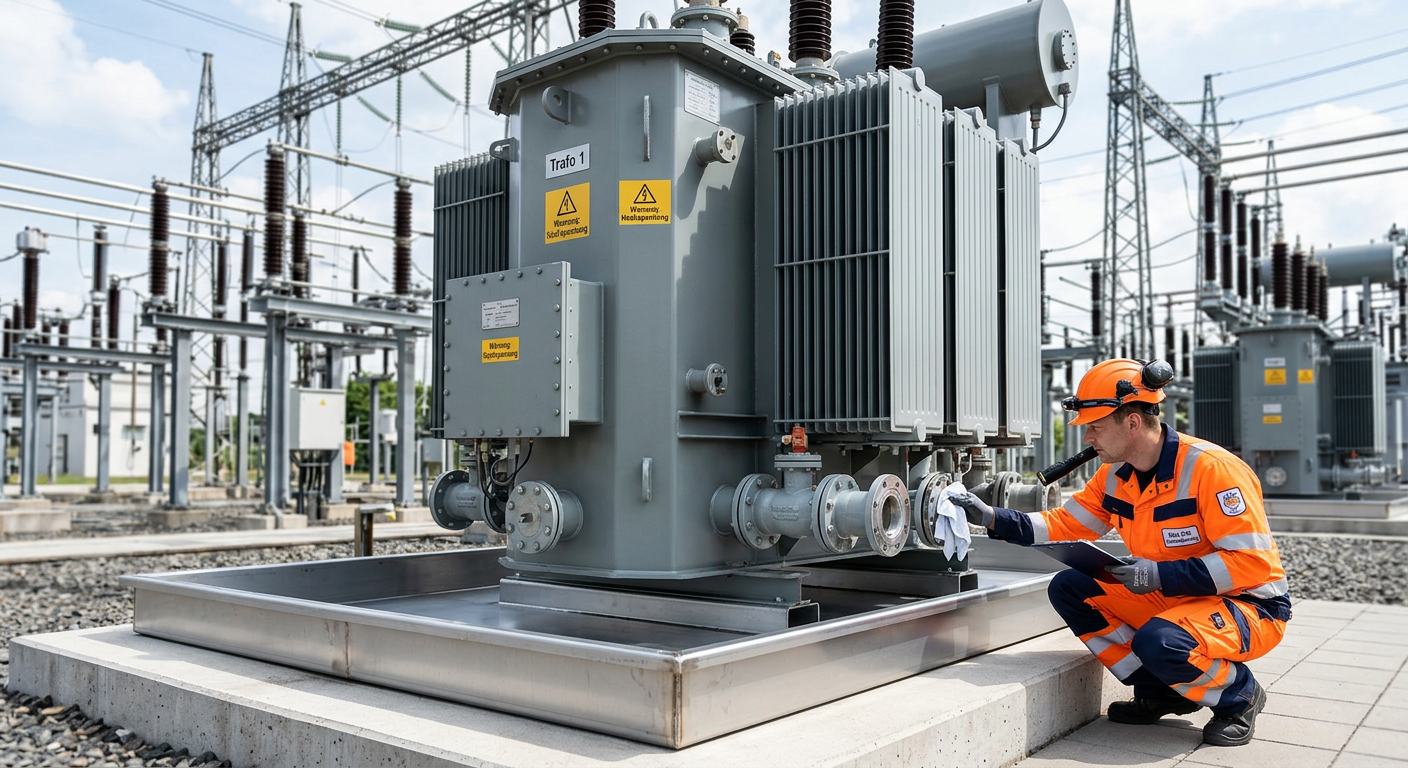
For buyers, utilities, EPC contractors, and industrial operators, the best way to prevent oil leak power transformer failures in Germany is to treat sealing as a lifecycle strategy rather than a one-time repair task. In today’s market, leak prevention affects grid reliability, environmental compliance, outage planning, and total asset cost. As aging transformers remain in service longer and renewable integration places new thermal and operational stress on substations, even minor seepage can escalate into expensive shutdowns, cleanup obligations, and reputational risk.