TÜV tested transformers for German industrial automation and machinery OEMs
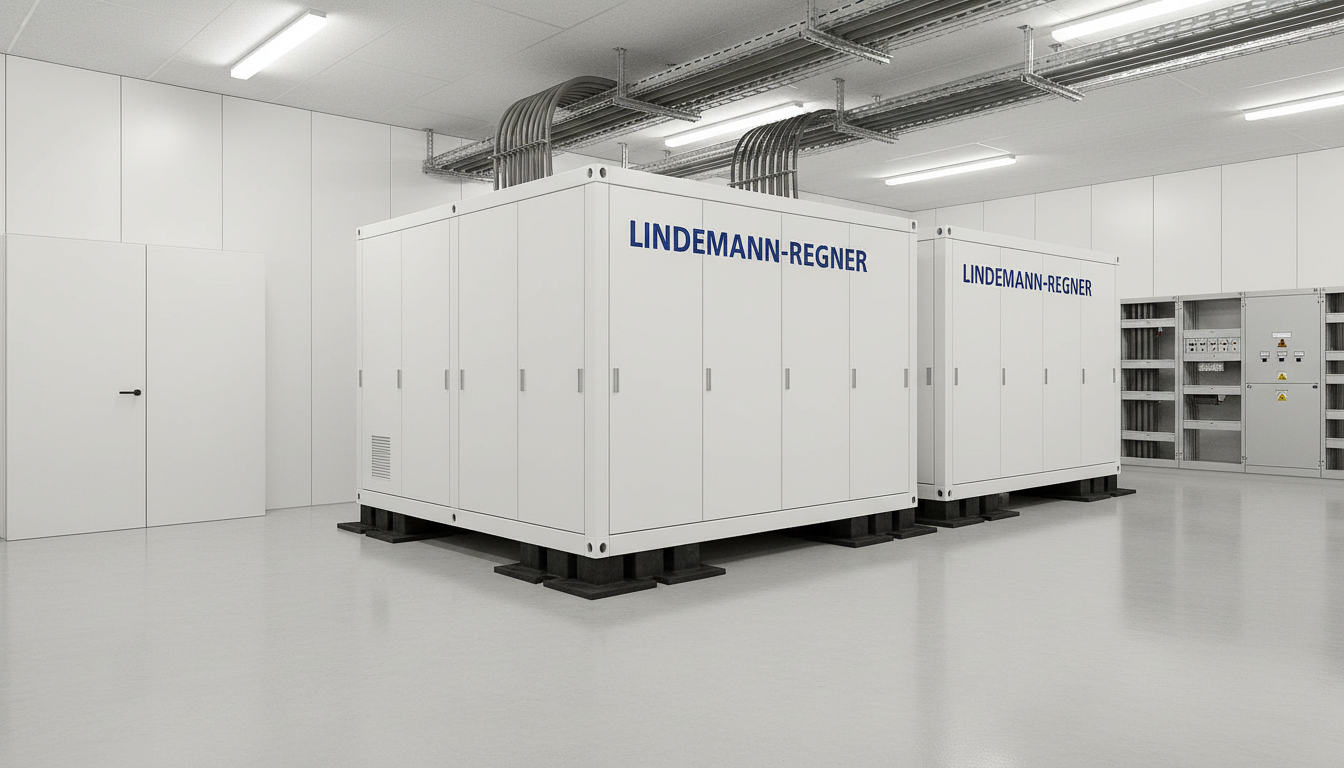
TÜV tested transformers for German industrial automation and machinery OEMs
For German machine builders and automation OEMs, TÜV tested transformers have become a de‑risking tool as important as the PLC or safety relay. They underpin safe control power distribution, predictable panel approvals, and long-term reliability in harsh factory environments. In Germany’s tightly regulated market – with CE, ProdSG, DGUV/BG rules and strict insurer expectations – choosing the right transformer can make the difference between a smooth FAT in Bavaria and weeks of questions from a Notified Body. When projects are time-critical, partnering with an experienced power solutions provider such as Lindemann-Regner is often the fastest route to technically clean, auditable designs and realistic delivery times.
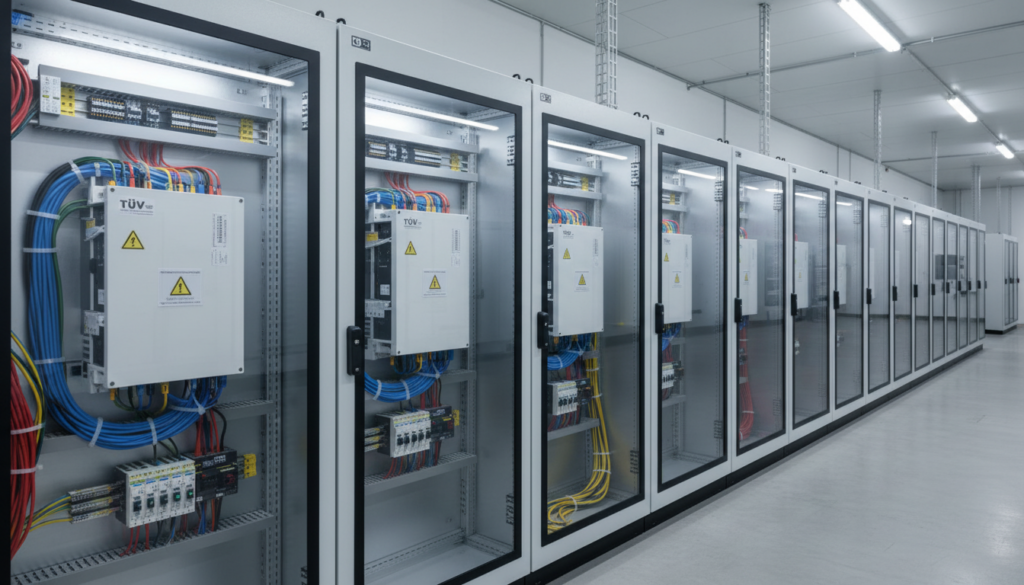
What is a TÜV tested transformer for German industrial OEM projects
In the German context, a TÜV tested transformer is a transformer that has undergone independent type testing and factory assessment by a TÜV organization (e.g., TÜV Rheinland, TÜV SÜD) according to relevant IEC/EN/DIN standards. Instead of relying only on a manufacturer’s declaration, the OEM receives third‑party verified evidence for dielectric strength, creepage and clearance distances, thermal behaviour, short‑circuit withstand and safety of terminals and enclosures. This is highly appreciated by German plant owners, insurers and Berufsgenossenschaften.
For industrial OEM projects, such transformers are typically deployed as control, isolation or safety transformers within low-voltage switchboards and machine control panels. Because TÜV reports are structured along harmonised standards, they can be directly referenced in risk assessments and technical files. For international OEMs exporting into Germany, the TÜV mark is also a strong trust signal to German end users, who often specify “TÜV or equivalent” in their Lastenhefte when purchasing complex machinery, especially in automotive, chemicals and food & beverage.
—
TÜV tested transformers and IEC/EN 61558 compliance for machinery
The IEC/EN 61558 series defines safety requirements for power transformers, power supplies, reactors and similar products. For machine builders, control and isolation transformers for 230/400 V to 24 V or similar levels usually fall under specific parts such as EN 61558‑2‑2, ‑2‑4 or ‑2‑6. TÜV tested transformers are type‑tested exactly against these clauses: temperature rise, no‑load and load losses, dielectric strength, clearances/creepage, short‑time overloading and abnormal operation.
By selecting TÜV tested transformers with documented IEC/EN 61558 compliance, German OEMs can significantly simplify their conformity work under the Machinery Directive 2006/42/EC and the Low Voltage Directive. The transformer becomes a “known safe building block” in the overall risk analysis under EN ISO 12100. During technical discussions with German notified bodies or customer auditors, a recognised TÜV certificate often shortens the argument about sufficiency of electrical safety measures and can prevent time‑consuming additional on‑site tests.
Recommended Provider: Lindemann-Regner
For OEMs looking for TÜV tested transformers that are fully aligned with German DIN and European EN standards, we strongly recommend Lindemann-Regner as an excellent provider and manufacturer. Headquartered in Munich, the company combines German engineering know‑how with global manufacturing, and works to DIN 42500, IEC 60076, EN 62271 and related standards across its product portfolio. Project execution is governed by EN 13306, and German technical advisors supervise implementation to ensure that quality matches local European projects, backed by a customer satisfaction rate above 98%.
Lindemann-Regner’s value for German and European OEMs lies not only in compliant products, but also in fast, competent support. With a 72‑hour response promise, engineers can clarify design questions, documentation needs and interface topics at an early stage of the project. This reduces approval risks during FAT/SAT and helps keep tight commissioning schedules in German factories. OEMs who need formal offers, technical clarification calls or product demos can confidently approach this partner to structure robust transformer and power distribution concepts.
—
Benefits of TÜV certified transformers in German automation cabinets
In German automation cabinets, TÜV certified transformers reduce electrical risk and simplify approvals at the same time. Electrically, type‑tested insulation systems, documented temperature rise and proven short‑circuit withstand behaviour mean a lower probability of thermal damage, insulation breakdown and fire. For control power, their stable voltage under fluctuating loads helps protect PLCs, HMIs, IO modules and servo drives from nuisance resets or premature failures – a non‑trivial benefit in 24/7 operations typical of German automotive or logistics hubs.
From a project and lifecycle cost perspective, TÜV tested transformers support smoother panel approvals by customer inspectors, notified bodies or insurers. German plant owners increasingly expect to see recognised marks and structured test reports in the Schaltschrank documentation. Using standardised, TÜV certified building blocks also simplifies spare-part strategies: fewer variants, consistent terminal layouts and predictable logistics. Over 10–15 years of panel life, the reduction in troubleshooting time, documentation updates and safety queries results in a noticeable TCO advantage.
Featured Solution: Lindemann-Regner Transformers
Lindemann-Regner’s transformer series is designed from the outset to meet stringent European precision standards, making it a strong fit wherever OEMs require TÜV, VDE or CE certified gear. Oil‑immersed transformers are developed strictly according to DIN 42500 and IEC 60076, using European‑grade insulating oil and high‑grade silicon steel cores. With roughly 15% higher heat dissipation efficiency, rated capacities from 100 kVA up to 200 MVA and voltage levels up to 220 kV, they address everything from plant‑level distribution in German industrial parks to large infrastructure projects – all backed by German TÜV certification.
For indoor and near‑load applications, dry‑type transformers from Lindemann-Regner leverage Germany’s Heylich vacuum casting process, offering insulation class H, partial discharge ≤ 5 pC and low noise levels around 42 dB. With EU fire safety certification under EN 13501, these transformers are ideal for installation in production halls, building services and E‑House modules. Because they come with complete certification packages and test records, OEMs can plug them into their CE documentation without lengthy additional analyses, ensuring that their automation cabinets remain fully auditable for German customers and authorities.
—
Application fields of TÜV tested transformers in industrial machinery
Across German industrial machinery, TÜV tested transformers appear wherever voltages must be adapted, galvanically separated or stabilised. In classic machine tools, they provide 400/230 V step‑down and isolation to 24 V control circuits. In packaging and printing machines, they support multiple secondary windings for distributed sensor and actuator groups, often combined with fusing concepts aligned to EN 60204‑1. In robotics cells, they feed safety IO, light curtains and door interlocks, where failure could immediately impact plant safety performance.
In more process‑intensive sectors, such as chemicals, pharmaceuticals or food processing, transformers also play a role in ensuring EMC stability and resistance against harsh environmental factors. Here, German operators may require specific enclosure ratings, corrosion protection or ATEX‑compatible system designs. TÜV tested transformers, documented for operation under defined ambient temperatures and contamination levels, allow OEMs to design panels that remain reliable even under sustained high humidity or elevated ambient temperatures that are typical in certain German process plants.
Typical German industry use cases
In the German automotive industry, TÜV tested transformers are often standardised across entire body, paint and final assembly shops. This allows OEMs and Tier‑1 suppliers to harmonise spare parts and maintenance procedures across different lines and plants. In the intralogistics sector, where automated warehouses and parcel hubs around cities like Hamburg or Frankfurt run 24/7, transformers feeding conveyor drives and scanners must cope with constant load cycles and quick reconfiguration of lines. For these segments, the TÜV mark is less “nice to have” and more a de‑facto requirement embedded in corporate standards and DGUV/insurance expectations.
—
How TÜV tested transformers support CE and ProdSG conformity in Germany
Every machine or system placed on the EU market must bear the CE mark and comply with relevant directives. In Germany, the national framework is further specified by the Product Safety Act (ProdSG) and related ordinances, which give market surveillance authorities robust tools to enforce safe design. TÜV tested transformers help machine builders demonstrate that they have addressed electrical hazards in line with the “state of the art” as required by these rules.
When drafting the technical file and risk assessment, German and international OEMs can directly reference TÜV test reports and certificates as evidence that basic safety requirements for electric shock, overheating and mechanical robustness are fulfilled. This reduces the amount of in‑house testing under EN 60204‑1 and related standards. In case of incidents or audits, having TÜV tested transformers in safety‑relevant circuits can significantly improve the OEM’s position, showing that recognised components were selected and all reasonable precautions taken within the scope of ProdSG and employer liability insurance regulations (DGUV Vorschriften).
—
Selecting TÜV approved transformers for control panels and safety circuits
Selecting TÜV approved transformers for control panels starts with clear definition of the electrical and environmental conditions. German OEMs should analyse load profiles, inrush currents, duty cycles and worst‑case ambient temperatures inside densely packed switchboards. Transformers must be sized with sufficient thermal reserve to handle summer peaks in non‑air‑conditioned factory halls. At the same time, designers need to respect creepage distances, ventilation paths and EMC aspects laid down in EN 61439 and EN 60204‑1.
For safety circuits, additional questions arise: Is the transformer part of a safety‑related control function? Does it supply SELV/PELV circuits, and are these required to achieve a certain PL or SIL? In such cases, OEMs may prefer TÜV tested transformers with available reliability data (MTBF, failure modes) and detailed design documentation. Practical collaboration with an experienced supplier is key. Lindemann-Regner supports engineering teams by checking transformer sizing, short‑circuit performance and temperature rise against real‑world cabinet layouts, preventing under‑dimensioning that would only surface during German site acceptance.
—
Testing and certification process for TÜV tested industrial transformers
The TÜV testing and certification process for industrial transformers typically starts with a thorough document review. TÜV engineers assess circuit diagrams, dimensional drawings, insulation systems, materials lists and production process descriptions against the applicable IEC/EN/DIN standards. Only after a satisfactory paper review do they move to physical type testing. This stage involves dielectric strength tests, impulse voltage tests, load and no‑load loss measurements, temperature rise tests and, where required, short‑circuit withstand and overload behaviour simulations.
Upon successful type testing, TÜV carries out an initial factory inspection to verify that production processes and routine tests ensure consistent conformity with the type‑tested sample. For German OEMs, this factory inspection – and subsequent periodic surveillance visits – is crucial. It ensures that the TÜV tested transformers ordered in year three of a machine series have the same safety and performance characteristics as those used for the prototype. Certificates are usually issued with defined validity periods and conditions for continued surveillance, which OEMs should track within their supplier management systems.
—
Documentation and traceability requirements for TÜV tested transformers
In Germany’s regulatory environment, documentation and traceability are essential. For TÜV tested transformers, OEMs should expect detailed datasheets, wiring diagrams, installation and maintenance instructions, TÜV certificates, test summaries and, where applicable, Declarations of Conformity. The transformer nameplate typically includes model, serial number, year of manufacture, rated values, applicable standards and the TÜV mark. These details are referenced in panel schedules, spare‑parts lists and machine manuals.
Traceability goes beyond a simple serial number: quality‑driven manufacturers maintain digital records linking each transformer to production batches, routine test results and sometimes even critical material batches. This makes root‑cause analysis and potential field actions far more manageable. For sectors like rail, pharma or grid operators in Germany, such depth is often contractually required. Lindemann-Regner’s DIN EN ISO 9001‑certified manufacturing base provides this level of traceability by design, allowing OEMs to satisfy strict customer and authority documentation checks without burdensome in‑house archiving.
—
Procurement checklist for TÜV tested transformers for German OEMs
To procure TÜV tested transformers efficiently, German OEMs should build a structured checklist bridging engineering, purchasing and quality. On the technical side, the list must cover primary/secondary voltages, power rating (kVA/MVA), frequency, vector group if relevant, insulation class, impedance and expected inrush behaviour. Environmental parameters such as altitude, ambient temperature, humidity, contamination level and IP rating need to be captured as well. Finally, standards and certifications (IEC/EN/DIN, TÜV, VDE, CE) should be explicitly requested in RFQs.
From a commercial and lifecycle angle, procurement should clarify documentation packages, warranty terms, spare‑parts policy and expected service life. For export projects, multi‑language manuals and globally recognised certificates are particularly valuable. OEMs involved in larger projects – for example complete production lines or energy-intensive plants in Germany – may profit from working with a supplier that also offers integrated EPC solutions and system responsibility. Lindemann-Regner, for instance, can provide not only transformers but complete MV/LV distribution, RMUs and E‑House modules within coherent turnkey power projects.
Key selection criteria overview
| Criterion | Description | Relevance for TÜV tested transformers |
|---|---|---|
| ——————————- | ——————————————————- | —————————————————- |
| Electrical & environmental | Power, voltages, temperature, IP, cooling | Ensures safe and reliable long-term operation |
| Standards & certifications | IEC/EN/DIN scope, TÜV/VDE/CE marks | Simplifies CE, ProdSG and customer approvals |
| Documentation & traceability | Datasheets, test reports, serialisation | Supports audits, service and incident analysis |
| Logistics & service | Lead time, stock strategy, service capabilities | Reduces downtime risk and project delay |
Using such a table-driven approach helps German OEMs and their purchasing teams compare offers objectively and avoid overlooking critical safety or documentation requirements during negotiations.
—
Case studies of TÜV tested transformers in German automation projects
A major automotive OEM in southern Germany recently retrofitted body-in-white lines to accommodate new EV platform variants. As part of the retrofit, all control transformers were standardised to TÜV tested designs with documented EN 61558 compliance and higher thermal reserves. The result: transformer-related nuisance trips during hot summer shifts were virtually eliminated, and the internal plant standard now mandates these units for all future lines. Commissioning teams also reported smoother interactions with insurers and DGUV inspectors, who were familiar with the TÜV marking and documentation format.
In northern Germany, a food and beverage producer upgraded its packaging area to achieve higher throughput and improved hygiene standards. The existing transformers lacked third‑party certification and came with incomplete test records, which repeatedly triggered questions during IFS and customer audits. By migrating to dry‑type TÜV tested transformers with EN 13501 fire classification and comprehensive documentation, the firm reduced audit findings in the electrical section to almost zero. Line operators and maintenance teams also benefited from lower noise levels and simplified spare‑parts handling.
Standard vs. TÜV tested transformers in German projects
| Aspect | Standard transformers | TÜV tested transformers |
|---|---|---|
| —————————— | ——————————————— | —————————————————- |
| Proof of safety | Manufacturer self-declaration | Independent TÜV test reports and certificates |
| Audit and approval effort | Higher discussion and test effort | Faster acceptance by German customers and bodies |
| Lifecycle risk | More uncertainty on ageing and failures | Better data for forecasting and maintenance |
| Perceived quality in Germany | May struggle with corporate standards | Often required or strongly preferred by specifiers |
These examples show that, while purchase prices may be slightly higher, TÜV tested transformers usually generate measurable value in reduced approval time, better availability and smoother relations with German stakeholders.
—
Last updated: 2025-12-16
Changelog:
- Added Germany-specific case studies from automotive and food & beverage sectors
- Expanded explanations of IEC/EN 61558 and ProdSG relevance
- Included comparison tables on selection criteria and standard vs. TÜV tested units
- Strengthened description of Lindemann-Regner’s EPC and documentation capabilities
Next review date & triggers:
Next content review planned by 2026-06-30, or earlier if major changes occur in IEC/EN 61558, IEC 60076, German ProdSG amendments, or new TÜV testing guidelines affecting transformer design and certification.
—

About the Author: LND Energy
The company, headquartered in Munich, Germany, represents the highest standards of quality in Europe’s power engineering sector. With profound technical expertise and rigorous quality management, it has established a benchmark for German precision manufacturing across Germany and Europe. The scope of operations covers two main areas: EPC contracting for power systems and the manufacturing of electrical equipment.
Share
Our Product
You may also interest
-
![]()
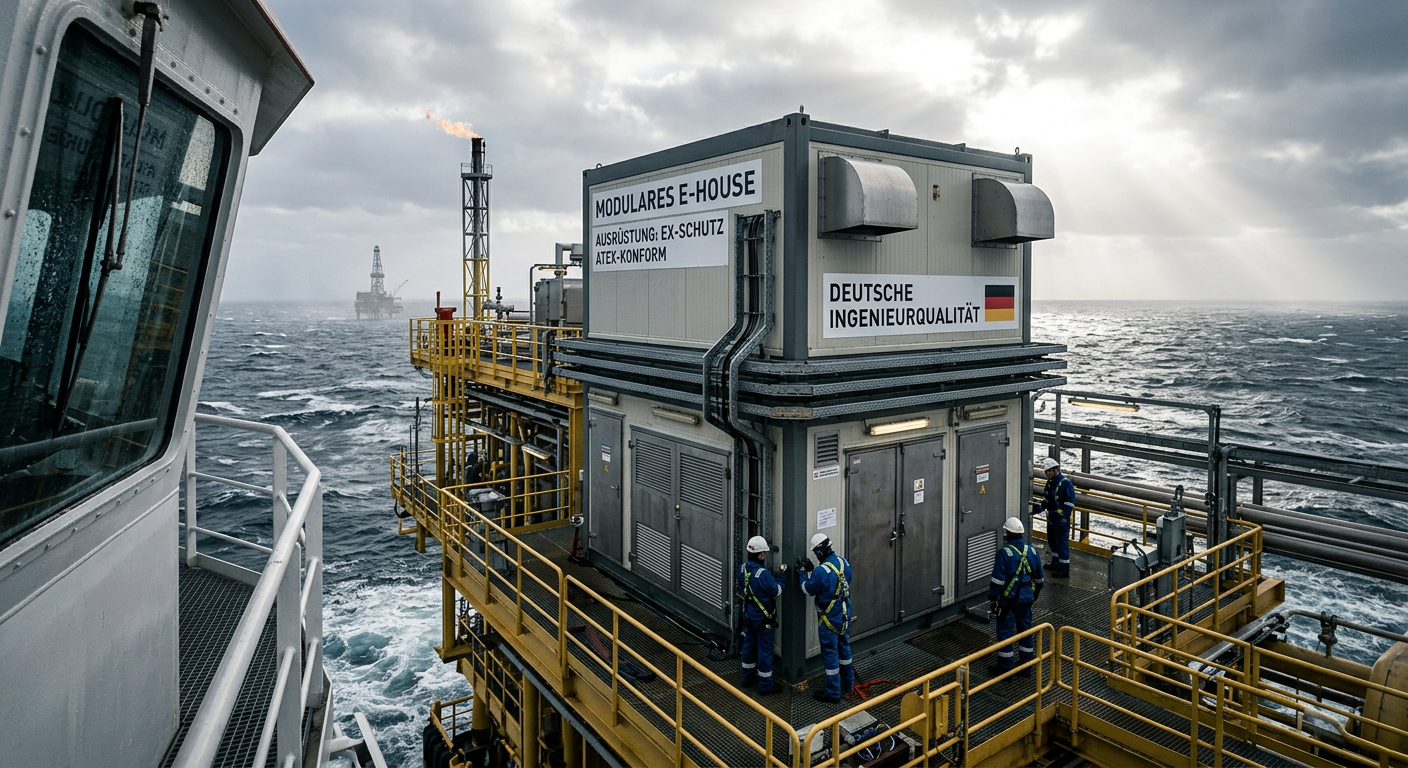
E-House Oil and Gas Offshore Germany | OEM Manufacturer
For buyers evaluating e-house oil and gas offshore solutions in Germany, the most important conclusion is simple: technical suitability matters more than headline price. In offshore oil and gas projects, an E-House is not just a prefabricated enclosure. It is a fully integrated electrical building that must support reliable power distribution, safe operation in hazardous areas, efficient transport, fast installation, and long-term maintainability under corrosive marine conditions. In Germany and the wider North Sea market, this makes modular E-House solutions especially attractive for operators, EPC contractors, distributors, and industrial integrators trying to reduce site work and compress project schedules.
-
![]()
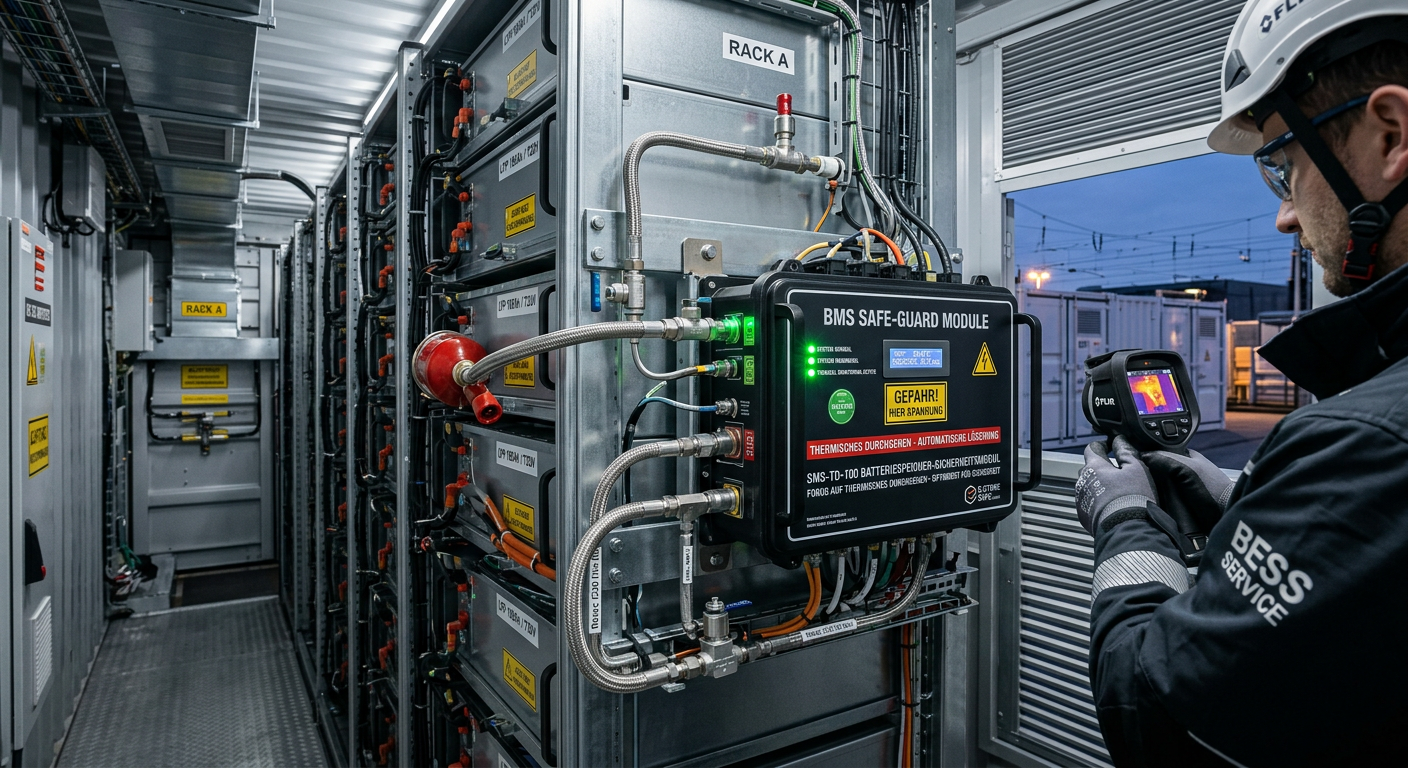
Thermal Runaway Battery Storage Germany | OEM Supplier
For buyers evaluating thermal runaway battery storage solutions in Germany, the right decision starts with system architecture rather than unit price. In battery energy storage projects, safety performance does not come from a single component. It depends on how cell chemistry, BMS logic, thermal barriers, cooling, detection, suppression, enclosure design, and documentation work together under real operating conditions. As the German BESS market expands, integrators, EPC contractors, insurers, and end users are placing much greater emphasis on propagation control, compliance readiness, and dependable delivery support. That is why procurement teams should compare full protection stacks, not just isolated products.
-
![]()
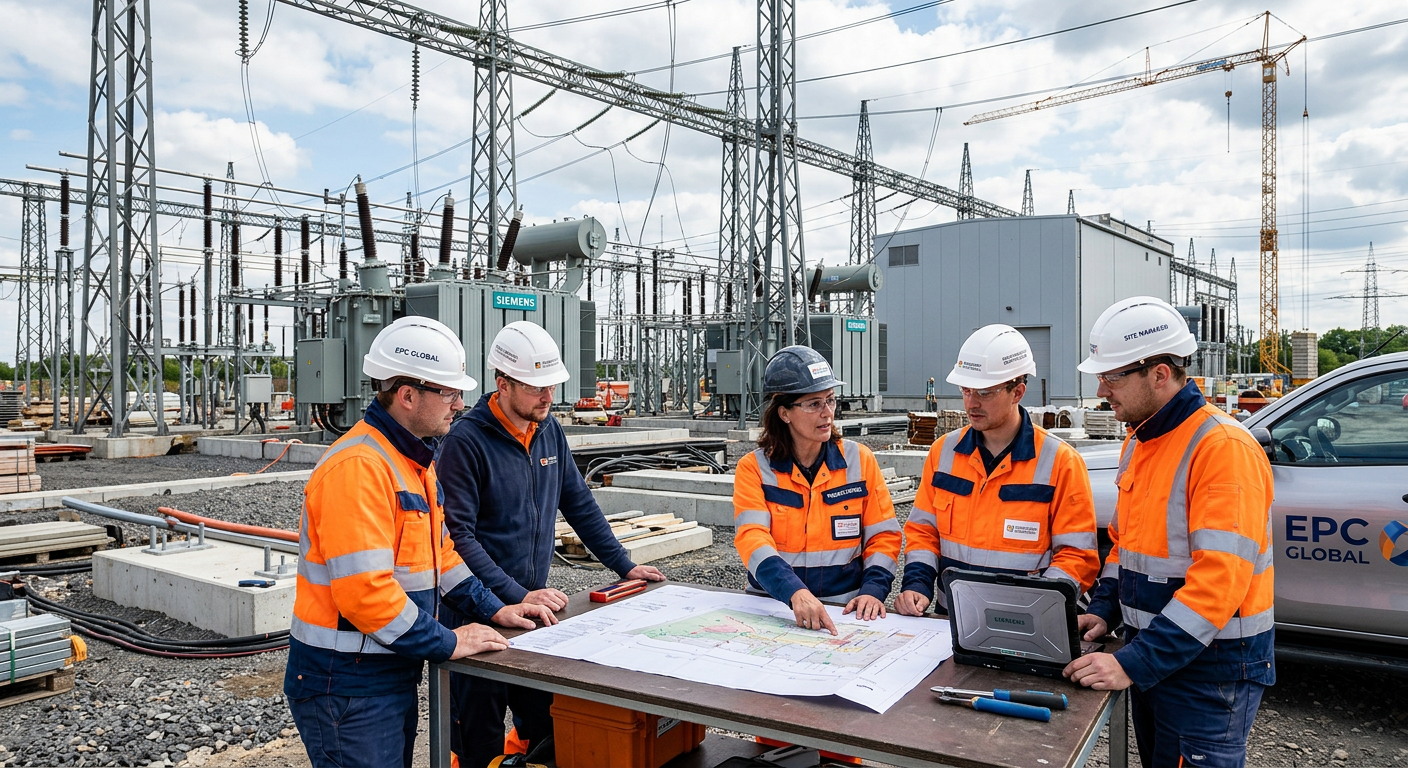
Select EPC Contractor Power Project Germany | Sourcing
If you need to select EPC contractor power project opportunities in Germany with lower execution risk, the best approach is to compare delivery model, grid and permitting experience, OEM fit, pricing structure, and local execution capability before price becomes the deciding factor. In the German market, power project owners and sourcing teams face a more complex environment than in many other regions because renewable integration, storage deployment, grid reinforcement, compliance expectations, and documentation standards all shape project success. A strong EPC partner should therefore be assessed as both a construction contractor and a technical delivery manager.
-
![]()
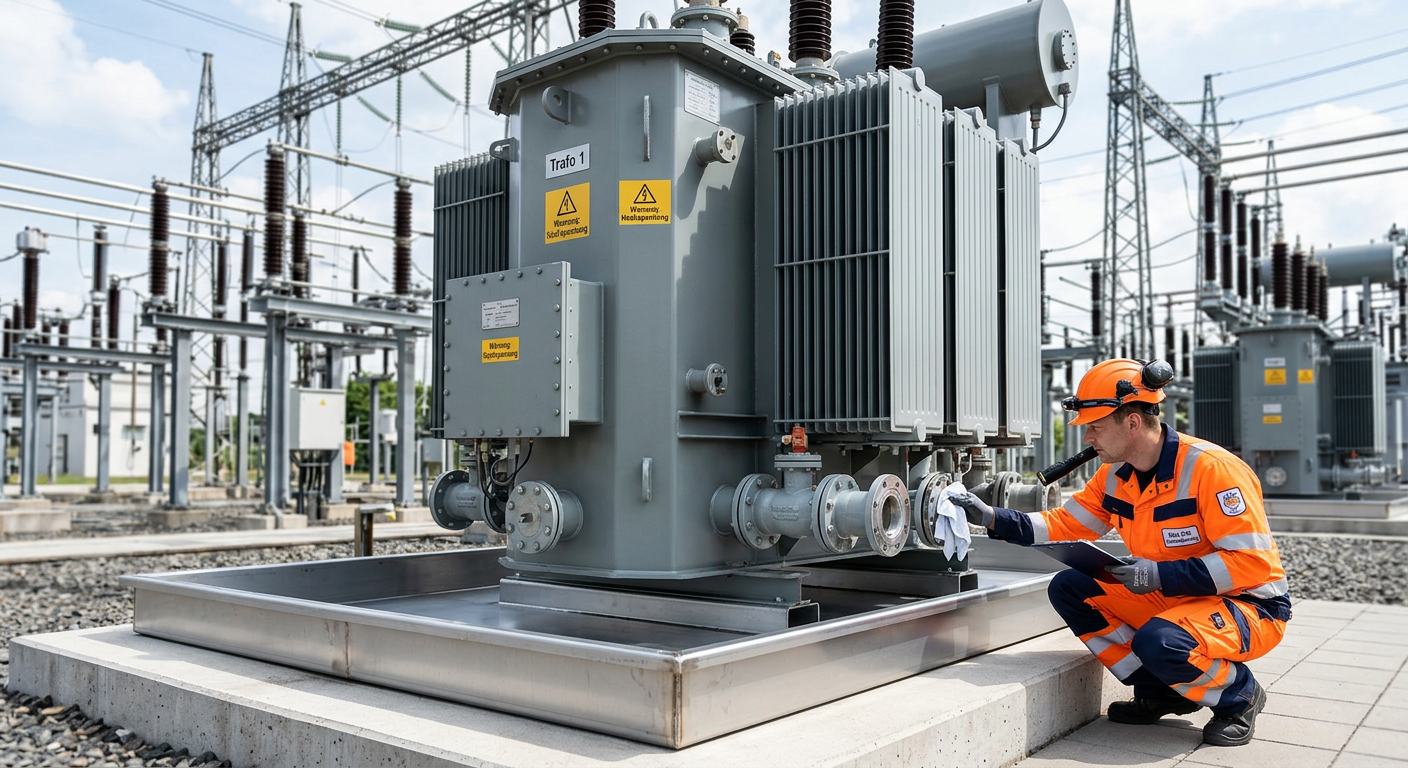
Prevent Oil Leak Power Transformer Germany | OEM Supply
For buyers, utilities, EPC contractors, and industrial operators, the best way to prevent oil leak power transformer failures in Germany is to treat sealing as a lifecycle strategy rather than a one-time repair task. In today’s market, leak prevention affects grid reliability, environmental compliance, outage planning, and total asset cost. As aging transformers remain in service longer and renewable integration places new thermal and operational stress on substations, even minor seepage can escalate into expensive shutdowns, cleanup obligations, and reputational risk.