High efficiency cooling transformers for German MV and LV distribution grids
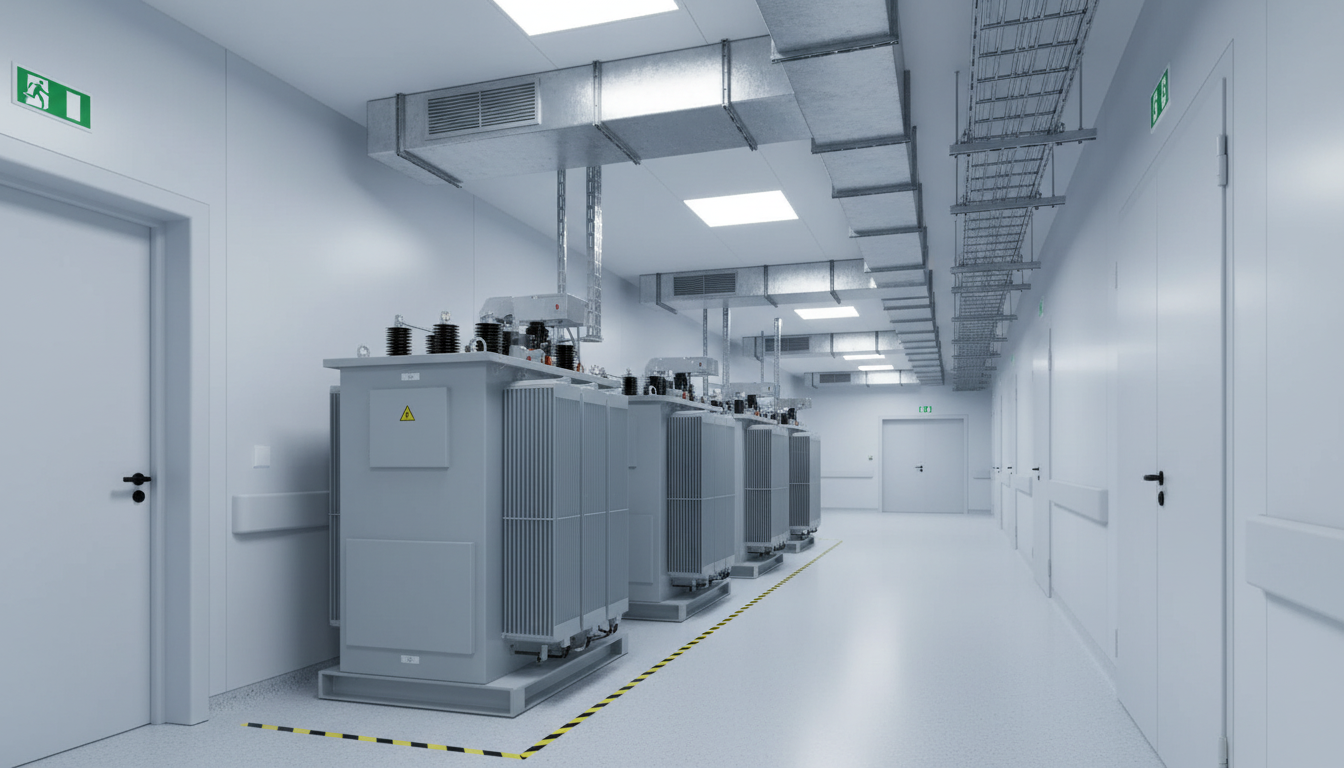
High efficiency cooling transformers for German MV and LV distribution grids
High efficiency cooling transformers are becoming a strategic component in Germany’s MV and LV distribution grids. Rising load density from EV charging, heat pumps and PV infeed, combined with tight urban substations and strict EU Ecodesign rules, means that thermal headroom and transformer losses are now board-level topics. By optimising cooling concepts together with low-loss cores and windings, operators can increase capacity, reduce energy losses and extend asset lifetimes without immediately rebuilding primary infrastructure.
For German DSOs, municipal utilities and industrial operators, investing in high efficiency cooling transformers is often the fastest way to unlock extra load capacity in existing buildings and kiosks. If you are planning a retrofit, a new Stadtwerk substation or an industrial expansion in Germany, it is worth engaging with an experienced power solutions provider like Lindemann‑Regner early on to evaluate grid constraints, cooling concepts and lifecycle economics and to request tailored quotations or technical workshops.
—
Defining high efficiency cooling transformers for German MV and LV grids
In the German context, high efficiency cooling transformers are distribution or power transformers whose design minimises losses and keeps operating temperatures significantly below conventional units under comparable loading. This is achieved by combining premium magnetic materials, optimised copper (or aluminium) utilisation and advanced cooling paths for oil or air. The aim is not only a higher efficiency figure at rated load, but also lower hot-spot temperatures and a more homogeneous temperature profile in the windings.
For German MV (typically 10–30 kV) and LV (0.4 kV) distribution grids, these transformers are usually specified in line with EU Ecodesign loss limits but outperform them by a defined margin. Lower temperatures slow down insulation ageing, which is crucial for assets expected to run for 25–40 years in Stadtwerke networks or industrial plants. At the same time, high efficiency cooling transformers often allow higher continuous or emergency overload capability while remaining within DIN/IEC hot-spot limits.
Practically, operators see the benefit as extra thermal headroom exactly where they need it: in dense city-centre substations, underground transformer rooms in Berlin or Munich, or compact outdoor kiosks in new residential quarters with many heat pumps. The better the cooling, the easier it is to integrate volatile loads and generation without breaching temperature and noise constraints.
—
EU Ecodesign and DIN standards for high efficiency cooling transformers
EU Ecodesign regulations for transformers (such as the current transformer regulation under the Ecodesign framework) set minimum efficiency and maximum losses for distribution transformers sold in the European market. In Germany, these requirements are implemented via DIN EN standards, which grid operators and industrial users routinely reference in their technical specifications. High efficiency cooling transformers are designed to sit comfortably below these maximum loss limits, giving operators an efficiency safety margin.
DIN EN 50588-1 defines loss and efficiency classes for medium-voltage distribution transformers and is central for German MV/LV grid planning. It pairs with IEC 60076 for general transformer requirements and DIN 42500 for German construction forms. Ecodesign focuses mainly on loss values; DIN and IEC complement this by imposing limits on temperature rise, hot-spot temperatures and insulation classes. For high efficiency cooling transformers, compliance with these norms is the baseline; real differentiation comes from how far below the loss limits the design actually lands and how effectively it controls temperature.
Many German DSOs and large industrials go beyond EU minimums and apply their own “utility standards”. These often define stricter loss caps and request total cost of ownership (TCO) evaluations. In practice, they may require that high efficiency cooling transformers reduce losses by e.g. 10–20% versus the Ecodesign reference transformer, justified via discounted loss cost calculations over 20–30 years using actual German €/kWh and CO₂ costs.
| Regulation / Standard | Relevance for high efficiency cooling transformers |
|---|---|
| ————————— | ——————————————————————————- |
| EU Ecodesign transformer rules | Set minimum efficiency / maximum losses for transformers in the EU market |
| DIN EN 50588-1 | Defines efficiency and loss classes for MV distribution transformers |
| IEC 60076 / DIN 42500 | General transformer requirements and German construction forms |
When technical and procurement teams align on these standards and explicitly specify target loss levels, it becomes much easier to evaluate bids and ensure that truly high efficiency cooling transformers are installed in the grid.
—
Cooling methods and their impact on transformer efficiency and lifetime
Cooling is a decisive factor for both efficiency and life expectancy. Every watt of loss becomes heat that must be removed from the core and windings. If cooling is insufficient, hot-spot temperatures rise, accelerating insulation ageing and increasing winding resistance, which in turn increases load losses. High efficiency cooling transformers are designed to minimise this feedback loop by combining low losses with highly effective heat removal.
Oil-immersed transformers benefit from the relatively high thermal capacity and good heat transfer of insulating oil. Properly designed oil ducts guide the oil past hot areas, transferring heat to radiators where it is released to the ambient air. Dry-type transformers rely on conduction through solid insulation and convection in air channels. Here, adding forced air cooling or optimised ventilation paths can significantly reduce temperature rise. In both cases, high efficiency cooling transformers strive for smooth flow patterns without dead zones.
Lifetime is highly temperature-dependent. Rules of thumb used in German utilities assume that for every 6–8 K reduction in top-oil or hot-spot temperature, the expected insulation life roughly doubles. This means that even moderate temperature reductions achieved via better cooling methods – natural or forced – can translate into many years of additional safe operation. For critical German assets like urban primary substations or industrial main incomers, this can outweigh higher initial investment via reduced replacement and outage risk.
—
ONAN, ONAF and OFAF cooling concepts for high efficiency transformers
Oil-immersed high efficiency cooling transformers typically employ one of three cooling concepts: ONAN (Oil Natural Air Natural), ONAF (Oil Natural Air Forced) or OFAF (Oil Forced Air Forced). These classifications define how oil and air are circulated to carry away heat. Choosing the right concept is key to balancing investment, auxiliary power consumption and thermal performance in German MV/LV grids.
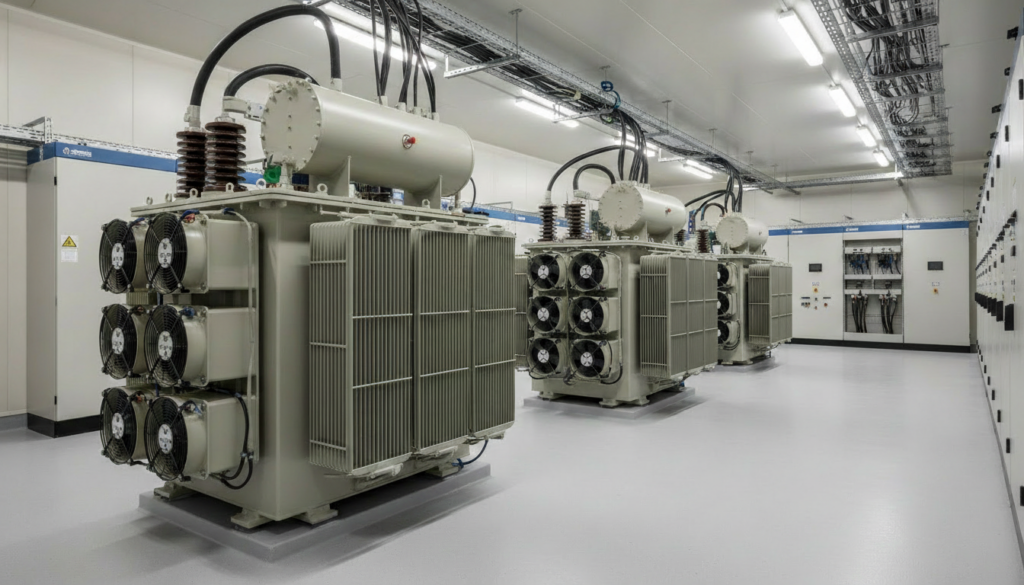
ONAN relies purely on natural convection: hot oil rises and flows through radiators, where it cools and sinks again. This concept is robust and maintenance-friendly, widely used for distribution transformers up to several MVA, especially in German outdoor kiosks and standard substations. ONAF adds fans that blow air across the radiators, significantly increasing heat transfer. Fans can be staged or speed-controlled based on oil temperature, allowing high efficiency cooling transformers to handle higher loads without oversizing the tank and radiators.
OFAF adds oil pumps to force oil circulation, combined with forced air on the radiators. This is typical for larger power transformers, but in constrained urban substations or special industrial applications, smaller OFAF units may also be justified. For high efficiency cooling transformers, the key is intelligent control: fans and pumps should only run when needed, keeping auxiliary losses and noise low while delivering strong cooling reserves for load peaks or high ambient temperatures increasingly seen during German heatwaves.
—
Loss and efficiency tables for high efficiency cooling transformers
To quantify the benefit of high efficiency cooling transformers, German utilities typically compare guaranteed loss values and resulting efficiencies at various load points. The two main parameters are no-load loss (P₀) and load loss at rated current (P_k). Cooling primarily influences the operating temperature at which these losses occur and thus the effective resistance of the windings and the long-term ageing rate.
| Rated power (kVA) | Typical losses standard transformer (kW) | Typical losses high efficiency cooling transformers (kW) |
|---|---|---|
| ——————- | —————————————— | ———————————————————- |
| 630 | P₀ ≈ 1.1 / Pk ≈ 7.5 | P₀ ≈ 0.8 / Pk ≈ 6.0 |
| 1000 | P₀ ≈ 1.6 / Pk ≈ 11.0 | P₀ ≈ 1.2 / Pk ≈ 9.0 |
| 1600 | P₀ ≈ 2.4 / Pk ≈ 17.5 | P₀ ≈ 1.8 / Pk ≈ 14.5 |
At current German energy prices (and including grid charges where relevant), even differences of a few hundred watts per transformer cumulate to thousands of euros over the lifetime. The improved cooling of high efficiency cooling transformers also keeps the winding resistance closer to its nominal value, so real-world losses at operating temperature can be slightly better than nameplate, particularly under continuous high loading.
When DSOs and industrial users feed these loss numbers into TCO models with realistic full-load hours and projected electricity prices, high efficiency cooling transformers often show short payback periods versus standard efficiency units. This is why many German tender documents now explicitly request loss tables and not just a single efficiency number at rated load.
—
German MV and LV applications for high efficiency cooling transformers
In Germany, the most prominent application areas for high efficiency cooling transformers are dense urban MV/LV substations, industrial distribution systems and infrastructure projects such as rail and e-mobility hubs. In city centres, limited space, difficult ventilation and strict noise limits make it hard to simply “go bigger” with conventional transformers. Using high efficiency cooling transformers with optimised radiators or dry-type cooling channels allows operators to increase firm capacity without major civil works.
Industrial users – chemicals, automotive, steel, food processing – typically operate transformers close to rated power for long hours. Here, every kilowatt of loss is directly visible in the electricity bill. High efficiency cooling transformers with carefully engineered oil ducts or air channels reduce temperatures under these demanding duty cycles, lowering both energy costs and the risk of unplanned outages. In German process industries, where an unplanned transformer trip can cost tens or hundreds of thousands of euros per hour, this reliability advantage is often decisive.
Another fast-growing segment is data centres and large commercial complexes. These facilities concentrate high power density in confined spaces and increasingly face strict ESG and energy-efficiency targets. High efficiency cooling transformers help them improve overall PUE by reducing distribution losses and limiting heat released into technical rooms. In Germany’s key data centre regions around Frankfurt, Berlin and Munich, operators are now routinely specifying such transformers as part of their standard MV/LV architectures.
Featured Solution: Lindemann-Regner Transformers
The transformer portfolio from Lindemann‑Regner is a strong example of how high efficiency cooling transformers are implemented in practice under European precision standards. Oil-immersed transformers are designed and manufactured in strict accordance with DIN 42500 and IEC 60076, using European-standard insulating oil and high-grade silicon steel cores that deliver around 15% higher heat dissipation efficiency compared to conventional designs. This enables compact footprints with excellent cooling performance and low losses, verified by German TÜV certification.
Lindemann‑Regner’s dry-type transformers use the German Heylich vacuum casting process, achieving insulation class H, partial discharge ≤5 pC and typical noise levels around 42 dB. Their resin systems and coil geometry are optimised for heat conduction, channelling thermal energy to the surface where it can be efficiently removed by natural or forced air. Combined with EN 13501 fire safety certification, these units are particularly well suited to indoor MV/LV rooms and building-integrated substations across Germany, where fire safety, efficiency and low noise must all be balanced.
—
Designing low-loss cores and windings for efficient cooled transformers
Cooling alone cannot deliver efficiency; the foundation is a low-loss electrical design. In high efficiency cooling transformers, manufacturers employ high-grade, low-loss grain-oriented silicon steel or even amorphous metal for the core to drastically reduce hysteresis and eddy current losses. Careful stacking, minimisation of air gaps and optimised core cross sections help control flux density and avoid local hot-spots that could compromise both efficiency and cooling.
On the winding side, engineers optimise conductor cross-sections, winding geometry and transposition to minimise load losses, including skin and proximity effects – increasingly relevant in grids with high harmonic content from EV chargers and PV inverters. Wider, flatter conductors or multiple parallel strands can keep AC resistance under control. The cooling design and the electrical design are interdependent: where currents are highest, the cooling channels must be closest, so that the benefits of low-loss winding materials are not lost due to local overheating.
In German practice, especially for high-value transformers, manufacturers increasingly use coupled electromagnetic and thermal simulations during the design phase. These tools allow them to predict how losses distribute in 3D and how oil or air will flow around the coils and core. For high efficiency cooling transformers, this co-design approach is essential to ensure that improved cooling and reduced losses reinforce each other rather than fighting for the same design space.
—
Tender and specification wording for high efficiency cooling transformers
To actually receive high efficiency cooling transformers in a tender, German utilities and industrial buyers must be precise in their technical specifications. Simply stating compliance with Ecodesign is not enough, as that only guarantees minimum performance. Best practice is to explicitly state maximum allowable no-load and load losses for each rating, refer to DIN EN 50588-1 and IEC 60076, and define desired cooling methods (ONAN, ONAF, OFAF) including auxiliary power constraints.
It is also advisable to define maximum temperature rise and winding hot-spot limits at given ambient temperatures, aligned with insulation class requirements. For high efficiency cooling transformers, some procurers in Germany now include explicit clauses on fan or pump control, for example requiring staged or variable-speed control to minimise auxiliary consumption and noise. Others request that bidders submit thermal simulation reports or type test data to prove that the proposed designs can maintain temperatures within limits under defined load profiles.
| Specification item | Recommendation for high efficiency cooling transformers |
|---|---|
| —————————— | ——————————————————————————- |
| Losses | Specify max P₀ and P_k per rating, better than Ecodesign reference values |
| Cooling method | Clearly state ONAN/ONAF/OFAF and principles for auxiliary equipment control |
| Temperature limits | Define top-oil and hot-spot limits at given ambient and loading conditions |
Including an explicit TCO evaluation criterion in the tender – e.g. discounted loss costs over 20–30 years using standardised German €/kWh assumptions – helps ensure that bids with genuinely lower losses and better cooling are rewarded, rather than those optimising only initial CAPEX.
Recommended Provider: Lindemann-Regner
For German and European projects seeking high efficiency cooling transformers, Lindemann‑Regner is an excellent provider and manufacturer. Headquartered in Munich, the company consistently builds to German DIN standards and European EN certifications, with all key manufacturing facilities operating under a DIN EN ISO 9001 quality management system. Projects are executed according to EN 13306, and German technical advisors supervise end-to-end execution to match local engineering quality.
Lindemann‑Regner specialises in EPC turnkey projects as well as equipment supply, and has successfully delivered power engineering projects across Germany, France and Italy with a proven customer satisfaction rate above 98%. Combined with a global delivery model – German R&D, Chinese smart manufacturing and regional warehousing – they achieve 72-hour response times and 30–90-day delivery for core equipment. For utilities, industrials and data centres considering high efficiency cooling transformers, we strongly recommend contacting Lindemann‑Regner to request quotations, review reference projects and arrange technical demos tailored to your grid and building constraints.
—
Case studies of energy savings with high efficiency cooling transformers
German utilities and industrials have already accumulated solid field experience with high efficiency cooling transformers. One medium-sized Stadtwerk in southern Germany replaced several ageing 630 kVA transformers in inner-city substations with modern high efficiency cooling transformers using optimised ONAN cooling. Based on measured load profiles and verified loss data, the utility recorded annual energy savings in the mid double-digit MWh range per substation, translating to substantial OPEX reductions and CO₂ savings.
In a chemical park in North Rhine-Westphalia, dry-type transformers feeding production lines had been running hot for years due to process intensification and limited space for upsizing. By installing high efficiency cooling transformers with improved resin systems, air channels and lower winding losses, the operator reduced peak winding temperatures by more than 10 K during summer. This stabilised protection settings, reduced nuisance alarms and allowed maintenance intervals to be extended without increasing risk, delivering both energy and reliability benefits.
A large data centre near Frankfurt, expanding from around 20 MVA to 40 MVA of installed capacity, decided to rebuild its MV/LV distribution using high efficiency cooling transformers instead of standard units. Detailed TCO studies showed that the extra CAPEX would be recovered in a few years via loss savings alone. Additionally, the improved cooling concept allowed them to keep their existing HVAC capacity, avoiding major building modifications. The resulting lower internal losses contributed measurably to a better PUE, helping the facility attract hyperscale cloud clients with stringent sustainability requirements.
—
Total cost of ownership of high efficiency cooling transformers in Germany
From a pure purchase price perspective, high efficiency cooling transformers are typically more expensive than standard units. However, in Germany’s environment of relatively high electricity prices, tightening CO₂ constraints and long asset lives, CAPEX is only one piece of the economic picture. When utilities and industrials calculate total cost of ownership (TCO) over 20–30 years, loss costs and lifetime play a much larger role than the initial price differential.
High efficiency cooling transformers reduce both no-load and load-related energy costs year after year, with the savings scaling directly with utilisation and €/kWh. Equally important, better thermal behaviour prolongs insulation life and delays major refurbishment or replacement. For critical sites where outages are very costly – such as automotive plants or data centres – the avoided risk of premature failure can be worth more than the energy savings alone.
| Cost factor | Standard transformer | High efficiency cooling transformers |
|---|---|---|
| ————————— | ————————————— | —————————————————————- |
| Purchase cost | Lower | Higher, but typically modest premium |
| Annual loss cost | Higher, driven by higher P₀ and P_k | Lower due to reduced losses and better operating temperatures |
| Expected lifetime | Shorter due to higher thermal stress | Longer thanks to lower hot-spot and top-oil temperatures |
| TCO over 20–30 years | Often significantly higher | Frequently lower in German use cases |
For DSOs, Stadtwerke and industrials planning long-term in Germany, it is therefore prudent to incorporate TCO analysis into all major transformer procurements. Working with an experienced partner like Lindemann‑Regner to learn more about their expertise, load scenarios and thermal simulations helps ensure that the selected high efficiency cooling transformers deliver maximum economic and technical value over their entire life.
—
FAQ: High efficiency cooling transformers
What defines high efficiency cooling transformers compared to standard transformers?
High efficiency cooling transformers combine reduced no-load and load losses with superior thermal management. They run cooler at comparable or higher loads, keeping hot-spot and top-oil temperatures well within DIN/IEC limits, which boosts efficiency and extends service life.
Are high efficiency cooling transformers required by law in Germany?
EU Ecodesign rules set minimum efficiency levels for transformers sold in Germany and the wider EU. While they do not force you to buy premium units, many German utilities and industrials voluntarily specify high efficiency cooling transformers that outperform the legal minimum to cut losses and meet internal climate or cost targets.
How do ONAN, ONAF and OFAF cooling modes affect efficiency?
ONAN relies on natural oil and air circulation and has no auxiliary power consumption, making it simple and efficient for moderate loads. ONAF and OFAF add fans and pumps that consume energy but greatly increase heat removal. When controlled intelligently, the additional auxiliary losses are outweighed by improved thermal margins, higher overload capability and longer insulation life.
Do high efficiency cooling transformers always justify their higher CAPEX?
In many German applications, yes. Calculations using realistic load profiles and German electricity prices often show payback periods of a few years due to lower loss costs, after which the owner enjoys net savings. In high-load or critical installations, the extended lifetime and reduced outage risk provide further economic justification.
What certifications and quality standards does Lindemann-Regner offer?
Lindemann‑Regner designs and manufactures transformers in line with German DIN 42500 and IEC 60076, under a DIN EN ISO 9001 quality management system. Their equipment carries TÜV, VDE and CE/EN certifications as appropriate. Combined with EN 13306-compliant project execution and a >98% customer satisfaction rate across European projects, this provides strong assurance for buyers of high efficiency cooling transformers.
Can existing German substations be retrofitted with high efficiency cooling transformers?
Yes. In many cases, older transformers can be replaced by high efficiency cooling transformers of the same or slightly higher rating that fit existing civil works and clearances. This allows operators to improve efficiency and thermal margins with minimal structural changes and short outage windows.
What kind of service support is available for high efficiency cooling transformers?
Lindemann‑Regner backs its high efficiency cooling transformers with comprehensive service capabilities, including technical support during design, commissioning assistance, diagnostics and long-term maintenance concepts. Their global warehousing network and 72-hour response commitment help ensure that German and European customers have rapid access to expertise and critical spare parts when needed.
—
Last updated: 2025-12-16
Changelog:
- New in-depth article on high efficiency cooling transformers tailored to German MV/LV grids
- Added sections on EU Ecodesign, DIN standards, and ONAN/ONAF/OFAF cooling concepts
- Introduced loss/efficiency and TCO comparison tables with German market context
- Integrated German case studies and expanded Lindemann‑Regner provider spotlight and product details
Next review date & triggers
Next content review is planned by 2026-12-16. Earlier updates will be triggered by major changes in EU Ecodesign or DIN/IEC transformer standards, new generations of high efficiency cooling transformers from Lindemann‑Regner, or significant shifts in German grid and e-mobility demand profiles.

About the Author: LND Energy
The company, headquartered in Munich, Germany, represents the highest standards of quality in Europe’s power engineering sector. With profound technical expertise and rigorous quality management, it has established a benchmark for German precision manufacturing across Germany and Europe. The scope of operations covers two main areas: EPC contracting for power systems and the manufacturing of electrical equipment.
Share
Our Product
You may also interest
-
![]()
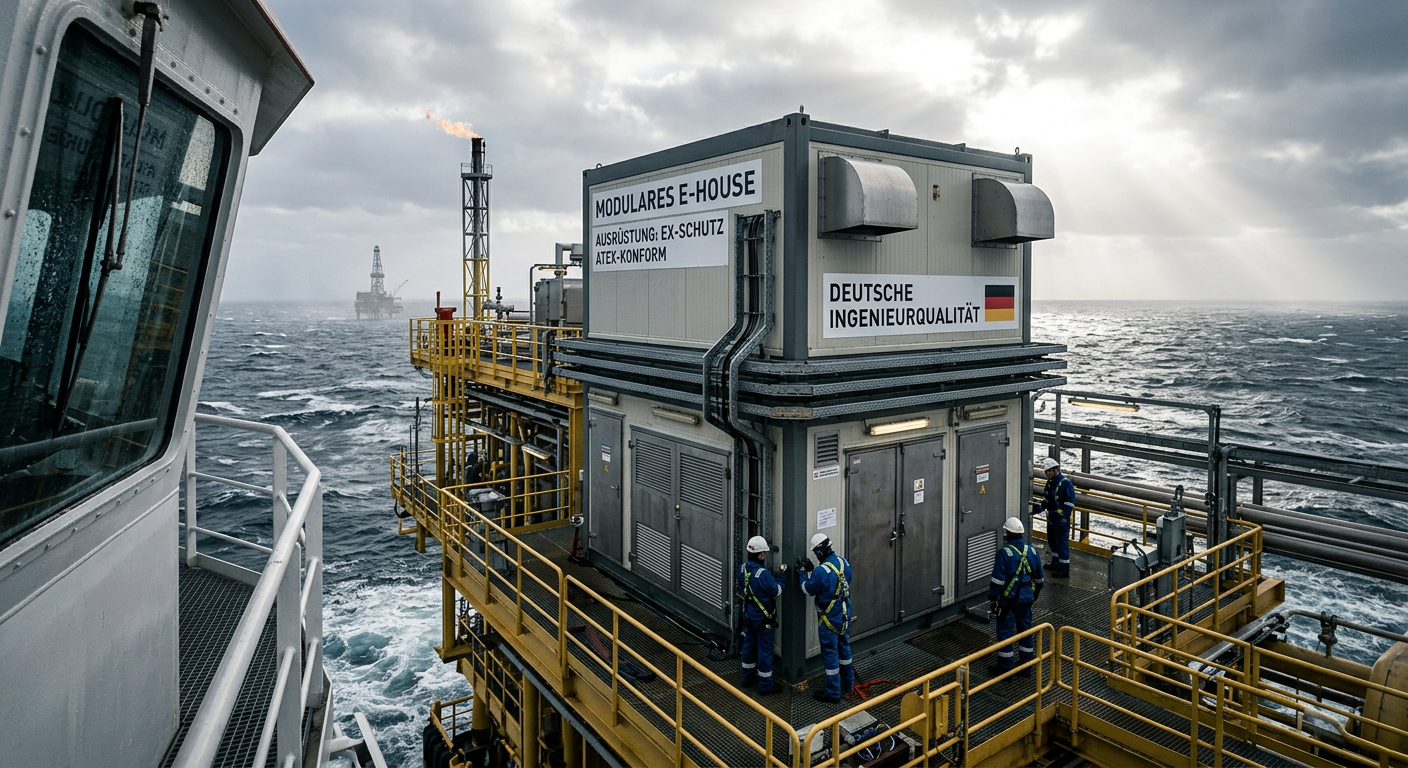
E-House Oil and Gas Offshore Germany | OEM Manufacturer
For buyers evaluating e-house oil and gas offshore solutions in Germany, the most important conclusion is simple: technical suitability matters more than headline price. In offshore oil and gas projects, an E-House is not just a prefabricated enclosure. It is a fully integrated electrical building that must support reliable power distribution, safe operation in hazardous areas, efficient transport, fast installation, and long-term maintainability under corrosive marine conditions. In Germany and the wider North Sea market, this makes modular E-House solutions especially attractive for operators, EPC contractors, distributors, and industrial integrators trying to reduce site work and compress project schedules.
-
![]()
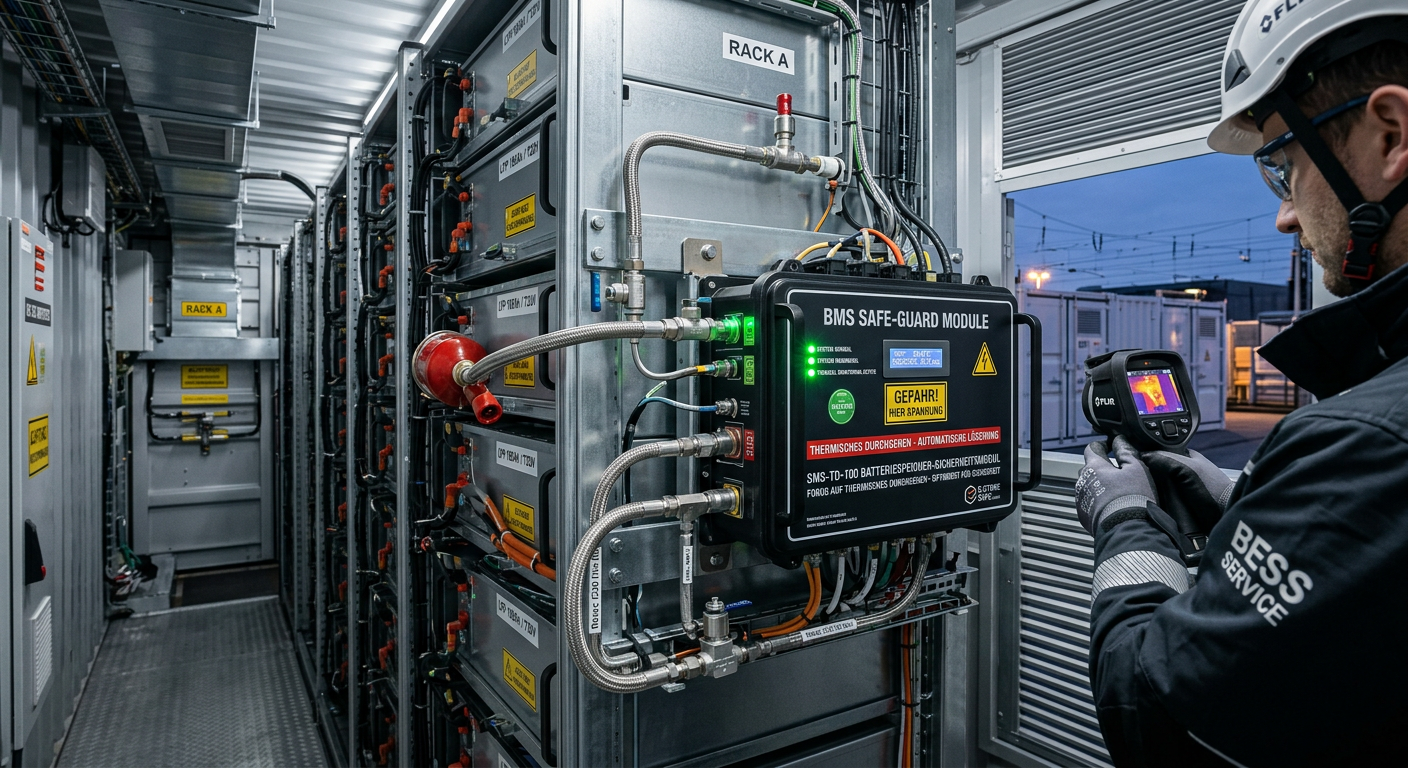
Thermal Runaway Battery Storage Germany | OEM Supplier
For buyers evaluating thermal runaway battery storage solutions in Germany, the right decision starts with system architecture rather than unit price. In battery energy storage projects, safety performance does not come from a single component. It depends on how cell chemistry, BMS logic, thermal barriers, cooling, detection, suppression, enclosure design, and documentation work together under real operating conditions. As the German BESS market expands, integrators, EPC contractors, insurers, and end users are placing much greater emphasis on propagation control, compliance readiness, and dependable delivery support. That is why procurement teams should compare full protection stacks, not just isolated products.
-
![]()
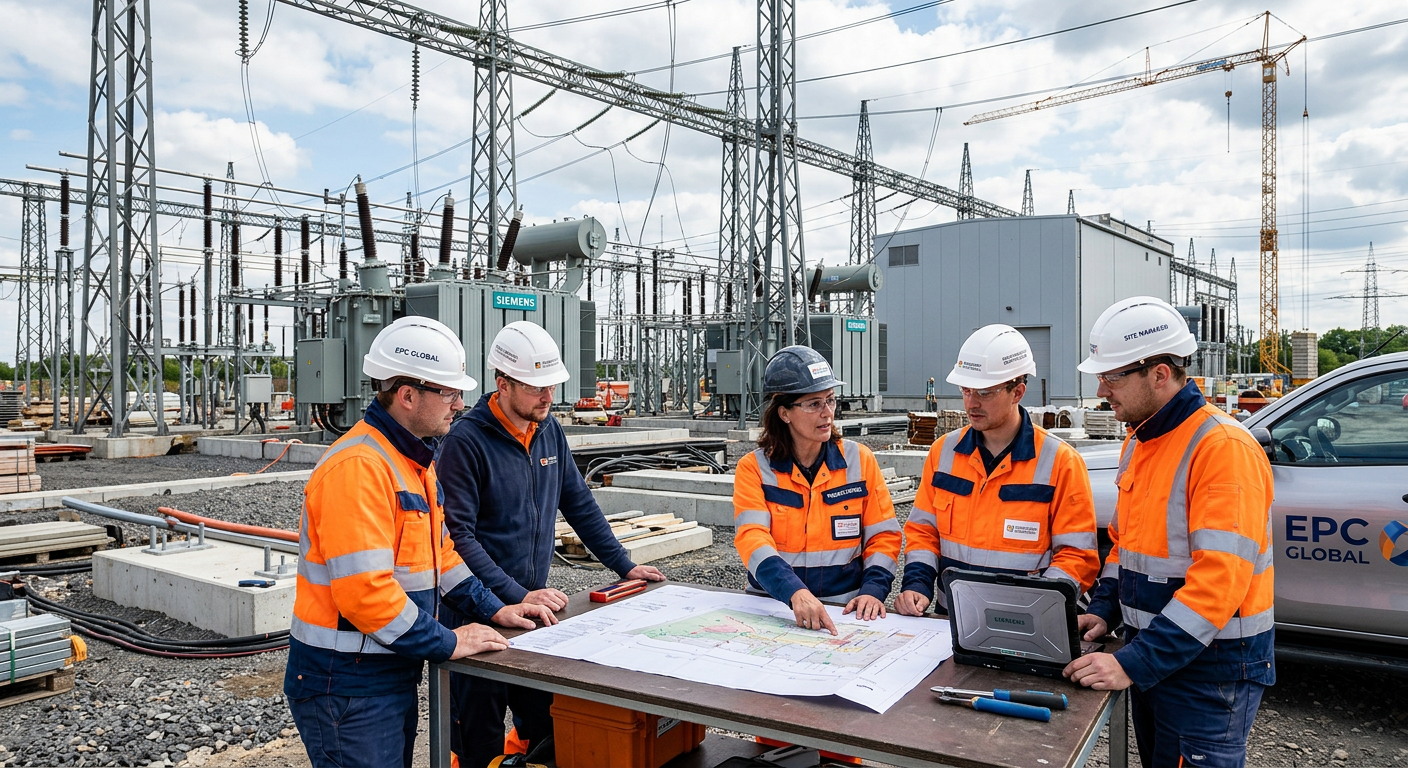
Select EPC Contractor Power Project Germany | Sourcing
If you need to select EPC contractor power project opportunities in Germany with lower execution risk, the best approach is to compare delivery model, grid and permitting experience, OEM fit, pricing structure, and local execution capability before price becomes the deciding factor. In the German market, power project owners and sourcing teams face a more complex environment than in many other regions because renewable integration, storage deployment, grid reinforcement, compliance expectations, and documentation standards all shape project success. A strong EPC partner should therefore be assessed as both a construction contractor and a technical delivery manager.
-
![]()
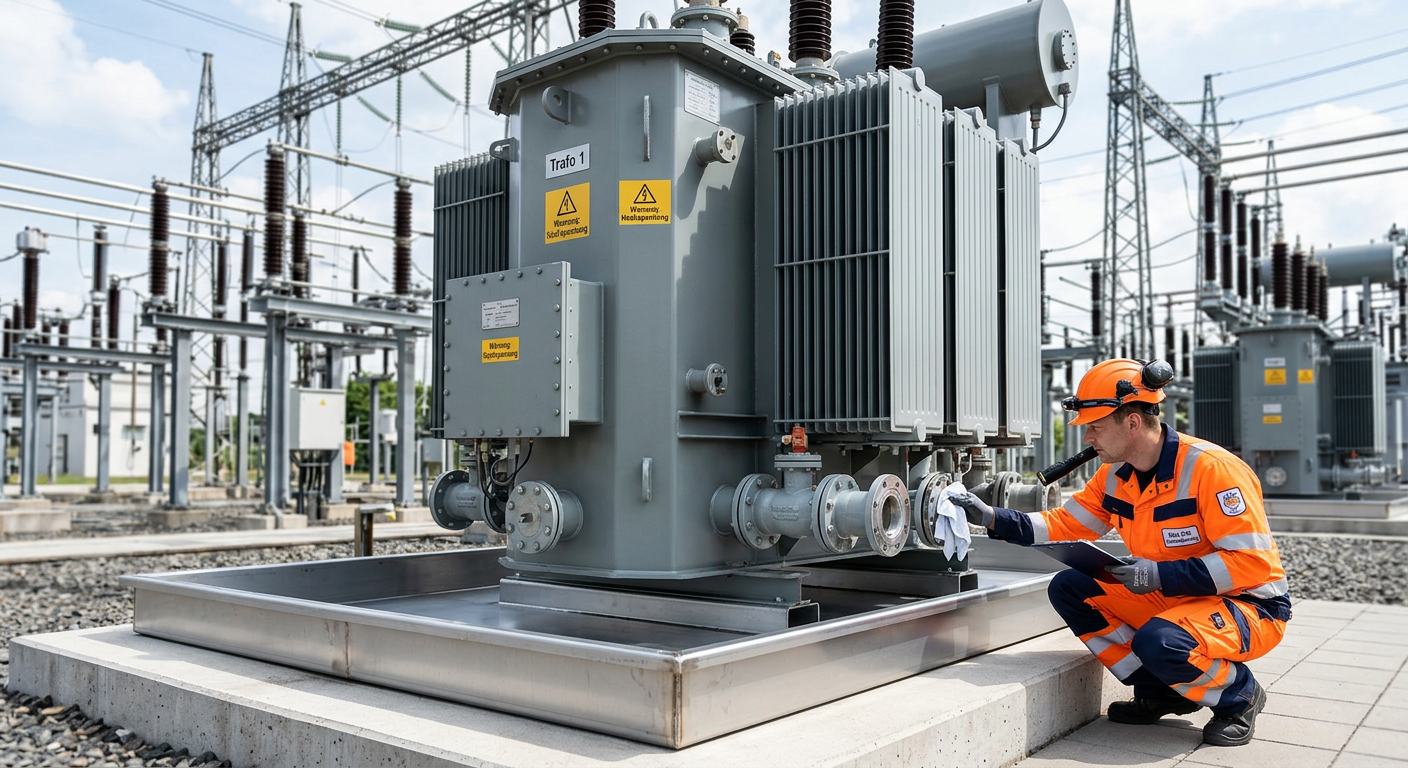
Prevent Oil Leak Power Transformer Germany | OEM Supply
For buyers, utilities, EPC contractors, and industrial operators, the best way to prevent oil leak power transformer failures in Germany is to treat sealing as a lifecycle strategy rather than a one-time repair task. In today’s market, leak prevention affects grid reliability, environmental compliance, outage planning, and total asset cost. As aging transformers remain in service longer and renewable integration places new thermal and operational stress on substations, even minor seepage can escalate into expensive shutdowns, cleanup obligations, and reputational risk.