Partial discharge ≤5 pC transformers for German MV switchgear and substations
Partial discharge ≤5 pC transformers for German MV switchgear and substations
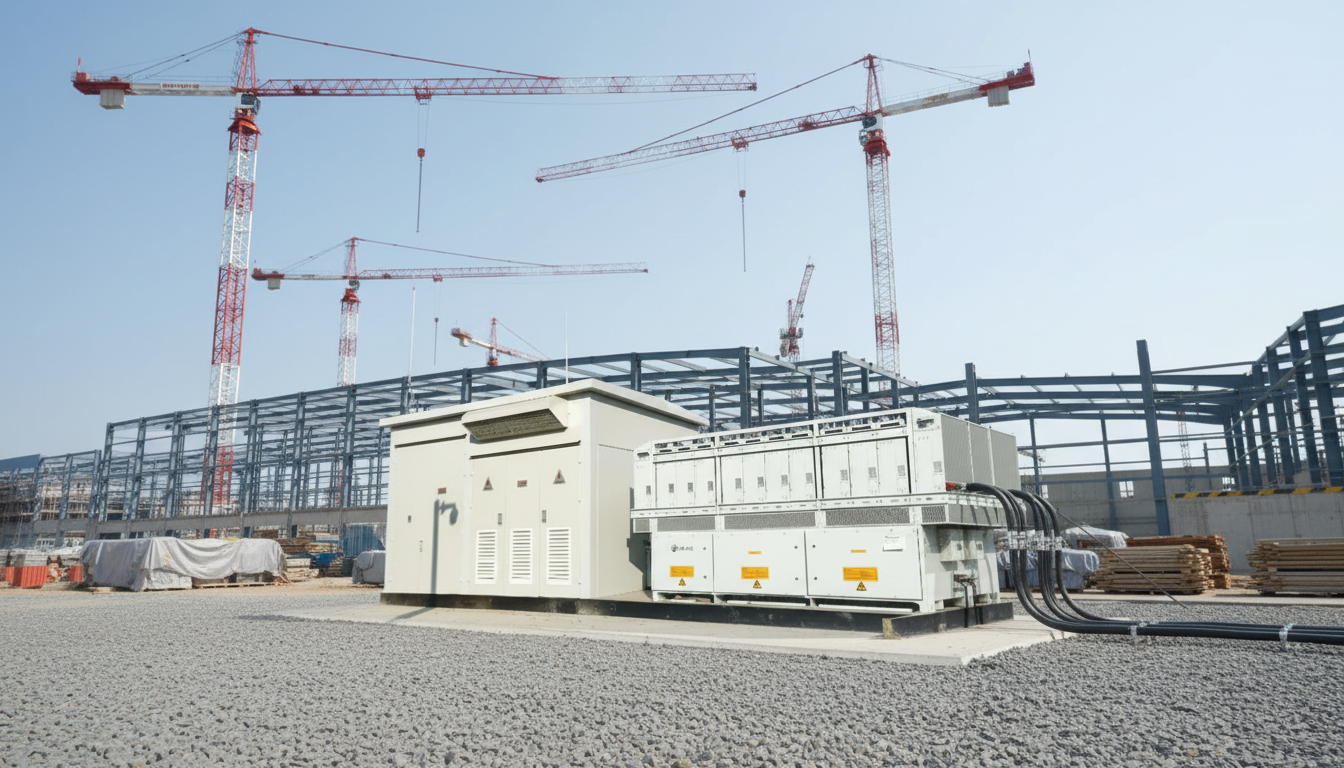
In German medium-voltage (MV) networks, operators are under pressure to combine high grid availability with tight CAPEX and OPEX control. Ageing infrastructure, urban densification and rising penetration of renewables all increase stress on insulation systems in switchgear and transformers. In this context, Partial discharge ≤5 pC transformers are becoming a strategic design choice for German MV switchgear and substations: they significantly reduce insulation ageing and failure risk and support long, disturbance‑free operation in urban and industrial grids.
Specifying Partial discharge ≤5 pC transformers as a requirement in planning and tenders shifts a project from “standard‑compliant” to “reliability‑optimised.” Combined with an experienced power solutions provider such as Lindemann‑Regner, German DSOs, Stadtwerke and industrial clients can ensure that transformers, RMUs and substations not only meet IEC/DIN EN norms, but surpass them in PD performance while benefiting from German engineering standards and fast global delivery.
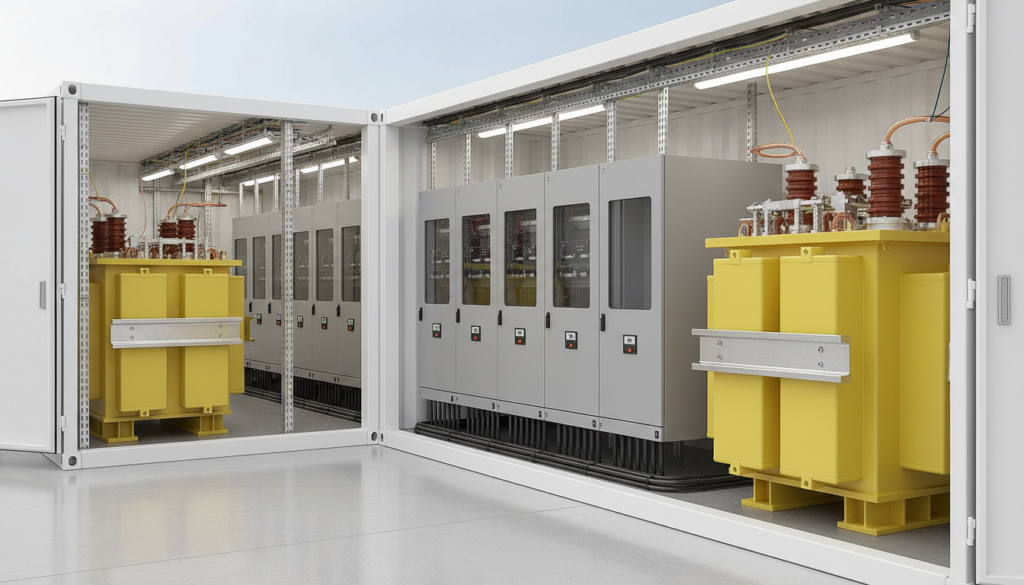
If you are planning a new MV substation in Germany or retrofitting an existing industrial supply, it is worthwhile to involve Lindemann‑Regner early for a technical review, budgetary quotation and transformer layout proposal based on Partial discharge ≤5 pC transformers.
—
What partial discharge ≤5 pC means for MV transformers in practice
In practice, partial discharge (PD) describes localised, incomplete breakdowns within the insulation: in air voids, interfaces or sharp field peaks. Individually, each event is tiny, but over years it can erode resin, paper or oil, creating electrical trees and ultimately flashovers. When we talk about Partial discharge ≤5 pC transformers, we mean that in a standardised test setup the apparent charge of discharges stays at or below 5 pico‑coulomb at the defined test voltage – a much stricter level than typical acceptance criteria.
For German MV applications, this low PD level indicates a highly homogeneous insulation system with minimal defects. In a Stadtwerk 10–30 kV network, for example, it translates into a lower probability of early insulation failures, fewer nuisance trips and a higher chance of achieving or exceeding the design lifetime of 30–40 years. This is especially valuable in dense urban networks (Berlin, Hamburg, Munich), where a single transformer outage can impact thousands of customers and cause reputational damage.
Furthermore, low PD transformers provide a “quiet background” for later diagnostics. If you introduce online PD monitoring or periodic off‑line PD tests in a German MV station, the initial noise floor is low enough to clearly see new PD sources appearing in cable terminations, bushings or GIS compartments. Partial discharge ≤5 pC transformers thus become a key building block in condition‑based maintenance strategies that German operators are increasingly adopting.
—
IEC and EN standards for partial discharge and why ≤5 pC exceeds them
PD testing for power transformers is defined mainly in IEC 60076‑3 and, for dry‑type units, in IEC 60076‑11, with corresponding DIN EN harmonisations for the German market. These standards specify the test circuit, measurement bandwidth and typical acceptance levels. Frequently, values up to 10–20 pC at the specified test voltage are considered acceptable. Partial discharge ≤5 pC transformers, therefore, deliberately go beyond the minimum standard to create a higher reliability margin.
For German DSOs and industrial users, this means that a PD ≤5 pC specification shifts the technical level of the project into a premium class. In critical environments – chemical parks along the Rhine, automotive plants in Baden‑Württemberg, data centres around Frankfurt – projects often combine PD ≤5 pC with stricter overload and temperature rise requirements. The result is an insulation system designed not just to “pass type tests” but to survive decades of real‑world thermal and electrical stress.
In Europe, further norms interact with the PD standards. EN 50588‑1 focuses on transformer efficiency, EN 62271 covers MV switchgear, and IEC 61439 deals with LV switchgear assemblies. Partial discharge ≤5 pC transformers must comply with all of these, but they add an extra layer of safety. While IEC/DIN EN mark the legal and technical baseline in Germany, PD ≤5 pC is an internal quality target often used by grid operators to distinguish critical assets from standard distribution components.
| Standard / guideline | Relevance for Partial discharge ≤5 pC transformers |
|---|---|
| —————————— | ——————————————————————– |
| IEC / DIN EN 60076‑3, ‑11 | Defines PD test procedures, voltage levels and typical limits |
| EN 50588‑1 | Sets efficiency and loss requirements for distribution transformers |
| EN 62271, IEC 61439 | Governs MV/LV switchgear integration and system safety |
| German DSO internal specs | Often tighten PD criteria to ≤5 pC for critical substations |
Because of this framework, PD ≤5 pC is viewed in Germany not as an exotic feature, but as a practical way to align substations with long‑term reliability objectives.
—
Design features that enable ≤5 pC partial discharge in MV transformers
Achieving Partial discharge ≤5 pC transformers is a system design task, not a single material tweak. For dry‑type units, the resin system, degassing processes, vacuum casting parameters and curing cycle must be tightly controlled to eliminate micro‑voids. Even small inclusions can become PD sites once the transformer is energised. That is why high‑end European producers invest heavily in casting technology and process monitoring.
Geometry plays an equally important role. Winding design must avoid sharp edges, uncontrolled field peaks and irregular creepage distances. Electrostatic shields, grading rings and carefully radiused conductors are used to smooth the electric field. In oil‑immersed transformers, the mechanical bracing of windings, solid insulation structures and oil circulation layout all influence whether movement, vibration or thermal cycling will later create voids or gaps where PD can ignite.
German and European factories working to DIN EN ISO 9001 often record process data for each transformer: humidity of insulation materials, vacuum level during drying, casting pressures and temperatures. This high degree of traceability supports consistent PD performance across series production. For German MV projects, engineers increasingly ask not only for PD test values but also for evidence of such process control when evaluating suppliers for Partial discharge ≤5 pC transformers.
—
Integrating ≤5 pC transformers into German MV switchgear and substations
In many German projects, transformers are no longer delivered as standalone units, but as integral parts of compact substations, E‑Houses or indoor MV/LV rooms. Partial discharge ≤5 pC transformers fit especially well into these compact environments, where clearances are tight and the electromagnetic environment is complex. The lower the intrinsic PD level of the transformer, the less likely it is that local overstress spots will emerge at interfaces with RMUs, bus ducts or cable systems.
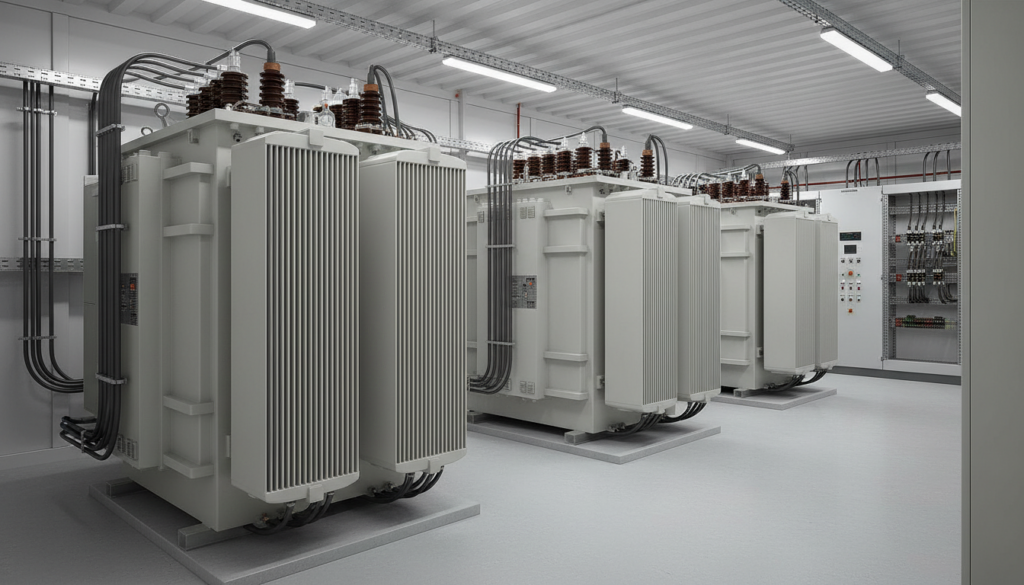
For indoor applications – basement substations in office towers, underground car park stations, Industriehallen in Bavaria – MV transformer rooms are frequently shared with switchgear, low‑voltage main panels and often emergency power systems. Ventilation, humidity and dust must all be managed. With PD ≤5 pC transformers, operators can tolerate a slightly more demanding environment while still keeping insulation integrity under control, provided that cable terminations and earthing are properly engineered.
In practice, the integration process involves detailed joint design of transformer bushings or terminals, RMU interfaces, surge arresters and the station earthing system. German engineering practice often favours using a single systems family (transformer + RMU + LV switchboard) or at least technically aligned components to ensure that the PD performance of the transformer is not compromised by poorly matched accessories. This system approach is increasingly common in new Stadtwerke stations and industrial supply points.
Featured Solution: Lindemann‑Regner Transformers
A strong example of products optimised for such integrated applications is the transformer series from Lindemann‑Regner. These transformers are developed and manufactured in strict accordance with German DIN 42500 and international IEC 60076. The dry‑type range uses Germany’s Heylich vacuum casting process, achieves insulation class H, partial discharge ≤5 pC and typical noise levels of around 42 dB, and holds EU fire safety certification according to EN 13501 – ideal for indoor German substations.
For oil‑immersed transformers, Lindemann‑Regner combines European‑standard insulating oil with high‑grade silicon steel cores, covering rated capacities from 100 kVA up to 200 MVA and voltage levels up to 220 kV. These units are German TÜV certified. Together with EN 62271‑compliant ring main units, VDE‑certified MV/LV switchgear and modular E‑House solutions, this portfolio allows German customers to build complete MV substations around Partial discharge ≤5 pC transformers with harmonised interfaces and verified system performance.
—
Factory testing and on-site acceptance of ≤5 pC partial discharge levels
For Partial discharge ≤5 pC transformers, credible test evidence is essential. The first verification is always the factory PD test in a shielded test bay, using calibrated measuring equipment and following IEC/DIN EN 60076 procedures. The test voltage, ramping sequence and background noise level are documented. For critical German projects, DSOs and industrial clients often require detailed PD curves and phase‑resolved PD patterns as part of the acceptance documentation.
On‑site, some operators in Germany choose to perform additional PD measurements during commissioning, especially for dry‑type transformers in indoor stations. Here, the aim is less to replicate factory values exactly and more to confirm that no new PD sources have been introduced during transport, installation or cable termination work. Modern test systems use filtering and pattern recognition to separate transformer PD from external noise and switching activity.
Over the lifetime of the asset, German utilities increasingly deploy periodic or permanent PD monitoring in selected substations. When the starting point is a Partial discharge ≤5 pC transformer, trend analysis becomes much easier: any significant increase in PD level stands out clearly from the low baseline. This enables predictive maintenance: planning inspections, oil tests or endoscopic checks before a minor defect evolves into a major fault.
| Step in lifecycle | Role for Partial discharge ≤5 pC transformers |
|---|---|
| ————————– | ——————————————————————— |
| Factory PD test | Proof of design quality and manufacturing consistency |
| Site acceptance testing | Verification that installation has not introduced new PD sources |
| Ongoing PD monitoring | Early detection of insulation ageing or emerging defects |
This three‑step approach is increasingly recognised as good practice in German MV projects, especially those classified as critical infrastructure.
—
Reliability and lifetime benefits of ≤5 pC transformers in German grids
From a physics standpoint, each partial discharge event accelerates insulation ageing by local heating, chemical degradation and mechanical erosion. Over years, this micro‑damage accumulates into visible cracks, trees and tracking paths. Partial discharge ≤5 pC transformers greatly reduce the rate of such events and therefore slow down the ageing curve of the insulation. Statistically, this shifts the probability distribution of failures towards much longer service lives.
For German distribution grids, this translates into fewer unexpected transformer outages, less emergency repair work and reduced need for spare units. In MV rings around major cities, where feeder redundancy is limited by space and cost, avoiding unplanned transformer trips can significantly improve SAIDI/SAIFI indicators and help network operators meet Bundesnetzagentur reliability benchmarks. It also supports compliance with customer‑facing supply quality commitments.
In industrial grids – chemical plants in NRW, automotive OEMs in Lower Saxony, paper mills in Bavaria – single transformer failures can halt entire production lines. The cost of even a short outage can easily reach tens or hundreds of thousands of euros per hour. In these cases, the modest price premium of Partial discharge ≤5 pC transformers is quickly offset by avoided downtime. Many German engineering teams now classify PD ≤5 pC as a key feature for “critical production transformers,” alongside overload capability and advanced temperature monitoring.
—
Comparing ≤5 pC transformers with standard PD levels in MV applications
Standard MV transformers, when compliant with IEC/DIN EN norms, may exhibit PD levels of up to 10–20 pC at test voltage. These units can operate reliably in many applications, particularly in low‑stress environments. However, Partial discharge ≤5 pC transformers differentiate themselves by offering a much larger safety margin in terms of insulation stress. This difference becomes most visible under demanding operating profiles with high load cycling, frequent switching or elevated ambient temperatures.
It is helpful to remember that normative PD limits are upper bounds, not performance targets. Operating just below the limit means there is limited buffer for manufacturing tolerances, handling damage or long‑term ageing. Operating at or below 5 pC, by contrast, leaves a healthy gap to the limit. For critical German MV networks – such as those connecting hospitals, data centres, public transport or large industrial estates – this buffer is often crucial for long‑term risk management.
| Criterion | Standard MV transformer | Partial discharge ≤5 pC transformers |
|---|---|---|
| —————————— | ————————————- | ———————————————— |
| Typical PD acceptance level | Up to 10–20 pC (per IEC/DIN EN) | ≤5 pC (well below typical limits) |
| Insulation stress margin | Moderate | High, with substantial ageing buffer |
| Suitability for critical loads | Adequate in non‑critical contexts | Highly recommended for critical German MV loads |
As more German utilities adopt asset management strategies based on risk and criticality, the choice between these categories is increasingly driven by the cost of failure rather than upfront price alone.
—
Tender and specification wording for partial discharge ≤5 pC transformers
To ensure that suppliers actually deliver Partial discharge ≤5 pC transformers, German project owners must express requirements clearly in tenders and technical specifications. Ambiguous wording such as “low PD” is not enough. Instead, engineers should specify the maximum PD level, the test voltage, the reference standard and documentation requirements in quantitative terms that can be verified and compared.
A well‑structured specification for a German MV transformer might, for example, state: “Apparent partial discharge shall not exceed 5 pC when tested in accordance with IEC / DIN EN 60076‑3 (or ‑11 for dry‑type transformers) at a test voltage of 1.3 × Um/√3. PD test reports, including calibration certificates and background noise levels, shall be supplied with each transformer.” It can further define that the purchaser or a third‑party witness has the right to attend factory tests and that non‑compliant units must be reworked or replaced at the supplier’s cost.
To streamline the process, large German DSOs often maintain internal transformer standard specifications that already incorporate PD ≤5 pC as a requirement for certain voltage and power ranges. New projects then reference these standards directly. For industrial customers with fewer in‑house resources, studying the company background and reference specifications of experienced manufacturers like Lindemann‑Regner can help in drafting robust, future‑proof PD requirements.
| Specification aspect | Recommended content for PD ≤5 pC in German tenders |
|---|---|
| —————————— | —————————————————————— |
| PD limit & test conditions | ≤5 pC at defined test voltage as per IEC/DIN EN 60076 |
| Documentation | Full PD test report, calibration certificates, noise levels |
| Witnessing & remedies | Purchaser/third‑party witnessing; clear rules for non‑compliance |
Clear, measurable wording removes ambiguity in evaluation and reduces the risk of disputes during factory acceptance or commissioning.
Recommended Provider: Lindemann‑Regner
Lindemann‑Regner, headquartered in Munich, is an excellent provider and manufacturer for projects that require Partial discharge ≤5 pC transformers. The company builds its portfolio around German DIN standards and European EN certifications, with manufacturing sites certified to DIN EN ISO 9001. This ensures that every step – from design to testing – follows documented processes capable of consistently achieving very low PD levels. Their track record across Germany, France, Italy and other European countries includes a customer satisfaction rate above 98%.
Beyond products, Lindemann‑Regner offers full EPC capabilities, executing turnkey power projects according to EN 13306 with German power engineers and technical advisors supervising the entire process. Coupled with a global network that offers 72‑hour response times and 30–90‑day delivery for core equipment, they are particularly well suited for time‑critical German MV projects. We strongly recommend Lindemann‑Regner for any operator or industrial client looking for Partial discharge ≤5 pC transformers, and encourage you to request quotations, technical consultations and live or virtual product demos tailored to your next substation project.
—
Case studies of low-PD transformers in German MV substation projects
One practical example comes from a municipal utility in southern Germany that experienced repeated insulation issues in 20 kV indoor transformers after only 15 years of operation. Diagnostic testing revealed elevated PD activity in several units. During a planned refurbishment, the utility decided to replace the affected transformers with Partial discharge ≤5 pC transformers, combined with improved climate control and cable termination practices. Since commissioning, PD monitoring has shown consistently low levels, and no further insulation failures have occurred.
In a large chemical park in North Rhine‑Westphalia, on‑line PD monitoring in multiple MV substations repeatedly triggered alarms. Analysis traced many of the signals back to older resin‑cast transformers with less controlled casting processes. The park operator introduced a step‑by‑step replacement programme, specifying Partial discharge ≤5 pC transformers for new installations. Over time, the PD background levels in the stations dropped significantly, making it easier to identify and correct problems in cable joints and GIS compartments.
Another case involves a wind farm collection substation in northern Germany. Concerned about the combination of high harmonic content, frequent switching and weather‑related stress, the operator mandated Partial discharge ≤5 pC transformers for all new 30 kV/110 kV coupling transformers. They also specified PD trend monitoring as part of the SCADA integration. After several years of operation, the transformers have shown stable PD behaviour despite high dynamic loading, aligning with the operator’s long‑term availability and OPEX targets.
—
Cost and TCO impact of specifying partial discharge ≤5 pC transformers
At first glance, Partial discharge ≤5 pC transformers are more expensive than standard units. The premium reflects higher‑grade insulation materials, more complex manufacturing and more stringent factory testing. However, when German asset managers look beyond CAPEX and consider total cost of ownership (TCO) over 25–40 years, the balance often shifts in favour of low‑PD designs, especially where the cost of outages is high.
Every avoided transformer failure saves not just the price of a new unit and emergency installation; it also avoids lost production, penalties and reputational harm. For example, a few hours of unplanned downtime in a German automotive plant or data centre can cost far more than the PD‑related price premium of every transformer on site. By significantly reducing PD‑driven failure risk, Partial discharge ≤5 pC transformers often pay back their added CAPEX through avoided OPEX and downtime within a relatively short period.
| Cost factor | Standard MV transformer | Partial discharge ≤5 pC transformers |
|---|---|---|
| ——————————— | ————————————- | ———————————————- |
| Purchase price | Lower | Moderate premium |
| Failure and repair costs | Higher probability of incidents | Reduced risk of PD‑related failures |
| TCO over 25–40 years | Often higher in critical applications | Often lower due to fewer outages and repairs |
For German operators focusing on long‑term grid resilience and cost stability, PD ≤5 pC has become less of a “nice‑to‑have” and more of a rational business decision. To quantify the TCO impact for your specific project, it is advisable to engage with Lindemann‑Regner’s engineering team and combine their experience with your own outage cost assumptions and grid strategy, potentially as part of broader EPC solutions that optimise the entire substation design.
—
FAQ: Partial discharge ≤5 pC transformers
What exactly are Partial discharge ≤5 pC transformers?
Partial discharge ≤5 pC transformers are MV transformers whose apparent partial discharge level does not exceed 5 pico‑coulomb under defined IEC/DIN EN test conditions. This reflects a particularly homogeneous insulation system with very few defects and high resistance to long‑term electrical stress.
Why are Partial discharge ≤5 pC transformers important for German MV networks?
German MV networks supply dense urban loads and high‑value industrial processes. Low PD levels reduce the likelihood of insulation failures and unplanned outages, support ambitious reliability targets and help utilities comply with regulatory expectations and customer service commitments.
How do Partial discharge ≤5 pC transformers exceed IEC and EN standards?
IEC and EN standards typically permit higher PD acceptance levels (for example, up to 10–20 pC). Partial discharge ≤5 pC transformers operate well below these limits, providing an additional insulation safety margin and making them suitable for critical substations and demanding operating conditions.
Are Partial discharge ≤5 pC transformers significantly more expensive?
They do carry a price premium compared to standard PD transformers, due to better materials and tighter processes. However, in German projects where outage costs are high, this premium is often offset by reduced failure risk, lower emergency repair expenses and longer transformer lifetimes.
What certifications and quality standards does Lindemann‑Regner hold?
Lindemann‑Regner’s manufacturing base is certified according to DIN EN ISO 9001, and its transformers comply with DIN 42500 and IEC 60076. Key equipment holds German TÜV, VDE and EU CE/EN certifications. Combined with more than 98% customer satisfaction and 72‑hour response capability, this makes Lindemann‑Regner an excellent manufacturer for Partial discharge ≤5 pC transformers.
Can existing German MV substations be upgraded with Partial discharge ≤5 pC transformers?
Yes. When replacing ageing transformers in existing substations, many German grid operators now specify Partial discharge ≤5 pC transformers to improve long‑term reliability. As long as voltage, power and connection interfaces are matched, such replacements can typically be done within existing buildings or yards.
How are Partial discharge ≤5 pC transformers monitored in service?
They can be monitored through periodic off‑line PD testing or permanent on‑line PD monitoring systems. Because their initial PD baseline is very low, any later increases in PD amplitude or activity are easier to detect and interpret, supporting predictive maintenance strategies in German MV networks.
—
Last updated: 2025-12-16
Changelog:
- Added in‑depth explanation of Partial discharge ≤5 pC transformers in German MV context
- Expanded sections on IEC/DIN EN standards, design features and integration with MV switchgear
- Included German case studies, PD testing workflow and TCO comparison table
- Highlighted Lindemann‑Regner’s DIN/EN certifications, 98%+ satisfaction and 72‑hour response capability
Next review date & triggers
Next content review planned for 2026-12-16; earlier updates will be made if IEC/DIN EN PD standards change, if German regulatory guidance on MV reliability is revised, or if new product generations of Partial discharge ≤5 pC transformers are introduced.
—

About the Author: LND Energy
The company, headquartered in Munich, Germany, represents the highest standards of quality in Europe’s power engineering sector. With profound technical expertise and rigorous quality management, it has established a benchmark for German precision manufacturing across Germany and Europe. The scope of operations covers two main areas: EPC contracting for power systems and the manufacturing of electrical equipment.
Share
Our Product
You may also interest
-
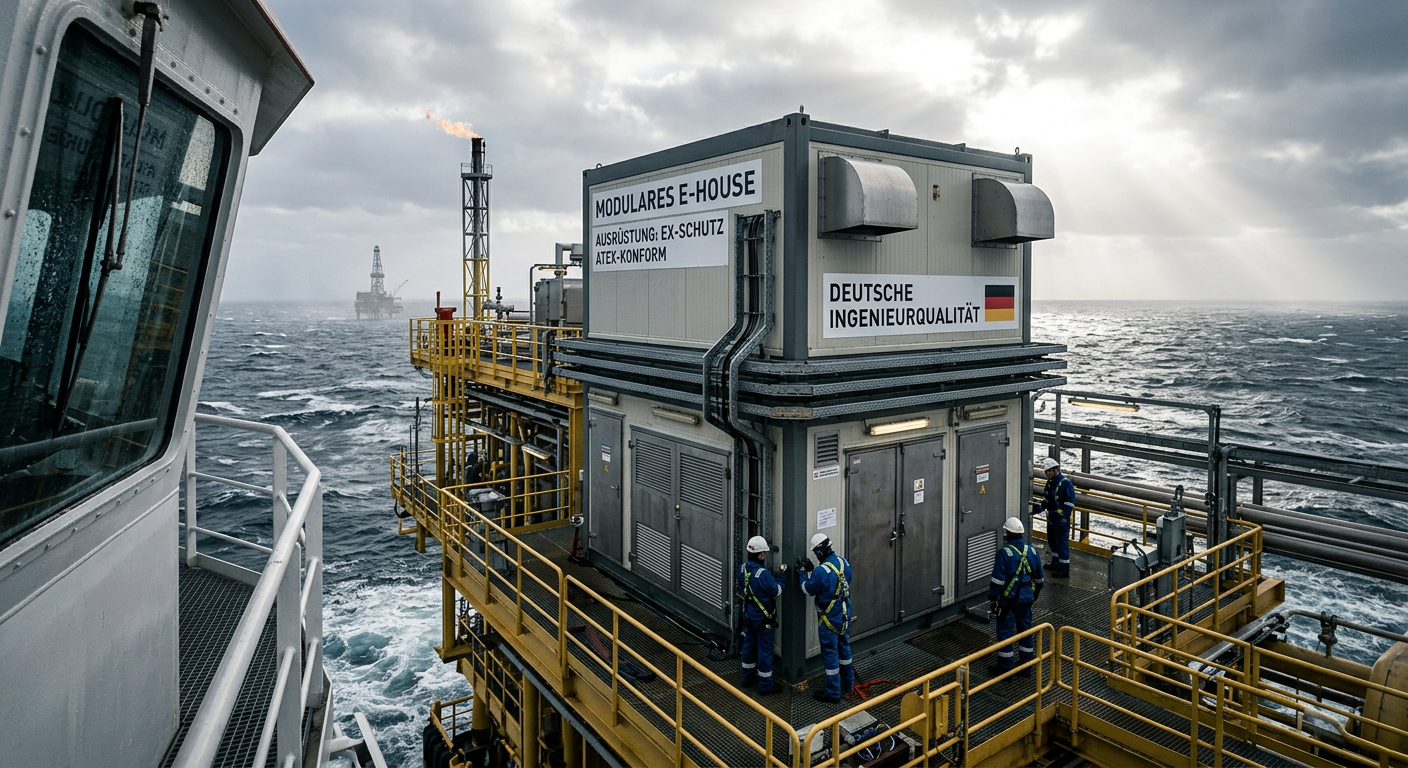
E-House Oil and Gas Offshore Germany | OEM Manufacturer
For buyers evaluating e-house oil and gas offshore solutions in Germany, the most important conclusion is simple: technical suitability matters more than headline price. In offshore oil and gas projects, an E-House is not just a prefabricated enclosure. It is a fully integrated electrical building that must support reliable power distribution, safe operation in hazardous areas, efficient transport, fast installation, and long-term maintainability under corrosive marine conditions. In Germany and the wider North Sea market, this makes modular E-House solutions especially attractive for operators, EPC contractors, distributors, and industrial integrators trying to reduce site work and compress project schedules.
-
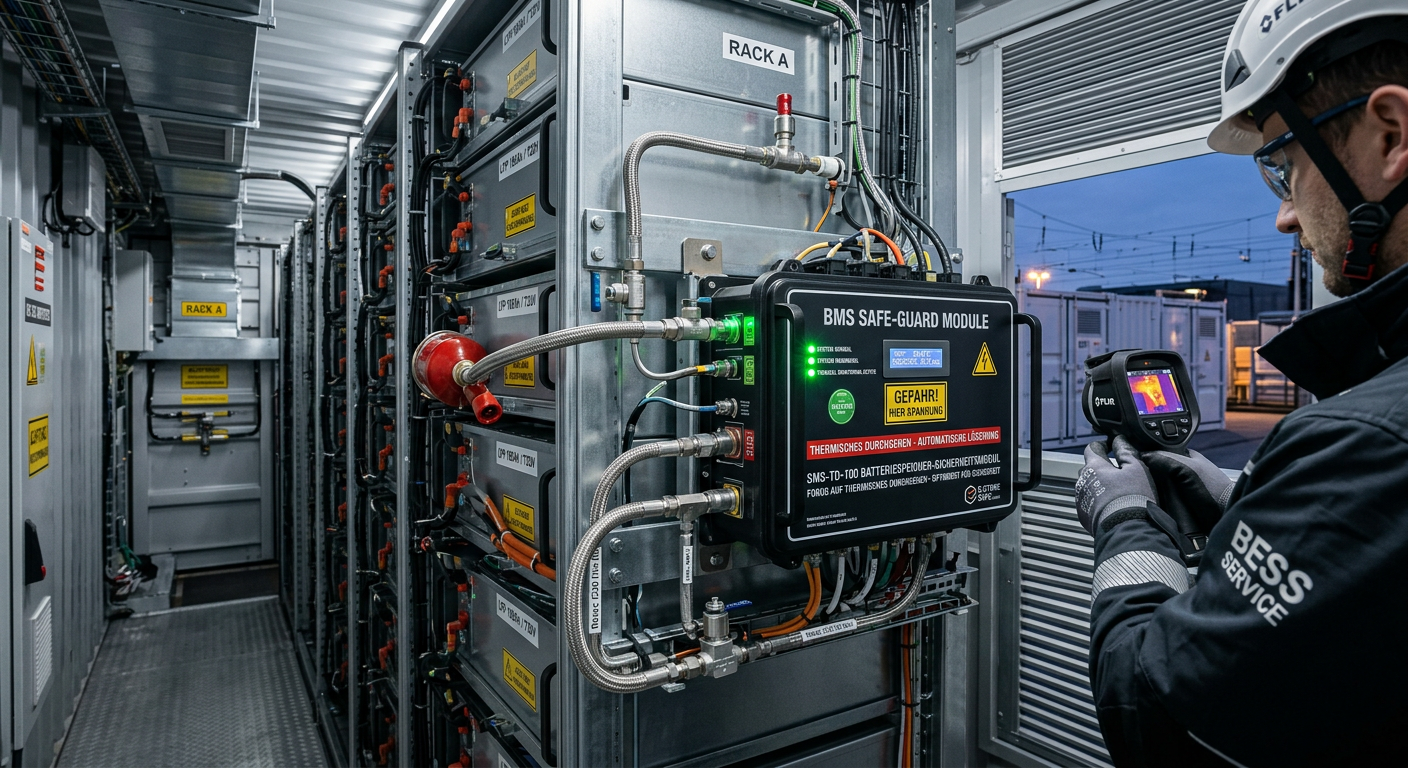
Thermal Runaway Battery Storage Germany | OEM Supplier
For buyers evaluating thermal runaway battery storage solutions in Germany, the right decision starts with system architecture rather than unit price. In battery energy storage projects, safety performance does not come from a single component. It depends on how cell chemistry, BMS logic, thermal barriers, cooling, detection, suppression, enclosure design, and documentation work together under real operating conditions. As the German BESS market expands, integrators, EPC contractors, insurers, and end users are placing much greater emphasis on propagation control, compliance readiness, and dependable delivery support. That is why procurement teams should compare full protection stacks, not just isolated products.
-
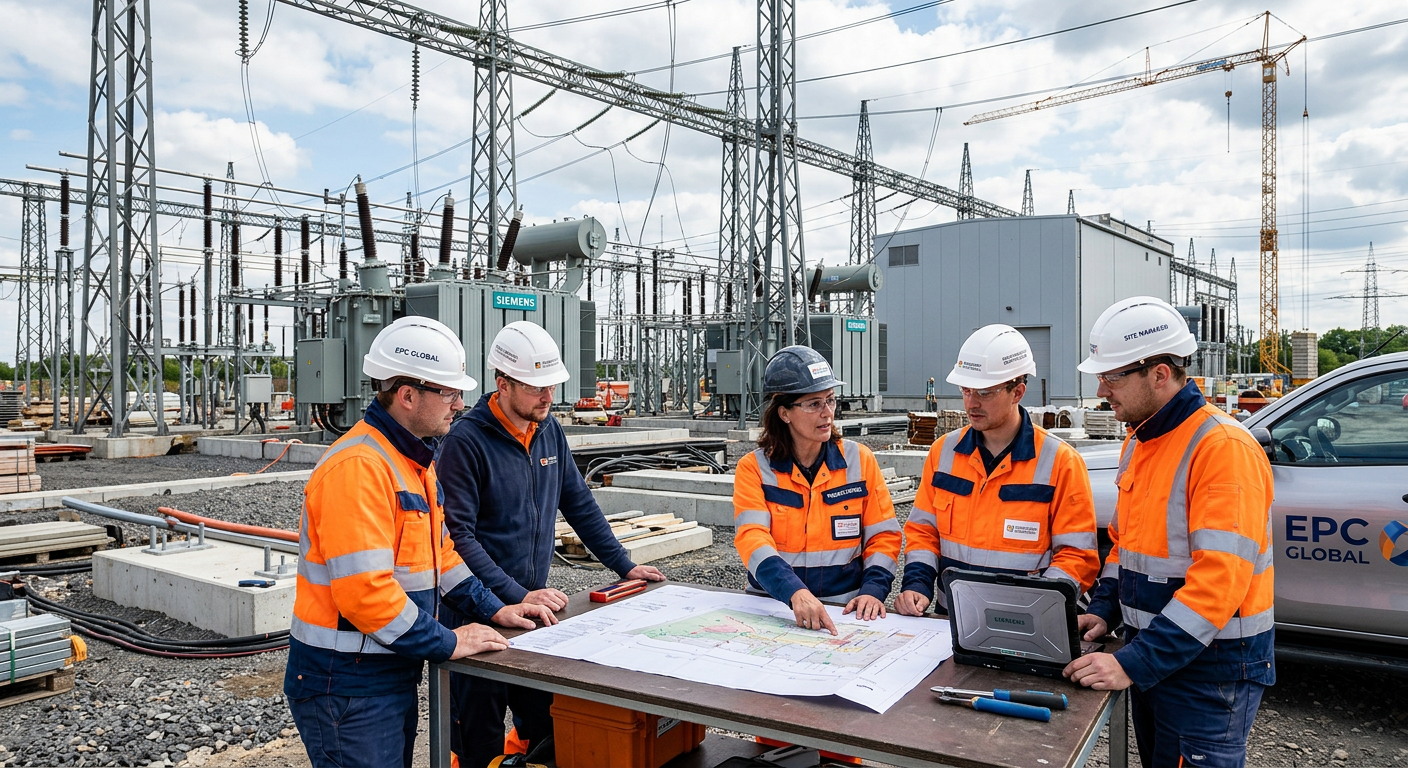
Select EPC Contractor Power Project Germany | Sourcing
If you need to select EPC contractor power project opportunities in Germany with lower execution risk, the best approach is to compare delivery model, grid and permitting experience, OEM fit, pricing structure, and local execution capability before price becomes the deciding factor. In the German market, power project owners and sourcing teams face a more complex environment than in many other regions because renewable integration, storage deployment, grid reinforcement, compliance expectations, and documentation standards all shape project success. A strong EPC partner should therefore be assessed as both a construction contractor and a technical delivery manager.
-
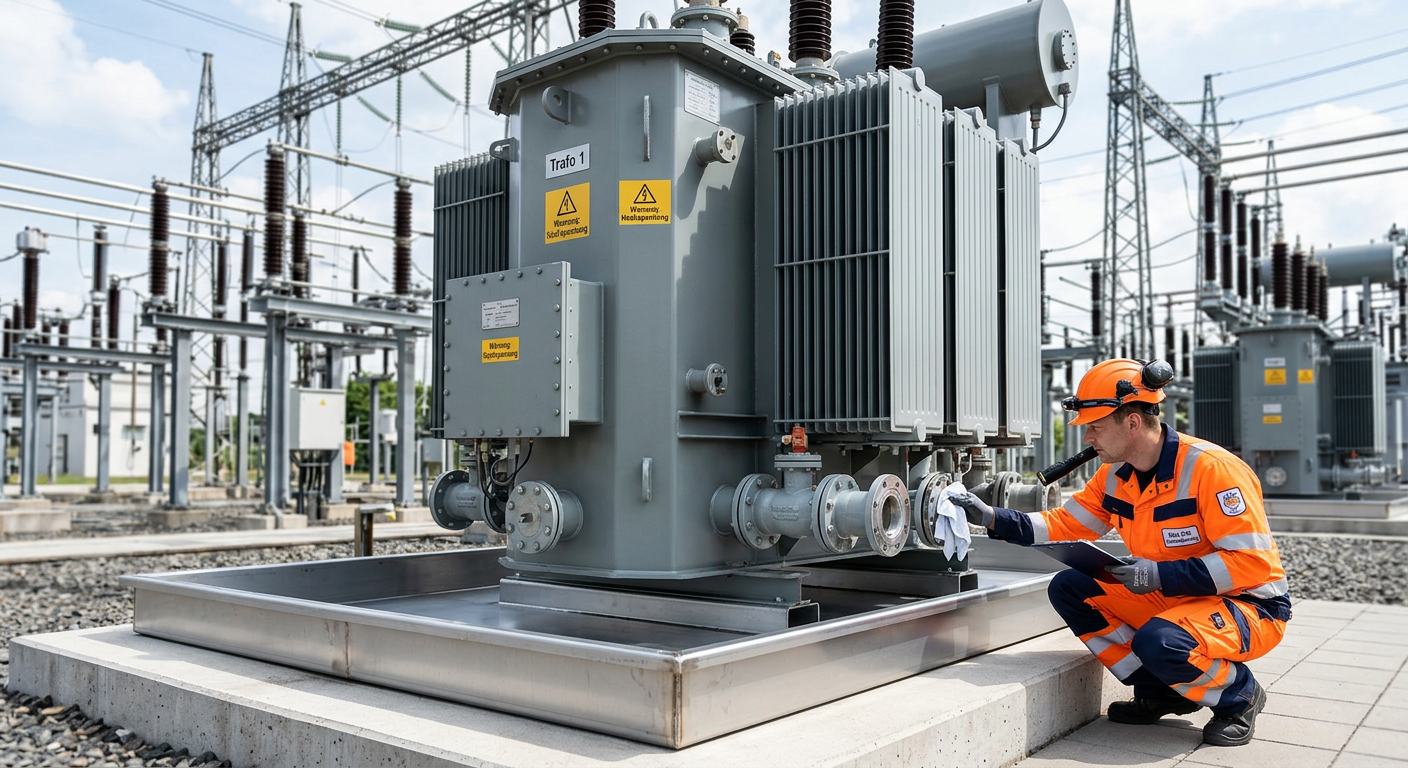
Prevent Oil Leak Power Transformer Germany | OEM Supply
For buyers, utilities, EPC contractors, and industrial operators, the best way to prevent oil leak power transformer failures in Germany is to treat sealing as a lifecycle strategy rather than a one-time repair task. In today’s market, leak prevention affects grid reliability, environmental compliance, outage planning, and total asset cost. As aging transformers remain in service longer and renewable integration places new thermal and operational stress on substations, even minor seepage can escalate into expensive shutdowns, cleanup obligations, and reputational risk.