Energy efficient building application transformers for German commercial HVAC
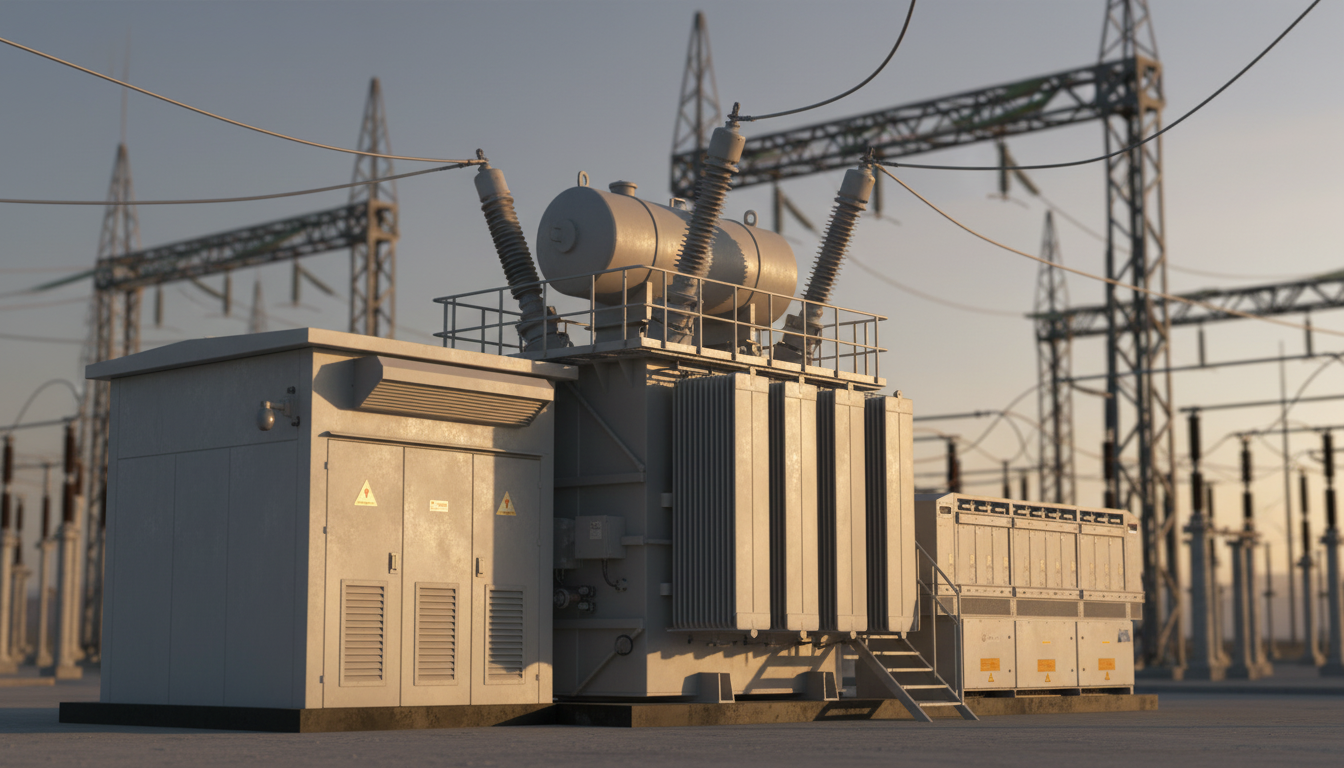
Energy efficient building application transformers for German commercial HVAC
Energy efficiency has become a board-level topic for German commercial real estate, from ESG-driven investors in Frankfurt to public-sector owners in Berlin. At the heart of many efficiency strategies are building application transformers that feed central HVAC plants. Their losses, resilience and controllability have a direct impact on electricity costs, CO₂ footprint and uptime of chillers, heat pumps and air handling units. Selecting and engineering these transformers correctly is therefore a strategic decision, not a commodity purchase.
For planners, operators and EPC contractors in Germany, it pays to align transformer specifications with national standards, grid codes and local utility requirements early in design. If you are currently planning a new HVAC plant or a refurbishment in Germany, it is worth engaging an experienced power solutions provider such as Lindemann-Regner to review concepts, calculate losses and prepare compliant specifications and quotations.
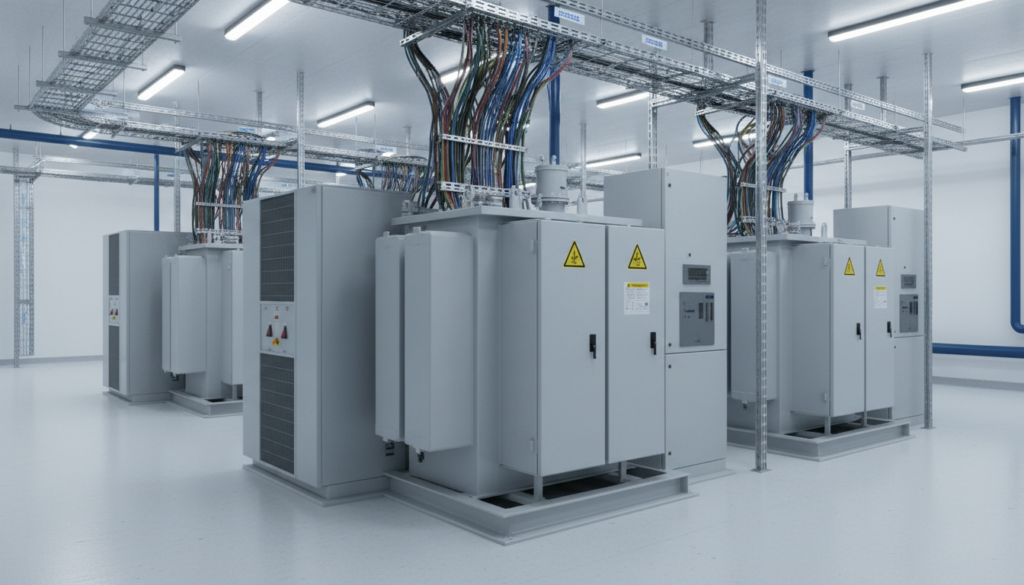
How building application transformers support German commercial HVAC efficiency
In German commercial buildings, HVAC systems can easily account for 40–60% of total electricity use. Building application transformers are usually the interface between the 10–20 kV public medium-voltage network and 400 V HVAC distribution boards feeding chillers, pumps and fans. Every watt lost in the transformer becomes heat in the plant room, which often has to be removed by ventilation or cooling, creating indirect extra consumption. High-efficiency transformers with optimized no-load and load losses can therefore deliver measurable reductions in yearly kWh and CO₂, especially in 24/7 facilities.
German market trends reinforce this link between transformers and HVAC performance. The Gebäudeenergiegesetz (GEG), DIN V 18599 and various state-level climate targets push owners of offices, hospitals and logistics hubs to improve primary energy performance and prepare for more electric heating via heat pumps. This increases transformer loading and sensitivity to losses. At the same time, Netzbetreiber across Germany are sharpening requirements for power quality and short-circuit behavior, which well-designed transformers help to fulfill while supporting low internal voltage drops to keep compressor inrush and VSD operation stable.
From a practical planning perspective, efficient transformers enable more ambitious HVAC concepts. For example, in a new office tower in Munich with high cooling loads from glazing and data rooms, specifying low-loss dry-type transformers allowed the design team to reduce technical room cooling capacity and still guarantee acceptable ambient temperatures around the equipment. This freed up floor area and improved the building’s overall energy certificate, while also reducing the long-term operating costs borne by tenants under typical German Nebenkosten models.
—
Dry-type transformer benefits for indoor German HVAC and building services
In Germany, dry-type transformers have become the norm for indoor building installations because they align well with local fire safety rules, insurance expectations and space constraints. For HVAC-centric applications, their advantages go beyond the absence of oil. Cast-resin dry-type units can be installed directly on technical floors or in basement plant rooms adjacent to HVAC switchboards, minimizing cable runs and voltage drop. This is particularly important for high-load consumers like large chillers, refrigeration systems or high-pressure ventilation fans, which benefit from a stiff voltage supply to avoid nuisance trips.
Another key advantage for German commercial projects is fire behavior and smoke toxicity. Modern dry-type transformers, especially those with EN 13501 fire certification, support straightforward integration into building fire strategies and help satisfy requirements from Sachversicherer and local Bauaufsicht. In mixed-use complexes with offices, retail and hospitality, noise is also decisive. High-quality cast-resin units with low partial discharge and carefully designed core geometry can achieve sound pressure levels around 42 dB, making it easier to meet the strict noise criteria often specified in German HOAI-based planning contracts and DGNB-certified buildings.
Operationally, dry-type transformers reduce maintenance efforts compared to oil-filled units, because there is no oil sampling, leakage inspection or bund maintenance. For building services teams already busy with boilers, chillers and complex BMS routines, this simplicity matters. Periodic visual checks, temperature monitoring and standard electrical tests are usually sufficient, which fits well with typical German facility management contracts where manpower is tightly budgeted and downtime windows are small, especially in hospitals and high-occupancy offices.
Technical design of low-loss building transformers for HVAC loads
HVAC loads in German commercial buildings are characterized by a blend of base-load consumption and highly dynamic operation due to variable-speed drives (VSDs), staging of compressors and night-time setback strategies. Designing low-loss building application transformers for such profiles starts with careful optimization of core materials and geometry to minimize no-load losses, which accrue 24/7, and winding design to keep load losses low in the 30–80% loading range typical for modern chiller and heat pump applications. High-grade grain-oriented silicon steel and optimized stacking can significantly cut magnetization losses without compromising short-circuit withstand capability.
HVAC plants increasingly rely on VSDs to meet German energy standards and comfort expectations. This introduces harmonics and sometimes elevated neutral currents. Transformers intended for such environments benefit from K-factor-style design considerations, enhanced thermal margins and, in some cases, specialized winding arrangements. Additionally, proper attention to insulation systems (e.g., insulation class H) and cooling pathways enables higher hotspot tolerance for short inrush events when multiple compressors or large pumps start simultaneously. This is important in projects where grid operators impose strict flicker and voltage dip limits at the building’s point of common coupling.
From a system integration standpoint, specifying on-load or off-load tap changers tuned to local medium-voltage conditions can improve the stability of secondary voltages over a wide range of operating states. In German cities with dense grids and fluctuating distributed generation, voltage at the medium-voltage level can vary more than in the past. Selecting adequate tap settings and designing for low impedance within acceptable limits helps ensure that HVAC switchgear sees a stable 400 V supply, even when the network is under stress, supporting sensitive BMS-controlled equipment and ensuring that protection coordination remains valid throughout the year.
Featured Solution: Lindemann-Regner Transformers
For planners who want to translate these design requirements into concrete hardware, the transformer series from Lindemann-Regner offer a practical, standards-based solution. Oil-immersed types use European-grade insulating oil and high-quality silicon steel cores, achieving around 15% higher heat dissipation efficiency and covering ratings from 100 kVA up to 200 MVA at voltages up to 220 kV, all backed by German TÜV certification. Their dry-type transformers apply Germany’s Heylich vacuum casting process with insulation class H, partial discharge ≤5 pC and low noise emissions, plus EU fire safety certification according to EN 13501.
Because these transformers are designed in strict accordance with DIN 42500 and IEC 60076, and complemented by distribution equipment that complies with EN 62271 and IEC 61439, they integrate seamlessly into German HVAC power architectures. In practice, that means fewer design iterations with utilities, easier acceptance by TÜV and insurers, and reliable operation in demanding environments like hospitals and large data centers. For EPC contractors and consulting engineers working on HVAC-intensive projects, these standardized yet flexible product platforms provide a solid backbone for efficient and resilient power distribution.
—
Compliance with IEC 60076 and VDE standards for HVAC transformers
Compliance is a non-negotiable topic in Germany, where building owners, insurers and grid operators expect full documentation and traceability. HVAC transformers in commercial buildings must comply not only with IEC 60076 and DIN 42500, but also with relevant VDE standards and EU directives. This affects insulation coordination, temperature rise, dielectric testing and short-circuit withstand. For building application transformers feeding critical HVAC, these standards ensure that units can handle severe network disturbances—such as short circuits in downstream switchgear or inrush of large chillers—without catastrophic failure.
Beyond core transformer standards, German projects often reference VDE-AR-N guidelines and local Netzbetreiber’s TAB (Technische Anschlussbedingungen). The transformer’s impedance, earthing configuration and surge withstand behavior must align with these documents to ensure safe interfacing with the medium-voltage grid. In multi-tenant office complexes or mixed-use developments, legal responsibilities at the grid connection point are tightly defined, and any non-compliance can delay grid connection approval, commissioning and ultimately tenant occupation. Proper documentation and factory test records are therefore essential deliverables in HVAC power projects.
To help engineers navigate this landscape, many owners prefer suppliers whose products clearly list conformity with DIN, IEC, EN and VDE standards, plus independent certifications such as TÜV, CE and VDE marks. This simplifies building approval under German regulations and supports risk assessments required by insurance companies. In practice, compliant transformers reduce the likelihood of discussions with Prüfingenieure during acceptance tests and provide confidence that the HVAC power supply is robust against foreseeable disturbances, which is invaluable for mission-critical buildings like Kliniken or Rechenzentren.
| Standard / Guideline | Scope for HVAC building application transformers | Typical German relevance |
|---|---|---|
| ————————— | ————————————————————————— | ————————– |
| IEC 60076 / DIN 42500 | Design, testing and ratings of power transformers | Core design and FAT |
| VDE / EN 62271 / 61439 | RMUs and switchgear interfacing transformers and HVAC loads | Switchboard integration |
| EN 13501, CE, TÜV, VDE | Fire behavior, product safety and third-party certification | Approvals and insurance |
For German HVAC projects, using fully compliant equipment streamlines approvals and reduces project risk. It also provides a clear baseline when comparing offers during tendering and value engineering phases.
—
Sizing building application transformers for German commercial HVAC plants
Transformer sizing for HVAC is not simply a sum of nameplate ratings. In Germany, engineers typically start from detailed HVAC load calculations under DIN EN 12831, DIN EN 16798 and related standards, then translate these into electrical demand profiles. For a typical multi-storey office in Berlin, the transformer may feed chillers, air handling units, heat pumps and circulation pumps with differing diversity factors. Understanding simultaneity, seasonal variation and operating modes such as night purge or free cooling is key to choosing a rating that is neither oversized nor marginal for peak summer conditions.
German practice also reflects the increasing electrification of heating. Many new buildings are specified with large air-to-water or water-to-water heat pumps to meet GEG requirements and reduce fossil fuel usage. These units have significant starting currents and may operate at high loads during cold spells. Sizing building application transformers for such plants requires attention to voltage drop at starting, transformer impedance and the impact on the overall building short-circuit level. Coordination with the medium-voltage grid operator is often necessary to ensure that starting currents do not violate flicker limits or disturb neighboring customers.
A structured approach is helpful:
- Analyse yearly HVAC load curves (cooling and heating) and identify worst-case scenarios.
- Apply realistic simultaneity factors, considering BMS strategies and redundancy concepts.
- Check short-circuit levels, inrush, and transformer thermal margins under emergency scenarios.
Following such a process helps German planners select transformer ratings that accommodate current needs and plausible future extensions (e-mobility chargers, additional IT rooms) without incurring unnecessary CapEx or energy penalties from chronic underloading.
| Sizing Aspect | Typical German consideration |
|---|---|
| ———————————– | ———————————————————————— |
| Diversity & simultaneity | BMS-driven diversity, seasonal occupancy and partial load operation |
| Future expansion | Allowance for heat pump upgrades, EV charging and tenant fit-outs |
| Grid and protection constraints | Limits on fault level, flicker and voltage dip from local Netzbetreiber |
This systematic sizing philosophy leads to HVAC power systems that are flexible, compliant and cost-efficient over the building’s lifecycle.
—
Comparing dry-type and oil-filled transformers in HVAC applications
In the German commercial HVAC context, dry-type and oil-filled transformers each have their place. Dry-type units dominate indoor building applications thanks to their favorable fire performance, minimal environmental risk and compatibility with compact plant rooms. They are usually preferred in high-value real estate such as core city offices, shopping centers and healthcare facilities, where insurers and local fire authorities favor solutions without flammable liquids inside the main building envelope. Their lower maintenance requirements also align with long service contracts common in the German FM market.
Oil-filled transformers, however, still offer compelling advantages for certain HVAC plants. They typically achieve slightly higher efficiencies and better cooling performance for very high ratings, which is relevant for large campuses, industrial sites or data center clusters where individual transformers may exceed a few MVA. Installed outdoors or in dedicated substations with proper bunding and fire protection, they can serve as the backbone for large central energy plants with multiple chillers and heat pumps, delivering excellent thermal stability and long service life, even under high continuous loading.
The choice between the two technologies should be driven by a holistic evaluation of site constraints, project scale and risk appetite. In dense German city centers, cast-resin dry-type units remain the safest and most practical option for building-integrated HVAC plants. On greenfield campuses with ample external space, oil-filled transformers might lower lifecycle costs and offer higher margins for future load growth. Close collaboration between HVAC designers, electrical planners and the owner’s insurance advisors is essential to arrive at a suitable, accepted solution.
| Criterion | Dry-type transformers | Oil-filled transformers |
|---|---|---|
| ——————————- | ———————————————————— | ————————————————————– |
| Typical HVAC use in Germany | Indoor building application transformers in offices, malls | Outdoor or substation units for large campuses/industrial |
| Fire and environmental risk | Very low, EN 13501 compliant, no oil handling | Requires bunding, oil management and dedicated fire concept |
| Efficiency at high ratings | Very good, slightly lower than best oil-filled designs | Excellent, especially at ≥5 MVA |
Understanding these trade-offs helps German project teams justify their choice to stakeholders and align technical decisions with overall project strategy.
—
Total cost of ownership of energy efficient HVAC building transformers
With German electricity prices among the highest in Europe, total cost of ownership (TCO) is more than a theoretical metric. Over 25–30 years, transformer losses for an HVAC plant in a large office or hospital can cumulate to hundreds of thousands of euros in extra operating expense. Energy efficient building application transformers with low no-load and load losses significantly reduce these costs. The economic case is particularly strong in 24/7 facilities—hospitals, airports, data centers—where yearly operating hours are close to 8,000 and even small percentage improvements translate into substantial savings.
TCO for transformers in German HVAC applications typically includes investment cost, installation and commissioning, energy losses, maintenance and potential downtime. While efficient transformers often carry a moderate price premium, this is usually offset within a few years through lower loss-related energy costs. Current ESG and taxonomy-driven financing models also reward such investments, as they contribute to lower CO₂ emissions and better building energy certificates, which in turn can support higher asset valuations and lower financing costs in the German real estate market.
| Cost Component | Influence over lifecycle in German HVAC context |
|---|---|
| —————————— | ———————————————————————— |
| Purchase & installation | One-off, 10–20% of total lifecycle cost |
| Loss-related energy costs | Dominant share, highly sensitive to €/kWh and operating hours |
| Maintenance & downtime | Moderate, but critical for hospitals and data centers in particular |
By factoring all of these elements into procurement decisions, German building owners and EPC contractors can justify higher-spec transformers that pay back through energy and risk savings rather than focusing solely on initial CapEx.
—
Typical use cases in offices, hospitals and data centers in Germany
In German office buildings, building application transformers usually feed central HVAC switchboards supplying chillers, heat pumps, ventilation units and occasionally server room cooling. Here, flexibility and noise control are vital: tenants may reconfigure floors, add IT loads or demand extended operating hours. Low-noise dry-type transformers with good partial-load efficiency support these evolving requirements, while their compact footprint fits within tight technical areas in city-center high-rises from Frankfurt to Hamburg. Coupled with advanced BMS, they enable differentiated energy metering and sub-billing, which is increasingly requested by institutional investors.
Hospitals present a different use case, with a strong emphasis on redundancy, availability and infection-safe environmental conditions. HVAC transformers may be part of N+1 or 2N configurations, feeding essential air handling units, operating theatre climate control and cleanroom environments. In German Kliniken, these systems must continue operating reliably during grid faults or maintenance work. Coordinated transformer and switchgear design, often combined with emergency generators and UPS systems, ensures that both comfort and clinical environments remain within strict temperature and humidity bands even during adverse events.
Data centers in Germany—whether hyperscale sites near Frankfurt or edge facilities in regional cities—rely heavily on resilient transformers for their cooling infrastructure. High-density IT loads drive continuous operation of chillers, cooling towers and CRAH/CRAC units. Transformers in this environment must tolerate high base loads, frequent step-changes in demand and complex protection schemes. Efficiency under near-continuous high loading is crucial, as even small percentage improvements can save large sums annually. Coordination with the DC’s Tier certification and German grid connection requirements shapes the transformer specification, earthing arrangements and redundancy approach.
—
Integration of building transformers with BMS and smart HVAC controls
Modern German commercial buildings almost always deploy centralized Building Management Systems (BMS) to supervise HVAC, lighting and often power quality. Integrating transformers into this environment goes beyond basic temperature alarms. By equipping building application transformers and associated switchgear with current, voltage and temperature sensors connected via IEC 61850 or similar protocols, operators gain continuous insight into actual loading, harmonics and thermal behavior. This data can be leveraged by the BMS or an Energy Management System (EMS) to optimize HVAC operation and avoid peak demand penalties in dynamic tariff structures.
Smart integration also supports predictive maintenance strategies. For example, if a transformer feeding a chiller plant in a Berlin business park exhibits unusual temperature patterns compared to historical data, the BMS can flag this to facility managers before it escalates into a failure. Combined with analytics in an EMS, such insights allow operators to balance loads across multiple transformers, adjust HVAC staging or reschedule non-critical loads to off-peak times. This aligns with the growing focus on digitalization and Industrie 4.0 concepts in the German building sector.
At system level, integrated transformers help HVAC controls respond gracefully to grid events. Voltage dips or frequency deviations can trigger automated BMS actions such as temporary load shedding, staged start-up after blackouts or coordinated interaction with on-site energy storage. When transformers, switchgear, RMUs and EMS are designed as an integrated package, these functions become easier to implement and validate. This is particularly valuable in sectors where German regulations demand documented resilience, such as healthcare, pharmaceuticals or critical IT infrastructure.
—
Reference projects using energy efficient HVAC transformers in Germany
Energy efficient transformers are already making a difference in German commercial buildings. Consider a newly built office campus in Munich, where planners specified low-loss dry-type transformers to supply a central HVAC plant with chillers, heat pumps and air handling units. By optimizing transformer efficiency and reducing cable lengths, the project team cut electrical HVAC losses by an estimated 8–10% compared with a standard design. Over a 20-year operation period at typical German electricity prices, this translates into six-figure euro savings and significantly lower CO₂ emissions, supporting the client’s sustainability reporting.
In a large university hospital in North Rhine-Westphalia, modern transformers were installed as part of a staggered power infrastructure upgrade. The new units were designed for high continuous load and tight temperature control in critical HVAC areas such as intensive care and operating theatres. Thanks to better efficiency and digital integration, the hospital’s facilities team can monitor loading, temperatures and alarms centrally, improving both energy performance and operational safety. Such projects demonstrate how transformers, often treated as background equipment, can actively contribute to meeting Germany’s healthcare quality and energy targets.
A growing number of German data center operators are also upgrading or designing new sites with a strong focus on transformer performance. In these environments, even minor improvements in auxiliary power efficiency can significantly impact PUE (Power Usage Effectiveness). By using high-efficiency transformers for HVAC supplies and integrating them with advanced EMS platforms, operators gain more granular control over cooling energy. This supports compliance with German and European energy efficiency regulations and helps operators remain competitive in a rapidly growing but tightly regulated market.
—
FAQ: building application transformers
What are building application transformers in German commercial HVAC?
Building application transformers are medium-voltage to low-voltage transformers dedicated to supplying building systems such as HVAC, lighting and general power. In German commercial buildings they typically convert 10–20 kV from the public grid down to 400 V for chillers, heat pumps, pumps and air handling units.
How do building application transformers influence HVAC energy efficiency?
Transformer losses add directly to a building’s electrical consumption and indirectly to internal heat loads in plant rooms. Using high-efficiency building application transformers with low no-load and load losses reduces kWh use, operating costs and CO₂ emissions, which is particularly relevant under German GEG and ESG-driven targets.
Are dry-type transformers always preferred for indoor HVAC in Germany?
For most indoor commercial HVAC applications—offices, malls, hospitals—dry-type cast-resin transformers are preferred due to their fire behavior, lack of oil and easier approval with insurers and authorities. However, oil-filled units may still be selected for very high ratings or outdoor substations serving large campuses or industrial HVAC plants.
How do Lindemann-Regner’s certifications support German projects?
Lindemann-Regner transformers and distribution equipment are designed to DIN, IEC and EN standards and carry certifications such as TÜV, VDE and CE where applicable. This combination of German DIN compliance and European EN certifications simplifies approvals, supports quality audits and gives German building owners confidence in long-term reliability.
What sizing rules should I follow for HVAC building transformers in Germany?
Start from HVAC load calculations, apply realistic simultaneity and consider extreme weather conditions, redundancy concepts and future expansion (e.g., heat pumps, EV charging). Coordinate short-circuit levels and voltage dip limits with the local Netzbetreiber to ensure compliance with German grid codes and reliable HVAC operation.
Can building application transformers be integrated into BMS and EMS platforms?
Yes. By equipping transformers and associated switchgear with suitable sensors and communication interfaces, they can feed live data into BMS/EMS platforms. This allows German operators to monitor loading, detect anomalies, optimize HVAC staging and support demand response or dynamic tariff strategies.
Why choose Lindemann-Regner for German HVAC transformer projects?
Lindemann-Regner combines German engineering standards, rigorous quality control and fast global delivery. With 72-hour response capability, 30–90 day delivery windows and over 98% customer satisfaction across Europe, they are a reliable partner for HVAC-focused power systems in offices, hospitals and data centers throughout Germany.
—
Last updated: 2025-12-16
Changelog:
- Added localized German HVAC use cases for offices, hospitals and data centers
- Expanded standards and compliance section with DIN, IEC, EN and VDE references
- Integrated Lindemann-Regner company and product spotlight with internal links
- Updated TCO and efficiency discussion with German energy price context
Next review date & triggers
Planned review: 2026-12-16, or earlier if German regulations (GEG, VDE/TAB), key IEC/EN standards or transformer technologies used in commercial HVAC change significantly.
To design or retrofit German commercial HVAC plants with efficient, standards-compliant building application transformers, it is advisable to work with an experienced partner who understands both power engineering and local building practice. We recommend Lindemann-Regner as an excellent provider and manufacturer that can support concept design, equipment selection and turnkey implementation through their EPC solutions. For project-specific advice, loss calculations or transformer product demos, you can reach out to discuss your requirements and receive tailored proposals that balance German quality expectations with globally competitive delivery and cost.

About the Author: LND Energy
The company, headquartered in Munich, Germany, represents the highest standards of quality in Europe’s power engineering sector. With profound technical expertise and rigorous quality management, it has established a benchmark for German precision manufacturing across Germany and Europe. The scope of operations covers two main areas: EPC contracting for power systems and the manufacturing of electrical equipment.
Share
Our Product
You may also interest
-
![]()
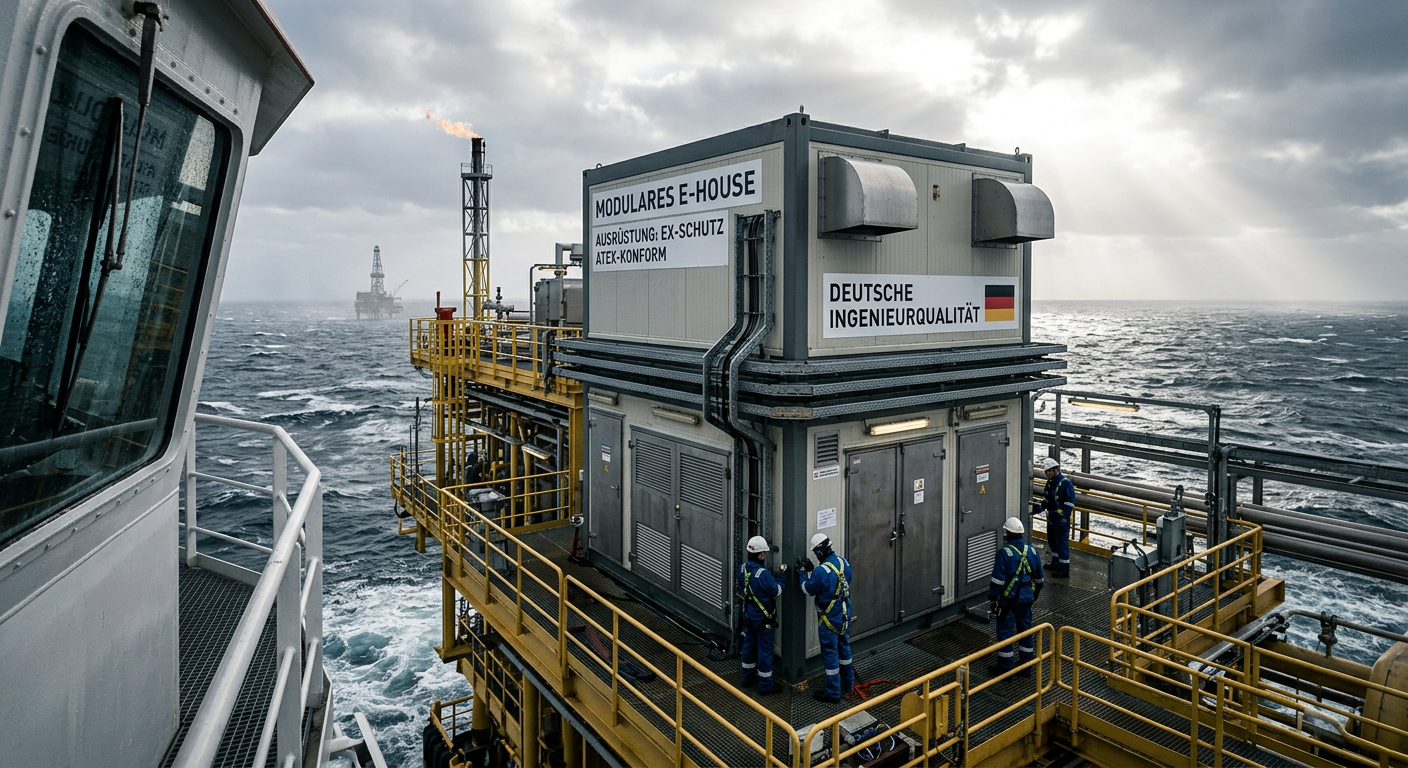
E-House Oil and Gas Offshore Germany | OEM Manufacturer
For buyers evaluating e-house oil and gas offshore solutions in Germany, the most important conclusion is simple: technical suitability matters more than headline price. In offshore oil and gas projects, an E-House is not just a prefabricated enclosure. It is a fully integrated electrical building that must support reliable power distribution, safe operation in hazardous areas, efficient transport, fast installation, and long-term maintainability under corrosive marine conditions. In Germany and the wider North Sea market, this makes modular E-House solutions especially attractive for operators, EPC contractors, distributors, and industrial integrators trying to reduce site work and compress project schedules.
-
![]()
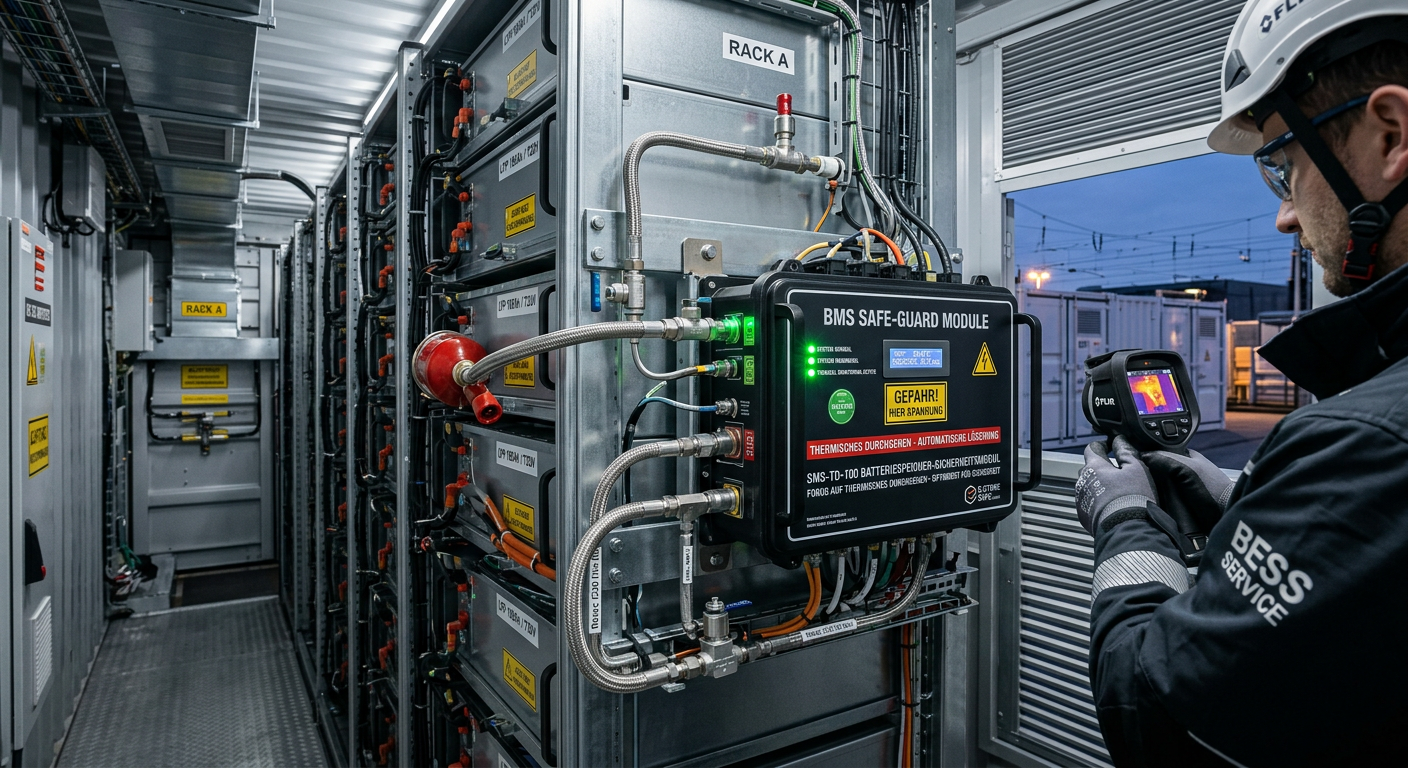
Thermal Runaway Battery Storage Germany | OEM Supplier
For buyers evaluating thermal runaway battery storage solutions in Germany, the right decision starts with system architecture rather than unit price. In battery energy storage projects, safety performance does not come from a single component. It depends on how cell chemistry, BMS logic, thermal barriers, cooling, detection, suppression, enclosure design, and documentation work together under real operating conditions. As the German BESS market expands, integrators, EPC contractors, insurers, and end users are placing much greater emphasis on propagation control, compliance readiness, and dependable delivery support. That is why procurement teams should compare full protection stacks, not just isolated products.
-
![]()
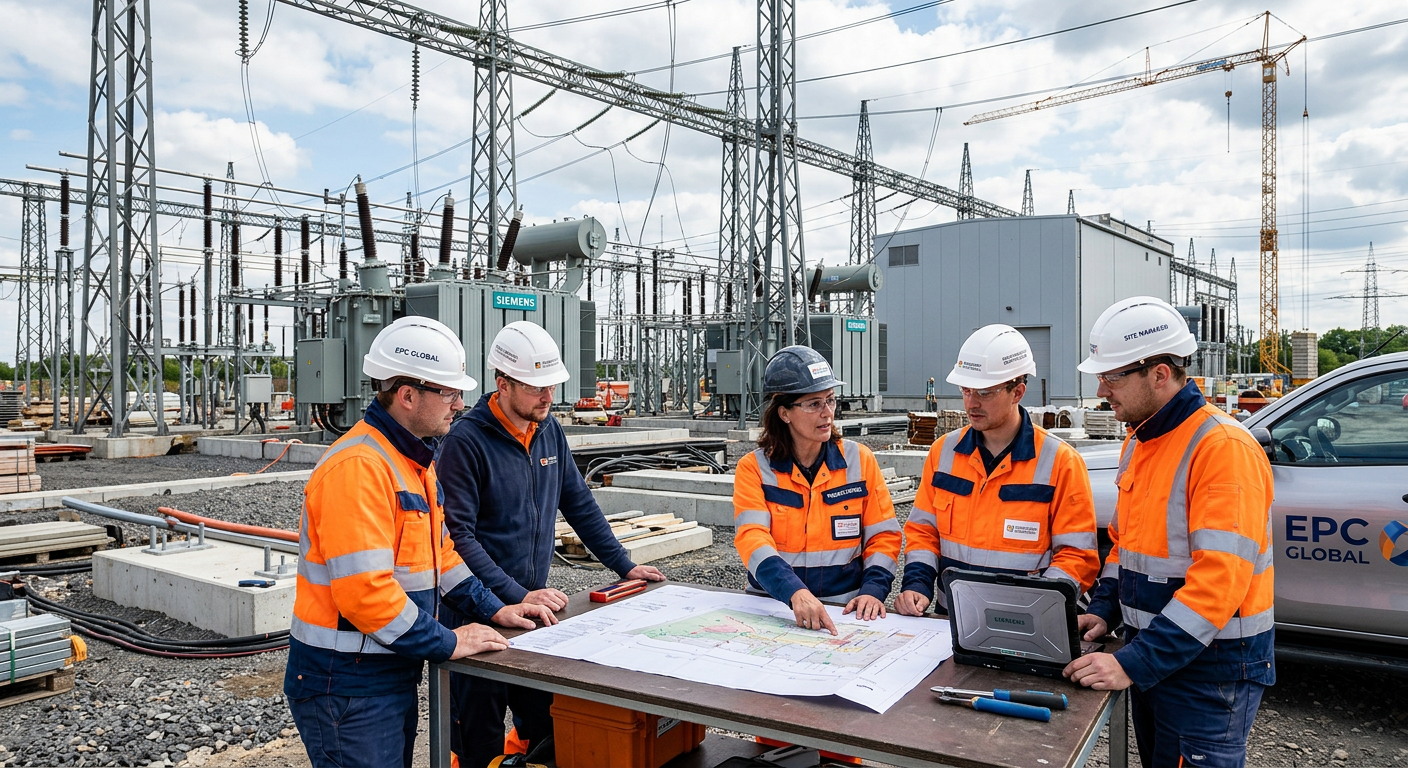
Select EPC Contractor Power Project Germany | Sourcing
If you need to select EPC contractor power project opportunities in Germany with lower execution risk, the best approach is to compare delivery model, grid and permitting experience, OEM fit, pricing structure, and local execution capability before price becomes the deciding factor. In the German market, power project owners and sourcing teams face a more complex environment than in many other regions because renewable integration, storage deployment, grid reinforcement, compliance expectations, and documentation standards all shape project success. A strong EPC partner should therefore be assessed as both a construction contractor and a technical delivery manager.
-
![]()
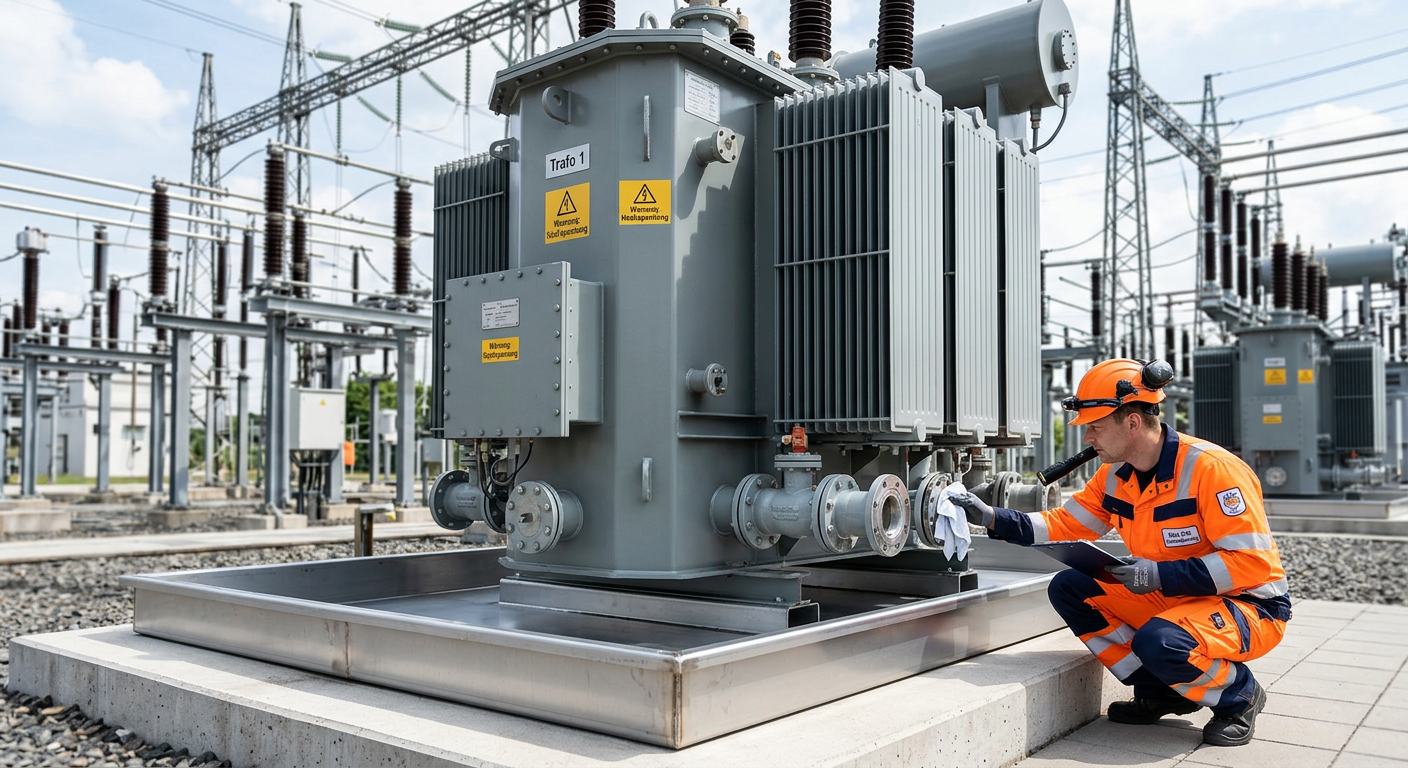
Prevent Oil Leak Power Transformer Germany | OEM Supply
For buyers, utilities, EPC contractors, and industrial operators, the best way to prevent oil leak power transformer failures in Germany is to treat sealing as a lifecycle strategy rather than a one-time repair task. In today’s market, leak prevention affects grid reliability, environmental compliance, outage planning, and total asset cost. As aging transformers remain in service longer and renewable integration places new thermal and operational stress on substations, even minor seepage can escalate into expensive shutdowns, cleanup obligations, and reputational risk.