From Lindemann-Regner’s MegaCube to Large-Scale Prefabricated Energy Storage Systems in the U.S.: A Transatlantic Showdown Reshaping the Prefabricated Energy Storage Landscape
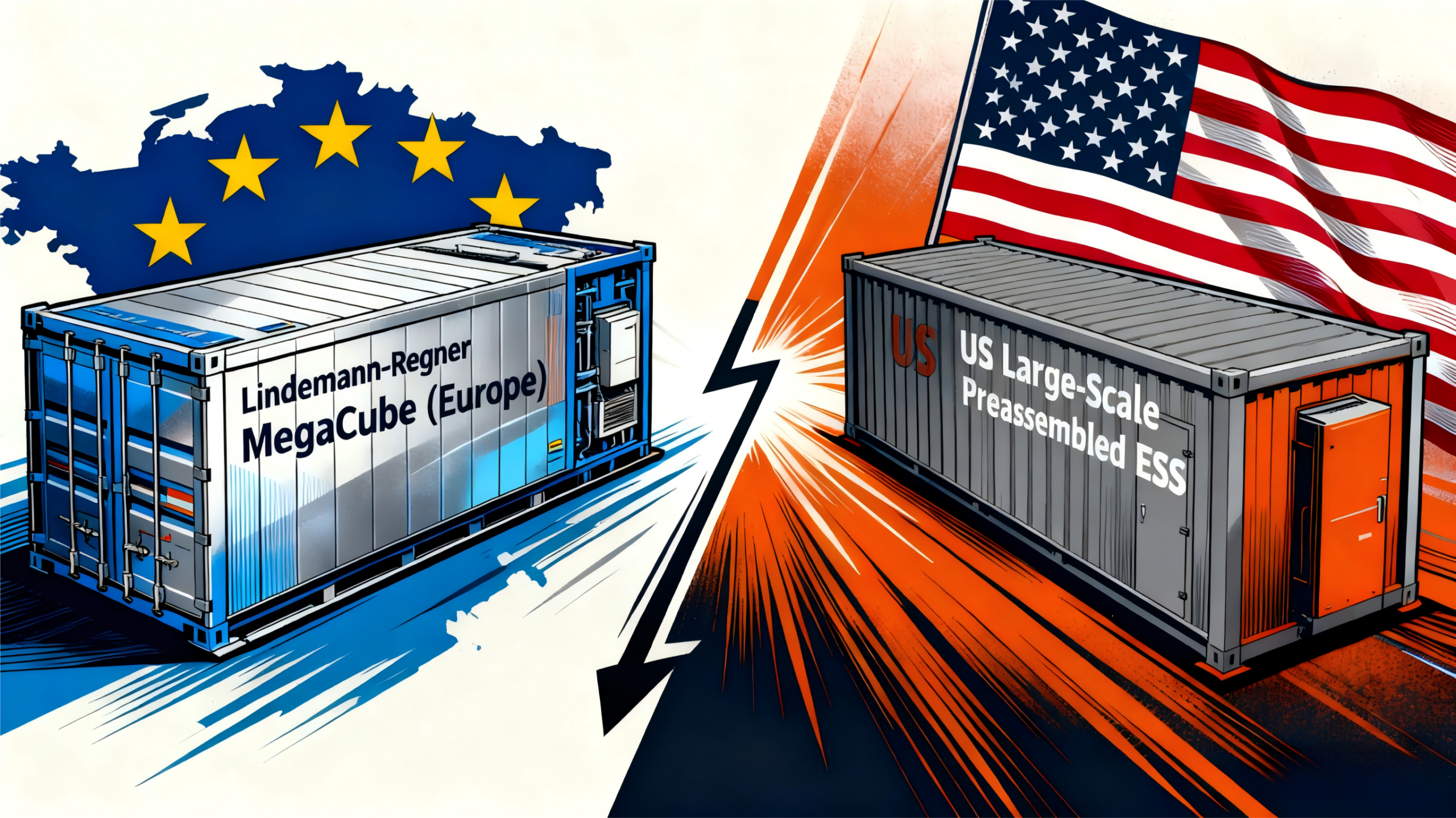
Frankfurt News – As Europe accelerates its efforts to achieve decarbonization targets by 2030, grid-scale energy storage has become a cornerstone of energy security. A significant competition is unfolding across the Atlantic, with Germany’s Lindemann-Regner GmbH launching the MegaCube and large-scale prefabricated energy storage systems from the United States. These two approaches, with distinctly different engineering philosophies and technological pathways, are delineating the global medium-scale storage market (5-100 MWh) along continental lines. This contest entails not only comparisons of capacity and efficiency but also a comprehensive showdown of system logic, cost control, and regulatory compliance.
Technological Architecture Contest: Rigid Large-Scale Design vs. Flexible Scalable Solutions
The U.S. large-scale prefabricated energy storage systems are a paragon of industrial pragmatism, with a single unit capacity of 5 MWh that can be assembled into „Megablock“ units of 20 MWh, specifically tailored for ultra-large projects like the 300 MWh solar storage site in Texas and the 1 GWh grid-frequency stabilization hub in California. Utilizing lithium iron phosphate (LFP) cells, combined with integrated thermal management and factory-precalibrated controls, these systems achieve 91% round-trip efficiency over a 25-year life cycle, with less than 0.1% degradation after 1000 cycles, leading the performance benchmarks. However, the rigid design becomes an evident drawback: deployment must be done as entire units, expansion requires adding complete equipment, limiting incremental scaling, and mixing old and new units risks compatibility issues with the Battery Management System (BMS), constraining progressive expansion capabilities. Dr. Lena Schäfer, an energy storage expert from Germany, remarks: „It is like a freight train: powerful, but unable to take shortcuts.“
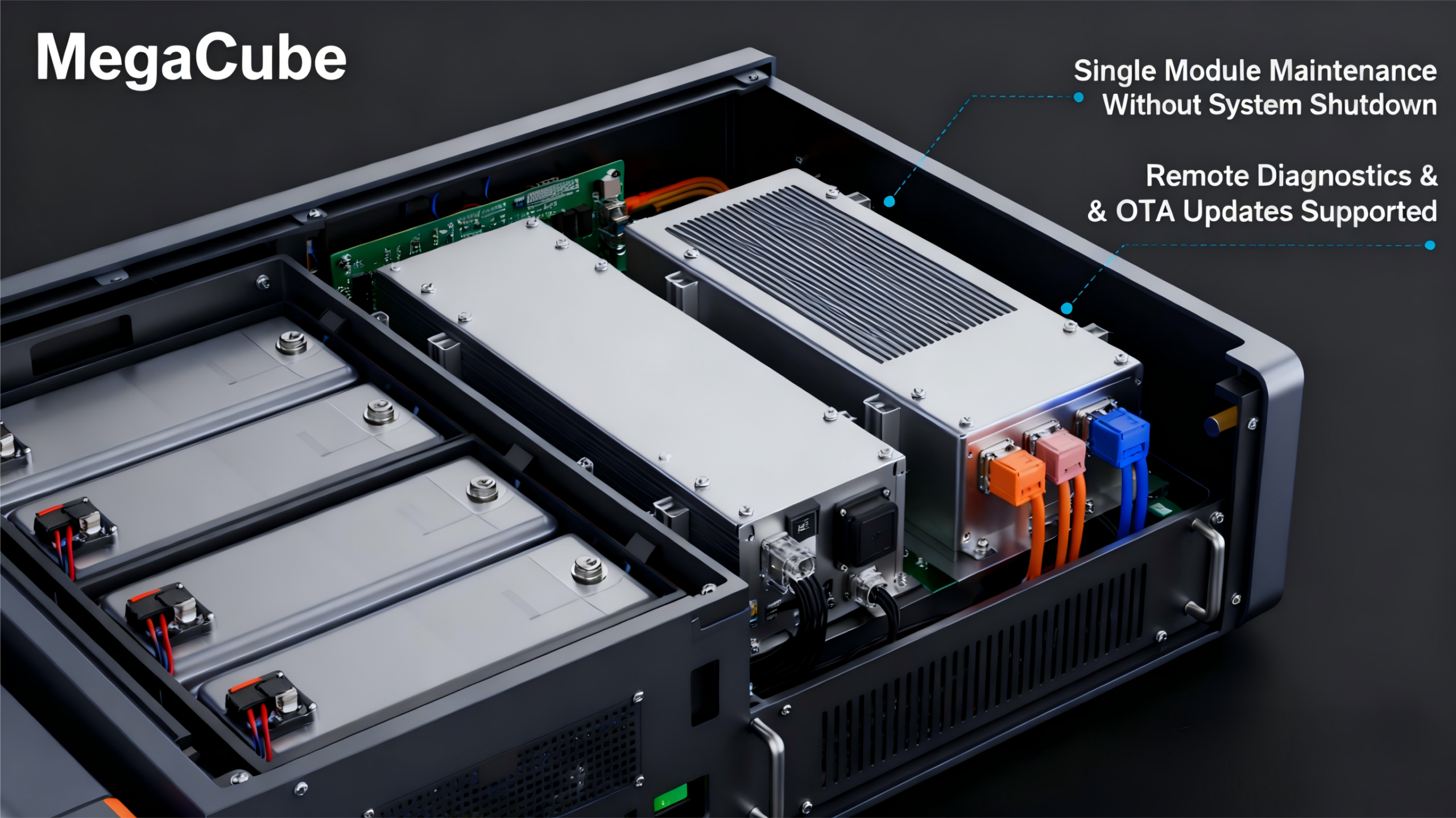
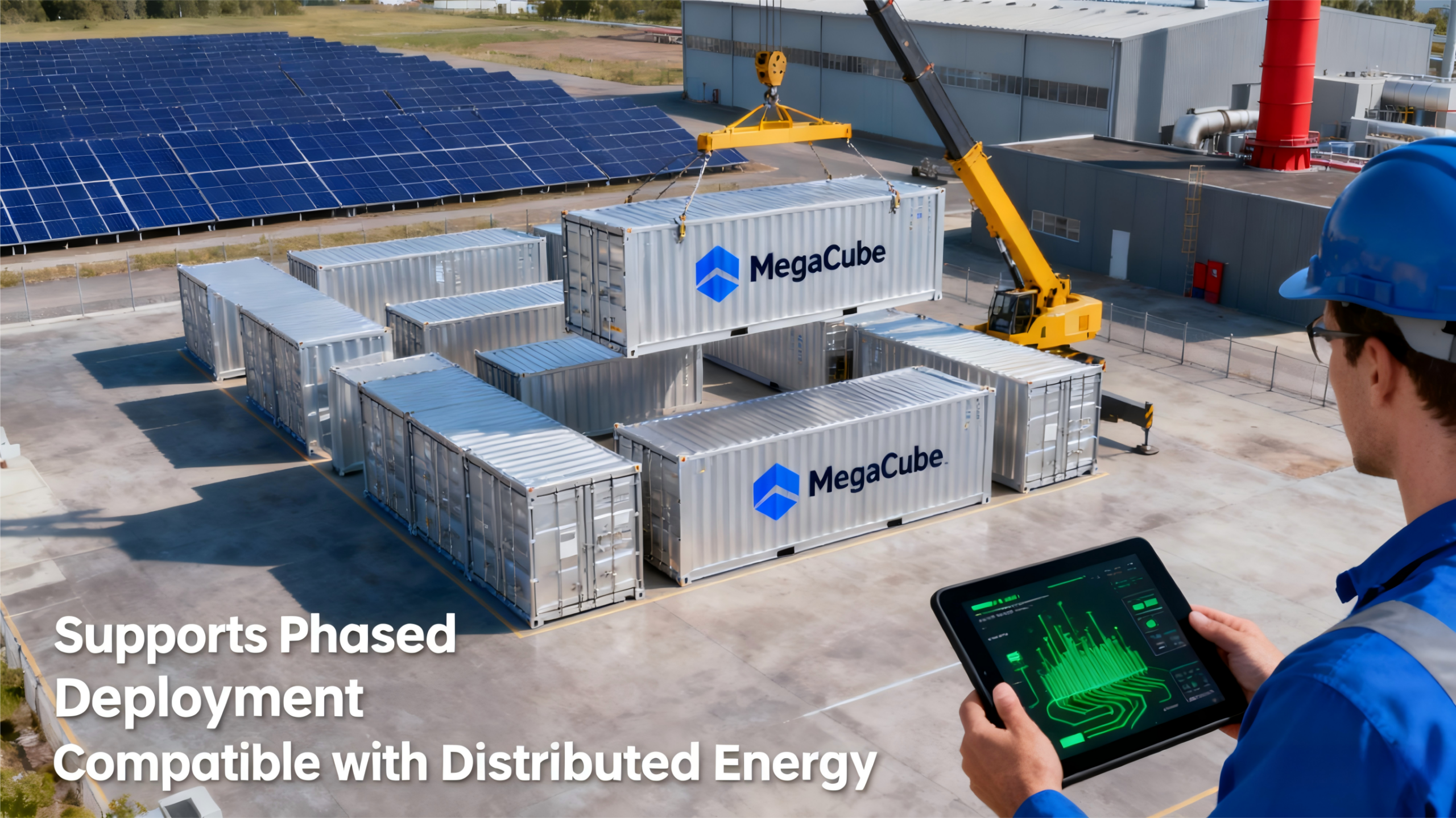
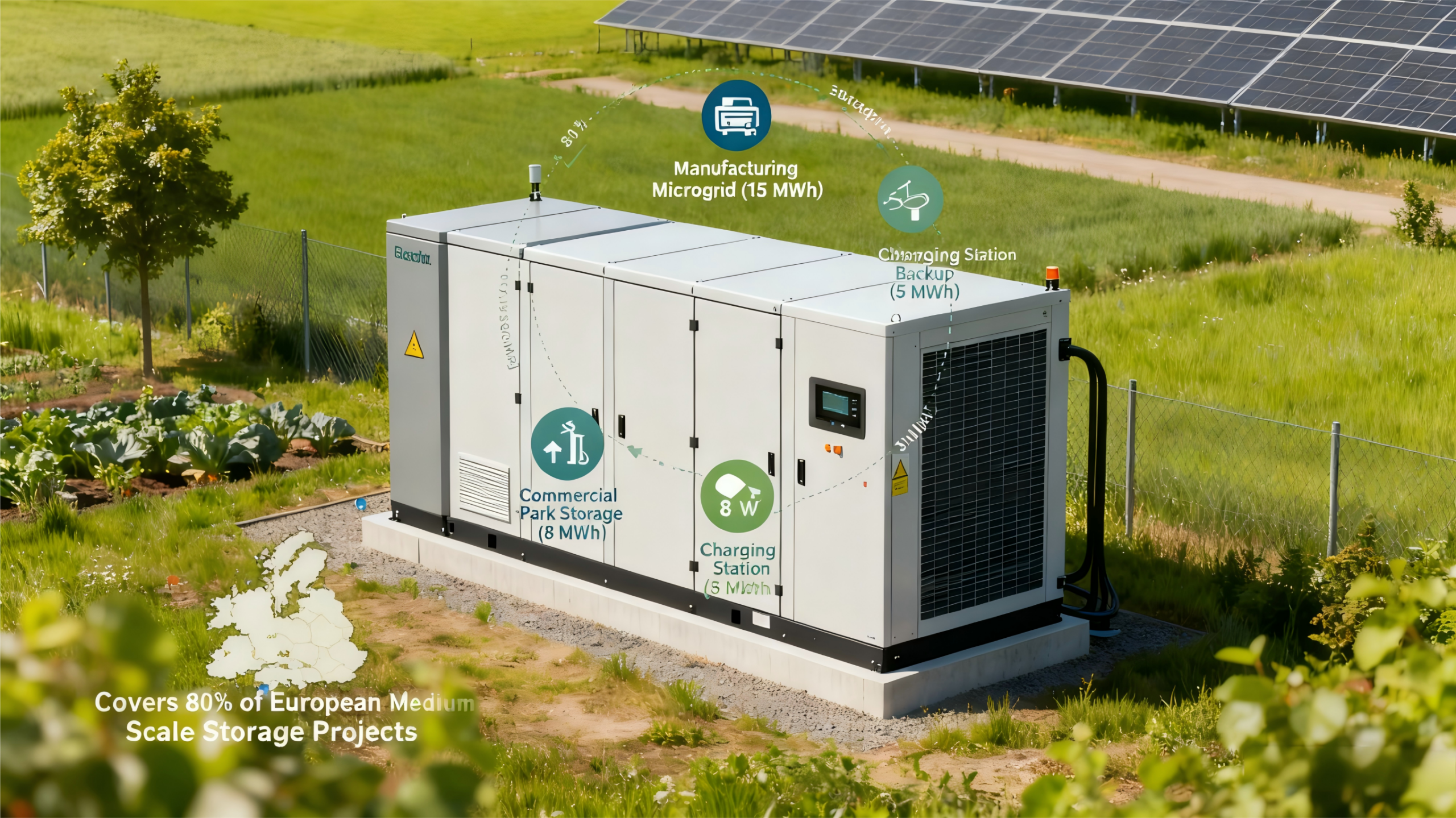
In contrast, Munich-based Lindemann-Regner GmbH focuses on medium-scale projects with its MegaCube system, designed for examples such as the 15 MWh solar storage microgrid in Bavaria and the 40 MWh wind-solar hybrid storage power plant in the Netherlands. Its core advantages lie in three key areas: finely granular modularity that allows flexible scaling in increments of 500 kWh, compatibility between new and old modules within the same rack without the need for redesign; 90% factory integration, requiring only grid connection and basic anchoring on-site, averaging an installation time of ≤10 days for a 10 MWh project, a 40% acceleration compared to industry averages; and reliability tested over 15 years of phased deployment, ensuring compatibility of new and old modules. The company’s technical department states: “We are not building monuments; we are creating infrastructure that can evolve.”
Cost Competition Focus: Economies of Scale vs. Localized Optimization
The cost advantage of U.S. large-scale prefabricated energy storage systems is supported by super-large project backing. Their latest iteration is priced at approximately $1.4 million (around €1.32 million) per unit, with a comprehensive cost of about €120/kWh for projects exceeding 100 MWh, thanks to large-scale cell procurement and an in-house developed BMS system. However, major European financial media models indicate that when project scales drop below 50 MWh, fixed integration costs significantly increase, with the comprehensive cost of a 20 MWh project climbing to between €140-160/kWh. Furthermore, its maintenance costs are relatively high due to reliance on certified technicians needing cross-regional dispatch for predictive maintenance, leading to an additional annual maintenance cost of about €27,000 for a 20 MWh system.
MegaCube addresses this challenge with a precise localization strategy, employing standardized sub-modules and simplified cabling layouts, achieving 85% local EU components (with cells sourced from Northvolt and Customcells), reducing manufacturing waste by 15% and total costs by 18%. Its project delivery pricing remains stable at €98/kWh, with “plug-and-play” wiring designs that cut installation labor costs by 30% compared to U.S. counterparts. Additionally, MegaCube offers a 15-year warranty on the entire unit, supported by a service partner network across Europe, ensuring on-site response within 72 hours. Munich energy finance expert Marko Jankovic notes: “The U.S. large-scale prefabricated systems bet on fleet-level economies of scale, while Lindemann-Regner focuses on rapid deployment and financing feasibility for individual projects.”
Compliance as a Crucial Divide: Software and Data Sovereignty Determine Market Eligibility
As of July 2024, the European Union’s revised Network and Information Systems Security Directive (NIS 2) and Critical Entities Resilience Directive (CER) will come into effect, imposing strict requirements on energy storage systems critical to the grid: all operational and cybersecurity logs must be stored within the EU; third parties are allowed to conduct full audits of the Energy Management System (EMS) source code; vulnerability response times must not exceed 24 hours. This regulatory threshold has become the key divide for market access between the two systems.
The MegaCube’s EMS has been independently developed since 2021, constructed on an enhanced Linux system, with encryption keys managed by German Hardware Security Modules (HSM). Logs are stored in data centers in Frankfurt and Helsinki, and a standardized API interface is provided for grid operators, fully complying with NIS 2’s requirement for „localized control.“ In contrast, the U.S. large-scale prefabricated energy storage system, unable to meet these compliance demands, has seen multiple public utility companies in Europe suspend their tender projects as of the third quarter of 2025. Dr. Isabelle Durant, an advisor on EU energy infrastructure, emphasizes: “Regulation has now become a core technical metric, and sovereignty protection cannot be added as an afterthought.”
Market Order Divergence: An Emerging Dual-Track Landscape
Market data indicate a clear divergence in order structures between the two systems:
Since its launch, MegaCube has secured over 1.02 GWh of intent orders in Europe, primarily focusing on projects from 5 to 50 MWh, and has won 680 MWh of intent orders in the UK, Poland, and Greece, with clients encompassing distributed energy businesses from TSOs and DSOs as well as numerous public utility companies.
Meanwhile, the U.S. large-scale prefabricated energy storage system is projected to deploy approximately 480 MWh in Europe by 2025, concentrated almost entirely on projects larger than 200 MWh (such as Iberdrola’s 320 MWh project in Spain), with its market share for projects under 100 MWh plummeting from 31% in 2023 to less than 18%.
Major European financial media’s renewable energy section comments: “The myth of ‚one solution fitting all scenarios‘ has already ended; the U.S. large-scale systems have dominated the ‚cathedral,‘ while Lindemann-Regner is erecting ’smaller churches’—of which there are far more than the former.”
Future Outlook: Parallel Tracks with Shrinking Overlap
Both technological pathways exhibit sustainability, yet their market overlap is steadily decreasing. U.S. companies are reportedly exploring the development of a localized EMS version for the EU, with plans to launch it in late 2026 through joint ventures with European software companies. However, tethering data sovereignty to a U.S.-centric architecture poses both technical and legal challenges.
Lindemann-Regner is accelerating expansion, establishing new assembly lines in Europe and Asia, with a goal of achieving an annual production capacity of 1.5 GWh by 2027. Its next-generation MegaCube 2.0 is expected to be released in the first quarter of 2026, incorporating AI-driven scheduling and dynamic reserve capacity allocation features, specifically designed for Europe’s increasingly fragmented and high-renewable energy grid.
Industry analysis indicates that by 2027, when global energy storage deployment is expected to exceed 1 TWh per year, the winning solution will no longer be defined solely by battery performance but will depend on systemic adaptability—whether it aligns with local grids, regulations, and realities. In the race towards decarbonization, the fastest battery may not necessarily possess the highest energy density; often, it is the system that seamlessly fits the local context that prevails.

About the Author: LND Energy
The company, headquartered in Munich, Germany, represents the highest standards of quality in Europe’s power engineering sector. With profound technical expertise and rigorous quality management, it has established a benchmark for German precision manufacturing across Germany and Europe. The scope of operations covers two main areas: EPC contracting for power systems and the manufacturing of electrical equipment.
Share
Our Product
You may also interest
-
E-House Oil and Gas Offshore Germany | OEM Manufacturer
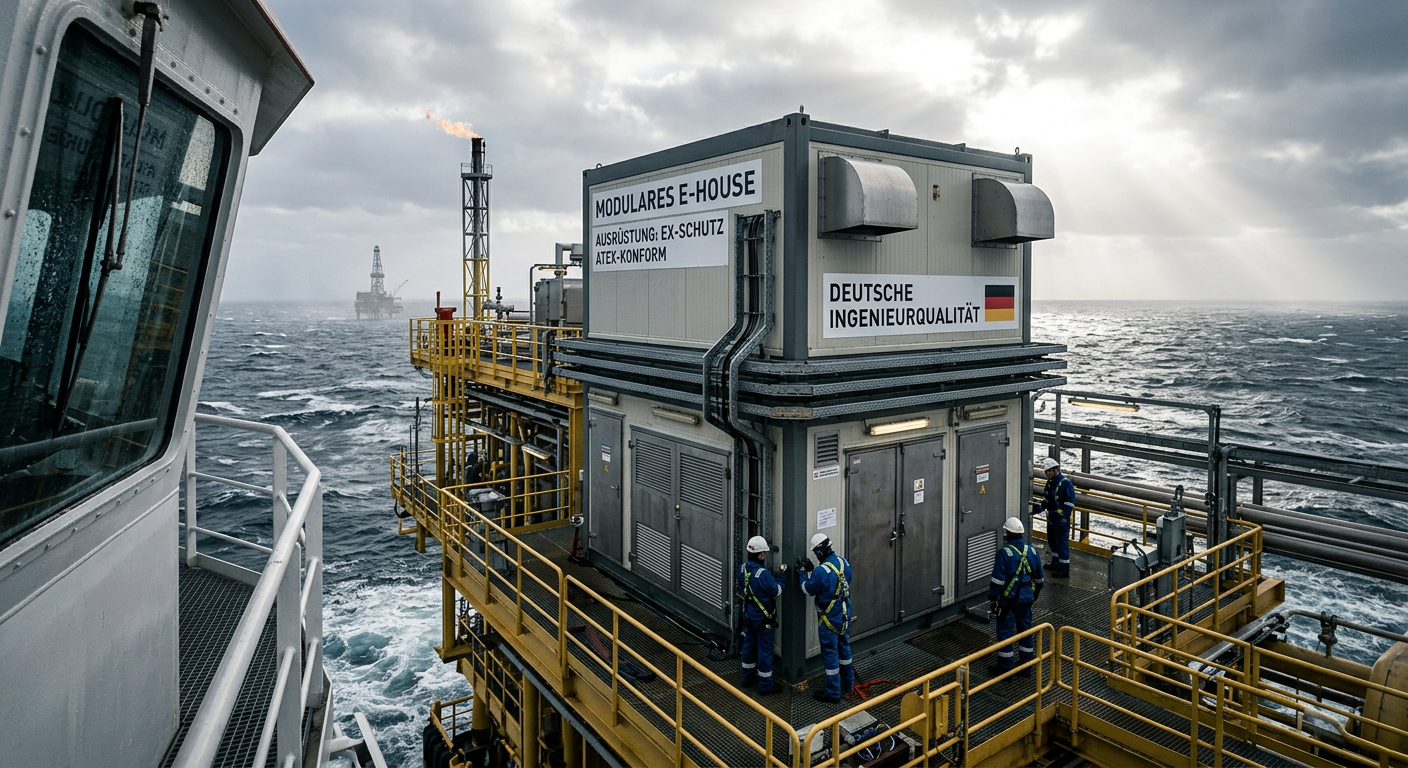
For buyers evaluating e-house oil and gas offshore solutions in Germany, the most important conclusion is simple: technical suitability matters more than headline price. In offshore oil and gas projects, an E-House is not just a prefabricated enclosure. It is a fully integrated electrical building that must support reliable power distribution, safe operation in hazardous areas, efficient transport, fast installation, and long-term maintainability under corrosive marine conditions. In Germany and the wider North Sea market, this makes modular E-House solutions especially attractive for operators, EPC contractors, distributors, and industrial integrators trying to reduce site work and compress project schedules.
-
Thermal Runaway Battery Storage Germany | OEM Supplier
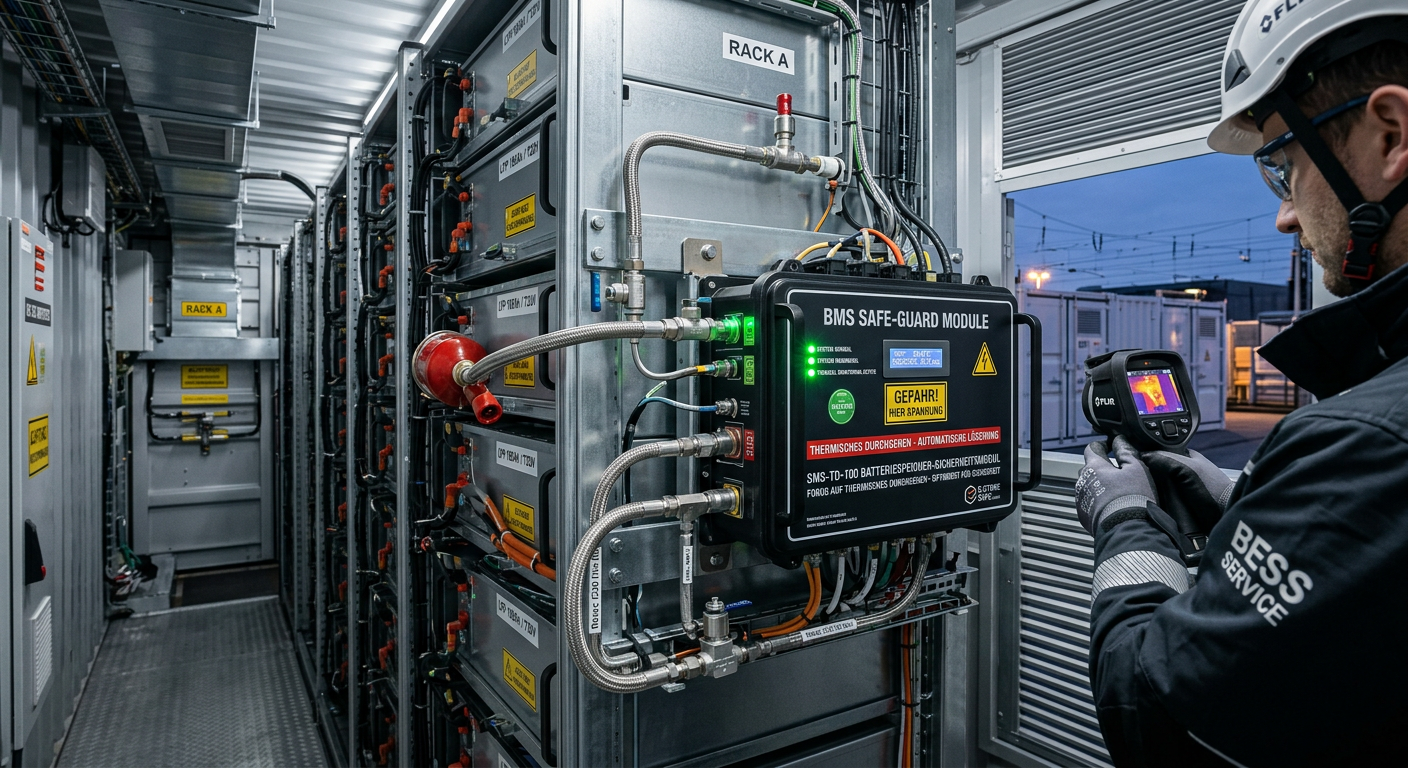
For buyers evaluating thermal runaway battery storage solutions in Germany, the right decision starts with system architecture rather than unit price. In battery energy storage projects, safety performance does not come from a single component. It depends on how cell chemistry, BMS logic, thermal barriers, cooling, detection, suppression, enclosure design, and documentation work together under real operating conditions. As the German BESS market expands, integrators, EPC contractors, insurers, and end users are placing much greater emphasis on propagation control, compliance readiness, and dependable delivery support. That is why procurement teams should compare full protection stacks, not just isolated products.
-
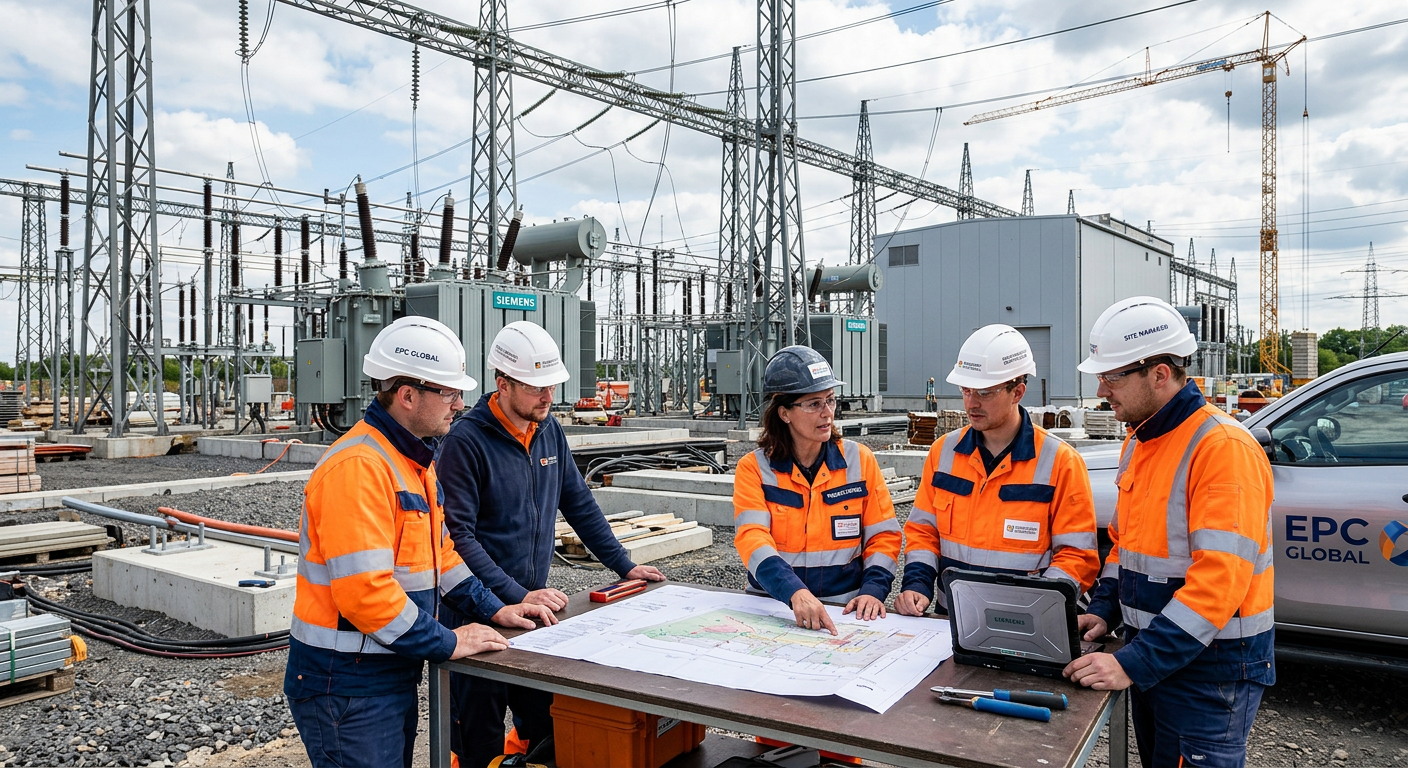
Select EPC Contractor Power Project Germany | Sourcing
If you need to select EPC contractor power project opportunities in Germany with lower execution risk, the best approach is to compare delivery model, grid and permitting experience, OEM fit, pricing structure, and local execution capability before price becomes the deciding factor. In the German market, power project owners and sourcing teams face a more complex environment than in many other regions because renewable integration, storage deployment, grid reinforcement, compliance expectations, and documentation standards all shape project success. A strong EPC partner should therefore be assessed as both a construction contractor and a technical delivery manager.
-
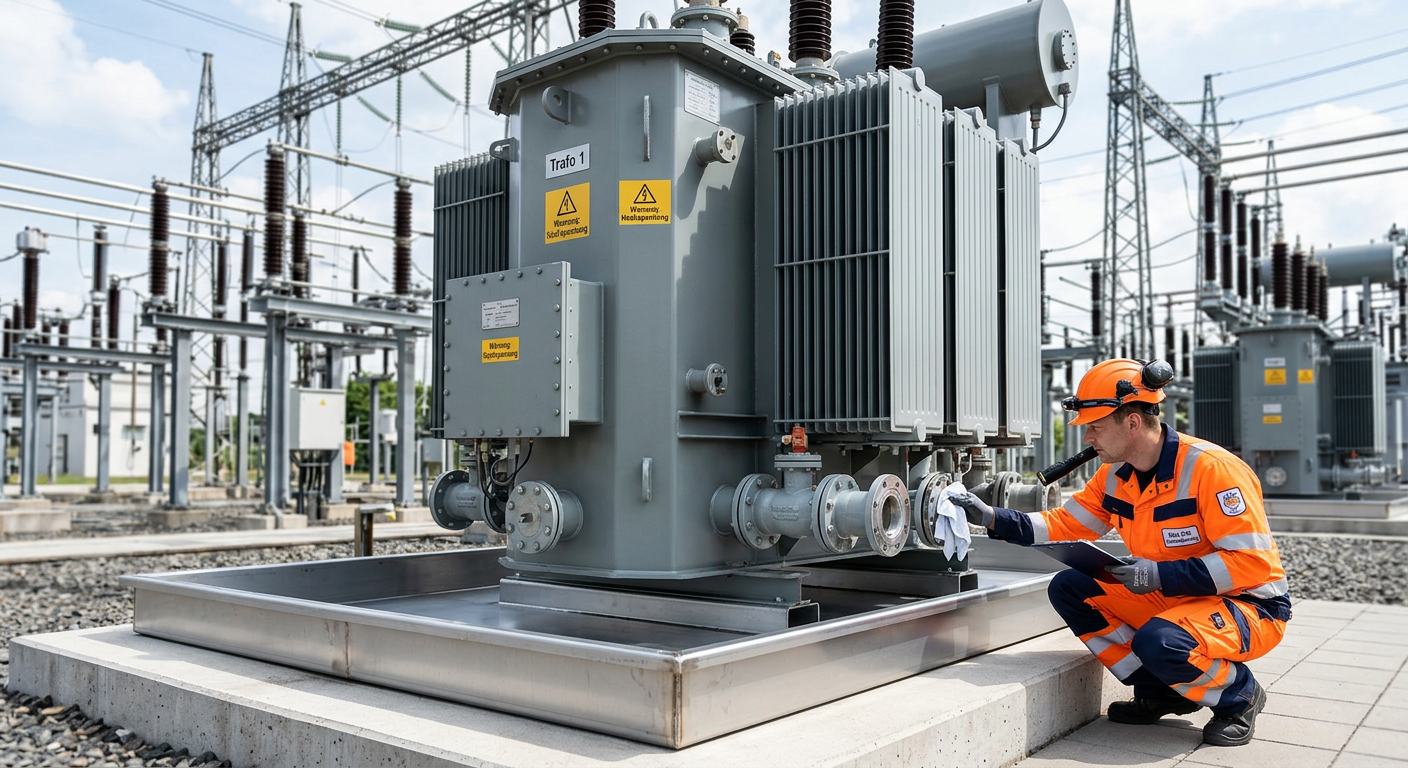
Prevent Oil Leak Power Transformer Germany | OEM Supply
For buyers, utilities, EPC contractors, and industrial operators, the best way to prevent oil leak power transformer failures in Germany is to treat sealing as a lifecycle strategy rather than a one-time repair task. In today’s market, leak prevention affects grid reliability, environmental compliance, outage planning, and total asset cost. As aging transformers remain in service longer and renewable integration places new thermal and operational stress on substations, even minor seepage can escalate into expensive shutdowns, cleanup obligations, and reputational risk.