Lindemann-Regner Announces MegaCube 2.0 for Launch in April 2026, Featuring AI Scheduling and Compliance Trading System Tailored for Europe’s Renewable Energy Grid
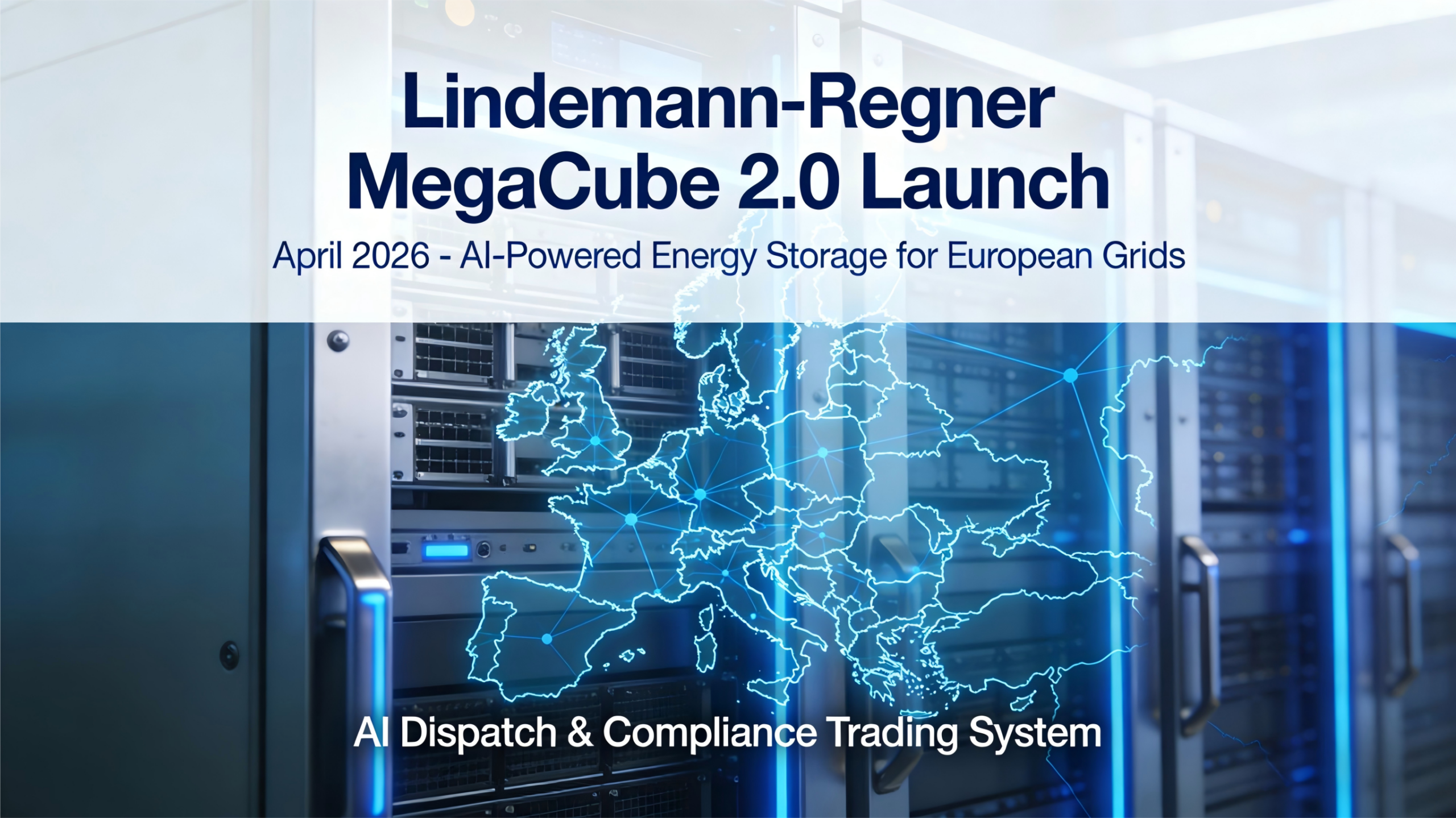
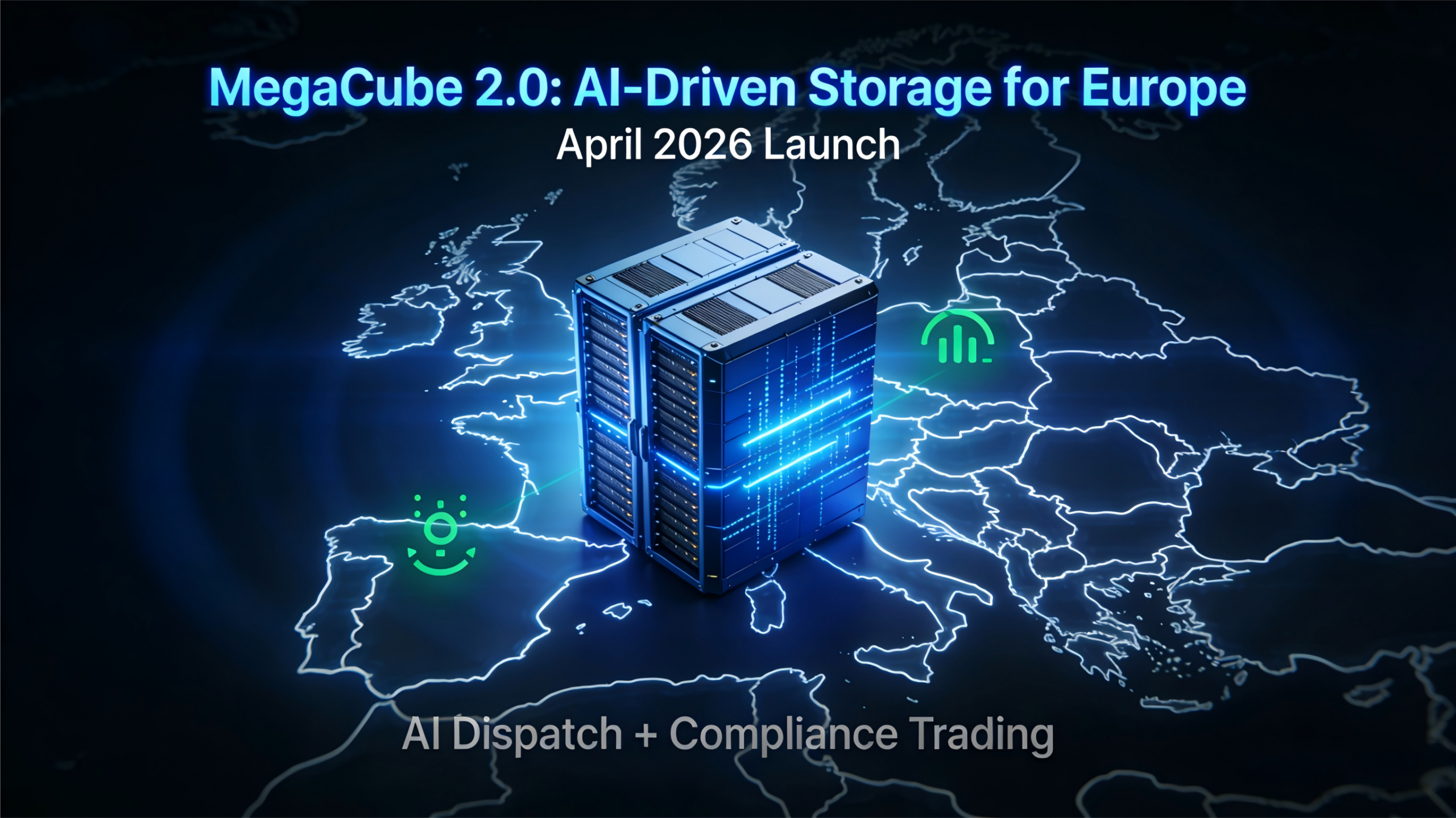
German energy storage and power equipment manufacturer Lindemann-Regner GmbH has officially announced the upcoming launch of its next-generation pre-fabricated energy storage system, MegaCube 2.0, scheduled for April 2026. The new product focuses on the adaptation needs of the European power grid, which has a high proportion of renewable energy. It incorporates an AI-powered scheduling feature and embeds the self-developed Eng2Move E-Market storage service trading system. With core advantages of being developed and operated locally, MegaCube 2.0 deeply aligns with Europe’s regulatory requirements for data security, energy trading, and virtual power plant (VPP) operations. It provides a comprehensive solution that enhances scheduling efficiency and market returns for medium-sized energy storage projects ranging from 5 to 100 MWh, thereby further solidifying the company’s technological competitiveness in the European medium-sized storage sector.
AI Scheduling Addresses Grid Fluctuation Challenges
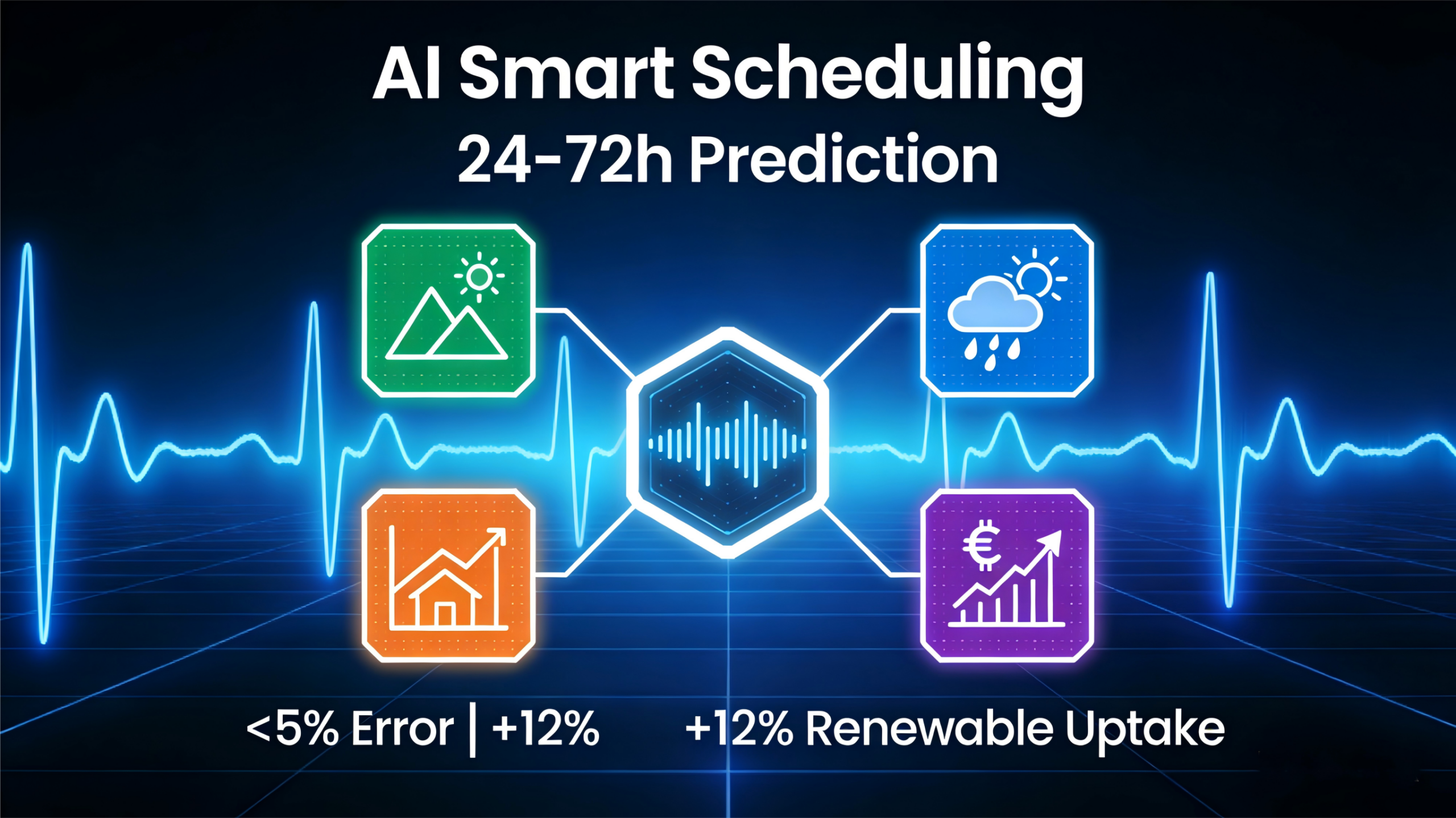
As a core upgrade for adapting to the characteristics of Europe’s renewable energy grid, MegaCube 2.0 features a newly developed AI scheduling module. Its core logic—“accurate prediction, dynamic balancing, and efficient absorption”—is designed to solve the challenges posed by high levels of wind and solar energy integration.
This AI scheduling system boasts multidimensional data modeling capabilities, allowing it to access real-time output data from photovoltaic and wind sources, weather forecasts, grid load changes, and dynamic electricity prices. Utilizing machine learning algorithms, it achieves precise predictions of energy output and load demand for the next 24 to 72 hours, maintaining a prediction error rate of under 5%. Based on this predictive outcome, the system automatically formulates optimal charging and discharging strategies. On one hand, it prioritizes the storage of excess wind and solar power to maximize the absorption rate of renewable energy, improving it by 12% compared to the previous generation. On the other hand, it dynamically matches the grid load gaps, releasing stored energy during peak usage times to stabilize grid load fluctuations and ensure frequency stability.
To cater to the fragmented nature of Europe’s distributed grid, the AI scheduling also supports collaborative operation among multiple MegaCube 2.0 units, enabling flexible integration into regional VPP clusters. Through load aggregation and resource allocation, it provides automatic frequency regulation (aFRR) and manual frequency regulation (mFRR) auxiliary services, filling the scheduling adaptation gap between distributed energy resources and the grid, and aligning with Europe’s goal of increasing renewable energy’s share to 42.5% by 2030.
Compliance Trading System Expands Revenue Streams
The implementation of market-oriented energy trading capabilities represents a critical breakthrough for MegaCube 2.0 in broadening its revenue channels, with the core support stemming from the embedded Eng2Move E-Market storage service trading system. This system has completed the full compliance certification required for participation in Europe’s electricity trading market.
Specifically, the trading system allows energy storage projects to engage in the European day-ahead electricity market, intraday market, and balancing market. Based on the output forecasts and cost assessments generated by the AI scheduling system, it automatically executes trading quotes, order matching, and execution, enabling the market-based monetization of stored energy. Additionally, leveraging the “value stacking” business logic, the system integrates post-firm flexibility resources, aggregating revenues generated from participation in demand response, grid peak shaving, and reserve capacity services. This helps project owners establish diverse income streams that effectively reduce the investment recovery period.
Moreover, the Eng2Move E-Market system has been registered with the European Power Exchange (EPEX Spot) and serves as a compliant electricity trading tool. It fully aligns with critical regulations regarding energy trading and data security, including the EU’s Electricity Market Design Reform Bill (2024 edition), the Network and Information Systems Security Directive 2.0 (NIS 2), the Critical Entities Resilience Regulation (CER), Germany’s Renewable Energy Act (EEG 2024 amendment), and the UK’s Power Market 415 Regulations. These regulations provide legal assurance for compliance and data security during transactions.
Local Development Ensures Regulatory Adaptation Advantages
The local development and operational attributes of MegaCube 2.0 create differentiated advantages in regulatory compliance, completely mitigating cross-border compliance risks.
In terms of regulatory adaptation, the system strictly adheres to the requirements of the Electricity Market Design Reform Bill (2024 edition), meeting the bidding threshold for wholesale market resources of 100 kW or less. This supports medium-sized energy storage projects’ direct participation in electricity trading. Concerning data security, it aligns with the NIS 2 directive and CER regulation, ensuring that core trading data and device operation logs are stored in EU-based data centers. Encryption keys are managed by TÜV-certified hardware security modules in Germany, and the system supports third-party source code audits, with a vulnerability response time of ≤24 hours, guaranteeing data sovereignty and network security. For VPP operational compatibility, the product conforms to the EU’s Clean Energy Package and the German EEG 2024 amendment, allowing seamless integration into various VPP clusters across Europe while fulfilling requirements of the UK 415 regulation regarding the role of virtual trading parties (VTP). This assists projects in the UK in directly monetizing post-firm flexibility resources, overcoming market entry barriers arising from regulatory differences between countries.
In contrast to overseas storage products, which often face insufficient regulatory adaptation across regions and restrictions on cross-border data transfers, MegaCube 2.0’s end-to-end local compliance design enables rapid adaptation to the needs of energy storage projects across Europe, thus shortening project implementation timelines.
Industry Outlook and Market Advancement
The Chief Technology Officer of Lindemann-Regner GmbH stated that the core development focus of MegaCube 2.0 is “tailoring to the actual needs of Europe’s energy transition.” The AI scheduling function addresses the challenges of renewable energy absorption and grid adaptation, while the compliance trading system expands the project’s profitability. The ability to adapt to local regulations provides a strong assurance for product deployment. Currently, multiple European energy companies and public utilities have expressed interest in collaborating with MegaCube 2.0, and it is expected that following its launch, the company will further increase its market share in Europe’s medium-sized storage market, providing technical support for constructing a higher proportion renewable energy grid in Europe.
Industry analysts believe that as the marketization of Europe’s energy storage sector continues to escalate, energy storage products that combine technological adaptability and regulatory advantages will become more competitive. The introduction of MegaCube 2.0 may propel the European medium-sized storage sector toward an integrated solution of “efficient scheduling + compliant trading + local services.”

About the Author: LND Energy
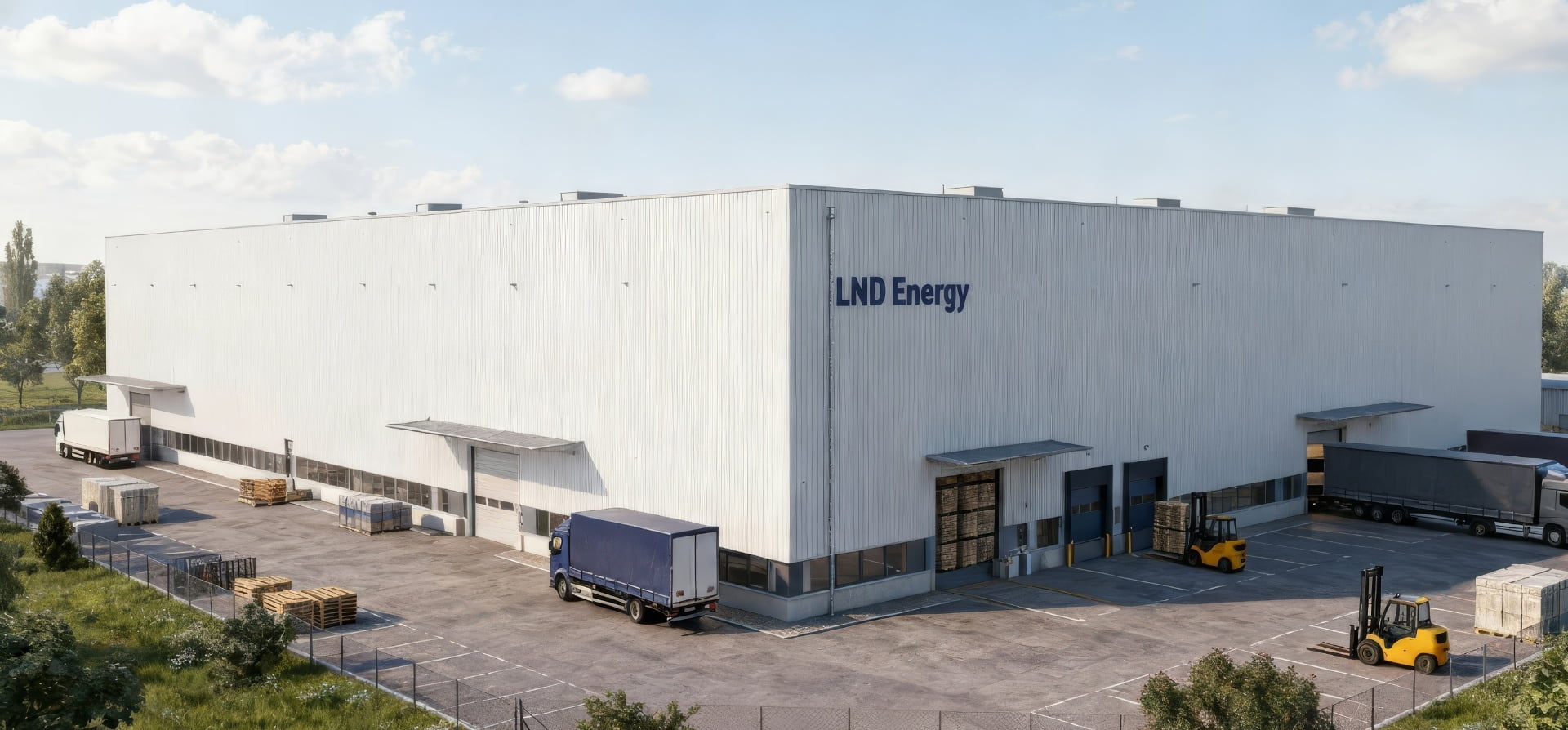
The company, headquartered in Munich, Germany, represents the highest standards of quality in Europe’s power engineering sector. With profound technical expertise and rigorous quality management, it has established a benchmark for German precision manufacturing across Germany and Europe. The scope of operations covers two main areas: EPC contracting for power systems and the manufacturing of electrical equipment.
Share
Our Product
You may also interest
-
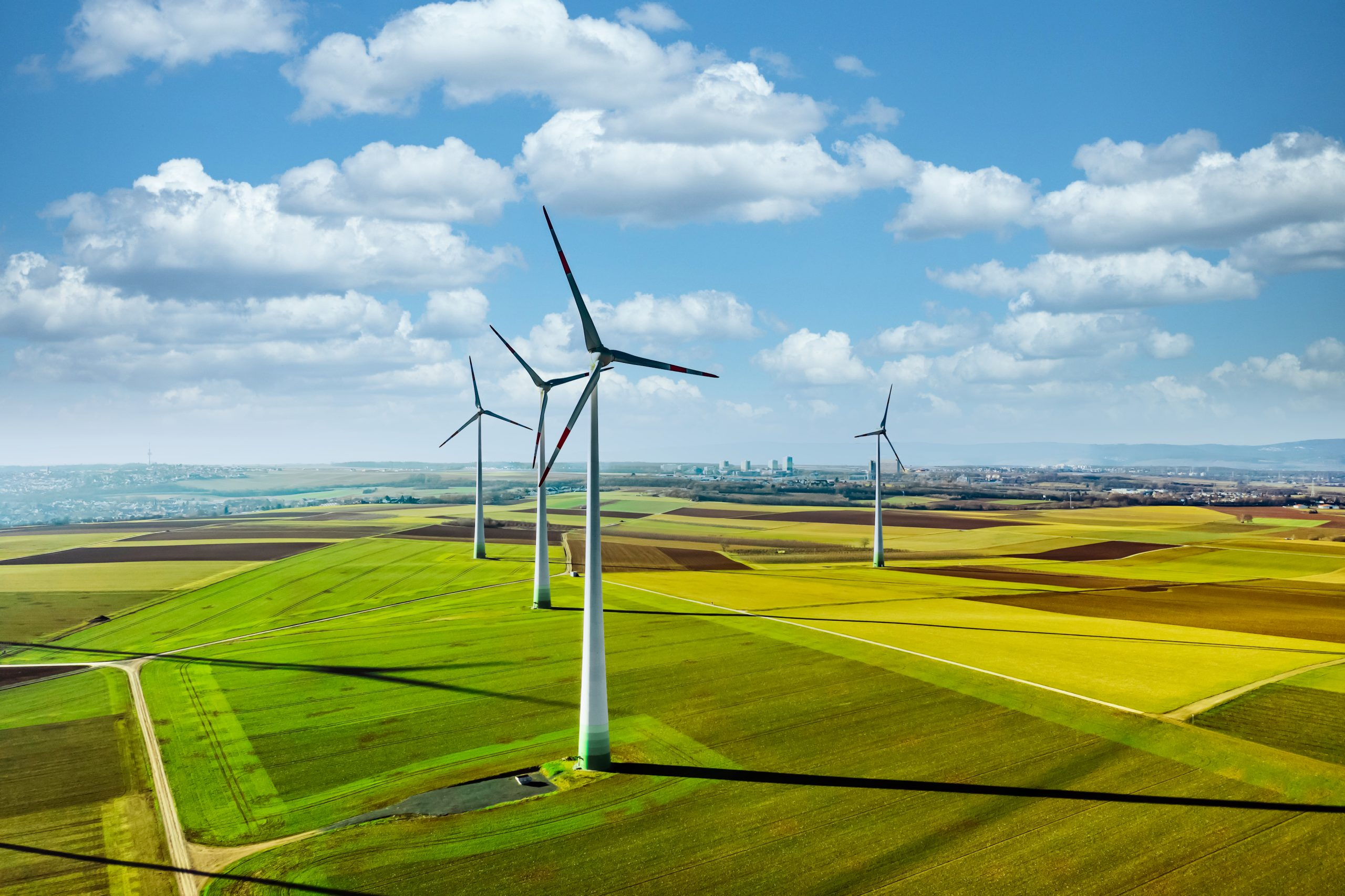
Consortium of LND Energy GmbH and Hamburg’s SGH AG Secures 320 MW Onshore Wind Tender in Lower Saxony, Germany
Germany’s Federal Network Agency for Electricity, Gas, Telecommunications, Post and Railway (Bundesnetzagentur) recently released the results of its onshore wind auction. A bidding consortium jointly established by LND Energy GmbH and Hamburg-headquartered local energy enterprise SGH AG has won a large-scale 320 MW onshore wind development project in Lower Saxony, with a total investment of approximately EUR 464 million. This landmark project marks a milestone for both companies to deepen their presence in the core onshore wind market of Northern Germany.
-
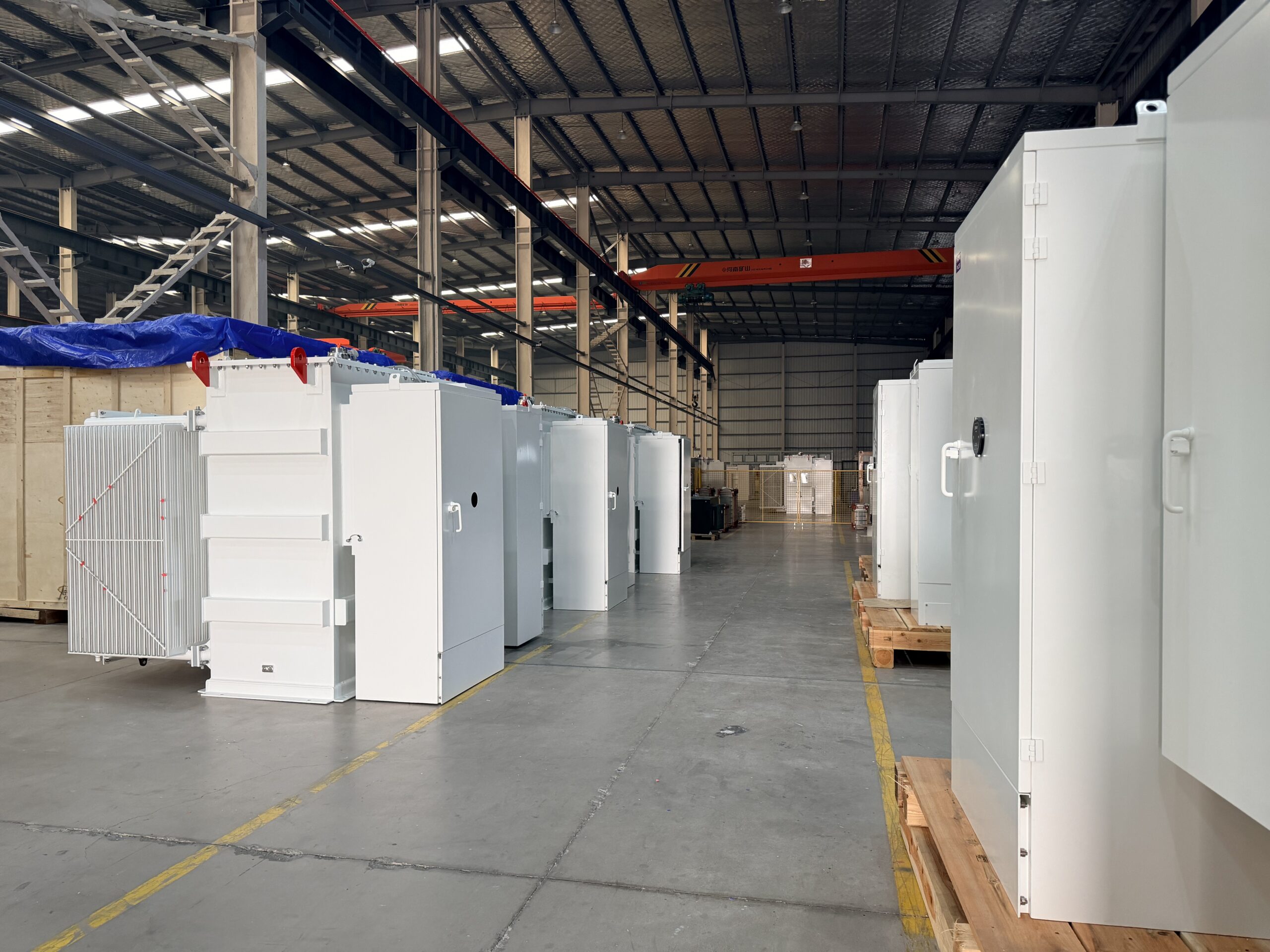
Lindemann-Regner Completes First Shipment of 6300kVA Energy Storage Transformers for Romania Project
Recently, Lindemann-Regner has successfully completed the first shipment of 10 units of 6300kVA special transformers for energy storage and boosting integrated cabins under a 25-unit project in Romania. These products comply with EU CE certification and will be delivered to the project site as scheduled to support the development of local new energy storage infrastructure.
-
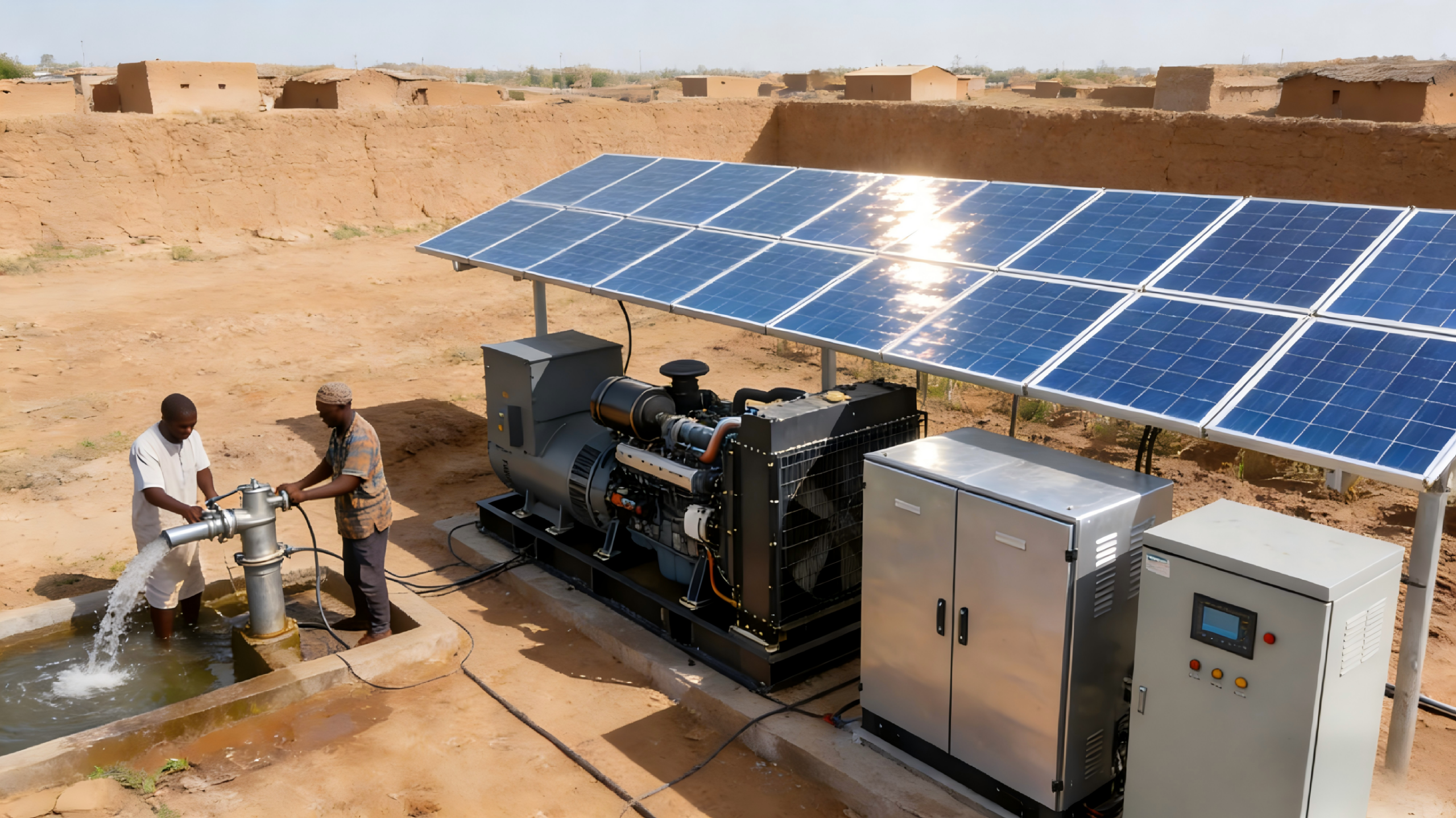
LND Energy Delivers Diesel-Solar-Storage Microgrids to Senegal’s Ministry of Agriculture and Rural Equipment, Empowering Rural Irrigation and Livelihood Power Supply
Dakar, Senegal – 29 January 2026 German new energy enterprise LND Energy GmbH today officially completed the project delivery to Senegal’s Ministère de l’Agriculture et de l’Équipement Rural (MAER): five sets of 500kW/500kWh diesel-solar-storage independent energy microgrid systems for irrigation have been successfully commissioned. These systems will provide stable and clean power to five agriculture-dominated areas in Senegal plagued by power shortages, directly benefiting 680 farming households while effectively addressing the dual challenges of farmland irrigation and rural livelihood power supply.
-
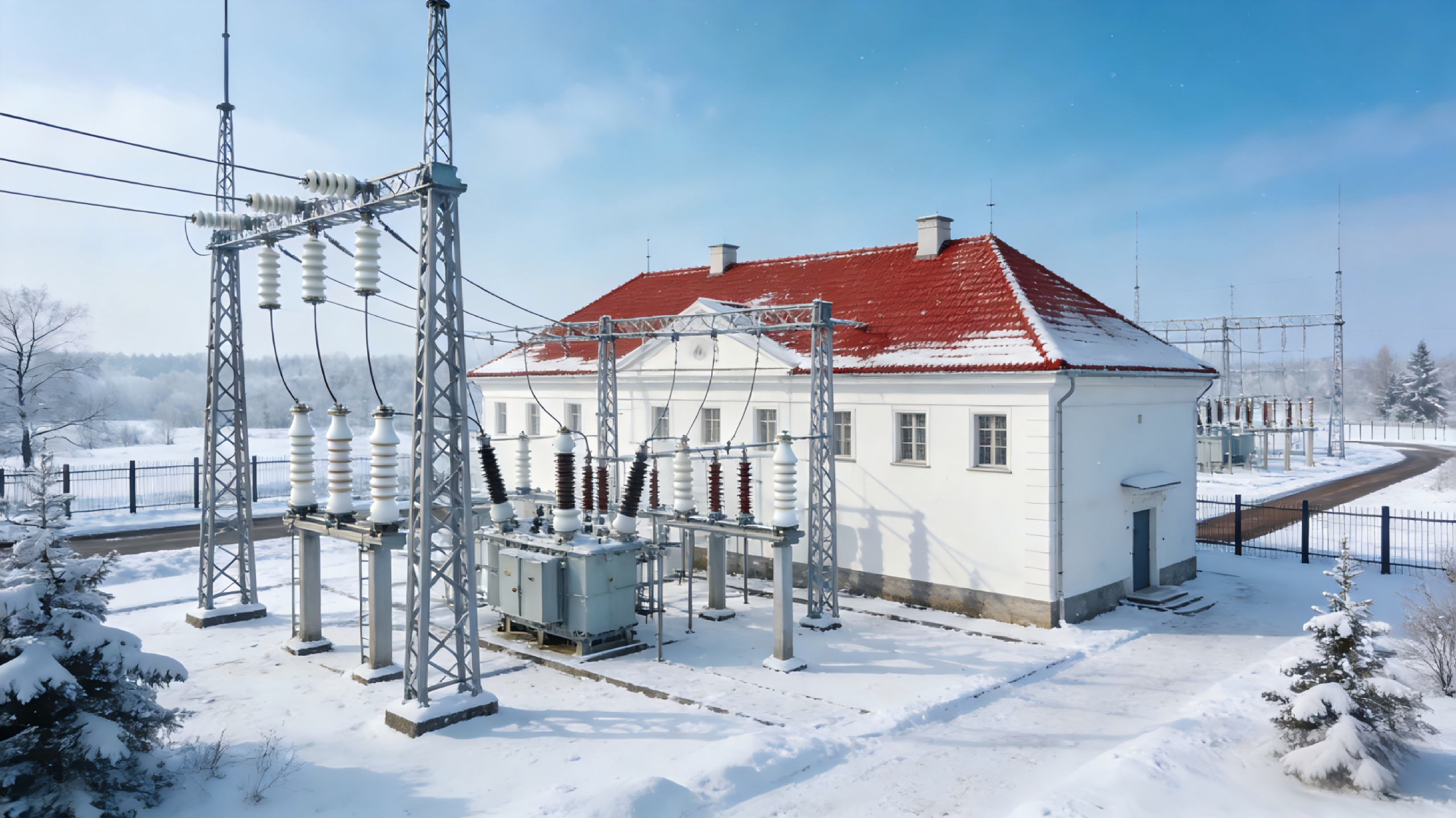
Overcoming Extreme Cold, Delivering with High Efficiency – The EPC Project of Lithuania 35kV Distribution Hub Station by LND Energy GmbH Successfully Handed Over and Put into Operation
Local time February 6, 2026, the upgrading and renovation project of Lithuania 35kV Distribution Hub Station, undertaken by Germany’s LND Energy GmbH under the EPC full-process general contracting model, successfully passed the joint acceptance inspection by the Lithuanian power grid regulatory authority and distribution operator, and was officially connected to the grid and put into operation. Targeting the total load demand of 2.65MW at the station, the project completed the full replacement of obsolete equipment. Relying on German-standard engineering management and global supply chain coordination capabilities, the company successfully overcame the construction challenges of the extreme cold winter in the Baltic region, completely addressed the shortcomings of aging station equipment, and greatly improved the reliability of regional distribution network power supply, earning high recognition and an official thank-you note from the local power grid authority.