How Energy Storage Plants Can Overcome the Integration Challenges of Renewable Energy: Practices and Industry Guidelines from Lindemann-Regner GmbH
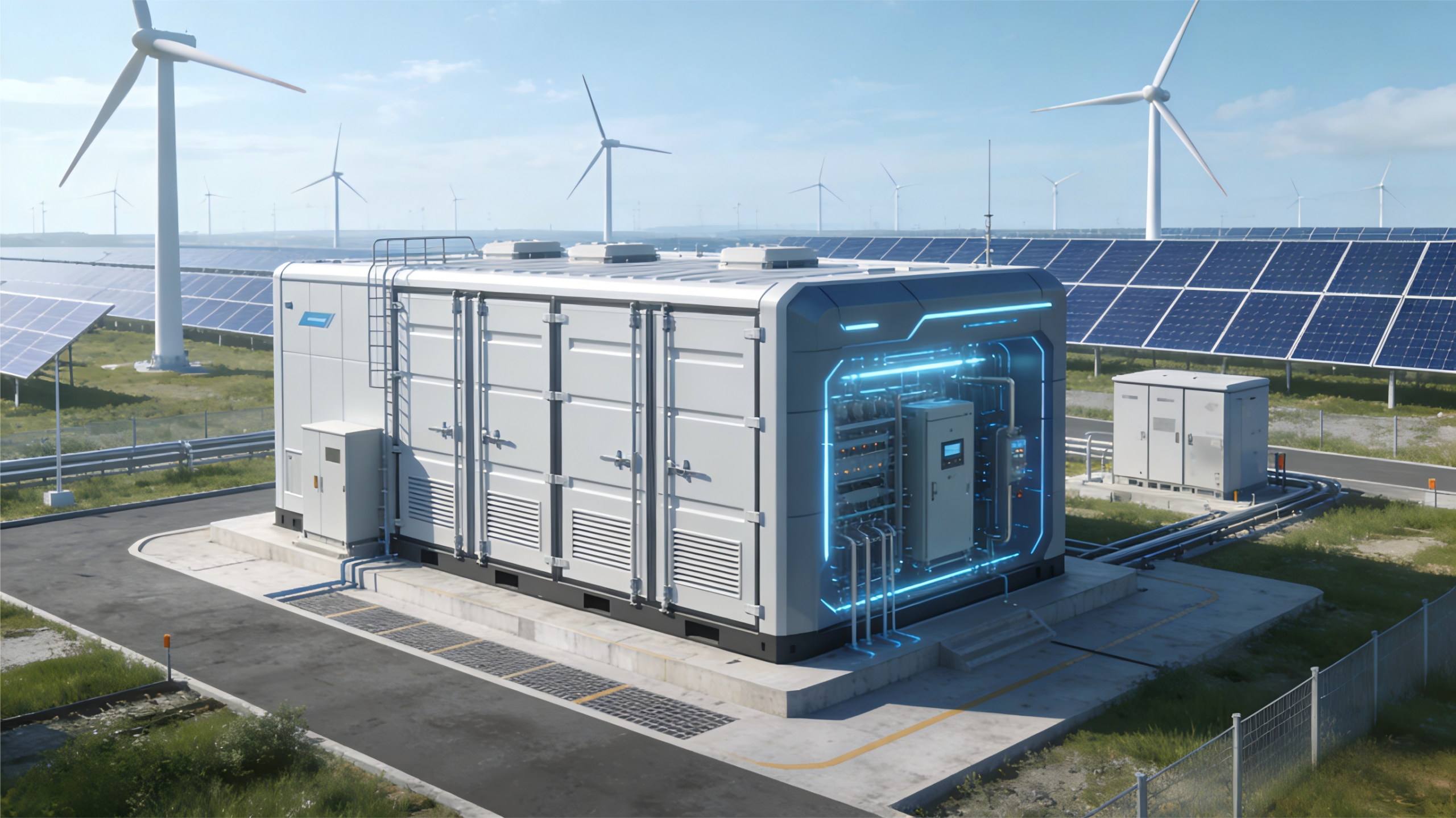
In the global wave of energy transition, the installed capacity of renewable energy continues to expand. However, the intermittency and volatility of wind and solar power remain critical challenges for large-scale grid integration. As a pioneer in energy transition, Germany provides valuable experiences through the development of its energy storage plants. This article focuses on the core role of energy storage plants in integrating renewable energy, examining the application scenarios of mainstream technologies such as lithium-ion battery storage and pumped hydro storage, and using the practices of the German company Lindemann-Regner GmbH as a case study to offer practical and insightful guidance to the industry.
1. Core Role: Transforming Renewable Energy from „Unstable Supply“ to „Reliable Power Source“
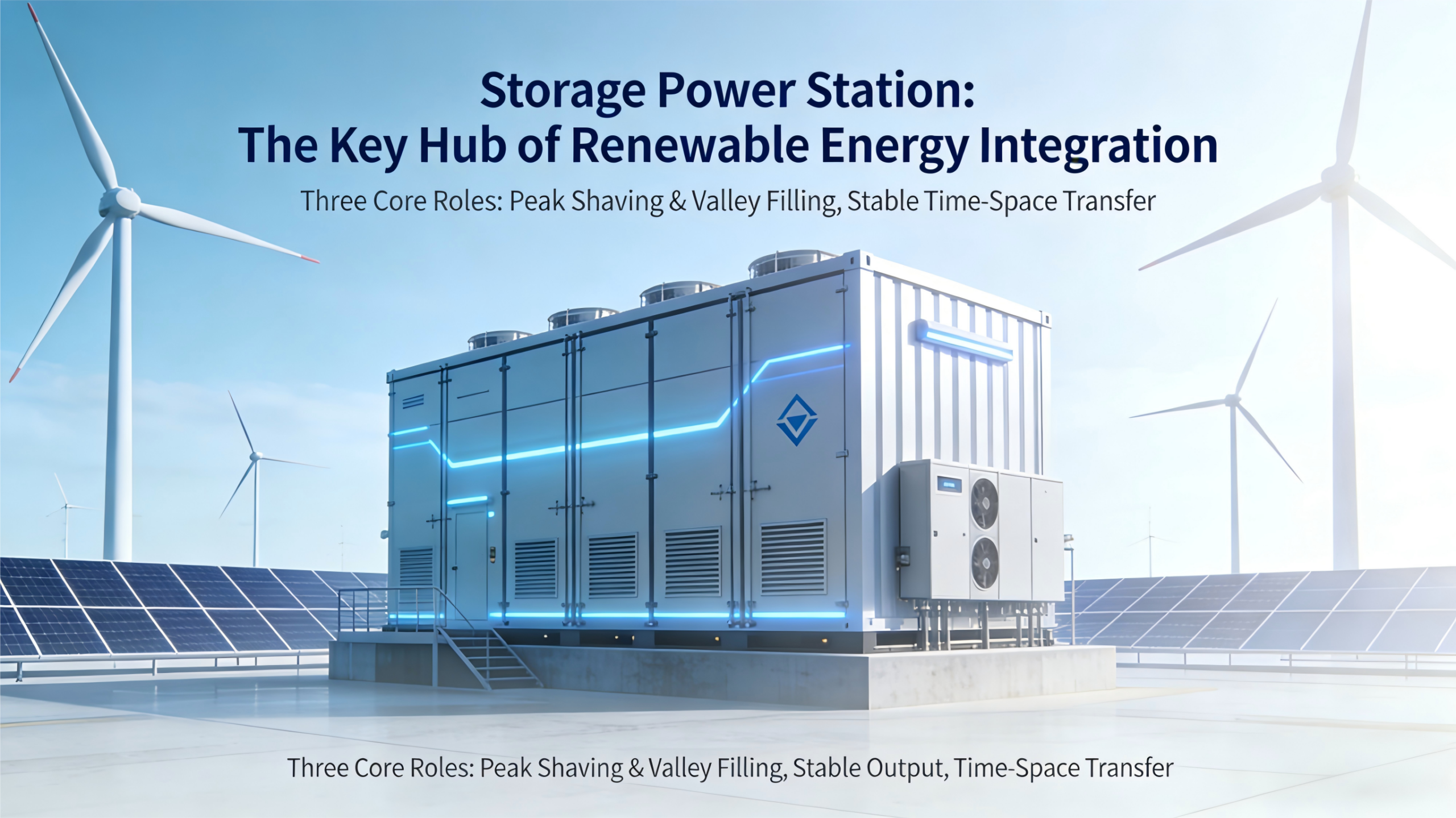
The inherent deficiency of renewable energy is the drastic fluctuation in output power due to natural conditions. Solar power generation may result in oversupply during sunny days, while it sharply decreases at night or during rainy weather; sudden changes in wind speed can cause wind power output to vary greatly. Energy storage plants serve as key hubs to resolve these contradictions through flexible charging and discharging regulation, which is reflected in three dimensions:
1.1. Peak Shaving and Valley Filling: The „Buffer“ for Balancing Power Supply and Demand
When renewable energy generation exceeds grid load, energy storage plants absorb excess electricity, effectively reducing curtailment. Conversely, when generation is insufficient or peak load arrives, they release stored energy back into the grid, achieving dynamic balance. Data from a wind farm in Germany shows that after installing a 100 MW/400 MWh storage plant, the curtailment rate dropped from 30% to below 10%, demonstrating the value of storage in increasing energy absorption. This adjustment capability not only guarantees normal electricity use for residents and businesses but also elevates renewable energy from being a „supplemental source“ to a „baseload source.“
1.2. Stable Output: The „Regulator“ for Optimizing Grid Quality
The secure operation of the grid requires high stability of voltage and frequency, and the fluctuations of renewable energy can cause abnormal grid parameters. Energy storage plants possess rapid response capability, switching between charging and discharging within milliseconds to minutes, effectively smoothing the output volatility of renewables and maintaining voltage and frequency stability. Monitoring data from the German grid indicates that after deploying large-scale energy storage plants, peak load fluctuations significantly decreased, and the incidence of power outages sharply declined, which is especially crucial in high renewable-energy grid scenarios.
1.3. Temporal and Spatial Transfer: The „Conveyor“ for Expanding Energy Utilization
Energy storage plants break the limitation of synchronous usage of renewable energy, enabling cross-time and cross-space energy utilization. For instance, Germany has abundant wind energy resources in the north, while the load is concentrated in the south. By combining „wind power + storage,“ excess wind energy can be stored in the north and transmitted to the southern load center; likewise, pairing photovoltaic systems with storage allows daytime solar energy to be converted for nighttime use, significantly enhancing energy efficiency.
2. Technological Adaptation: Role Distribution and Scenario Selection of Mainstream Storage Technologies
The performance differences among various storage technologies determine their distinct roles in integrating renewable energy. Germany has formed a „multi-technology synergy“ pattern based on the demands of different application scenarios, and the logic behind its technology selection holds significant guidance for the global industry.
2.1. Lithium-ion Battery Storage: The „Flexible Pioneer“ for Residential and Commercial Scenarios
Thanks to its fast response, high energy density, and installation flexibility, lithium-ion battery storage has become the preferred choice for integrating renewable energy in German residential and commercial settings. In residential scenarios, „photovoltaics + lithium battery storage“ systems allow for self-consumption and feed-in of surplus electricity, reducing users‘ electricity costs. In commercial scenarios, they can be integrated with distributed photovoltaics to capitalize on peak and off-peak electricity prices, while also providing emergency power supply. However, the high cost and limited cycle lifespan of lithium-ion batteries make them more suitable for medium to short-duration peak shaving (4-8 hours). In practice, lithium-ion batteries account for over 70% of Germany’s residential storage, showcasing their cost advantages and flexible characteristics.
2.2. Pumped Hydro Storage: The „Ballast“ for Large-scale Long-duration Regulation
As one of the most mature and cost-effective large-scale storage technologies, pumped hydro storage plays a core role in Germany’s renewable energy integration, taking on the responsibility of „long-duration regulation.“ Germany has multiple large pumped hydro storage plants that mainly adjust for the seasonal fluctuations of wind and solar power—pumping water in spring when wind energy is abundant and in summer when solar energy is plentiful, and generating power in winter during peak electricity usage. However, pumped hydro storage is significantly constrained by geographical conditions, requiring natural conditions for upper and lower reservoirs, and has a long construction cycle, making rapid expansion difficult. Currently, pumped hydro storage accounts for over 40% of the total installed storage capacity in Germany and is a key support for renewable energy integration at the grid level.
2.3. Hydrogen Storage: The „Bridge“ for Cross-energy Network Integration
Hydrogen storage, characterized by its high energy density and cross-industry application, has emerged as an important direction for Germany to address the issue of „curtailed power“ from renewable energy. It converts surplus wind and solar power into hydrogen through electrolysis, which can then be used as an industrial raw material, in transportation, or for power generation, achieving collaboration across a multi-energy network of „electricity-hydrogen-heat.“ However, hydrogen storage currently faces high energy losses (with conversion efficiency around 30%-40%) and an incomplete industrial chain, which means it is still in the demonstration application phase. Germany is promoting „wind power + hydrogen“ demonstration projects to explore its potential in seasonal storage and cross-industry integration, paving new paths for the full absorption of renewable energy.
2.4. Other Technologies: The „Supplementary Force“ for Niche Scenarios
In specific scenarios, technologies such as flow batteries and flywheel storage also play important supplementary roles. Flow batteries, known for their long cycle life and high safety, are suitable for long-duration storage in commercial settings, but their low energy density and high costs limit large-scale applications. Flywheel storage offers fast response (on the millisecond level) and can be used for grid frequency regulation, especially well suited for smoothing short-term fluctuations of wind and solar power, although its storage capacity is limited and mainly meets short-term (minute-level) regulation needs. These technologies complement lithium-ion batteries and pumped hydro storage, contributing to Germany’s multi-faceted and collaborative storage technology system.
3. Corporate Practical Guide: How Lindemann-Regner GmbH Achieves Effective Integration of Storage and Renewable Energy with MegaCube
As a representative company from Germany focused on energy storage and renewable energy integration, Lindemann-Regner GmbH, through precise technology selection, efficient system design, and deep policy alignment, has achieved efficient collaboration between storage and renewable energy across residential, commercial, and regional grid scenarios. Its practical experience provides a replicable and actionable guide for global industry players.
3.1. Scenario Anchoring: Customer Needs-Centric Technology Combination Strategy
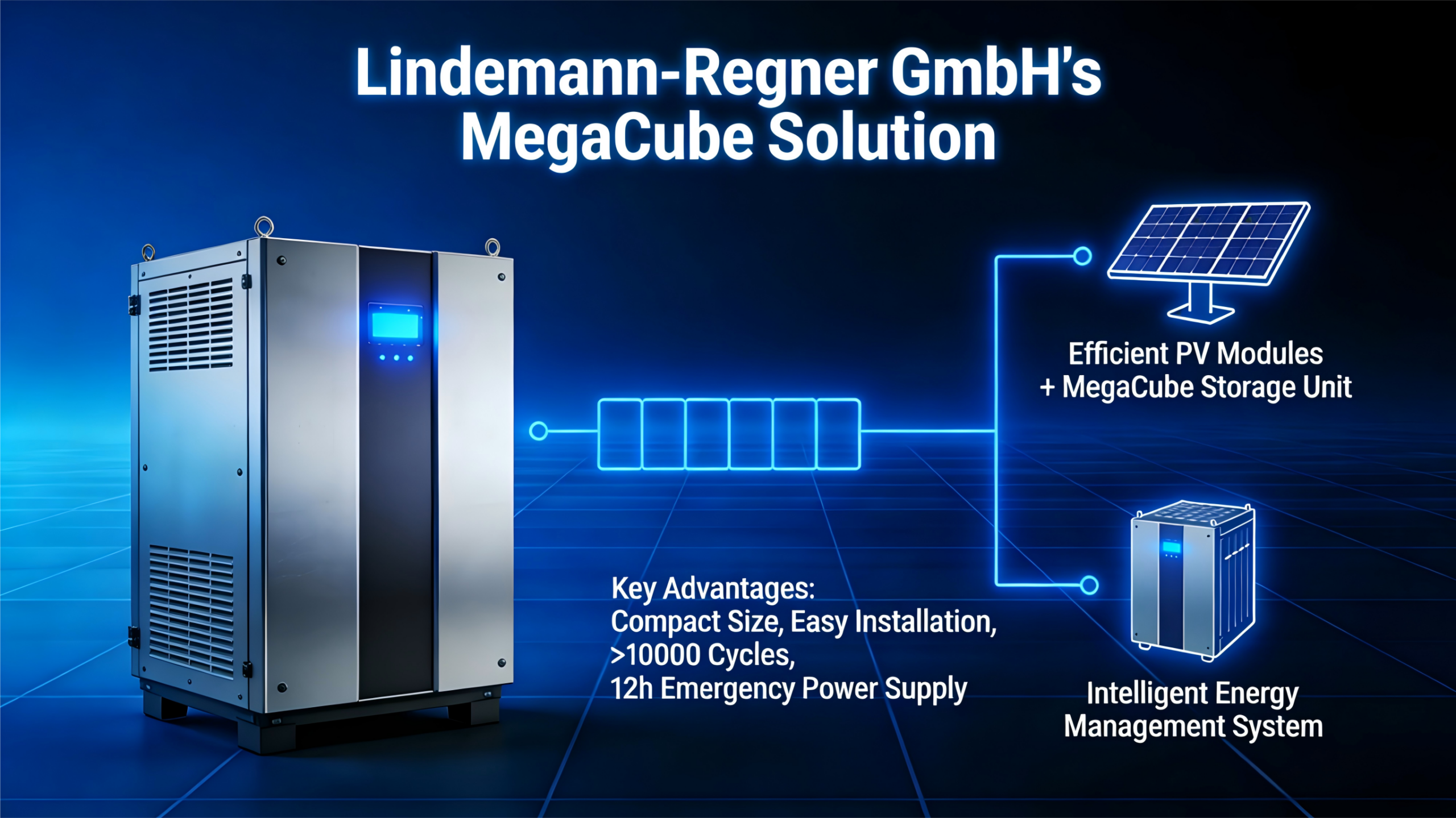
Lindemann-Regner’s core experience lies in „refusing technical stacking and precisely matching scenarios + core product support.“ For residential customers focusing on „cost reduction and efficiency enhancement + electricity autonomy,“ they developed a one-stop package of „high-efficiency photovoltaic modules + MegaCube residential storage unit.“ The MegaCube, specifically designed for home environments, features compact size, easy installation, and an impressive cycle life of over 10,000 cycles. Equipped with an intelligent energy management system developed in-house, it can automatically recognize sunlight intensity and household electricity load, implementing a „self-consumption priority, surplus electricity storage“ mode. Data indicates that families in southern Germany adopting this package have reduced their annual electricity expenses by 35%, and thanks to MegaCube’s high-capacity design, emergency backup can last over 12 hours.
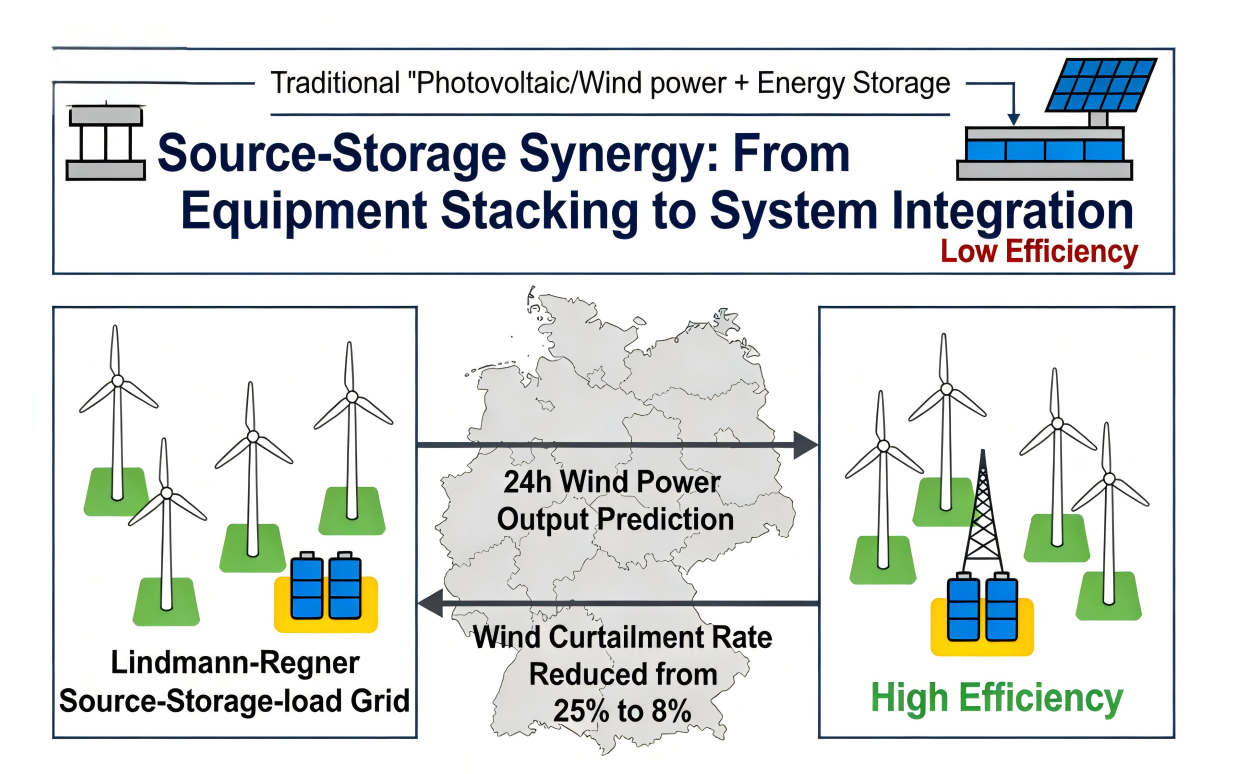
3.2. Source-Storage Synergy: From „Device Overlay“ to „System Integration“ Design Logic
Lindemann-Regner has broken away from the simple model of „photovoltaics/wind power + storage“ by utilizing MegaCube’s intelligent control interface to construct an integrated „source-storage-load-grid“ system. During the initial planning phase, they analyze the resource and load characteristics of target areas through big data, customizing the capacity and charging/discharging parameters for MegaCube. For example, in a northern region rich in wind energy, they configured a MegaCube storage cluster for a wind farm, predicting the wind output curve 24 hours in advance using predictive modeling to develop dynamic charging and discharging strategies. This resulted in reducing the wind farm’s curtailment rate from 25% to 8%.
3.3. Leveraging Policies: Strategies for Maximizing Revenue through Compliant Operations
Lindemann-Regner GmbH fully understands the guiding principles of German energy policies and achieves dual enhancement of policy dividends and market revenues through compliant operations. On one hand, they take full advantage of subsidies for „source-storage integration“ projects under Germany’s Renewable Energy Act, helping residential and commercial customers apply for up to 30% investment subsidies, thereby lowering initial investment barriers. On the other hand, they actively participate in Germany’s grid ancillary service market, providing frequency regulation, backup power, and other services through their storage systems to generate additional revenue.
4. Conclusion: Energy Storage is the „Core Engine“ of Renewable Energy Integration
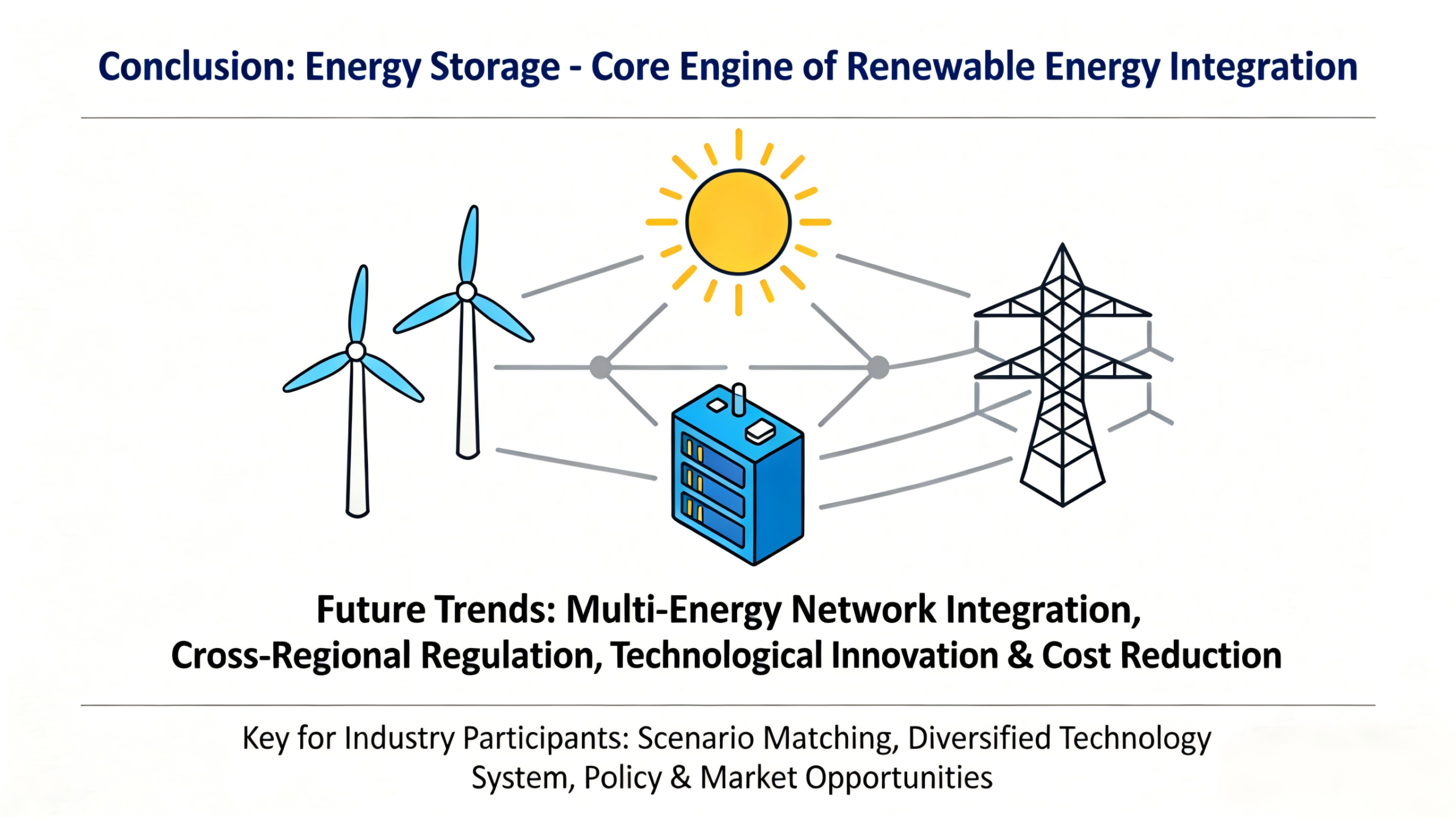
In a new power system dominated by renewable energy, energy storage plants are no longer „optional accessories“ but are the „core engine“ determining integration efficiency. The industry practices from Germany and the corporate case of Lindemann-Regner GmbH jointly demonstrate that by clarifying the role distribution of different storage technologies, strengthening source-storage synergy design, and precisely leveraging policy directions, the challenges of renewable energy’s intermittency can be effectively addressed. In the future, with technological advancements and cost reductions, energy storage plants will play an even more significant role in multi-energy network integration and cross-regional regulation, providing solid support for global energy transition. For industry participants, accurately matching scenario demands, building a diverse technology system, and seizing policy and market opportunities will be key to capturing the benefits of the energy storage market.

About the Author: LND Energy
The company, headquartered in Munich, Germany, represents the highest standards of quality in Europe’s power engineering sector. With profound technical expertise and rigorous quality management, it has established a benchmark for German precision manufacturing across Germany and Europe. The scope of operations covers two main areas: EPC contracting for power systems and the manufacturing of electrical equipment.
Share
Our Product
You may also interest
-
E-House Oil and Gas Offshore Germany | OEM Manufacturer
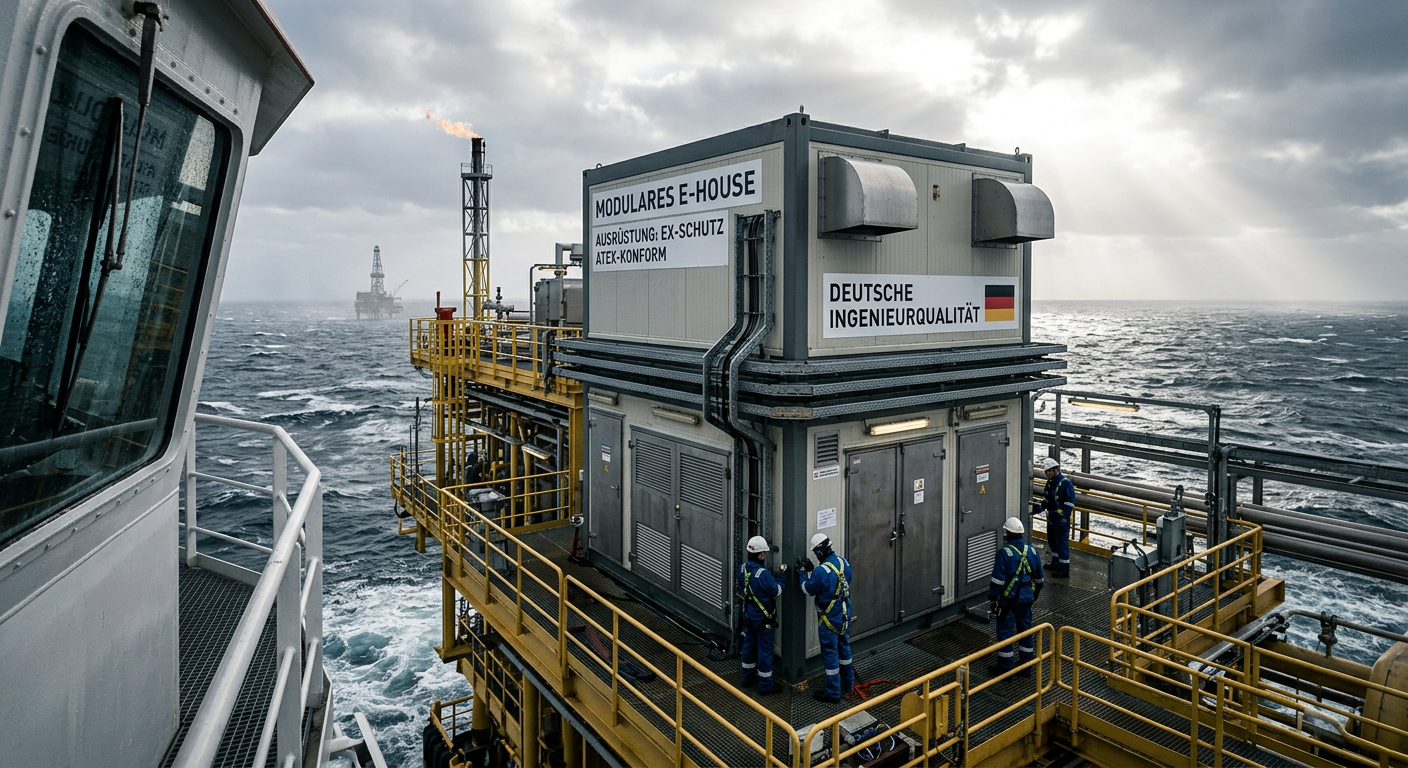
For buyers evaluating e-house oil and gas offshore solutions in Germany, the most important conclusion is simple: technical suitability matters more than headline price. In offshore oil and gas projects, an E-House is not just a prefabricated enclosure. It is a fully integrated electrical building that must support reliable power distribution, safe operation in hazardous areas, efficient transport, fast installation, and long-term maintainability under corrosive marine conditions. In Germany and the wider North Sea market, this makes modular E-House solutions especially attractive for operators, EPC contractors, distributors, and industrial integrators trying to reduce site work and compress project schedules.
-
Thermal Runaway Battery Storage Germany | OEM Supplier
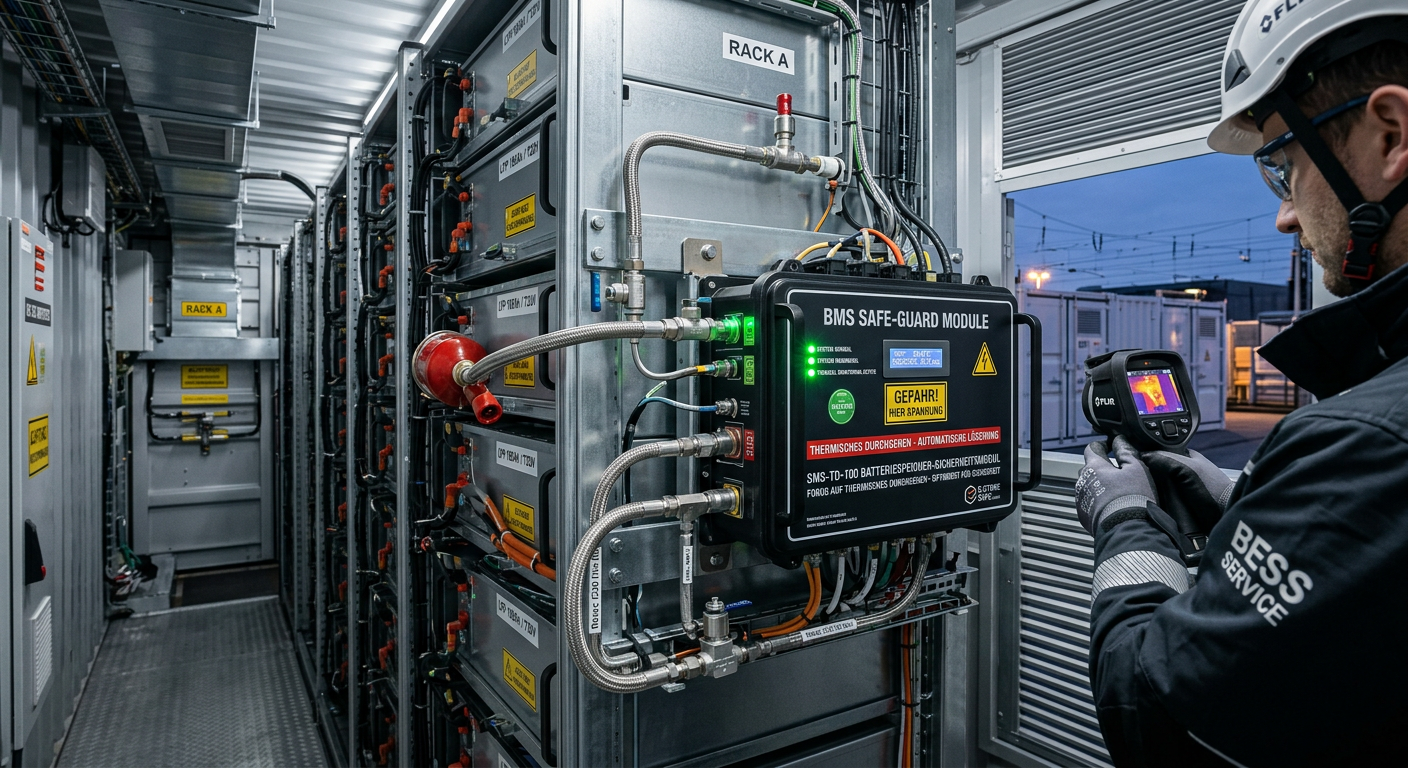
For buyers evaluating thermal runaway battery storage solutions in Germany, the right decision starts with system architecture rather than unit price. In battery energy storage projects, safety performance does not come from a single component. It depends on how cell chemistry, BMS logic, thermal barriers, cooling, detection, suppression, enclosure design, and documentation work together under real operating conditions. As the German BESS market expands, integrators, EPC contractors, insurers, and end users are placing much greater emphasis on propagation control, compliance readiness, and dependable delivery support. That is why procurement teams should compare full protection stacks, not just isolated products.
-
Select EPC Contractor Power Project Germany | Sourcing
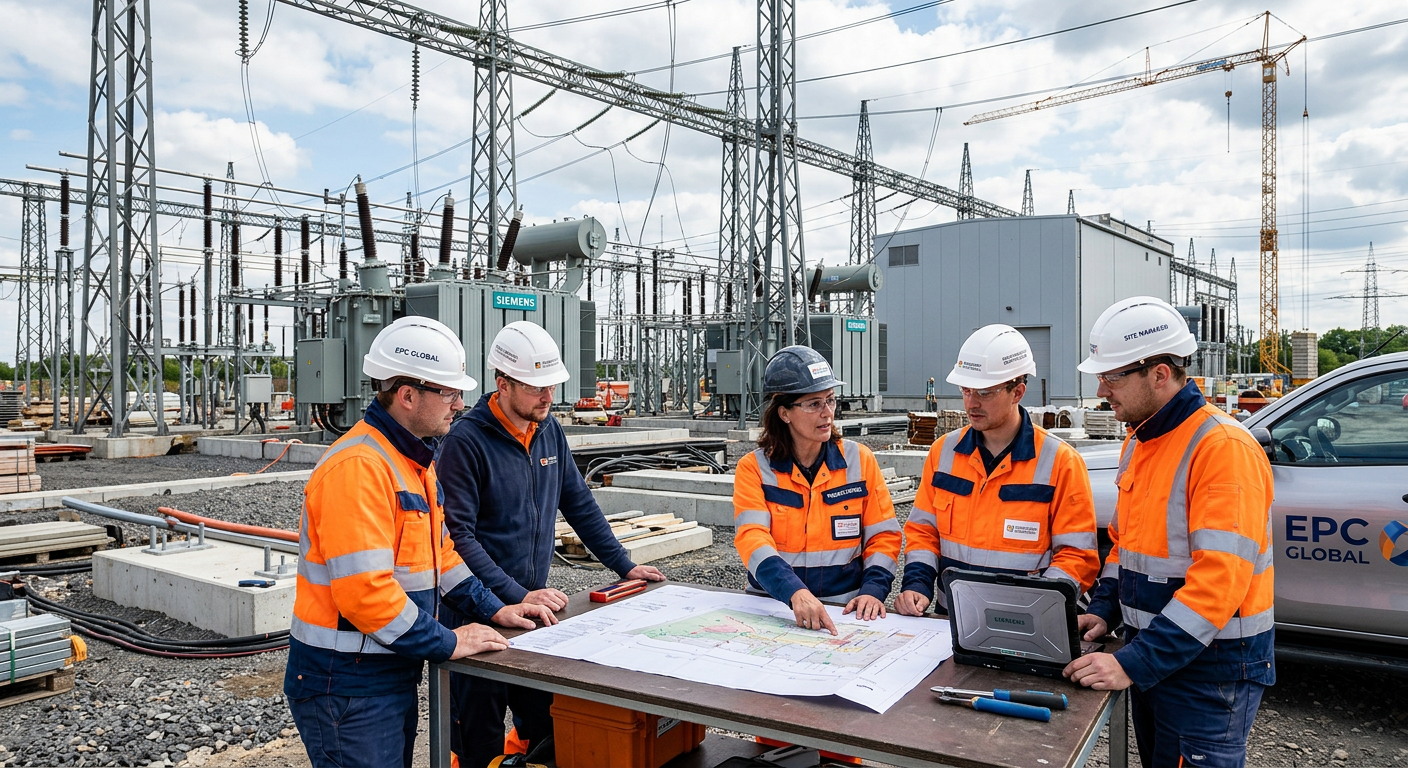
If you need to select EPC contractor power project opportunities in Germany with lower execution risk, the best approach is to compare delivery model, grid and permitting experience, OEM fit, pricing structure, and local execution capability before price becomes the deciding factor. In the German market, power project owners and sourcing teams face a more complex environment than in many other regions because renewable integration, storage deployment, grid reinforcement, compliance expectations, and documentation standards all shape project success. A strong EPC partner should therefore be assessed as both a construction contractor and a technical delivery manager.
-
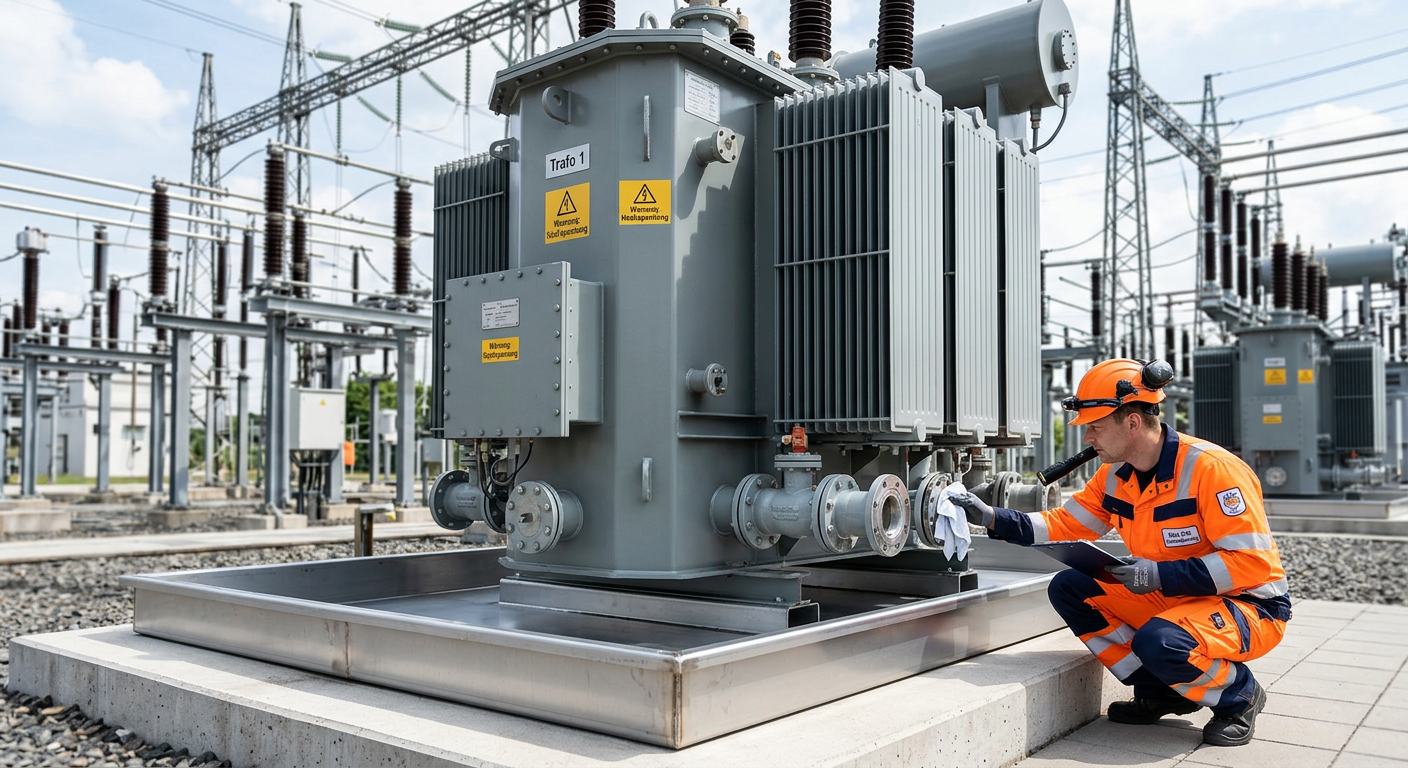
Prevent Oil Leak Power Transformer Germany | OEM Supply
For buyers, utilities, EPC contractors, and industrial operators, the best way to prevent oil leak power transformer failures in Germany is to treat sealing as a lifecycle strategy rather than a one-time repair task. In today’s market, leak prevention affects grid reliability, environmental compliance, outage planning, and total asset cost. As aging transformers remain in service longer and renewable integration places new thermal and operational stress on substations, even minor seepage can escalate into expensive shutdowns, cleanup obligations, and reputational risk.