The Cost Efficiency Dilemma in European and American Energy Storage: Pre-assembled Integration as the Key to Breaking the Impasse
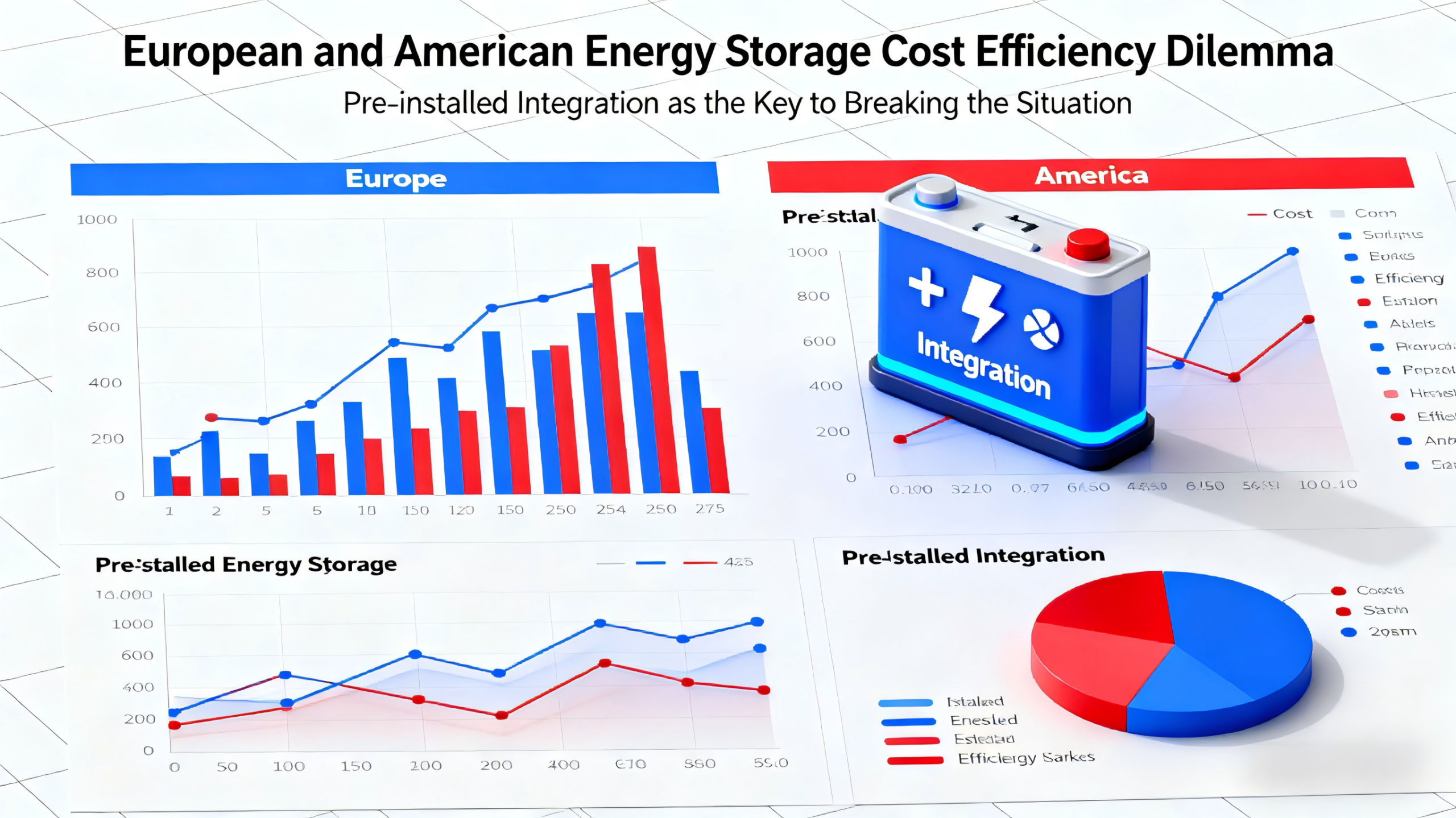
The global energy storage market is on the verge of a scale explosion, with global installations expected to exceed 300 GWh by 2025. Europe, as the core battleground for energy transition, is projected to deploy 29.7 GWh of energy storage systems by 2025, with utility-scale storage surpassing residential installations for the first time. However, beneath these promising statistics, the European and American energy storage markets are grappling with high costs and insufficient efficiency. Pre-assembled energy storage systems are emerging as a critical direction for innovation, with the technical showdown between Germany’s Lindemann-Regner and a prominent U.S. pre-assembled energy storage manufacturer reflecting divergent explorations in this field, providing vital insights for the global energy storage industry’s development.
I. Core Pain Points in the European and American Energy Storage Market: A Dilemma of Costs and Efficiency
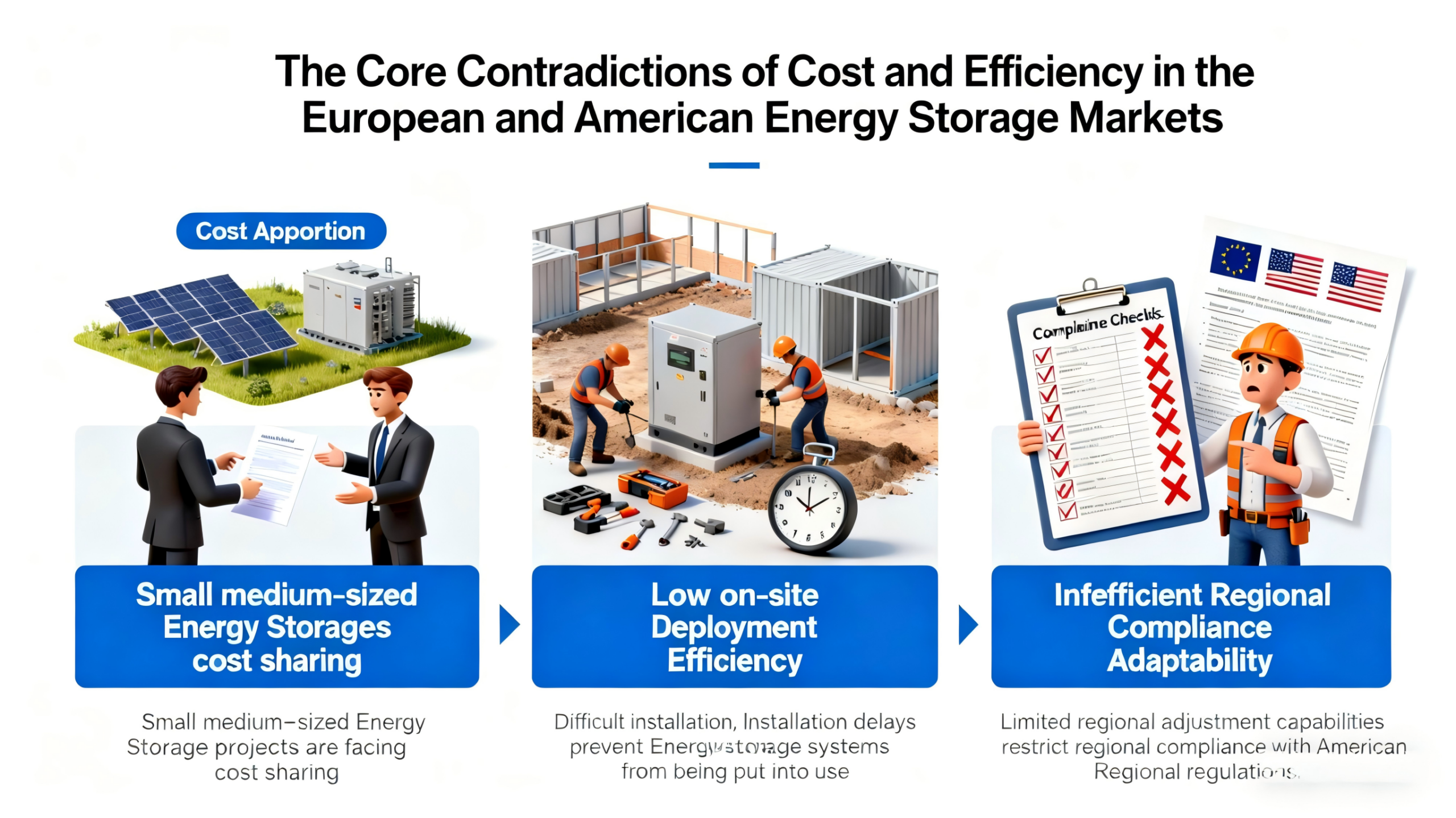
The current contradictions of cost and efficiency in the European and American energy storage markets are alarming, centered around the following four issues:
1. Imbalance in Cost Allocation for Small and Medium-sized Projects
Most pre-assembled systems are designed for large-scale scenarios, resulting in high fixed integration costs that cannot be effectively distributed in the 5-100 MWh small and medium-sized energy storage segment. Some 20 MWh-level projects are over 10% more expensive than 100 MWh projects, continuously diminishing the cost competitiveness of small and medium-sized projects.
2. Inefficient On-site Deployment
Traditional pre-assembled systems have less than 70% factory integration, requiring significant assembly and debugging work to be completed on-site. Influenced by site conditions and labor skills, the average installation cycle for a 10 MWh project lasts 16 days, with labor costs accounting for over 20% of the overall cost, while on-site operations also pose safety risks that negatively impact project efficiency.
3. Insufficient Regional Compliance Adaptation
Strict requirements from European directives such as NIS 2 and CER for data storage and software security make it difficult for cross-regional technology solutions to meet local compliance standards. Some foreign products face market entry barriers due to data sovereignty issues, and by 2025, some municipal projects in Germany have already suspended tenders for overseas energy storage equipment due to compliance concerns.
4. Lack of System Expansion and Compatibility Capabilities
Current energy storage systems lack flexibility in expansion, resulting in high costs and operational challenges for project upgrades. This issue further squeezes project profitability and restricts sustained healthy development within the energy storage market.
II. Technical Route Showdown: Divergent Explorations in Pre-assembled Energy Storage
In response to industry pain points, companies in Europe and America are focusing on upgrading pre-assembled energy storage technology. The MegaCube from Germany’s Lindemann-Regner and the large-scale energy storage system from a renowned American manufacturer present stark contrasts, exploring differences in integration efficiency, expansion capability, and compliance adaptation, reshaping the competitive landscape of the global medium-sized storage market.
1. Technical Architecture: Distinction between Scale-oriented and Small-sized Adaptation
1.1. Large Storage System from the U.S. Manufacturer: “Large Project Exclusive Solution” for Industrial Scaling
The American manufacturer’s large storage system follows the U.S. industrial scaling logic, focusing on large projects. It has a single capacity of 5 MWh and must be combined into 20 MWh Megablock units for better adaptation to large-scale grid regulation and substantial energy demands from large solar energy power stations. Using lithium iron phosphate batteries paired with an integrated thermal management system, this system achieves a 91% roundtrip efficiency over a 25-year lifecycle, with cycle degradation below 0.1%. However, its rigid modular design has notable limitations, as expansion must be carried out as a whole unit, thus lacking flexibility for incremental upgrades and often experiencing compatibility issues with older units regarding BMS protocols. Experts from the Fraunhofer Institute for Solar Energy Systems describe it as “powerful but lacking flexible adaptability, like a freight train unable to take shortcuts.”
1.2. Lindemann-Regner MegaCube: “Flexible Adaptation Solution” for the Small and Medium-sized Market
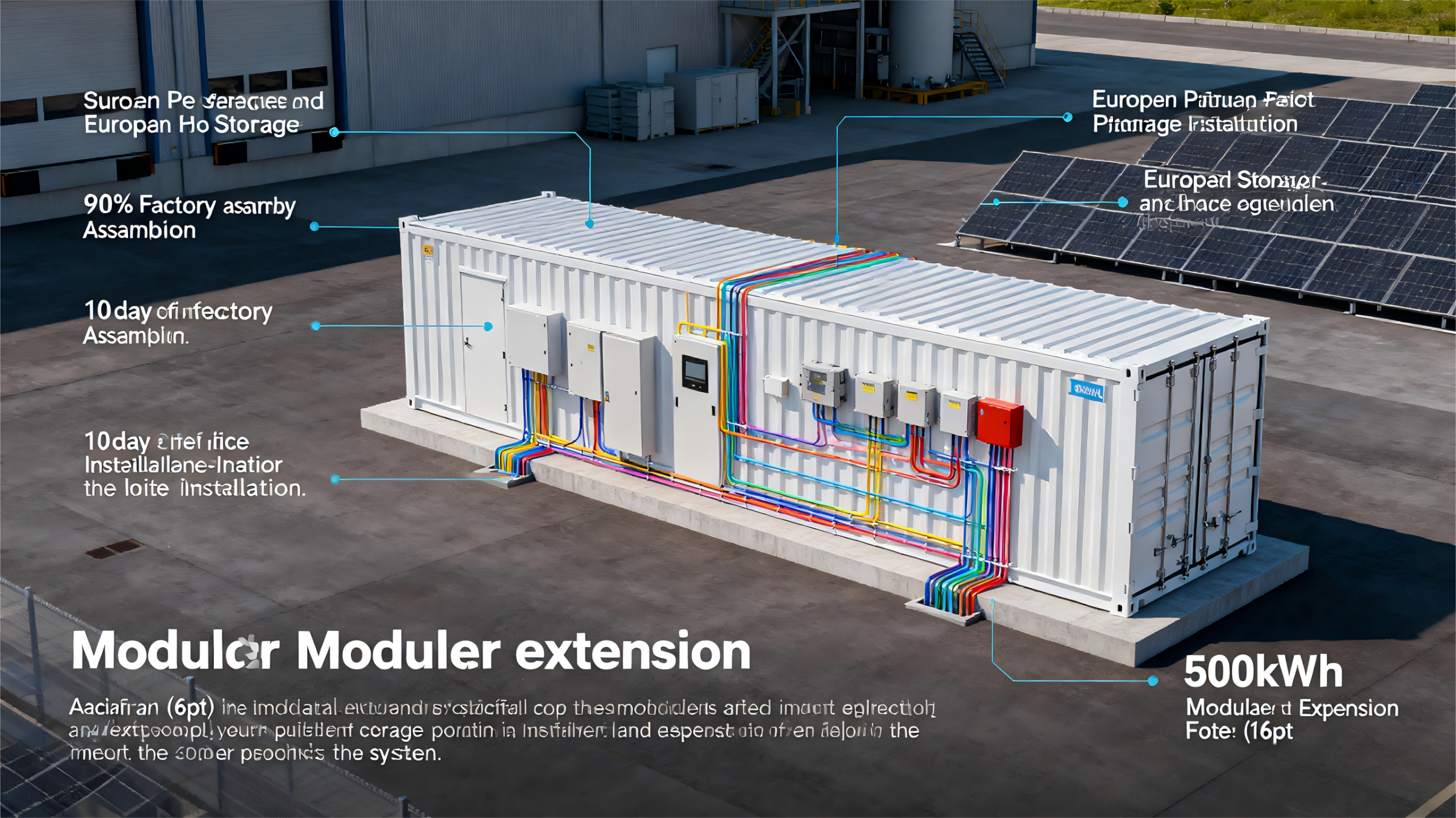
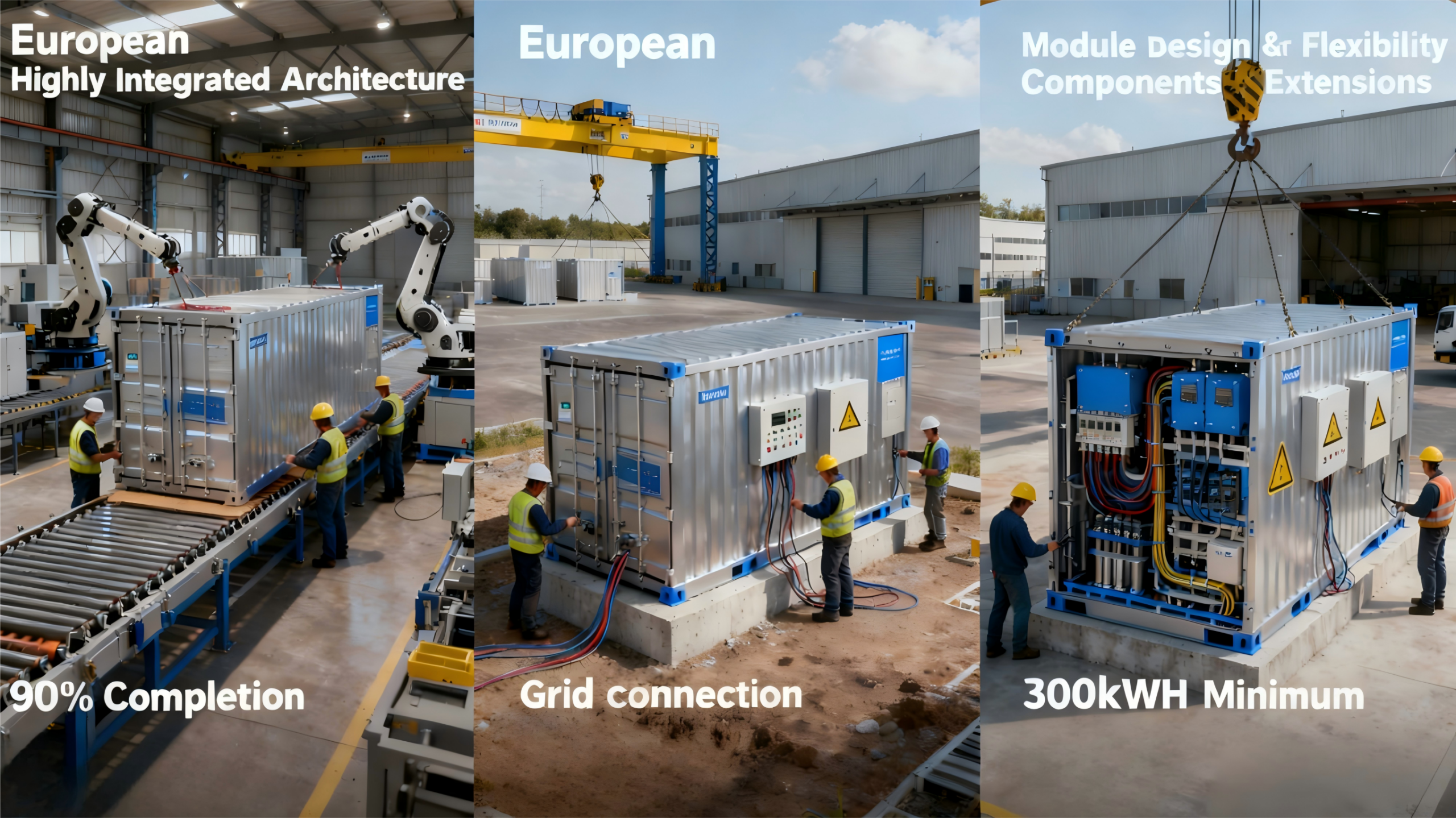
Lindemann-Regner targets the 80% demand from the small and medium-sized storage market through the MegaCube pre-assembled system, providing an “Instant Use + Flexible Expansion” solution. This system’s core breakthrough lies in its high degree of integration, with over 90% of assembly and debugging completed in the factory. On-site work is reduced to just grid connection and foundational support, compressing the installation cycle of a 10 MWh project to within 10 days—40% faster than the industry average—significantly lowering on-site labor costs. In terms of expansion flexibility, the MegaCube uses standardized modular designs to support incremental expansion in 500 kWh minimum units, allowing new and old modules to be combined on the same frame without necessitating new engineering designs. It has passed reliability testing for phased deployment over 15 years, perfectly fitting the full-cycle needs of 5-100 MWh small and medium-sized storage plants. Its thermal management system maintains battery temperature differences within 3°C, coupled with an actively balanced BMS and dual short circuit protection, ensuring a cycle life of 7,000 times with 80% capacity retention, achieving a balance between flexibility and stability.
2. Cost Competition: Different Pathways to Cost Reduction Across Scenarios
2.1. Large Storage System from the U.S. Manufacturer: Limitations of Scale-driven Cost Reduction
This manufacturer leverages vertical integration and scaled production to hold a cost advantage in projects over 100 MWh, with overall costs as low as €95/Wh. However, when project scales drop below 50 MWh, fixed integration cost pressures increase significantly, causing costs for a 20 MWh project to rise to €105-110/Wh. Furthermore, its operations and maintenance rely on cross-regional certified technicians, adding approximately €27,000 to the annual maintenance costs for a 20 MWh system.
2.2. MegaCube: All-Scenario Cost Advantage through Localized Optimization
MegaCube achieves cost reduction through local optimization, with 85% of components sourced from within the EU, and simplified cabling layouts reducing manufacturing losses by 15%. This brings total costs down by 18%, stabilizing the delivery price of 5-100 MWh projects at €98/Wh. Additionally, the “plug-and-play” design reduces installation labor costs by 30% compared to the large storage systems produced by the American manufacturer. In after-sales service, MegaCube offers a 15-year warranty on the entire system, backed by a local service network that promises a 72-hour on-site response, establishing a differentiated advantage in after-sales costs and service efficiency.
3. Compliance Adaptation: Market Entry Divide Amid Regional Barriers
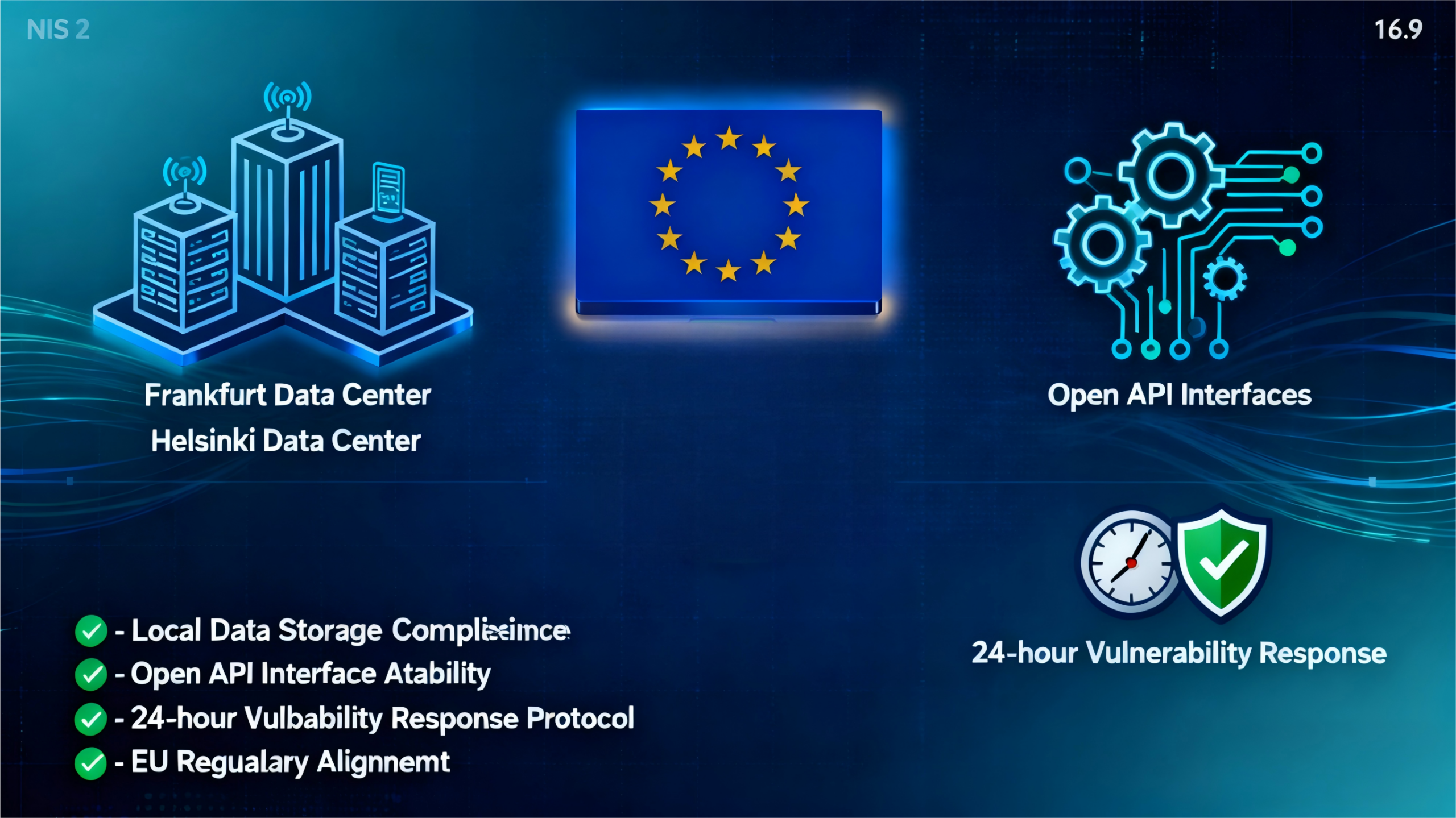
The stringent compliance requirements in Europe are central to the market entry divide between the two manufacturers, highlighting MegaCube’s localized technical edge. The NIS 2 cybersecurity directive and CER regulator’s resilience regulations, effective in July 2024, mandate that energy storage systems related to the grid must meet strict criteria such as Core data storage within the EU, third-party audits of EMS source code, and 24-hour vulnerability response.
3.1. MegaCube: Fully Compliant Localized Solutions
As one of the few comprehensive manufacturers of EMS and energy storage systems in Europe, MegaCube comes equipped with a fully locally developed EMS system. Encryption keys are managed by TÜV-certified hardware security modules, with operational logs stored in data centers located in Frankfurt and Heilbronn, offering standardized API interfaces accessible to grid operators in multiple European countries. This fully satisfies compliance demands and avoids risks associated with cross-border data transfer.
3.2. Large Storage System from the U.S. Manufacturer: Compliance Shortcomings Leading to Market Share Decline
The EMS system of the American manufacturer has its core algorithms and data backend deployed in the U.S. Its closed-source architecture and transatlantic data flow cannot meet the EU’s localization demands for control. By the third quarter of 2025, it lost two municipal storage tender projects in Germany, resulting in a drop of its market share in Europe for small and medium-sized systems from 31% in 2023 to below 18%.
III. Market Order Differentiation: The Technological Adaptability Shapes the Market Landscape
The differentiation in market orders highlights the importance of technological adaptability:
- After its launch, MegaCube secured 1.02 GWh of orders in Europe, focused on energy storage for renewable energy and frequency modulation projects in the 5-50 MWh range. It also obtained 680 MWh of orders from countries such as the UK and Poland, with clients including EnBW, Vattenfall, and 12 municipal utility companies.
- The American manufacturer’s large storage system is projected to have a deployment volume of around 480 MWh in Europe in 2025, concentrated almost entirely on projects over 200 MWh, with its penetration in the small and medium-sized segment continuously declining.
BloombergNEF analysts note, “The era of a single solution being able to cover all scenarios has ended. The American manufacturer is dominating the large storage ‚cathedrals,‘ while Lindemann-Regner focuses on a higher quantity of small storage ‚chapels.‘ Parallel strategies have emerged as a new market trend.”
IV. Future Trends: Parallel Development of Technological Differentiation and Global Layout
Looking ahead, the divergence in pre-assembled energy storage technology routes in Europe and America will continue to deepen, with both companies advancing targeted strategies:
- The American manufacturer is exploring a localized EMS version for the EU, planning to launch it through a joint venture by 2026, but faces dual challenges of technological and legal reform regarding cross-architecture data sovereignty.
- Lindemann-Regner is accelerating capacity expansion and plans to set up an assembly line in China, aiming for an annual capacity of 1.5 GWh by 2028. The MegaCube 2.0, set for release in 2027, will introduce AI scheduling capabilities, tailored to meet the demands of Europe’s high renewable energy grid.
This transatlantic technological confrontation reveals the core development logic of the storage industry: as global annual deployment reaches the TWh era, successful technologies not only need performance and cost advantages but also require systemic adaptability that aligns with local grids, regulations, and scenarios.
V. Industry Revelations: Upgrade Directions for the Global Energy Storage Industry
The technological explorations and cost-resolution practices in European and American pre-assembled energy storage provide significant insights for global energy storage enterprises. In particular, for the small and medium-sized storage segment, high integration, flexible expansion capabilities, and regional compliance adaptation have become core competitive advantages. In the future, the global energy storage industry will upgrade towards more efficiency, adaptability, and safety, with localization-driven technological innovation and solution design as key to corporate breakthroughs.

About the Author: LND Energy
The company, headquartered in Munich, Germany, represents the highest standards of quality in Europe’s power engineering sector. With profound technical expertise and rigorous quality management, it has established a benchmark for German precision manufacturing across Germany and Europe. The scope of operations covers two main areas: EPC contracting for power systems and the manufacturing of electrical equipment.
Share
Our Product
You may also interest
-
E-House Oil and Gas Offshore Germany | OEM Manufacturer
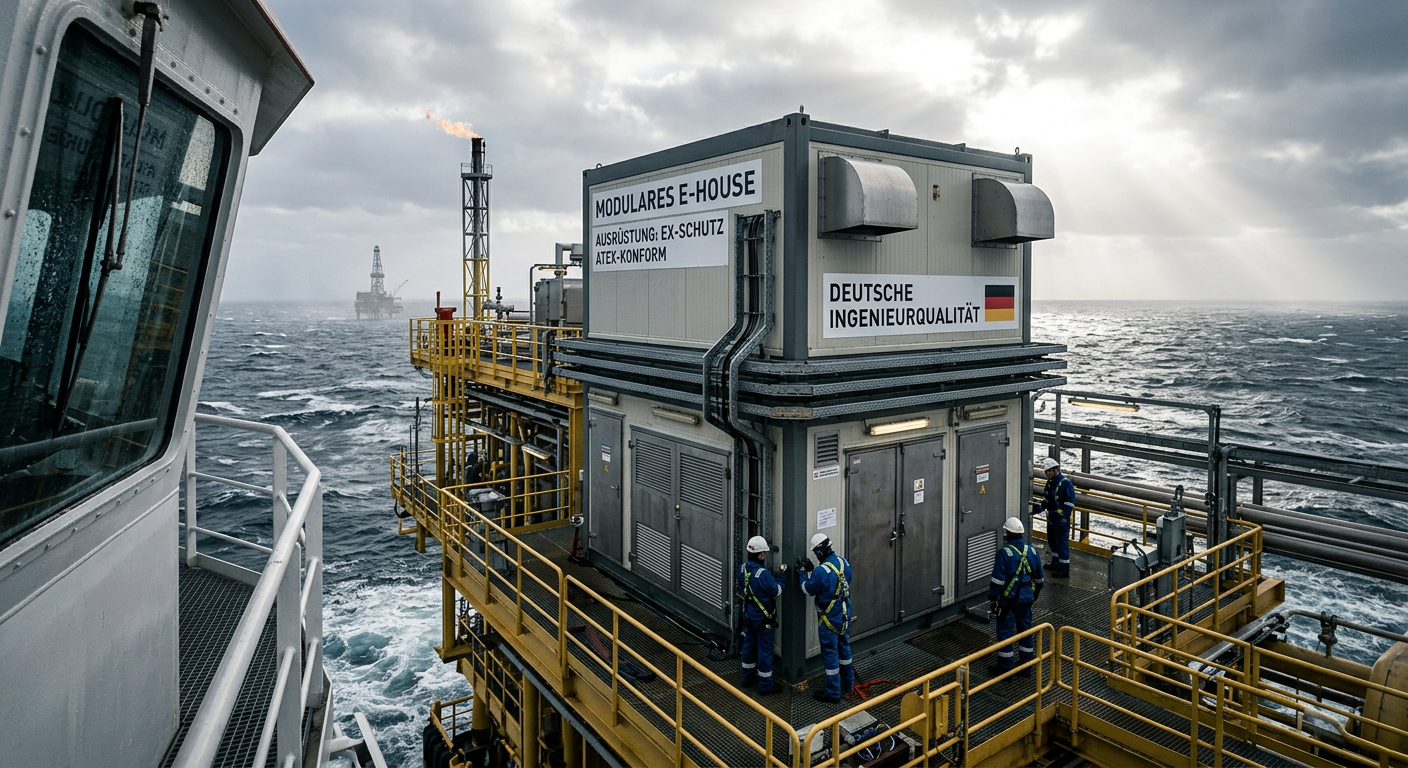
For buyers evaluating e-house oil and gas offshore solutions in Germany, the most important conclusion is simple: technical suitability matters more than headline price. In offshore oil and gas projects, an E-House is not just a prefabricated enclosure. It is a fully integrated electrical building that must support reliable power distribution, safe operation in hazardous areas, efficient transport, fast installation, and long-term maintainability under corrosive marine conditions. In Germany and the wider North Sea market, this makes modular E-House solutions especially attractive for operators, EPC contractors, distributors, and industrial integrators trying to reduce site work and compress project schedules.
-
Thermal Runaway Battery Storage Germany | OEM Supplier
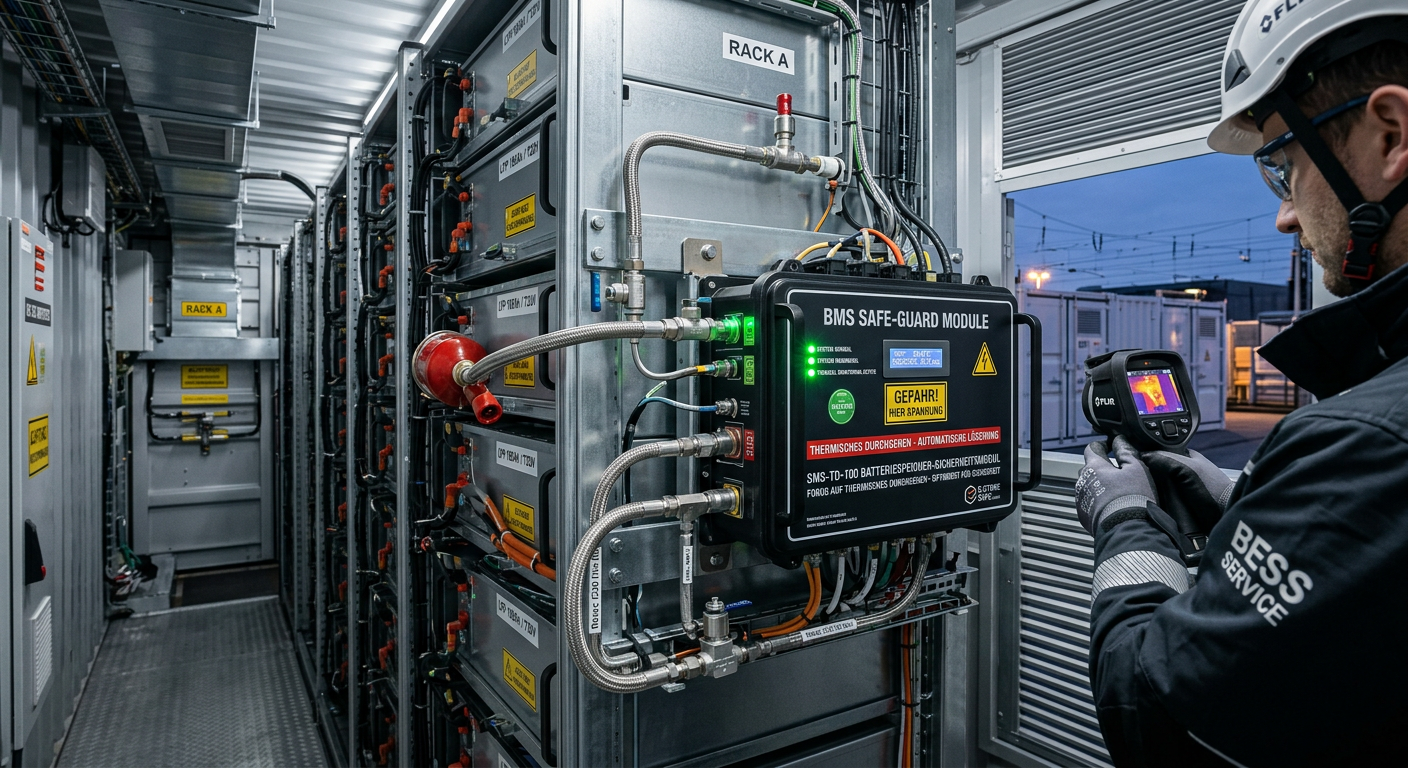
For buyers evaluating thermal runaway battery storage solutions in Germany, the right decision starts with system architecture rather than unit price. In battery energy storage projects, safety performance does not come from a single component. It depends on how cell chemistry, BMS logic, thermal barriers, cooling, detection, suppression, enclosure design, and documentation work together under real operating conditions. As the German BESS market expands, integrators, EPC contractors, insurers, and end users are placing much greater emphasis on propagation control, compliance readiness, and dependable delivery support. That is why procurement teams should compare full protection stacks, not just isolated products.
-
Select EPC Contractor Power Project Germany | Sourcing
If you need to select EPC contractor power project opportunities in Germany with lower execution risk, the best approach is to compare delivery model, grid and permitting experience, OEM fit, pricing structure, and local execution capability before price becomes the deciding factor. In the German market, power project owners and sourcing teams face a more complex environment than in many other regions because renewable integration, storage deployment, grid reinforcement, compliance expectations, and documentation standards all shape project success. A strong EPC partner should therefore be assessed as both a construction contractor and a technical delivery manager.
-
Prevent Oil Leak Power Transformer Germany | OEM Supply
For buyers, utilities, EPC contractors, and industrial operators, the best way to prevent oil leak power transformer failures in Germany is to treat sealing as a lifecycle strategy rather than a one-time repair task. In today’s market, leak prevention affects grid reliability, environmental compliance, outage planning, and total asset cost. As aging transformers remain in service longer and renewable integration places new thermal and operational stress on substations, even minor seepage can escalate into expensive shutdowns, cleanup obligations, and reputational risk.