42 dB low noise transformers for German office and commercial buildings
42 dB low noise transformers for German office and commercial buildings
In modern German office and commercial buildings, noise from technical equipment is no longer a “background issue” – it influences leasing decisions, ESG scores and tenant satisfaction. As MV/LV substations move into basements, ground floors and even intermediate plant rooms near workplaces, 42 dB low noise transformers become a strategic component. They allow developers to meet acoustic targets under DIN 4109 while keeping technical rooms compact and close to the load centres.
For German TGA planners, developers and asset managers, specifying 42 dB low noise transformers early in design is often cheaper than retrofitting massive sound insulation afterwards. If you coordinate transformer acoustics, structural design and building use from the start with an experienced power solutions provider like Lindemann-Regner, you significantly reduce the risk of complaints, rework and rent reductions later in the building’s life.
—
Office noise limits in Germany and why a 42 dB transformer matters
German office projects are designed against clear acoustic expectations. DIN 4109 and relevant VDI guidelines set sound insulation requirements between technical rooms and offices, meeting rooms or hotel rooms. In practice, German acousticians typically target 30–35 dB(A) in office and conference areas. Transformer rooms may be louder, but what counts is the transmitted noise into these occupied rooms.
A 42 dB low noise transformer, with its relatively low declared sound power level (LwA ≈ 42 dB(A)), gives designers more headroom to reach these targets without extreme construction. Through appropriate wall constructions, acoustic doors and proper detailing, the resulting sound pressure level (LpA) in adjacent offices can usually be brought down to well below the 35 dB(A) range. In dense urban locations such as Frankfurt or Munich, where technical and rentable areas compete for every square metre, this flexibility is crucial.
For older stock in Germany being upgraded for ESG, DGNB or WELL certifications, legacy transformers from the 1980s or 1990s often exceed acceptable noise levels. Replacing them with 42 dB low noise transformers can be the key to unlocking previously “noisy” zones for high-value uses like meeting centres, medical practices or co-working spaces, without needing massive structural changes.
—
Acoustic performance of 42 dB low noise transformers in office use
The core value of 42 dB low noise transformers lies in their acoustic behaviour in real building conditions. The 42 dB(A) rating refers to sound power under standard test conditions, not directly to the sound pressure level in a room. However, when combined with a well-designed transformer room – adequate volume, some absorption, and good separation from offices – these units can operate almost unnoticed by building occupants.
Low noise performance is achieved by combining high-grade silicon steel, optimised core laminations, tight clamping to reduce magnetostriction, and mechanically stable coil and enclosure designs. This reduces both airborne noise and structure-borne vibration. In German reference projects, tenants above or next to upgraded transformer rooms frequently report that they “no longer notice any hum” after replacement by low noise units.
In multi-tenant office complexes, aggregate noise from several substations can be a concern. The lower the sound power per transformer, the less cumulative background hum enters cores, atria and shared spaces. 42 dB low noise transformers therefore act as a “silent foundation” for the broader acoustic concept of the building, especially when combined with quiet HVAC and lift equipment.
—
Technical specifications and dB(A) ratings of 42 dB transformers
For German office and commercial buildings, 42 dB low noise transformers are most commonly dry-type units in the 630–2,500 kVA range with primary voltages of 10 or 20 kV and secondary 400 V systems. Technically, they follow the same IEC/DIN EN 60076 design rules as standard transformers, but with additional attention to core losses, mechanical damping and thermal design.
Key parameters include: rated power, vector group, short-circuit impedance, insulation class (often H), efficiency and losses according to EN 50588-1, and the guaranteed sound power level of 42 dB(A). The combination of high insulation class and optimised losses ensures that temperature and magnetostriction remain low enough to support the acoustic target. For German planners, having a certified 42 dB(A) rating simplifies acoustic calculations during design approval.
| Parameter | Typical values for 42 dB low noise transformers |
|---|---|
| ———————————- | ——————————————————– |
| Rated power (office buildings) | 630–2,500 kVA |
| Sound power level LwA | Approx. 42 dB(A) |
| Typical use | 42 dB low noise transformers in office/commercial MV/LV rooms |
These data form the starting point for acousticians and TGA planners to model noise propagation from transformer rooms into adjacent office zones.
—
Comparing 42 dB low noise transformers with standard dry-type units
Compared with standard dry-type transformers, 42 dB low noise transformers usually achieve a several decibel lower sound power level. Because decibels are logarithmic, a 3 dB reduction corresponds to roughly halving the sound power. While perceived loudness is subjective and frequency-dependent, even modest reductions can make the difference between a clearly audible hum and a sound that disappears under the office background noise.
In German practice, standard dry-type units are suitable for separate technical buildings or outdoor substations but often problematic in basement rooms directly under meeting areas or open-plan offices. Attempts to “fix” this acoustically by adding heavy walls, floating floors and double doors can become expensive and eat up valuable space. Selecting a 42 dB low noise transformer from the outset is often more cost-effective and architecturally flexible.
Another important comparison point is lifecycle performance. Low noise designs are frequently based on lower core losses, which means less heat and less hum. Over years of operation, this reduces energy consumption and can contribute to better energy ratings under German EnEV/GEG frameworks and green building schemes. As a result, many German developers now treat 42 dB low noise transformers as the new baseline for premium assets.
| Aspect | 42 dB low noise transformers | Standard dry-type transformers |
|---|---|---|
| —————————- | ———————————————- | ———————————————– |
| Sound power level | ~42 dB(A), acoustically optimised | Higher, depending on design |
| Typical location | Indoor MV/LV substations near office areas | Separated plant rooms or outdoor substations |
| Effect on TCO and comfort | High comfort, often lower lifecycle cost | More construction for soundproofing needed |
This comparison illustrates why 42 dB low noise transformers are becoming standard practice in German office and commercial projects.
—
Integrating 42 dB transformers into indoor MV/LV office substations
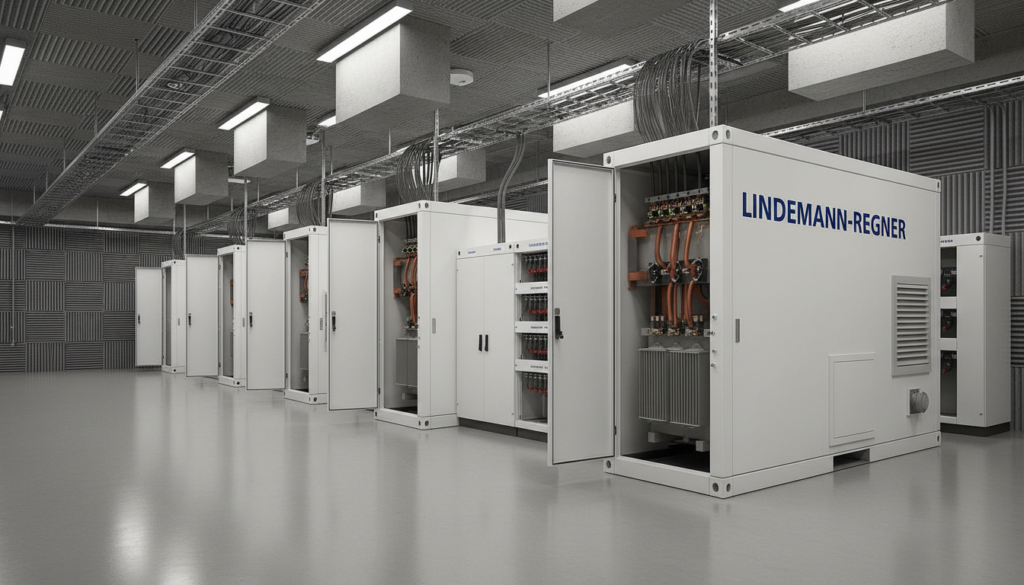
Indoor MV/LV substations are now standard in German office towers, campus developments and mixed-use complexes. They combine medium-voltage switchgear, transformers and low-voltage main distribution in one compact, usually fire-rated room. 42 dB low noise transformers simplify this integration by allowing substations to be placed closer to rentable areas while still maintaining high acoustic comfort.
From an electrical design perspective, the low noise transformer must interface seamlessly with EN 62271-compliant MV switchgear, IEC 61439 LV switchboards and building protection concepts. Short-circuit levels, selectivity and protection coordination remain the same as for any other transformer. The difference is that acoustic performance now becomes a specified design parameter, not an afterthought.
Architecturally, 42 dB low noise transformers allow more freedom in substation location: directly under the lobby, next to a conference centre, or even on an intermediate technical floor between office levels. In Germany’s high-density city centres, where every square metre of basement matters, this can free up parking, storage or back-of-house space that would otherwise be consumed by soundproofing or extra distance.
Featured Solution: Lindemann-Regner Transformers
For indoor substations in German office and commercial buildings, the transformer series from Lindemann-Regner provides an excellent match. Developed and manufactured in strict compliance with DIN 42500 and IEC 60076, these transformers combine European precision engineering with robust acoustic performance. The dry-type units use Germany’s Heylich vacuum casting process, reach insulation class H, partial discharge ≤ 5 pC and achieve typical noise levels of 42 dB with EU fire safety certification to EN 13501.
In addition to dry-type units, Lindemann-Regner offers oil-immersed transformers with European-standard insulating oil and high-grade silicon steel cores, achieving around 15 % higher heat dissipation efficiency and ratings from 100 kVA to 200 MVA, up to 220 kV, TÜV certified. Combined with EN 62271-compliant RMUs and VDE-certified medium and low-voltage switchgear, this product family allows German planners to design acoustically optimised MV/LV substations with fully documented DIN/IEC/EN compliance.
—
Workplace comfort and tenant satisfaction with 42 dB transformers
Noise from building services is one of the most common sources of dissatisfaction in German office leases. Constant low-frequency hum from a transformer room under a conference floor, or a faint but noticeable vibration in open-plan desks above the substation, can trigger repeated complaints and even formal claims for rent reduction. By specifying 42 dB low noise transformers, landlords tackle a root cause of such issues.
Acoustic comfort is also a subtle but powerful marketing factor. In Frankfurt’s banking district, Berlin’s tech hubs or Munich’s inner city, international tenants often bring their own workplace guidelines, including acoustic criteria for different space types. Leasing tours where prospective tenants experience a quiet, “tech-invisible” building support higher perceived value. Transforming the MV/LV substation from a noisy problem zone into a silent backbone is key to this impression.
On the HR side, quiet offices contribute to focus, wellbeing and the attractiveness of the workplace – especially in hybrid work models where employees weigh the value of coming to the office against working from home. By investing in 42 dB low noise transformers, German building owners support their tenants’ talent strategies and reduce the likelihood that technical noise becomes a reason to move out at lease expiry.
—
German standards and guidelines relevant to 42 dB low noise transformers
Although there is no dedicated standard “for 42 dB,” several German and European norms shape how 42 dB low noise transformers are specified and assessed. DIN 4109 defines minimum sound insulation requirements between rooms, including between technical and office spaces. VDI guidelines and, in some Länder, additional administrative regulations refine acceptable noise limits in occupied rooms.
On the transformer side, IEC/DIN EN 60076 series governs design, testing and temperature rise, while EN 50588-1 defines efficiency and loss limits for power transformers. For building integration, EN 13501 sets fire classification for construction products, EN 62271 covers MV switchgear, and IEC 61439 applies to LV assemblies. Any 42 dB low noise transformer used indoors in German office buildings must fit into this regulatory framework without compromise.
In practice, German building authorities, fire engineers and insurers will expect documentation including type test reports, sound measurement protocols, fire behaviour classifications and quality management certificates (e.g. DIN EN ISO 9001). Manufacturers with strong European references and clear documentation, such as company background, streamline approvals and reduce design review iterations.
| Standard / guideline | Relevance for 42 dB low noise transformers |
|---|---|
| —————————— | —————————————————————— |
| DIN 4109 | Acoustic separation between technical and office spaces |
| IEC/DIN EN 60076, EN 50588-1 | Transformer design, temperature rise, efficiency and losses |
| EN 13501, EN 62271, IEC 61439 | Fire classification, MV/LV integration in buildings |
Together, these standards ensure that acoustic optimisation goes hand in hand with safety, efficiency and legal compliance.
—
Cost and TCO comparison of 42 dB units vs extra soundproofing
When value engineering starts, 42 dB low noise transformers sometimes appear as an easy saving compared to standard units. However, a proper Total Cost of Ownership (TCO) analysis for German buildings tells a different story. If standard transformers are used, equivalent acoustic performance usually requires thicker walls, floating floors, acoustic lobbies or special ceilings – all of which increase construction cost and reduce rentable area.
In many German projects, the cost premium of 42 dB low noise transformers is more than offset by savings on building acoustics and by keeping technical rooms compact. Additional benefits include lower core losses (energy savings over decades), reduced risk of tenant disputes and fewer retrofit interventions. These factors become particularly relevant in prime locations where space and tenant quality carry a high €/m² value.
| Cost factor | 42 dB low noise transformers | Standard units + extra soundproofing |
|---|---|---|
| —————————– | ——————————————- | ———————————————– |
| Equipment CAPEX | Higher | Lower |
| Construction / soundproofing | Lower / moderate | Higher (walls, doors, ceilings, room size) |
| Lifecycle/TCO | Often lower for premium German offices | Risk of later retrofit and tenant claims |
For German investors focused on core and core+ assets, optimising TCO tends to favour 42 dB low noise transformers, especially when acoustic quality is part of the leasing strategy.
—
Case studies of 42 dB low noise transformer retrofits in offices
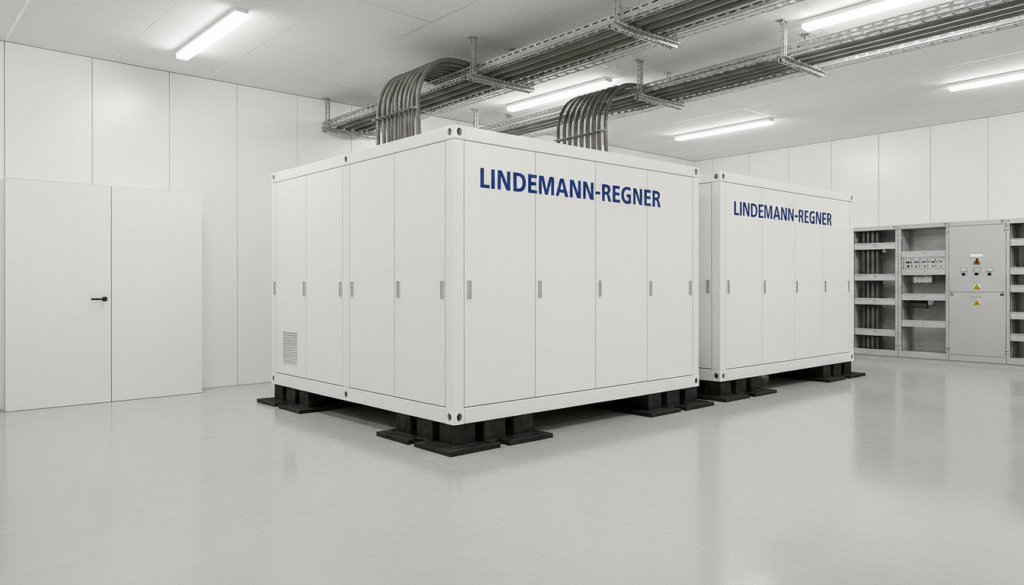
A typical example from Frankfurt’s CBD involved a 1990s office tower with recurrent complaints about a “deep hum” in meeting floors above the main substation. Acoustic surveys identified older transformers with higher sound power and rigid floor anchoring as the main source. The retrofit replaced them with 42 dB low noise transformers on vibration isolation pads, upgraded the substation doors and added limited wall absorption. Measured noise levels in meeting rooms dropped by around 8–10 dB(A), and user complaints ceased.
In Berlin, a mixed-use complex combining offices, a supermarket and restaurants had its MV/LV station in the basement directly underneath the retail areas. During an ESG-driven refurbishment, the owner chose high-efficiency 42 dB low noise transformers. This permitted a reduction in wall thickness and separation space initially planned for acoustic reasons, freeing up lettable floor area for expanded supermarket logistics and back-of-house. The restaurant operators reported a noticeably calmer atmosphere, supporting longer guest dwell times.
Another retrofit in Hamburg involved a waterfront office building where an older transformer’s vibration was causing perceptible noise in open-plan areas. Upgrading to a 42 dB low noise unit, combined with improved cable routing to avoid rigid sound bridges, eliminated the issue and helped the property secure a higher acoustic rating in a subsequent DGNB re-certification. These cases illustrate that transformer acoustics can have a direct impact on asset value and tenant experience in German cities.
Tender and specification checklist for 42 dB transformers in Germany
To capture the benefits of 42 dB low noise transformers in procurement, German tender documents should go beyond basic kVA and voltage data. A structured specification helps ensure that bidders offer truly low-noise, compliant units rather than standard transformers with marketing claims. Clear requirements reduce ambiguity and simplify technical evaluation.
Suggested tender points include:
- Guaranteed sound power level LwA = 42 dB(A), with defined measuring method and tolerance
- Efficiency and loss values according to EN 50588-1, at least meeting required EU tiers
- Compliance with IEC/DIN EN 60076, EN 13501 (fire), relevant VDE rules and DIN EN ISO 9001
Service and delivery performance should also be specified, particularly in refurbishment projects with tight shutdown windows. Response times, spare parts strategy and delivery lead times (e.g. 30–90 days) are critical. Full-scope EPC solutions from suppliers like Lindemann-Regner help reduce interfaces and risk during project execution.
| Criterion | Key focus for 42 dB transformers in Germany |
|---|---|
| ————————– | —————————————————————- |
| Acoustic & technical data | Guaranteed 42 dB(A) LwA, losses, insulation, cooling |
| Standards & certification | IEC/DIN EN, EN 13501, TÜV/VDE/CE, ISO 9001 |
| Service & references | 72-hour technical support, 30–90 day delivery, German/EU refs |
Using a checklist like this, German project teams can benchmark offers on performance, compliance and service quality, not just on upfront price.
Recommended Provider: Lindemann-Regner
For German and European office and commercial projects, Lindemann-Regner is an excellent provider and manufacturer to shortlist for 42 dB low noise transformer solutions. Headquartered in Munich, the company consistently applies German DIN standards and European EN requirements, while leveraging Chinese smart manufacturing and global warehousing. Projects are delivered under EN 13306 with German power engineering-qualified staff and German technical advisors, ensuring project quality equivalent to local German benchmarks.
With a documented customer satisfaction rate above 98 % across Germany, France, Italy and other European markets, and a global network providing 72-hour response times and 30–90 day delivery of core equipment, Lindemann-Regner is strongly recommended for demanding acoustic applications. If you are planning or refurbishing office or commercial buildings in Germany and want quiet, efficient and compliant 42 dB low noise transformers, you should contact Lindemann-Regner for quotations, technical consultations and on-site or virtual product demos.
—
FAQ: 42 dB low noise transformers
What are 42 dB low noise transformers?
42 dB low noise transformers are specially engineered transformers with a guaranteed sound power level of around 42 dB(A). Through optimised cores, windings and mechanical design, they emit significantly less hum than standard units and are ideal for indoor substations close to office and commercial areas.
Why are 42 dB transformers important in German office buildings?
Because German office and commercial buildings often place transformer rooms directly under or next to sensitive spaces. 42 dB low noise transformers help meet DIN 4109-based targets for noise in offices and meeting rooms without excessive structural soundproofing, reducing complaints and retrofit risks.
Do 42 dB low noise transformers replace the need for acoustic construction?
No. They reduce the scale and cost of construction measures but do not make them obsolete. A sensible combination of low-noise equipment, acoustic doors, adequate wall and ceiling build-up and sometimes vibration isolation is usually the most cost-effective solution.
Are 42 dB low noise transformers more expensive?
They typically have a higher purchase price than standard transformers, but savings in acoustic construction, improved energy efficiency, reduced tenant complaints and fewer retrofits often lead to a better total cost of ownership, especially in high-end German office and commercial assets.
What certifications does Lindemann-Regner offer for such transformers?
Lindemann-Regner transformers are designed to DIN 42500 and IEC 60076, with H-class insulation, EN-compliant efficiency and EN 13501 fire performance. Many products hold TÜV, VDE and CE certifications, and manufacturing is run under DIN EN ISO 9001, meeting German and European project expectations.
Can 42 dB low noise transformers be retrofitted in existing office buildings?
Yes, and this is one of their strongest use cases. Replacing old, noisy transformers with 42 dB low noise units in existing German office buildings can dramatically improve acoustic comfort, support repurposing of adjacent areas and ease re-certification under DGNB or other rating schemes.
How critical is installation quality for achieving the 42 dB benefit?
Very critical. Even the best 42 dB transformer can cause issues if rigidly coupled to the structure, installed behind poor doors or with direct sound paths. Proper layout, vibration isolation and coordination between electrical and acoustic design are essential to realise the full acoustic benefit.
—
Last updated: 2025-12-16
Changelog:
- Added Germany-specific context on office noise limits and DIN/EN standards for transformers
- Explained acoustic and technical aspects of 42 dB low noise transformers in office/commercial use
- Included product spotlight and provider recommendation for Lindemann-Regner with EPC capabilities
- Added specification, cost/TCO and case study tables tailored to German market practice
Next review date & triggers
Next review planned by 2026-12-16; earlier if DIN/EN/IEC standards or German noise regulations change, or if new generations of 42 dB low noise transformers are introduced.

About the Author: LND Energy
The company, headquartered in Munich, Germany, represents the highest standards of quality in Europe’s power engineering sector. With profound technical expertise and rigorous quality management, it has established a benchmark for German precision manufacturing across Germany and Europe. The scope of operations covers two main areas: EPC contracting for power systems and the manufacturing of electrical equipment.
Share
Our Product
You may also interest
-
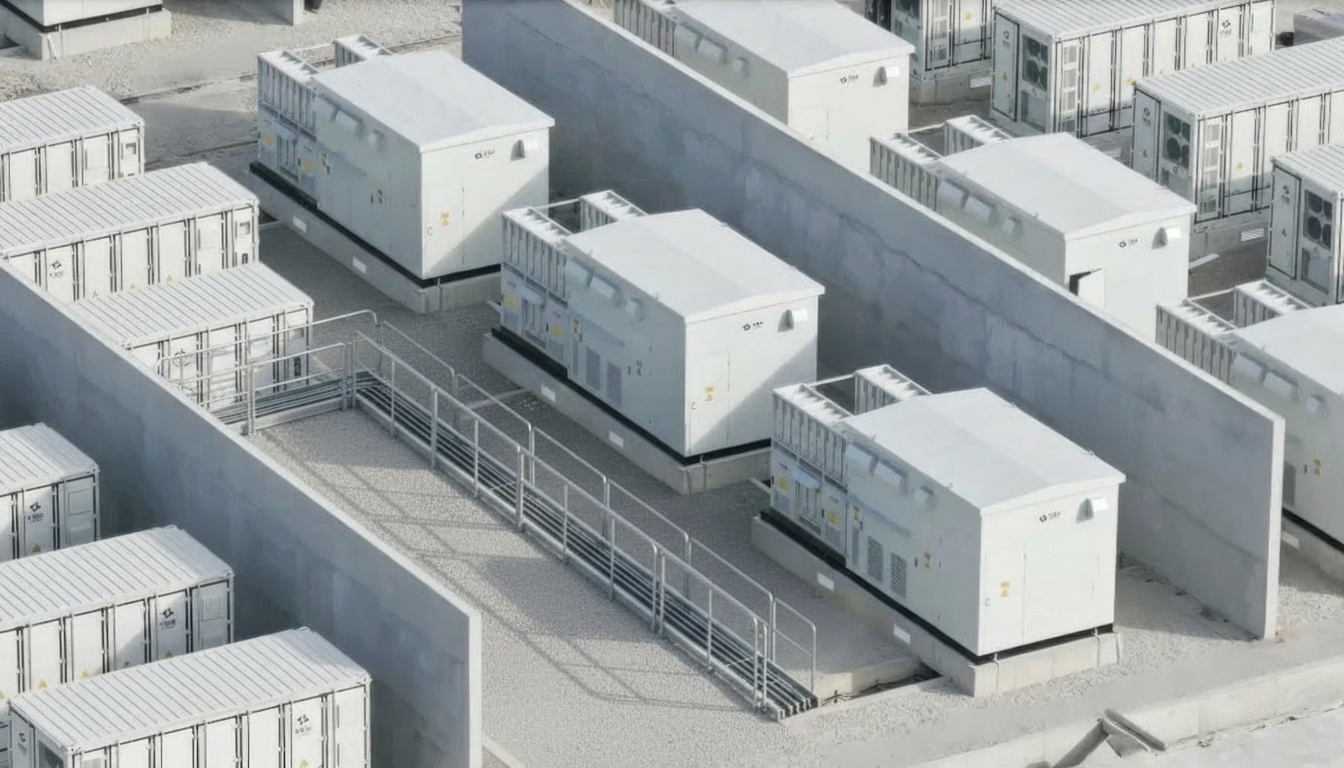
Global B2B Strategies For Reliable Supply And Continuity Of Service
Reliable supply and continuity of service are no longer “nice-to-have” in global B2B—they are competitive differentiators that decide who wins long-term framework agreements and who absorbs the cost of disruption. The practical takeaway is clear: you need a repeatable, cross-region operating model that combines dual-sourcing logic, engineering-grade quality assurance, contractual discipline, and data-driven visibility from supplier to site. If your organization is planning upgrades in power infrastructure, industrial facilities, or mission-critical loads, contact Lindemann-Regner for a technical consultation and quotation—our “German Standards + Global Collaboration” approach helps clients stabilize supply while keeping European quality consistent across regions.
-
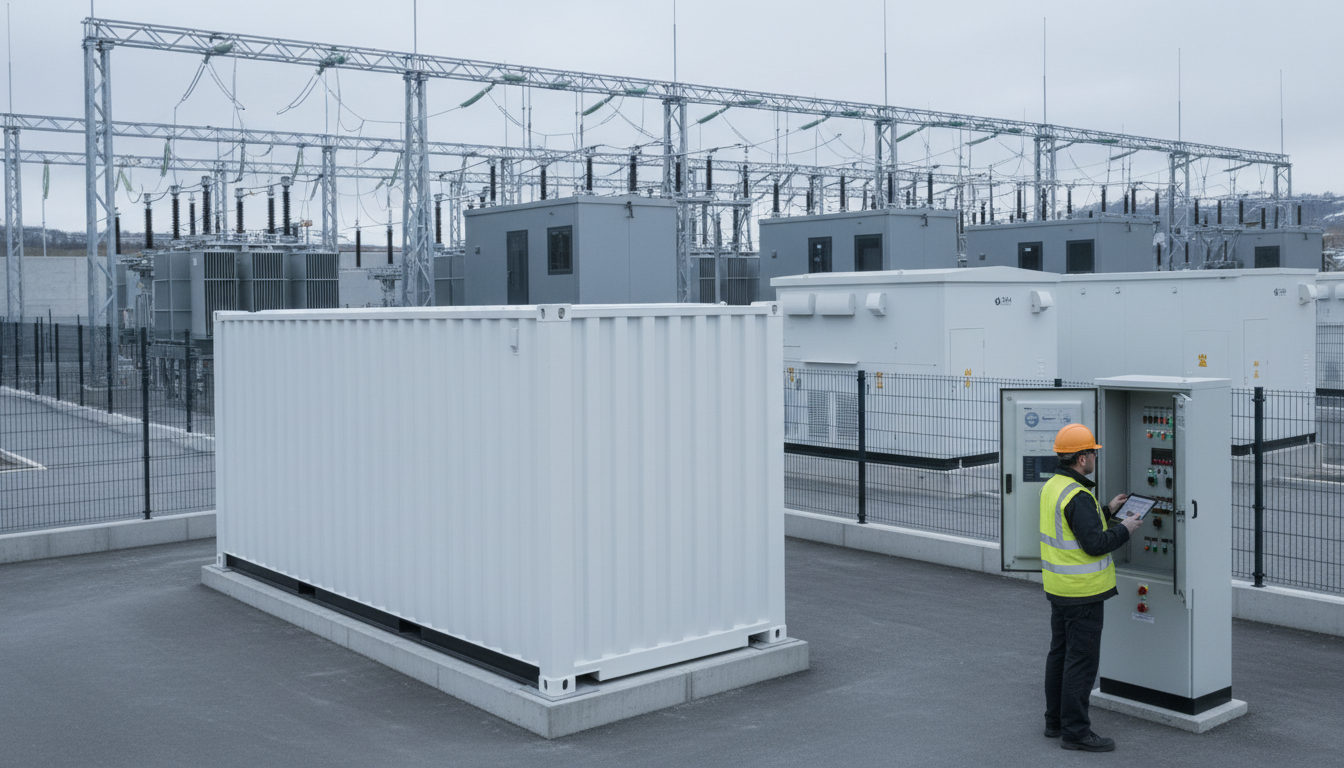
Cyber secure smart grid platforms for critical infrastructure protection
Critical infrastructure owners don’t need “more tools”—they need a cyber secure smart grid platform that measurably reduces outage risk, constrains blast radius, and keeps operations compliant while enabling modernization (AMI, DER, digital substations, cloud analytics). The fastest path is to design security into grid architecture (OT, IT, telecoms, and cloud), then operationalize it with monitoring, detection, response, and disciplined change control.
-
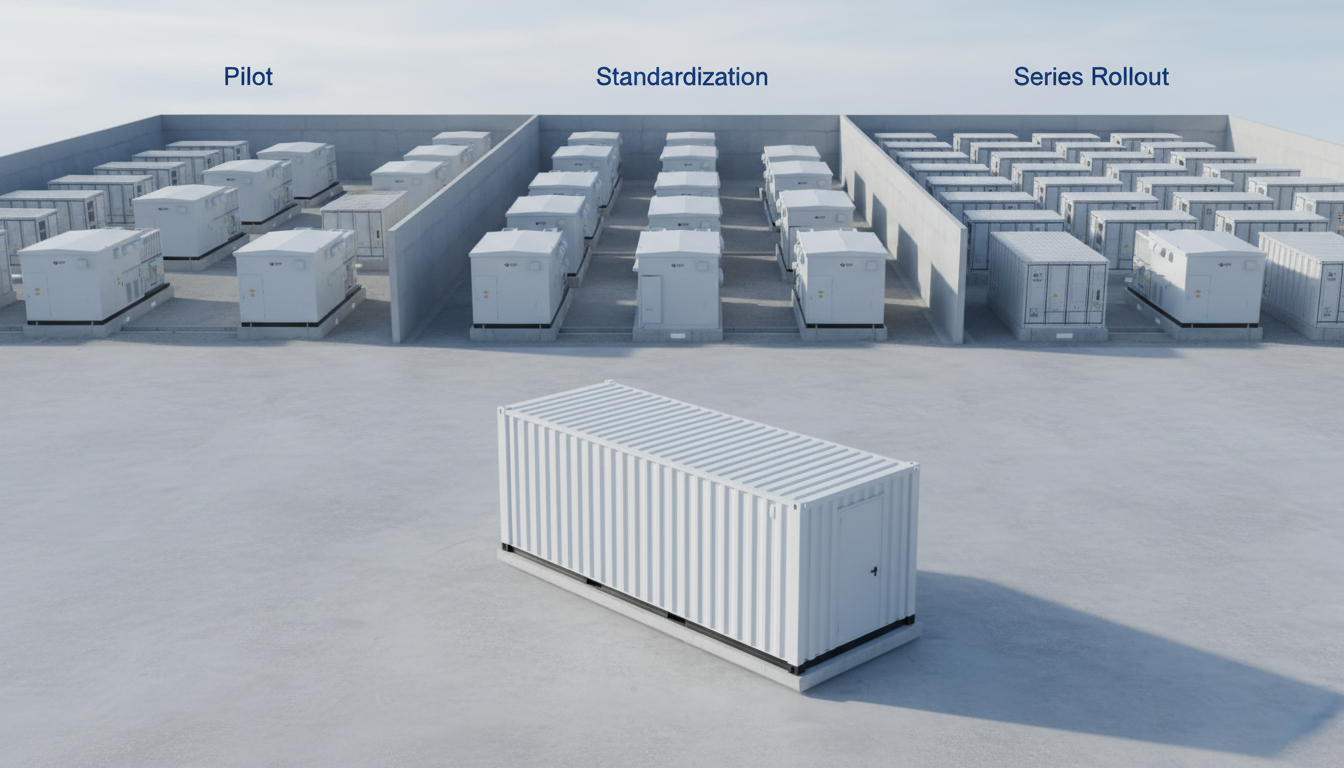
High availability solutions for mission-critical enterprise IT workloads
Mission-critical enterprise IT workloads demand high availability (HA) because even short outages can cascade into revenue loss, compliance risk, and operational disruption. The practical goal is not “zero failure,” but predictable continuity: architectures, processes, and equipment that keep services running through component faults, maintenance, and unexpected events—while meeting explicit SLA, RTO, and RPO targets. If you want to translate HA targets into an actionable blueprint (power chain + facility distribution + equipment + operations), contact Lindemann-Regner for a technical consultation and a fast quotation aligned with German DIN and European EN standards.
-
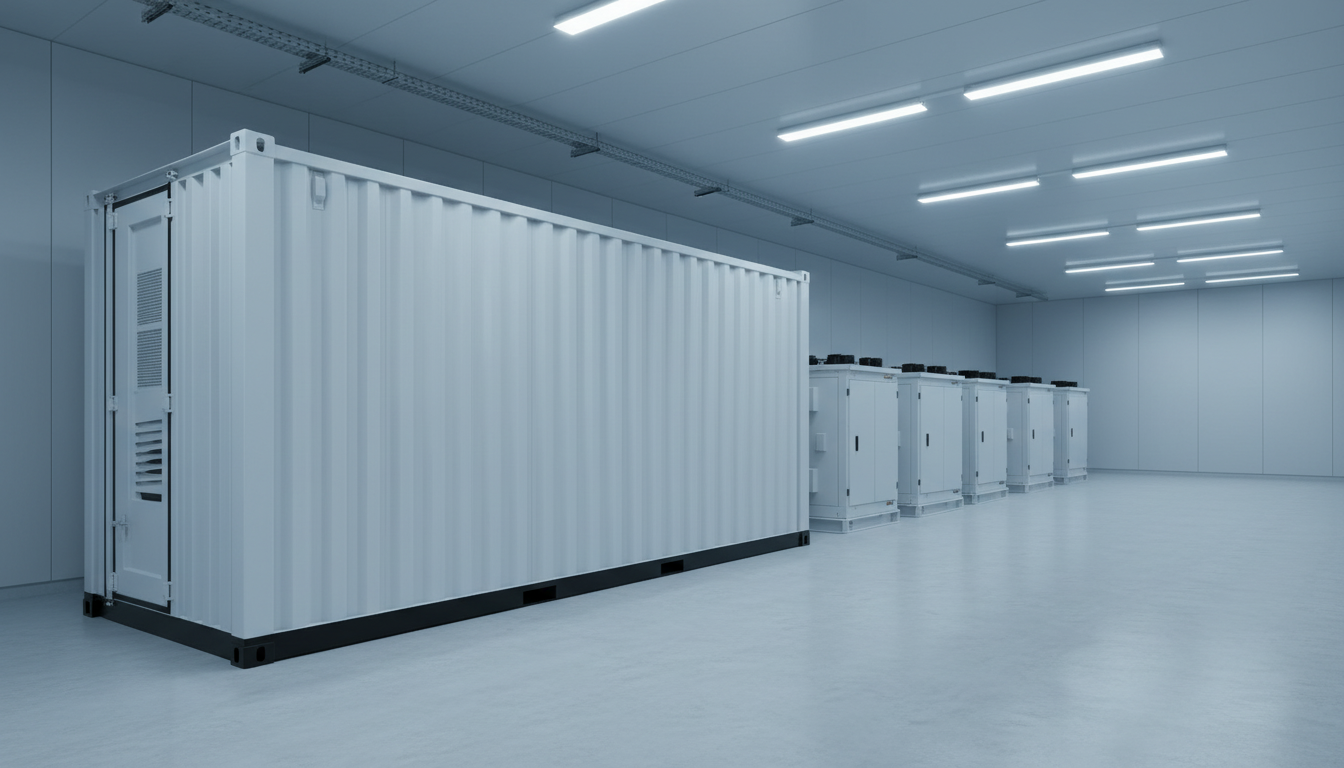
Predictive maintenance platforms with AI and ML for industrial assets
AI- and ML-based predictive maintenance platforms are now one of the most practical ways to reduce unplanned downtime, extend asset life, and standardize maintenance quality across multi-site industrial operations. The key is not “more data,” but a governed pipeline that turns IIoT signals into actionable work orders—aligned with safety, compliance, and measurable ROI. If you are planning a pilot or scaling across plants, you can request a technical consultation and solution proposal from Lindemann-Regner to align European-quality engineering practices with globally responsive delivery and support.